Model comparison · 6 min read
Dreame A3 AWD 2000 vs A3 AWD Pro 2500: Is Pro Worth It?
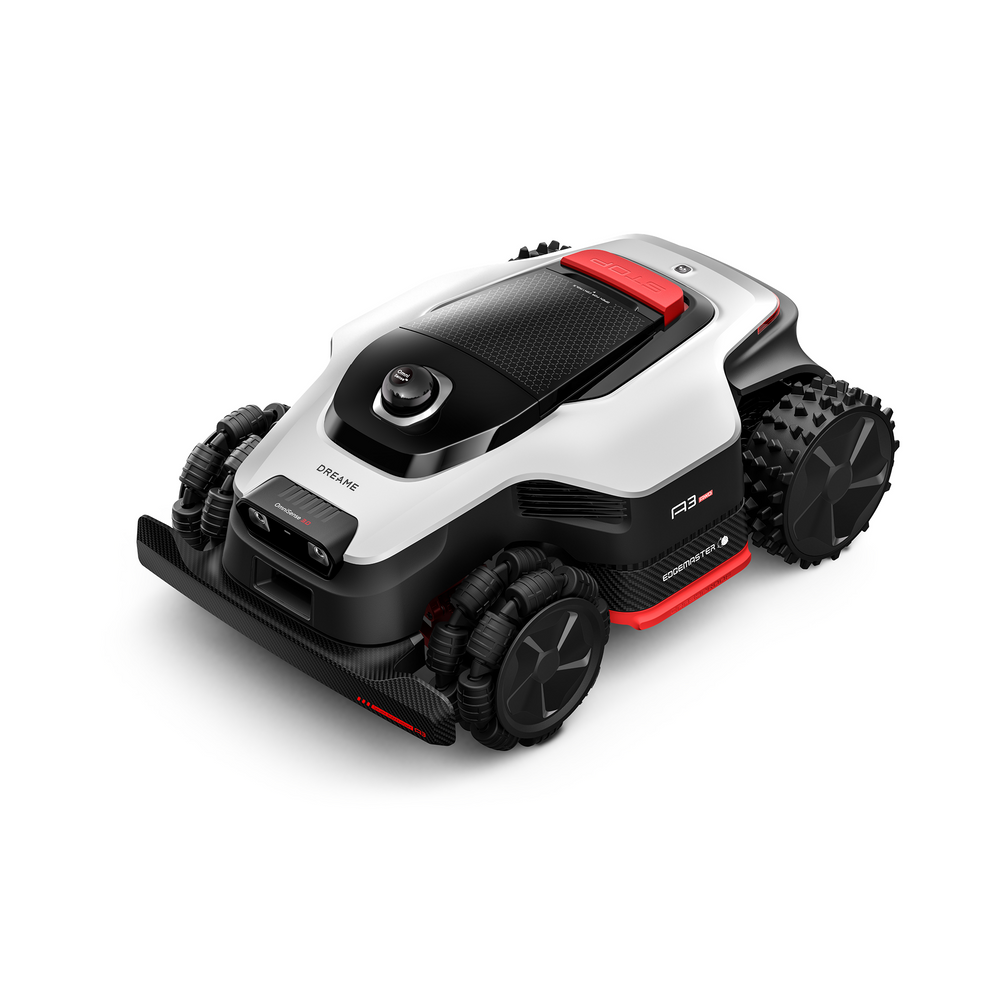
The Pro has a much wider cutting deck, but both mowers offer the same height range, AWD and station-free positioning. We'd choose between them by the grass area and layout before paying for the Pro badge.
Based on published manufacturer information.
Checked Nov 27 · In stock when checked. Shipping and tax at checkout.
Buy at Lowe’s See all offers & model details ↗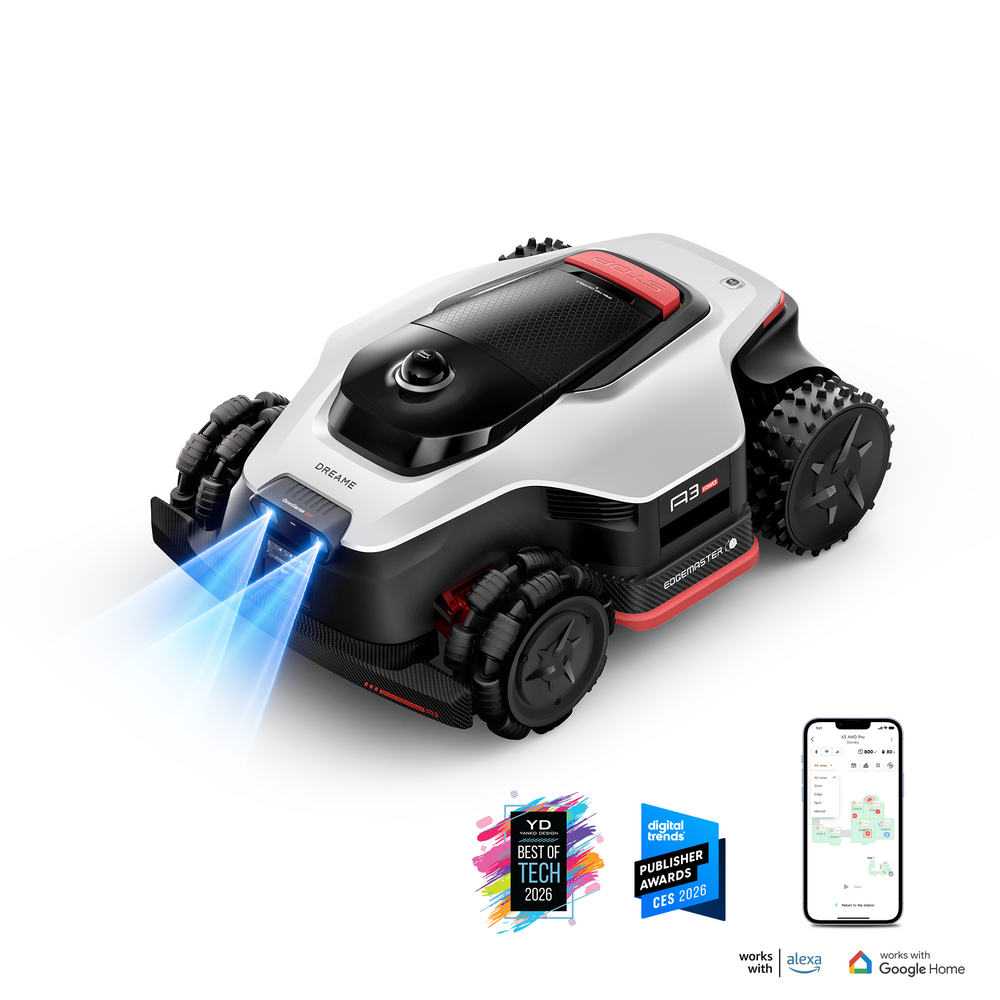
No current brand offer. Explore Amazon options.
We may earn a commission when you buy through these links.
Our recommendations come from published specifications. We may earn a commission from qualifying purchases. As an Amazon Associate, we earn from qualifying purchases. How we work
The quick verdict
Here’s where we’d start.
We'd start with A3 AWD 2000 for a suitable lawn within half an acre. Pro 2500 is worth considering if its 15.8-inch deck would suit your yard, or the grass exceeds 0.50 acre but stays within its 0.62-acre rating. It doesn't add a higher cut or a bigger climbing headline. Compare the complete available offers once you know which mower fits the route and mowing schedule.
A3 AWD 2000
A3 AWD 2000 is rated for 0.50 acre, with a 7.9-inch cutting width, AWD and a 1.2–3.9-inch range.
Its exact battery capacity isn't established by the shared table. Ask which included 4G term applies to the 2000 and confirm access requirements.
A3 AWD Pro 2500
Pro 2500 increases the deck to 15.8 inches and rated area to 0.62 acre. It keeps the same listed cutting-height range.
The wider deck doesn't prove a finishing time. Check exact-model stock and Link renewal after the included three years.
Start with how much grass you're asking it to mow.
The A3 AWD 2000 covers a rated 0.50 acre. The A3 AWD Pro 2500 reaches 0.62 acre. Measure the lawn itself, leaving out the house, beds and paving. A half-acre lot can have considerably less than half an acre of grass, so the property listing isn't the figure we'd use to choose a mower.
For 0.45 acre of grass, both area ratings fit. At 0.55 acre, the 2000 is outside its rating while Pro 2500 remains in consideration. That's a clear reason to compare the Pro. For other models around this size, our half-acre mower guide puts the decision alongside the relevant LUBA versions.
For an alternative to the non-Pro 2000, our WR320.1 versus Dreame 2000 guide compares two half-acre recommendations before changing the capacity tier or paying for the wider Pro deck.
Before paying for Pro, the 1000 versus 2000 comparison checks whether the smaller or larger non-Pro recommendation already covers the actual job.
Pay for the Pro if its wider cut would suit your yard.
The cutting widths are 7.9 inches for A3 AWD 2000 and 15.8 for Pro 2500. We'd give that difference attention on a broad lawn with long mowing runs. It gives the Pro a specific reason to be on the list, especially if you already know you want the wider cutting system.
We wouldn't turn roughly twice the cutting width into half the mowing time. Overlap, turns, obstacles, travel and charging still matter. A front lawn and back lawn joined by a narrow route may raise different questions from one open grass area. Ask Dreame how each model would fit the hours you're happy to leave it running.
MOVA offers another way to get a wider cut at a half-acre map allowance. Our Ultra 2000 AWD versus A3 AWD 2000 comparison works through that choice without treating map size as daily output.
Compare standard A3 2000 and LUBA 3 1500H when a wider cutting area would suit the yard. The high-cut LUBA’s smaller stated lawn allowance and current unavailability remain part of that decision.
Check the gate and the slope before choosing a deck.
Both advertise AWD and an 80% maximum climbing slope, roughly 38.7 degrees. That shared figure wouldn't persuade us to buy Pro. Measure the steepest section you want included and ask about the ground conditions and route back to charge. Percent grade and degrees aren't interchangeable numbers.
Measure the narrowest gate separately from cutting width. The blade measurement doesn't tell you how much room the whole robot needs, or whether it can handle a raised transition. If a slope ends beside a road, pool or drop, ask for the boundary setbacks and barriers. A climbing maximum doesn't answer those edge questions.
Compare standard A3 2000 and X5 Gen 2 when AWD and half-acre coverage are both relevant. Interior climbing maxima, maintained height and address-specific positioning answer separate questions.
Neither calls for a separate RTK station.
Both describe 360-degree 3D LiDAR with binocular AI vision, without perimeter wire or an RTK station. If avoiding a reference station is your main concern, you don't have to choose Pro for that feature. You still need to plan the charger, routes and work boundaries for the exact model.
Walk between every grass section and the proposed charger. Point out a gate that stays closed for a dog, an isolated lawn or a shaded side passage. Our mowers without an RTK station guide compares more options if the positioning setup is the first thing you want to decide.
Don't assume the Pro buys a bigger battery or free service forever.
Pro 2500 has a model-specific 5 Ah battery row. A3 AWD 2000's shared page doesn't clearly assign it an exact battery capacity, so we wouldn't borrow a number from the 1000 or use it to rank runtime. Ask for the mowing-and-charging schedule for your lawn instead of calculating one from the family headlines.
The service wording also differs. A3 AWD advertises one year of 4G, while reused FAQ text says up to three; confirm the 2000's actual terms. Pro lists three years of Link before paid continuation. Ask what renewal currently costs and which functions rely on it. Those answers belong beside the initial price.
Compare the package you'll actually receive.
Both reviewed packages list the mower, charging tower, baseplate and power supply with installation items. The 2000 lists nine spare blades and three holders; Pro lists 18 and six. Useful to know, but spare quantities alone wouldn't decide the mower for us. Check the selected seller package rather than assume every photographed accessory comes with it.
Add any required installation work and delivery to the quote, and keep optional garages separate. We'd also check the support route and return conditions if the proposed setup can't be made to work at home. If an exact model is unavailable, a different capacity suffix still needs its own comparison.
Here's when we'd choose each one.
We'd keep A3 AWD 2000 first for a suitable lawn within 0.50 acre when its cutting system and schedule work. We'd consider Pro 2500 for a useful wider deck or grass beyond the smaller mower's area rating. The identical height range, listed positioning approach and climbing maximum aren't upgrade reasons in this pair.
Our Dreame lineup guide covers the other sizes if neither rating fits. Once the lawn and setup checks are settled, compare the complete available prices. The right upgrade should solve something you need from the mower, rather than leave you paying for a Pro badge without a useful difference.
If Pro is the right family but you need more grass capacity, our 2500 versus 3500 versus 5000 guide covers those sizes without assigning the 5000’s 10Ah battery to every model.
Our LUBA 3 1500 versus Pro 2500 guide adds a cross-brand wide-cut comparison, with the standard LUBA’s smaller area and lower maximum setting checked before the price.
A closer look
The differences, in view.
Scroll horizontally on smaller screens. Values are manufacturer claims; see each product for qualifiers and original wording.
| Specification | A3 AWD 2000 | A3 AWD Pro 2500 |
|---|---|---|
| Rated lawn coverage | 0.5 acreExact 2000 US variant rating; not per-charge area. | 0.62 acreExact US variant rating; not per-charge area. |
| Cutting width | 7.9 in | 15.8 in |
| Subscriptions | 1 year of 4G advertisedFeature list says one year; reused FAQ says up to three. Confirm the exact 2000 terms. | 3 years of Link service includedPaid continuation after included period; future price not verified. |
| Battery capacity | Not confirmed | 5 AhExact model-specific battery row; not transferred from another size. |
Ready to choose?
Your next step, made simple.
Checked Nov 27 · In stock when checked. Shipping and tax at checkout.
Buy at Lowe’s See all offers & model details ↗No current brand offer. Explore Amazon options.
We may earn a commission when you buy through these links.
Show your work
Sources & editorial method.
We reviewed official US product information and exact configurations. Our advice draws on published specifications and model-specific manufacturer instructions, with the practical trade-offs explained. Unknowns and conflicting claims are kept visible. Prices above come from the catalog and may change independently of this article’s review date.
- Dreame A3 AWD — exact US 2000 specifications, box contents and connection wording
- Dreame A3 AWD Pro — exact 2500 specifications, battery row, package and Link terms
Published Nov 1, 2026 · Editorial review Nov 10, 2026.
Read our research standardsKeep exploring
A little more perspective.
The Best Dreame Robot Mowers: Which Model to Buy
Dreame's five A3 AWD models share more than you might expect. We'd choose between them mainly by lawn size and deck width, then check the package and connection costs before paying for a Pro.
Read the guideThe Best Robot Mowers for Half-Acre Yards
A half-acre lawn doesn't automatically need the biggest mower. We'd start with Dreame A3 AWD 2000, then look at Pro 2500 or the right LUBA 3 height version if your yard gives you a reason to upgrade.
Read the guide