The field guide
Robot Mower & Pool Cleaner
Buying Guides.
Find the best robot mower for your lawn or pool cleaner for your routine. Compare the models, understand the tradeoffs, and choose with a clear verdict.
Robot mower buying guides.
Published-specification research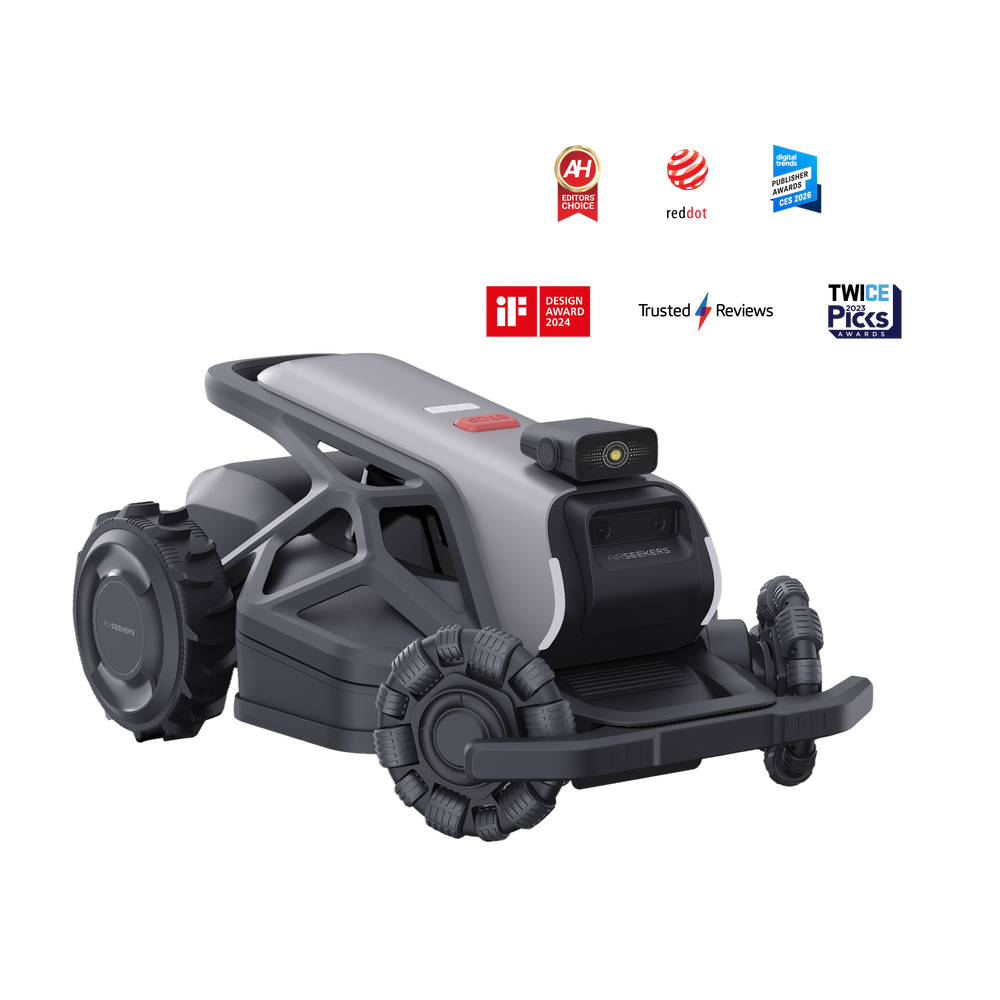
 vs
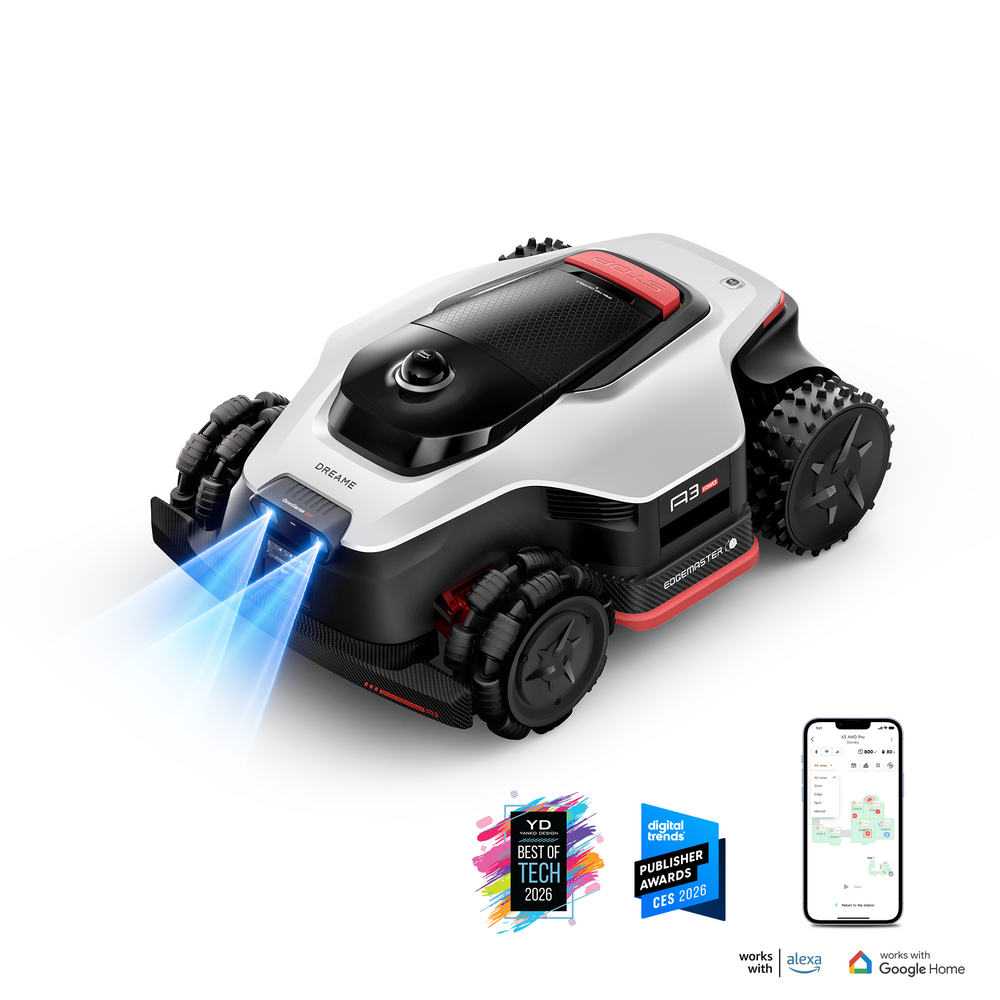
Airseekers TRON Plus vs Dreame A3 AWD Pro 5000
Both are worth a look if you have around an acre of grass, but their area figures answer different questions. We'd pay closer attention to the deck, cutting height and installation before deciding which mower belongs in the yard.
Read the guide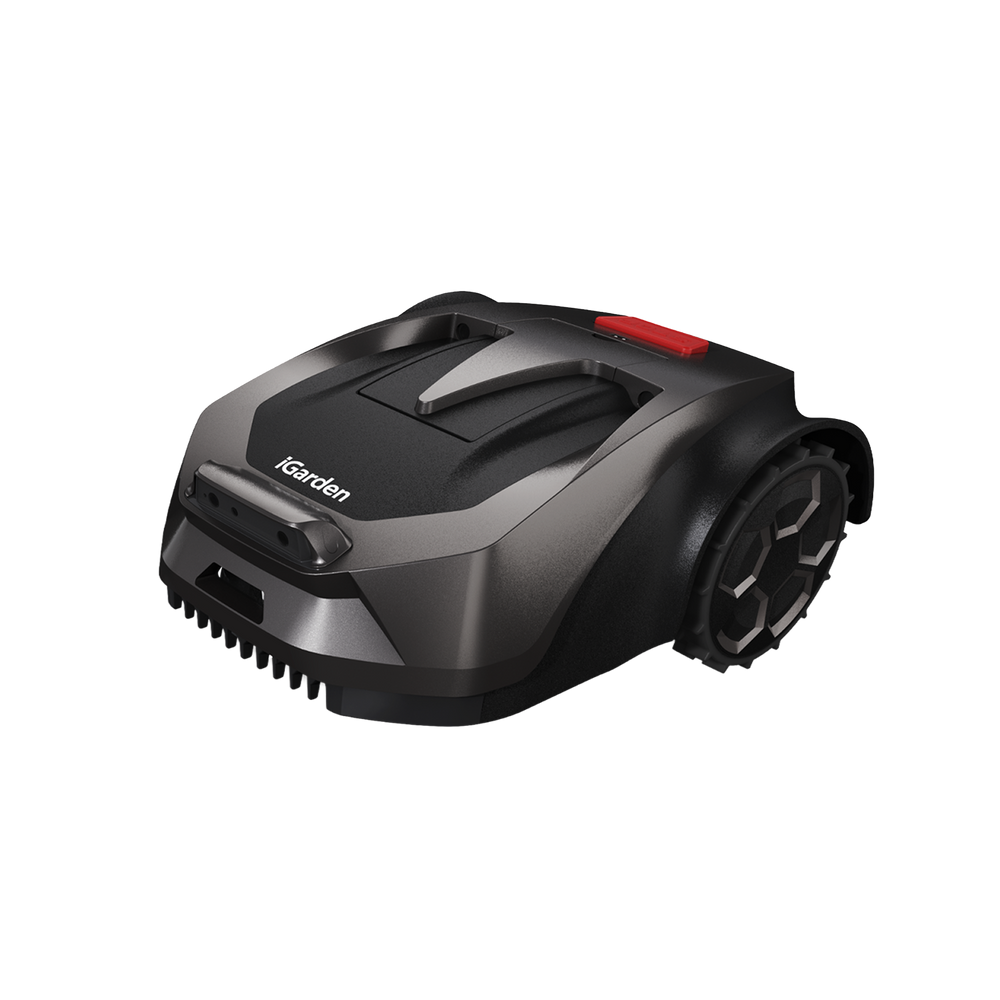 vs
Airseekers TRON Plus vs iGarden R35
TRON Plus can leave the grass taller. R35’s headline describes coverage per charge, while TRON Plus also publishes an optimum lawn size. Keep those claims separate when planning the weekly routine.
Read the guide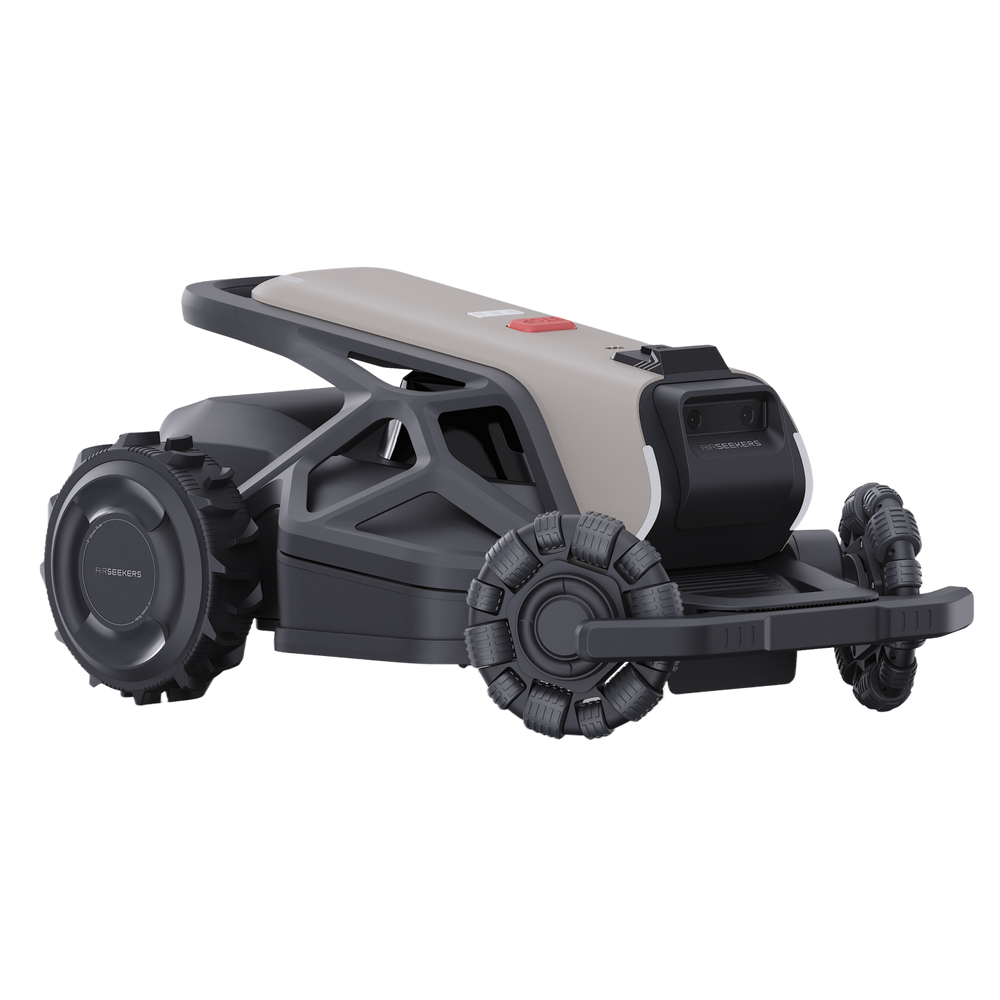
 vs
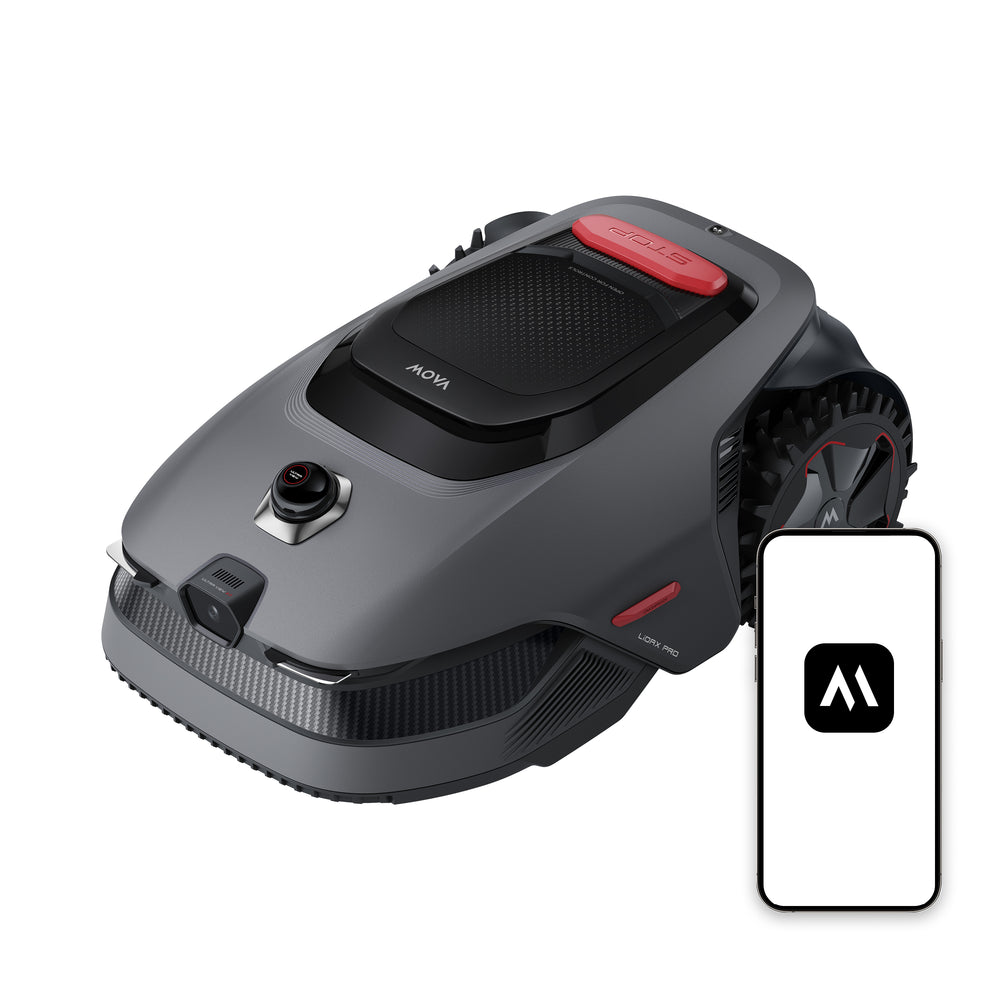
Airseekers TRON SE vs MOVA LiDAX Pro 800
TRON SE advertises up to 0.37 acre a day, while Pro 800 lists a 0.2-acre mapping limit. Those figures describe different things. Your grass height, permitted working hours and positioning setup should decide which is worth assessing.
Read the guide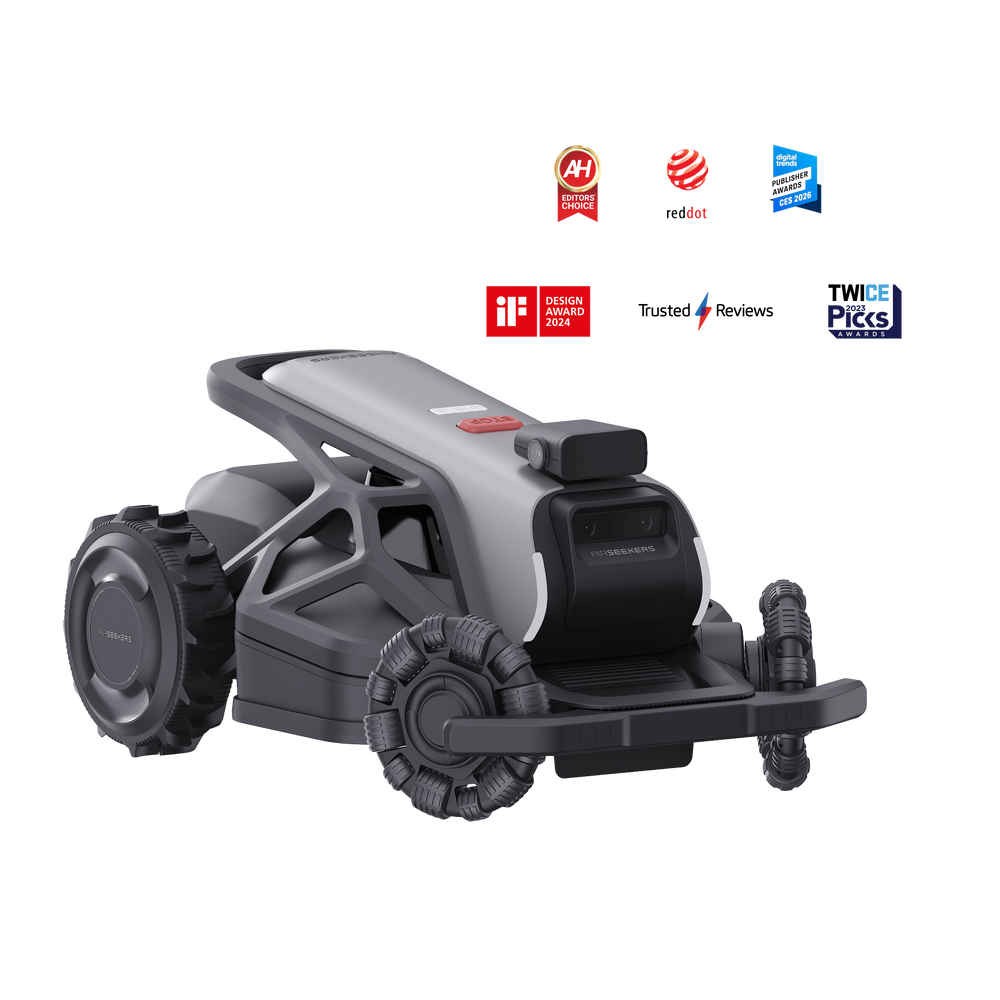 vs
Airseekers TRON SE vs TRON: Is the Upgrade Worth It?
Standard TRON brings a larger battery, a longer advertised mowing session and a wider camera view than SE. We'd pay for those differences when they suit the lawn and schedule, while keeping the shared cutting range, drive and mowing-grade limit in perspective.
Read the guidevsAirseekers TRON vs TRON Plus: Is the Extra Capacity Worth It?
TRON Plus promises more mowing in a day, but the two models share several of the specifications you'd normally expect to change with an upgrade. Here's when we'd pay for Plus, and what we'd ask before doing so.
Read the guide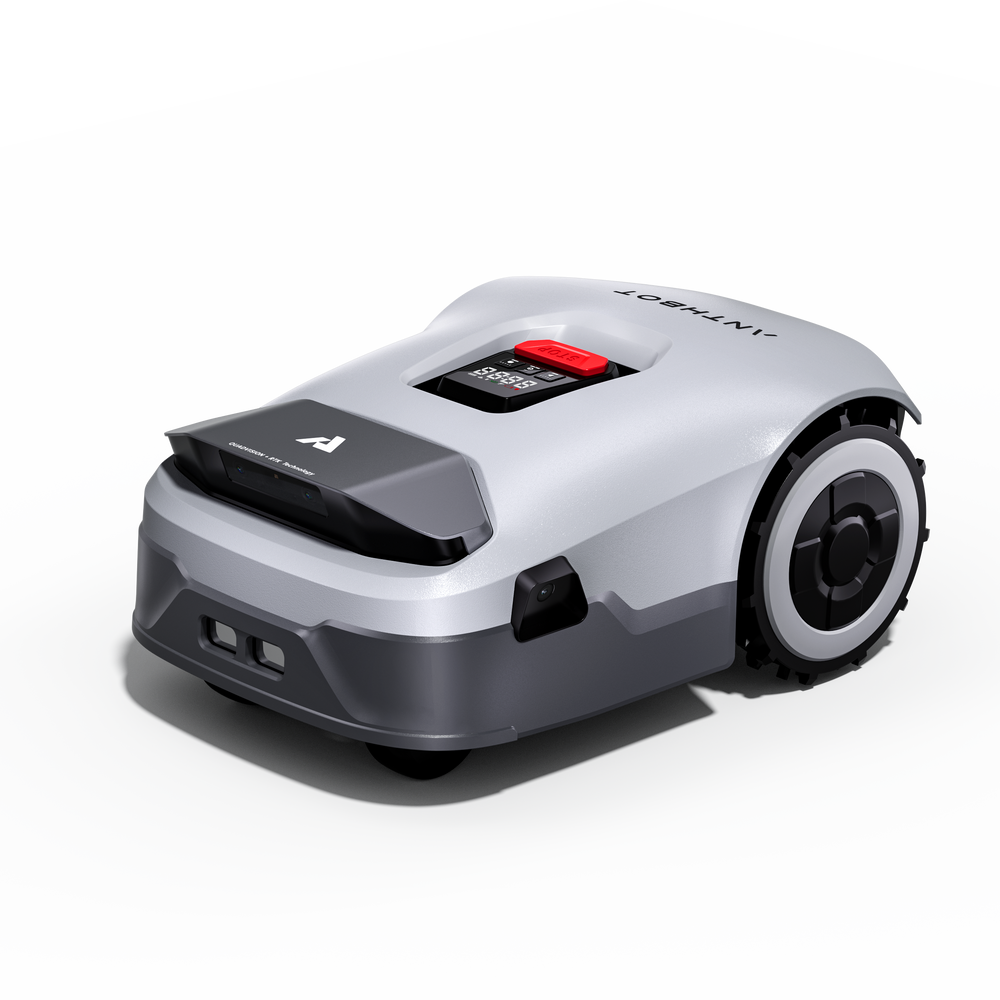
 vs
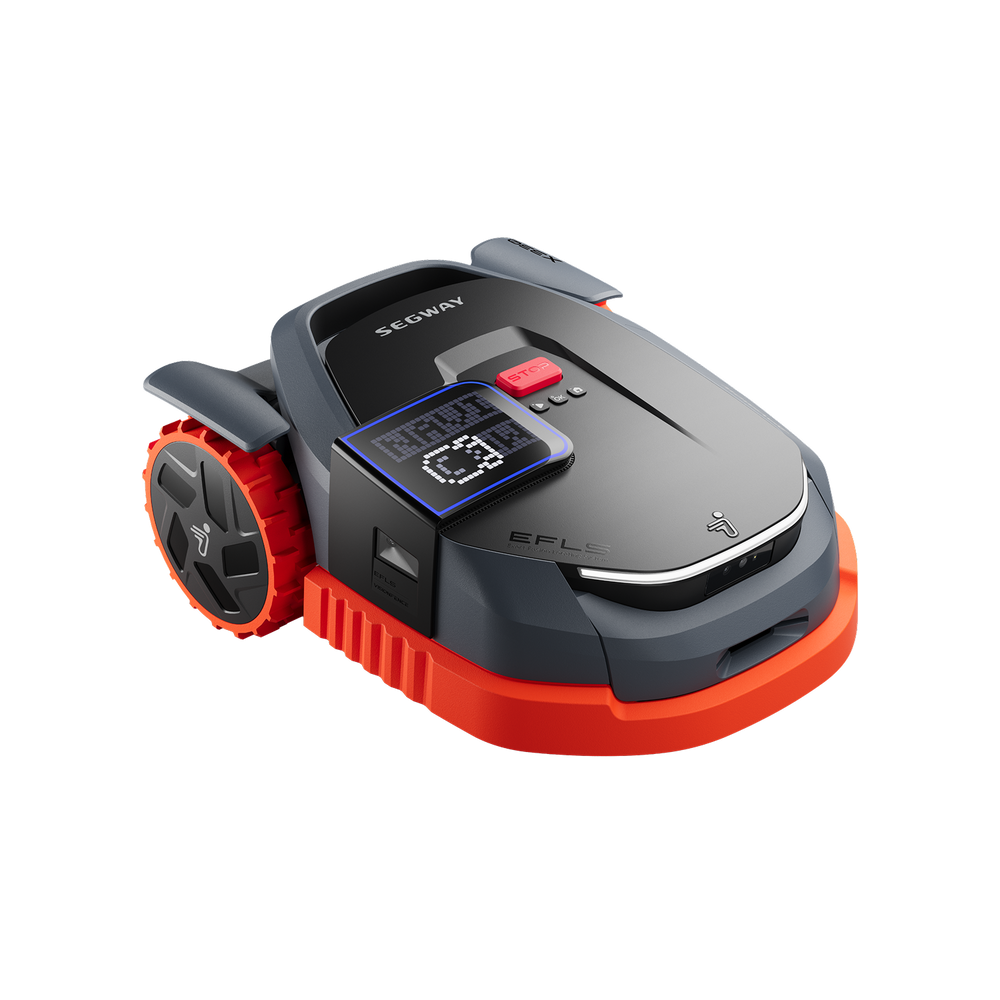
ANTHBOT Genie 3000 vs Navimow X330: A low cut or a taller lawn?
Genie 3000 reaches below two inches; X330 goes up to four. Their area recommendations and current availability differ too, so start with the grass and the whole installation before comparing battery or satellite headlines.
Read the guidevsANTHBOT Genie 600 vs 600e 4G vs 1000 vs 3000: Which Should You Buy?
Choose the lawn-size tier first, then decide which connected features you need. Plain Genie 600 and 600e 4G share a stated area, while 1000 and 3000 move up the range. The extra letter and a 4G label don't establish a larger lawn allowance or identical equipment.
Read the guide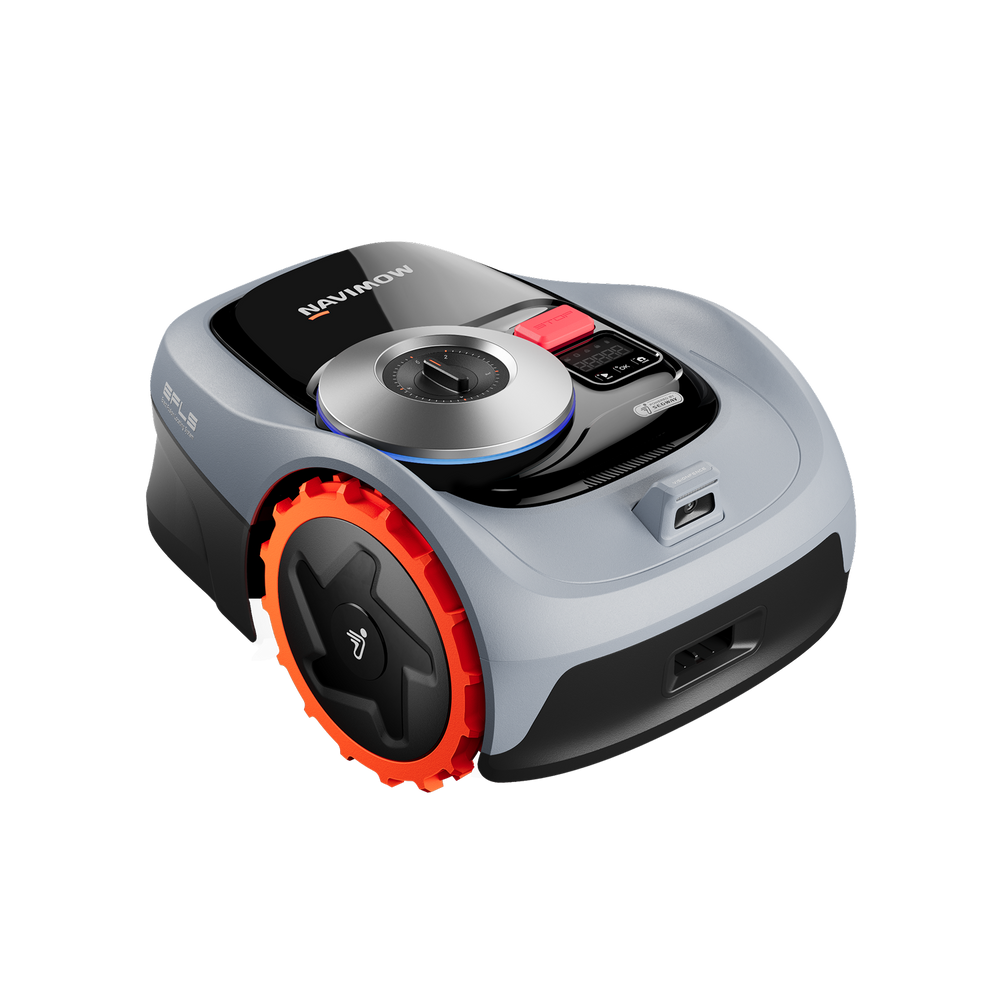 vs
ANTHBOT Genie 600 vs Navimow i105: Check the lawn size and cutting height
Genie 600 has the larger stated lawn allowance and a lower cutting range. The i105 reaches taller grass settings. Those differences can decide the fit before navigation features do, but the exact Genie 600 is currently unavailable from ANTHBOT’s direct store.
Read the guide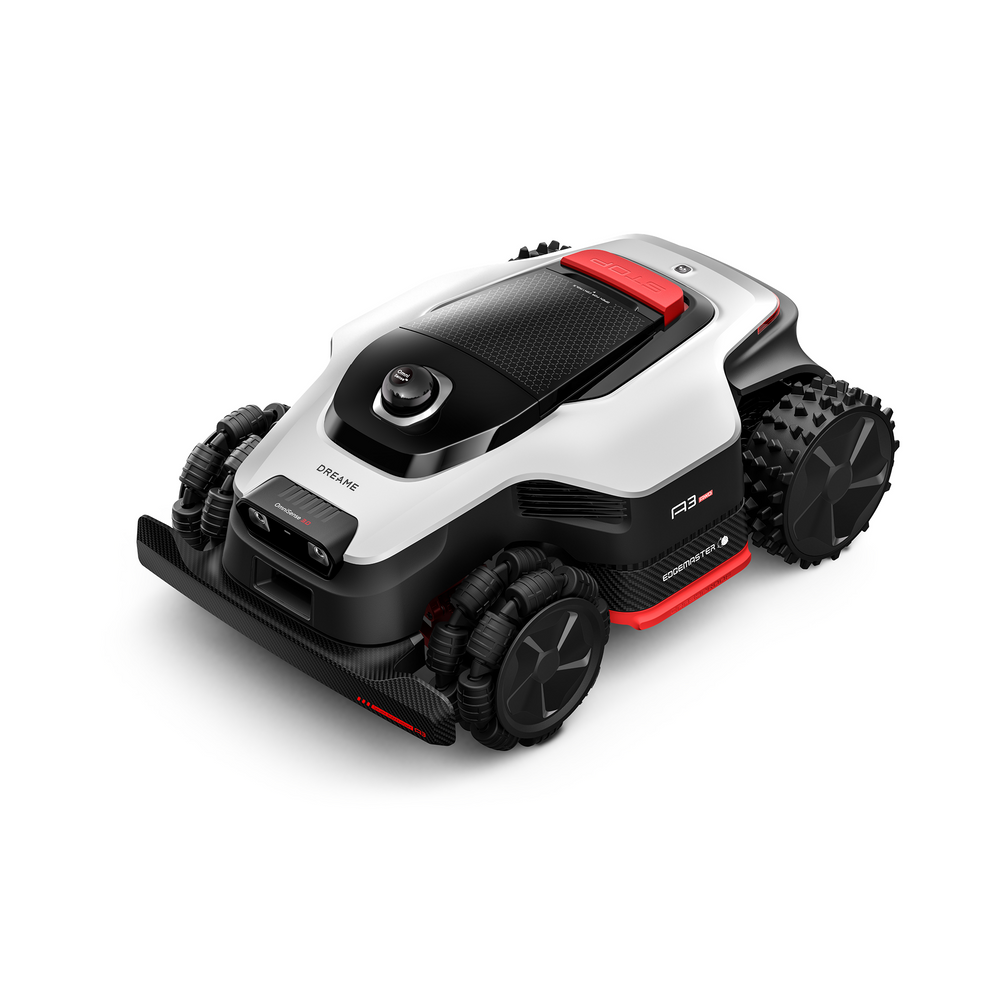 vs
ANTHBOT Genie 600e 4G vs Dreame A3 1000: Check the taller finish first
Genie 600e 4G lists 0.22 acre and a 30–70 mm cutting range. Standard A3 AWD 1000 lists 0.25 acre and reaches 3.9 inches. A three-inch lawn makes that difference matter before RTK equipment or AWD enters the decision.
Read the guide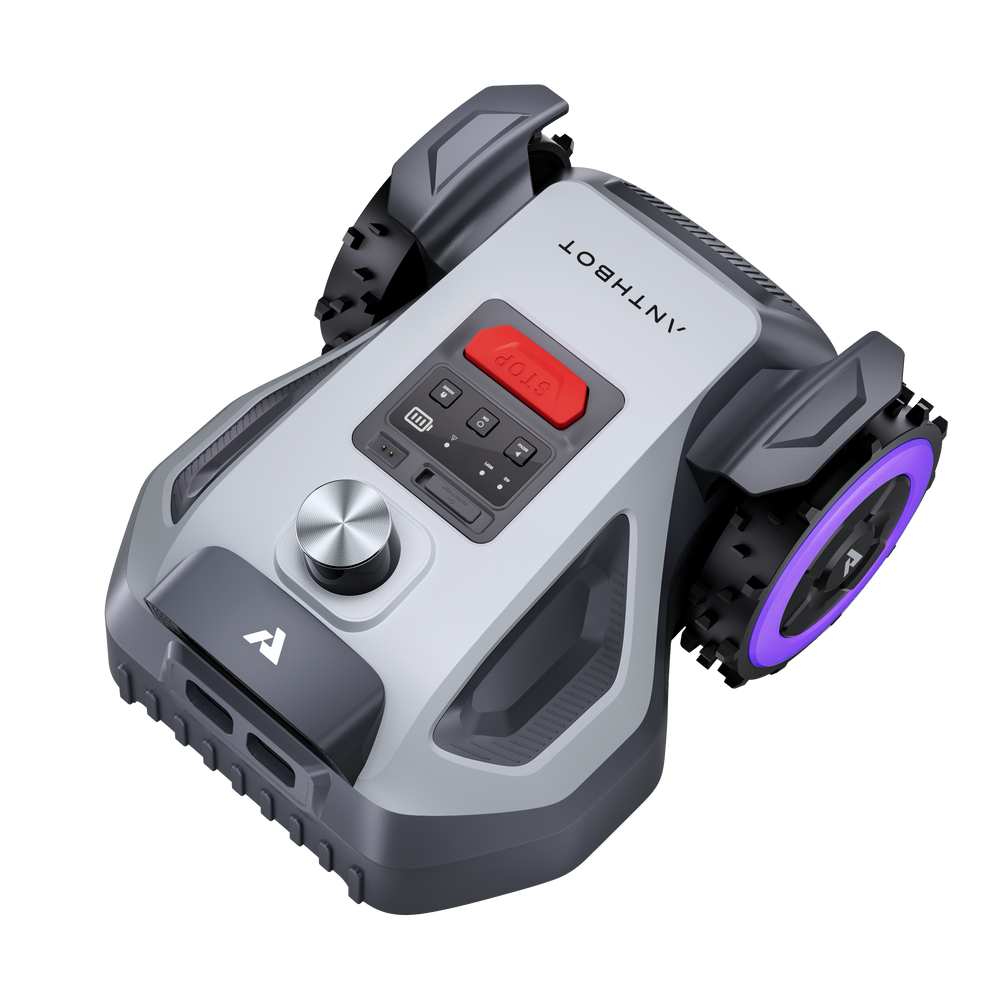 vs
ANTHBOT M5 LiDAR vs Dreame A3 AWD 1000: Which Should You Buy?
These aren't two identical lawn-size choices. M5 LiDAR is aimed at roughly an eighth acre; Dreame 1000 is rated for a quarter acre and offers a taller cut. We'd settle those two requirements first, then compare the route, ground and supported installation.
Read the guide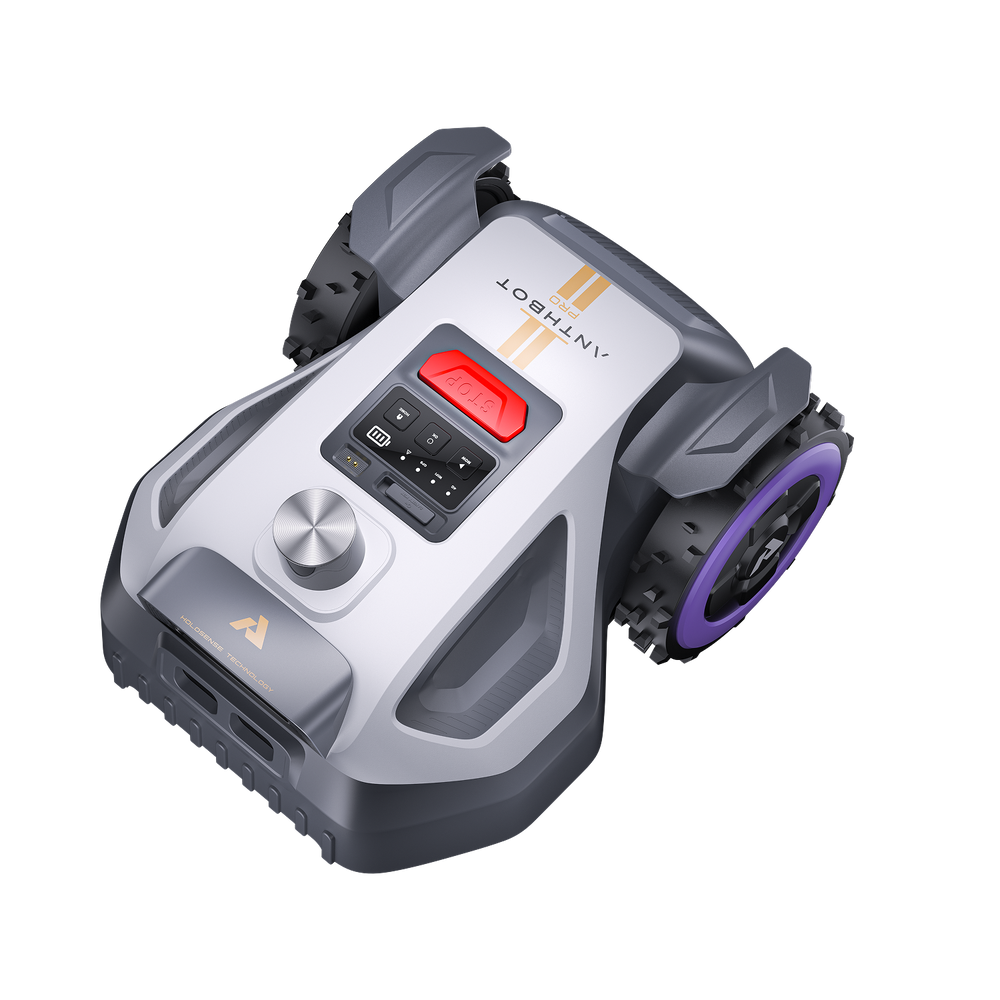 vs
ANTHBOT M5 PRO vs M9 PRO: Which Size Should You Buy?
M9 PRO's clear reason to buy is its larger recommended lawn area. Both list the same cutting range, disc width and positioning arrangement. We'd measure the whole lawn first, then decide whether M5 PRO is already enough for the way you mow.
Read the guidevsANTHBOT M5 vs M5 PRO vs M5 LiDAR: What’s the Difference?
These are three separate mowers with very similar names. We'd choose by the positioning setup your garden needs, then check the connection terms and complete package. Paying for PRO doesn't automatically buy more lawn capacity or a taller cut.
Read the guide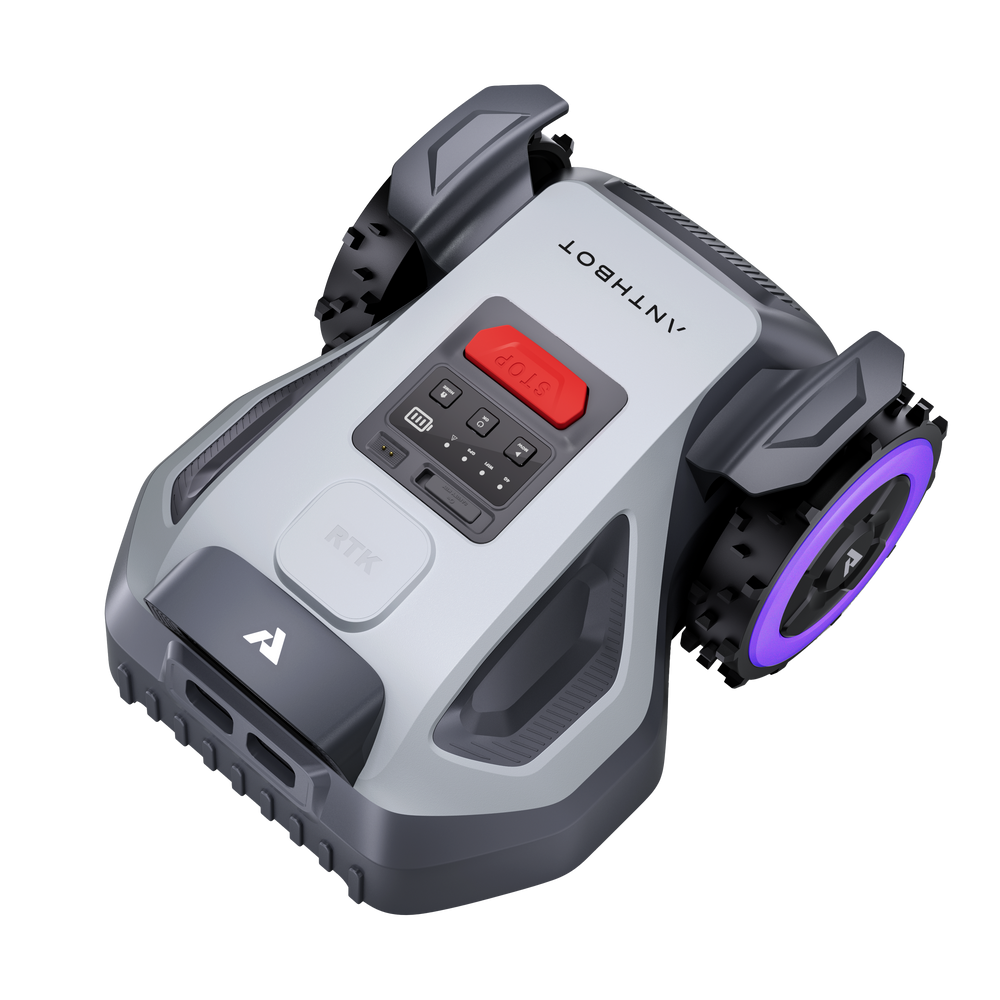 vs
ANTHBOT M5 vs M9: Which Lawn Size Do You Need?
Standard M5 and M9 use RTK and vision, with an app-adjusted 3–7 cm cutting range. The headline lawn ratings differ: 500 m² for M5 and 1,000 m² for M9. We'd measure the grass first, then check M9's reused mapping copy and the exact installation and service package.
Read the guidevsANTHBOT M5 vs MOVA LiDAX Pro 800: Check the height before navigation
M5 combines RTK and vision for a smaller mapped lawn. LiDAX Pro 800 uses LiDAR and vision without a local RTK station and reaches a taller cutting setting. Check the exact package, mapping limit and working routine together.
Read the guide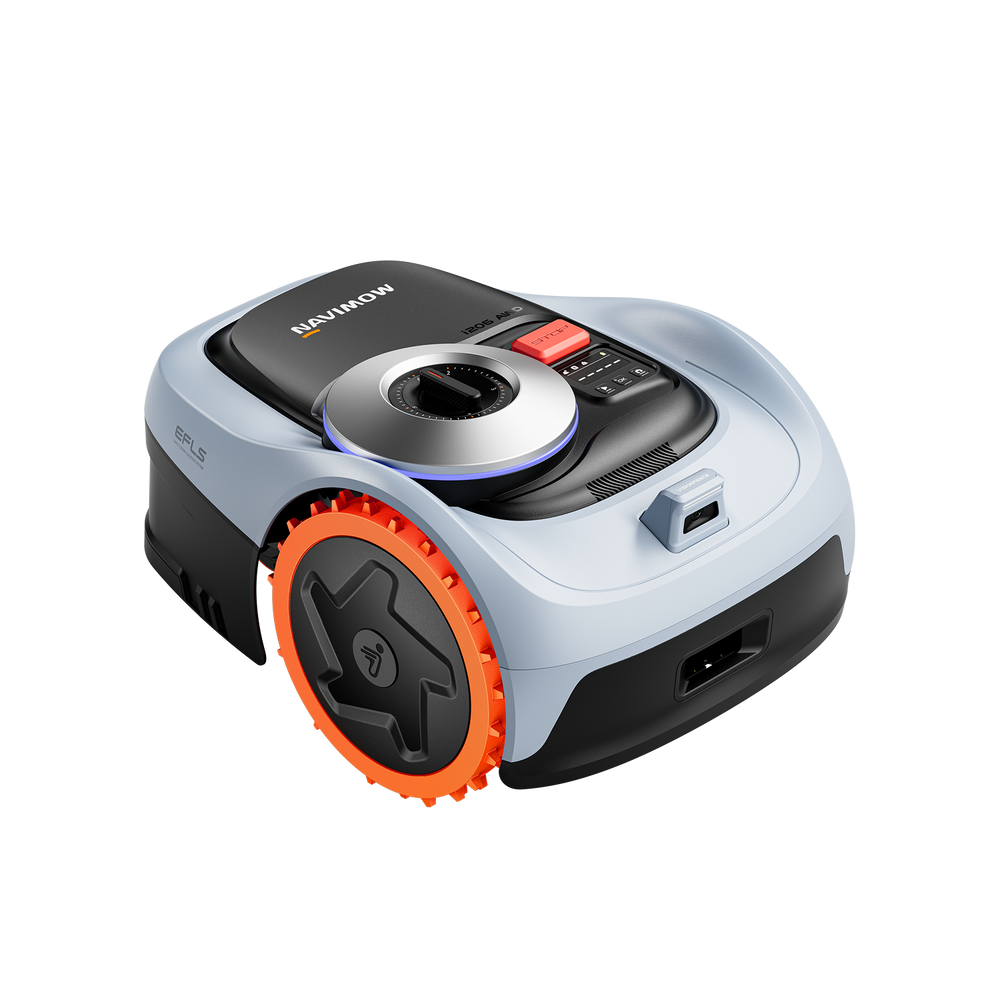 vs
ANTHBOT M5 vs Navimow i206 AWD
Both target small lawns, but their cutting ranges overlap only partway. The US i206 AWD can leave grass taller; M5 can cut lower. Measure the grass area before deciding that either small-mower label fits.
Read the guidevsANTHBOT M9 Pro vs Dreame A3 AWD 1000: Match the grass height and terrain
These are quarter-acre-class choices with different cutting ranges and positioning arrangements. Dreame’s AWD and climbing claim are relevant only after the actual lawn, boundary and route are checked.
Read the guide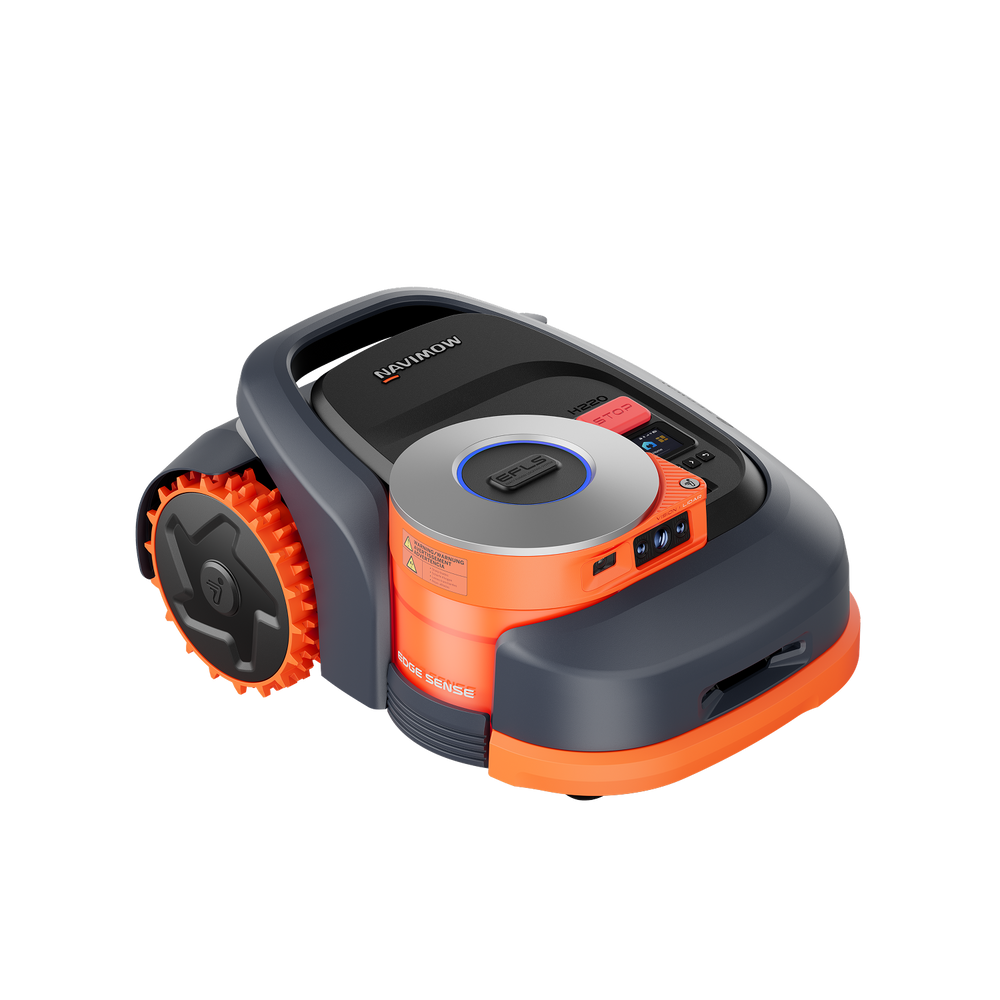 vs
ANTHBOT M9 PRO vs Navimow H210: Which Quarter-Acre Mower Should You Buy?
Both combine LiDAR, network positioning and vision for roughly a quarter acre. Your usual grass height may make the choice clearer than another sensor comparison: M9 PRO lists 1.2–2.8 inches, while standard H210 runs from two to four inches.
Read the guide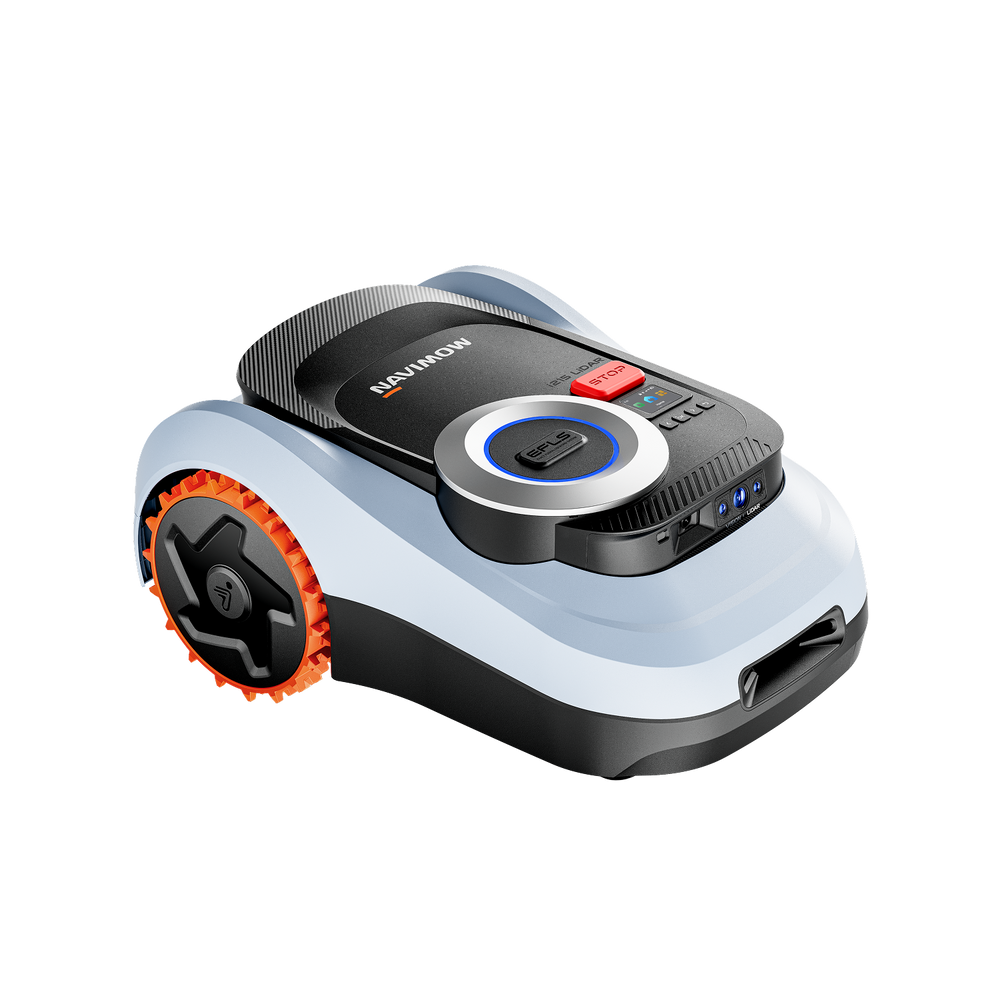 vs
ANTHBOT M9 Pro vs Navimow i215 LiDAR
M9 Pro starts lower; the US i215 LiDAR can leave grass much taller. Their area ratings differ too. Those two checks can settle the choice before the extra positioning features come into it.
Read the guidevsANTHBOT M9 vs M9 PRO: Is Pro Worth It?
M9 PRO adds LiDAR and a setup advertised without a local RTK station. We'd pay for that when it would make the installation or mowing routine easier. The standard M9 is still worth considering if its positioning setup suits your yard.
Read the guide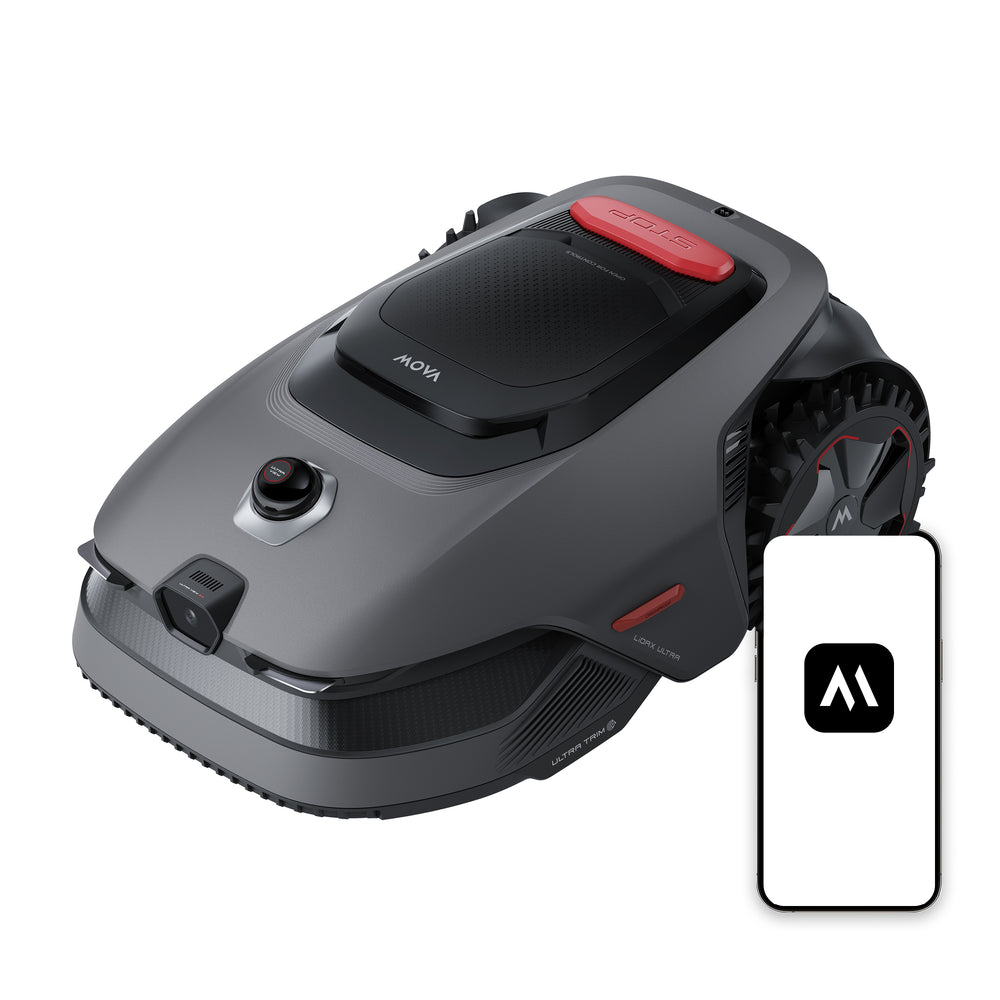 vs
ANTHBOT M9 vs MOVA Ultra 1000: Check the cut and the mapping claims
M9 combines RTK and vision; standard Ultra 1000 uses LiDAR without a reference station. Their cutting ranges differ, and M9’s mixed mapping wording needs clarification before its model label becomes a lawn-size promise.
Read the guide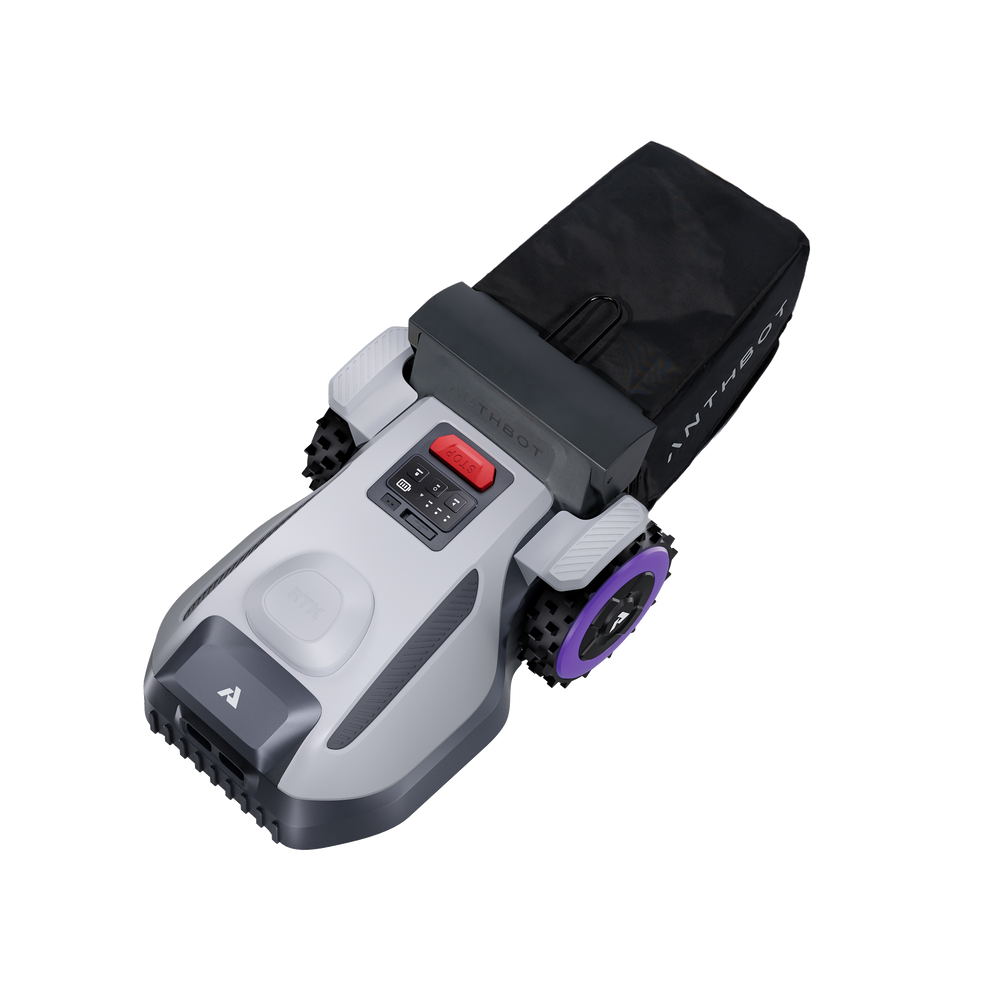 vs
ANTHBOT N8 vs Navimow i105: Do you need collection or regular mulching?
N8 adds grass collection and a larger stated lawn allowance. The i105 is aimed at smaller lawns maintained by frequent cutting. Start with the amount of grass and what you want to do with the clippings.
Read the guide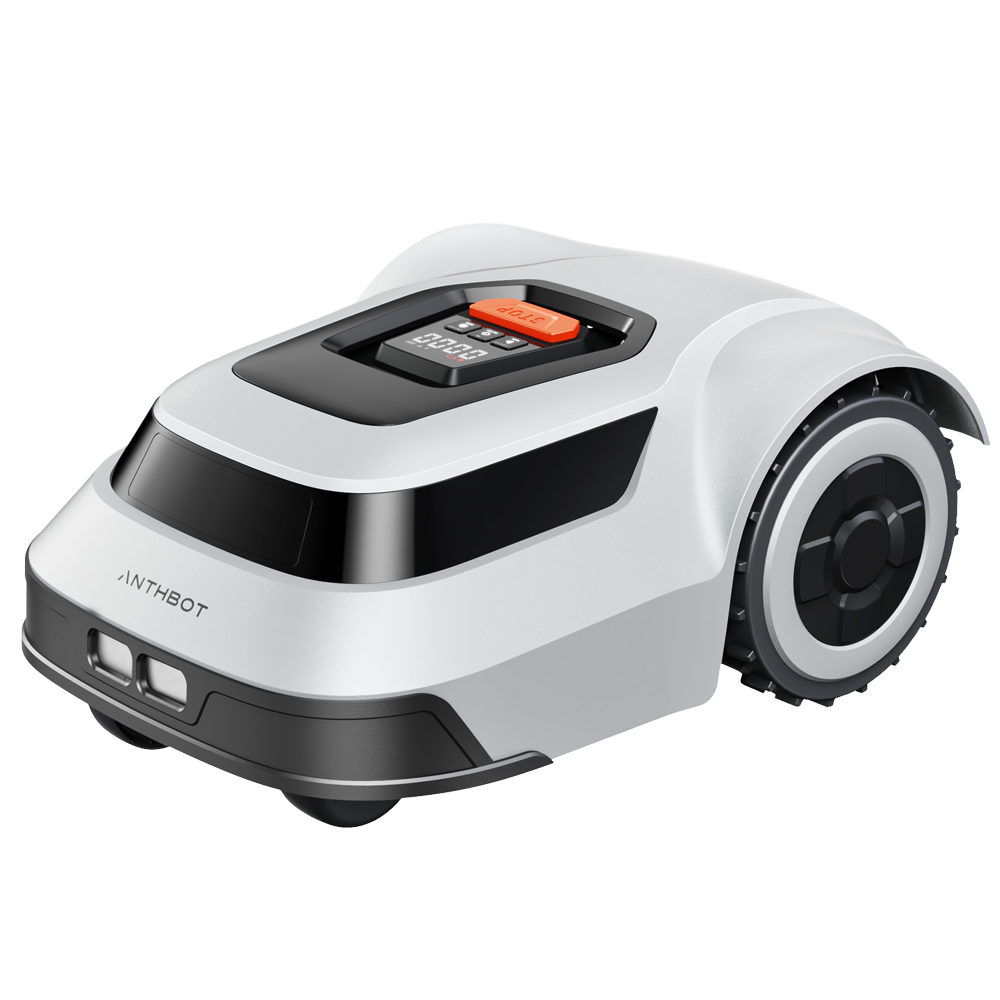 vs
ANTHBOT N8 vs Pion 1000: Collection or a Wired Mower?
N8 adds a grass-collection system and RTK positioning. The US Pion 1000 takes a different approach: a smaller recommended lawn and perimeter wire. We'd decide whether you want to collect clippings before comparing the setup. Pion was sold out when we checked, so availability matters too.
Read the guide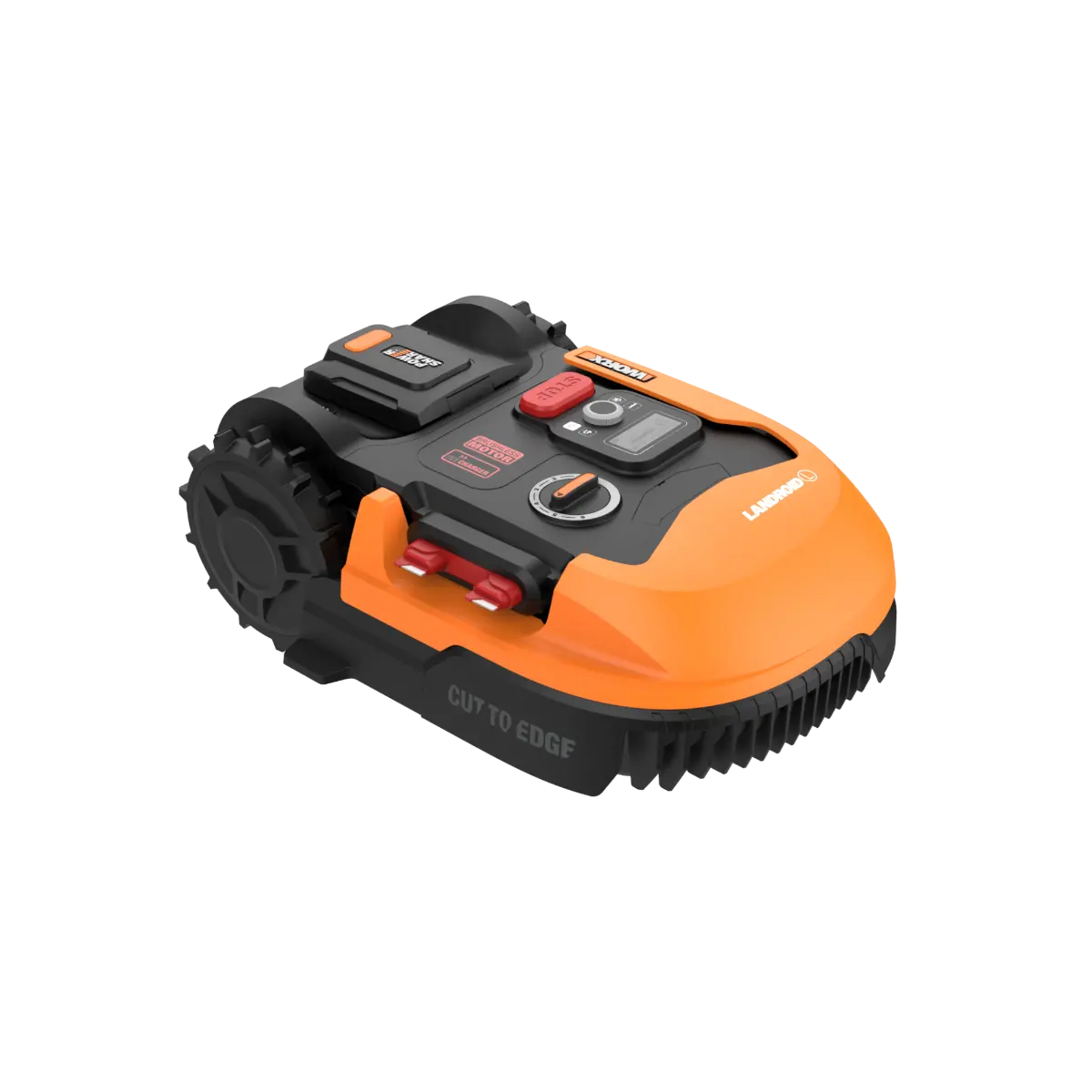
Boundary wire vs wireless robot mowers: Which installation suits your yard?
The useful choice is how you want to define, change and maintain the mowing area. Compare a real wired and wireless example, then walk through the parts of the yard that could stop either one working.
Read the guide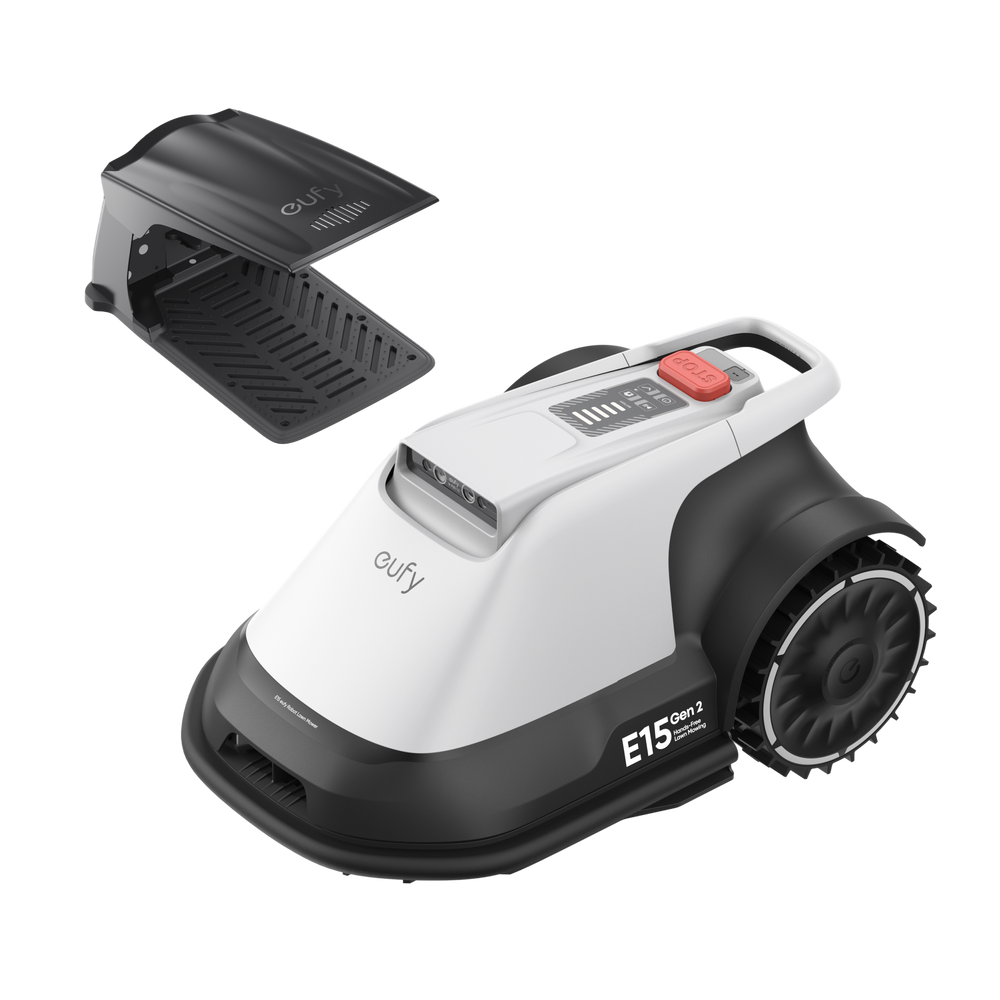
Can a Robot Mower Cross a Driveway Between Lawns?
Some robot mowers can travel between mapped lawns, but a pathway feature doesn't approve every driveway. Check the surface, level changes, route width and vehicle access before buying. E15 Gen 2 pathways and Navimow H2 channels show why the answer needs to stay specific to the mower and the route.
Read the guideCan Robot Mowers Cut Long Grass? What to Do Before the First Mow
Sometimes, within the limits of the exact mower. But an overgrown lawn is a different job from keeping it tidy every few days. Check the starting grass height before sending a robot into it, even if the mower offers a tall cutting setting.
Read the guideCan Robot Mowers Handle Fallen Leaves?
Don't buy a robot mower expecting it to clear leaf piles. We'd prepare the lawn as the exact manual requires, then use the mower for the grass. Returning fine grass clippings is a different job from collecting leaves or working through a wet mat that hides the lawn.
Read the guide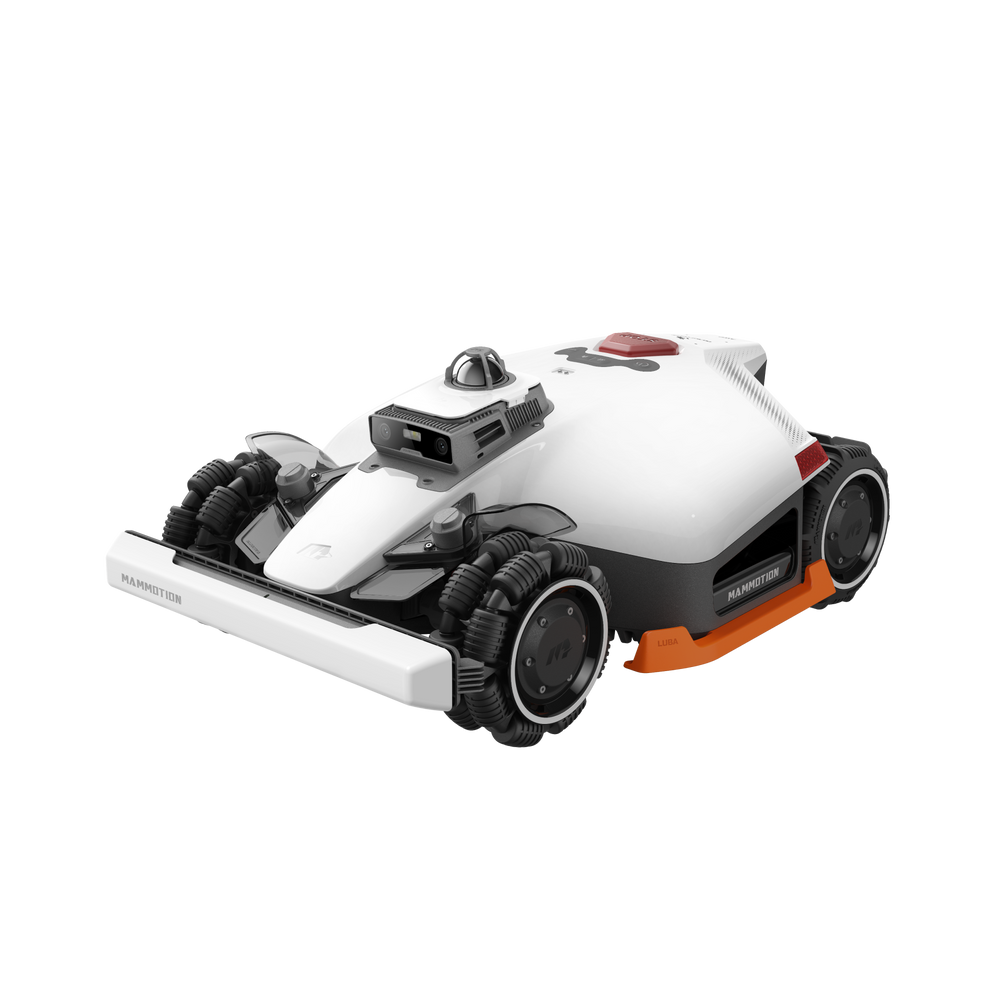
Can Robot Mowers Mow at Night? What to Check Before Scheduling
Some models explicitly advertise night navigation, but that doesn't make overnight mowing the right routine for every garden. We'd check the exact operating instructions, wildlife settings, ground conditions and return route before freeing up the lawn after dark. A navigation feature is only one part of the decision.
Read the guideCan a robot mower work in hot weather? Check the lawn and the machine separately
A mower can be within its operating range while the grass needs a break. Start with whether the lawn is growing, then check the exact working conditions, charging limits and schedule.
Read the guide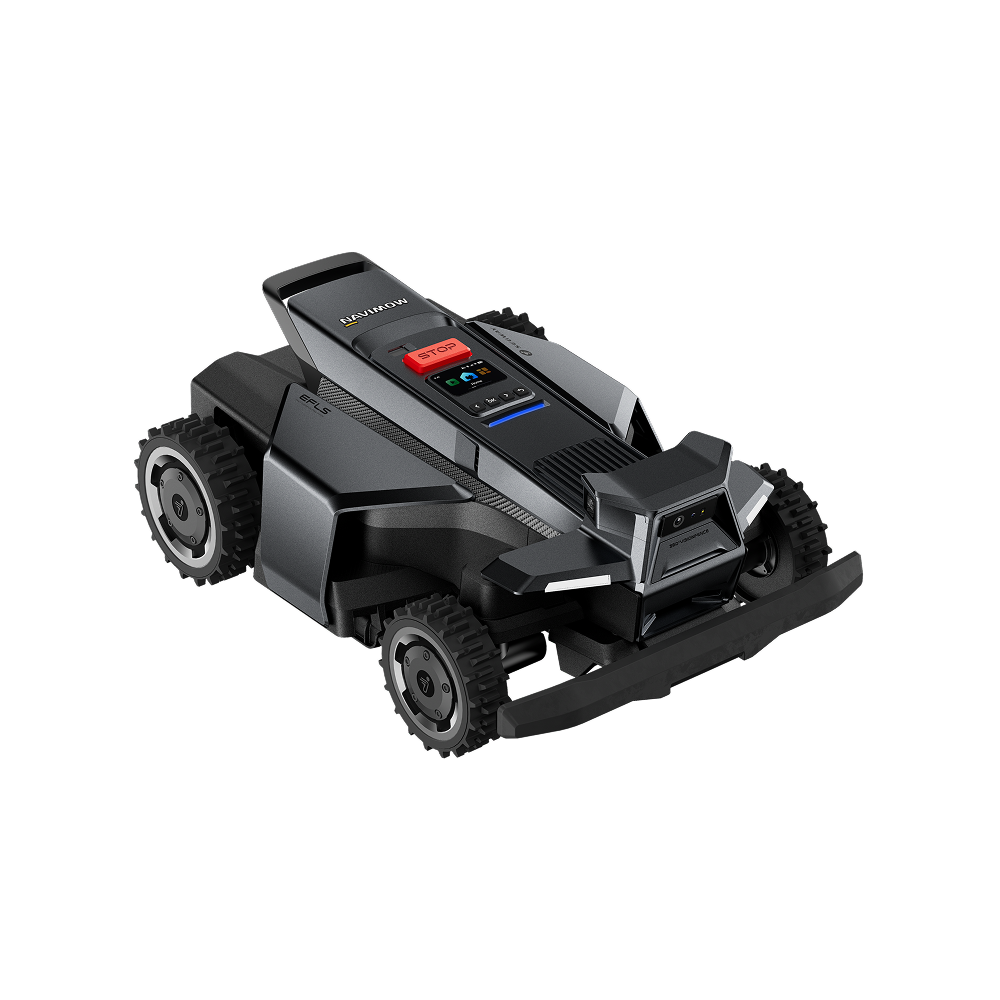
Can Robot Mowers Mow in the Rain?
Weather resistance doesn't tell you whether the mower should keep cutting a wet lawn. We'd check the exact rain-sensor behavior and manual, then plan around the condition of the grass and ground. These examples return home when rain is detected.
Read the guideCan You Use a Robot Mower With Dogs? Plan the Routine First
A dog-owning household can plan around a robot mower, but animal-detection marketing isn't a reason to leave the dog on the lawn during a run. We'd arrange separate lawn time, clear toys and other objects, and check what closed gates do to the mower's route.
Read the guideDo Robot Mowers Need a Garage? What to Check Before Buying One
Check the mower's package and installation instructions before adding another shelter to the order. Some include a garage; others list one as an accessory. We'd choose the right model-specific cover and station location together, rather than assume any box over the charger will do.
Read the guide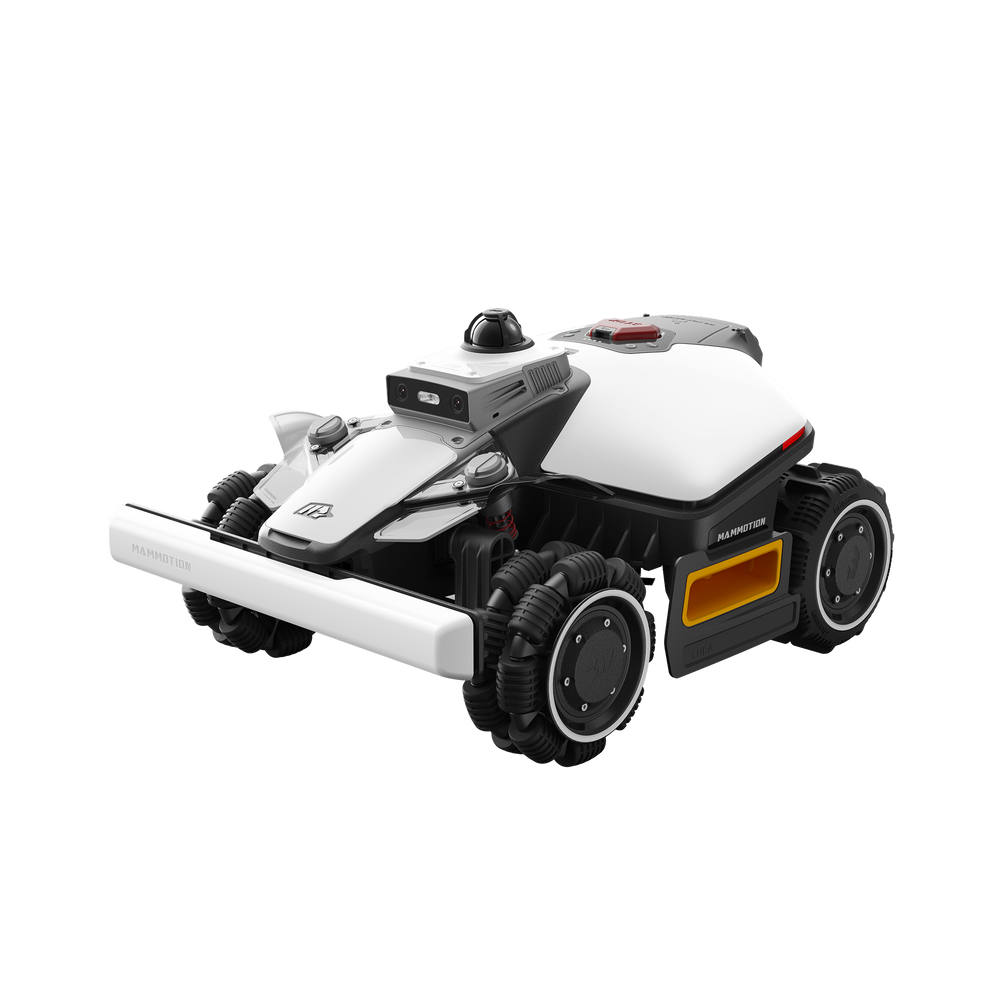
Do Robot Mowers Need a Subscription? 4G, RTK and App Costs Explained
A free app, included cellular data and lifetime positioning are different promises. We'd ask which features you need, how they connect and what happens when an included period ends before comparing the long-term cost of a mower.
Read the guideDo Robot Mowers Need Wi-Fi Across the Whole Yard?
Not every mower needs your home Wi-Fi to reach every corner. The answer depends on how it maps, what it needs to keep mowing and which app features you want away from the house. We'd check those jobs separately before buying more network equipment.
Read the guidevsDreame A3 AWD 1000 vs 2000: Which Size Should You Buy?
A3 AWD 2000 doubles the stated lawn recommendation to half an acre. It doesn't give this pair a wider deck or a different cutting range. We'd measure the grass and check the available mowing hours before paying for the larger tier. Both are the non-Pro A3 models.
Read the guidevsDreame A3 AWD 2000 vs A3 AWD Pro 2500: Is Pro Worth It?
The Pro has a much wider cutting deck, but both mowers offer the same height range, AWD and station-free positioning. We'd choose between them by the grass area and layout before paying for the Pro badge.
Read the guide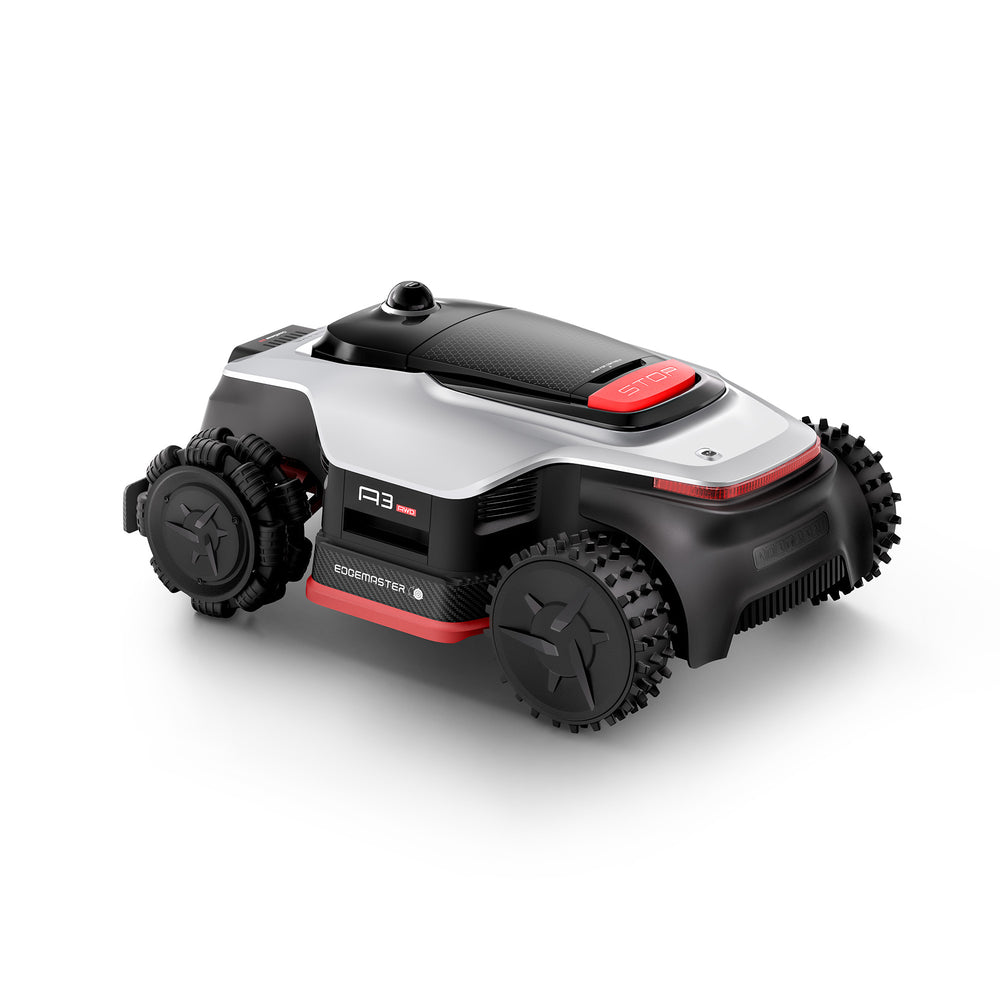 vs
Dreame A3 AWD Pro 2500 vs 3500 vs 5000: Which Size Should You Buy?
All three Pro sizes have the same stated cutting width and height range. The useful differences are the recommended lawn area and the battery assigned to each model. We'd choose for the grass and mowing schedule, with the 2500's current sold-out status checked before planning a purchase.
Read the guide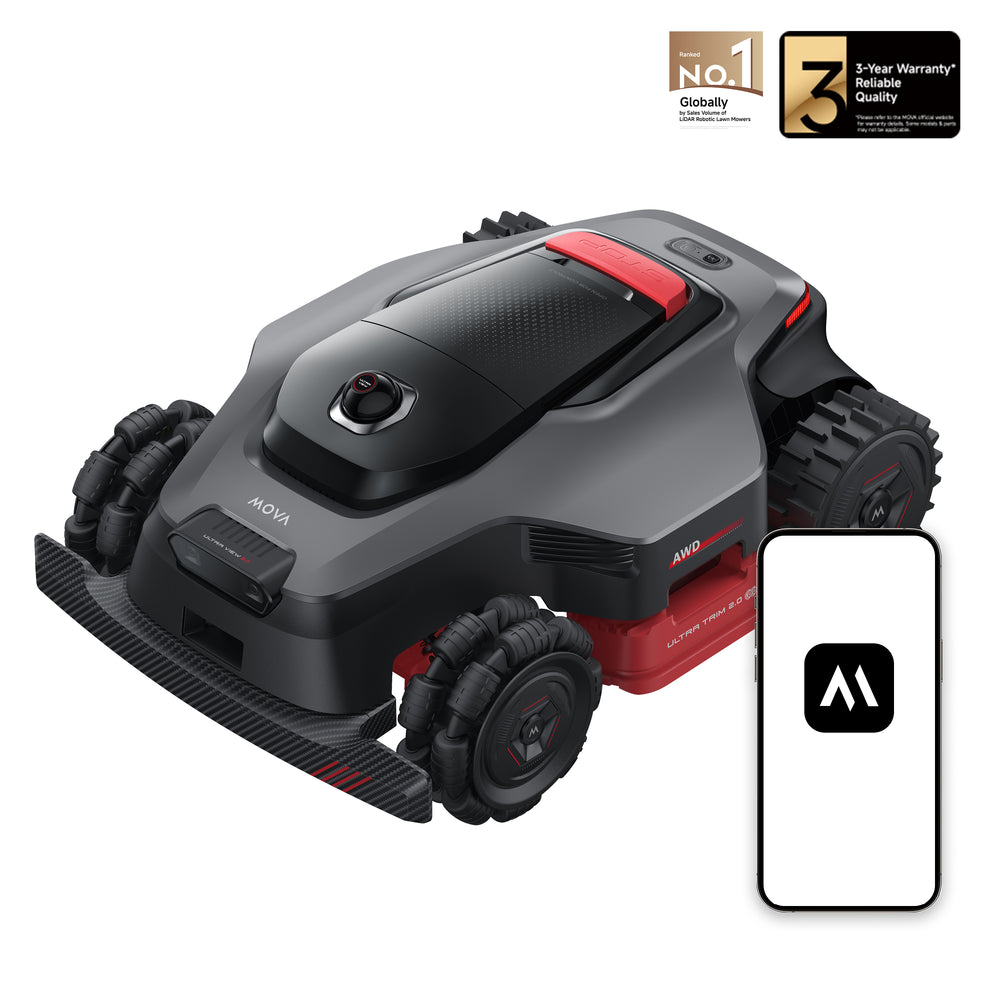 vs
Dreame A3 AWD Pro 3500 vs MOVA Ultra 3000 AWD: How much lawn is on one map?
Both list AWD, LiDAR with vision, a 15.8-inch cut and the same height range. The more useful first distinction is Dreame’s exact 3500 allowance versus MOVA’s single-map limit, followed by the real mowing schedule.
Read the guide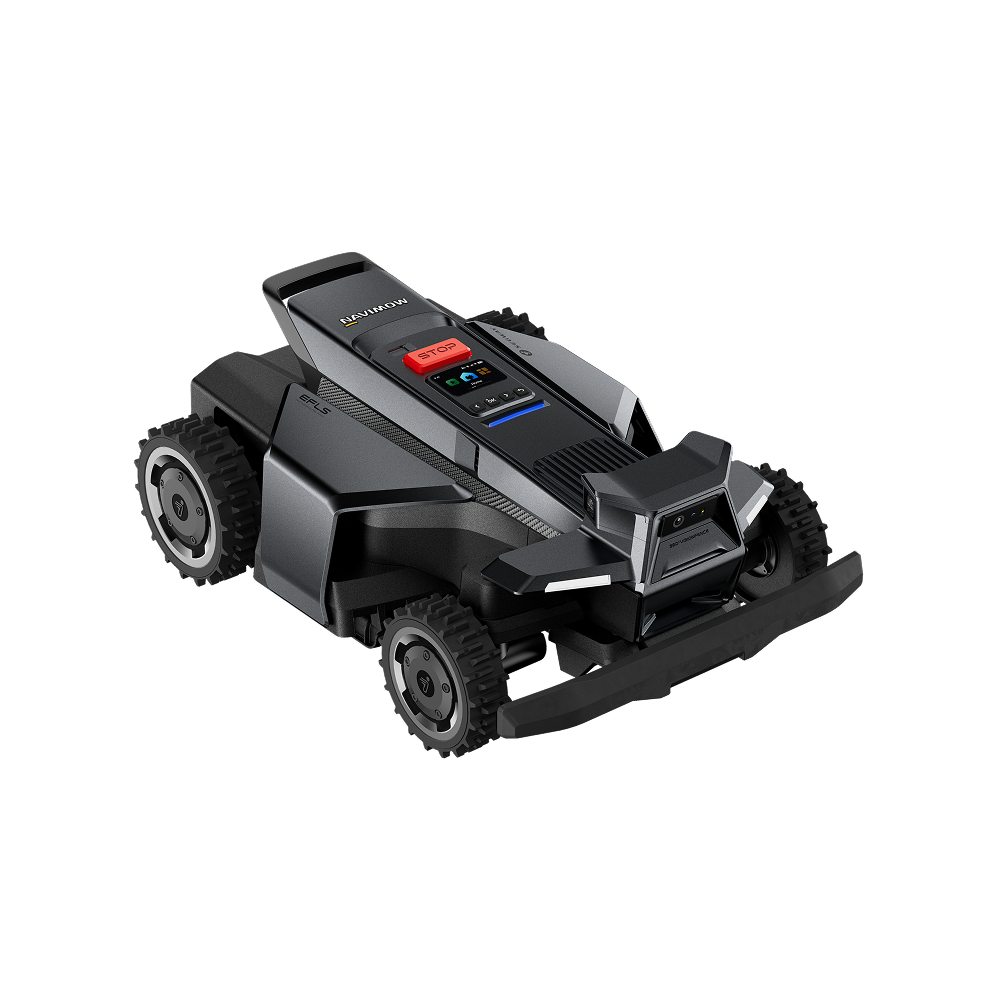 vs
Dreame A3 AWD Pro 3500 vs Navimow X450
The Pro 3500 suits a lawn within 0.87 acre that works with LiDAR. The X450 is rated for 1.5 acres and has a lower cutting setting, with a different setup for positioning.
Read the guide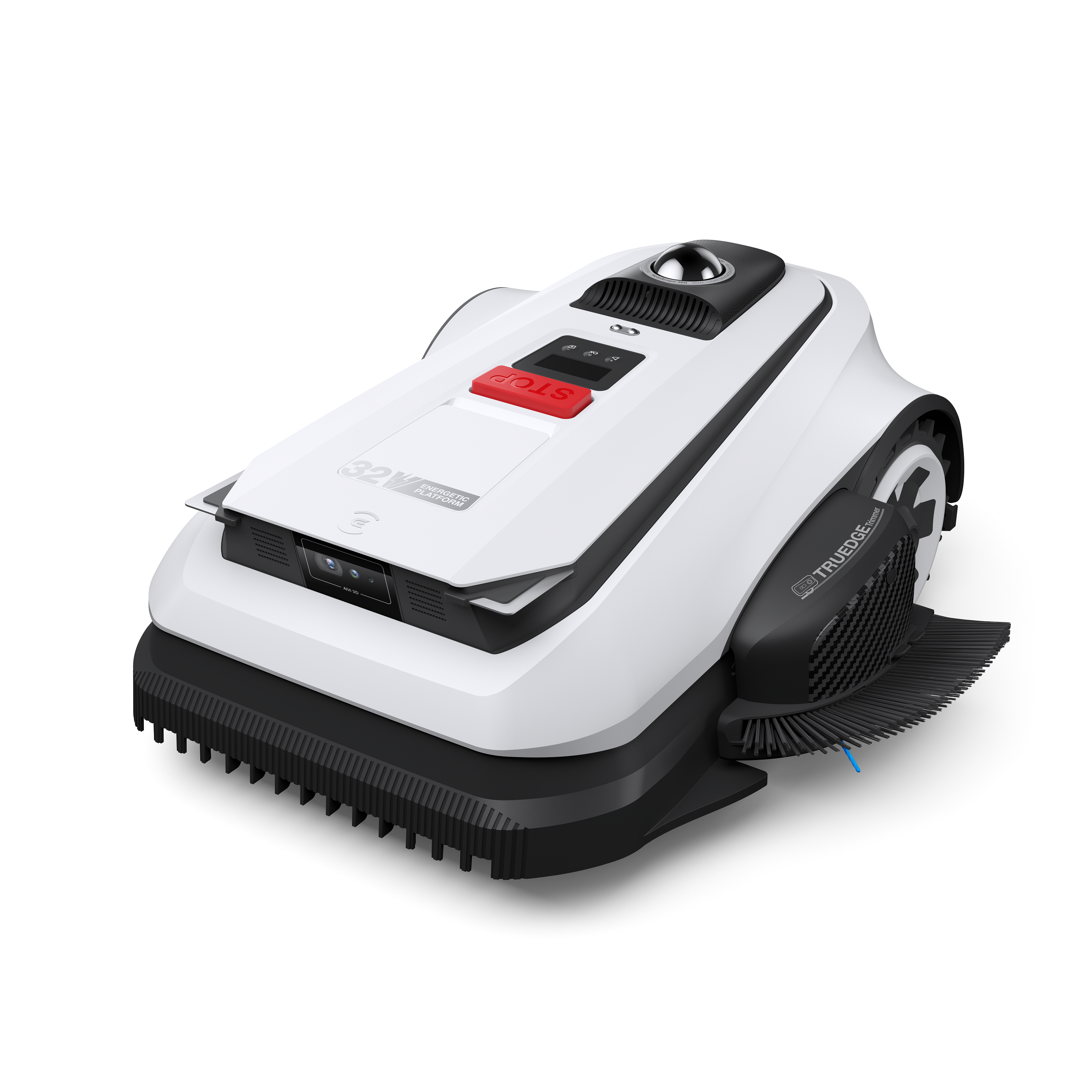
 vs
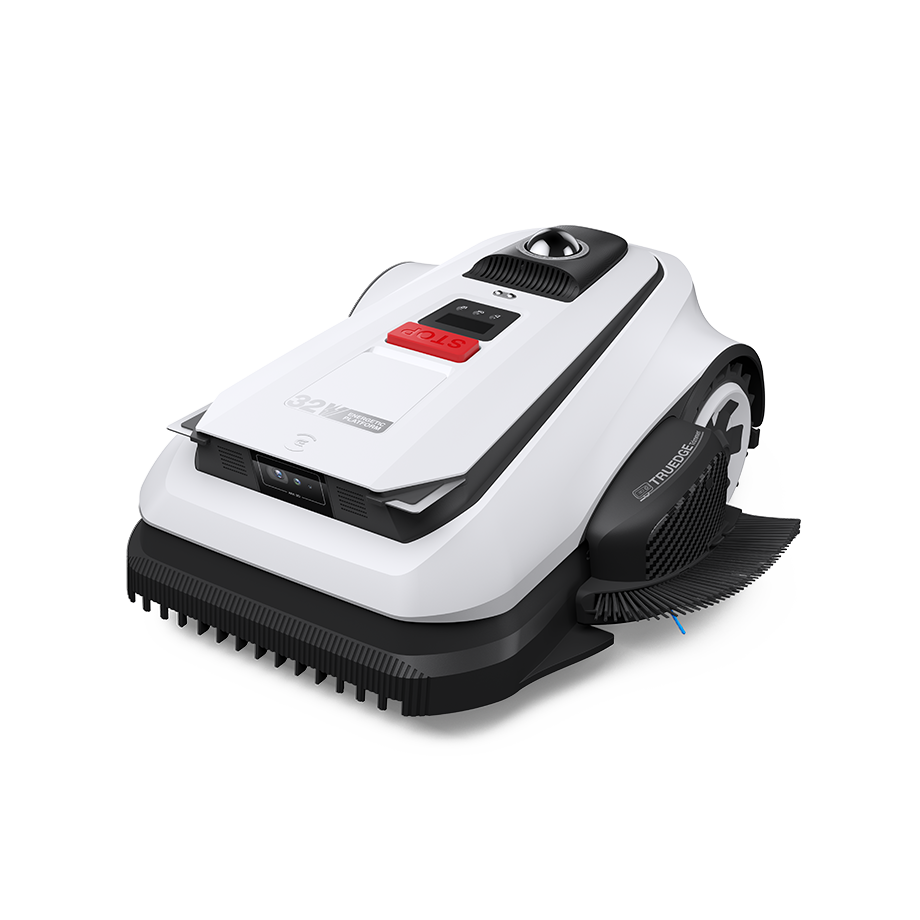
ECOVACS GOAT A2000 LiDAR PRO vs A3000 LiDAR PRO: Which Should You Buy?
The larger battery is the clearest documented reason to investigate A3000 LiDAR PRO. Both advertise integrated trimming and dual-LiDAR navigation. We'd ask ECOVACS to confirm the actual lawn size and terrain first, because the current US pages don't turn the model numbers into clear area ratings.
Read the guide vs
ECOVACS GOAT A2000 LiDAR PRO vs Husqvarna 410 iQ: Check the cut and mowing pattern
A2000 PRO adds an integrated edge trimmer and LiDAR navigation. The 410 iQ offers a different height range and pattern-dependent acreage. Get those basics settled before choosing from the navigation labels.
Read the guide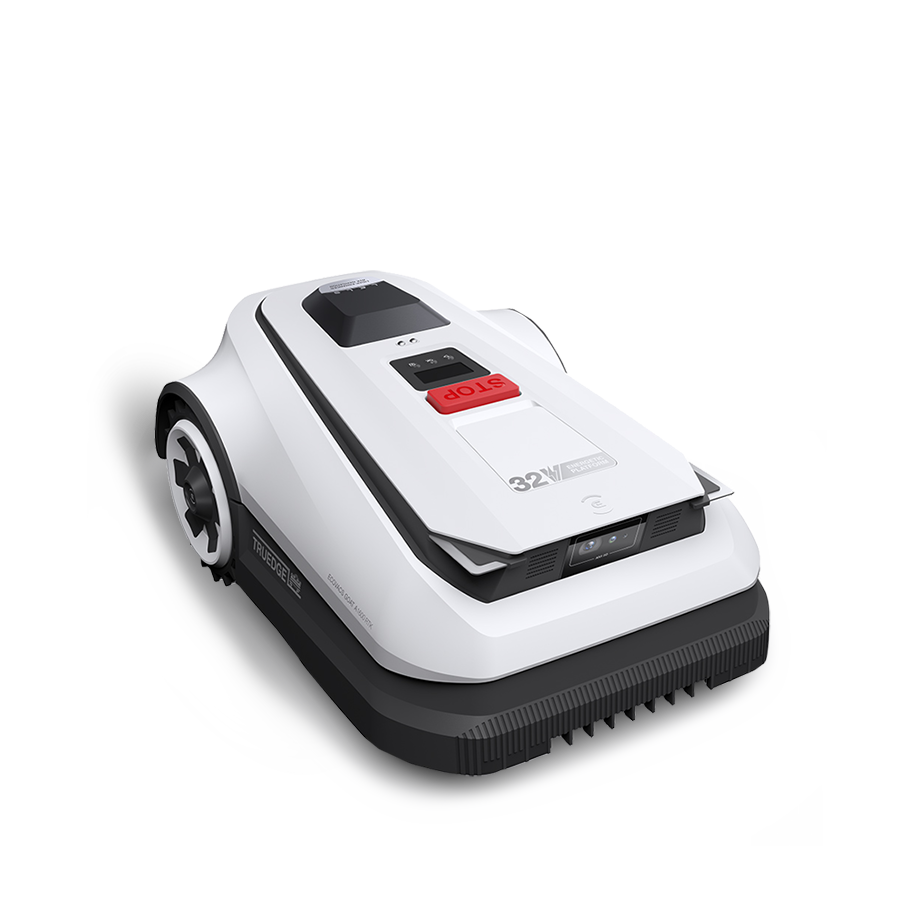
 vs
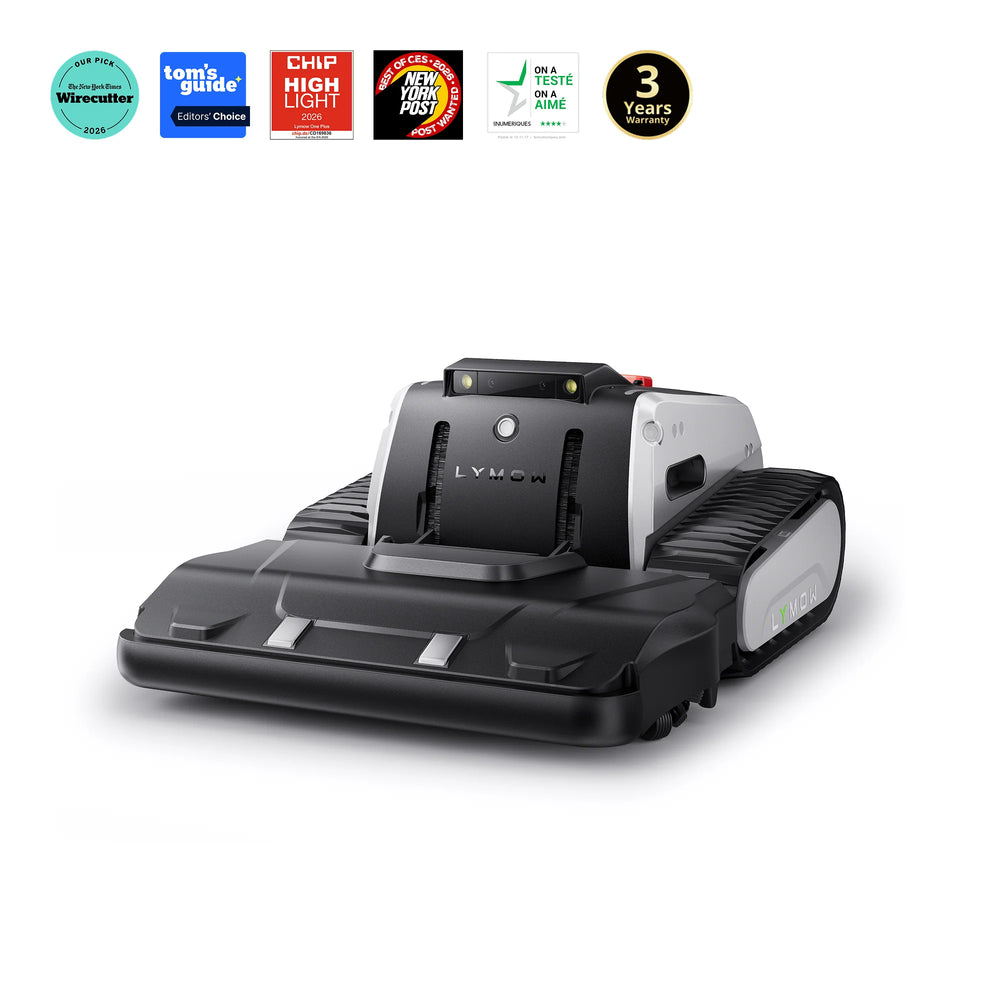
ECOVACS GOAT A2500 RTK vs Lymow One Plus 5A
GOAT A2500’s US title says half an acre. Lymow’s standard 5A offer claims 1.1 acres a day. Those are different capacity statements, and your mowing window, grass height and route need to fit the exact machine.
Read the guidevsECOVACS GOAT A2500 RTK vs Navimow H220: Compare the cut and installation
A2500 RTK has the wider deck and lower minimum setting. H220 reaches four inches and offers Network RTK where coverage is available. Keep ECOVACS’ conflicting area descriptions and the exact installation requirements in view.
Read the guide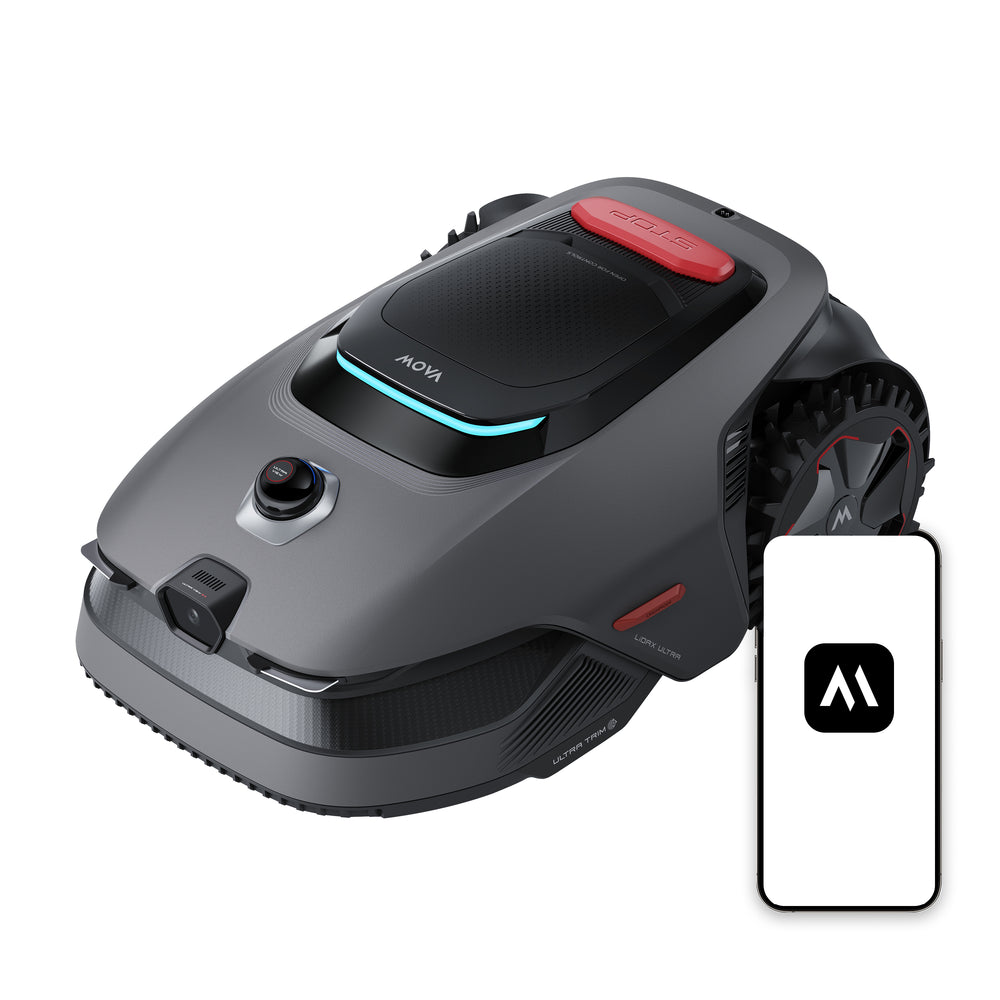 vs
GOAT A3000 LiDAR Pro vs MOVA Ultra 2000: Wider cut or taller grass?
The current GOAT Pro combines a wider cutting system with an integrated edge trimmer. Standard Ultra 2000 reaches a taller setting and publishes a half-acre map limit. Keep the exact Pro specifications and the actual lawn together before comparing speed claims.
Read the guide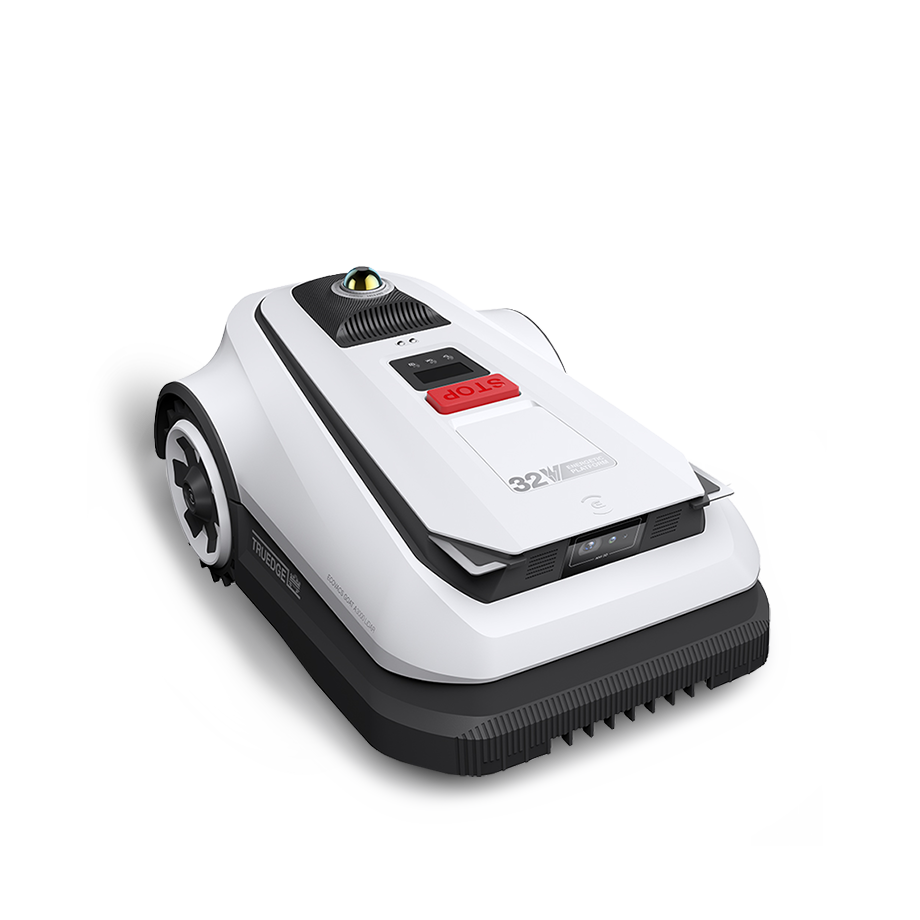 vs
ECOVACS GOAT A3000 LiDAR vs A3000 LiDAR PRO: Should You Upgrade?
We'd replace a working A3000 only if Pro's integrated trimmer would solve a finishing job you still do by hand. Before upgrading, check what changes beyond the trimmer, including the main cut and charging time. Here's what we'd check before spending on the change.
Read the guide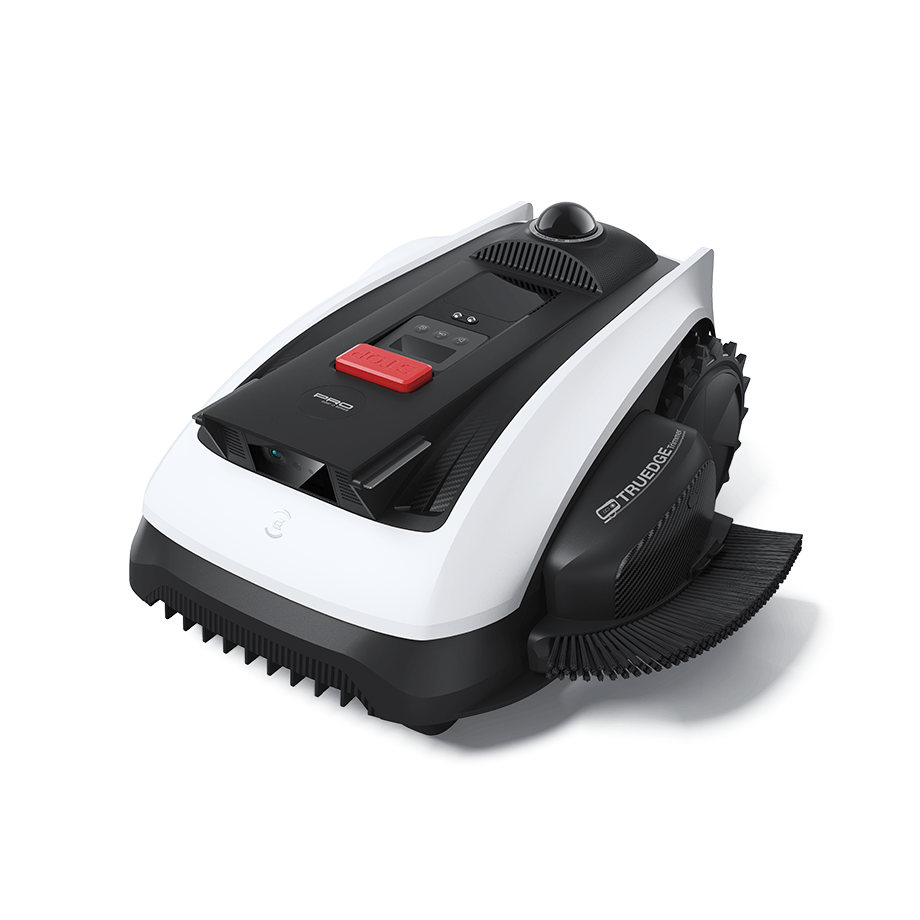 vs
ECOVACS GOAT O1000 LiDAR PRO vs Dreame A3 AWD 1000
The GOAT's built-in edge trimmer and the Dreame's all-wheel drive give you two different reasons to buy. We'd start with the parts of your lawn that are hardest to maintain, then check size, cutting height and the route around the yard.
Read the guide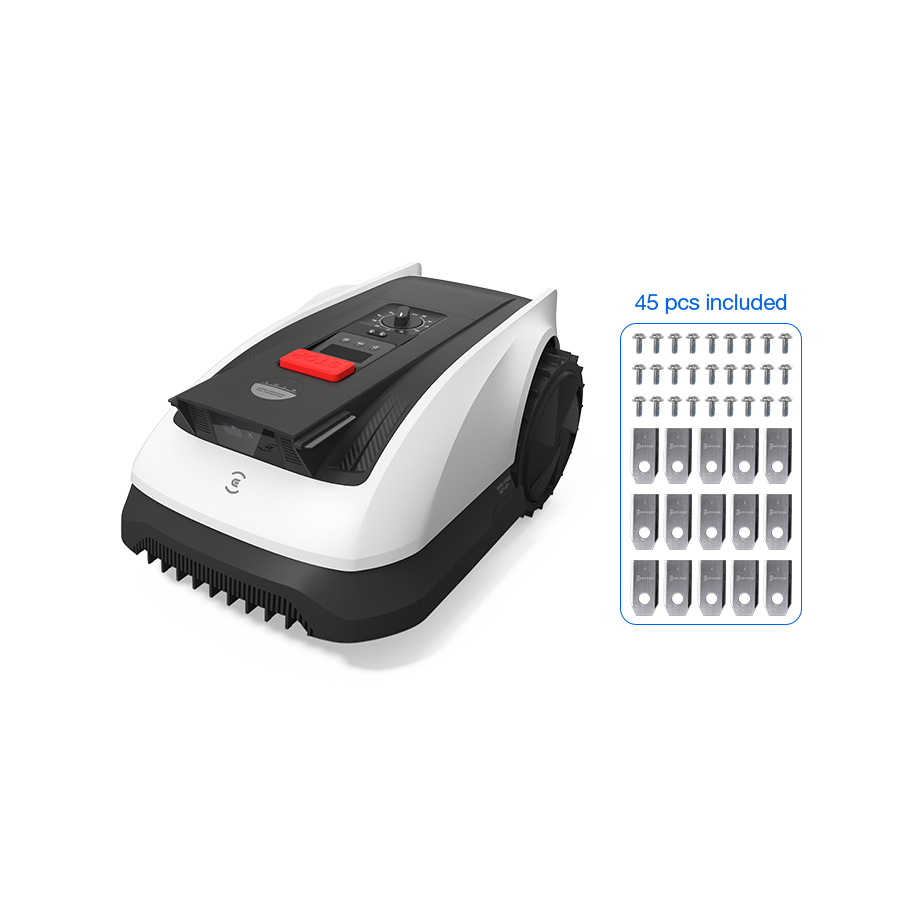 vs
GOAT O1000 RTK vs O1000 LiDAR PRO: Which Setup Suits Your Lawn?
O1000 LiDAR PRO changes the positioning system and adds a separate edge trimmer. O1000 RTK uses a reference-station setup and is sold here as a complete-machine Care Kit. Both list the same main cutting width. We'd check the lawn rating, borders and route before paying for the newer model.
Read the guidevseufy E15 Gen 2 vs MOVA Pro 800: Match the grass before the map size
The eufy has a larger stated lawn allowance, while MOVA reaches a taller cut. Grass restrictions, real working hours and the route to the dock can settle this small-yard comparison before navigation branding does.
Read the guide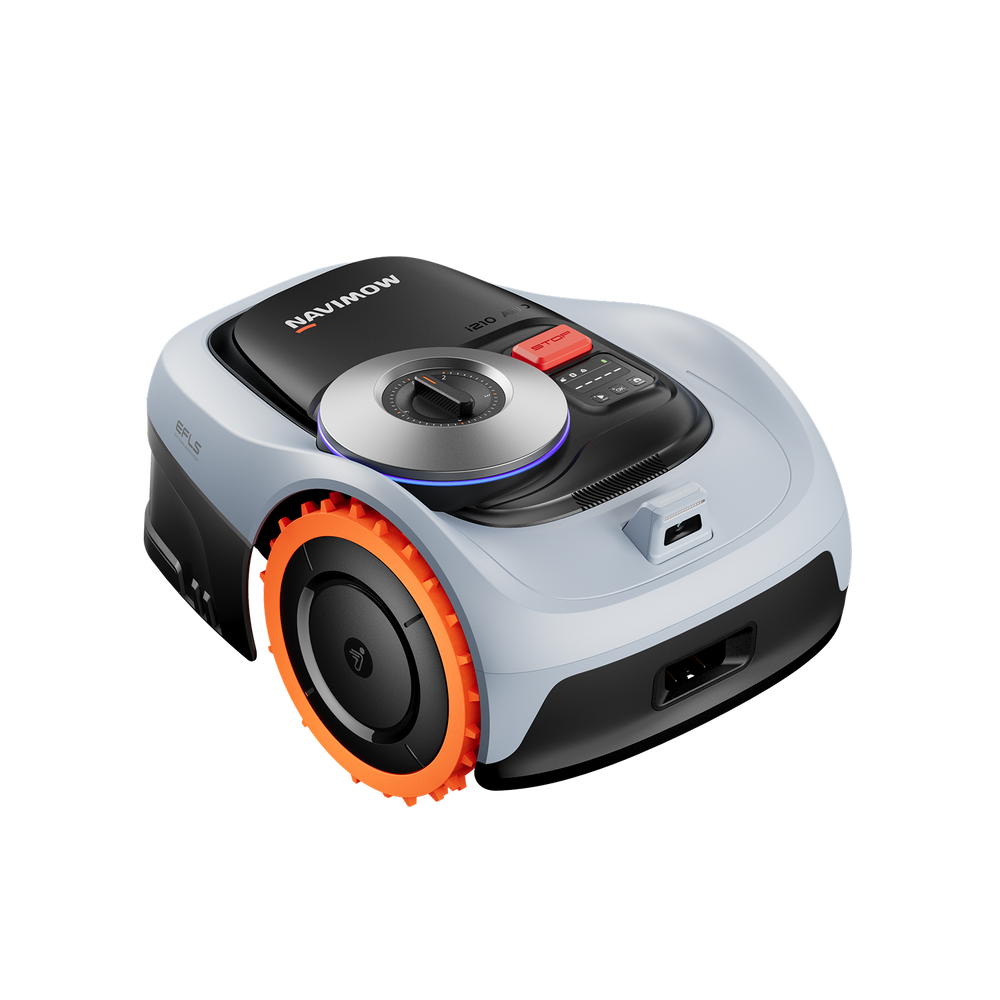 vs
eufy E15 Gen 2 vs Navimow i210 AWD: Which Suits Your Small Yard?
Both sit around the quarter-acre tier. The useful difference is how they would work in your garden: eufy's camera-based setup and grass restrictions versus Navimow's AWD and supported network RTK arrangement. We'd check the lawn and normal mowing hours before choosing from the feature lists.
Read the guide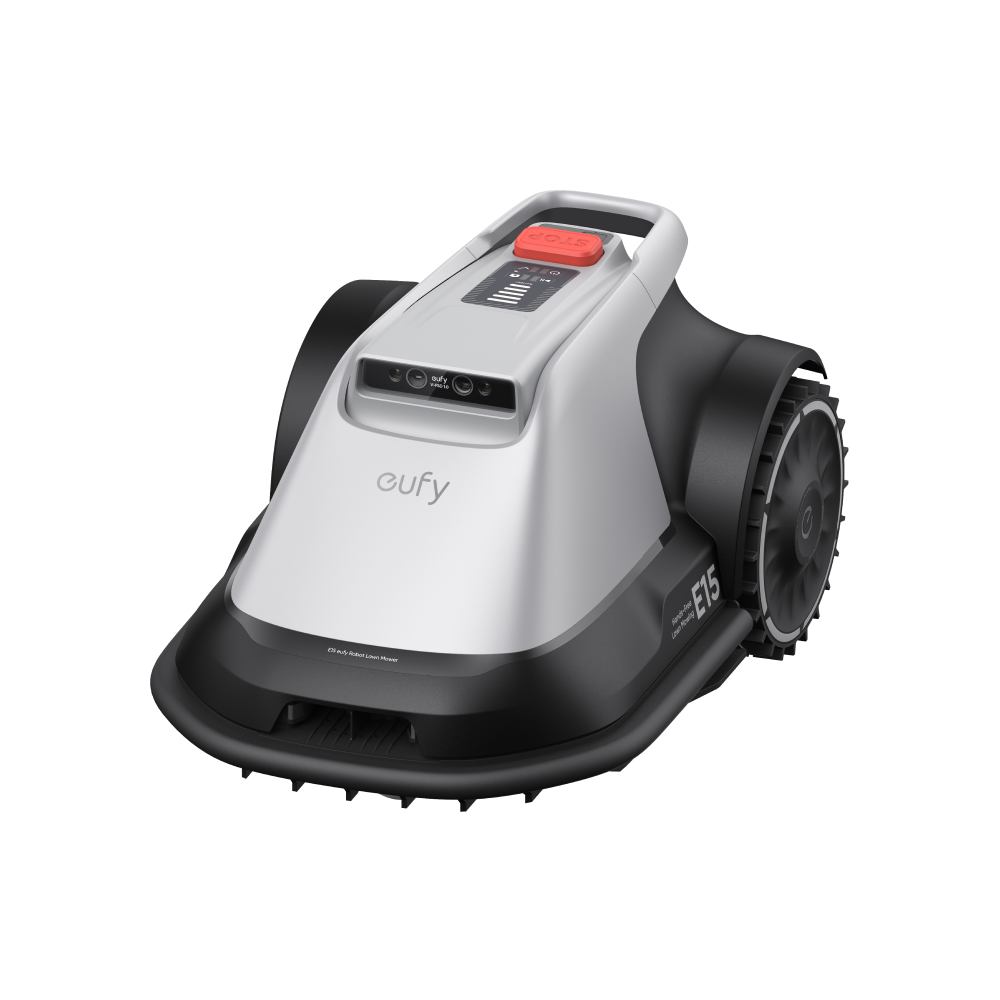 vs
eufy E15 vs Dreame A3 AWD 1000: Which Is Better for a Small Yard?
Both avoid a perimeter wire and RTK station, but they suit different small lawns. We'd check eufy's grass restrictions first, then compare your usual cutting height, the ground and the amount of grass that actually needs mowing.
Read the guidevseufy E15 vs E15 Gen 2: What Changed?
Gen 2 has a higher lawn-area rating, but the official manual confirms the same published cutting range, deck width and mowing-time range as the original. We'd choose around lawn fit and the mapping routine, rather than assume a new generation will finish faster.
Read the guide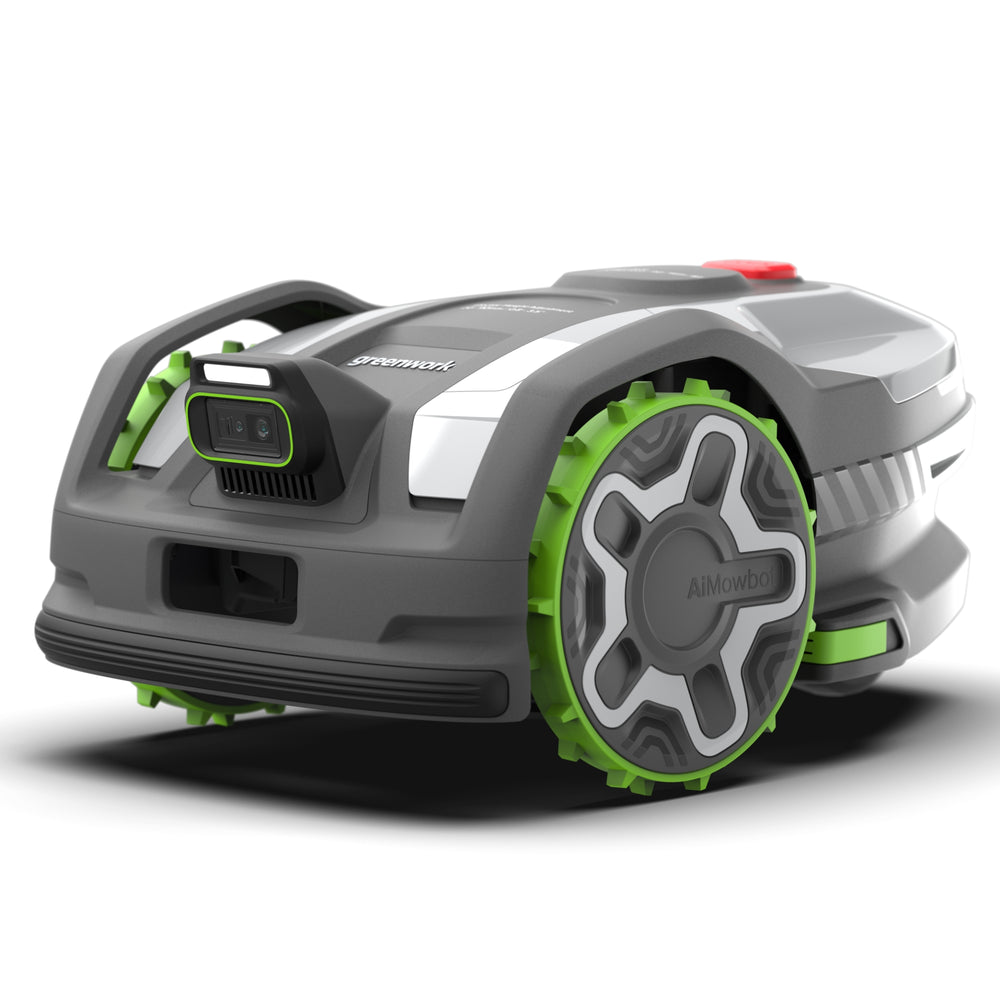
 vs
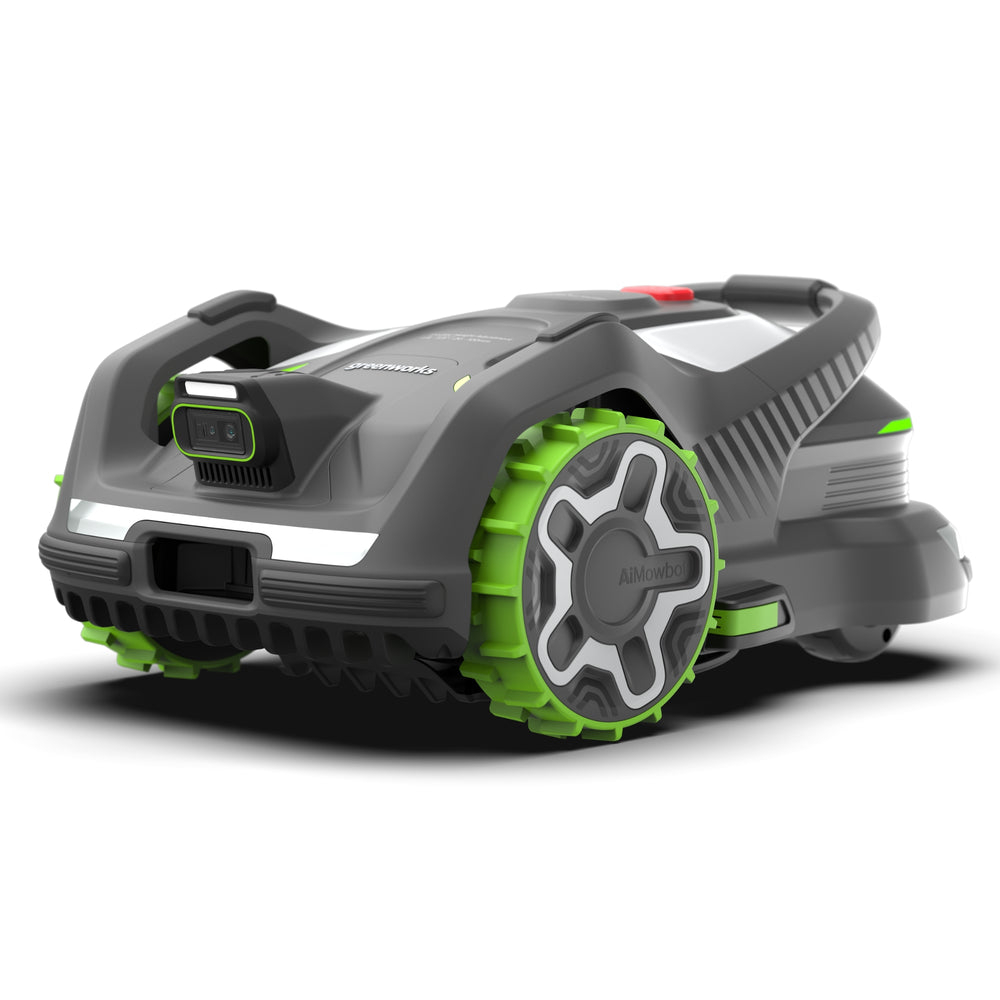
Greenworks AiMowbot C20 vs C40: Which fits your lawn?
C40 brings a wider cut and a taller maximum height. Its US page also contains conflicting area figures, which need resolving before a one-acre purchase.
Read the guide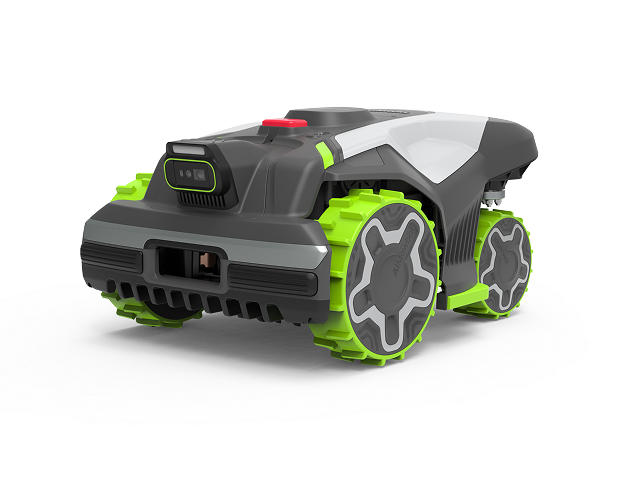
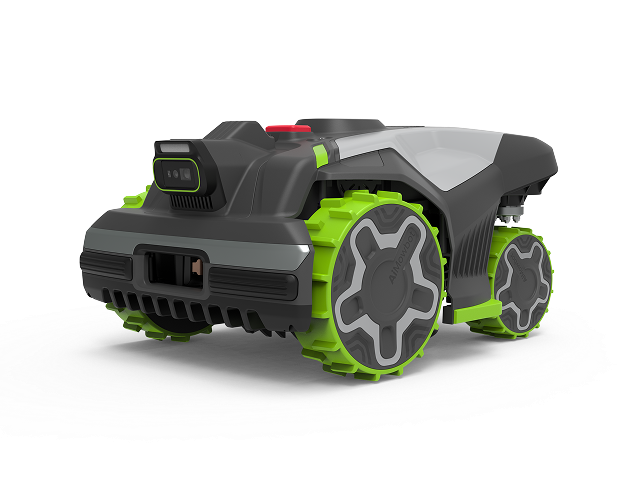
Greenworks AiMowbot G Series: Which AWD size should you consider?
The US overview lists six AWD models from half an acre to three acres. Here is what those ratings tell you, and what Greenworks still needs to confirm before you order.
Read the guide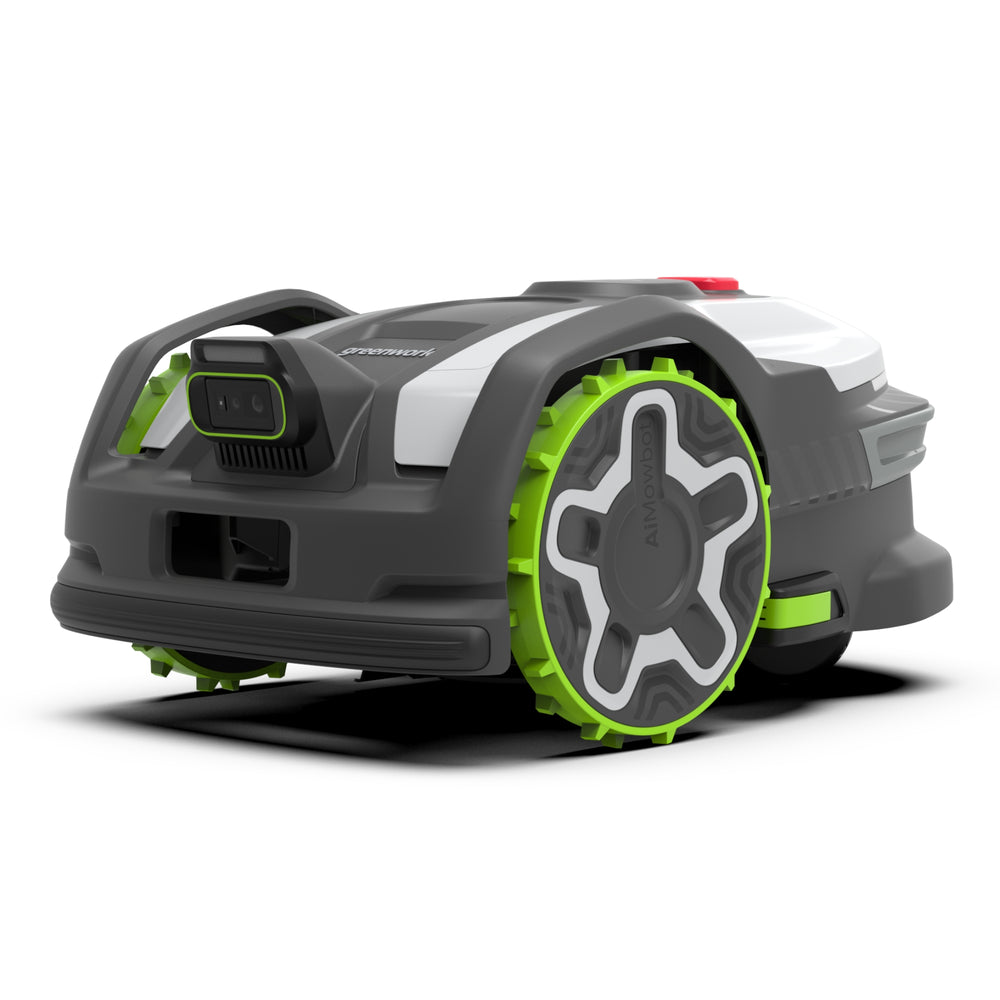 vs
Greenworks C20 vs C30Z: Which fits your lawn?
C30Z raises the stated lawn capacity from half an acre to three-quarters. Both pages list the same cutting width, height range and maximum slope.
Read the guidevsGreenworks C20 vs Husqvarna 410 iQ: Two half-acre claims with different conditions
Start with the mowing pattern and the height your grass needs. Both use satellite-assisted positioning, but the supported workload, cutting range and installation arrangement deserve separate checks.
Read the guidevsGreenworks AiMowbot C30Z vs ANTHBOT Genie 1000
The C30Z gives you room for more grass and a wider range of cutting heights. Both use a reference-based positioning system, so check where the antenna will go before settling on either mower.
Read the guidevsGreenworks C30Z vs Navimow X330: Start with lawn size and cutting height
C30Z reaches a lower cutting setting and recommends up to three-quarters of an acre. X330 starts at two inches and recommends one acre. Compare the actual grass, reference equipment and ongoing connections before choosing the installation.
Read the guide vs
Greenworks C40 vs Husqvarna 420 iQ: What does one-acre coverage mean?
C40 has the wider cutting deck. The 420 iQ states separate capacities for systematic and irregular mowing. Before choosing either for a large lawn, resolve Greenworks’ conflicting area figures and check the pattern you want to use.
Read the guide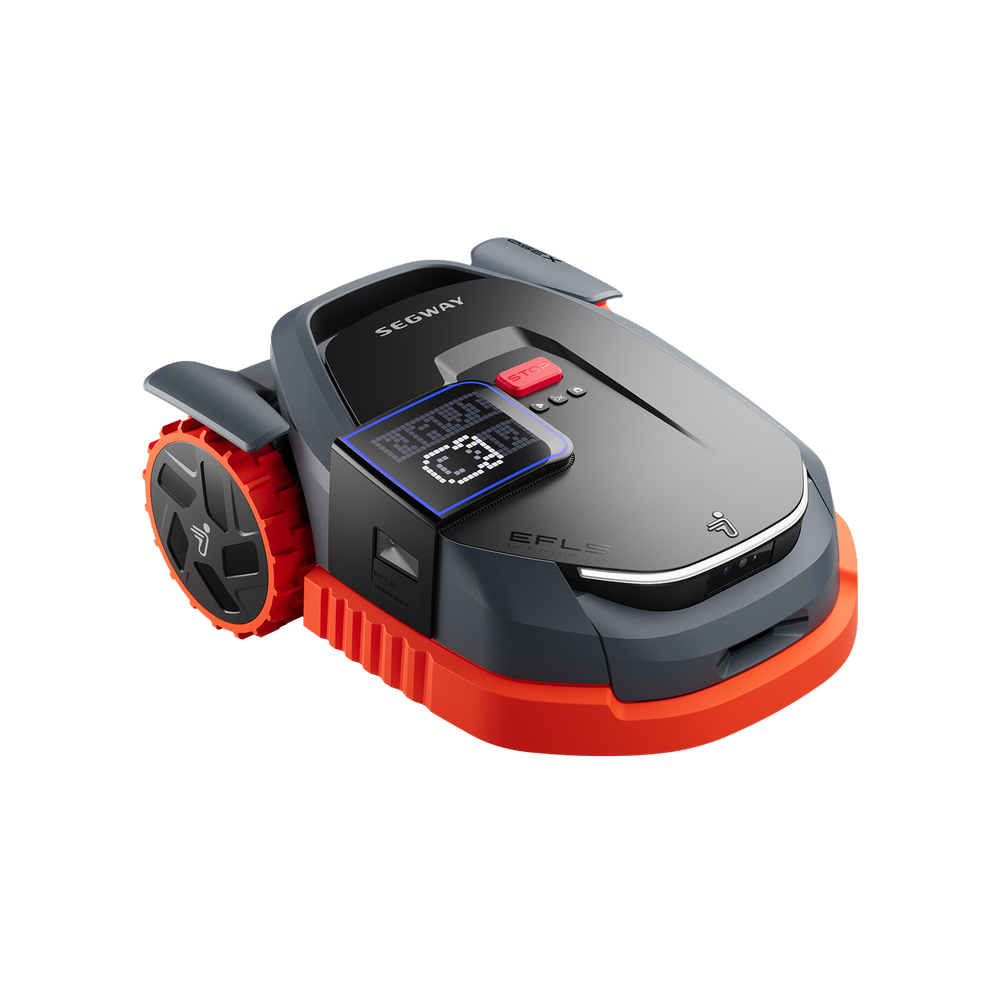 vs
Greenworks C40 vs Navimow X350: Lower cut or a larger stated lawn?
C40 reaches a lower setting and has a wider deck, but its page disagrees about acreage and its exact variant is currently unavailable. X350 lists 1.5 acres and a two-inch minimum. Start with the grass and the unresolved workload.
Read the guideHow Often Should You Run a Robot Lawn Mower?
Start with how quickly the grass grows, then check whether the mower can cover it during the hours you can give it. A daily timer isn't automatically the right answer. We'd follow the model's limits, watch the lawn between cuts and adjust the routine when growth or conditions change.
Read the guideHow to Choose the Right Cutting Height for a Robot Mower
Start with the grass species and local mowing guidance, then choose a robot setting within that range. The app’s default or highest number isn't a universal answer. Check the actual finished grass height, lower gradually when needed and keep initial-lawn preparation separate from the height you plan to maintain.
Read the guide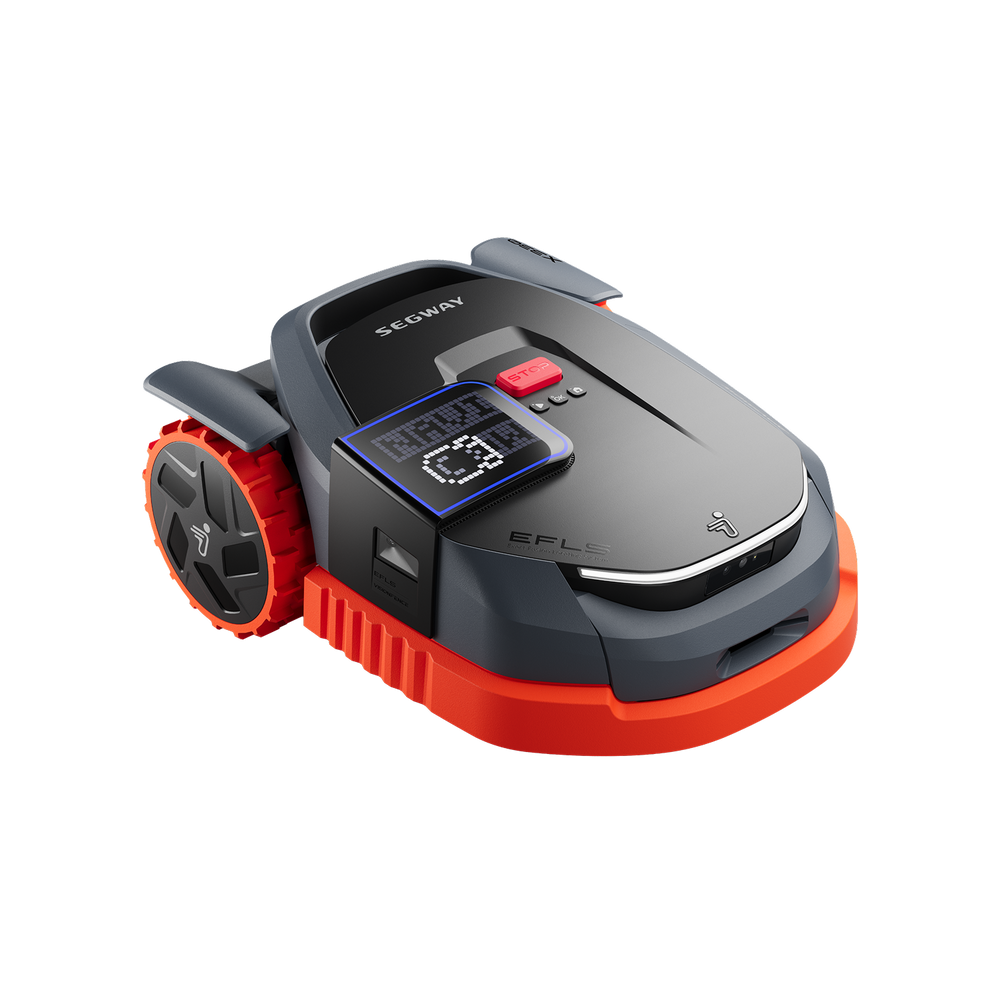
How to Clean a Robot Lawn Mower
The grass underneath is only part of the job. Wheels, camera lenses and the charging station need attention too. Here's a practical cleaning routine using eufy E15 Gen 2 and Navimow X3 examples, with each model's instructions kept where they belong.
Read the guideHow to Measure Your Lawn for a Robot Mower
The property size on a listing isn't necessarily the amount a mower will cut. We'd draw each patch of grass, subtract the house and hard surfaces, then add the mowing zones together. The awkward routes and available working hours need checking alongside that total.
Read the guide
How to measure a lawn slope for a robot mower: Percent, degrees and boundary limits
The steepest-looking bank is only part of the survey. Record the grade where the mower cuts, turns and meets its boundary, then compare each measurement with the right model-specific limit.
Read the guideHow to Prepare Your Lawn for a Robot Mower’s First Run
Clear the loose objects, check the starting grass height and settle the boundaries before launching the first map. E15 Gen 2 and Navimow H2 give different initial-grass instructions, so a robot's maximum selectable cut isn't the preparation limit. Allow time to learn its normal route and return to charge.
Read the guideHow to Set Up No-Go Zones for a Robot Mower
Start by walking the lawn and marking the places the mower must avoid, then use the exact model's mapping instructions. E15 Gen 2 no-go zones and Navimow H2 off-limit islands are useful examples, but their names and setup rules differ. Keep the route back to the charger in view too.
Read the guideHow to Transfer a Robot Mower to a New Owner
Handing over the mower and charger is only part of selling it. Finish the account and tracking handover while you can still access the machine, then let the buyer set it up for their own lawn.
Read the guide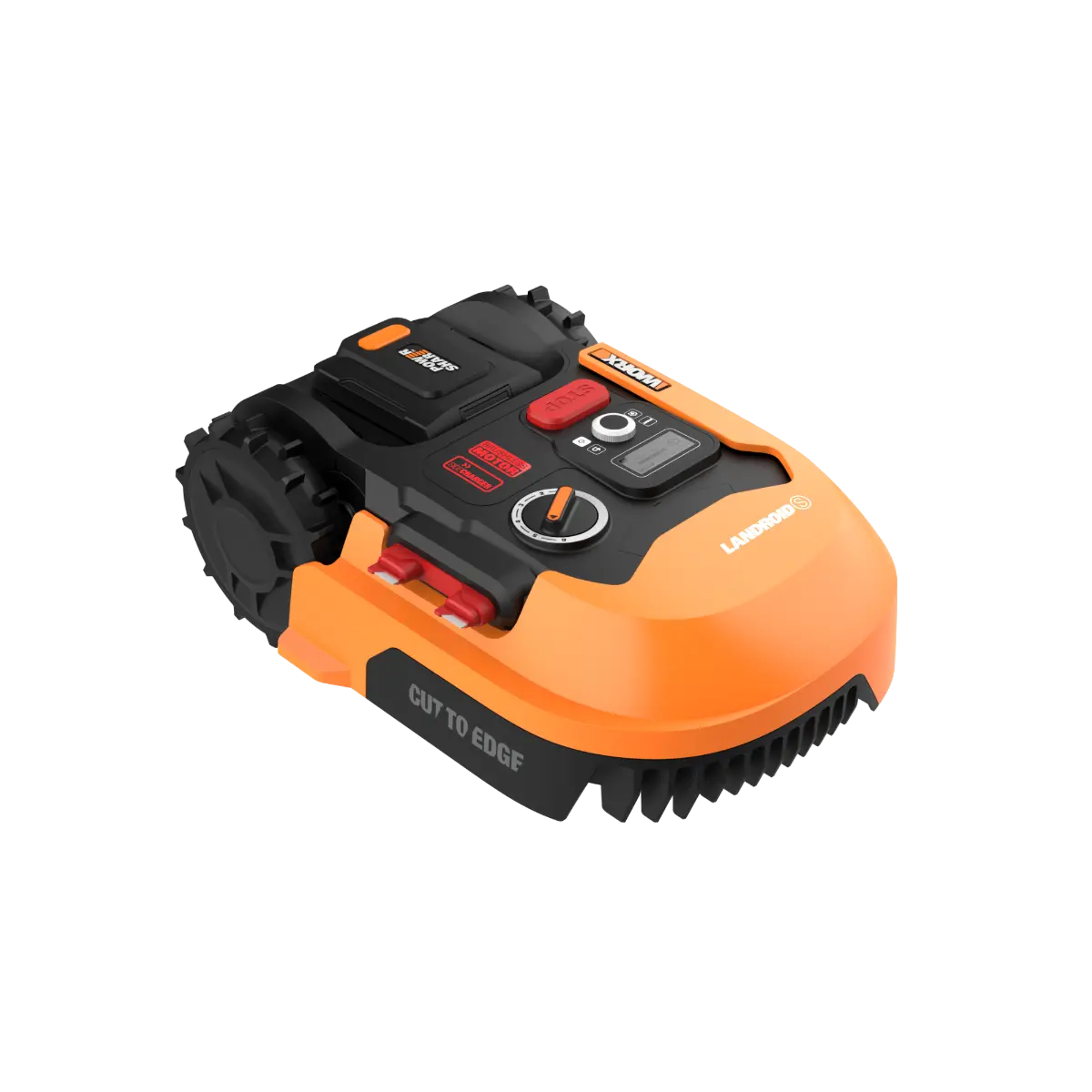
How to transport a robot lawn mower
Plan the lift and packing before taking the mower off its base. The carrying handle, disabling controls and original packaging matter more than whether the drive to the dealer is short.
Read the guidevsHusqvarna 410 iQ vs MOVA LiDAX Ultra 2000: Which fits your yard?
Both mention half an acre, but those figures describe different limits. Their positioning systems, cutting widths and height ranges make a more useful starting comparison.
Read the guidevsHusqvarna 410 iQ vs Navimow H220: Which fits a half-acre lawn?
A shared half-acre headline hides different positioning arrangements and a mowing-pattern qualification. Start with the yard, then work through the installation.
Read the guide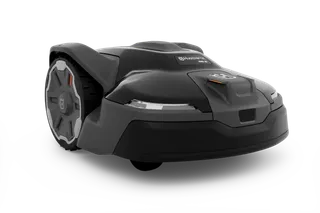 vs
Husqvarna 435 iQ AWD vs 440 iQ: Steep ground or more grass?
435 iQ AWD has the stronger stated slope limits. 440 iQ offers a larger lawn rating and a taller cut, so neither is the automatic upgrade for every yard.
Read the guide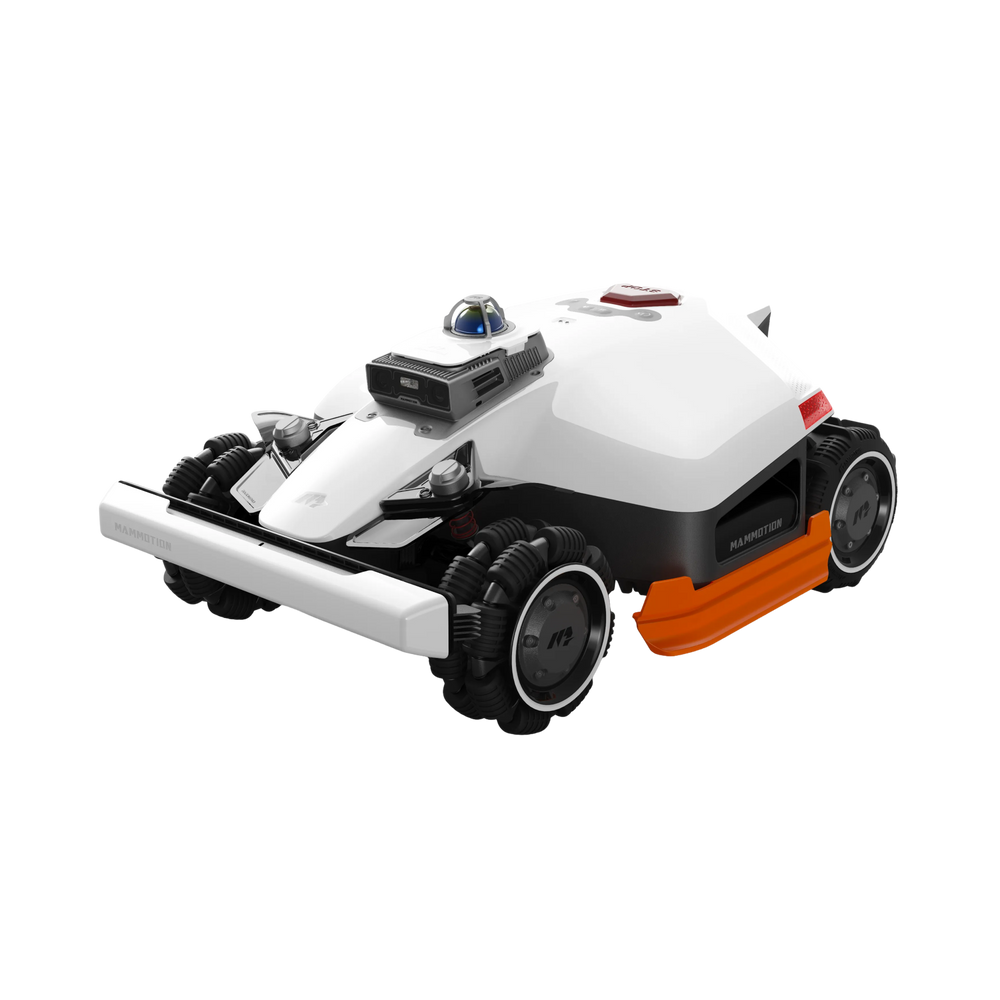 vs
Husqvarna 435 iQ AWD vs LUBA 3 AWD 3000H: Height, slopes and real lawn fit
These AWD mowers do not share a cutting-height range or the same area rating. Work through the grass, the boundary slopes and the installation before treating either climbing headline as the deciding feature.
Read the guide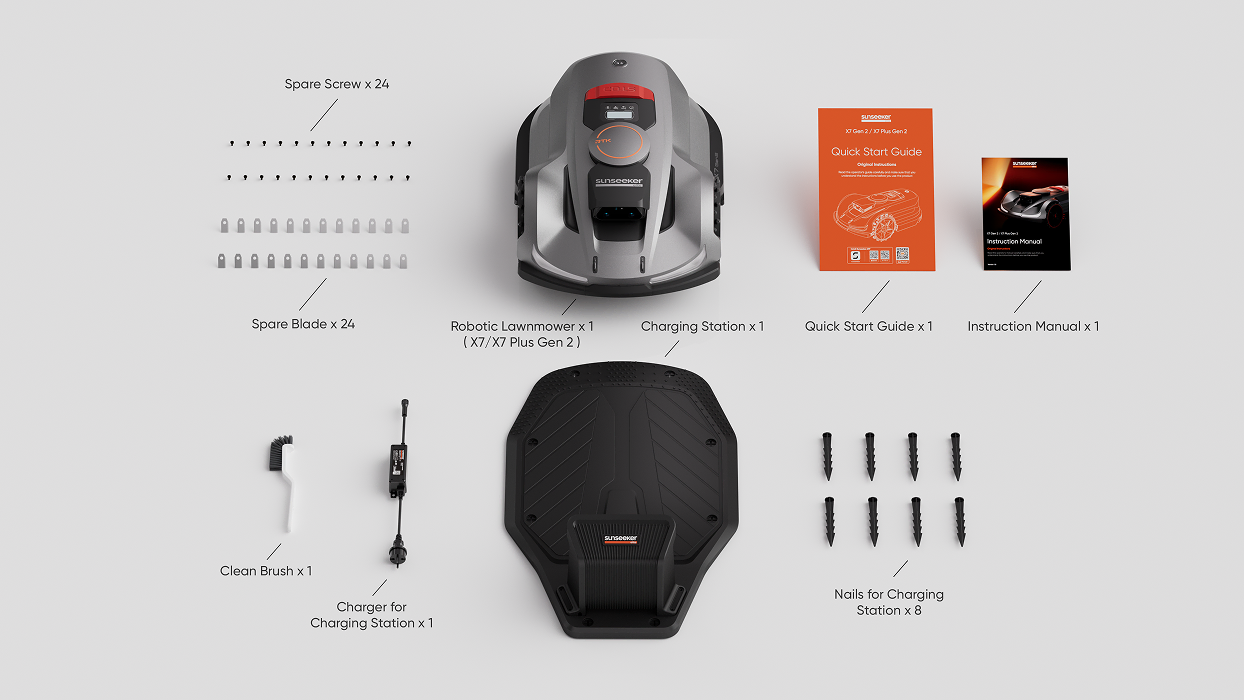 vs
Husqvarna 440 iQ vs Sunseeker X7 Plus Gen 2: Which fits your mowing schedule?
The bigger acre figure only helps when its conditions match your lawn. Start with Husqvarna’s mowing-pattern ratings and get Sunseeker’s exact Plus capacity confirmed before comparing the cutting decks.
Read the guidevsHusqvarna Automower 410 iQ vs 420 iQ: Match the mowing pattern
The 420 iQ doubles the stated lawn capacity and shortens typical charging time. Check which mowing pattern the area rating assumes before choosing.
Read the guidevsiGarden R35 vs ANTHBOT M9: Which Fits a Small Lawn?
R35 has a shorter cutting range and describes NetRTK positioning. Standard M9 reaches a little taller and describes RTK with vision. The area claims also need care: R35's 0.19 acre is described per charge, while M9 advertises 1,000 m². We'd start with the grass and the installation.
Read the guidevsiGarden R35 vs MOVA Lidax Ultra 1000: Start with the grass height
R35 suits a lower cutting range and uses NetRTK with stereo vision. Standard Ultra 1000 reaches taller grass settings and uses LiDAR without an RTK station. Their area figures need different interpretations before you compare the schedule.
Read the guidevsiGarden R35 vs R55: Which Size Should You Buy?
R55 gives you more advertised mowing time and area, but the two share their cutting range and basic positioning setup. We'd pay for it when the extra capacity would suit the lawn, after checking the network coverage and the hours you can leave the mower working.
Read the guidevsiGarden R55 vs ANTHBOT Genie 1000: Check lawn size and the taller cut
R55 lists 0.37 acre and a 2.36-inch maximum cutting height. The current exact Genie 1000 offer lists 0.49 acre and reaches 70 mm. A modest difference in grass height can matter before either positioning system is installed.
Read the guidevsiGarden R55 vs MOVA LiDAX Ultra 2000: Check the cut before the runtime
R55 advertises a long mowing interval, but its cutting range stops at 2.36 inches. LiDAX Ultra 2000 reaches 3.9 inches and uses LiDAR without an RTK station. Their area claims describe different planning measures, so keep the conditions attached.
Read the guide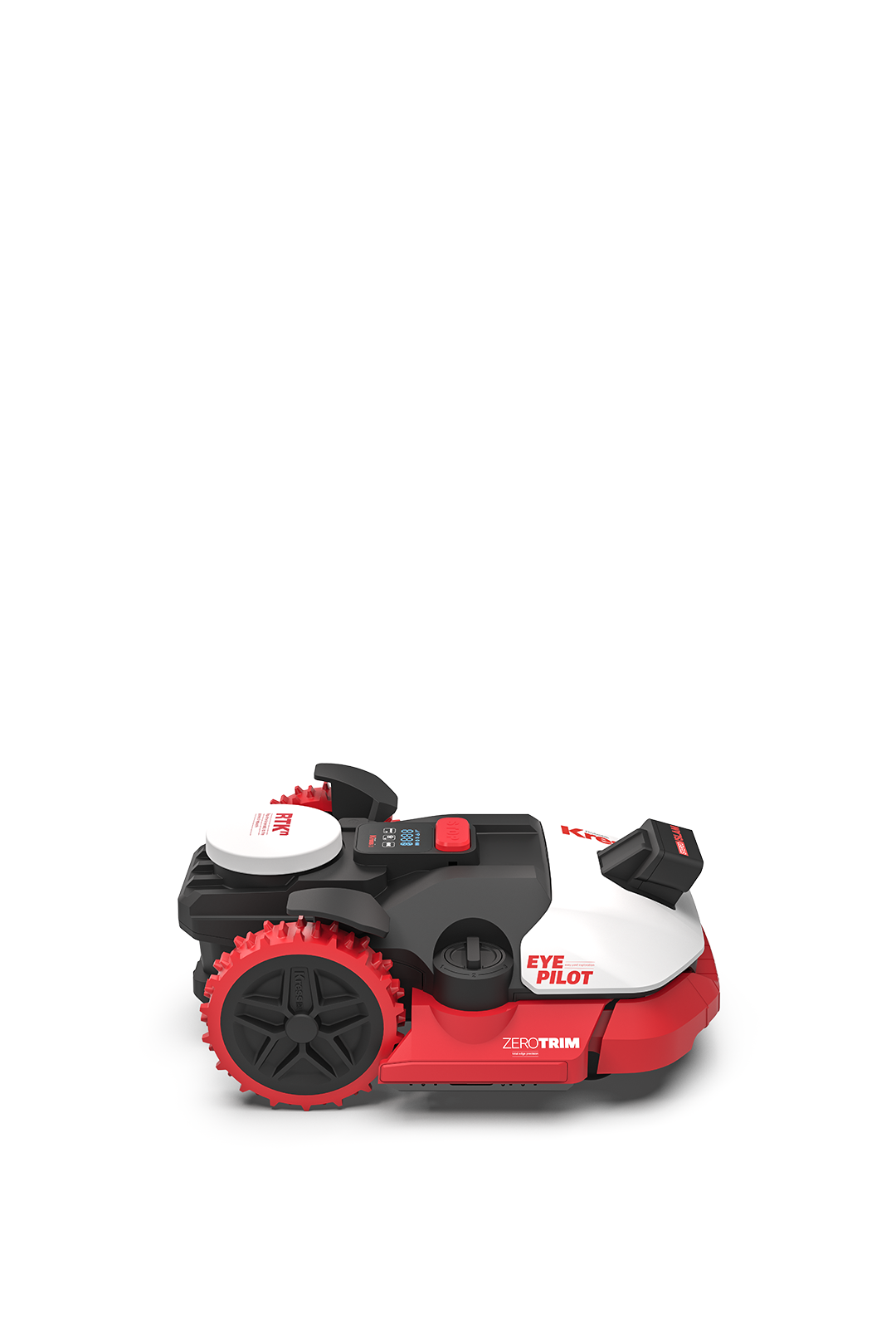
 vs
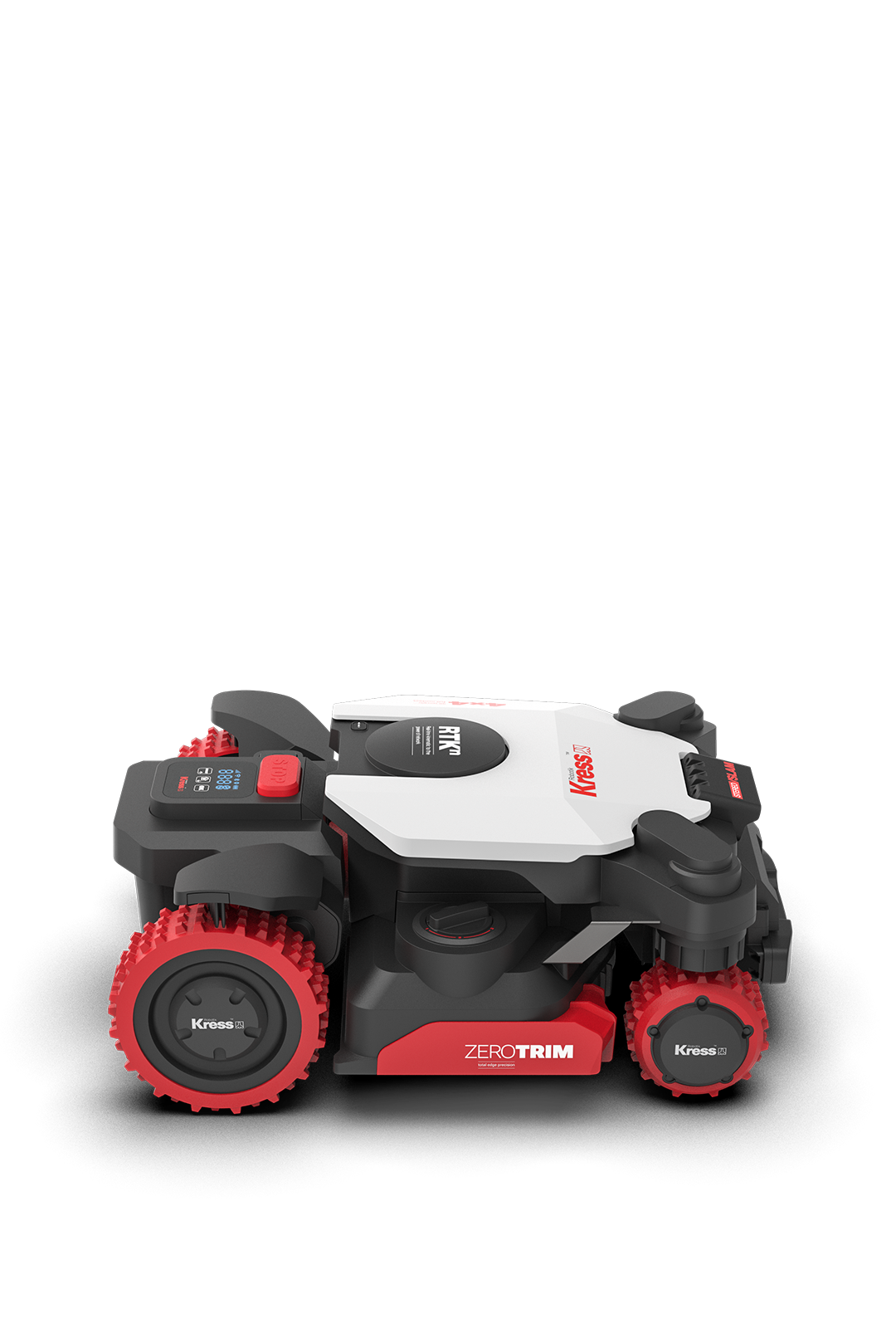
Kress EyePilot KR272 vs KR282: Do you need 4x4?
Both list half-acre mowing capacity over a 24-hour window. KR282 adds 4x4 traction, while KR272 has the wider cutting deck.
Read the guidevsKress EyePilot KR282 vs KR284: Is the one-acre model worth it?
Both are 4x4 EyePilot models with the same stated cutting-height range. KR284 adds a wider cut and a larger daily mowing claim, rather than a higher slope limit.
Read the guide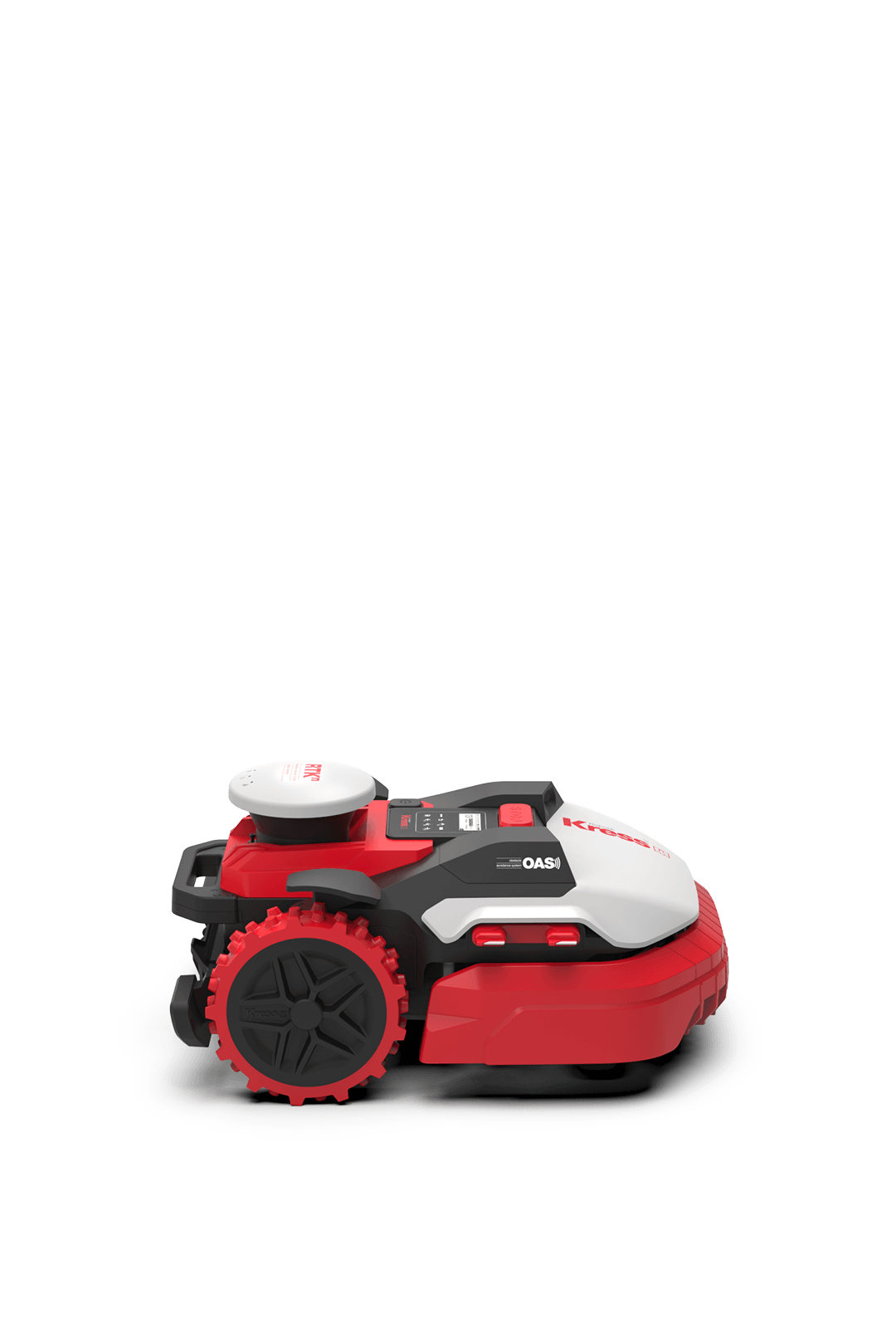 vs
Kress KR174 vs Navimow X430
KR174’s recommended acreage depends on a 48-hour cutting cycle. X430 has a one-acre recommendation and a much wider deck. Compare your available mowing hours and grass height, then check the exact stock and installation.
Read the guidevsKress KR272 vs Navimow H220: Compare the cut and working window first
Both advertise half-acre capability without a local RTK antenna. Kress qualifies its capacity over 24 hours, while H220’s standard cutting range reaches higher. Those details can settle the first fit check.
Read the guidevsKress EyePilot KR272 vs Navimow i210 AWD
Kress’s half-acre claim uses a 24-hour working window. Navimow recommends the i210 AWD for a quarter acre. Compare the mowing schedule, cut height and installation before choosing by the larger acreage number.
Read the guide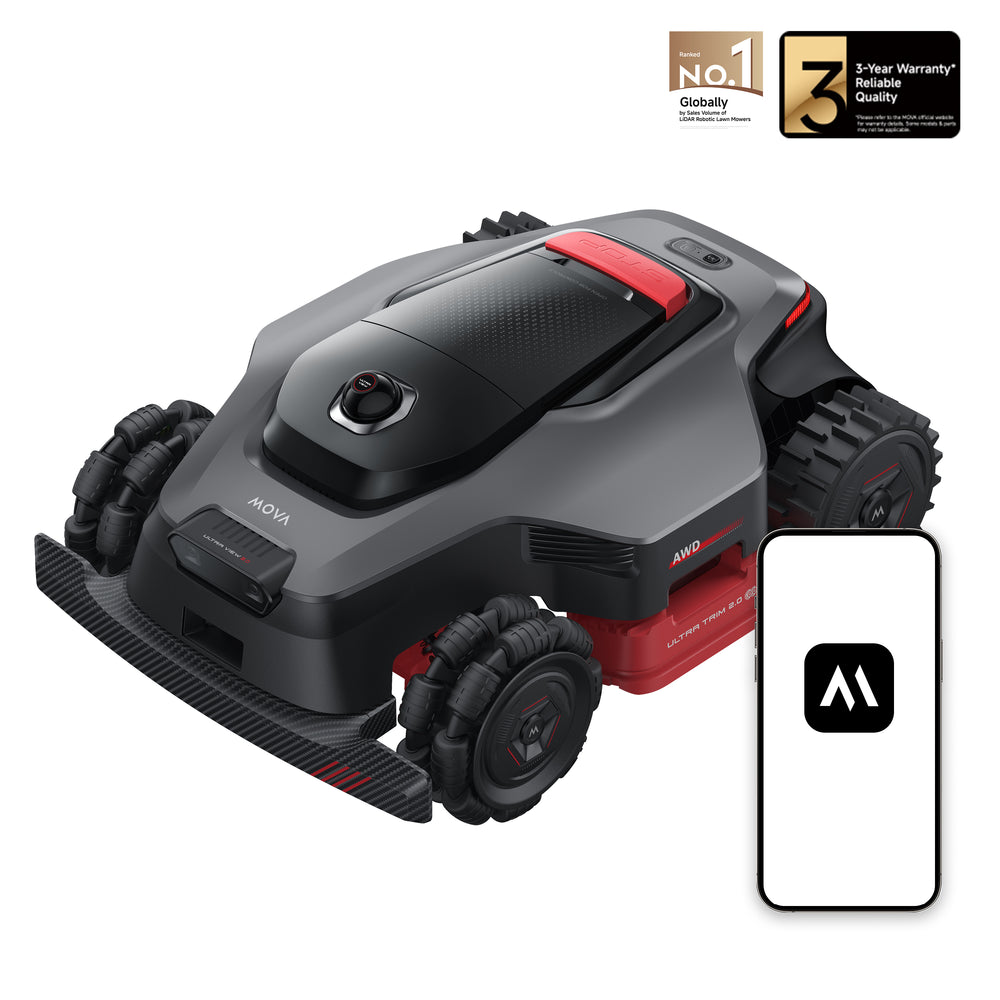 vs
Kress KR282 vs MOVA Ultra 2000 AWD: Which suits your mowing routine?
Both advertise AWD and half-acre coverage, but their area claims use different conditions. Cutting width, height and positioning give you more useful ways to choose.
Read the guidevsKress KR284 vs Husqvarna 420 iQ: Two different ways to size a one-acre mower
Kress quotes a 24-hour mowing window; Husqvarna changes its area rating with the mowing pattern. Height, terrain and installation can decide the choice before the acre figure does.
Read the guidevsKress KR284 vs Navimow X430: Does the wider cut suit your one-acre lawn?
Both use network positioning and advertise steep-slope capability. Their cutting ranges and workload wording differ, and Navimow’s direct US X430 variant is currently unavailable. Start with the finish and working hours your lawn needs.
Read the guide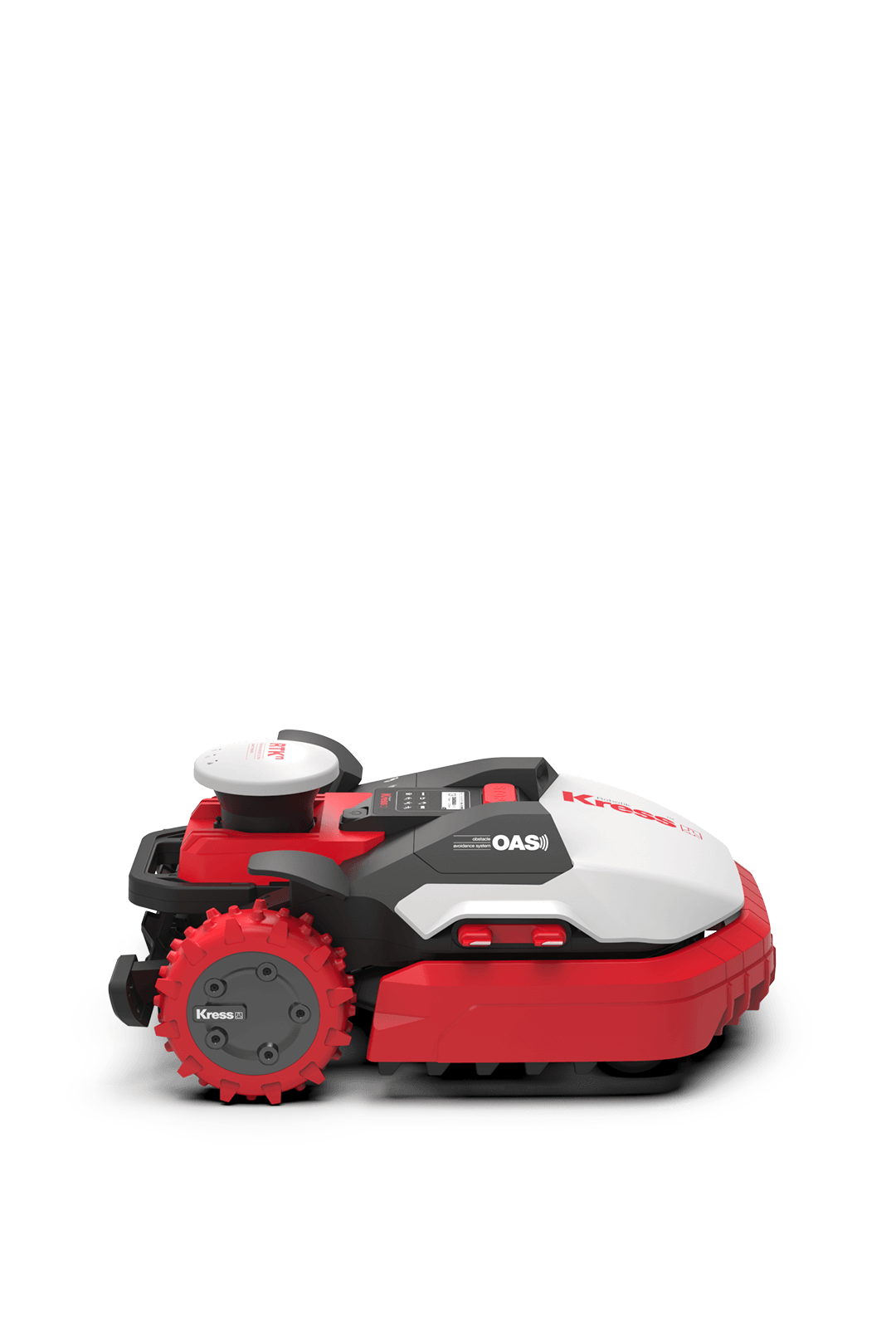 vs
Kress KR174 vs KR233: How much lawn do you need to mow?
KR233 adds a wider cut, a larger listed battery and a bigger lawn rating. Compare both on their 48-hour recommendations before relying on the larger headline figures.
Read the guidevsLUBA 3 AWD 1500 vs 3000: Which Size Should You Buy?
We'd choose between these standard-height LUBA 3 models by grass area and positioning setup. The 3000 raises the lawn-size rating, but it keeps the same deck, cutting-height range and climbing claim. The smaller 1500 has its own station-free navigation arrangement.
Read the guidevsLUBA 3 AWD 1500 vs Dreame A3 AWD Pro 2500: Which Suits Your Lawn?
These two have almost the same listed cutting width, but different lawn recommendations and height ranges. We'd compare standard LUBA 1500 for a suitable smaller lawn kept relatively short, and Dreame Pro 2500 when its extra area or taller adjustment would be useful.
Read the guidevsLUBA 3 AWD 1500 vs MOVA Ultra 2000 AWD: Start with the height of your grass
Both offer a broad cut and LiDAR/vision positioning without a local RTK station. Their height ranges and area allowances give you clearer reasons to choose.
Read the guidevsLUBA 3 AWD 1500H vs Dreame A3 AWD 2000: Start with grass height
The high-cut LUBA has a wider deck, while standard A3 2000 covers a larger stated lawn and reaches a lower setting. The exact 1500H is currently unavailable, so treat this as a fit comparison before considering an order.
Read the guidevsLUBA 3 AWD 1500H vs Navimow H220
Both can leave grass at four inches, but H220 has the larger recommended lawn area. LUBA adds AWD and a higher working-slope claim. Its exact high-cut variant was out of stock when checked.
Read the guidevsLUBA 3 AWD 3000 vs 3000H: Which Cutting Height Do You Need?
The H changes the cutting range, not the lawn recommendation. Standard 3000 runs from 1–2.7 inches; 3000H runs from 2.2–4. Both recommend 0.75 acre. We'd choose from the height your grass needs, then confirm that exact version in the order.
Read the guidevsLUBA 3 AWD 3000 vs 5000: Which Size Should You Buy?
Choose the lawn-size tier and cutting-height version separately. LUBA 3 3000 is rated for three-quarters of an acre; 5000 moves to 1.25 acres. Both have standard and H versions. We'd pay for 5000 when the extra area suits the lawn, rather than expect a wider cutting deck.
Read the guidevsLUBA 3 AWD 3000 vs Dreame A3 AWD Pro 3500
These two AWD mowers look closely matched until you check cutting height. If you like a taller lawn, we'd look at Dreame first. If you want a one-inch cut, standard LUBA 3000 deserves your attention.
Read the guidevsLUBA 3 AWD 5000 vs Navimow X450: Which Suits Your Large Lawn?
X450 has the higher lawn recommendation and a broader cutting-height range. The standard LUBA 3 5000 has a lower maximum height and a different positioning arrangement. We'd settle those everyday requirements before comparing the two climbing claims.
Read the guide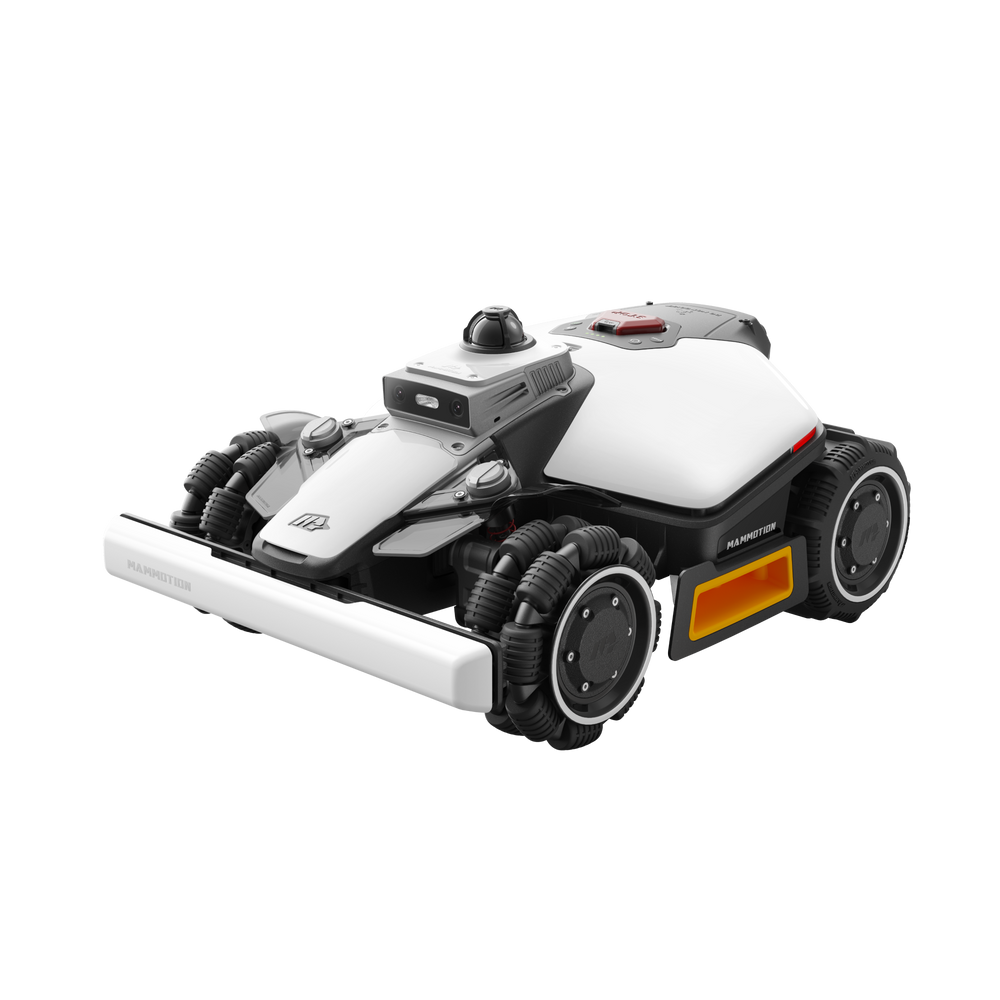 vs
LUBA mini 2 AWD 1500 vs 1500H: Which Cutting Height Do You Need?
The H version changes the cutting range, not the recommended lawn size. Standard mini 2 runs from 0.8 to 2.6 inches; 1500H runs from 2.2 to four inches. We'd start with the height you actually want to maintain, then check the exact version on the order.
Read the guidevsLUBA mini 2 AWD 1500 vs Genie 1000: Check the exact low-cut version
Standard-height LUBA mini 2 offers LiDAR navigation and all-wheel drive within a smaller stated area. Genie 1000 uses RTK and vision with a larger area label. The actual cutting height, installation and exact stock matter more than the family names.
Read the guidevsLUBA mini 2 AWD 1500 vs ANTHBOT M9 PRO
The standard-height LUBA mini 2 covers a larger rated lawn and cuts lower. M9 PRO reaches slightly higher and carries a quarter-acre rating. Check the exact height version and availability before choosing by the navigation features.
Read the guidevsLUBA mini 2 AWD 1500H vs LUBA 3 AWD 1500H
Both are rated for 0.37 acre and cut from 2.2 to 4.0 inches. We'd look beyond the family names here, starting with the cutting system, routes around the yard and the complete available price.
Read the guide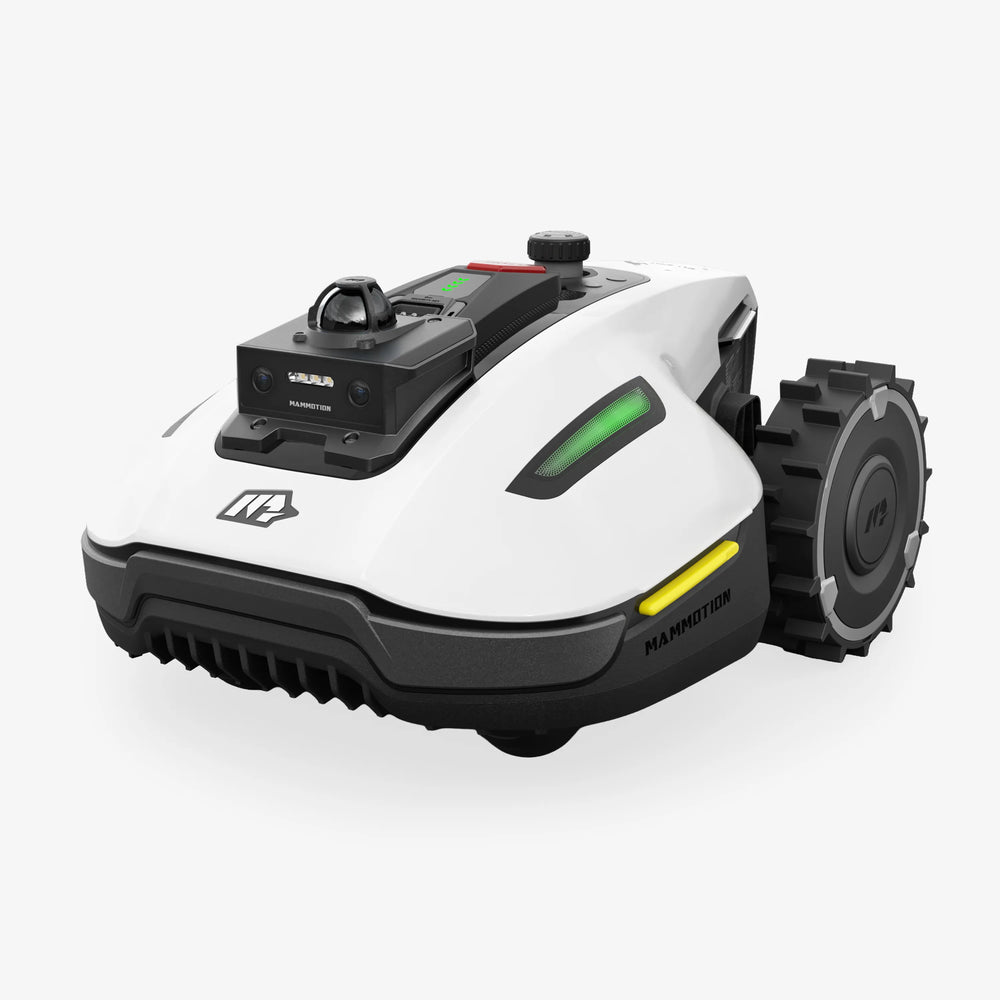 vs
LUBA mini 2 AWD 1500H vs YUKA mini 2 1000H
Would you get much from paying extra for the LUBA mini 2? That comes down to three things: how much grass you have, whether you need AWD, and how high you like to leave the lawn.
Read the guide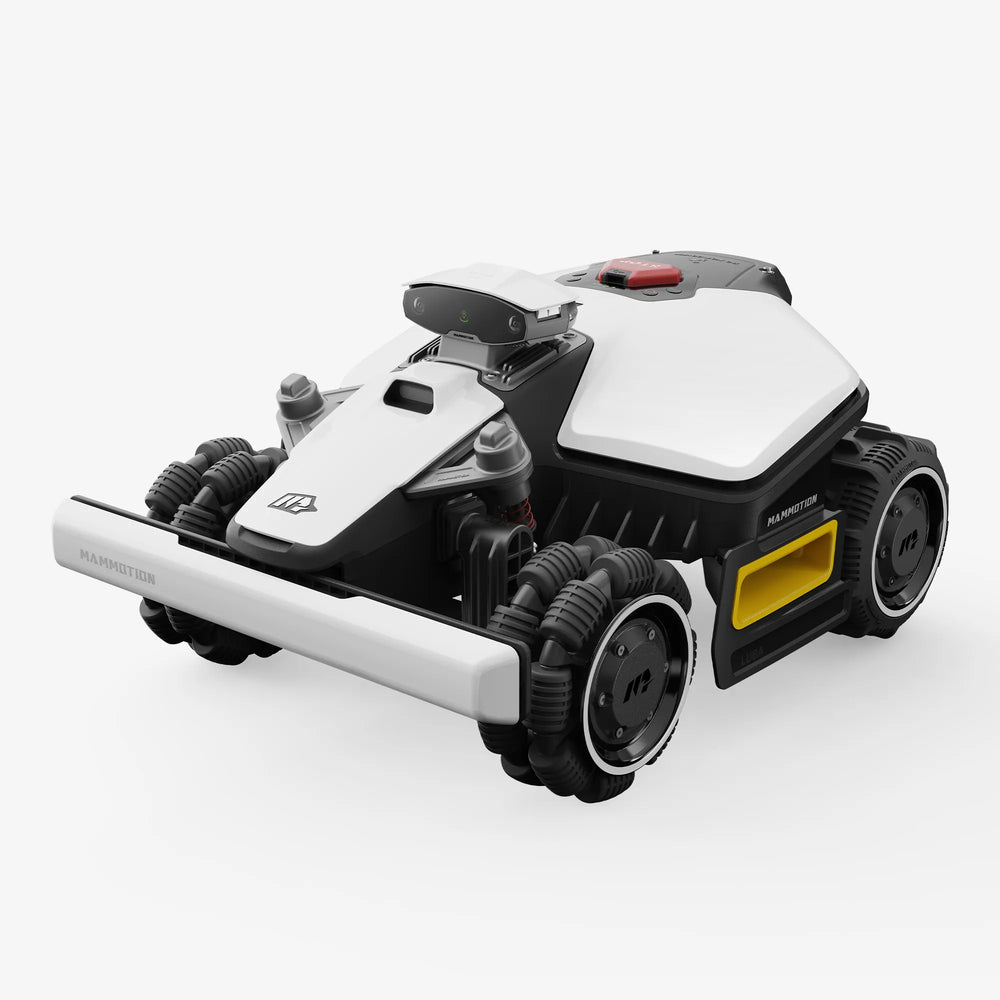 vs
LUBA mini AWD 800H vs mini 2 AWD 1500H: Should You Upgrade?
Mini 2 adds a larger lawn recommendation and LiDAR-led navigation, but it doesn't give these H versions a taller cut or a higher climbing headline. If your 800H already keeps the lawn tidy, start with the problem you want the replacement to solve. The original is currently out of stock on Mammotion's page.
Read the guidevsLymow One Plus 5A vs 10A: Which Package Should You Buy?
We'd pay for the 10A package when shorter charging breaks would help the mower keep up with your lawn. If the 5A already fits the work, the extra daily capacity may go unused. Here's how the two packages change the mowing schedule.
Read the guidevsLymow One Plus 5A vs Navimow X450: Daily output is not lawn capacity
Lymow’s 5A offer names 1.1 acres per day; X450 lists a recommended 1.5-acre lawn. Those figures describe different things. Both offer a wide cut, but X450’s exact variant is currently unavailable.
Read the guide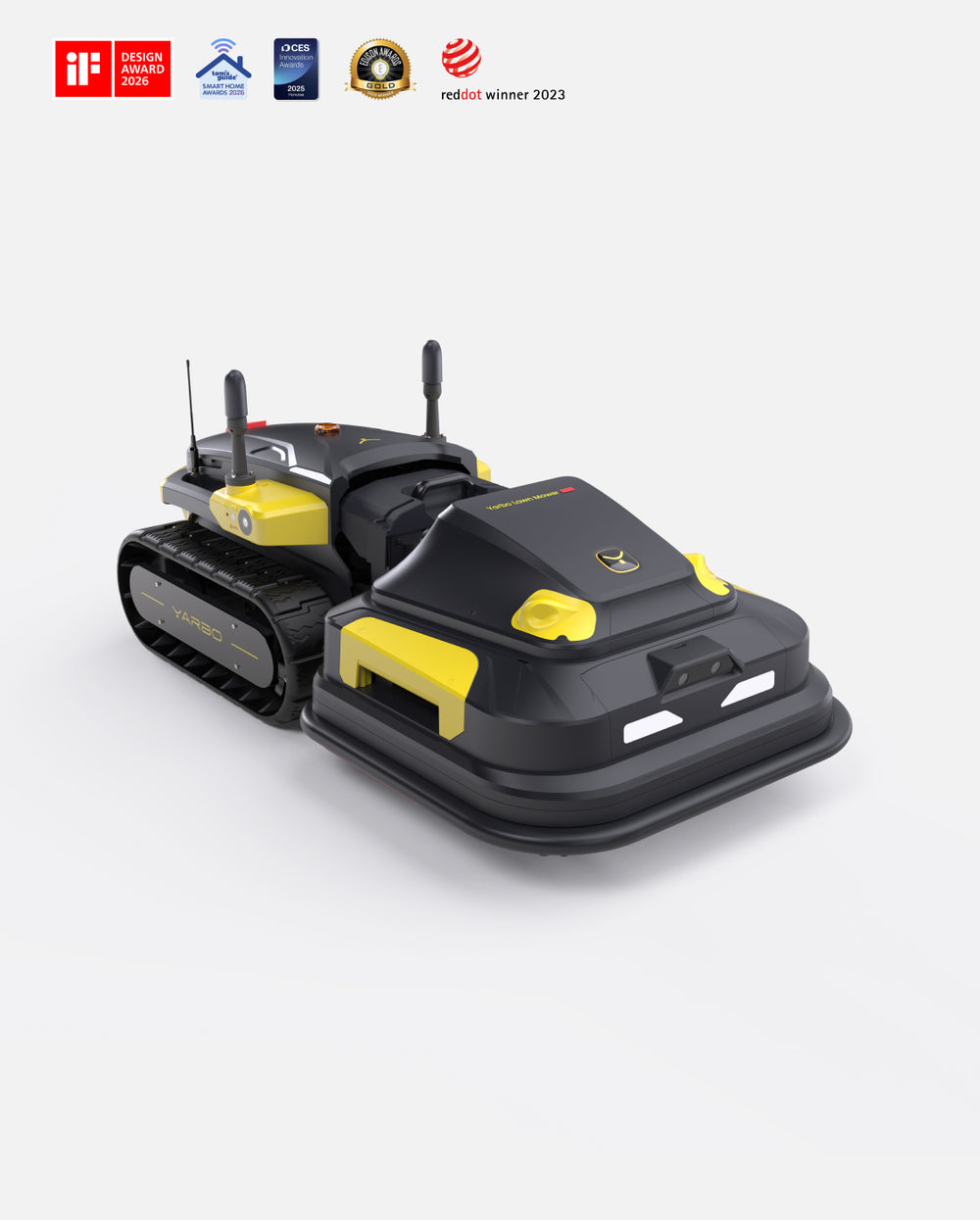 vs
Lymow One Plus vs Yarbo Y40: Which Suits a Large Yard?
Both belong in a tracked-mower comparison, but the acreage figures need their qualifiers beside them. Lymow separates its 5A and 10A charging packages; Yarbo separates daily work from a twice-weekly maintenance claim. We'd ask for a schedule for your lawn before choosing either.
Read the guidevsMOVA LiDAX Pro 800 vs Ultra 1000: What does Ultra add?
The Ultra 1000 adds a larger map allowance and a closer stated edge cut. Both keep the same cutting width, height range and listed battery capacity.
Read the guidevsMOVA LiDAX Ultra 1000 vs 2000: Is the larger lawn limit worth it?
The standard LiDAX Ultra 2000 adds map capacity and a larger battery. Both mowers keep the same cutting width, height range and rear-wheel drive.
Read the guidevsMOVA LiDAX Ultra 2000 AWD vs 3000 AWD: How much lawn do you have?
Both AWD models list the same battery, cutting width and runtime. Ultra 3000 AWD mainly gives you a larger single-map allowance.
Read the guidevsMOVA Ultra 2000 AWD vs Dreame A3 AWD 2000: Does the wider cut suit your yard?
Both are sold for half-acre lawns with AWD and LiDAR navigation. The useful difference is the cutting width, alongside the space and mowing routine your yard allows.
Read the guidevsMOVA Ultra 3000 AWD vs Lymow 10A: Map size and daily output are different
Ultra 3000 AWD lists 0.75 acre per map, with two separate maps supported. Standard Lymow One Plus 10A advertises 1.73 acres per day. Both have a wide cut, but those acreage figures cannot choose the mower for you.
Read the guideMoving a robot mower’s charging station: Check the new route before restarting
A better-looking corner is only useful if the mower can locate and reach it. Check the new installation first, use the exact model’s relocation procedure, then verify the return journey before restoring the schedule.
Read the guideMoving a robot mower’s RTK antenna after mapping
A mower can get a better signal from a new antenna location and still need its map rebuilt. Find out whether you’re moving the primary reference, an accessory antenna or just the charging base.
Read the guide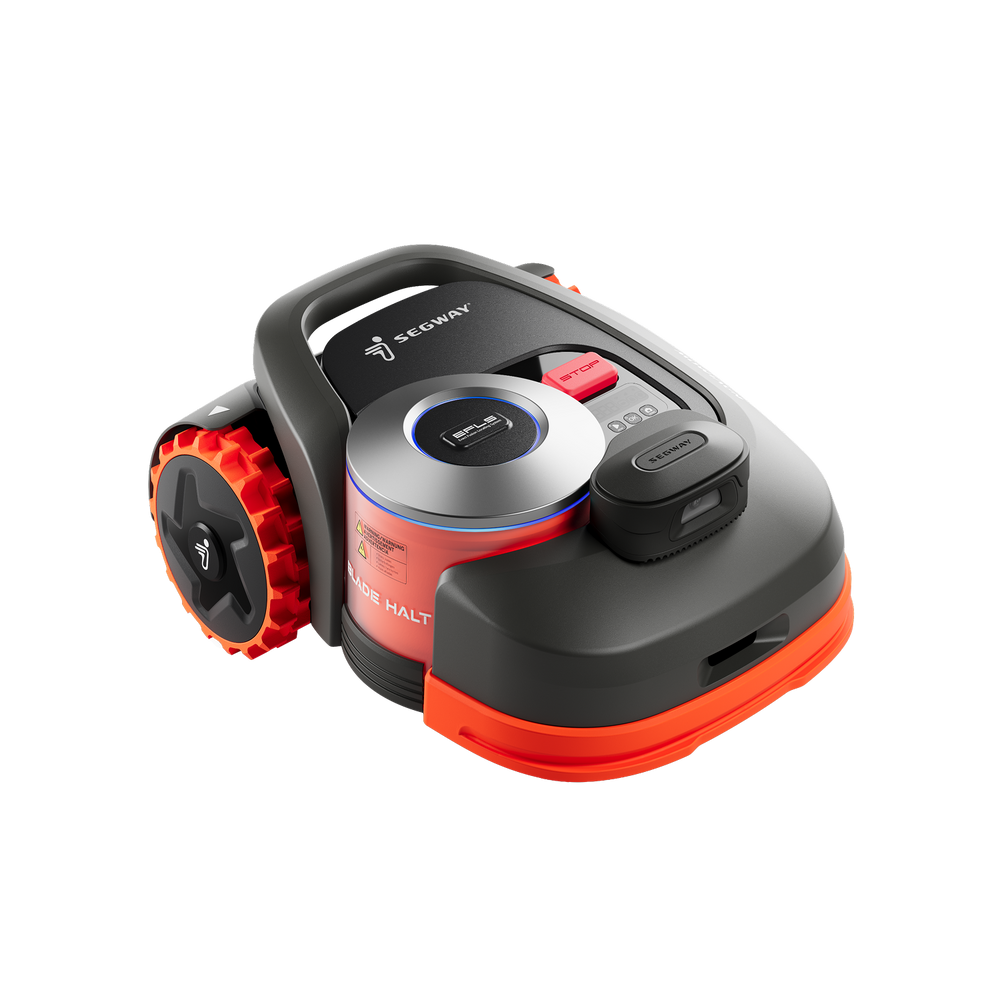 vs
Navimow H1500-VF vs ECOVACS GOAT A3000 LiDAR
H1500-VF suits a smaller, lower-cut lawn on paper. GOAT A3000 LiDAR offers a taller setting and a larger area rating, making this a useful comparison for an owner considering a change.
Read the guideNavimow H1500-VF vs H220: Is It Time to Upgrade?
We'd keep a working H1500-VF unless H220 solves a problem you actually have. The newer model changes the positioning system, stated lawn capacity and standard cutting-height range. That last difference deserves attention if you normally leave the lawn below two inches.
Read the guidevsNavimow H210 vs H220: Which Size Should You Buy?
The H220 makes sense when you have more grass to keep up with. For a smaller lawn, the H210 may already give you what you need. Here's how we'd choose between them without confusing extra map storage with a bigger mowing recommendation.
Read the guidevsNavimow H210 vs i210 AWD: Which Quarter-Acre Mower Should You Buy?
Both are recommended for a quarter acre, so H210 isn't a step up in lawn size. It adds the H2 family's LiDAR, network RTK and vision combination. We'd decide whether that setup and its documented cutting range suit the garden before paying more than the i210 AWD offer.
Read the guidevsNavimow H220 vs Dreame A3 AWD 2000: Which Suits a Half-Acre Lawn?
Both are recommended for half an acre, but they'd suit different mowing habits. H220's standard range reaches four inches; Dreame starts lower and has an AWD arrangement. We'd measure the grass, check the normal cutting height and walk the awkward parts of the yard before choosing.
Read the guidevsNavimow H220 vs MOVA LiDAX Ultra 2000 AWD
A half-acre headline makes these look closely matched. Look at the cutting range, deck and slope limits, though, and two different yards start to emerge.
Read the guide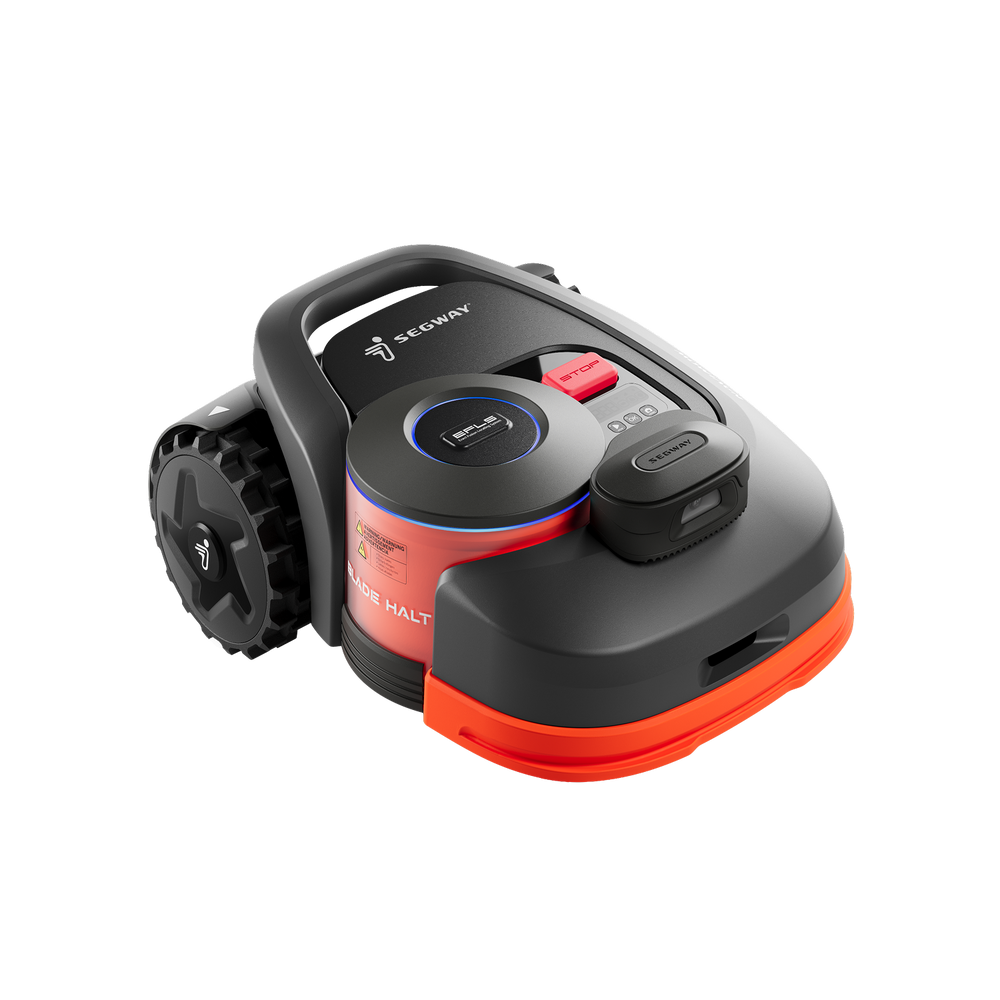
 vs
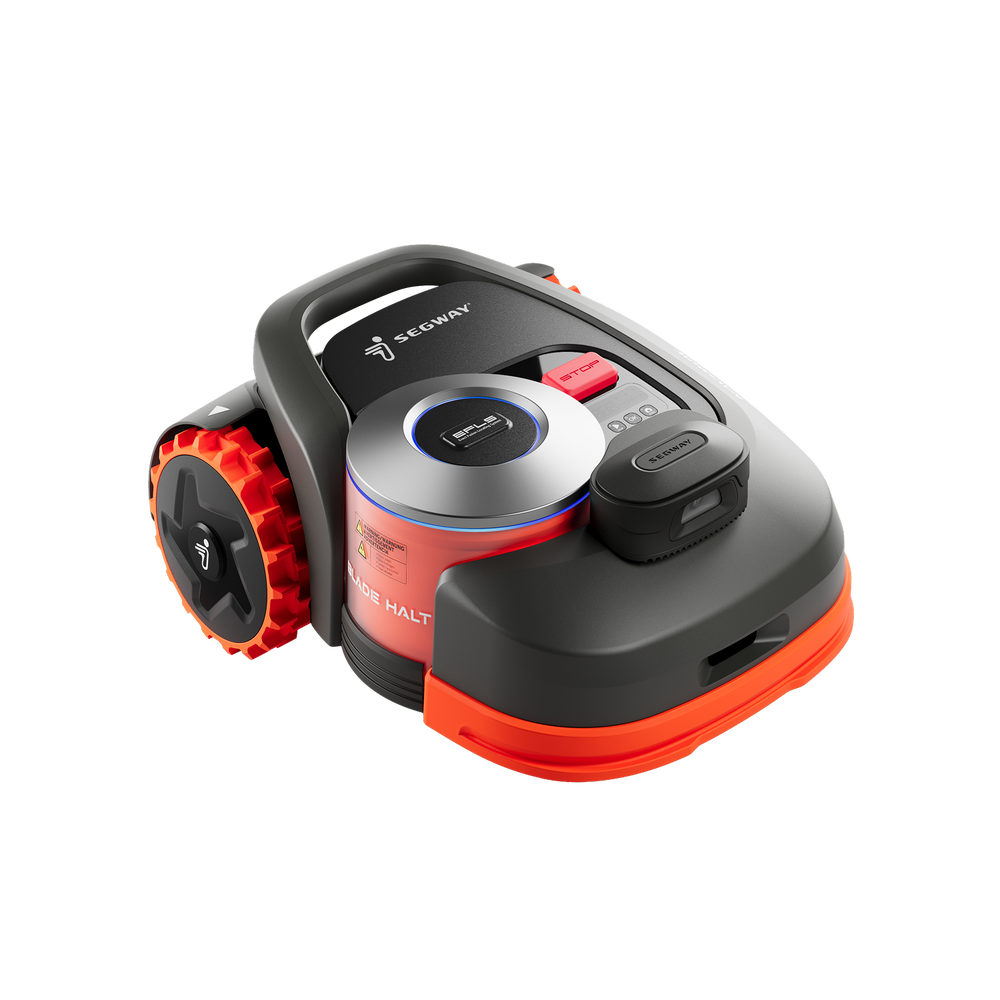
Navimow H800-VF vs H3000-VF: Which size fits your lawn?
These original H Series models have very different lawn ratings, but share the same stated cutting-height range. Both direct-store pages currently show Sold Out.
Read the guidevsNavimow H800-VF vs MOVA Lidax Pro 800: Check the height before the area
Both carry a 0.2-acre label, but they suit different cutting heights and positioning setups. The older H800-VF is currently unavailable; Pro 800 offers a taller cutting range and LiDAR navigation without a reference antenna.
Read the guidevsNavimow i105 vs i206 AWD: Is the New Mower Worth It?
The i206 AWD gives you all-wheel drive and a Network RTK setup, with a slightly larger lawn recommendation. Those are useful changes if they solve a problem in your yard. If an i105 already handles the lawn happily, the newer name alone isn't a reason to replace it.
Read the guidevsNavimow i206 AWD vs i210 AWD: Which Size Should You Buy?
The lawn size is the first reason to choose between these two. Both use Navimow's i2 AWD setup, but i210 has a larger battery and a higher recommended area. We'd measure all the grass, check network coverage and confirm the cutting range before paying for the larger model.
Read the guidevsNavimow i210 AWD vs Dreame A3 AWD 1000: Which Suits Your Yard?
Both are rated for a quarter acre, so the lawn's shape, slopes and setup matter more than the number on the box. We'd check Navimow's network coverage first, then decide whether Dreame's LiDAR navigation and higher climbing claim would help in your yard.
Read the guidevsNavimow i215 LiDAR vs Dreame A3 AWD 2000: Which Fits Your Lawn?
Dreame has the higher lawn recommendation and an explicit AWD arrangement. Both describe LiDAR/vision setups without a perimeter wire or local RTK station. We'd start with the measured grass and difficult ground, then confirm the exact cutting setup and services.
Read the guidevsNavimow i215 LiDAR vs H210: Which Setup Suits Your Yard?
i215 LiDAR has the larger lawn recommendation, despite H210's position in the H2 range. The navigation arrangements differ too. We'd compare the measured grass area, preferred cutting height and actual installation before choosing by the family name or number of sensors.
Read the guidevsNavimow i215 LiDAR vs LUBA mini 2 AWD 1500H: Which Should You Buy?
These two avoid a separate positioning antenna and share a 0.37-acre lawn rating. We'd give LUBA's high-cut range and AWD a close look for taller grass or demanding ground, then compare Navimow's confirmed fit and complete price for a gentler lawn.
Read the guidevsNavimow X330 vs Husqvarna 420 iQ: Match the cut and mowing pattern
Both carry a one-acre headline, but that does not make them interchangeable. X330 starts at a two-inch cut; 420 iQ reaches lower and gives different area ratings for systematic and irregular mowing.
Read the guidevsNavimow X330 vs X430: Is the Newer Mower Worth It?
Both are rated for an acre, but X430 changes more than the model number. We'd compare the wider cut, lower height setting, terrain and positioning setup against the lawn you actually have before paying for the newer mower.
Read the guidevsNavimow X350 vs Husqvarna 440 iQ: Lawn size depends on the mowing pattern
X350 lists a 1.5-acre lawn allowance. The 440 iQ lists two acres with systematic mowing but one acre with irregular mowing, so the installation and selected pattern can change the choice before deck width matters.
Read the guidevsNavimow X350 vs X390: Do You Need the 2.5-Acre Model?
X350 and X390 share the X3 cutting system, but their recommended lawn sizes differ: 1.5 and 2.5 acres. X390 also lists longer mowing and charging times. We'd pay for the larger model when the amount of grass and the time available justify it, rather than expect a wider cut.
Read the guideNavimow X350 vs X450: Is the Upgrade Worth It?
Both have a 1.5-acre recommendation, so this is not simply a move to a larger lawn-size tier. We'd weigh X450's wider cut, lower height setting and four-wheel drive against what your X350 already does well, then check the replacement installation and service costs.
Read the guidevsNavimow X430 vs Dreame A3 AWD Pro 5000: Which Suits Your Lawn?
Dreame has the higher stated lawn allowance; X430 has the wider listed cut and lower minimum height. The positioning arrangements differ too. We'd choose by the measured grass, normal cutting height and supported setup before comparing the climbing headlines.
Read the guidevsNavimow X430 vs X450: Which Size Should You Buy?
X430 recommends one acre; X450 recommends 1.5. The bigger recommendation doesn't come with a wider cut or a larger battery in the current US manual. We'd measure the grass and check the mowing schedule first, then decide whether the extra capacity and included Connect+ period are useful.
Read the guideOne robot mower or two? Plan the routes and workload before buying
Two smaller mowers can solve a physical separation problem, but they also mean two installations and two care routines. Start with the grass in each area, the connection between them and the hours each machine can work.
Read the guideHow to restart a robot mower after winter
Before restoring last year’s schedule, check the machine, the charging station and the lawn it is returning to. A shifted dock or a newly planted bed needs attention even when the mower starts normally.
Read the guide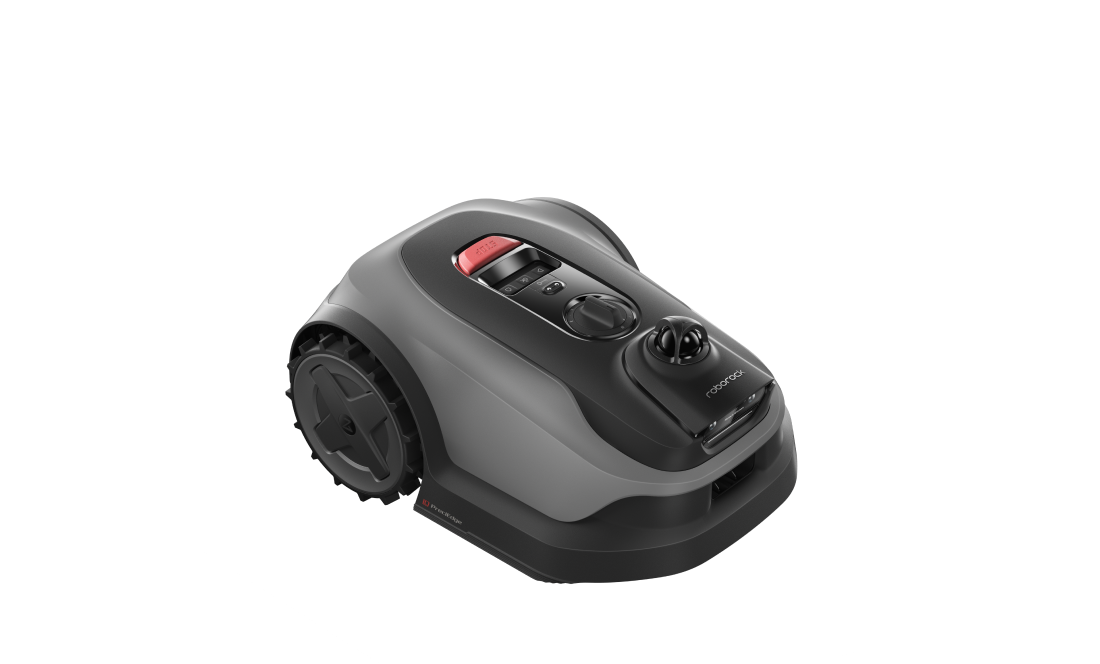 vs
Roborock RockMow S2 LiDAR vs eufy E15 Gen 2
Two mowers that skip the RTK antenna can still suit different lawns. The S2 LiDAR reaches 80 mm, while the E15 Gen 2 has room for a larger grass area within its 75 mm cutting range.
Read the guide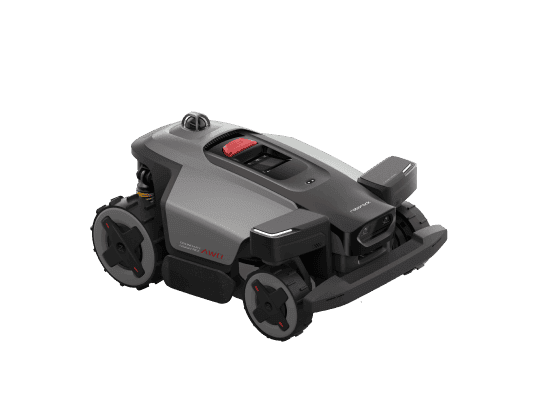 vs
Roborock RockMow X1 LiDAR vs MOVA Ultra 2000 AWD: Start with the cutting height
Both describe LiDAR, vision and AWD, but the cutting ranges and half-acre claims mean different things. The exact Roborock US unit and current equipment also need confirming before you order.
Read the guide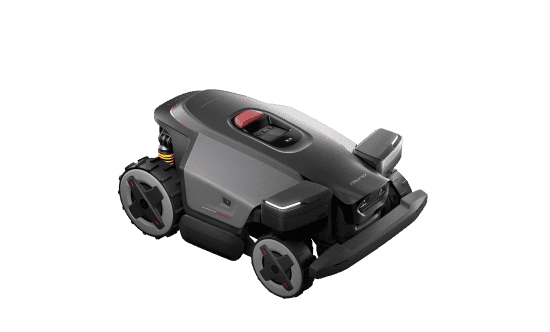 vs
Roborock RockMow X1 vs X1 LiDAR: Which navigation fits your yard?
Both US overviews describe AWD, active steering and suspension. The important change is network RTK versus 3D LiDAR, with firmware and exact US package details to confirm.
Read the guide vs
Roborock RockNeo Q2 LiDAR vs Navimow i206 AWD
Roborock publishes a 60 cm passage claim for the Q2 LiDAR. Navimow gives the i206 AWD a specific US lawn rating. Measure the tightest part of the route and confirm the whole lawn fits before you order.
Read the guidevsRoborock S2 LiDAR vs MOVA Pro 800: Similar lawn sizes, different cutting ranges
These LiDAR-and-vision mowers target similarly sized lawns. The useful differences are the required cut, actual border behavior and which app functions are available on the machine you can buy.
Read the guidevsRoborock S2 LiDAR vs Q2 LiDAR: Which should you consider?
Both use LiDAR and visual navigation. S2 has a stated small-lawn capacity and an optional solar charger; Q2 highlights narrow passages and terrain capability.
Read the guideRobot mower after dethatching: Remove the loose material before restarting
The material lifted by a dethatcher is a different cleanup job from ordinary fine clippings. Keep the automatic mower paused while you remove that debris, assess the lawn and check the exact machine’s mowing requirements.
Read the guideRobot mower after lawn aeration: Check the cores and ground before restarting
Core aeration leaves soil plugs on the surface and may be followed by seeding or other lawn work. Keep the turf-care plan and the exact mower’s operating requirements together before restoring the automatic schedule.
Read the guideRobot mower after overseeding: Care for the old grass and protect the seedlings
Established grass can still need mowing while new seedlings develop. Plan that care around the seedbed, watering and the robot’s complete route, rather than restart its usual schedule after a fixed number of days.
Read the guideRobot mower and sprinklers: Plan separate schedules and a dry route
A rain sensor does not coordinate the irrigation controller. Check the exact mower instructions, leave the required space around sprinkler heads and account for watering changes before starting the next mowing session.
Read the guideRobot mower around exposed tree roots: Protect the roots and plan the route
A wheel clearing a raised root does not establish that the cutting system can pass without damage. Keep exposed roots out of an unapproved mowing route, then check the tree-care plan, exact exclusion settings and the mower’s return to charge.
Read the guideRobot mower battery replacement: what to check first
A shorter session does not automatically mean the battery is worn out. Confirm the charging and mowing conditions first, then identify the exact replacement pack and the service procedure for your mower.
Read the guideRobot mower blades not spinning: Check the task before the cutting system
A mower travelling between areas, a protective stop and an obstructed cutting system are different situations. Record the task and any warning from a safe distance, then follow the exact shutdown instructions before inspection.
Read the guideBrown grass tips after robot mowing: Check the leaf before blaming the lawn
A lawn that looks pale after mowing may have torn leaf tips, but brown patches can have other causes. Look closely at the grass, check the cutting conditions and follow the exact mower’s maintenance instructions before changing the lawn-care plan.
Read the guideWhere Should You Put a Robot Mower Charging Station?
The nearest outlet isn't always beside the best docking spot. Before securing the base, check the ground, the approach and the route from every lawn the mower will maintain. Leave yourself room to reach the equipment too.
Read the guideRobot Mower Edge Cutting: Will You Still Need a Trimmer?
Probably, especially beside walls and fences. An edge-cutting feature can reduce the strip left behind, but the shape of your borders matters as much as the mower. A level path the robot can straddle is a different job from grass growing straight against a wall.
Read the guideCan a robot mower handle fallen apples and pine cones?
Clear fallen fruit, cones, sticks and other hard debris before mowing. Camera or LiDAR obstacle avoidance helps with navigation, but it does not turn the cutting system into a fruit crusher or remove the owner’s lawn-clearance checks.
Read the guideWhat to do when a robot mower firmware update fails
Check the mower’s status before you restart it. If the update has failed, look at power, the signal at the charging station and the next scheduled run. The supported recovery steps depend on the model.
Read the guideWhat to do if you forget your robot mower’s PIN
First check whether the problem is the mower’s PIN, the app login or buttons that are not responding. Use the recovery route for the exact machine and account before trying resets that may affect other settings.
Read the guideWhy Does My Robot Mower Keep Getting Stuck?
Start by recording the spot and the message. Wheels spinning in soft ground, debris caught near a wheel and a mower paused with a positioning alert need different answers. We'd follow the exact shutdown and handling instructions, then check the ground, visible obstructions and supported route before changing settings.
Read the guideRobot mower leaving clumps: Check moisture, grass length and the deck
Tiny clippings left among the grass are expected. Heavy wet mats are a different problem. Check when the clumps appear, how much grass is being removed and what the exact mower allows before adding more runs.
Read the guideWhy Is My Robot Mower Leaving Uncut Patches?
Before changing every setting, look at where the grass is being missed. A strip beside a wall, an unmapped corner and a patch the mower drives over without cutting need different checks. We'd work through the map, grass and maintenance one step at a time.
Read the guideRobot mower leaving wheel tracks? Diagnose the route before changing the machine
Start by separating a visible mowing pattern from torn grass or a groove in the soil. Then find whether the wear comes from repeated mowing rows, a turning point or the one route back to charge.
Read the guideLiDAR, RTK and Camera Navigation: Which Robot Mower Setup Suits Your Yard?
The labels overlap: many robot mowers combine cameras with another positioning system. We'd compare the exact model's equipment and connection requirements, then ask about the awkward parts of your yard instead of choosing a technology name on its own.
Read the guideWhy Does My Robot Mower Keep Losing Its GPS Signal?
Note the exact warning and where it appears before moving equipment or remapping. A mower beside the charger can have a different positioning problem from one under trees. Start with the system your model actually uses: a local antenna and Network RTK need different checks.
Read the guideRobot Mower Mulching vs Collecting: Which Suits Your Lawn?
Leaving short clippings on the lawn can be a useful part of regular mowing. Collection adds another option when you want the cuttings removed. We'd decide how you want to handle the grass first, then check the robot, dumping arrangement and lawn fit.
Read the guideRobot mower near ponds and pools: Check the boundary and the route
A grass edge beside water needs more attention than an ordinary border. Use the exact mower’s entry restrictions, have the installation assessed and check every connector before allowing automatic mowing near a pond or pool.
Read the guide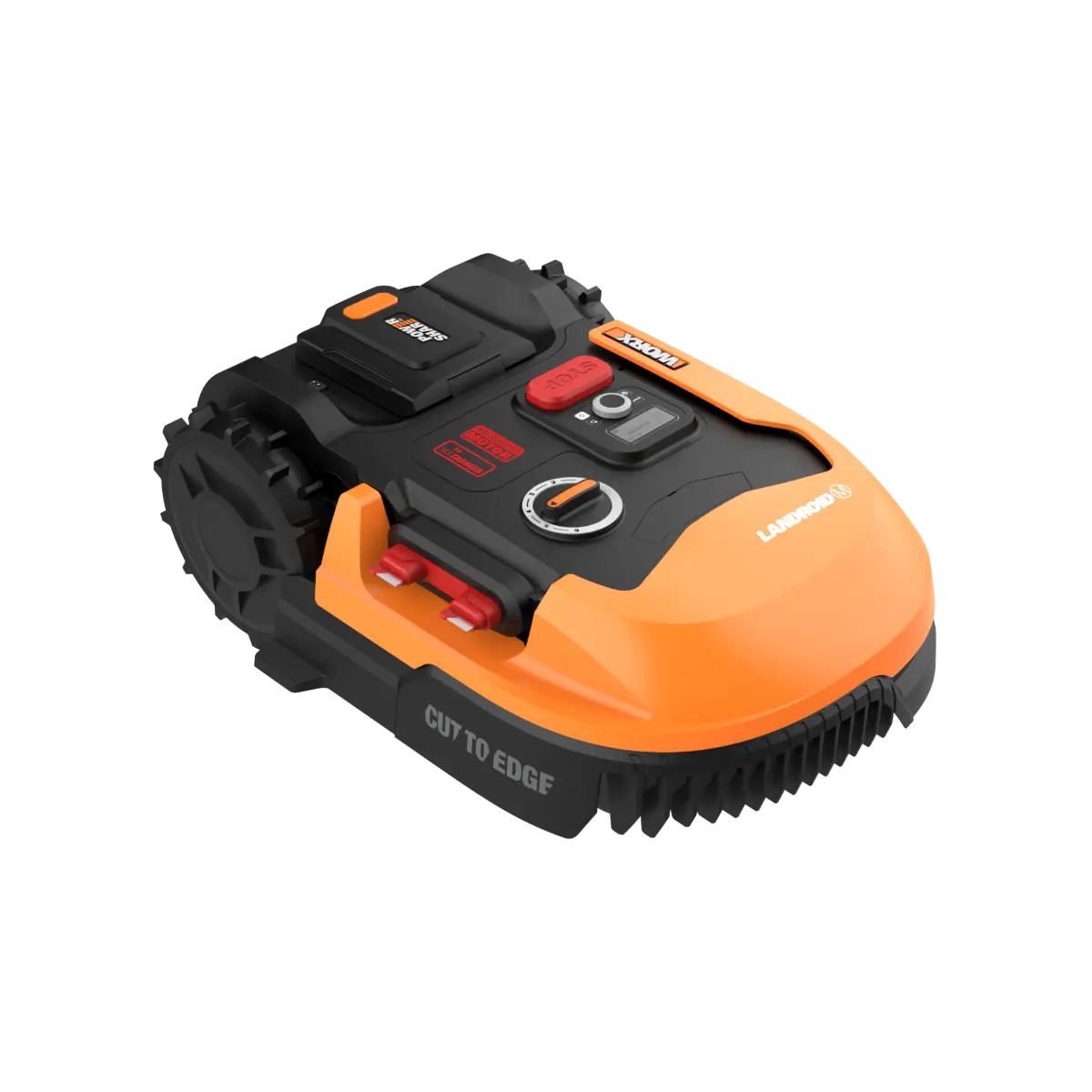
Robot mower says the boundary wire is missing? Check power, connections and the loop
A missing-signal message does not identify the broken part. Use the exact mower and charging-station instructions to separate a power problem, a terminal connection and a damaged loop before replacing equipment.
Read the guideWhy Isn’t My Robot Mower Charging?
First work out whether it reaches the base, docks badly or sits there without charging. Those are different problems. We'd save the message, check the exact indicators and follow the model's power-off instructions before inspecting the base and visible connections.
Read the guideWhy Won’t My Robot Mower Connect to Wi-Fi?
Start by noting what failed: adding the mower, getting an online status, or sending a command from indoors. Then follow the instructions for the exact model and generation. A Wi-Fi problem, a Bluetooth pairing problem and a positioning warning can need different fixes.
Read the guideWhy your robot mower is not following its schedule
A mower sitting on the charger at the planned start time may be waiting on weather, following a different task or using the wrong clock. Read its status before changing the schedule.
Read the guideWhy Won’t My Robot Mower Return to Its Charging Station?
First work out where the return goes wrong. A mower that never starts home, one that circles the station and one that docks without charging need different checks. We'd save the app message, inspect the route and follow the model's maintenance instructions before changing the map.
Read the guideWhy Won’t My Robot Mower Start?
A blank display, a locked control panel and a mower waiting for its schedule need different checks. We'd record the status first, then work through power, normal start controls, locks and the permitted operating conditions before assuming a motor has failed.
Read the guideRobot mower on frosty grass: Check the lawn before the timer starts
A warmer forecast does not prove the grass or shaded charger approach has thawed. Keep the mower paused while frost, frozen ground and the exact machine’s temperature requirements are assessed separately.
Read the guideRobot mower on new sod: When is the lawn ready?
Fresh sod can look like a finished lawn while its roots are still establishing. Check rooting, ground firmness, grass height and the complete mower route before restoring repeated automatic mowing.
Read the guideRobot mower scalping your lawn? Check the cut, ground and wheel marks
A pale lawn after a large height change needs a different response from a gouge on the same hump every day. Stop the damage, record where it happens and work through the height, ground and blade checks in that order.
Read the guideRobot mower sensor warning: Clean the right surface, then check what returns
A dirty lens, an unsuitable route and a persistent sensor fault need different responses. Save the exact warning before changing anything, then follow the care instructions for the model and generation you actually own.
Read the guideWhat to check when a robot mower’s battery run gets shorter
Start by comparing similar mowing runs. Grass growth, the route and the selected mode can change how long the mower works and how much ground it covers before returning to charge.
Read the guideRobot mower making an unusual noise or vibrating? Stop and check what changed
A new rattle, scraping sound or vibration needs a closer look before the next scheduled mow. Use the exact shutdown instructions, check the permitted owner-accessible parts and keep damage separate from ordinary blade care.
Read the guideHow to Store Your Robot Mower for Winter
Don't assume every robot mower wants the same charge before a winter indoors. Mammotion's instructions for the models below say about 80%; eufy E15 Gen 2 calls for at least 85%. Start with your exact model, then make time to clean it and let it dry.
Read the guideThe Best Robot Mowers for a Low Cut
If you already know you want to maintain a lawn around an inch high, the exact height version matters more than the model name. We'd start with standard-height LUBA models, then consider the original eufy E15 only where its grass and terrain restrictions fit.
Read the guideThe Best Robot Mowers for a Taller Cut
If you normally leave your lawn at three or four inches, check the exact height version before choosing a robot. We'd look at Mammotion's H models for a four-inch maximum, with Dreame and YUKA alternatives when their ranges suit the height you actually use.
Read the guideThe Best Robot Mowers for Half-Acre Yards
A half-acre lawn doesn't automatically need the biggest mower. We'd start with Dreame A3 AWD 2000, then look at Pro 2500 or the right LUBA 3 height version if your yard gives you a reason to upgrade.
Read the guideThe Best Robot Mowers for Hilly Yards
A steep back lawn makes drive and slope limits worth checking, but the biggest climbing number won't choose the mower for you. We'd match the ground, cutting height and grass area first, then make sure the robot can turn and travel where you need it.
Read the guideThe Best Robot Mowers for Large Yards
For a large lawn, compare the actual grass area, cutting height and mowing schedule together. Dreame, Mammotion and Navimow have rated-area options; Lymow and Yarbo also need their daily-throughput and maintenance claims read with the right qualifiers.
Read the guideThe Best Robot Mowers for Narrow Passages and Gates
Measure the opening at its tightest point before choosing a mower. A narrow-passage headline can help you find candidates, but hinges, turns, surfaces and a closed gate can still decide whether the route works. We'd check the complete journey, not just whether the body looks small enough.
Read the guideThe Best Robot Mowers for One-Acre Lawns
For a full acre of grass, we'd compare mowers with some room above the lawn's size before settling on a one-acre maximum. Cutting height, awkward routes and the hours available for mowing can matter just as much as the biggest number on the box.
Read the guideRobot Mowers for Separate Front and Back Lawns: What to Check
Two lawns don't necessarily need two mowers. The important questions are whether one robot can cover their combined area, travel between them and get back to charge. A closed gate can matter more than a long list of mapping features.
Read the guideThe Best Robot Mowers for a Small Yard
A small lawn can still have a steep patch, an awkward gate or grass you want kept taller. We'd compare the exact area, cutting range and installation before choosing among these Mammotion, Dreame, eufy, Navimow and ANTHBOT options.
Read the guide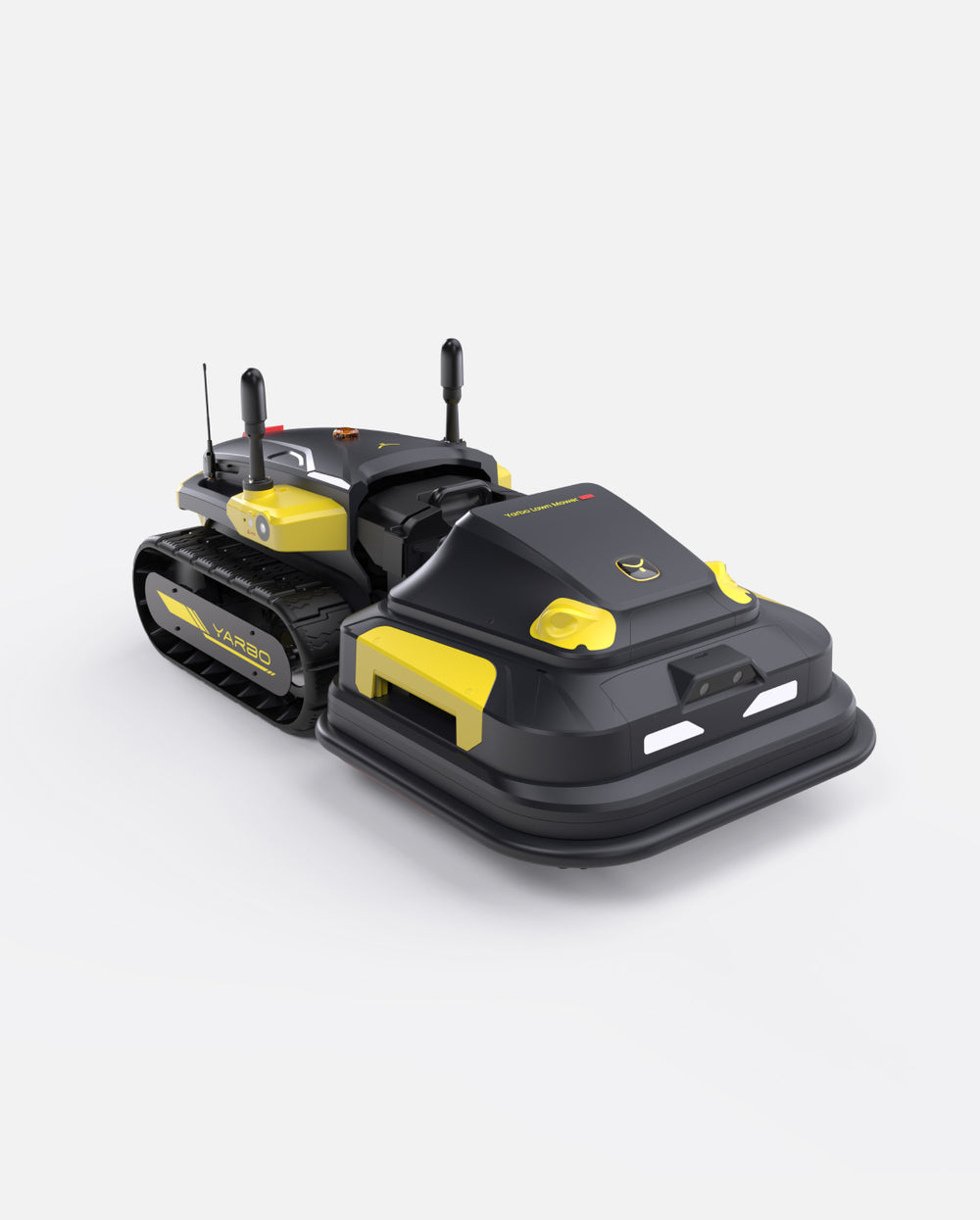
The Best Robot Mowers for Two-Acre Lawns
Two acres of grass is a substantial daily job, even when a robot does the cutting. We'd compare Navimow X390 with the complete Yarbo systems, keeping lawn-size recommendations separate from daily throughput and twice-weekly maintenance claims.
Read the guideThe Best Robot Mowers for Yards With Trees
Trees change more than satellite reception. Roots, fallen branches, shade and the route back to charging all matter. We'd compare the mower's positioning setup with the cut your grass needs, then have the most sheltered and awkward parts of the garden assessed before buying.
Read the guideThe Best Robot Mowers Without an RTK Station
If you'd rather avoid installing a local positioning station, start with models that explicitly document that arrangement. These Dreame, Mammotion and ANTHBOT options still need a suitable charger location, approved routes and the connections required by the exact setup.
Read the guide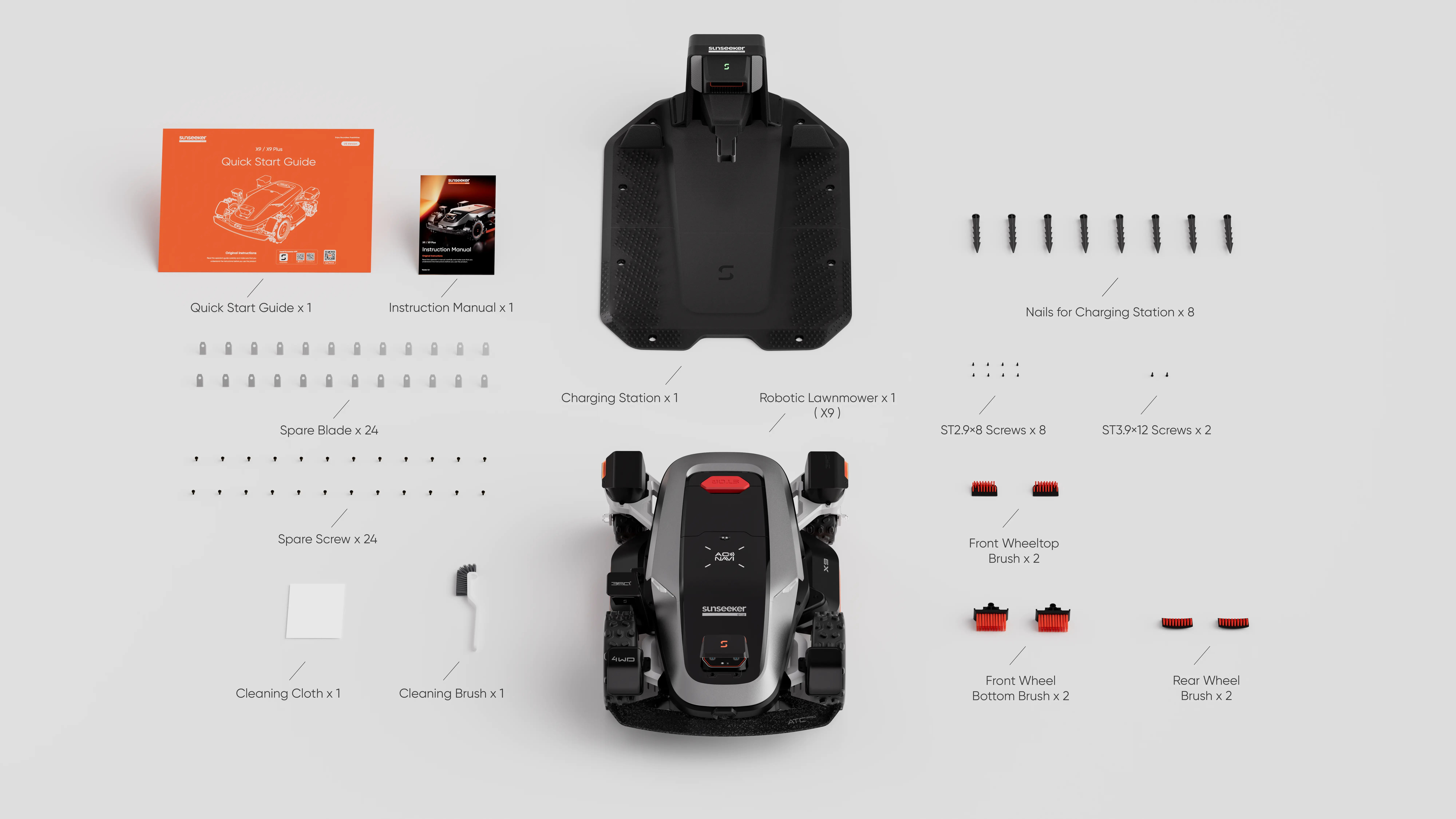 vs
Sunseeker Elite X9 vs Lymow One Plus 10A
For a large lawn, the useful question is how much mowing fits around everything else. X9 and One Plus 10A quote their area claims over different periods, with different installation details to check.
Read the guide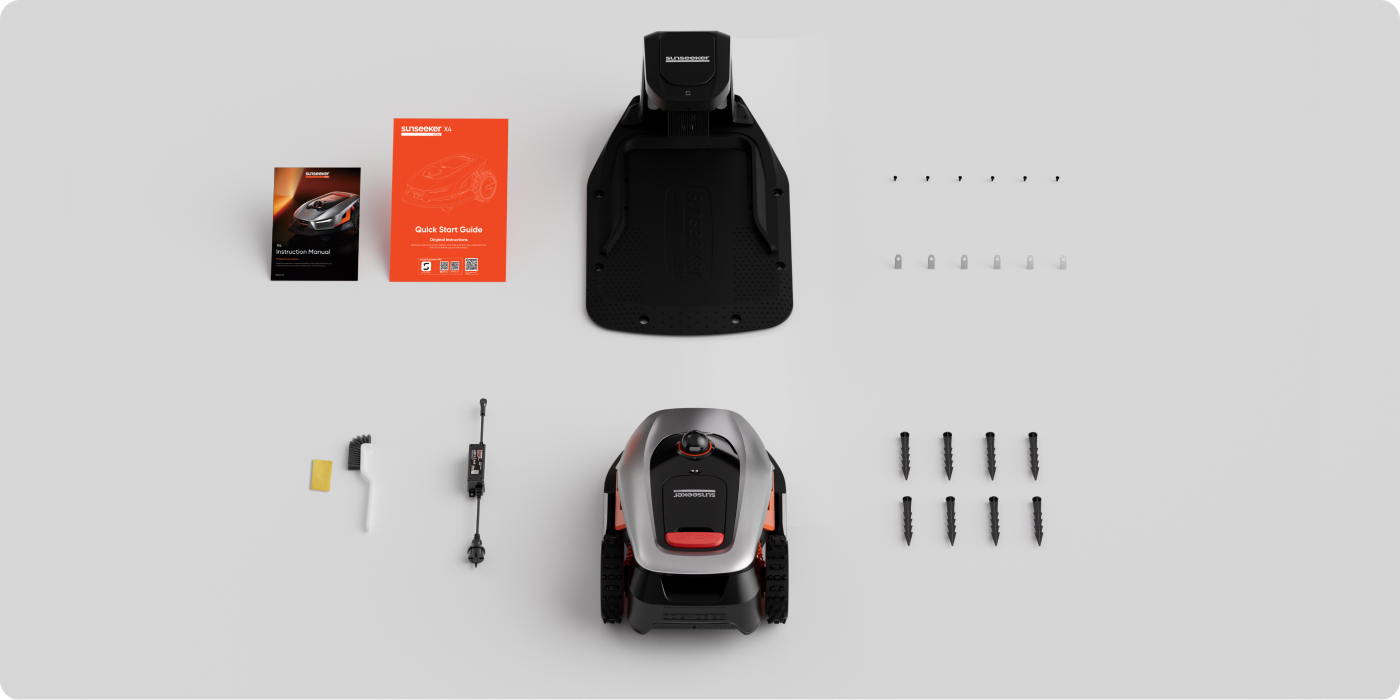 vs
Sunseeker X4 vs MOVA Ultra 1000: Check the cutting height before choosing LiDAR
Both advertise LiDAR and vision without a local antenna, but their published cutting ranges differ. MOVA also gives a clear mapped-area limit where X4’s US overview leaves a buying question unanswered.
Read the guidevsSunseeker X4 vs Navimow i206 AWD
X4’s published range suits a lower cut, while the US i206 AWD starts at two inches. Your normal grass height may settle this comparison before the drive system or positioning features do.
Read the guide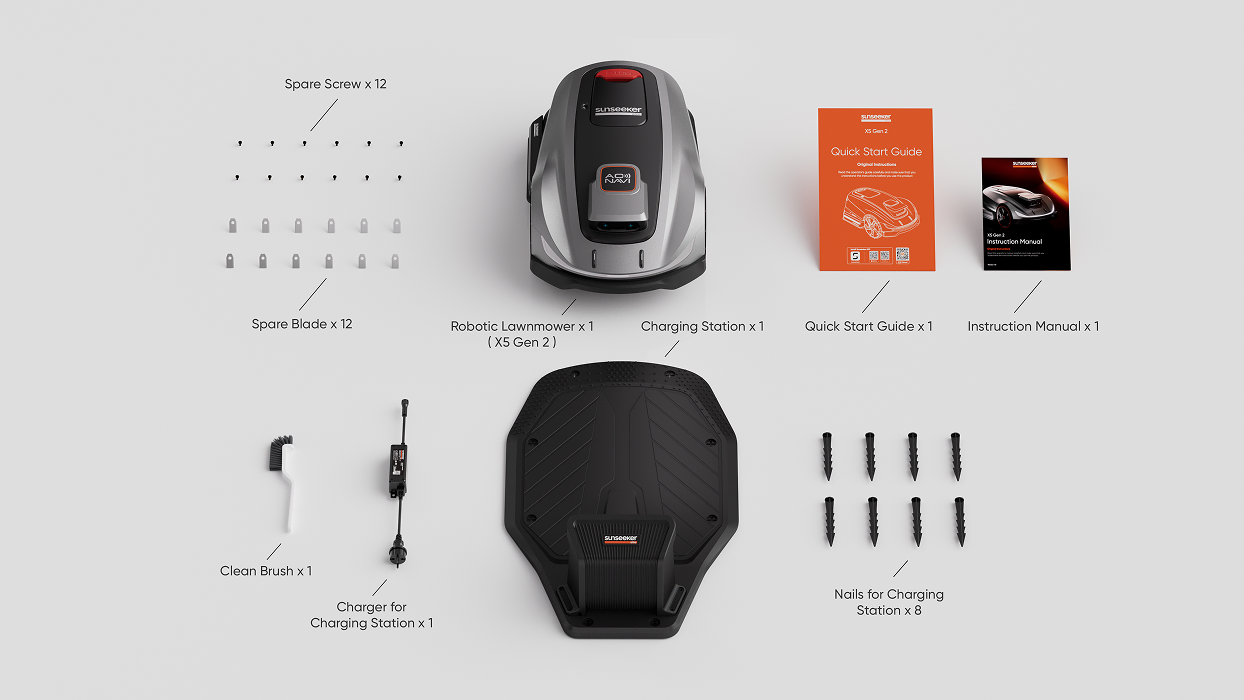 vs
Sunseeker X4 vs X5 Gen 2: LiDAR or network RTK?
X4 pairs LiDAR with rear-wheel drive. X5 Gen 2 uses network RTK with VSLAM and adds tri-wheel AWD, with an ongoing service requirement to check.
Read the guidevsSunseeker X5 Gen 2 vs Dreame A3 2000: Check the slope and the signal
Both advertise half-acre lawns and AWD. X5 Gen 2 combines network RTK with vision and an ongoing subscription; standard A3 2000 uses LiDAR plus vision without an RTK station. The difficult part of your yard should decide which setup to investigate.
Read the guidevsSunseeker X5 Gen 2 vs Navimow H220: Which suits your half-acre lawn?
Both advertise half-acre mowing without a local RTK antenna. Sunseeker’s AWD and Navimow’s LiDAR setup answer different questions, while their service terms need a careful read.
Read the guideSunseeker X7 Gen 2 and X7 Plus: What should you check before buying?
The shared US page establishes the main cutting and navigation features, but leaves model-specific acreage, package contents and the included service term to confirm.
Read the guidevsSunseeker X7 Gen 2 vs Dreame A3 AWD Pro 3500
The X7 Gen 2 can cut lower and uses network RTK with vision. Dreame’s Pro 3500 maps with LiDAR and has a specific 0.87-acre rating. Check your grass height and the exact X7 package before comparing the two.
Read the guide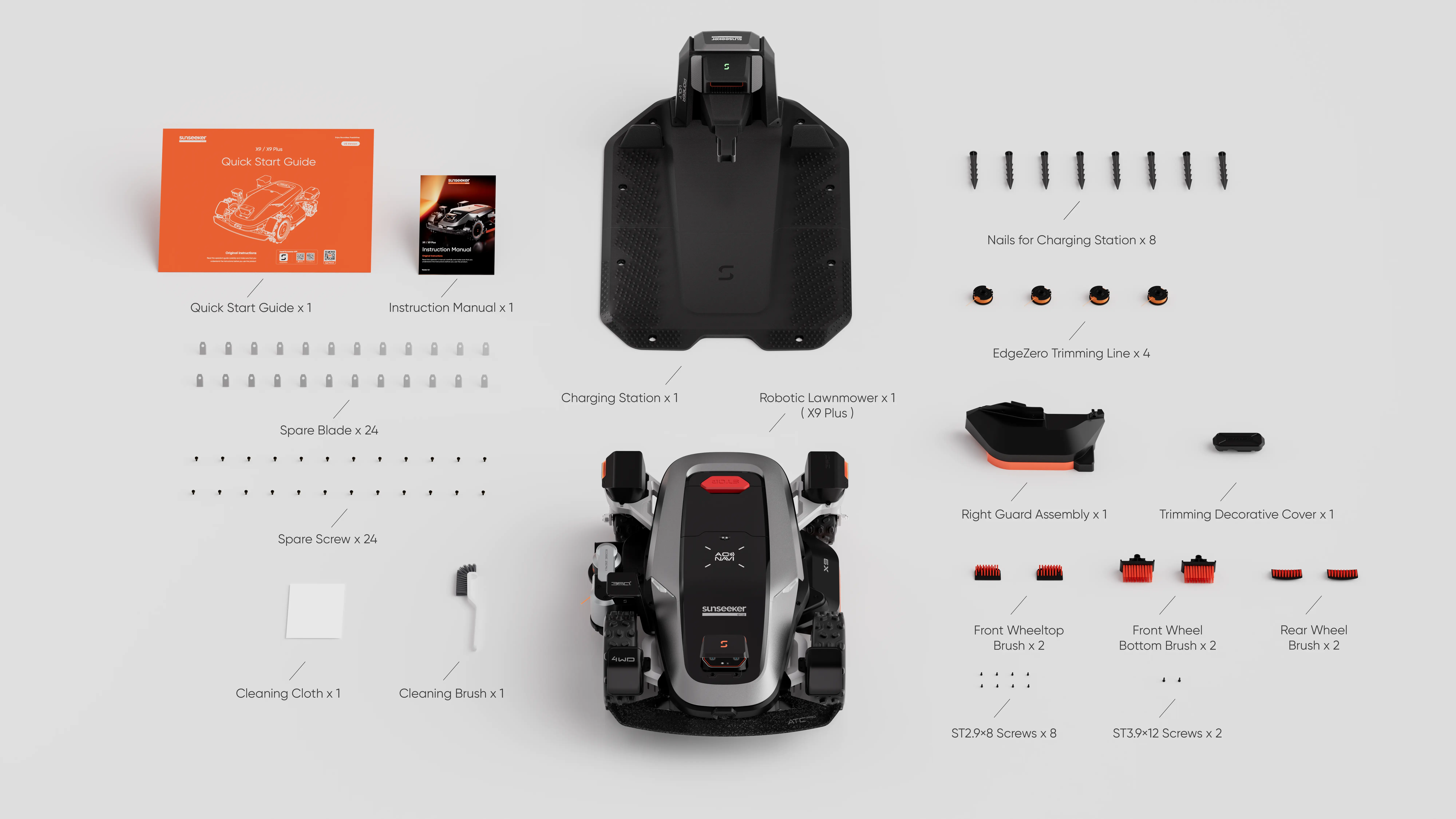 vs
Sunseeker X9 vs X9 Plus: When is the larger model worth it?
X9 Plus raises the stated 48-hour mowing capacity, shortens the listed charging time and includes EdgeZero. Start with the lawn and the hours you can give it.
Read the guideWhen should you remap a robot mower?
A new flower bed or a changed mowing direction may need an edit rather than a fresh map. Identify what changed, check the exact app tools and keep a record of the working installation before deleting anything.
Read the guideHow Often Should You Replace Robot Mower Blades?
Use the interval for your exact mower, then inspect the blades rather than waiting for the calendar alone. E15 Gen 2 and Navimow X3 use different guidance. We'd keep the right replacement set ready and check the fastening instructions before starting the job.
Read the guideThe Best Airseekers Robot Mowers: TRON SE, TRON or TRON Plus?
We'd start with the amount of grass you need to maintain, then decide whether TRON's larger battery and wider camera view are worth paying for. The shared product pages make a few details easy to miss, especially the daily mowing claims and RTK setup.
Read the guideThe Best ANTHBOT Robot Mowers: M Series, Genie or Pion?
The first choice is how you want to install it. Pion uses a perimeter wire, while the M models and Genie have different positioning arrangements. We'd narrow the lawn area and normal cutting height next, rather than assume one family is the best fit for every garden.
Read the guideThe Best Dreame Robot Mowers: Which Model to Buy
Dreame's five A3 AWD models share more than you might expect. We'd choose between them mainly by lawn size and deck width, then check the package and connection costs before paying for a Pro.
Read the guideWhich ECOVACS GOAT Robot Mower Should You Buy?
Start with a confirmed lawn-area rating, then compare the navigation and cutting system. GOAT names can look like capacity figures, but we wouldn't use a model number to fill a missing specification. The current US pages also need careful reading where their claims disagree.
Read the guideWhich Greenworks AiMowbot fits your lawn?
The C Series has individual US product pages; the AWD G Series is described in a shared overview. Check the cutting range, installation and exact availability before choosing a size.
Read the guideWhich Husqvarna Automower iQ fits your lawn?
Choose the cutting height and ground capability first, then size the mower around the mowing pattern you want. The biggest acreage figure does not apply to every pattern.
Read the guideWhich Kress robot mower? EyePilot and RTKn explained
Start with the terrain and mowing window. EyePilot’s daily claims and the larger RTKn models’ 48-hour recommendations describe different workloads.
Read the guideThe Best Mammotion Robot Mowers: Which Model to Buy
Mammotion's names get confusing quickly: mini, mini 2, LUBA 3, then an H on some versions. We'd make the choice simpler by starting with your lawn size and the height you want to keep it.
Read the guideWhich MOVA LiDAX robot mower should you choose?
Pro, standard Ultra and Ultra AWD solve different sizing and ground problems. Check the exact name before comparing map space, cutting width or traction.
Read the guideThe Best Navimow Robot Mowers: Which Model Should You Buy?
Measure the grass before choosing a Navimow family. A small lawn needing an all-wheel-drive option points you toward a different comparison from a large open yard. We'd settle the area, normal cutting height and installation first, then decide which extra features earn their place.
Read the guideWhich Roborock mower? RockMow X1, S2 and RockNeo Q2 explained
Choose around the exact positioning system and confirmed US model. The overviews do not establish a complete purchasable package or fill every specification field.
Read the guideWhich Sunseeker robot mower? X4, X5, X7 or X9
The ranges differ in positioning, ground capability and workload. Their US pages also leave some exact-model and package details to confirm before ordering.
Read the guide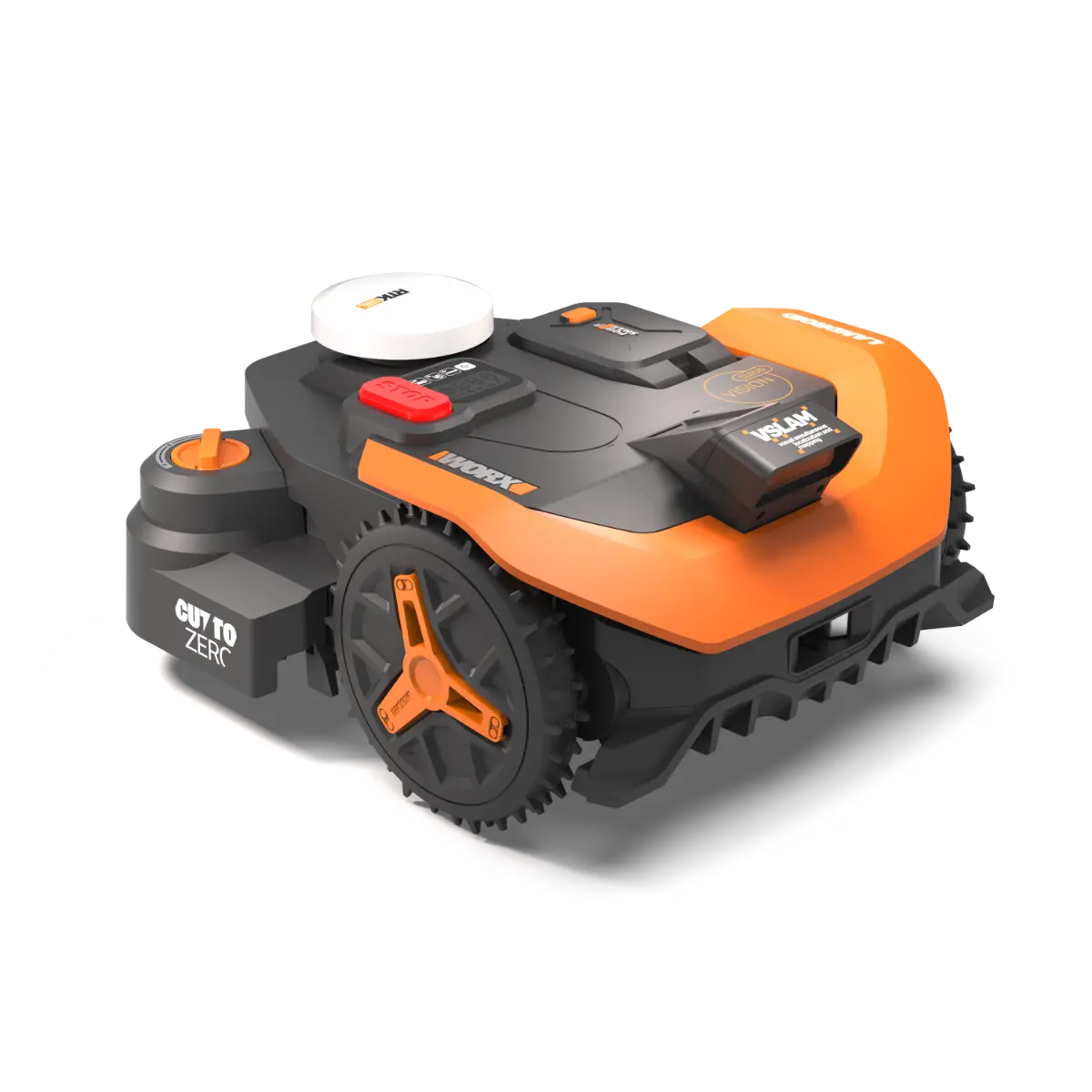
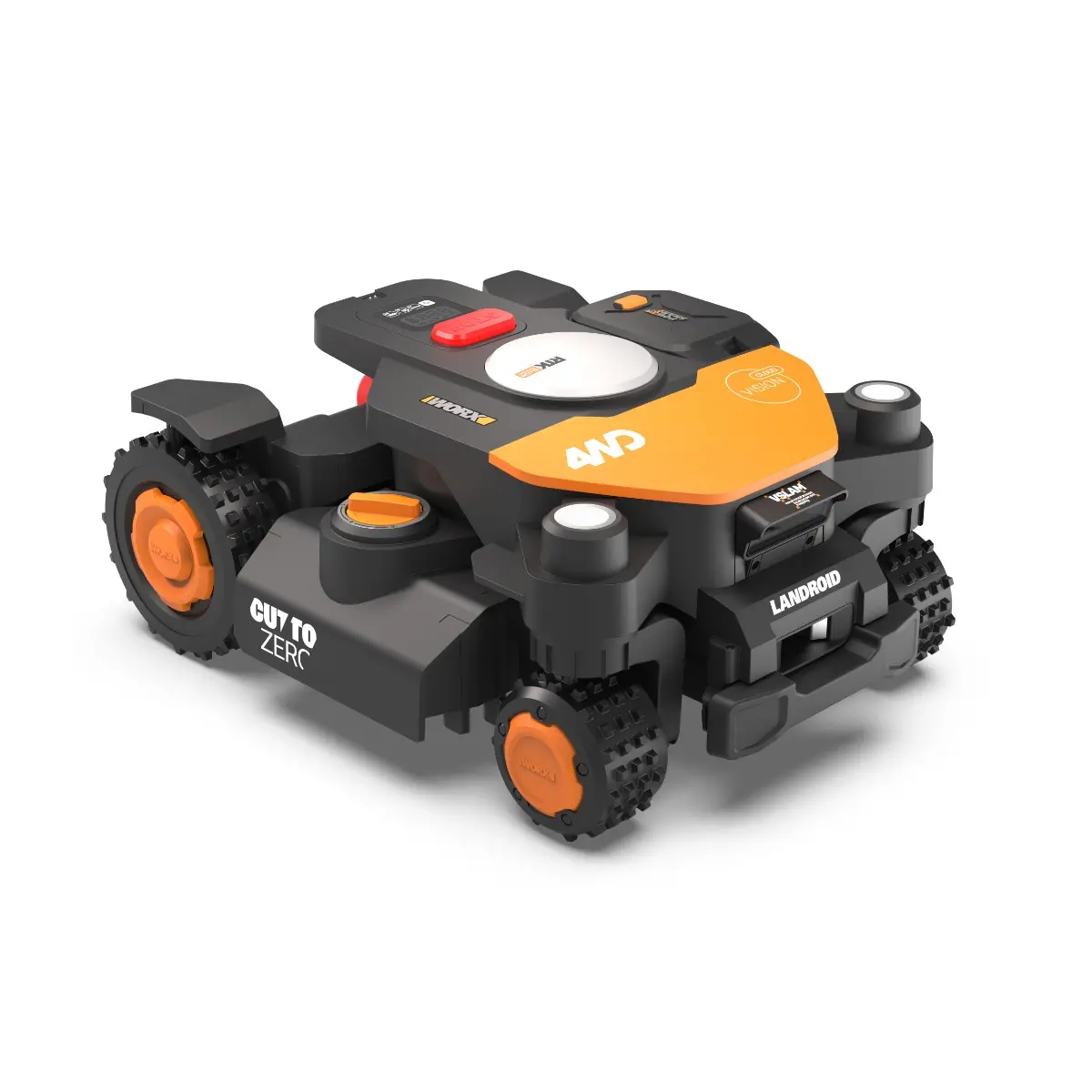
The Best Worx Robot Mowers: Which Landroid Should You Buy?
Start with the grass you need to cut, then choose the kind of installation you want to live with. Wired Landroid, camera-led Vision AI, Vision Cloud and Cloud 4WD are different choices. We'd narrow the family down before comparing model numbers or paying for a bigger mower.
Read the guidevsWORX WR147 vs WR155: Which Wired Landroid Should You Buy?
The US manual separates WR147's quarter-acre rating from WR155's half-acre rating, while keeping the same cutting width and height range. The current WR147 storefront mixes conflicting specifications, so we'd get the exact order confirmed before buying. Both need perimeter wire.
Read the guide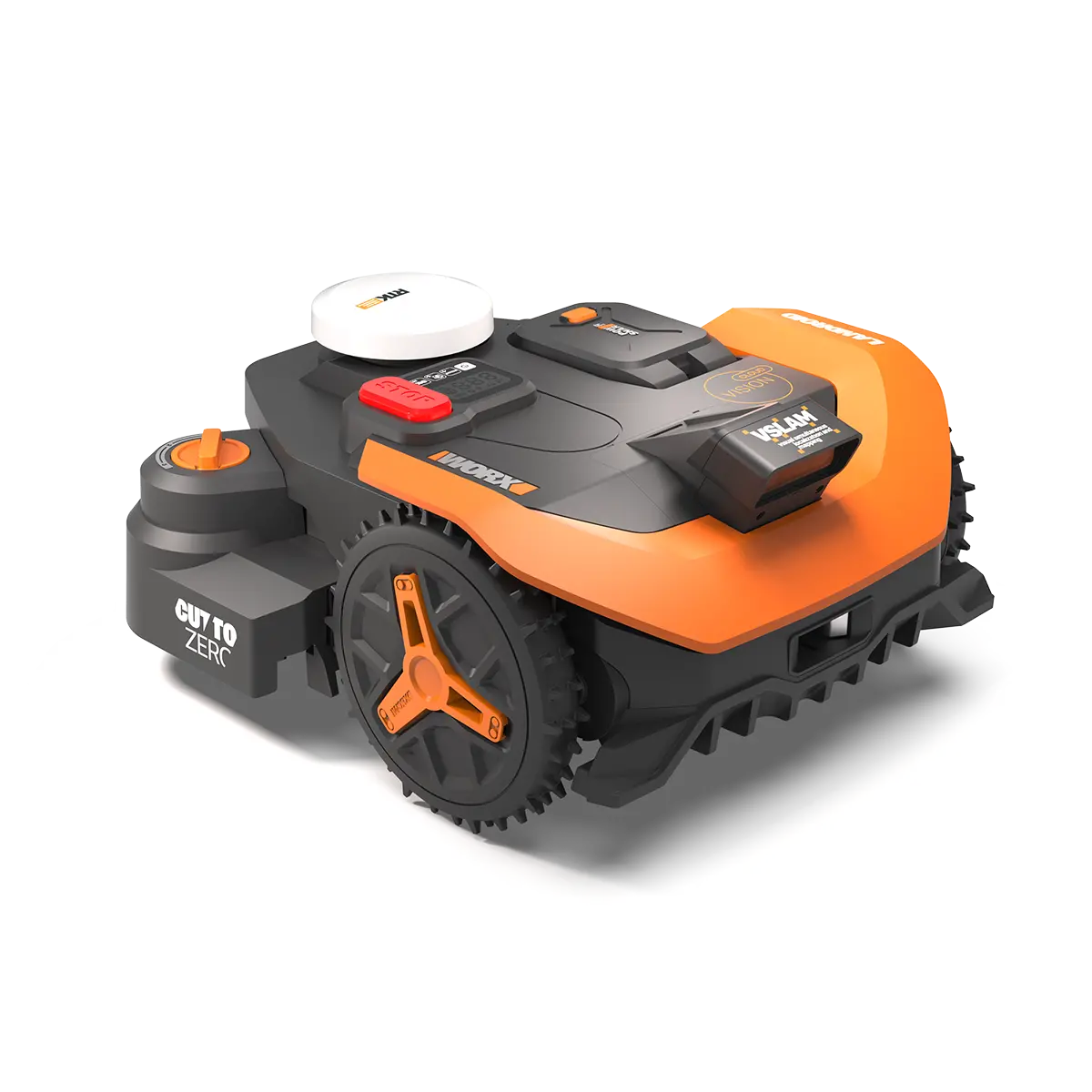
Worx WR155 vs WR320.1: Is It Worth Switching to Wire-Free Mowing?
A newer mower is easier to justify when it removes a job you keep doing. If your wired WR155 already cuts the lawn well, we'd weigh the cost of changing against the repairs or layout restrictions that Vision Cloud might help you avoid.
Read the guidevsWORX WR165 vs ANTHBOT Genie 600
A small lawn does not automatically need a wireless mower. WR165 uses boundary wire and offers a taller cut; Genie 600 avoids the wire, but the standard model was unavailable when checked.
Read the guidevsWorx WR165 vs WR155: Which Wired Landroid Fits Your Lawn?
The US owner’s manual separates the smaller WR165 from the half-acre WR155, with different cuts and supplied equipment. There is a buying catch: WR165’s current storefront repeats WR155 specifications. Use the manual to understand the models, then get the actual WR165 order confirmed before buying.
Read the guide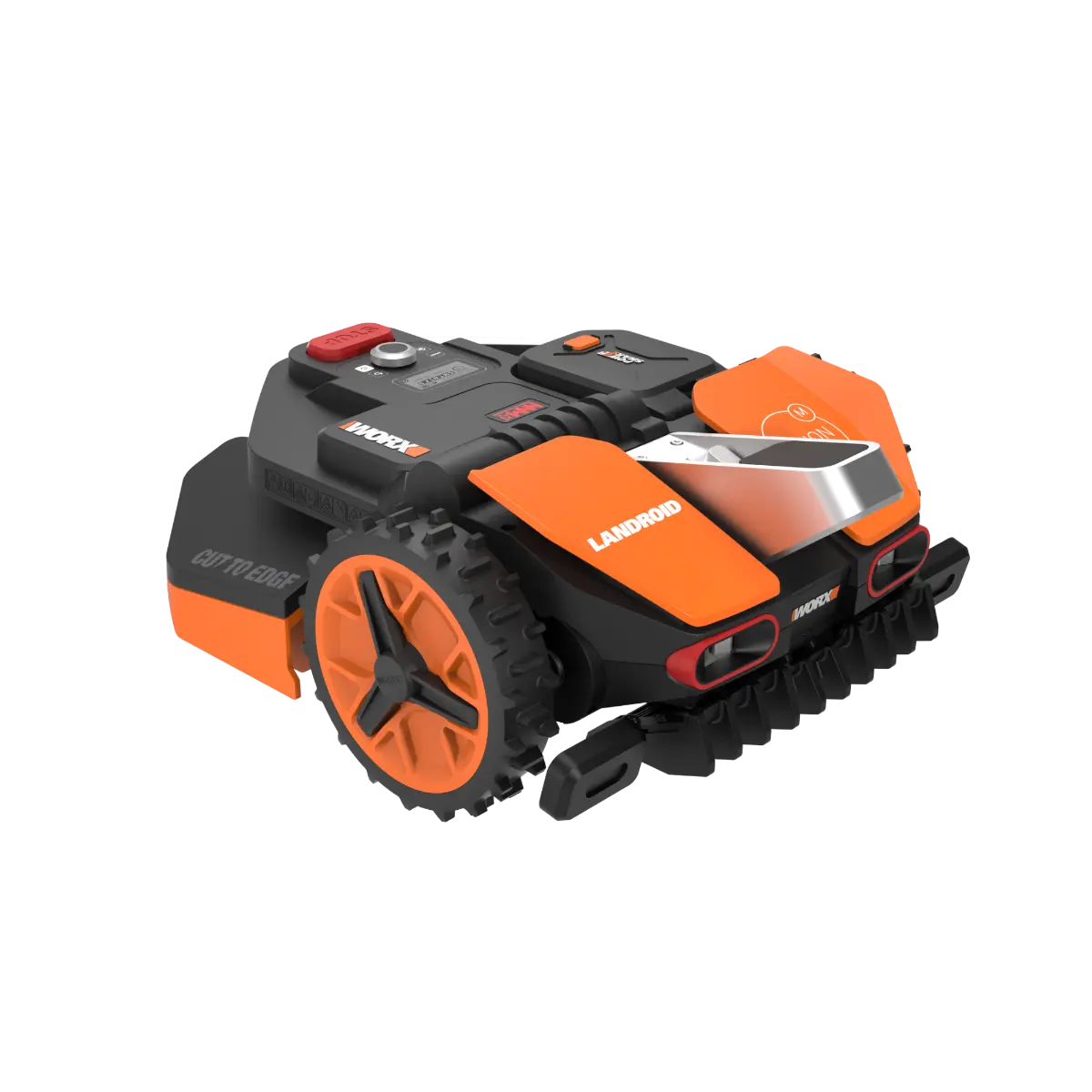 vs
WORX WR208 vs Navimow i105: Compare lawn size and boundary setup
WR208 uses camera-based grass recognition and a one-fifth-acre recommendation. The i105 uses EFLS 2.0 positioning and recommends one-eighth of an acre. Check the actual grass, desired height and connections between lawn sections before choosing the setup.
Read the guide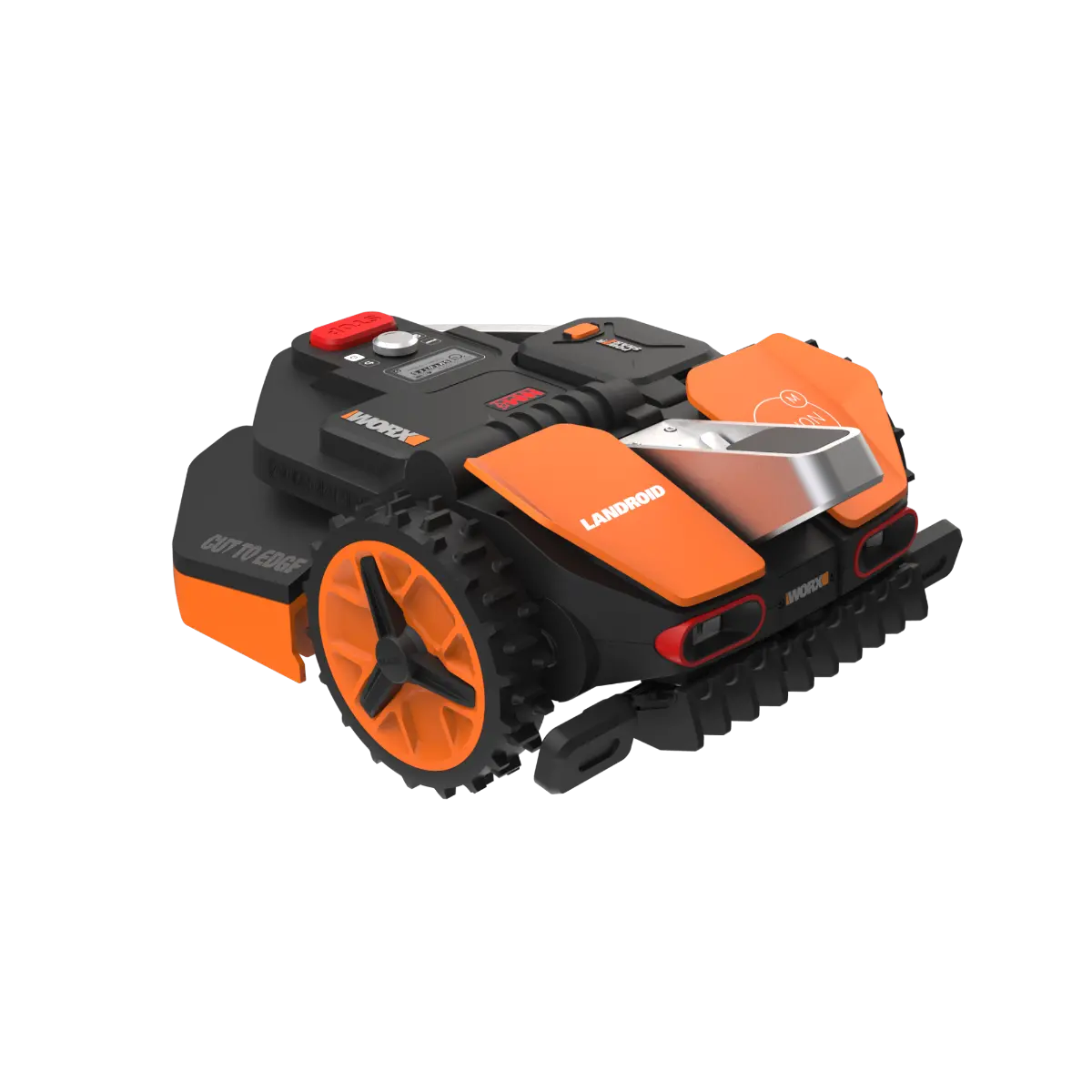 vs
Worx WR210 vs WR310.1: Vision AI or Vision Cloud?
Both are quarter-acre choices, but they find their way around the lawn differently. We'd compare WR210's camera-led setup with WR310.1's RTK Cloud requirements before deciding which one would be easier to live with in your garden.
Read the guide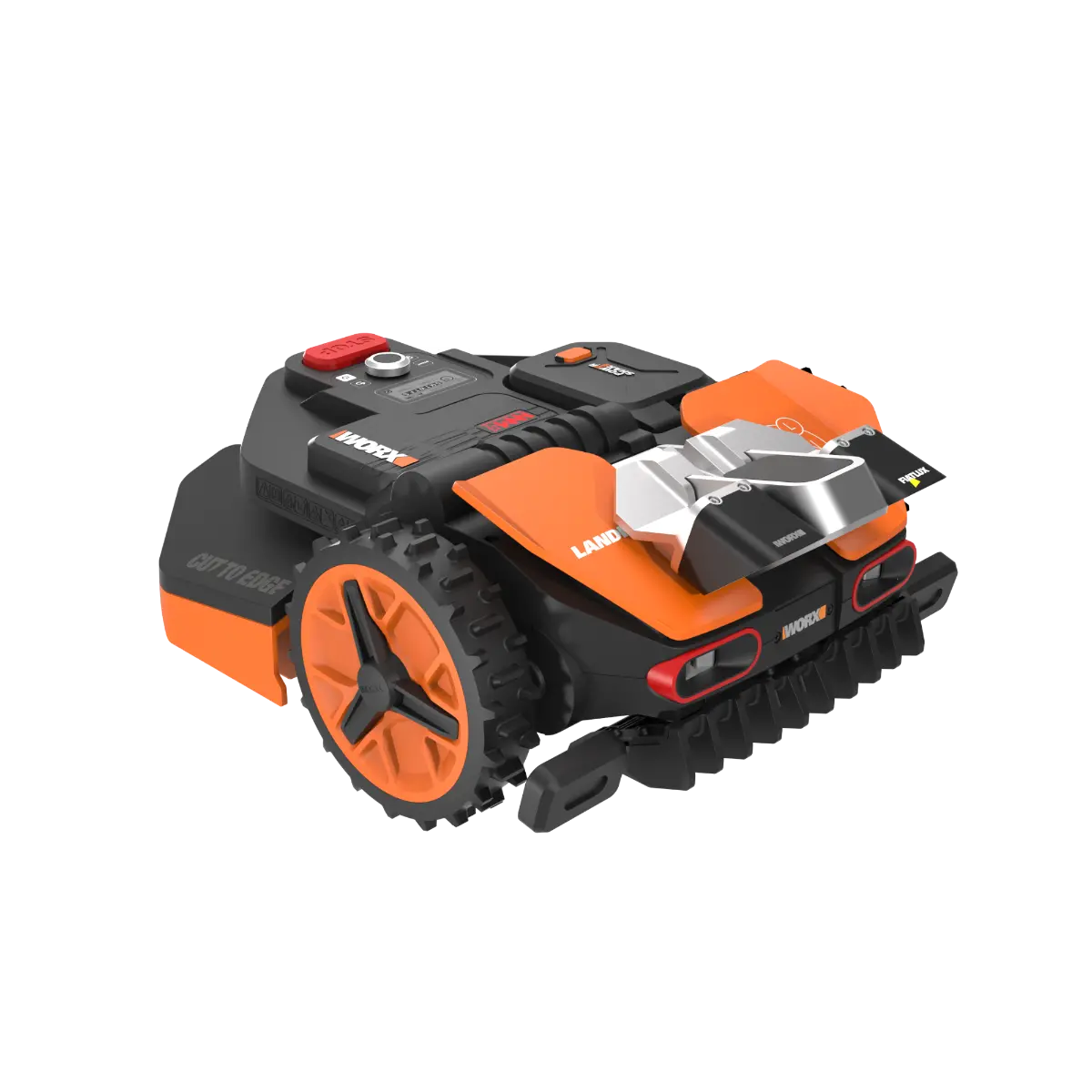 vs
WORX WR220 vs ANTHBOT Genie 1000
These mowers take different approaches to finding the grass. WR220 uses a camera without a mapped boundary; Genie 1000 combines RTK and cameras. Your edges, preferred cutting height and confirmed lawn size should settle the choice.
Read the guidevsWorx WR220 vs WR320.1: Vision AI or Vision Cloud?
WR220 relies on a camera-led Vision AI setup; WR320.1 adds RTK Cloud, stereo vision and V-SLAM. Before comparing those features, settle one awkward detail: WR220's half-acre model label conflicts with smaller-area copy on its own page. Get the lawn capacity confirmed for your order.
Read the guide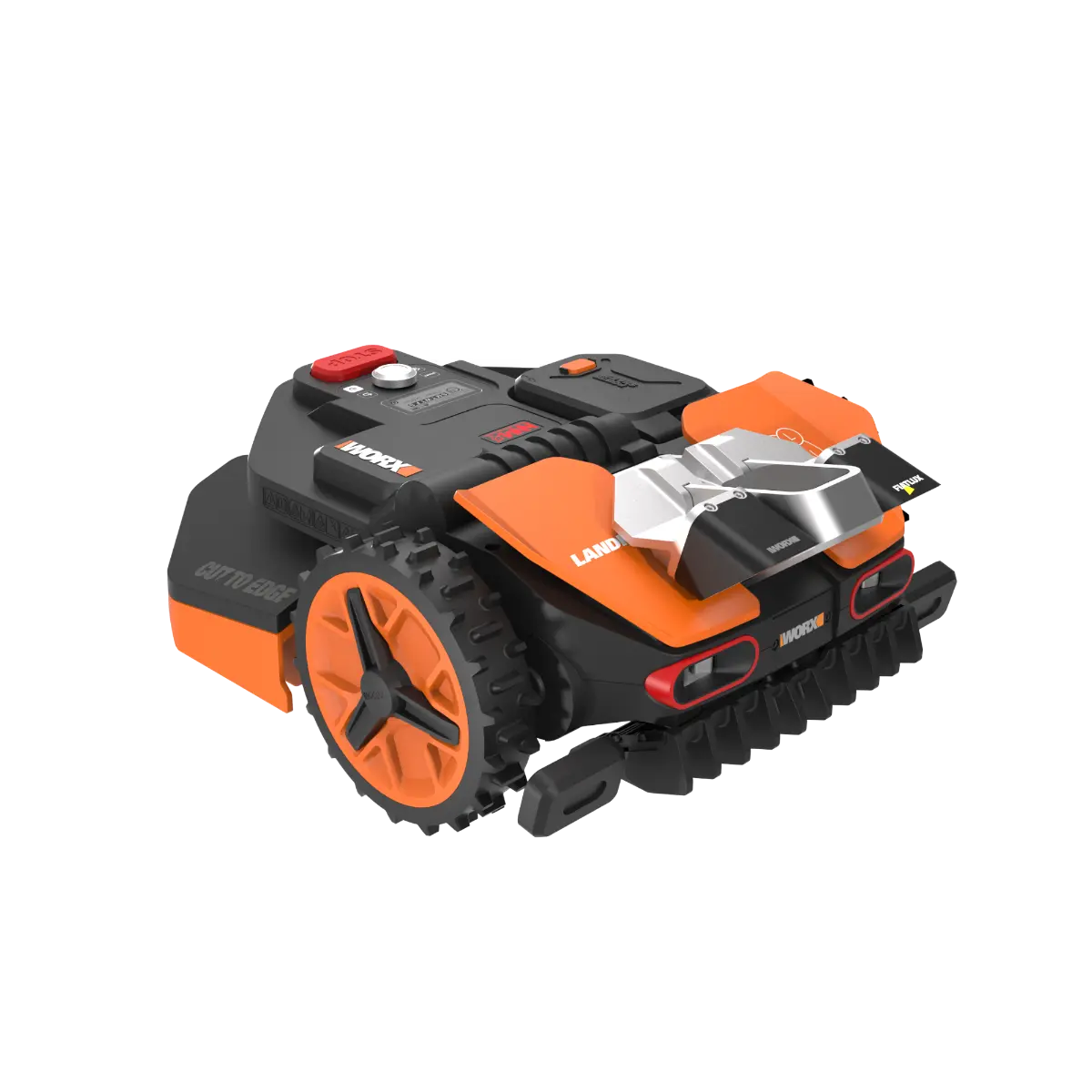 vs
WORX WR230 vs Husqvarna 420 iQ: Check the area claims carefully
WR230 uses camera-based grass recognition; 420 iQ offers EPOS positioning and a wider cutting-height range. Their area headlines need different checks before either belongs on your lawn.
Read the guide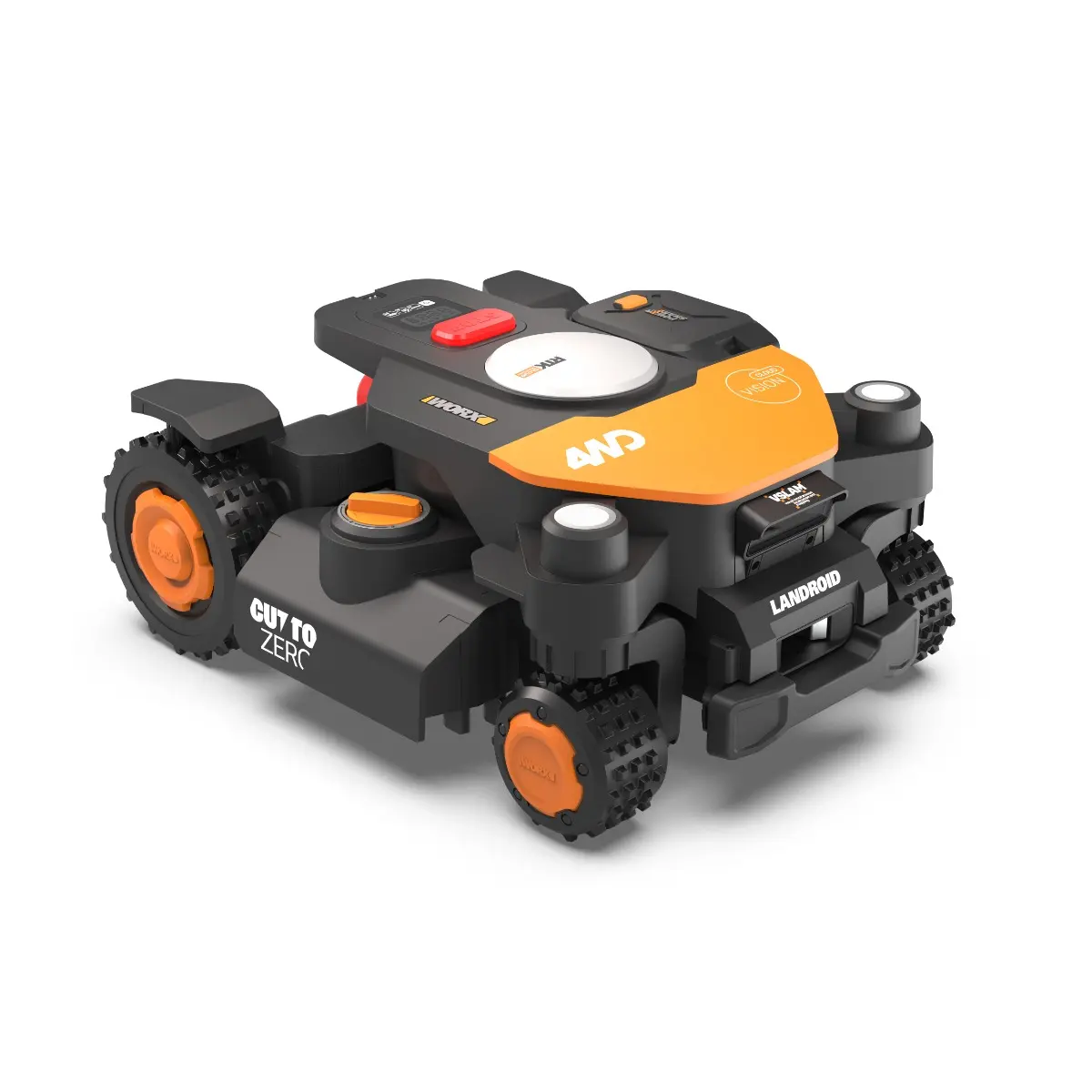 vs
Worx WR310.1 vs WR341: Do You Need Four-Wheel Drive?
Both are quarter-acre Cloud mowers with the same listed cut, height range, battery and charge time. WR341's reason to investigate is its four-wheel-drive terrain arrangement. We'd check whether the actual ground needs that difference before paying for it.
Read the guidevsWorx WR320.1 vs Dreame A3 AWD 2000: Which Half-Acre Mower Should You Buy?
Both recommend half an acre, but the setup and cutting ranges differ. WR320.1 has the wider listed cut; Dreame reaches lower and higher settings and documents AWD. We'd check the normal grass height, actual ground and supported installation before choosing.
Read the guidevsWorx WR320.1 vs WR342: Is Four-Wheel Drive Worth It?
Both are rated for half an acre and list the same cutting width and height range. We'd pay closer attention to the ground than the area number: WR342 adds four-wheel drive, while WR320.1 is the standard Vision Cloud option to compare for a suitable gentler lawn.
Read the guide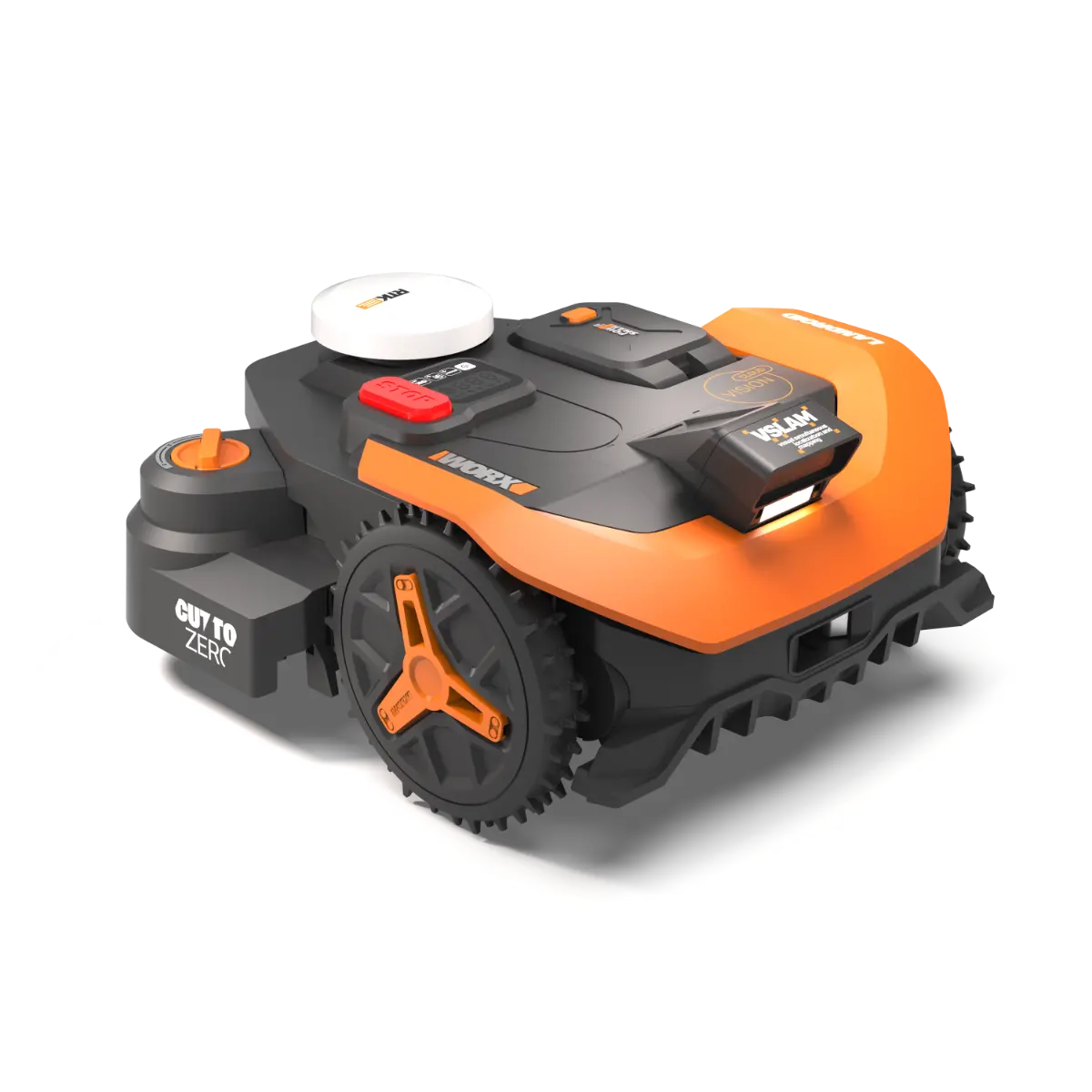 vs
WORX WR340 vs Navimow H220: More lawn or a taller cutting range?
WR340 recommends one acre and reaches below two inches. H220 recommends half an acre and reaches four inches. The useful choice depends on the grass, the working window and whether the positioning setup fits your property.
Read the guide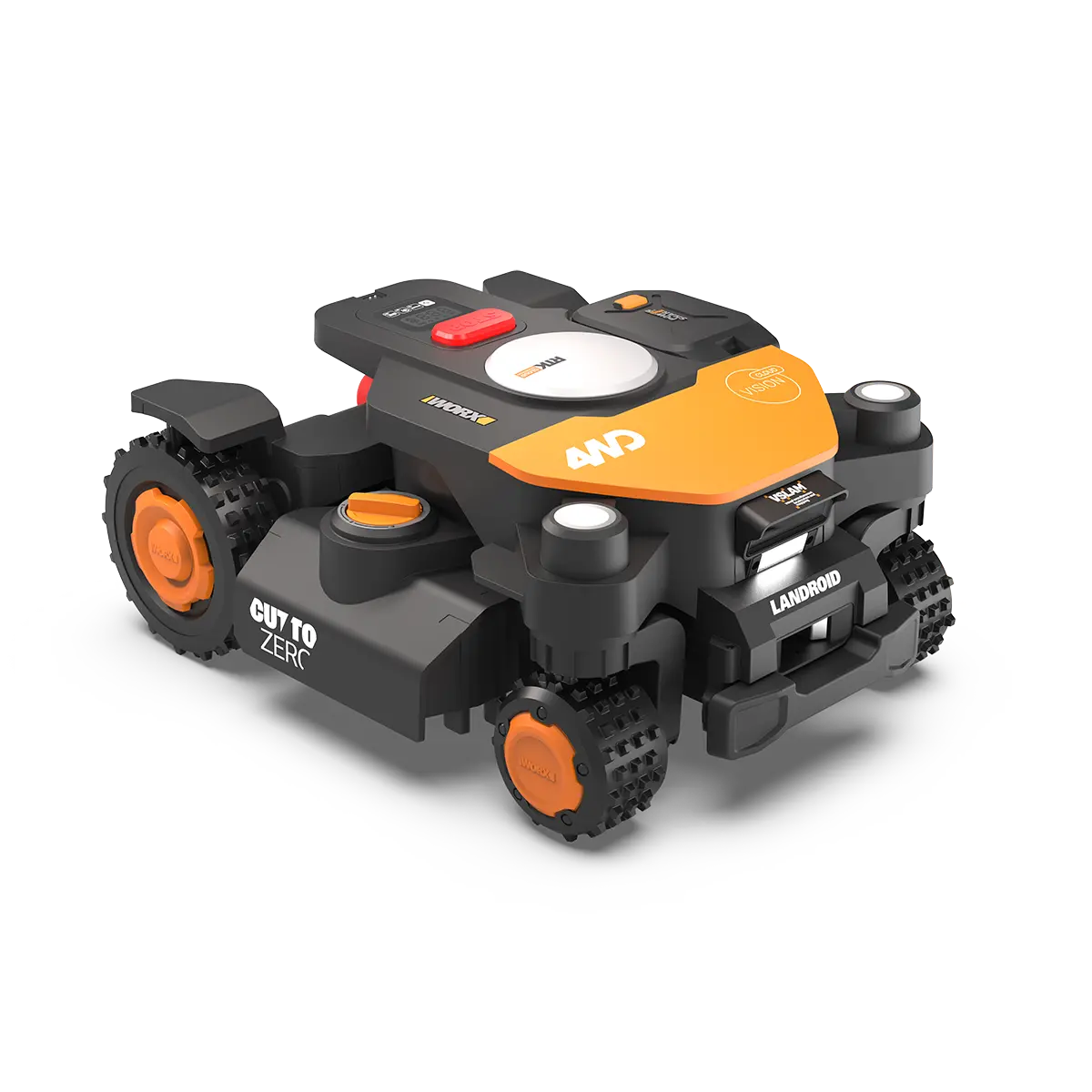 vs
Worx WR340 vs WR344: Is Four-Wheel Drive Worth It for One Acre?
Both are recommended for one acre and list the same cutting width. WR344's reason to investigate is its four-wheel-drive terrain arrangement, not a larger lawn allowance. We'd check the steepest ground, usual cutting height and Cloud coverage before paying for that difference.
Read the guidevsWorx WR341 vs Dreame A3 AWD 1000: Which Suits Your Yard?
Both have a quarter-acre rating and all-wheel-drive hardware, but the positioning setup and cutting range give you more useful ways to choose. We'd check whether Worx's RTK Cloud works at the address, and whether either mower reaches the height you normally leave the grass.
Read the guidevsWorx WR341 vs WR342 vs WR344 vs WR346: Which Size Should You Buy?
The four Vision Cloud 4WD tiers run from a quarter acre to 1½ acres. We'd choose the size for all the grass and a realistic mowing routine, then compare charging and connectivity. A larger model number doesn't buy a wider cut or a taller setting in this family.
Read the guidevsWorx WR342 vs Navimow H220: Which Half-Acre Mower Should You Buy?
Both recommend half an acre, but the cutting ranges and positioning systems differ. WR342 documents four-wheel drive and a lower minimum cut. H220 reaches four inches and combines LiDAR, Network RTK and vision. We'd choose from the grass height and actual ground before comparing the offers.
Read the guidevsYarbo Y40 vs Y40P: Is the Upgrade Worth It?
Both systems come with the Lawn Mower Pro module. The extra money for Y40P goes toward a different Core and more rated mowing capacity—not a different cutting-height range. Here's when we'd consider it.
Read the guide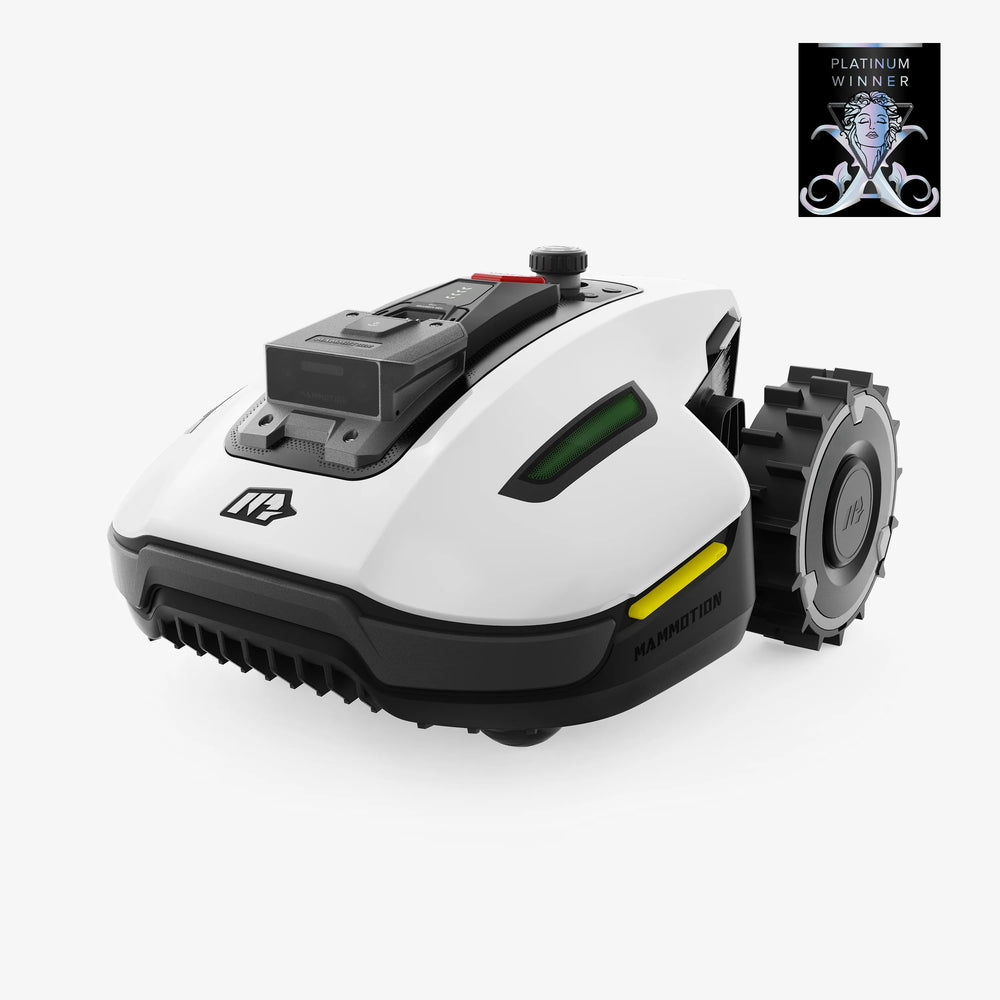 vs
YUKA mini 600H vs Genie 600e 4G: Start with the height you want
The original YUKA mini 600H suits a taller finish on a smaller lawn. Genie 600e 4G offers a lower cutting range and a larger stated area. Exact stock, RTK equipment and cellular terms matter as much as the model names.
Read the guidePool cleaner buying guides.
Published-specification research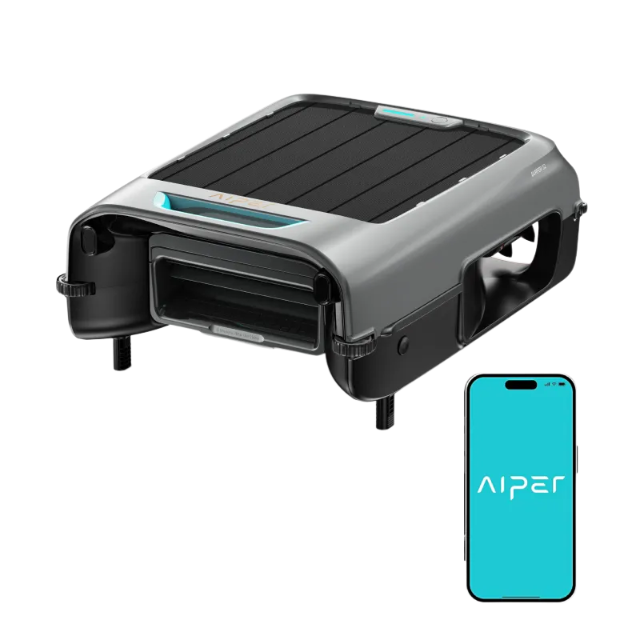
 vs
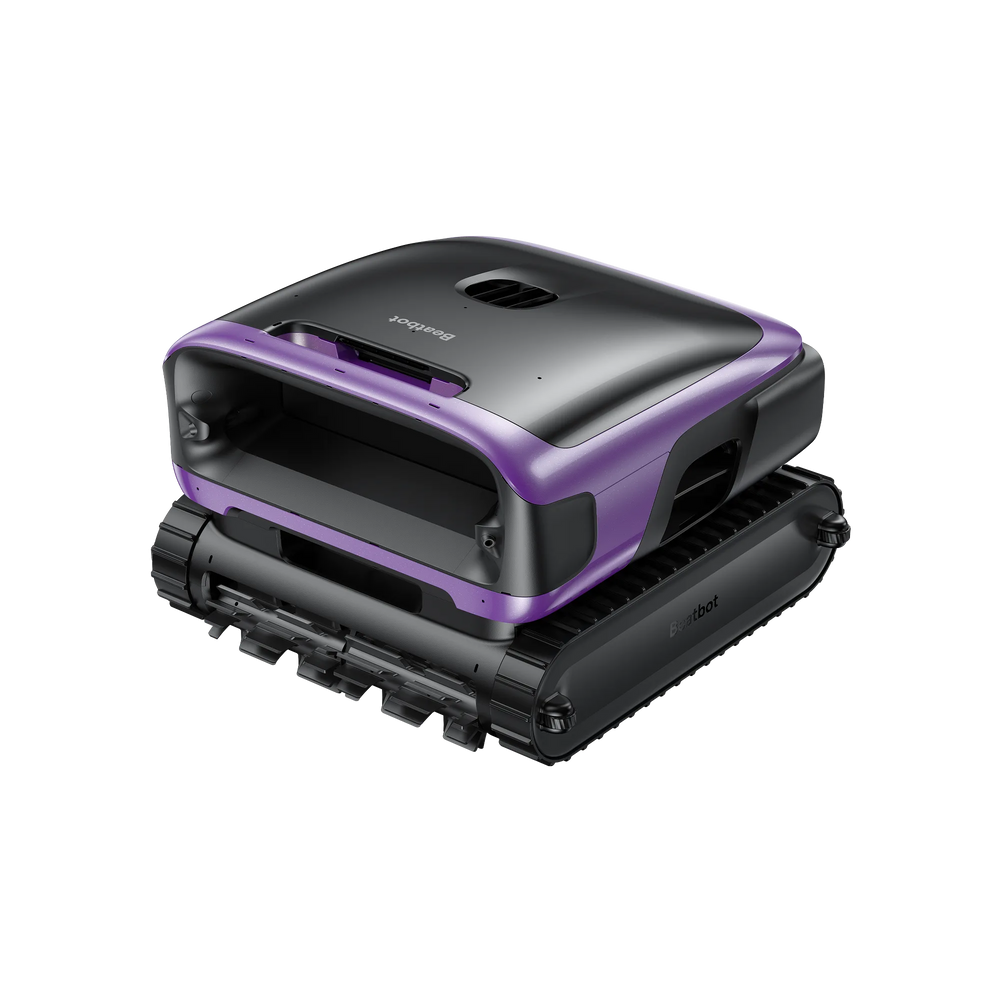
Aiper EcoSurfer S2 vs Beatbot Sora 70: Skimmer or Combined Cleaner?
EcoSurfer S2 is for debris floating on the water. Sora 70 also cleans the floor, walls and waterline. We'd decide whether the underwater jobs are already covered, then compare a separate solar/DC skimmer with a rechargeable robot that handles several jobs.
Read the guide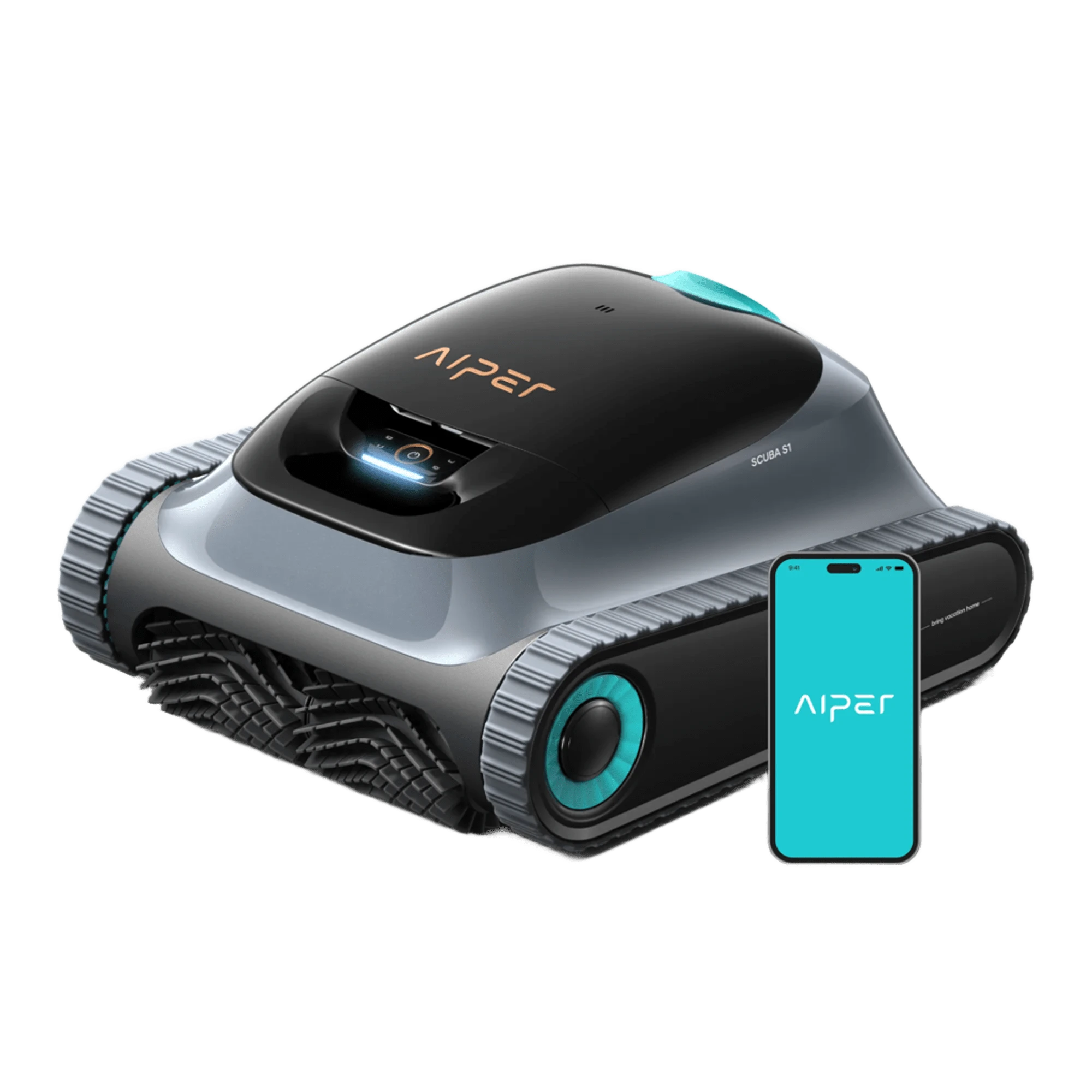
 vs
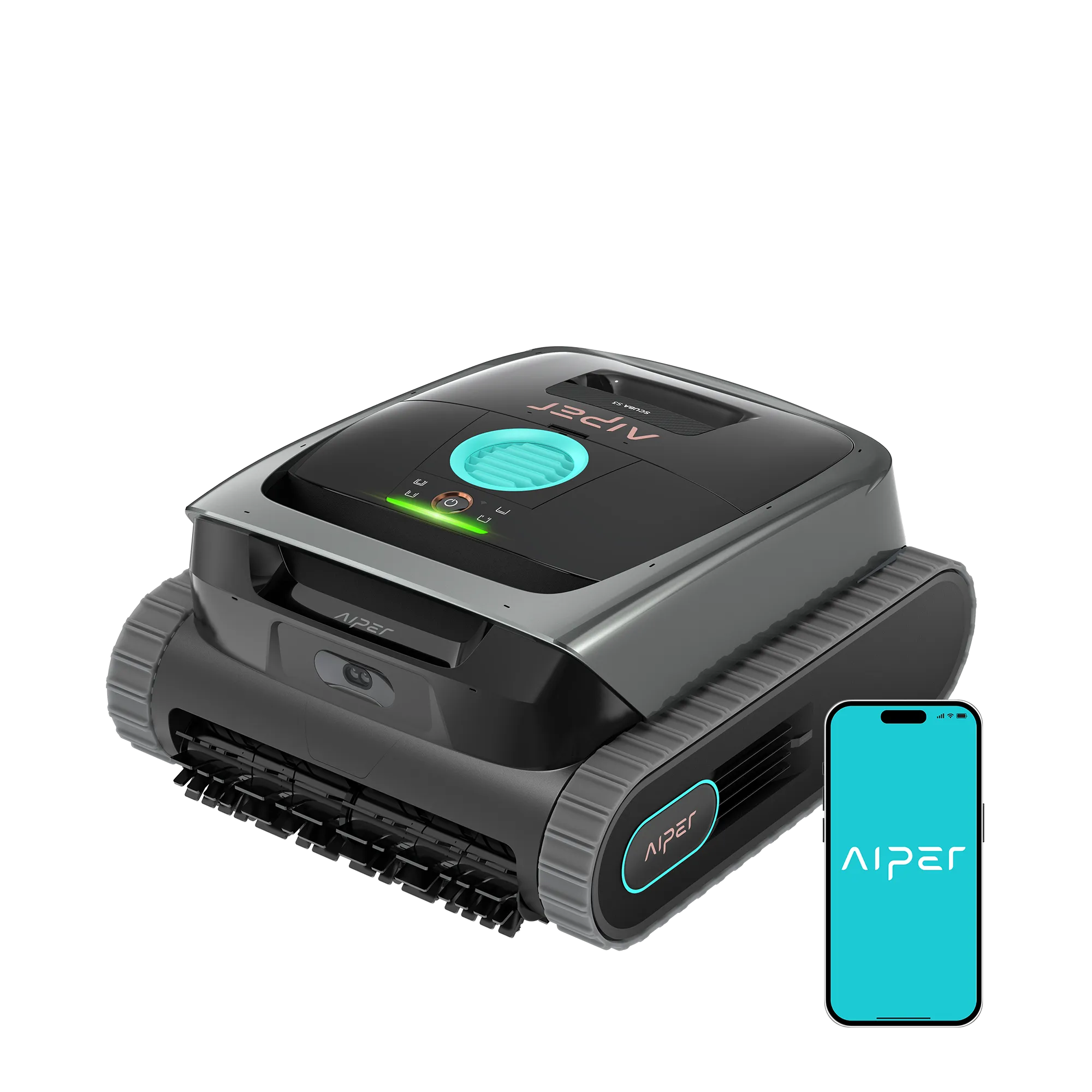
Aiper Scuba S1 vs Scuba S3: Which Should You Buy?
We'd start with the exact Scuba S1 being supplied, rather than assume every S1 listing describes the same revision. Then compare the pool fit, filter package and cleaning routine with S3. A newer name or longer runtime headline doesn't settle the choice on its own.
Read the guide vs
Aiper Scuba S3 vs Beatbot Sora 10: Which Pool Cleaner Should You Buy?
Both tackle the floor, walls and waterline. We'd start with the dirt you find after a swim: Scuba S3 has documented fine filtration, while Sora 10 has a larger published area allowance. The filter package and cleaning mode matter more than a headline battery figure.
Read the guide vs
Aiper Scuba S3 vs Scuba V3: Is AI Worth the Upgrade?
Both cover the same stated pool area and list the same basket size. V3 adds camera-guided features, but its Eco duration is shorter and its stated charge takes longer. We'd ask what the cameras would change in your pool before treating V3 as the automatic step up.
Read the guide vs
Aiper Scuba S3 vs Scuba X1: Is the Charging Dock Worth It?
Scuba X1 adds a wireless charging dock and a larger published pool allowance. Both now describe a fine-filter arrangement. We’d compare the dirt you want collected, the pool size and the daily lift-and-charge routine before paying for the dock.
Read the guide
 vs
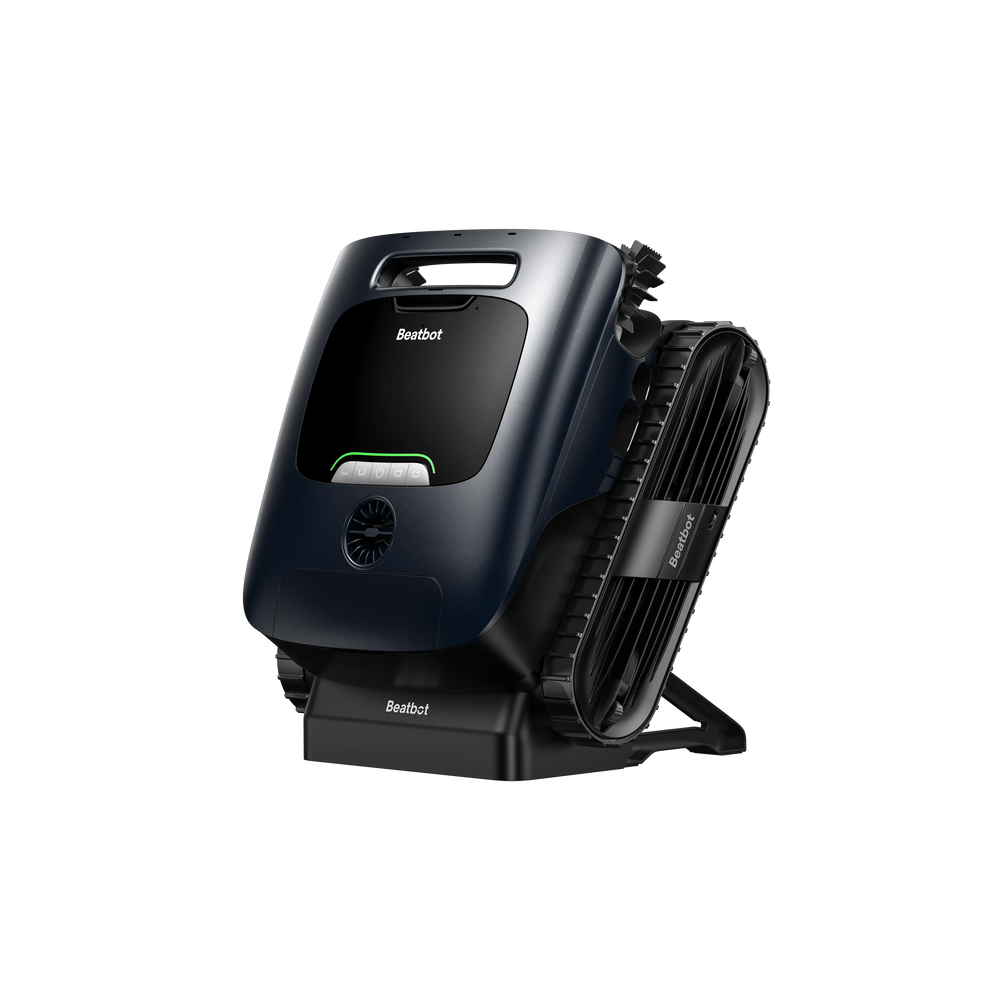
Aiper Scuba V3 Ultra vs Beatbot AquaSense 2 Ultra: Which Should You Buy?
Both can collect floating debris as well as clean underwater. We'd choose between them by the pool's dimensions, shelves, filter requirements and retrieval routine, rather than treat the Ultra name or an AI label as a reason to spend more.
Read the guide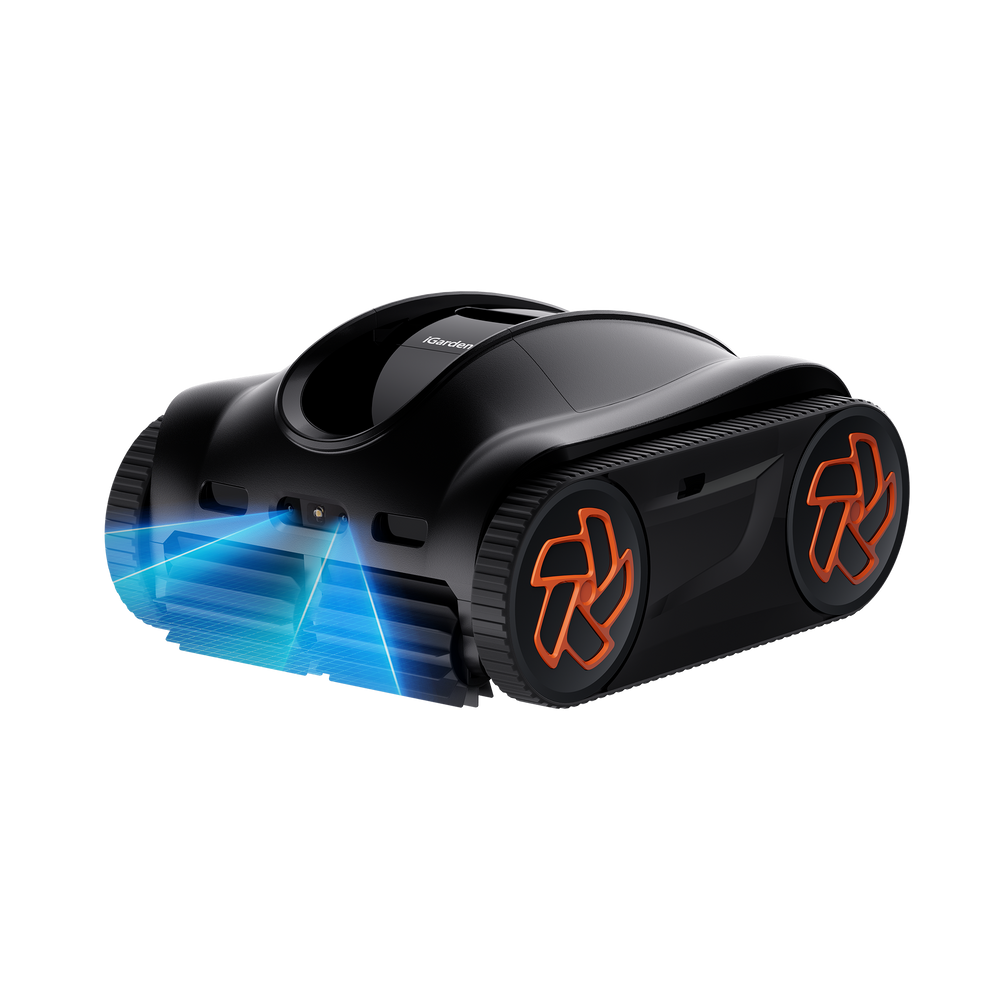 vs
Aiper Scuba V3 vs iGarden K-AI 50: Which Should You Buy?
Both advertise vision-based navigation for underwater cleaning, but the camera label doesn't settle pool fit or the filter routine. We'd check the dimensions, intended cleaning mode and retrieval arrangement first, then compare what each system would change in your pool.
Read the guidevsAiper Scuba V3 vs Scuba V3 Ultra: Is Ultra Worth It?
Ultra adds a surface-cleaning job and a larger stated pool allowance, but it is also a heavier machine to handle. We'd start with the dirt you want removed: underwater debris, floating leaves, or both. Then check the pool dimensions and the pickup routine before paying for more features.
Read the guide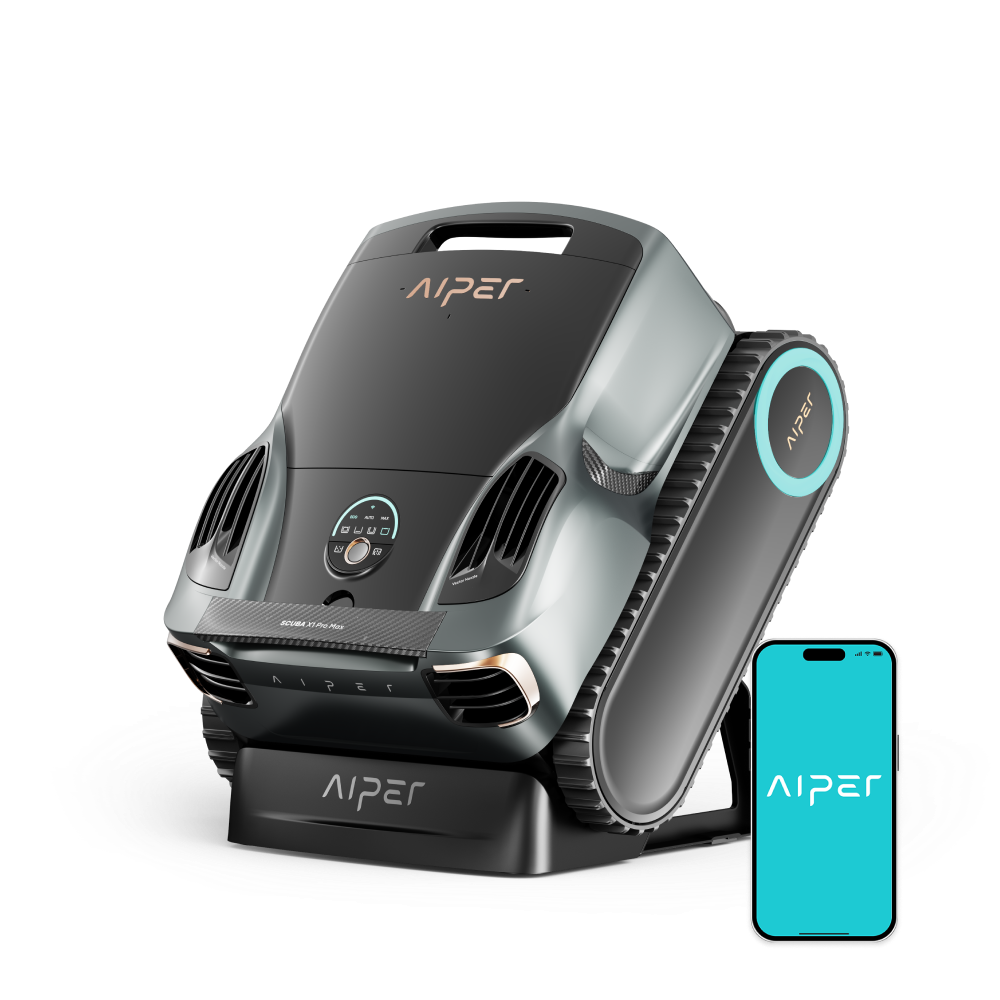 vs
Aiper Scuba X1 Pro Max vs Scuba V3 Ultra: Which Should You Buy?
Both clean underwater and on the surface, but the pool-fit figures point in different directions. X1 Pro Max lists a longer maximum pool length; V3 Ultra lists a larger area allowance. We'd check both measurements before comparing skimming time, cameras or the size of the basket.
Read the guide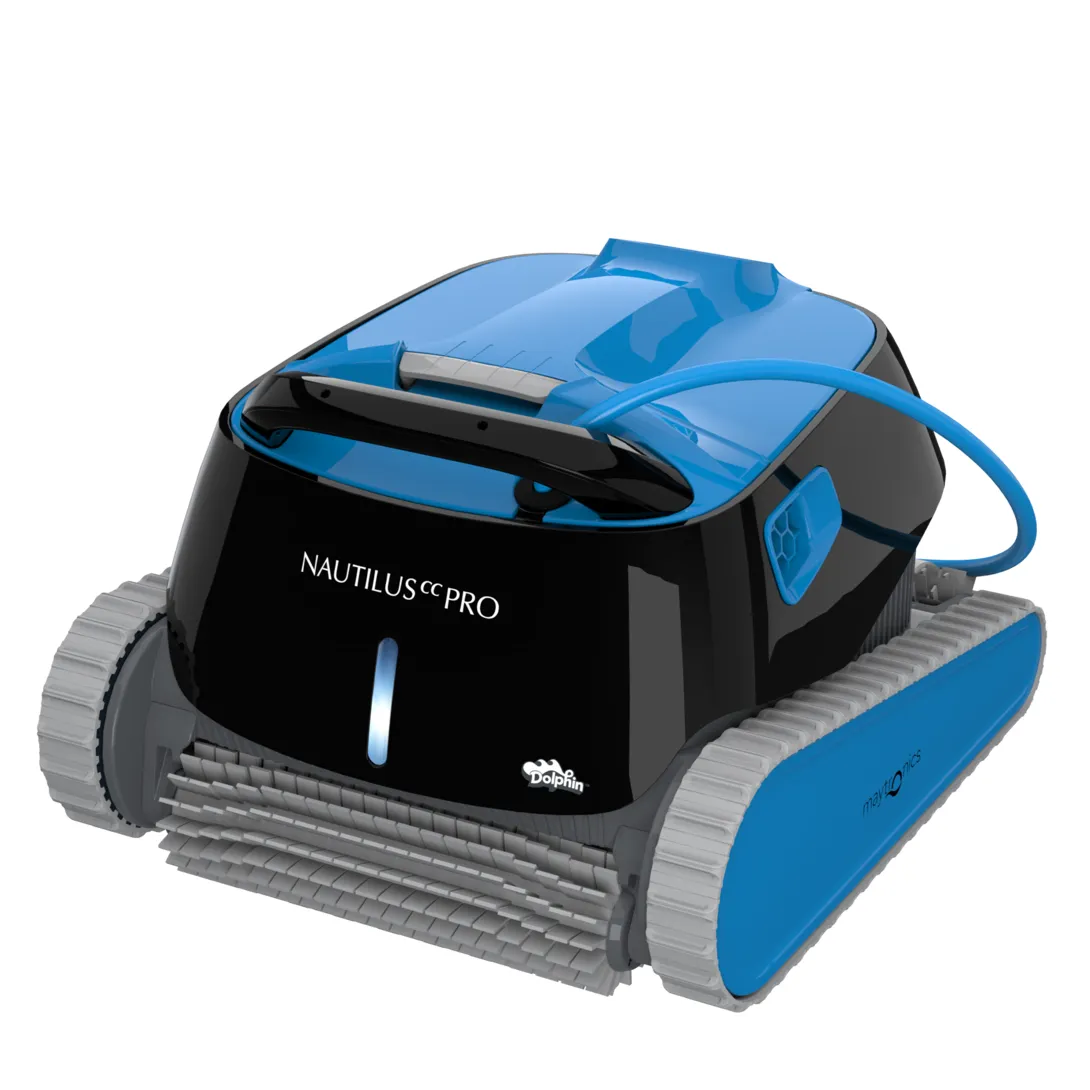 vs
Aiper Scuba X1 vs Dolphin CC Pro: Dock charging or a corded cleaning routine?
Both list floor, wall and waterline cleaning, but they leave you with different power and handling jobs. Start with the approved pool fit, then compare the cable routine with retrieving and charging a battery cleaner.
Read the guidevsAiper Scuba X1 vs Scuba V3: Dock Charging or Camera Features?
X1 has the larger pool allowance and includes a wireless charging dock. V3 adds camera-based cleaning features and has a lower listed product weight. We'd choose around the pool's size and the daily pickup routine before assuming the newer feature set is the better fit.
Read the guidevsAiper Scuba X1 vs X1 Pro Max: Is the Upgrade Worth It?
X1 Pro Max adds floating-debris cleaning and a larger stated pool allowance. If your pool fits ordinary X1 and the surface is already looked after, those extras may matter less than the filter and pickup routine. The twelve-hour headline belongs to skimming, rather than wall cleaning.
Read the guide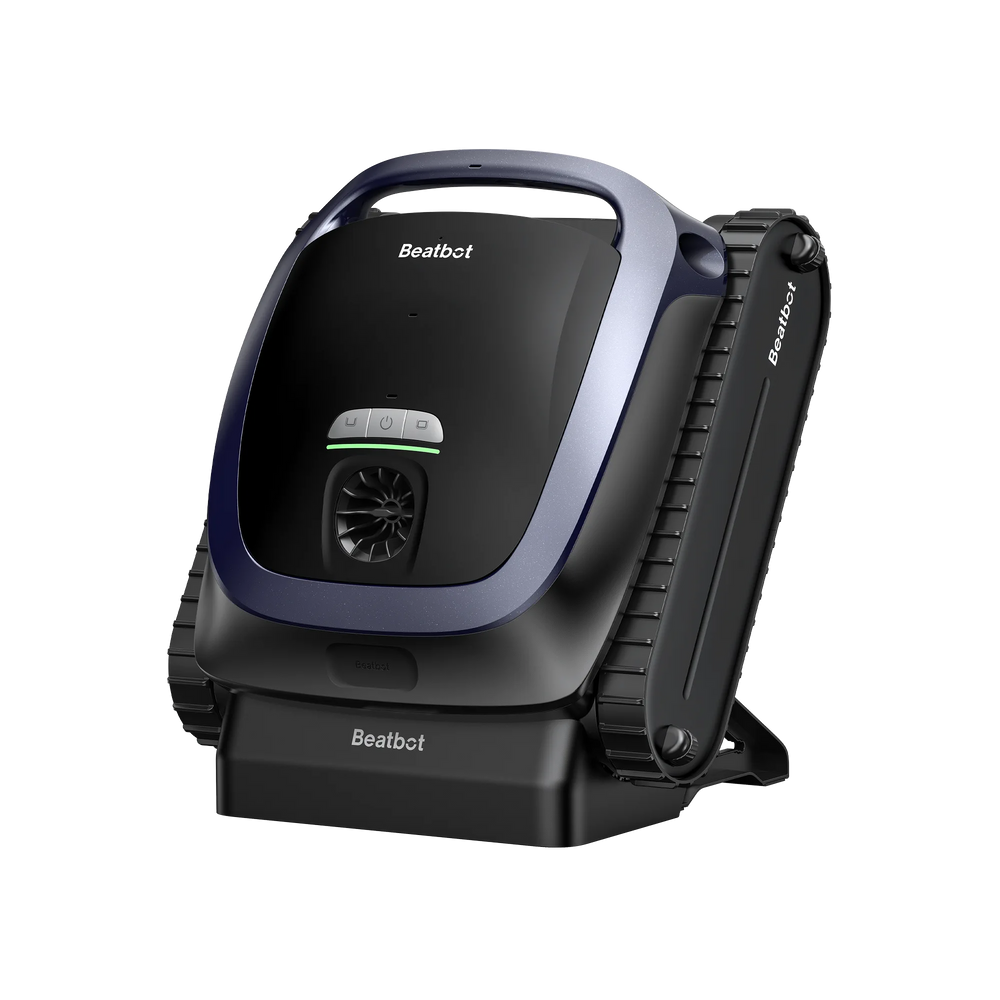 vs
Beatbot AquaSense 2 vs AquaSense 2 Ultra: Is the Upgrade Worth It?
Ultra adds surface cleaning, AI mapping and a higher pool-size rating. If an underwater clean already covers the job, those extras may not change much. We'd start with the work you still do by hand, then check fit, filters and pickup rather than assume Ultra is better at every task.
Read the guide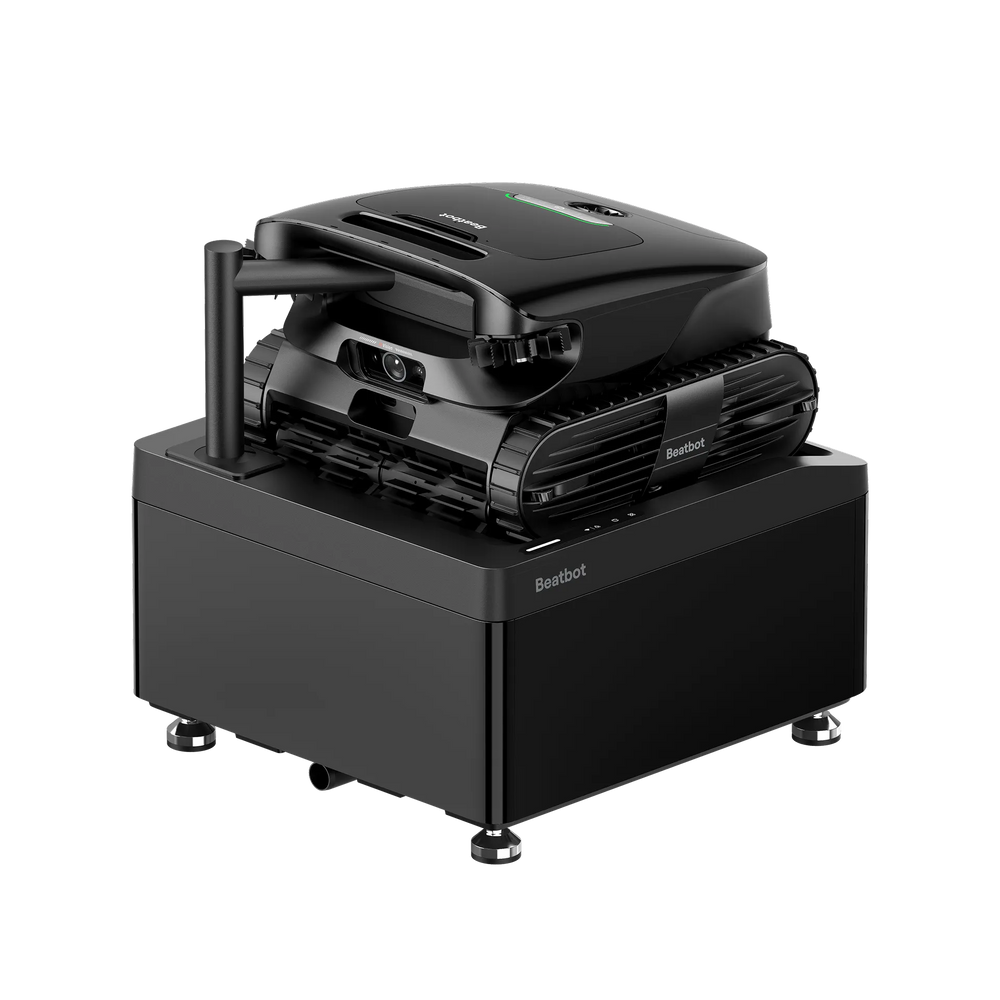 vs
Beatbot AquaSense 2 vs AquaSense X: Is Self-Cleaning Worth It?
AquaSense 2 covers underwater cleaning with a charging dock. AquaSense X adds surface cleaning and an AstroRinse station that washes the filter and collects debris. We'd price the station's installation and remaining handling before paying for less basket cleaning. The robot still needs retrieving from the pool.
Read the guide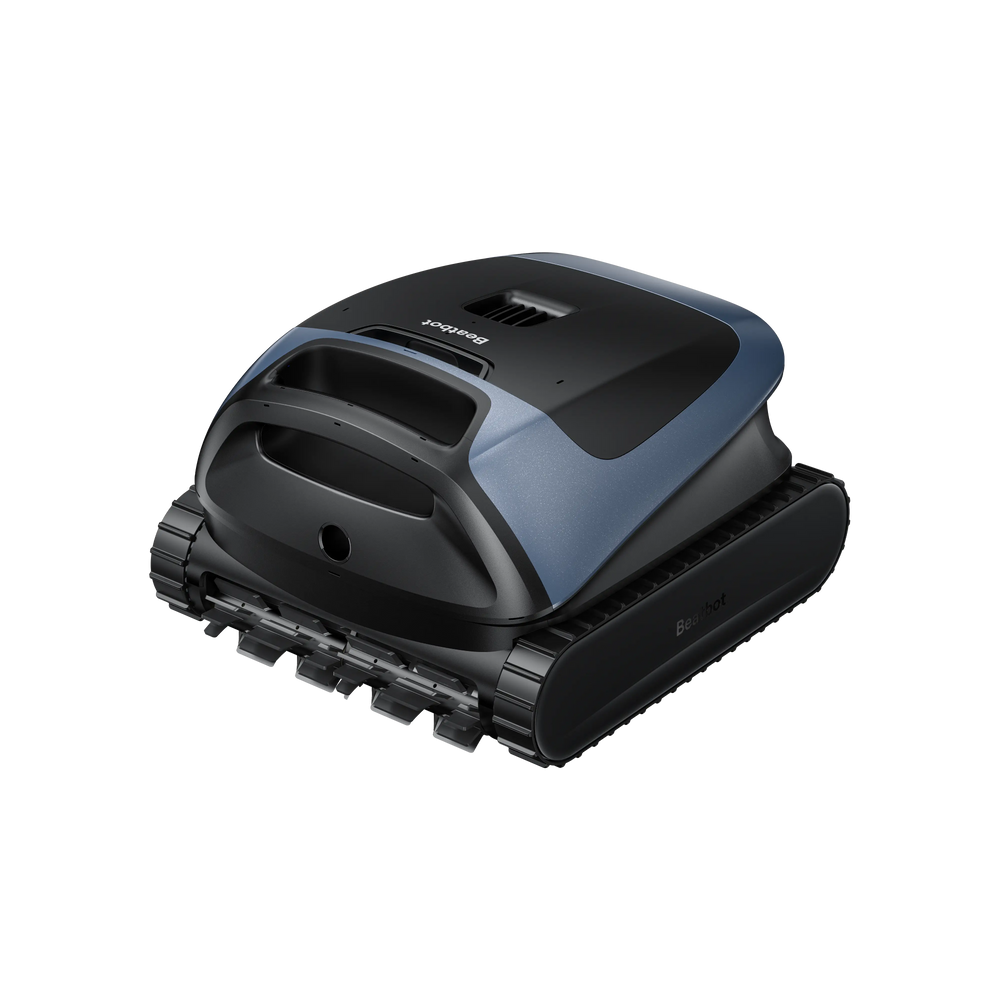 vs
Beatbot AquaSense 2 vs Sora 30: Which Underwater Cleaner Should You Buy?
Both clean the floor, walls and waterline, so we'd choose around the routine outside the cleaning cycle. AquaSense 2 has a wireless charging dock; Sora 30 uses plug charging and offers app retrieval during surface parking, with more specific shallow-platform requirements.
Read the guidevsBeatbot AquaSense 2 vs Sora 70: Which Pool Cleaner Is Best?
Would you rather have a wireless charging dock or a robot that also skims floating leaves? That's the most useful place to start with AquaSense 2 and Sora 70. The rest depends on your pool and how you want to use it.
Read the guidevsBeatbot AquaSense X vs AquaSense 2 Ultra: Is Self-Cleaning Worth It?
Both cleaners cover the surface as well as the floor, walls and waterline. AquaSense X adds a station that washes its filter, so the real question is whether that saves a job you dislike enough to justify the extra equipment beside the pool.
Read the guidevsBeatbot AquaSense 2 vs Aiper Scuba X1: Which Should You Buy?
Both clean underwater and use a charging dock. AquaSense 2 has the larger stated pool allowance and automatic surface parking after a clean. Scuba X1's current FAQ explicitly includes a MicroMesh fine filter. We'd choose around pool fit, the dirt left behind and the pickup routine.
Read the guide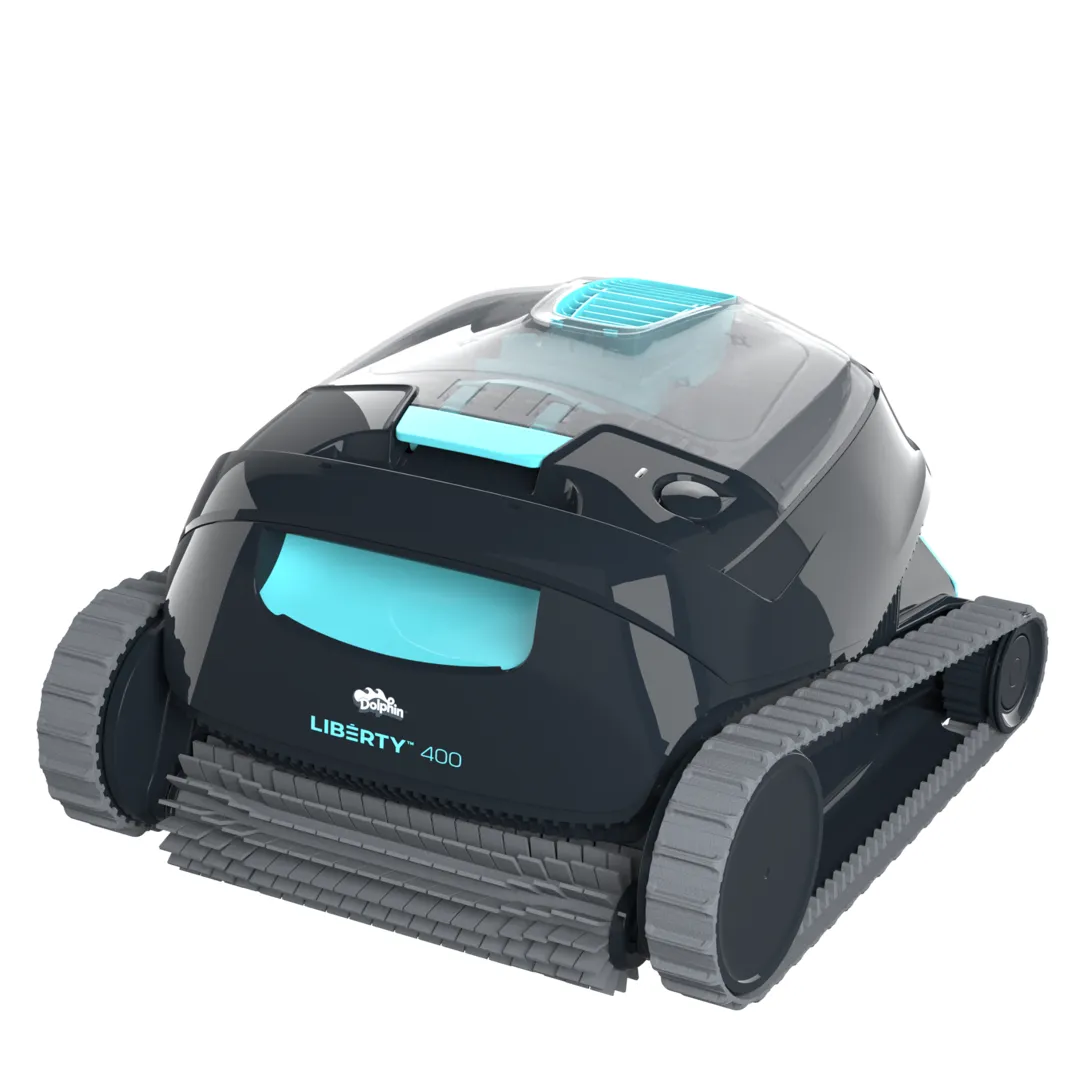 vs
Beatbot AquaSense 2 vs Dolphin Liberty 400: Pool fit, filters and getting it out
Both clean underwater and run on batteries. Their pool-size wording, supplied filters and pickup arrangements give you more useful buying questions than a simple comparison of hours.
Read the guide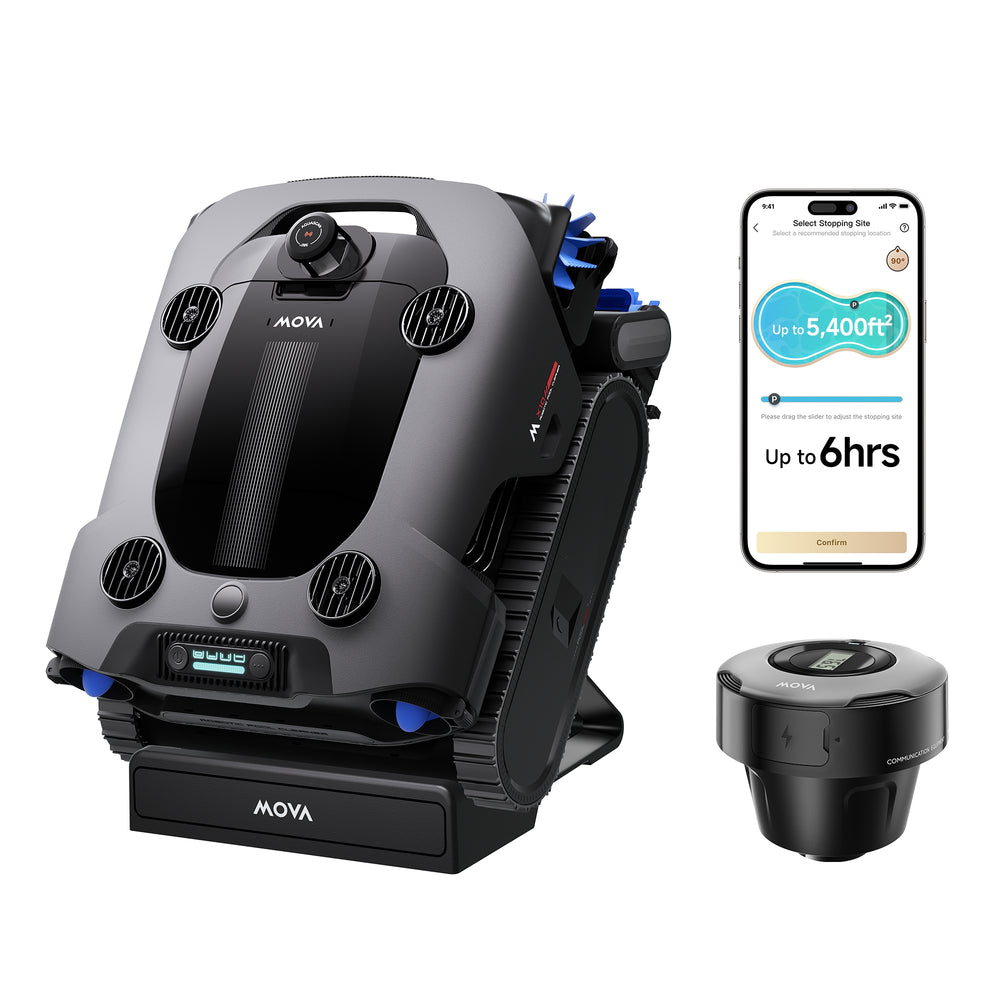 vs
Beatbot AquaSense X vs MOVA Rover X10
Both advertise surface and underwater cleaning. AquaSense X adds an AstroRinse station to wash its filter and collect debris. That can change the care routine, but the station needs its own installation plan.
Read the guidevsBeatbot AquaSense X vs Sora 70: Is the Self-Cleaning Station Worth It?
Both clean underwater and collect floating debris. AquaSense X's distinctive upgrade is the AstroRinse station that washes the filter and empties debris. Sora 70 keeps a retrieve-and-empty routine without that station. Start with the chore you want to reduce and whether you have a suitable place for the extra equipment.
Read the guidevsBeatbot Sora 10 vs Aiper Scuba V3: Which Should You Buy?
Sora 10 has the larger stated pool-area allowance and longer floor-only claim. Scuba V3 adds camera-based debris recognition and a different filter system. We'd decide whether those features answer your pool's needs before treating an AI label as the upgrade everyone should buy.
Read the guide vs
Beatbot Sora 10 vs ECOVACS P1: Compare the cleaning job and fine-debris setup
Sora 10 has the larger published area allowance and explicitly lists waterline cleaning. P1 describes a finer inner filter. Keep those jobs and the runtime modes separate before deciding which feature is useful.
Read the guidevsBeatbot Sora 30 vs Aiper Scuba S3: Which Should You Buy?
Sora 30 has the larger stated pool allowance, basket and a more specific platform checklist. Scuba S3 describes a standard-and-fine filter arrangement without relying on Sora's separate accessory. We'd settle the pool fit and dirt problem before comparing five floor hours with an Eco headline.
Read the guidevsBeatbot Sora 30 vs Aiper Scuba X1: Which Should You Buy?
Sora 30 has the larger stated pool area and a documented shallow-platform option. X1 includes a wireless charging dock and a MicroMesh fine filter. We'd start with the pool's fit, then decide which pickup, filter and charging routine would be easier to live with.
Read the guidevsBeatbot Sora 70 vs Aiper Scuba V3 Ultra: Which Should You Buy?
Both tackle underwater dirt and floating debris, but the basket, pool-fit figures and navigation features differ. We'd measure the pool and decide what fills the basket before comparing the longest runtime. Sora's floor endurance and Ultra's skimming headline aren't the same cleaning job.
Read the guide vs
Betta Flex vs Aiper EcoSurfer S2: Solar simplicity or charging backup?
Both collect floating debris. Flex relies on solar power and offers Eco and Normal modes; S2 adds DC charging and app control. The useful difference depends on sunlight at your pool and how you want to manage the skimmer.
Read the guide vs
Betta Flex vs WYBOT F1 pool skimmers
Both use solar power to collect floating debris. Flex offers a simpler routine without app controls; F1 adds app operation and a stated work-and-rest cycle. Check sunlight, pickup access and the mode you will actually use.
Read the guide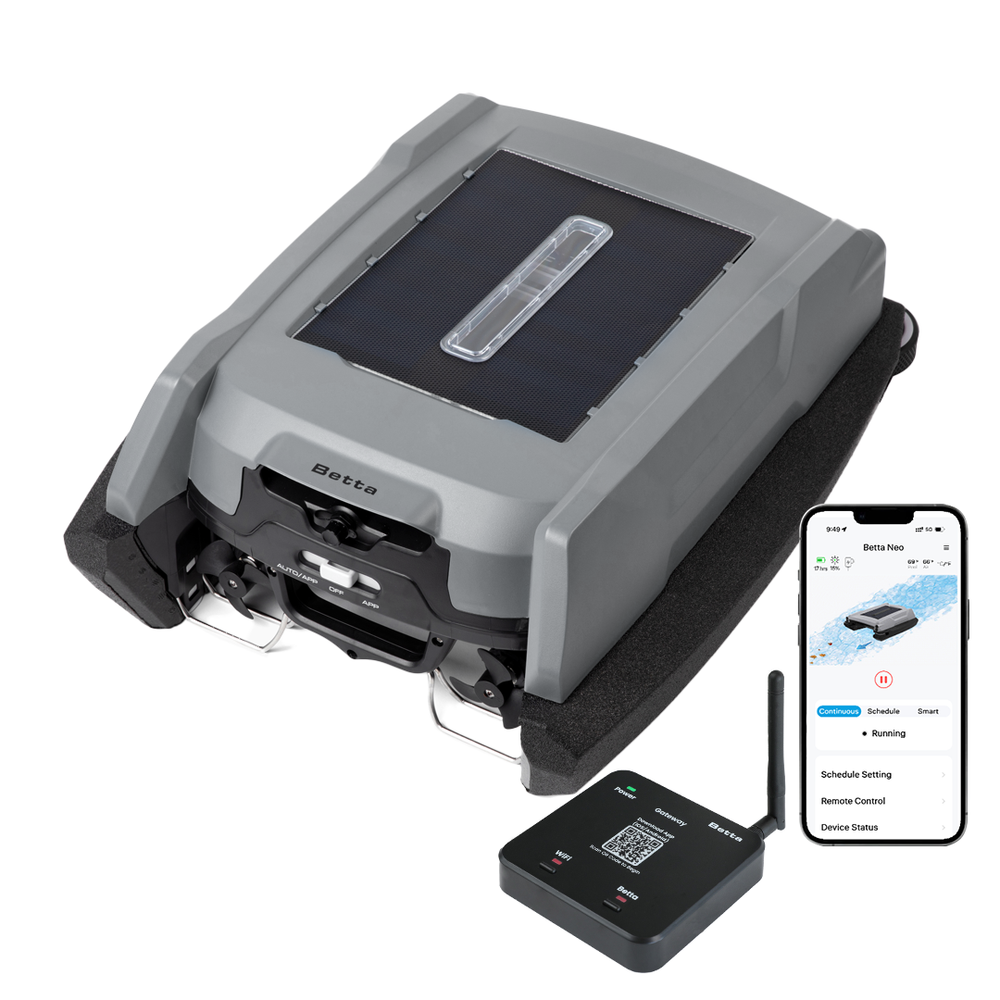 vs
Betta Neo vs Aiper EcoSurfer S2: Which surface skimmer suits your pool?
Both collect floating debris and offer solar charging with plug-in backup. Compare Neo’s Gateway scheduling with Aiper’s stated basket, filter and charging details.
Read the guide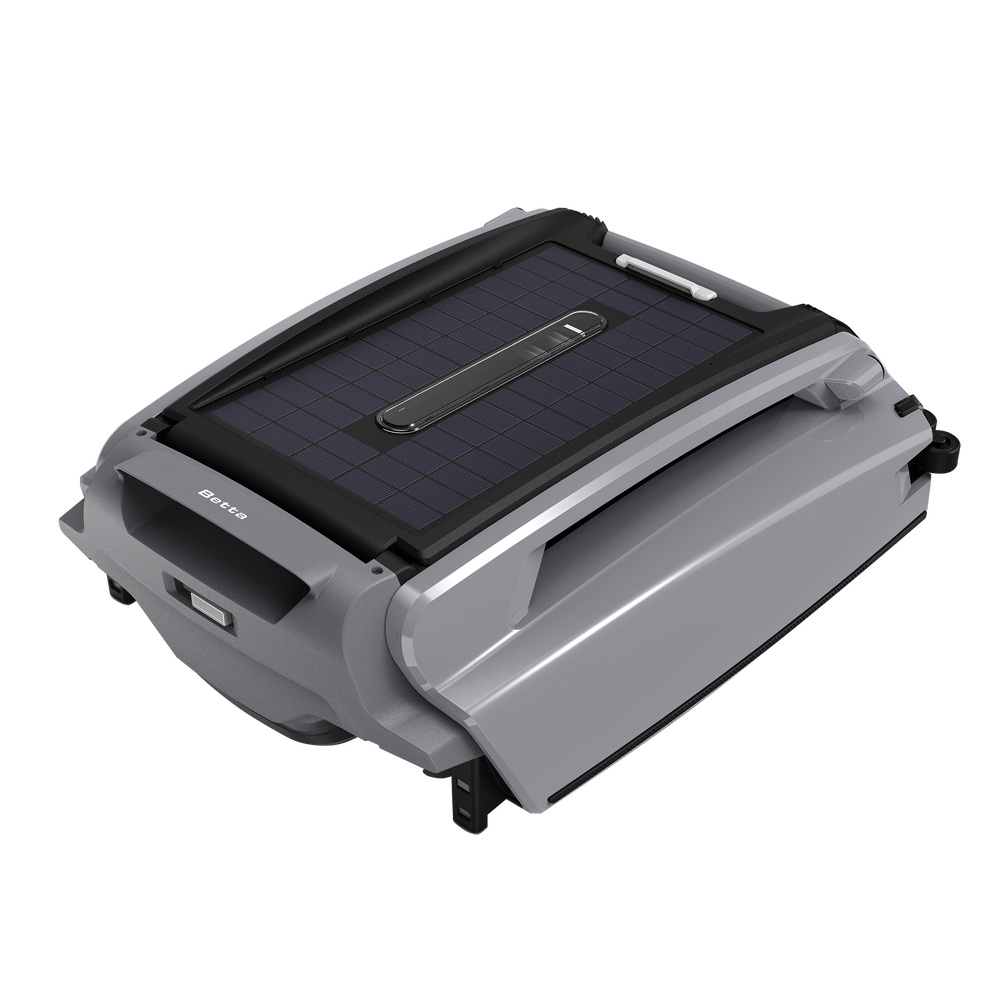 vs
Betta Neo vs SE Plus: Is app control worth the upgrade?
Both skimmers support solar and adapter charging. Neo adds app control through its included Gateway, along with weather-aware operation and custom scheduling.
Read the guidevsBetta SE Plus vs Flex: Backup charging or solar simplicity?
SE Plus offers an adapter as well as solar charging. Flex takes a solar-only approach with periodic Eco cleaning and a softer outer casing.
Read the guide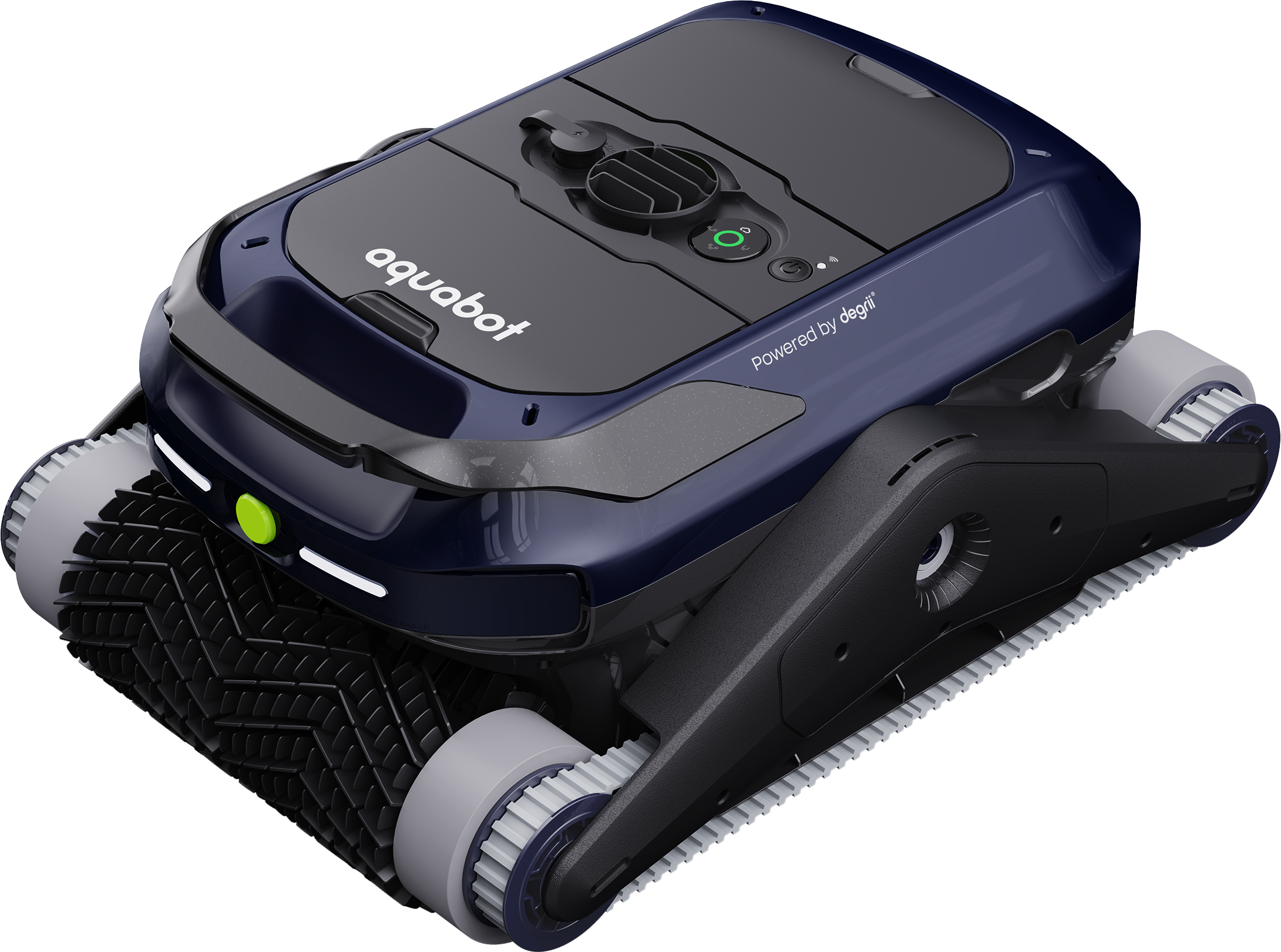
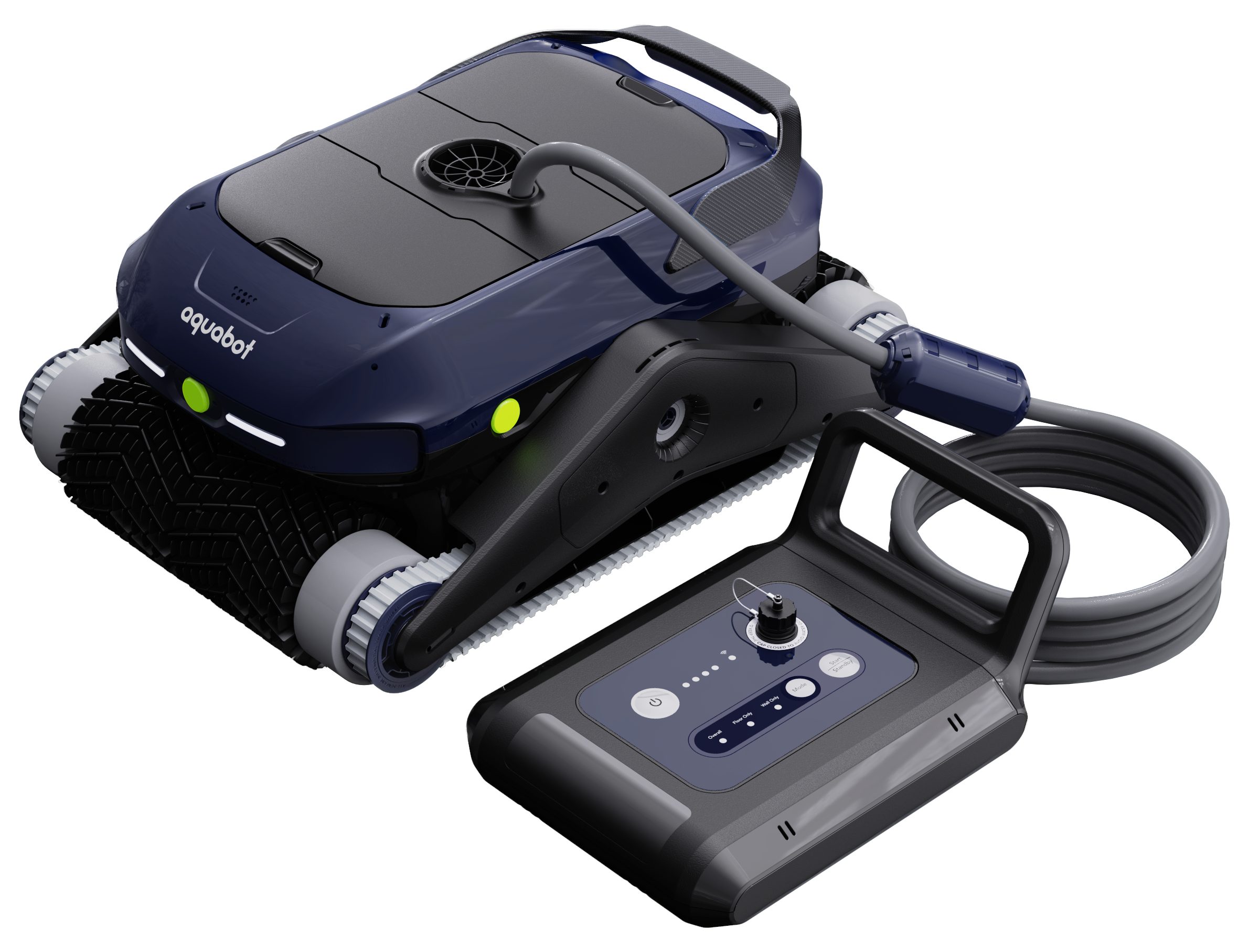 vs
BWT AQUABOT vs AQUABOT Pro: Would a floating battery suit your pool?
AQUABOT Pro moves the battery into a floating unit connected by a short cable. Both models list the same pool-length limit and broad cleaning tasks.
Read the guidevsBWT AQUABOT vs Dolphin Liberty 400: Check pool length and filter packages
Standard AQUABOT keeps its battery inside the cleaner and advertises a larger pool allowance. Liberty 400 has a 33-foot rating and a documented filter package. Resolve BWT’s page-and-brochure conflicts before treating its larger headline as approval.
Read the guidevsBWT AQUABOT vs ECOVACS ULTRAMARINE P1
Both advertise around three hours, but P1 ties that figure to Eco mode. BWT provides a 50-foot pool limit, while P1 advertises a floor-area figure. Check those details before treating the two as interchangeable.
Read the guide vs
BWT ES Echo vs Dolphin Liberty 400: Start with the pool length and filter kit
Both are battery-powered cleaners for the underwater job. Echo has the longer published pool allowance, while Liberty 400 names an additional ultra-fine filter kit. Check the actual fit and pickup before comparing cycle hours.
Read the guide vs
BWT ES ECHO vs iGarden KN35: Pool length comes before the battery claim
ES ECHO publishes a 50-foot pool limit and a 180-micron basket. KN35 advertises a longer floor-only run, but that duration does not supply its missing physical pool allowance or a matched full-coverage comparison.
Read the guide vs
BWT ES NANO vs Aiper Scuba S1: Start with the pool-length limit
ES NANO is a cordless option for pools up to 24 feet. Scuba S1’s current comparison column lists a larger area and length allowance. Check the exact S1 revision, cleaning mode and supplied filters before comparing the routines.
Read the guidevsBWT ES Nano vs ES Echo: Which fits your pool size?
ES Echo raises the stated pool-length limit and filter capacity. Both cordless models already list floor, wall and waterline cleaning with a 180 μm filter.
Read the guide vs
BWT ES NANO vs WYBOT C1 2026: Check pool length before the runtime
ES NANO is rated for a 24-foot pool. The 2026 C1 publishes an area recommendation instead. Their similar mesh ratings and headline durations do not remove the need to check length, depth and the actual cleaning modes.
Read the guide
 vs
BWT ES1500 vs CHASING Hydro 6: Check the cable route and filter routine
Both describe corded floor, wall and waterline cleaning, with different filter arrangements and sizing claims. The Hydro 6 comparison uses the exact 25m/82ft version, currently unavailable from CHASING’s direct store.
Read the guide
 vs
BWT ES600 vs Dolphin Nautilus CC Plus Wi-Fi
ES600 handles the floor of a suitable pool up to 36 feet. Nautilus CC Plus Wi-Fi adds wall cleaning and app controls, with a 40-foot technical limit. Decide which surfaces need help before comparing cycle times.
Read the guide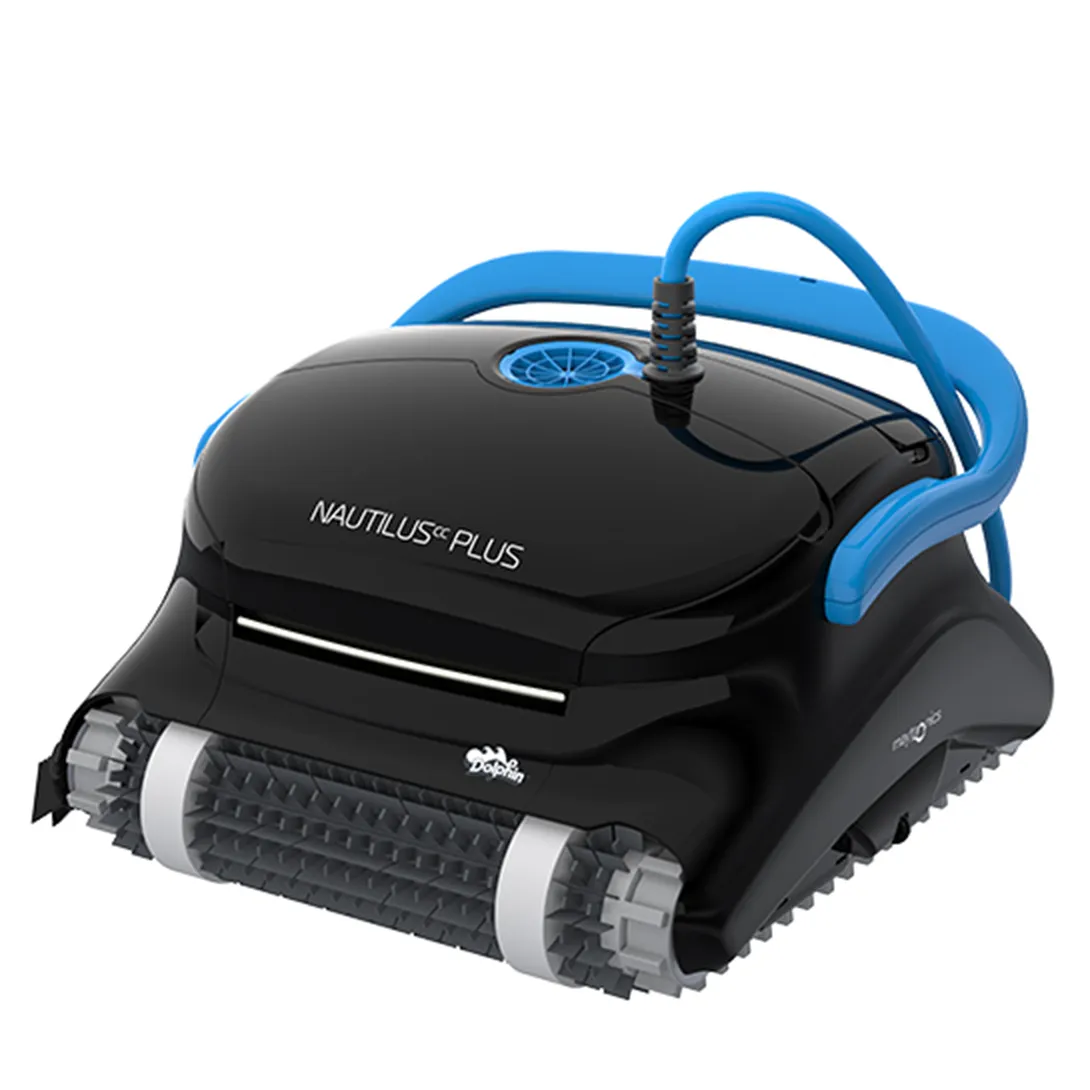 vs
BWT ES600 vs Dolphin Nautilus CC Plus: Do you need wall cleaning?
ES600 is a floor-only cleaner; Nautilus CC Plus adds walls. Start with that difference, then resolve the exact pool fit and the conflicting cycle wording on both manufacturer pages.
Read the guide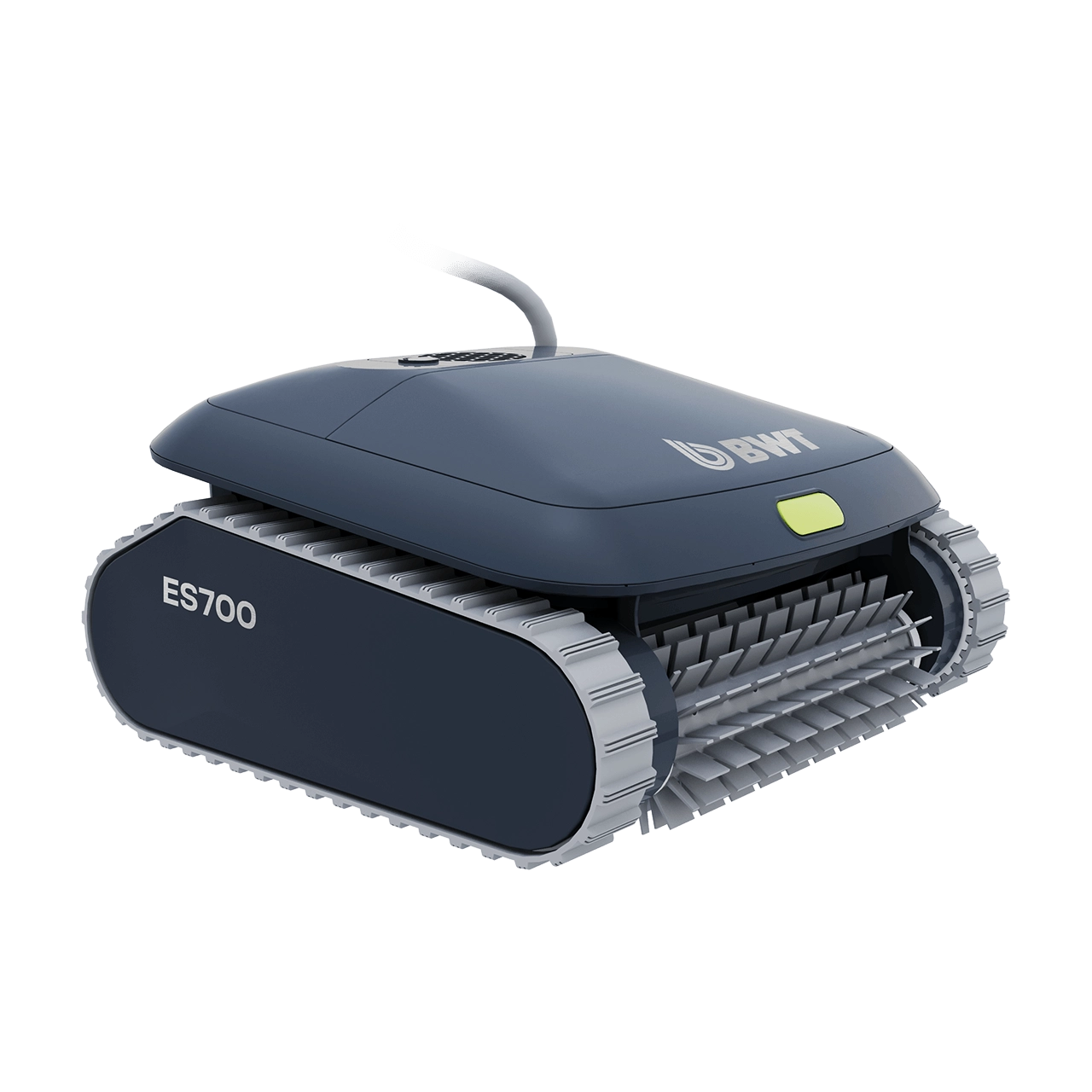 vs
BWT ES600 vs ES700: Floor cleaning or walls too?
Both US tables list a 36-foot pool size and a 46-foot cable, but ES600’s description also prints 10 meters. Confirm the exact fit; ES700 adds walls and waterline rather than a larger listed allowance.
Read the guide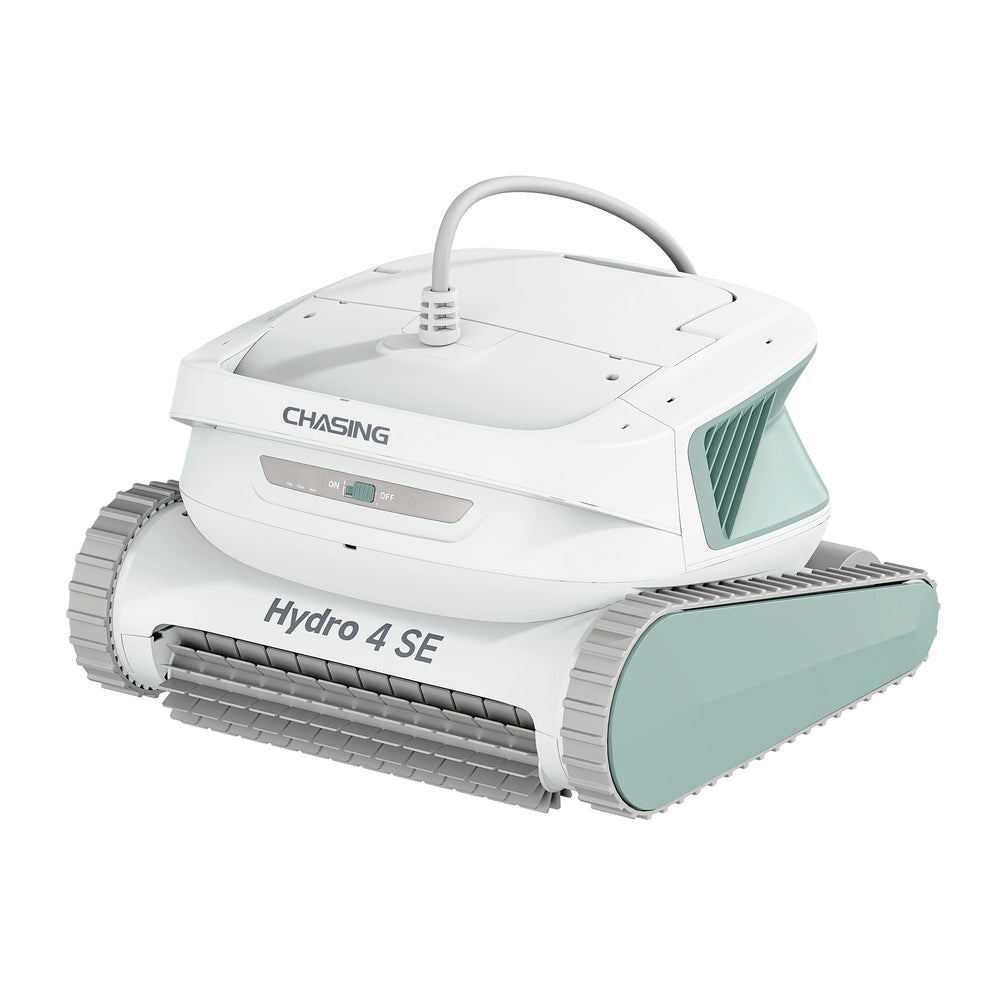 vs
BWT ES700 vs CHASING Hydro 4 SE: Compare the cable route and controls
Both are corded cleaners for the floor, walls and waterline. ES700 keeps the controls simple; Hydro 4 SE adds app setup and selectable jobs. Pool fit, cable routing and exact filter details are the useful starting points.
Read the guidevsBWT ES700 vs Dolphin Nautilus CC Pro: Which corded cleaner?
Both list floor, wall and waterline cleaning. CC Pro adds a larger stated pool-length limit and app scheduling, while ES700 offers a simpler listed control routine.
Read the guide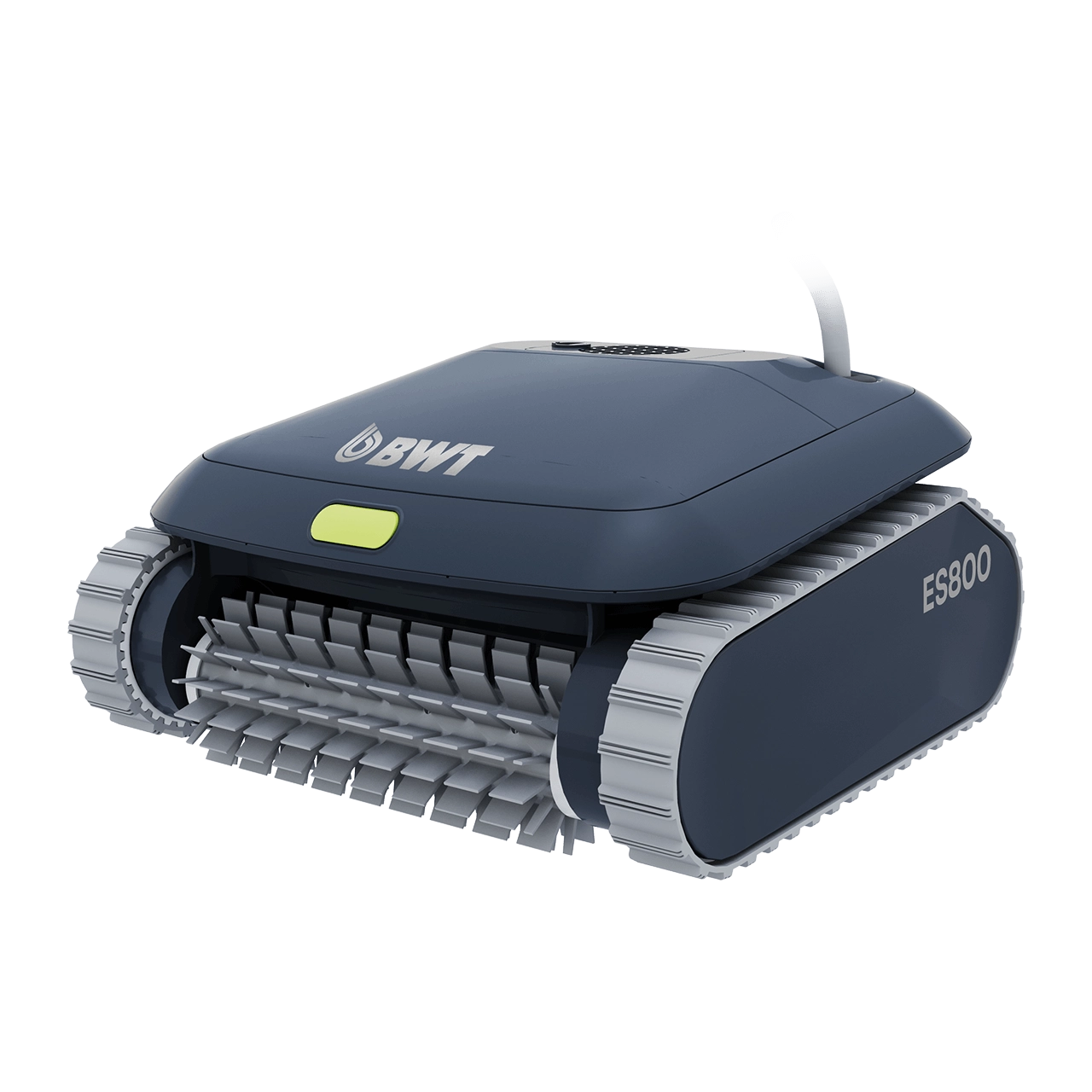 vs
BWT ES800 vs Dolphin CC Plus Wi-Fi: Waterline cleaning or a different filter package?
Both are corded, app-supported cleaners. Start with the surfaces you need cleaned, the exact pool-length approval and the supplied filter rather than assuming their similar controls make them equivalent.
Read the guidevsBWT ES800 vs Dolphin Nautilus CC Pro
Both are corded cleaners for the floor, walls and waterline. The ES800 offers three cycle lengths, while the CC Pro lists a two-hour default. BWT’s conflicting pool-length claims need resolving before you choose it for a long pool.
Read the guidevsBWT ES800 vs ES1500: Is the filter upgrade worth it?
Both are corded floor, wall and waterline cleaners. ES1500 adds 4D microfiber filtration and a larger basket, but it is also a heavier machine to retrieve.
Read the guide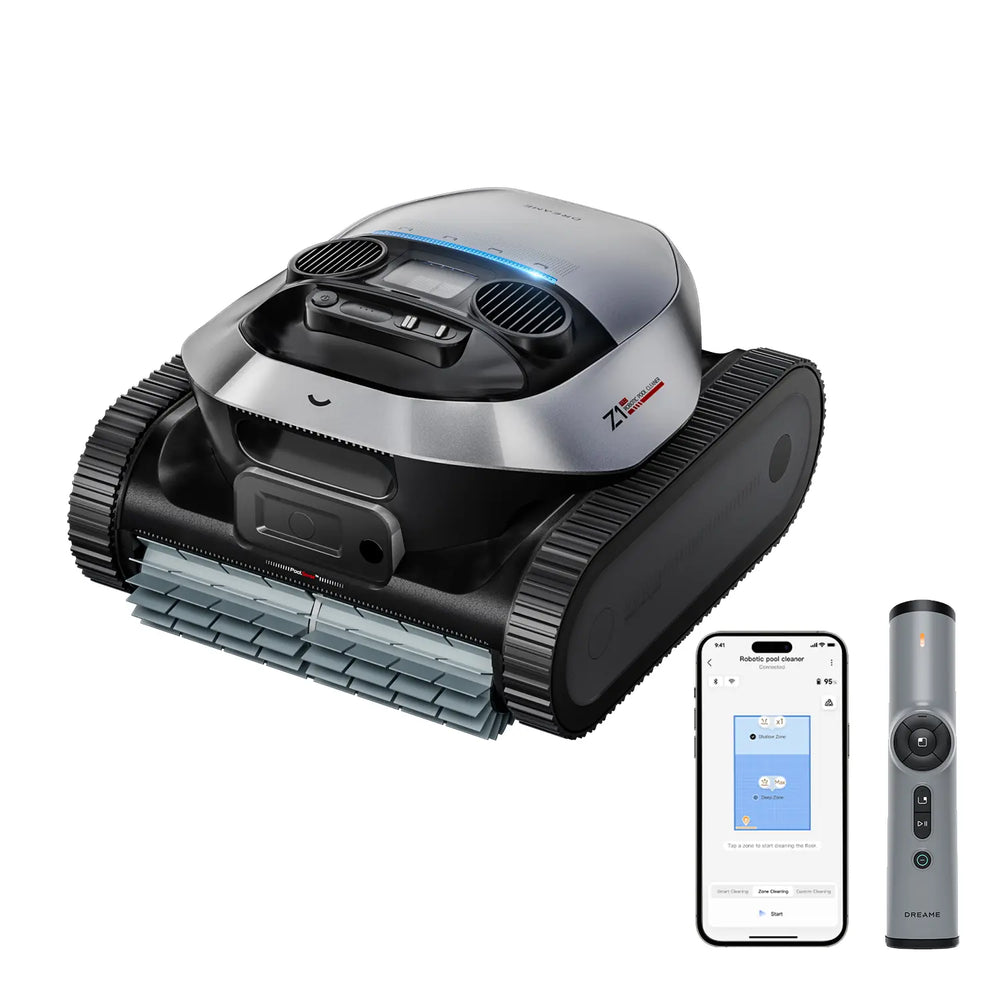
Can one robotic pool cleaner clean two pools?
One cleaner may be practical for two household pools, but both pools must fit the exact model. Map storage, charging, water conditions and the trip between them all need checking before you share the machine.
Read the guide
Can You Run a Robotic Pool Cleaner in Cold Water?
Check the water temperature against the exact model's working range, then check charging and storage separately. AquaSense 2's reviewed manual gives 6–35°C for use in the water; iGarden M1-AI lists 4–35°C. Neither figure makes the robot suitable for a freezing or closed pool.
Read the guide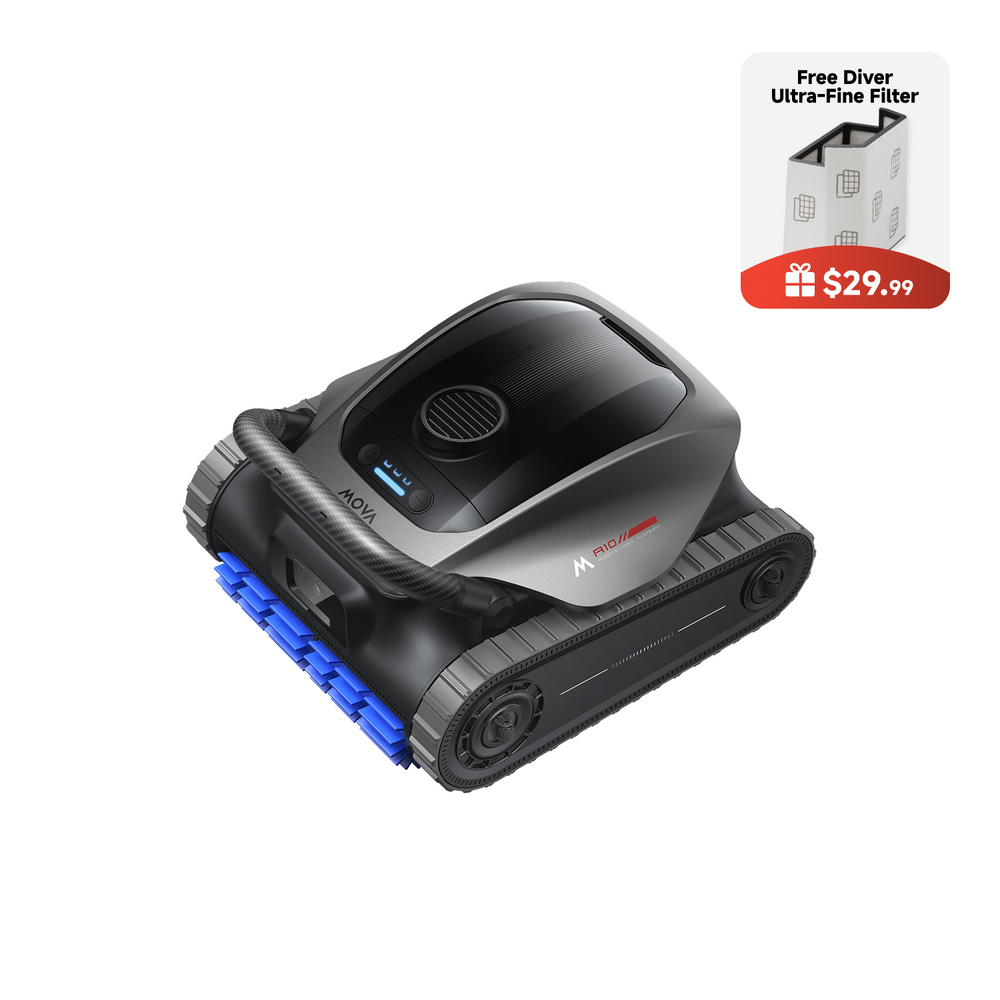
Can robotic pool cleaners remove algae? What brushing and filters can do
A robot can help brush surfaces and collect suitable debris, but those jobs do not replace algae treatment and water care. Start by having the problem assessed, then check the exact cleaner, filter and permitted water conditions.
Read the guideCan You Leave a Robotic Pool Cleaner in the Pool?
For a normal cleaning cycle, plan to take the robot out and care for it afterward. Some scheduled modes and solar skimmers work differently. The answer belongs to the exact model and operating mode, so we'd check those before treating the pool as its permanent storage spot.
Read the guideCan you steer a robot pool cleaner underwater? Check the actual control link
App support, a retrieval command and underwater directional steering are different functions. Dreame Z1 Pro documents a light-based remote; AquaSense 2 Ultra limits its app control to operation at the surface. Check the exact model before treating a missing response as a fault.
Read the guideCan You Swim While a Robotic Pool Cleaner Is Running?
We'd give swimming and robot cleaning separate times. The AquaSense 2 and AquaSense 2 Ultra manuals explicitly tell owners to keep people out of the pool while the robot works. Cordless power and obstacle detection don't change those instructions. Plan the clean and poolside retrieval before anyone gets in.
Read the guide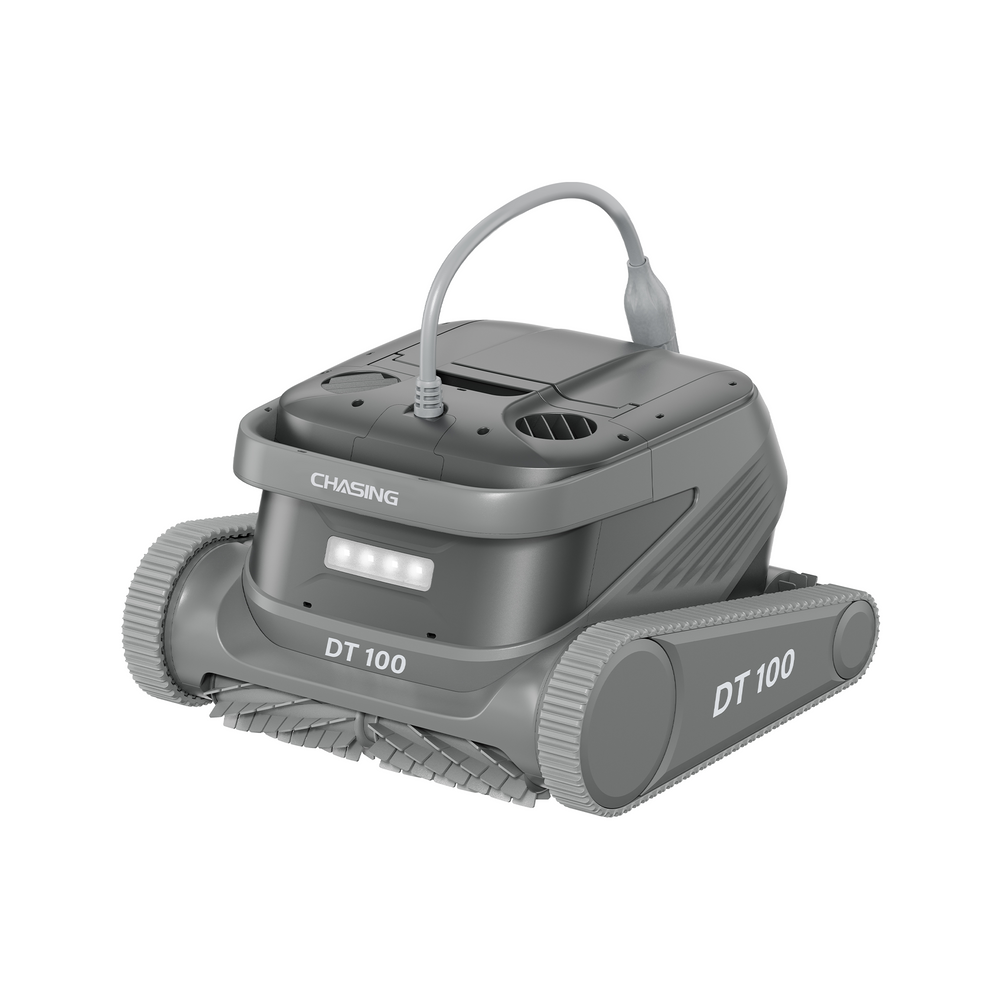 vs
CHASING DT100 vs Hydro 4 SE: How Much Corded Cleaner Do You Need?
Both use AC power, but DT100 is a larger machine with a longer cable, a bigger basket and a much higher stated pool-area limit. Hydro 4 SE is lighter and rated for smaller pools. We'd start with the actual pool and where the power equipment can go before comparing suction headlines.
Read the guide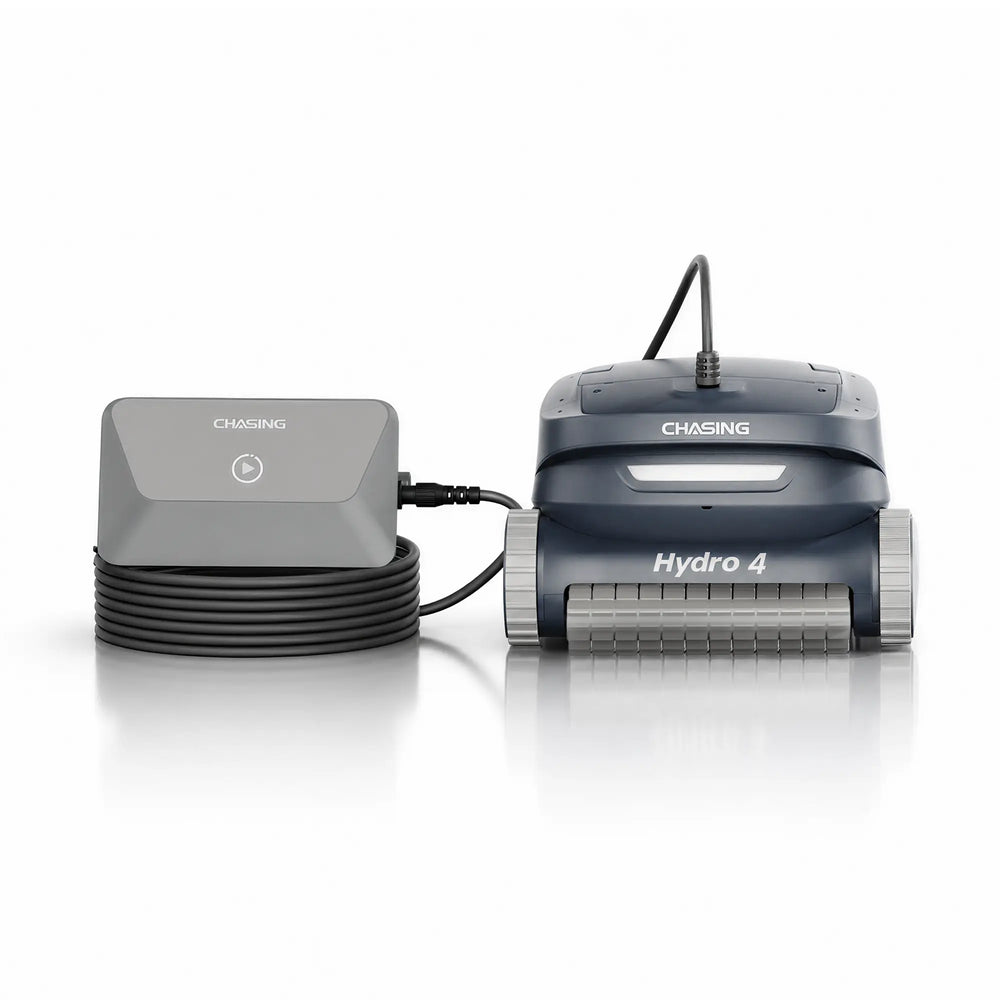 vs
CHASING DT100 vs Hydro 4: Which Corded Pool Cleaner Should You Buy?
DT100 brings a longer listed cable, a larger basket and a finer dual-layer filtration claim. Those differences are useful only if the pool and care routine need them. We'd compare it with the exact upgraded Hydro 4 Corded Mode order, rather than mix in battery-package specifications.
Read the guide vs
CHASING Hydro 3 vs Aiper Scuba S1: Simple cleaning or more control?
Hydro 3 offers a simpler regular-clean routine for a smaller pool. Aiper’s current S1 comparison lists a larger pool allowance and Standard/Eco operation. Confirm the exact S1 revision and Hydro 3’s conflicting duration figures before choosing by runtime.
Read the guidevsCHASING Hydro 3 vs Dolphin Liberty 400
Both cordless cleaners advertise floor, wall and waterline work. Hydro 3 gives an area limit and a broad runtime claim; Liberty 400 gives a 33-foot length limit, selectable modes and ClickUp retrieval. Check the pool shape and filter package first.
Read the guide vs
CHASING Hydro 3 vs Hydro 3S: Is the Upgrade Worth It?
Hydro 3S adds a larger published pool range, app control and more cleaning modes. We'd pay for those when they would improve the routine. The shared filter rating and conflicting runtime wording deserve a closer look before choosing from the longest headline.
Read the guidevsCHASING Hydro 3S vs Aiper Scuba S3: Which Should You Buy?
Their stated pool areas are effectively the same, so the basket, filter and intended cleaning mode are more useful ways to choose. Hydro 3S lists a longer Eco session and larger basket; S3 documents a finer filter. We'd confirm the exact Hydro revision before comparing the runtime headlines.
Read the guide vs
CHASING Hydro 3S vs Dreame Z1: Which Should You Buy?
Both handle the underwater floor, walls and waterline. Hydro 3S gives a defined basket size and separate regular/Eco durations; Z1 has the larger stated area allowance. We'd compare the actual pool and supplied revision first, because the Hydro page also retains conflicting older specification text.
Read the guidevsCHASING Hydro 3S vs Hydro 4 SE: Cordless or Corded?
Hydro 3S trades a trailing power cable for battery charging. Hydro 4 SE uses an AC supply and a cable, so it needs a different poolside arrangement. Both cover the underwater floor, walls and waterline. We'd choose the power routine after checking the actual pool and equipment.
Read the guide vs
CHASING Hydro 4 Corded vs Battery vs 2-in-1: Which Power Option Should You Buy?
The power package changes the ownership routine more than the Hydro 4 name suggests. Corded Mode needs a suitable cable route; Battery Mode uses a floating battery buoy and a short tether; the 2-in-1 set needs its complete equipment confirmed. We'd settle the exact revision and box contents before comparing prices.
Read the guidevsCHASING Hydro 4 SE vs Beatbot Sora 30: Corded or Cordless?
Hydro 4 SE avoids a battery-charging break but brings a cable and power-supply arrangement. Sora 30 removes the cleaning cable and lists a larger pool-area allowance. We'd start with those practical differences, then compare fit, filters and the pickup routine.
Read the guidevsCHASING Hydro 4 SE vs Hydro 4: Which Corded Cleaner Should You Buy?
We'd choose around cable reach and the controls you'd use, rather than assume the more expensive Hydro 4 package cleans better. This comparison covers Hydro 4 SE Corded and the selected Hydro 4 corded configuration, keeping battery packages separate.
Read the guidevsCHASING Hydro 4 vs Hydro 6: Which Corded Pool Cleaner Should You Buy?
Start with the exact corded package and the pool it has to reach. Hydro 6 adds a documented hybrid filter and two cable lengths, but its current page is marked sold out. We'd compare it for an existing unit or a separately verified remaining-stock offer, alongside Hydro 4 in Corded Mode.
Read the guidevsCHASING Hydro 6 vs Dolphin CC Pro: Check the exact cable and filter package
The reviewed 82-foot Hydro 6 variant is unavailable, while CC Pro’s page is marked in stock. Their pool limits use different measures, and Hydro 6’s one-micron layer should not be confused with CC Pro’s supplied Fine Filter Kit.
Read the guide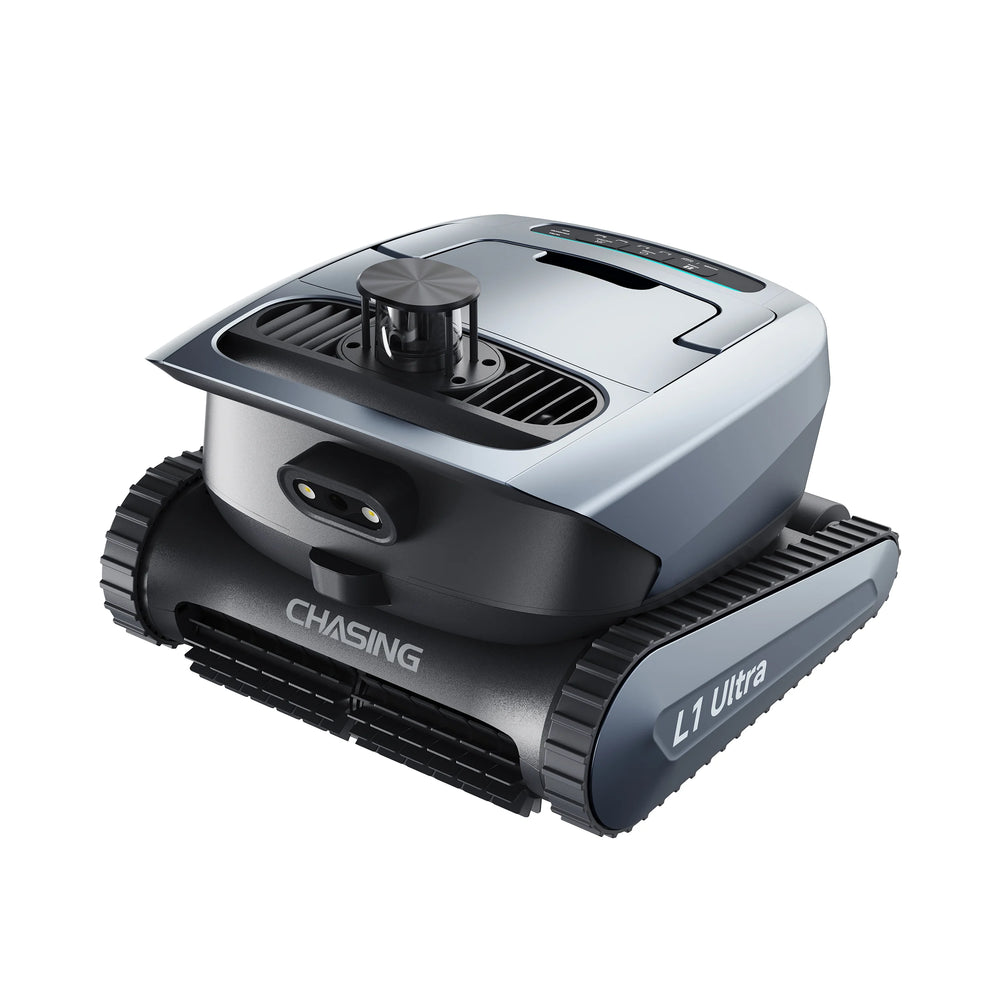 vs
CHASING L1 Ultra vs Beatbot AquaSense 2 Ultra: Which Should You Buy?
The shared Ultra name hides different jobs. L1 Ultra offers LiDAR/vision mapping and a wireless charging dock for underwater cleaning. AquaSense 2 Ultra also collects floating debris. We'd settle that surface-cleaning need before comparing mapping, filters or battery headlines.
Read the guidevsCHASING L1 Ultra vs Dreame Z1 Pro
CHASING advertises a five-hour Eco runtime on the L1 Ultra. The Z1 Pro has a separate light remote for steering and spot cleaning. The choice depends on whether you want a longer scheduled clean or direct control over a trouble spot.
Read the guidevsCHASING L1 Ultra vs Hydro 3S: Is the Upgrade Worth It?
We'd pay extra for L1 Ultra if its mapping, pickup routine and charging dock would make pool care easier. Hydro 3S already offers app control and separate cleaning modes, so the decision needs more than an AI label or the longest runtime on the page.
Read the guideCorded vs Cordless Robotic Pool Cleaners: Which Should You Buy?
A cable trades charging breaks for a power-box and cable routine beside the pool. Cordless trades that cable for lifting, charging and battery planning. We'd choose by the pool's layout and how you actually use it, then compare the filters and cleaning jobs separately.
Read the guideWhy Won’t My Cordless Pool Cleaner Charge?
First separate a cleaner that will not charge from one that charges and then runs for less time than expected. Save the lights and app message before changing anything. We'd check the exact charger, approved charging conditions and model-specific instructions before assuming the battery needs replacing.
Read the guideCordless pool cleaner short runtime: Check the cycle before blaming the battery
A shorter selected cycle, incomplete charge, loaded basket and genuine fault can all look like a weak battery. Record the mode and the stopping behavior before comparing the run with an advertised maximum.
Read the guideHow to Store a Cordless Pool Cleaner for Winter
The last pool clean isn't quite the end of the job. Before putting a cordless robot away, make room to drain, clean and dry it, then check its own battery instructions. A damp cleaner in a closed box is a poor start to the off-season.
Read the guideDo Robotic Pool Cleaners Need Wi-Fi to Clean?
Some can start ordinary cleaning from onboard buttons without Wi-Fi on every run. The app still has a separate role in setup, customization and updates. We'd check the exact model's offline controls before buying for a pool with weak signal, then plan retrieval without relying on a live underwater connection.
Read the guideDoes a robotic pool cleaner replace the pool filter? Plan for both jobs
A robot collects debris in its own basket, which can reduce the manual cleaning chore. The pool still needs its normal circulation, filtration and water-care routine. Here is how to decide which problem you actually need to solve.
Read the guideDo you need a pool-cleaner caddy? Check the lift and the route to storage
A trolley can make a repeated walk easier, but the cleaner still has to come out of the water. Check the coping, steps, storage route and exact accessory before paying for a caddy or a bundle.
Read the guide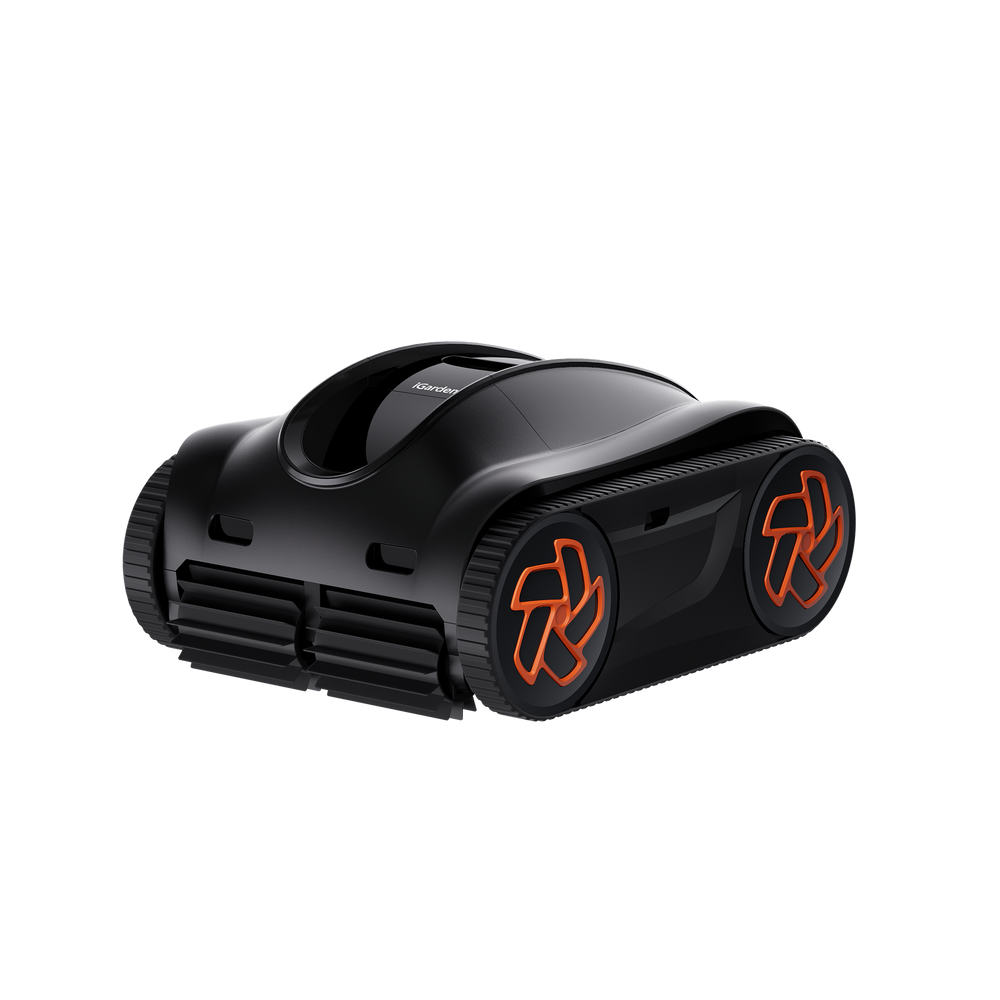
Do You Need an Ultra-Fine Filter for Your Robotic Pool Cleaner?
A finer filter is worth investigating when the robot collects the leaves but leaves smaller dirt behind. First check the exact part, whether it's included and which cleaning modes allow it. On some models, adding the finer layer also changes the recommended routine.
Read the guide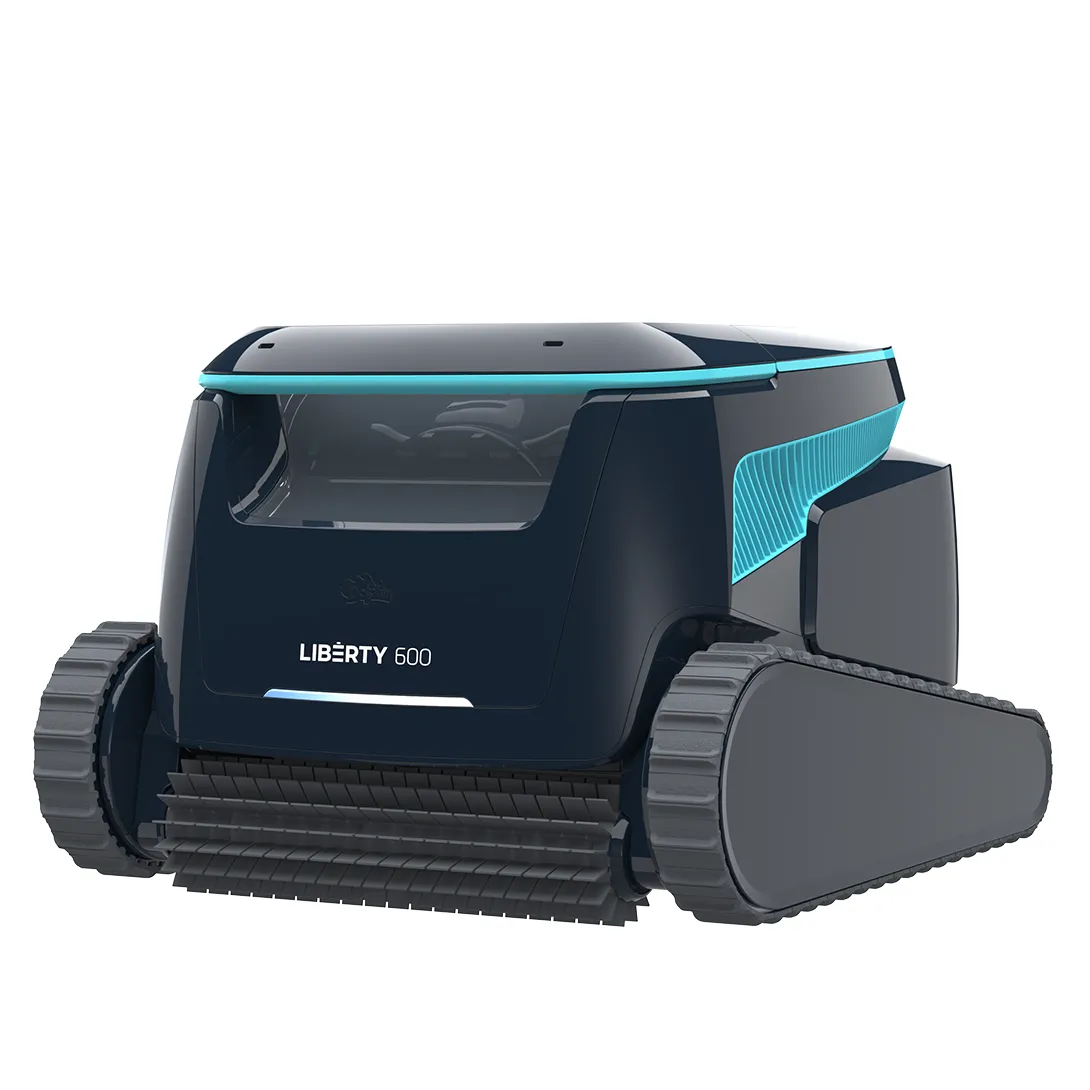 vs
Dolphin Liberty 400 vs 600: Which fits your pool?
Liberty 600 raises the stated pool-length limit and changes the app and standard filter arrangement. Both cordless models already list floor, wall and waterline cleaning.
Read the guidevsDolphin Liberty 600 vs Beatbot Sora 30: Filters, pickup and pool fit
Both clean underwater without a mains cable trailing to the pool. The included filter package and the pickup routine are better starting points than the longest runtime claim.
Read the guidevsDolphin Liberty 600 vs BWT AQUABOT Pro: Filters, floating batteries and pickup
Both list underwater cleaning for pools up to 50 feet. BWT’s floating battery and short tether make the handling routine a useful starting point.
Read the guidevsDolphin Nautilus CC Plus vs Wi-Fi: What changes?
The Wi-Fi version adds MyDolphin Plus and a weekly timer. Both still describe floor-and-wall cleaning, and the exact part number matters more than the shared name.
Read the guidevsDolphin Nautilus CC Plus vs CC Pro: Do you need waterline cleaning?
CC Pro explicitly adds waterline cleaning and app features. Check the exact part numbers, because CC Plus and CC Plus with Wi-Fi are separate catalog models.
Read the guide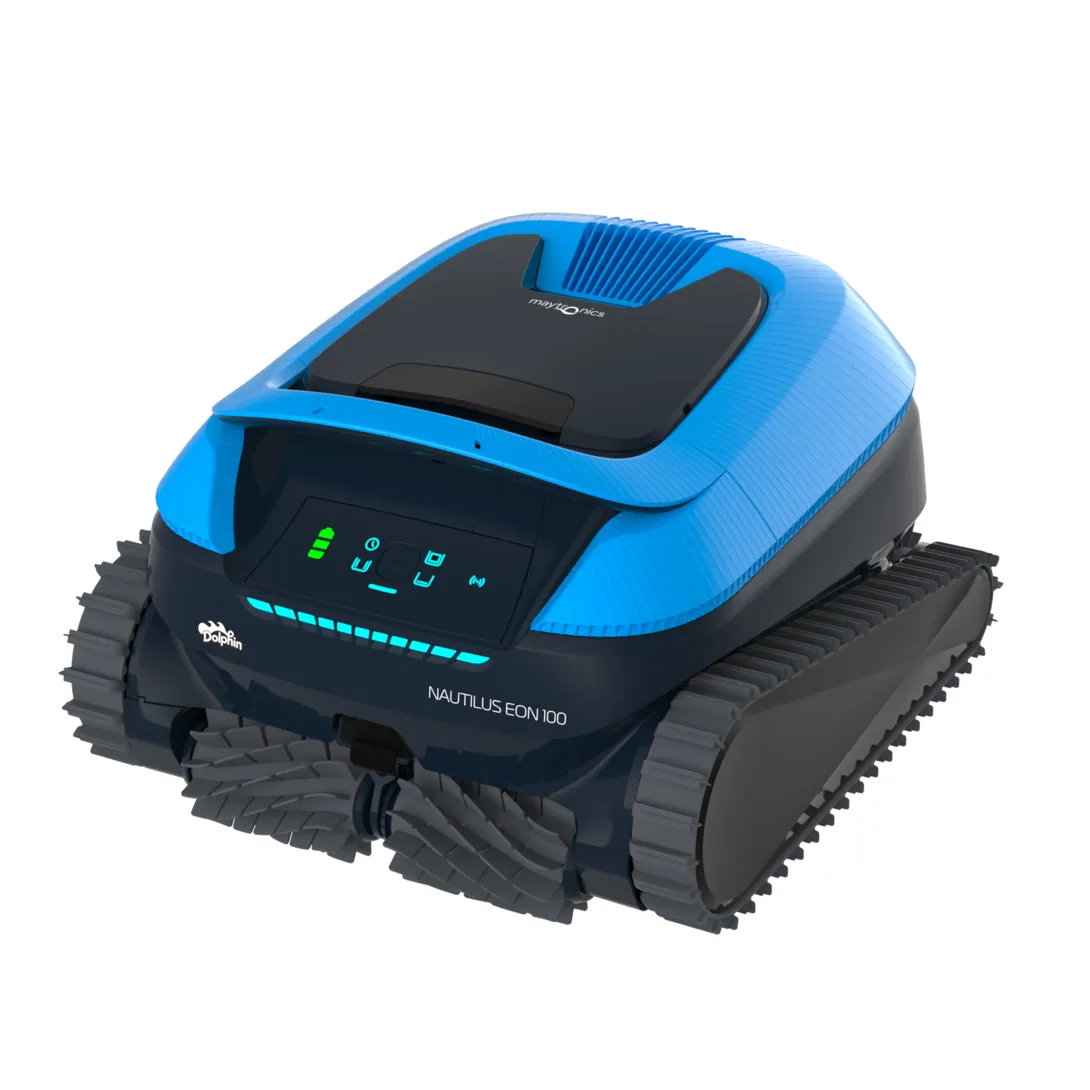
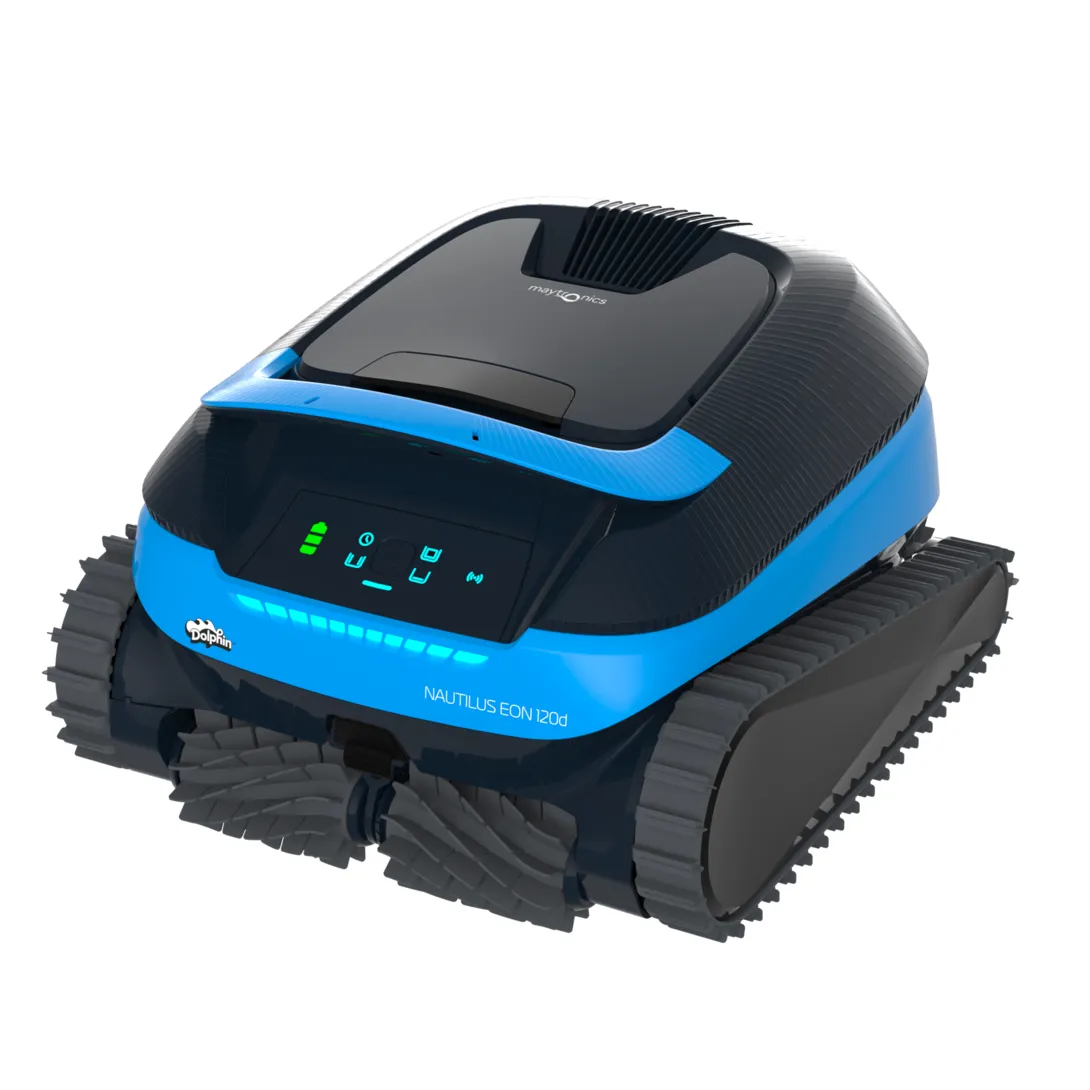 vs
Dolphin Nautilus EON 100 vs 120d: Is backwash worth paying for?
Both EON models list the same pool-length limit and broad cleaning areas. EON 120d changes the filter system and advertises a longer cleaning schedule between charges.
Read the guidevsDolphin EON 100 vs Aiper Scuba S3: Match the filter and shallow-area job
Both list floor, wall and waterline cleaning, but their filter descriptions and pool-fit claims differ. EON’s week-based schedule and S3’s Eco duration also describe different things.
Read the guidevsDolphin Nautilus EON 120d vs Beatbot AquaSense 2
The EON 120d has a backwash filter and a stated 50-foot pool limit. The AquaSense 2 offers longer advertised floor cleaning and parks at the surface. Start with the pool you have and how you want to empty and retrieve the cleaner.
Read the guidevsDolphin EON 120d vs Liberty 600: Backwash, filter kits and the work left afterward
Both exact models list a 50-foot pool limit and the Maytronics One app. The useful comparison is the filter-care routine, supported pool geometry and actual package—not the longest week-based endurance headline.
Read the guidevsDreame Z1 Pro vs Aiper Scuba X1 Pro Max: Which Should You Buy?
Z1 Pro's distinctive feature is its LiFi handheld remote for underwater control. X1 Pro Max adds floating-debris cleaning and a larger stated pool allowance. We'd settle the jobs and control method you want before comparing two very different runtime headlines.
Read the guidevsDreame Z1 Pro vs Beatbot Sora 70: Which Pool Cleaner Should You Buy?
These robots offer different reasons to spend: Z1 Pro has a handheld remote for underwater communication, while Sora 70 adds surface skimming. We'd decide which job or control feature you actually want before comparing their area and runtime headlines.
Read the guide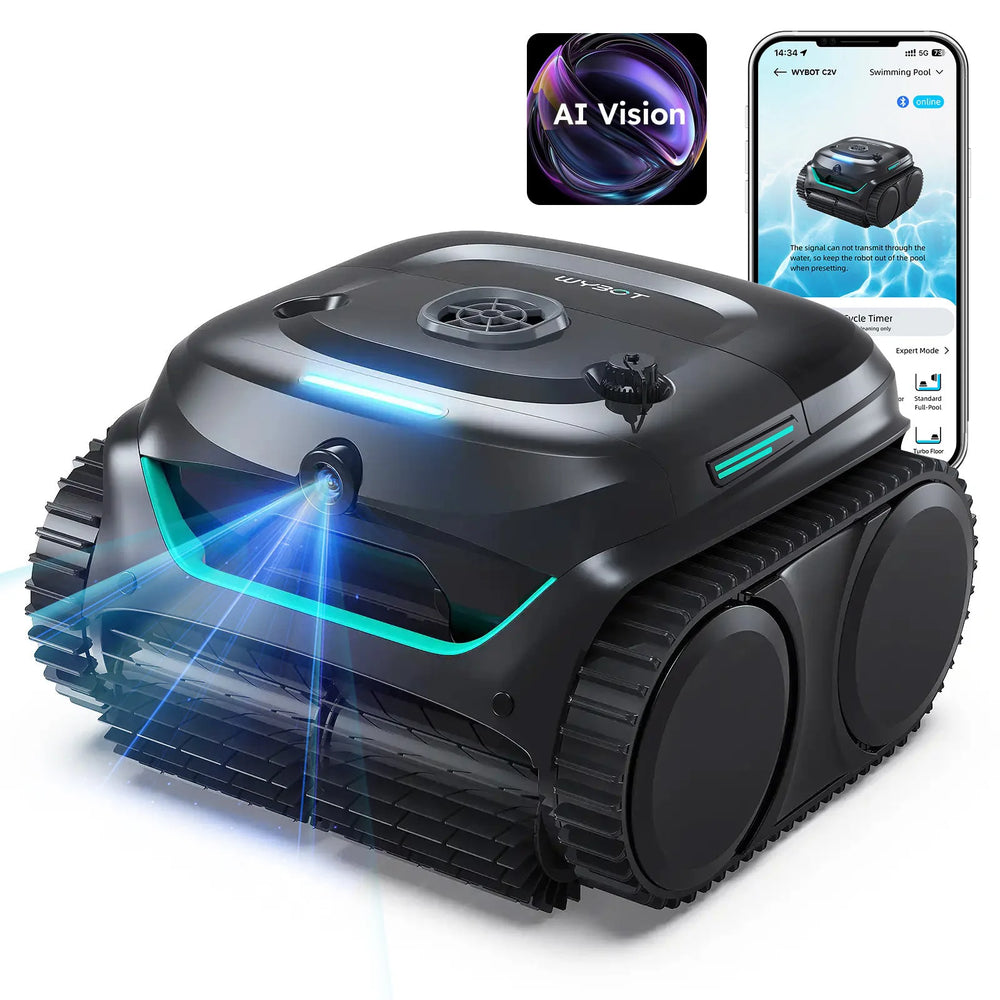 vs
Dreame Z1 Pro vs WYBOT C2 Vision: Handheld control or autonomous floor targeting?
A handheld underwater remote and a camera-led floor mode solve different problems. Compare the dirt you want removed, the fitted filter and the actual pickup routine before choosing either feature.
Read the guidevsDreame Z1 vs Aiper Scuba S3: Which Pool Cleaner Should You Buy?
Z1 lists the larger pool allowance; S3 documents a finer filter. Both clean the floor, walls and waterline. We'd choose around the pool's dimensions and usual dirt, then compare the actual cleaning mode and lift-and-charge routine.
Read the guidevsDreame Z1 vs Z1 Pro: Is the Upgrade Worth It?
The clearest reason to consider Z1 Pro is its LiFi handheld remote for underwater communication. We'd also check its higher area rating, while keeping the shared filter and charging specifications in perspective.
Read the guidevsECOVACS Ultramarine P1 vs Aiper Scuba S3: Which Should You Buy?
Both advertise 180 + 3 μm filtration, so the filter number isn't enough to choose between them. We'd look next at pool size, waterline cleaning and the cleaning mode you expect to use, then check the exact filter package and pool finish.
Read the guidevsECOVACS ULTRAMARINE P1 vs Dreame Z1: Which Pool Cleaner Fits?
The stated pool areas are close, but P1 lists a finer inner filter while Z1 explicitly describes waterline cleaning. Both runtime headlines need their Eco conditions attached. We'd start with the dirt and pool features you need cleaned, then check filters, controls and handling.
Read the guide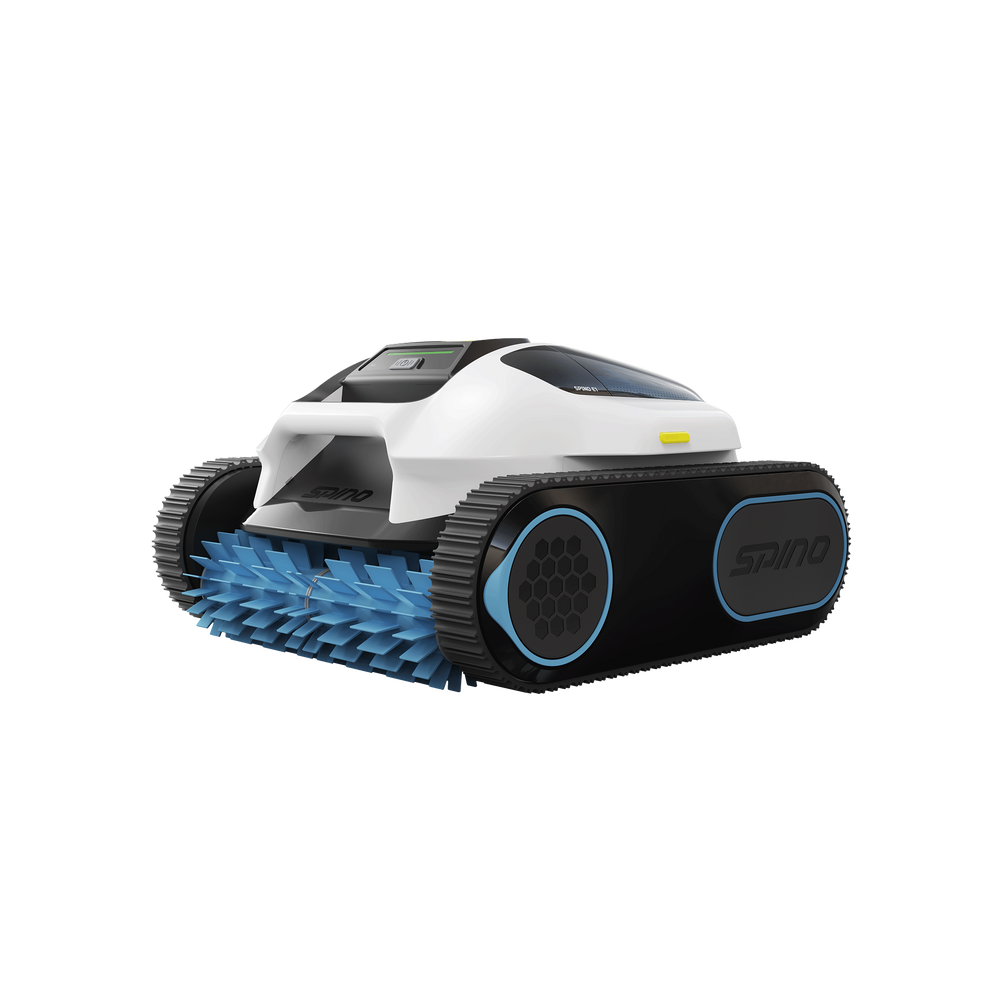 vs
ECOVACS Ultramarine P1 vs Mammotion SPINO E1: Which Should You Buy?
P1 lists a larger pool area and a finer dual-layer filter. SPINO E1 gives a clearer waterline-cleaning description and separate floor/wall duration claims. We'd settle the required jobs and pool fit before comparing two runtime figures that use different modes.
Read the guide
How Often Should You Run a Robotic Pool Cleaner?
A useful schedule keeps up with the debris without turning every available hour into another cleaning cycle. We'd start with the pool's normal use, check what remains after a run and adjust the mode and frequency from there. The robot's timer isn't a maintenance plan by itself.
Read the guideHow to Choose the Right Mode for Your Robotic Pool Cleaner
Choose the part of the pool that needs cleaning before selecting the longest program. AquaSense 2 and Ultra give Floor and Standard modes different jobs; Ultra also has Pro and Custom controls. The same word or button sequence doesn't necessarily mean the same thing on another cleaner.
Read the guideHow to Clean a Robotic Pool Cleaner’s Filter, Brushes and Tracks
Emptying the basket is the first job, but don't stop there if hair or grit is caught around the brushes and tracks. A few checks after a clean are easier to fit into the routine than packing a dirty robot away and wondering why the next session isn't going well.
Read the guideHow to Get a Cordless Pool Cleaner Out of the Pool
Work out the pickup routine before the cleaner is sitting at the bottom. A retrieval hook, surface parking and an app return button do different jobs. Here's how we'd plan the reach, timing and handling, using exact Dreame, Beatbot and CHASING examples.
Read the guideHow to measure your pool for a robotic cleaner: Length, area, shelves and cable reach
A pool-length rating, a square-foot allowance and a cable length describe different things. Make one simple pool sketch, then use each measurement for the question it actually answers.
Read the guideHow to transport a robotic pool cleaner
The trip starts before the cleaner reaches the car. Retrieve it properly, drain and care for it, then pack it so the machine and its accessories are supported. A wet robot should not become loose luggage.
Read the guideHow to Use a Robotic Pool Cleaner for the First Time
Do the setup on dry land before lowering the cleaner into the pool. Read the exact manual, check the supplied parts, charge it correctly and pair the app while the robot is still easy to reach. Then choose the task and follow its own launch procedure. AquaSense 2 and Ultra are the examples here, with their steps kept model-specific.
Read the guidevsiGarden K-AI 50 vs K-AI 70: Is the Extra Runtime Worth It?
K-AI 70's headline gives you two extra floor-only hours, but the full-coverage difference is one hour. Both list the same physical pool dimensions and basket capacity. We'd choose by the cleaning mode you will use and the charging routine, rather than assume 70 is for a longer pool.
Read the guide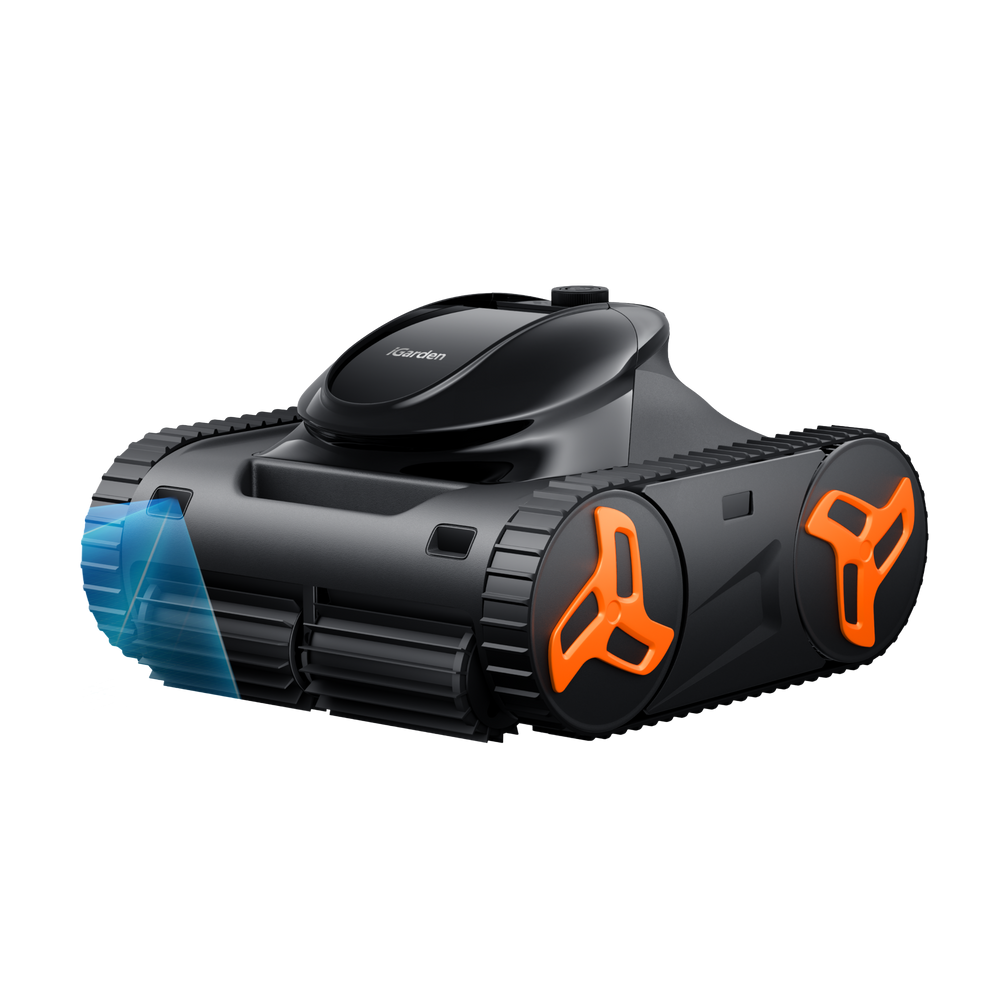 vs
iGarden K-AI 50 vs KN-AI 40: Which Pool Cleaner Should You Buy?
Both add vision-based cleaning features, but the pool dimensions, basket and filter routine give you more useful ways to choose. We'd check those first, then decide whether K-AI 50's longer stated floor session would help. A shared AI label isn't a same-pool performance comparison.
Read the guidevsiGarden K-AI 70 vs Aiper Scuba V3
K-AI 70’s seven-hour headline belongs to floor cleaning. Scuba V3 uses a different set of runtime claims. Start with pool dimensions, the mode you use and the filter allowed for that job before comparing endurance.
Read the guidevsiGarden K-AI 70 vs Beatbot Sora 30: Compare the job before the runtime
K-AI 70 adds camera-guided floor targeting and a finer floor-filter layer. Sora 30 offers a different basket and runtime package, but its surface parking does not collect floating leaves.
Read the guidevsiGarden K-AI 70 vs M1-AI 90: Is the Longer Runtime Worth It?
M1-AI 90 advertises nine hours on the floor, compared with K-AI 70's seven. Both use dual-camera navigation and clean underwater floors, walls and the waterline. We'd check the mode, pool dimensions and filter arrangement before paying for two more headline hours.
Read the guide
 vs
iGarden K Pro 100 vs K Pro 150: Is the Extra Runtime Worth It?
K Pro 150's longer sessions are useful only if your pool needs them. We'd compare the cleaning mode you intend to use, the charging routine and the filter care before paying for the extra hours. The 10- and 15-hour headlines belong to floor-only cleaning.
Read the guide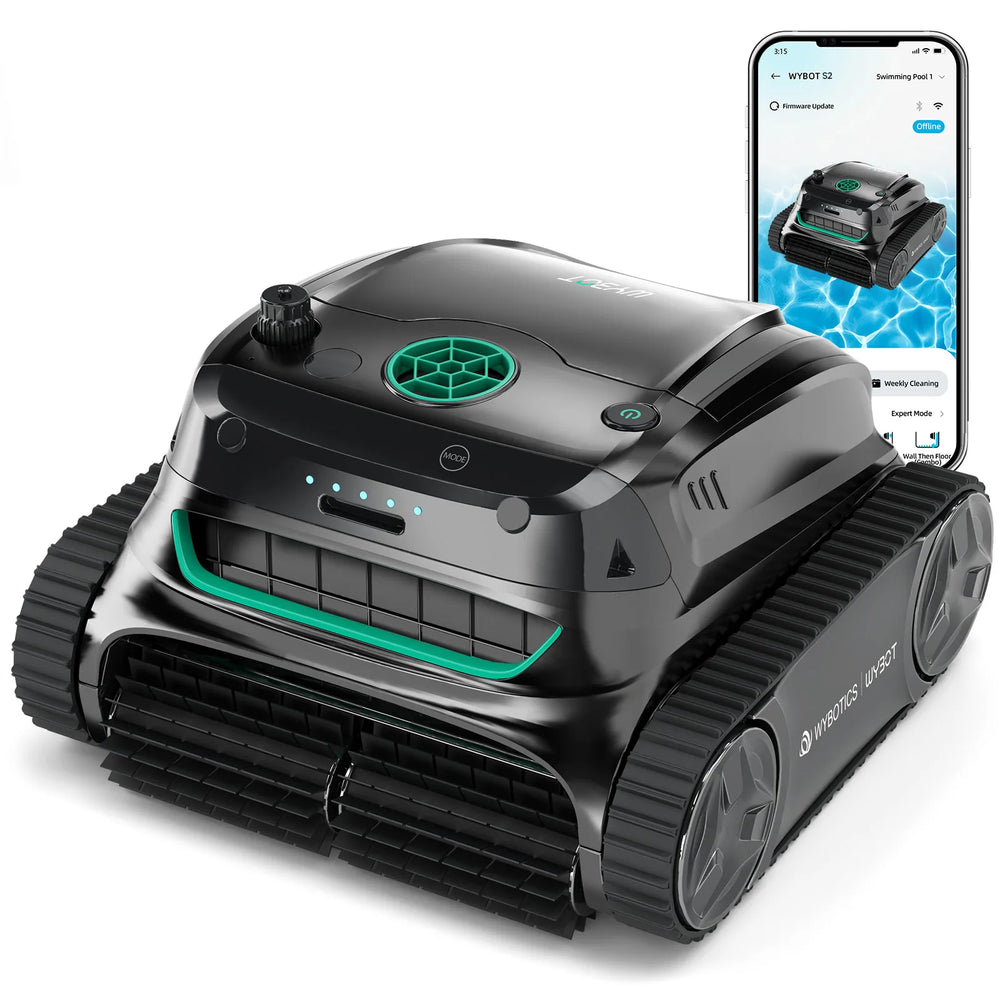 vs
iGarden K Pro 100 vs WYBOT S2: Long cleaning runs or a quicker recharge?
K Pro 100 lists ten hours floor-only and six hours full coverage, followed by about nine hours to charge. Standard S2 advertises up to 210 minutes and a three-hour recharge. Plan the whole routine before choosing from the largest runtime number.
Read the guidevsiGarden K Pro 150 vs Beatbot Sora 70: Long floor runs or floating leaves?
K Pro 150’s longest duration refers to floor cleaning. Sora 70 adds surface skimming with its own separate runtime. Choose the cleaning job first, then check the exact pool and delivered filter package.
Read the guide vs
iGarden K Pro 150 vs M1-AI 160: Which Pool Cleaner Should You Buy?
Fifteen hours versus sixteen sounds like a close battery contest, but those are floor-only claims. The more useful questions are whether you want M1-AI's camera features, which pool the exact model fits, and how the filters and charging fit your week. We'd settle those before paying for the longest number.
Read the guidevsiGarden K36 vs Beatbot Sora 10
Compare the cleaning mode beside the runtime. K36 lists 3.6 hours for the floor and 2.25 for full coverage; Sora 10 lists up to five and four hours respectively. Pool dimensions and the supplied filter still come first.
Read the guidevsiGarden K36 vs K40 vs K70 vs K90: Which Should You Buy?
The longest runtime isn't always the most useful one. We'd choose a K-series cleaner around the cleaning mode your pool needs, the time available for charging and how often you empty the basket. The 3.6-, four-, seven- and nine-hour headlines all describe floor-only cleaning.
Read the guide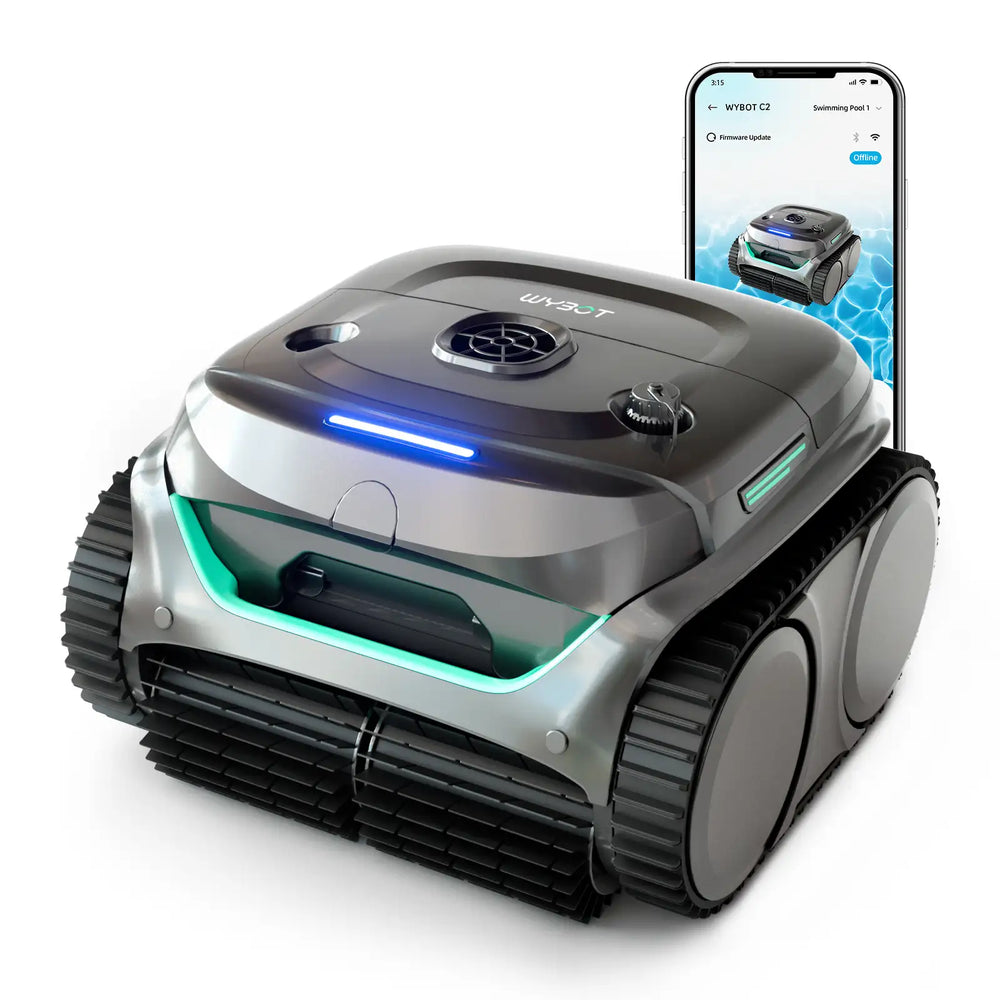 vs
iGarden K36 vs WYBOT C2 2026: Compare the pool and the fine filter
K36 specifies a physical pool envelope and a 50-micron fine stage. The 2026 C2 lists an area recommendation and a 10-micron element. Keep the exact filter package and mode qualifications beside the runtime numbers.
Read the guidevsiGarden K40 vs Aiper Scuba S3: Which Pool Cleaner Should You Buy?
Both have four-hour headlines, but the modes and filters differ. K40's figure is floor-only and its optional finer layer has a floor-mode restriction. S3 gives separate Standard and Eco durations with a documented 3 μm fine layer. We'd keep those details beside the pool's actual fit.
Read the guide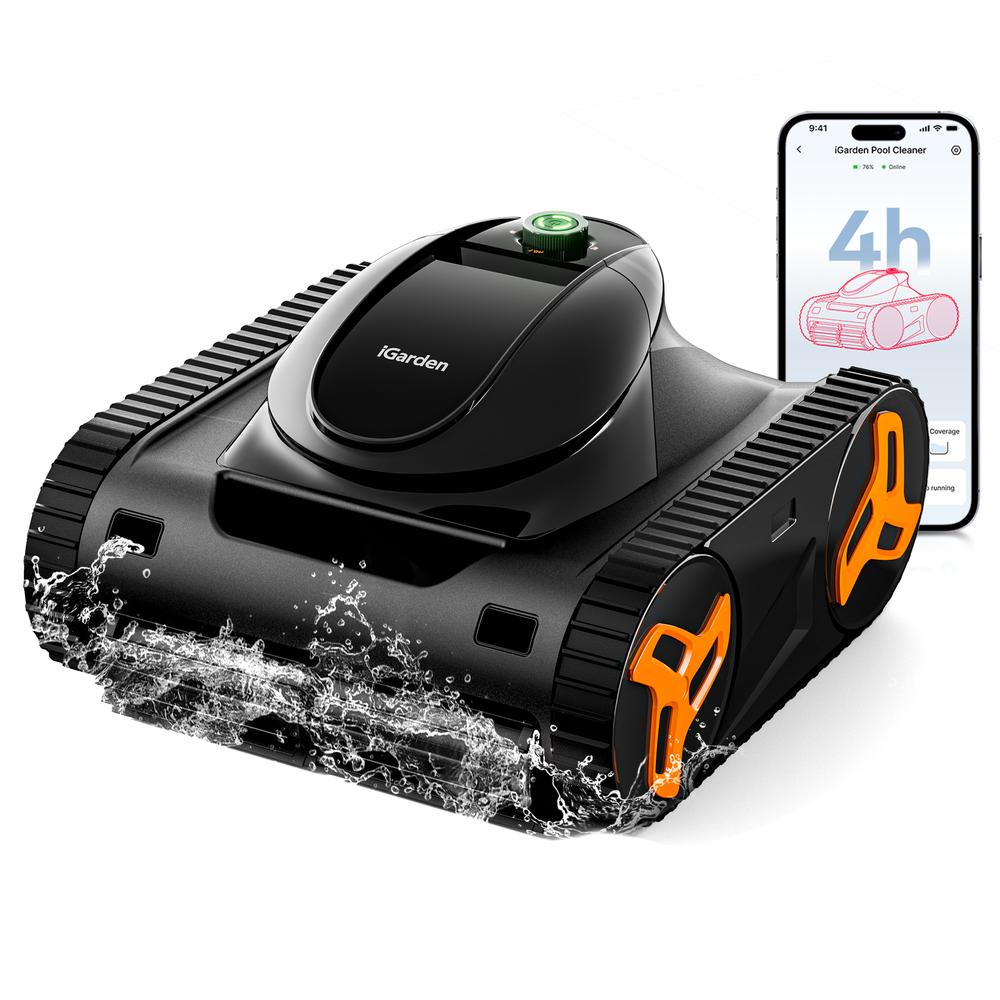 vs
iGarden K40 vs KN40: Which Pool Cleaner Should You Buy?
Both advertise four-hour endurance, but that doesn't settle the cleaning mode or the filter you should use. We'd start with the dirt in the pool, check K40's finer-filter restrictions, then compare the exact KN40 package and full-cleaning routine.
Read the guidevsiGarden K70 vs Aiper Scuba X1 Pro Max: Which Should You Buy?
K70 concentrates on underwater cleaning with a long floor-only runtime. X1 Pro Max also collects floating debris and lists a different pool-size allowance. Start with the job you want done: seven floor hours and twelve skimming hours don't describe the same clean.
Read the guidevsiGarden K90 vs Beatbot AquaSense 2: Longer floor runtime or surface parking?
K90 publishes nine hours in floor mode and a shorter full-coverage duration. AquaSense 2 lists four floor-only hours, a wireless dock and surface parking. Start with the pool and filter package before choosing around the largest number.
Read the guidevsiGarden K90 vs Beatbot Sora 30
K90’s nine-hour headline is a floor-mode figure. Once you compare full cleaning modes, the gap to Sora 30 is much smaller. Pool dimensions and the supplied filter may matter more.
Read the guidevsiGarden K90 vs K Pro 100: Is the Pro Upgrade Worth It?
K Pro 100 adds an hour to K90's floor-only headline and lists more time in full coverage. It also takes much longer to charge. Both keep a four-liter basket. We'd compare the cleaning mode and recharge routine before paying for Pro, then confirm the exact pool fit and filter package.
Read the guidevsiGarden KN-AI 40 vs Beatbot Sora 10: Floor targeting or a larger basket?
KN-AI 40 adds a camera-targeting stage after its floor pass and lists a 32.8-foot pool length. Deep Blue Sora 10 lists a larger basket and longer floor-only endurance. Physical fit and the recurring debris should come before the AI label.
Read the guidevsiGarden KN-AI 40 vs WYBOT C2 Vision: Check the pool and camera mode
Both advertise camera-assisted cleaning, but their size limits, filters and runtime qualifications differ. Start with the exact pool and the job you want the camera mode to do before comparing battery or speed headlines.
Read the guidevsiGarden KN35 vs Aiper Scuba S1: Compare the mode, filter and pool fit
KN35’s three-and-a-half-hour claim is floor-only. Aiper lists separate Standard and Eco figures for S1. Keep those conditions, the different area descriptions and the exact supplied filters beside the model names.
Read the guidevsiGarden KN35 vs K36: Look Beyond the Runtime Difference
The floor-only headlines differ by just six minutes: 3.5 hours for KN35 and 3.6 for K36. Basket size, finer-filter options, charging and handling are more useful things to compare. We'd check the actual pool and selected package before treating either entry model as an automatic fit.
Read the guidevsiGarden KN35 vs KN40 vs KN55 vs KN60: Which Size Should You Buy?
The current US store selector lists KN35, KN40 and KN60. KN55 still appears in older page versions and owner references, which makes the range easy to misread. We'd choose among the confirmed configurations by the cleaning routine, charging time and exact pool fit, not just the largest number.
Read the guidevsiGarden KN40 vs Beatbot Sora 10
These cordless cleaners both cover the floor, walls and waterline. The more useful differences are how long each mode runs, what comes in the basket, and whether the pool meets the physical limits.
Read the guidevsiGarden KN40 vs 2026 WYBOT C1: Check the mode behind the runtime
KN40 lists a four-hour floor-only run and a 3.2L basket. Gray 2026 C1 lists up to 150 minutes and a 1,615-square-foot pool recommendation. The runtime labels and pool-fit information answer different questions.
Read the guide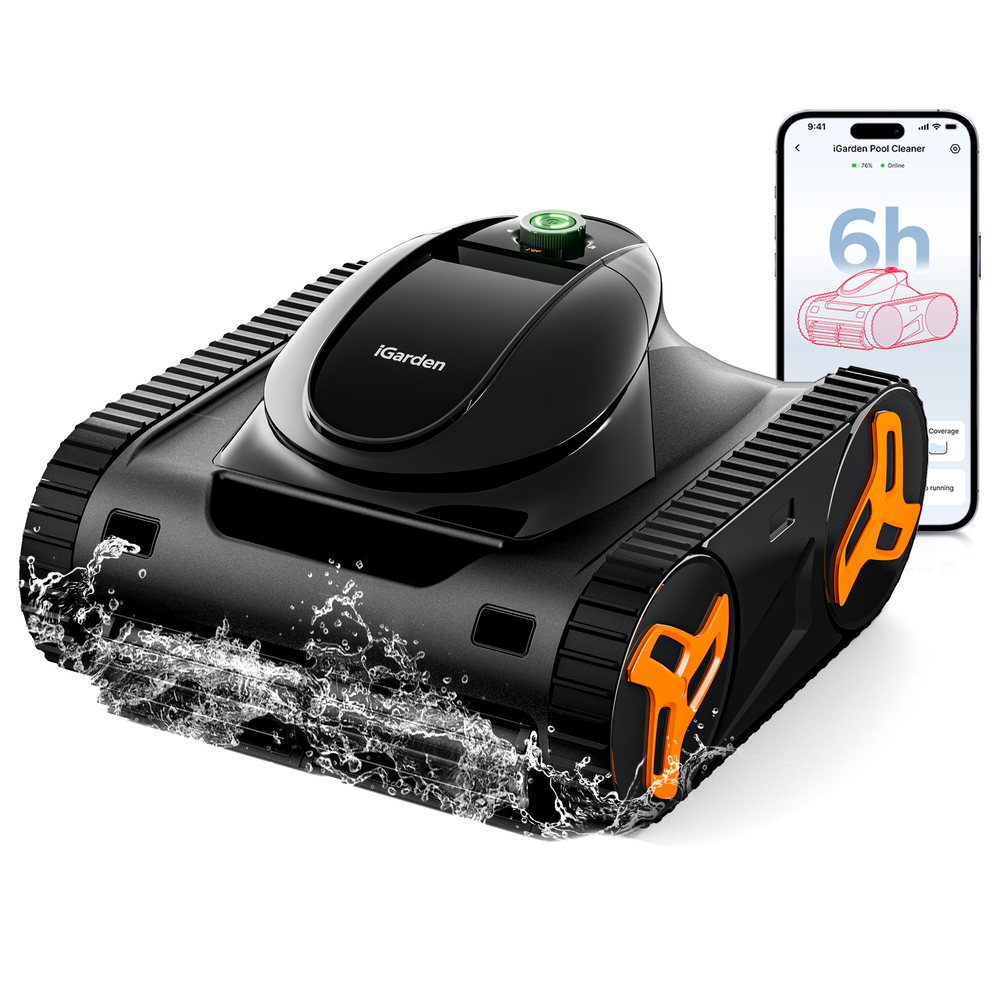 vs
iGarden KN60 vs Beatbot Sora 30
The KN60 advertises six hours on the floor. Beatbot lists a shorter floor run for the Sora 30, a separate duration for full cleaning and a quicker recharge. Think about the surfaces you clean and how soon you need the robot ready again.
Read the guidevsiGarden KN60 vs CHASING Hydro 4 Battery: Compare the whole power arrangement
KN60 keeps its battery inside the robot. Hydro 4 Battery Mode uses a floating battery buoy and tether. That handling difference matters alongside floor-mode runtime, filter space and the exact pool recommendation.
Read the guidevsiGarden KN60 vs K70: Which Pool Cleaner Should You Buy?
K70's extra stated floor hour isn't the only difference. It lists a larger basket, a different filter arrangement and a shorter charge. We'd compare the intended cleaning mode and confirm the pool fit first, because KN60's six-hour headline doesn't establish six hours of every job.
Read the guide vs
iGarden M1 AI 125 vs AquaSense 2 Ultra: Long floor runs or surface skimming?
M1 AI 125 offers camera-guided underwater cleaning and a 12.5-hour floor-mode claim. AquaSense 2 Ultra adds surface skimming with different runtime figures for different tasks. Decide where the debris collects before comparing the batteries.
Read the guidevsiGarden M1 AI 160 vs Aiper Scuba X1 Pro Max: Floor endurance or surface work?
M1 AI 160’s long runtime refers to floor mode. X1 Pro Max lists separate floor, wall, Eco and surface-skimming durations. Decide which job matters, then check pool length, handling and the exact offer.
Read the guide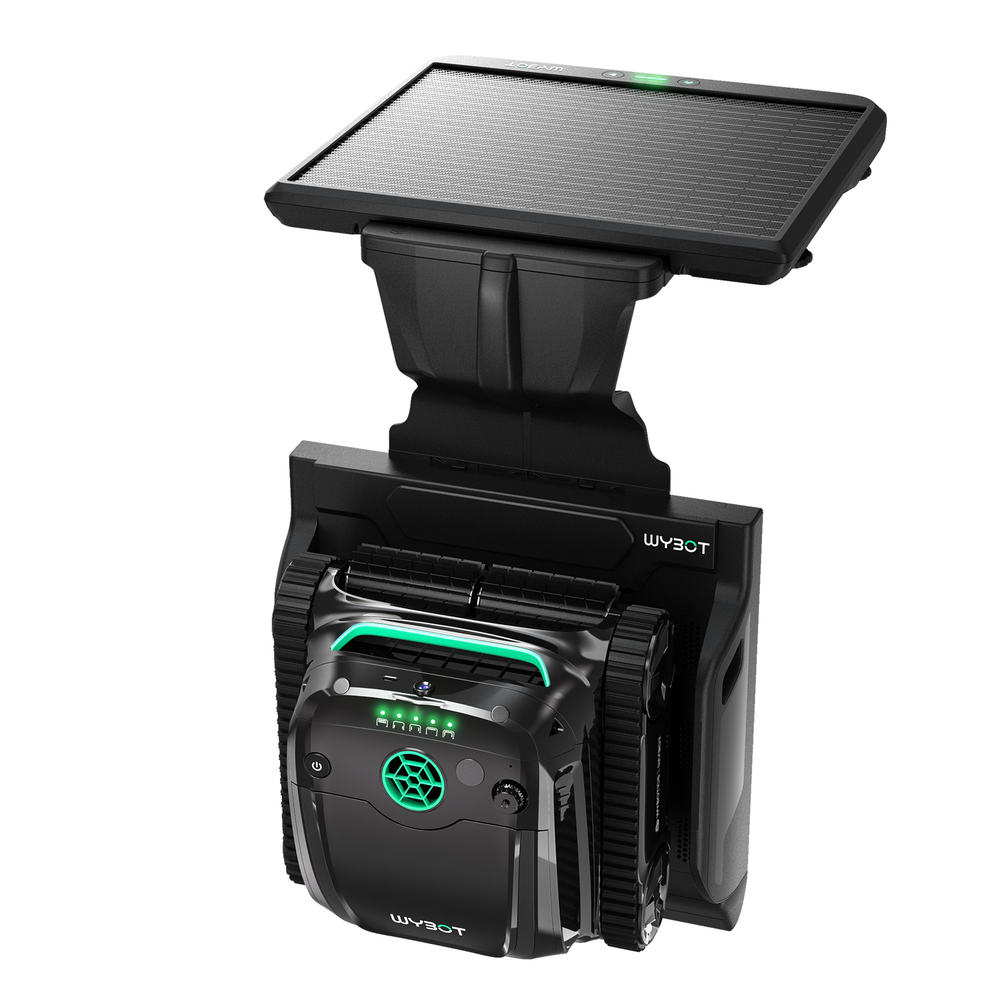 vs
iGarden M1-AI 160 vs WYBOT S2 Solar Vision
M1-AI 160 puts the emphasis on a long floor session between plug-in charges. S2 Solar Vision asks you to plan around a charging dock and sunlight. That difference matters more than an AI badge.
Read the guidevsiGarden M1-AI 45 vs 90 vs 125 vs 160: Which Should You Buy?
We'd choose an M1-AI around pool size and the cleaning schedule you want, rather than automatically buy the longest-running model. The big numbers are floor-mode claims, and the 160 doesn't increase the stated maximum pool length over the 125.
Read the guidevsiGarden M1-AI 45 vs Beatbot Sora 10: Check the pool before the runtime
M1-AI 45 combines camera-guided cleaning with a 29.5-foot pool-length limit. Sora 10 lists a larger floor-cleaning coverage claim and a different basket. Compare the actual pool, cleaning mode and filter package before the battery headlines.
Read the guidevsiGarden M1-AI 45 vs Dreame Z1
M1-AI 45 has a 29.5-foot pool limit and a 4.5-hour floor-mode claim. Z1 gives an area figure and a headline of over 180 minutes. Check length, the actual mode and the filter package before comparing those durations.
Read the guidevsiGarden M1-AI 90 vs Dolphin Liberty 600
A nine-hour headline is tempting, but pool length can settle this comparison first. Then look at the filter package, the actual cleaning mode and how each cleaner fits your routine.
Read the guidevsiGarden M1-AI 90 vs WYBOT C2 2026
M1-AI 90’s nine-hour claim belongs to floor mode. WYBOT gives C2 up to 180 minutes in Eco. Before choosing the larger battery headline, check pool length, the cleaning job and the filter supplied with the exact model.
Read the guidevsMammotion SPINO E1 vs Aiper Scuba X1: Which Should You Buy?
X1 has the larger stated pool allowance, a wireless charging dock and a documented finer-filter option in its included system. SPINO E1 has a shorter listed charge time. We'd compare pool fit and the ordinary lift, clean and charge routine before the runtime headlines.
Read the guidevsMOVA Diver A10 vs Aiper Scuba S3: Which suits your pool?
Both list floor, wall and waterline cleaning with fine-filtration claims. Compare pool fit and the actual modes before treating their four-hour headlines as equivalent.
Read the guidevsMOVA Diver A10 vs Dreame Z1: Which suits the dirt in your pool?
Both list similar pool-area allowances and the main underwater cleaning jobs. The filter arrangement and the modes behind the runtime claims deserve a closer look.
Read the guidevsMOVA Diver A10 vs Rover X10: Do you need surface skimming?
Diver A10 cleans the floor, walls and waterline. Rover X10 adds surface skimming and a larger basket, with longer runtime claims tied to particular modes.
Read the guidevsMOVA Rover X10 vs Beatbot AquaSense 2 Ultra: Compare the whole cleaning routine
Both combine underwater cleaning with surface collection. Rover X10 lists a finer replaceable filter and longer mode-specific duration claims; Ultra has a different basket arrangement and charging time. Pool fit and care still matter more than counting cleaning zones.
Read the guidevsMOVA Rover X10 vs Beatbot Sora 70: Compare the surface job and fine-filter package
Both clean floating debris as well as underwater surfaces. Rover X10 lists interchangeable 180- and three-micron filters; Sora 70 includes a 150-micron basket with a separate finer option. Compare the actual filter arrangement and selected mode before the runtime headlines.
Read the guidevsMOVA Rover X10 vs iGarden M1-AI 125
Floating leaves give Rover X10 a different job from M1-AI 125. If the debris is all underwater, compare the actual cleaning modes and pool fit before paying for more advertised coverage.
Read the guide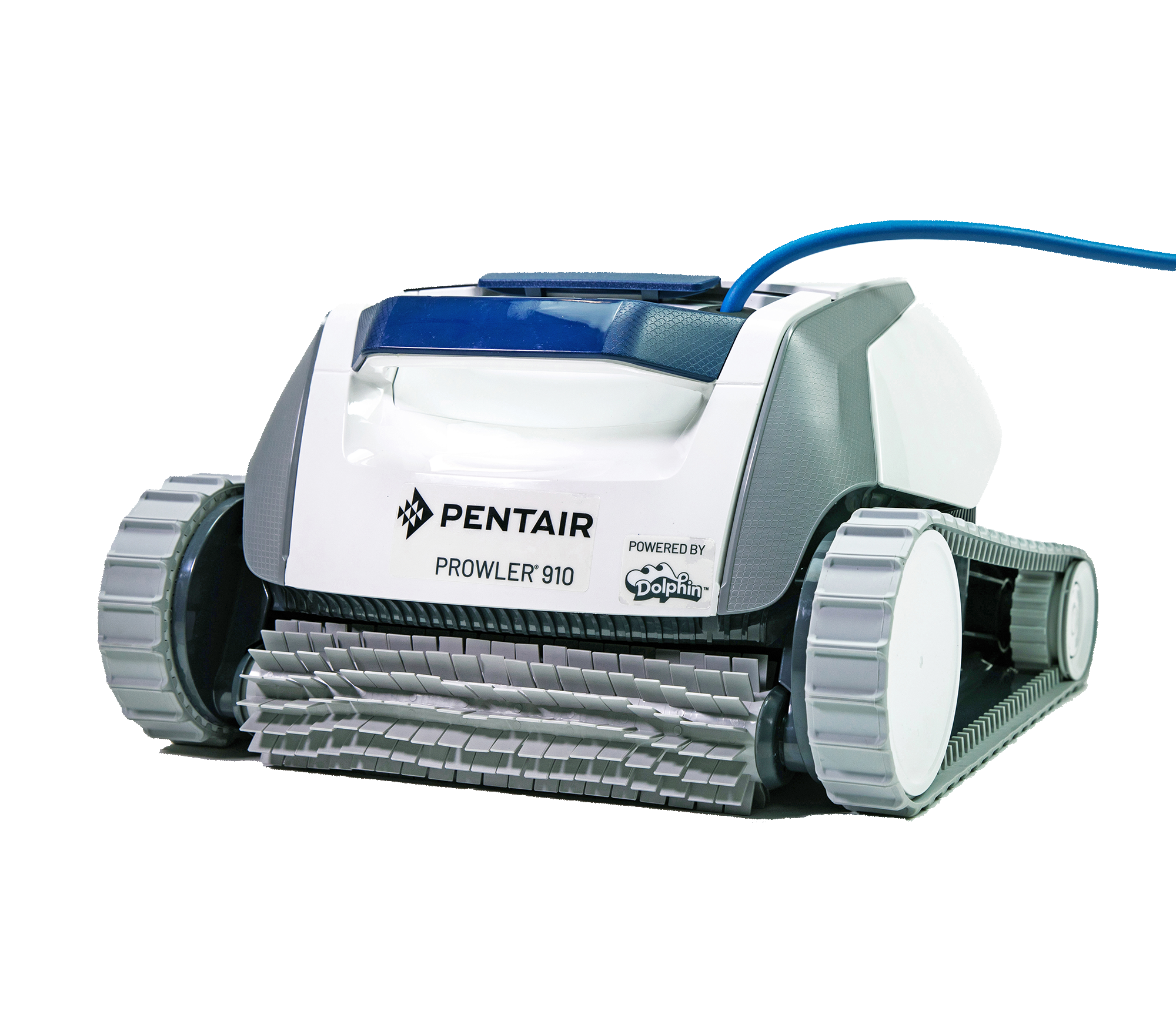
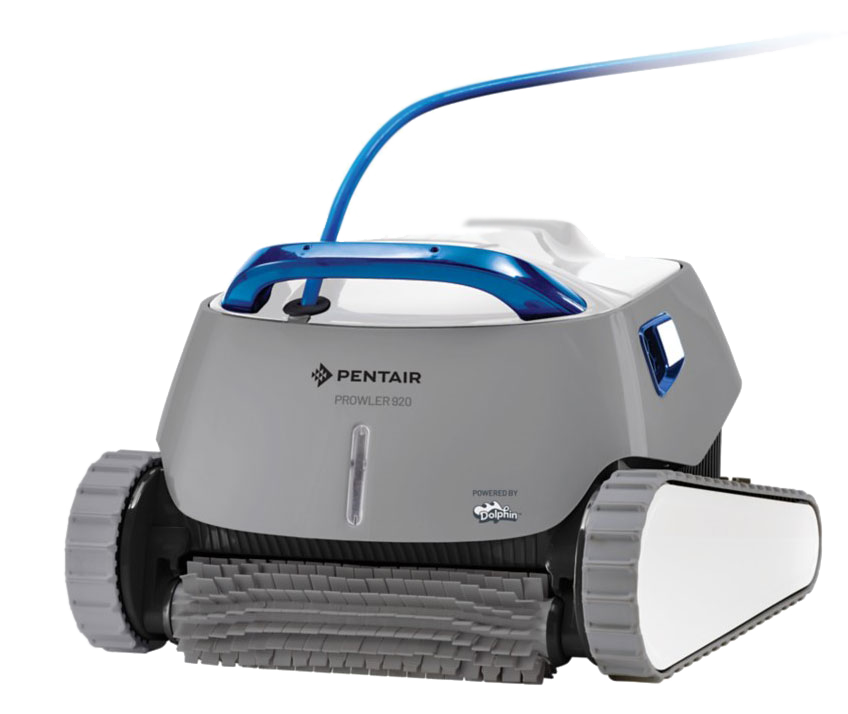
Pentair Prowler 910, 920 and 930W: What discontinued means for owners and buyers
Pentair marks all three models as discontinued. Existing owners need model-specific support and parts information; anyone considering remaining stock needs a clearer answer about the exact unit, warranty and future service.
Read the guide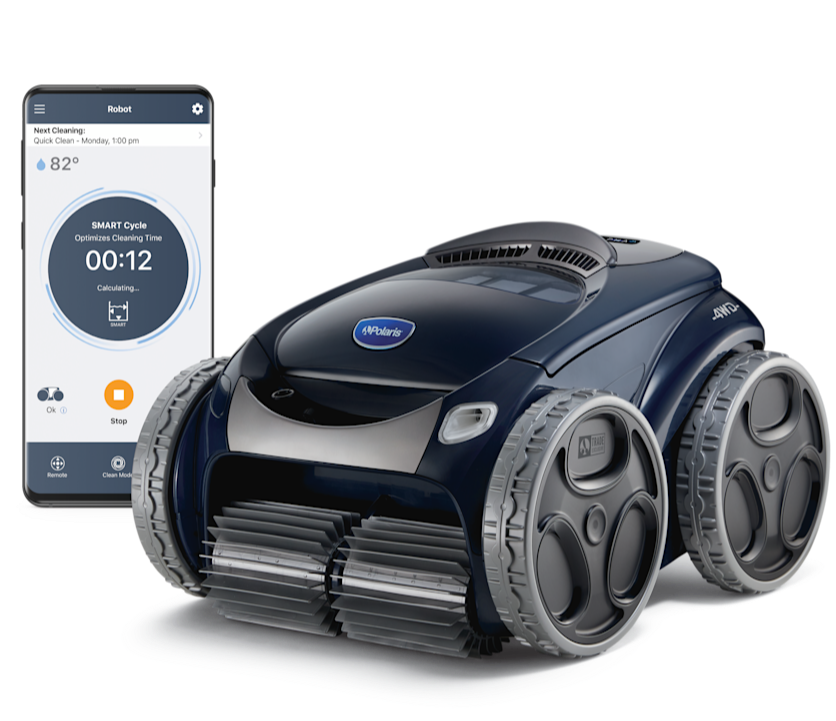 vs
Polaris ALPHA iQ+ vs Dolphin Nautilus CC Plus Wi-Fi: Match the cleaning job
ALPHA iQ+ lists waterline and targeted cleaning modes with an included caddy. The exact CC Plus Wi-Fi table lists floor-and-wall cleaning for pools up to 40 feet. Decide which surfaces need attention before choosing between the app-controlled packages.
Read the guide vs
Polaris Freedom LT vs Dolphin Liberty 400: Compare the filters and pickup
Both describe cordless floor, wall and waterline cleaning. LT adds targeted and Multi-Day modes; Liberty 400 names its supplied filter kits and Click-Up routine. Confirm the whole pool fit before those features decide the purchase.
Read the guide vs
Polaris Freedom Plus vs Freedom LT: Retrieval or scheduling?
Freedom Plus includes a remote and charging caddy. Freedom LT adds multi-day scheduling and uses a different app. Choose around the routine you want at the pool.
Read the guide vs
Polaris VRX iQ+ vs Alpha iQ+: What should decide the purchase?
The current US pages share most headline equipment. Check the exact cleaning programs, filters and dealer package before assuming one name buys a better result.
Read the guidevsPolaris VRX iQ+ vs Dolphin Nautilus CC Pro: Which corded routine suits you?
VRX iQ+ adds targeted programs, an illuminated basket and an included caddy. Nautilus CC Pro lists a two-hour default cycle and a 50-foot pool limit. Compare the complete filter, cable and pickup routine before choosing by app features.
Read the guideThe Best Robot Pool Cleaners for Above-Ground Pools
We'd choose an above-ground pool robot by the actual pool construction, water depth and cleaning jobs, then work out how you'll lift it out. The models here advertise above-ground use, but that broad label doesn't confirm every liner, wall and ladder arrangement.
Read the guideThe Best Robot Pool Cleaners for Fine Dirt and Sand
Check the actual filter before paying for a bigger robot. Sora offers model-matched fine accessories, while Aiper, CHASING and iGarden add other documented filter systems. The supplied package and cleaning routine matter alongside the advertised micron rating.
Read the guideThe Best Robot Pool Cleaners for Large Pools
For a larger pool, we'd start with the floor area and the cleaning jobs you want covered, then check how the cycle and recharge fit around swimming. A long surface-only runtime isn't the same promise as a complete floor, wall and waterline clean.
Read the guideThe Best Robot Pool Cleaners for Leaves and Surface Debris
Start with where the leaves end up. A combined surface-and-underwater cleaner suits one routine; a dedicated skimmer alongside another robot suits another. Beatbot and Aiper now give you both kinds of comparison.
Read the guideThe Best Robot Pool Cleaners for Small Pools
With a smaller pool, we'd check the cleaning jobs, filter and handling before paying for capacity. The choices here now include Aiper's S3 and a corded CHASING option alongside SPINO, Dreame and Sora.
Read the guideWhich Robot Pool Cleaners Can Clean Steps and Sun Shelves?
A shallow-cleaning badge is only useful if the robot fits the space you want cleaned. We'd measure water depth and the usable length and width first, then compare the exact requirements for Sora 30, Sora 70, AquaSense 2 Ultra and Sora 10.
Read the guideThe Best Robot Pool Cleaners for Vinyl-Liner Pools
Start with explicit vinyl compatibility, then look at the condition and shape of your pool. We'd compare the cleaning jobs, size and retrieval routine after that. More sensors or a bigger pump aren't a guarantee that a robot will suit a loose or damaged liner.
Read the guideRobot pool cleaner after heavy rain: Check the pool before restarting
The rain stopping is only the first check. Floating leaves, settled dirt, changed water conditions and any storm damage need different responses. Review the actual pool and the cleaner’s exact instructions before restoring its timer.
Read the guideWhen can you use a robotic pool cleaner after shocking the pool?
Do not restart the robot just because the water looks clear or a night has passed. Check the treatment label and the exact cleaner’s permitted water conditions, then test the water using the required method.
Read the guideCan you run a robotic pool cleaner after flocculant? Check the exact instructions
Settled treatment debris can look like an easy job for a robot, but the cleaner’s own restrictions still apply. Check the exact treatment, collection method and manufacturer restart conditions before putting the robot back in.
Read the guideWhen to use a robotic pool cleaner during spring opening
A pool that has just been uncovered can need several jobs before a robot is ready to help. Remove major debris, restore the filtration and check the water against the exact cleaner’s instructions before starting a cycle.
Read the guideCan you replace a robotic pool cleaner’s battery?
Some cordless cleaners explicitly describe their battery as non-replaceable. Before buying a pack or opening the robot, check the exact manual and ask what service the manufacturer actually offers.
Read the guidePool cleaner brushes not turning? Check the operating state and tangled debris
A stationary cleaner, a tangled roller and a misleading view from above are different observations. Check the exact operating state, retrieve the robot correctly and inspect only the owner-accessible parts after shutdown.
Read the guideWhy Does My Robotic Pool Cleaner’s Cable Keep Tangling?
Start with the cable layout and when the knot appears. Too much loose cable, stored twists and an awkward route need different checks from visible cable damage. We'd follow the exact shutdown procedure, record the setup and use the maker's cable-care instructions before changing parts.
Read the guidePool cleaner dropping debris when lifted out? Check the basket and retrieval
A cleaner can collect dirt successfully and still release some during removal. Note when it happens, follow the exact retrieval instructions and check the filter assembly before buying a different robot or finer filter.
Read the guidePool-cleaner filter clogging quickly? Match the filter to the debris before replacing the robot
A full basket, a loaded fine-filter layer and a poorly seated element need different responses. Check what is collecting, follow the exact filter arrangement and change one thing at a time.
Read the guideWhat to do when a pool cleaner firmware update fails
Check the exact robot, charging setup and network before retrying. A docked solar cleaner can have two sets of firmware, and a battery threshold for one model should stay with that model.
Read the guideWhy Is My Robotic Pool Cleaner Floating or Tilting?
First separate normal parking from an unexpected problem. A cleaner waiting at the edge, one tilting immediately after entry and one tilting after its basket fills need different answers. We'd note the timing, task and filter before following the exact model's entry and care instructions.
Read the guideWhy Does My Robotic Pool Cleaner Keep Stopping?
Watch what happens when it stops before assuming the battery or motor has failed. Finishing a task, parking on low battery, getting trapped and stopping with an alert need different answers. We'd save the message and check the selected job, basket and location one step at a time.
Read the guideRobot pool cleaner making noise: Stop, check the accessible parts and record the change
A new rattle or grinding sound deserves a stopped, powered-off inspection. Record when it happened, check the parts the manual allows you to clean, and keep persistent noise separate from a guess about an internal motor.
Read the guideWhy does your pool cleaner’s map look wrong?
The map in the app may describe the pool floor rather than the outline you see from the deck. Check what the exact model maps, whether the map finished and whether the cleaner actually missed the job before resetting anything.
Read the guideWhy Is My Robotic Pool Cleaner Missing Parts of the Pool?
A route that looks irregular isn't necessarily a missed area. Start with the selected mode and what remains after the task ends. Beatbot's exact AquaSense 2 and Ultra help sections explain changes in path planning, while Ultra's floor map can omit steps and shelves. Those are different questions from a robot that never reaches a dirty patch.
Read the guideWhy Isn’t My Robotic Pool Cleaner Cleaning the Waterline?
Start by watching what the cleaner actually does. A floor-only task, normal waterline parking and a robot struggling to climb are different situations. We'd check the selected mode and error record before adding longer cycles or changing the pool setup.
Read the guideWhy Isn’t My Robotic Pool Cleaner Climbing Walls?
Start with the selected mode and filter before assuming a motor has failed. A full basket, the wrong filter arrangement or a feature outside the robot's pool-fit limits can change what you see. These checks use exact iGarden and Beatbot examples, with the model's own instructions controlling the work.
Read the guideWhy Won’t My Robotic Pool Cleaner Connect to Wi-Fi?
First separate failed setup from a robot that only appears offline while submerged. We'd check the exact model, pairing state and supported network, then keep the error message before changing settings. Sora 30 and 70 have explicit manufacturer steps for both Wi-Fi and Bluetooth pairing.
Read the guideWhy Is My Robotic Pool Cleaner Not Picking Up Dirt?
Look at what happens to the dirt before assuming the pump has failed. Does the robot miss the patch, push debris ahead, or pick up dust that comes back through the outlet? Those observations help separate a cleaning-mode problem from a filter limit or a fault needing support.
Read the guideWhy Won’t My Robotic Pool Cleaner Return to the Pool Edge?
Start by separating a robot still cleaning from one that has finished but can't surface or present its handle. Beatbot's AquaSense 2 and Ultra help sections give specific basket, entanglement and coping checks. Record what happens and use the exact model's poolside retrieval instructions before inspecting it.
Read the guideRobot pool cleaner on new plaster: Check the finish instructions before the first run
A newly plastered or resurfaced pool is still in startup even when the water looks inviting. The finish’s instructions, actual dust and water condition, and the cleaner’s exact manual all matter before a robot goes in.
Read the guideRobotic Pool Cleaner Remote Not Working: What to Check
A silent remote can be a flat handset, an automatic timeout or a feature the cleaner never had. Identify the control system first, then use the indicator and model instructions to choose the next step.
Read the guideWhat to do when a robot pool cleaner gets stuck on the drain
If the cleaner gets stuck at the same drain cover every time, check the cover and circulation before looking for a robot fault. Keep the recovery on the deck and follow the pickup instructions for your exact model.
Read the guideWhy Does My Robotic Pool Cleaner Get Stuck on Steps?
A cleaner that climbs a wall isn't automatically suited to every step or shallow shelf. We'd record where it catches, retrieve it using the approved method, then compare the water depth and usable space with the exact model's requirements before trying again.
Read the guideRobot pool cleaner with a pool cover: Check the whole cycle, including retrieval
A cleaner working on the floor is only one part of its routine. Wall climbing, waterline waiting, retrieval and the moving cover need to work together. Check the exact cleaner and cover combination before leaving the two schedules to overlap.
Read the guideWhat to check when a cordless pool cleaner won’t start
A dark indicator after storage and a powered robot waiting to reach the pool floor need different checks. Start with the charge light and the model’s startup instructions before deciding the cleaner has failed.
Read the guideCan You Use a Robotic Pool Cleaner in a Saltwater Pool?
Yes, when the exact cleaner supports your pool's salinity and other operating conditions. The three Sora models here require salt below 5,000 ppm; Dreame Z1 Pro uses a different limit wording and adds a chlorine condition. Check the water before choosing the features.
Read the guideRobotic Pool Skimmer vs Pool Cleaner: Do You Need Both?
Leaves floating across the water and grit sitting on the bottom are two different jobs. A surface skimmer won't replace an underwater cleaner. Here's when we'd buy one, the other, or a robot that can handle both kinds of debris.
Read the guideHow to share a robotic pool cleaner with your family
On Dreame’s Z1 models, sharing controls and changing the bound account are different operations. Use Device Sharing so another household member can access the cleaner through their own account.
Read the guideSolar pool skimmer going in circles? Check the location, propulsion and faults
Repeated tight circles in open water need a different check from turns beside a ledge. Record where it happens, retrieve the skimmer safely and follow the exact model’s powered-off obstruction checks before another run.
Read the guideSolar pool skimmer not charging? Check the sunlight, power mode and signs of a jam
A skimmer sitting still does not automatically have a charging fault. Start with its indicators and exact charging instructions, then separate limited sunlight from an obstruction or a battery problem that needs support.
Read the guideSolar pool skimmer stuck on steps? Check the ledge, bars and signs of a jam
A skimmer grounded on a shallow ledge needs a different check from one circling in open water. Record where it stops, follow its exact anti-stranding instructions and avoid copying another model’s bar settings.
Read the guidevsBeatbot Sora 10 vs Sora 30: Is the Upgrade Worth It?
Sora 10 already covers the floor, walls and waterline. Before paying more for Sora 30, we'd check whether its retrieval features or shelf-cleaning requirements would make life easier around your pool.
Read the guidevsBeatbot Sora 30 vs Sora 70: Do You Need Surface Cleaning?
Sora 30 already cleans the floor, walls and waterline, and parks at the surface for retrieval. Sora 70 adds surface skimming. We'd decide how much help you need with floating leaves before paying for the extra job.
Read the guidevsBeatbot Sora 70 vs AquaSense 2 Ultra: Is Ultra Worth It?
Both can skim the surface and clean underwater. We'd start with Sora 70, then consider Ultra if its mapping or longer surface sessions would make a difference to your pool routine.
Read the guidevsMammotion SPINO E1 vs Dreame Z1: Which Pool Cleaner Should You Buy?
Both cover the floor, walls and waterline with a 180 μm filter. We'd choose between them by pool fit, the retrieval routine and the complete available price, with charging time worth a closer look.
Read the guidevsMammotion SPINO E1 vs Beatbot Sora 10: Which Pool Cleaner Should You Buy?
Both tackle the floor, walls and waterline without surface skimming. We'd compare the pool size, filter and charging routine first: Sora 10 has the higher floor-only runtime claim, while SPINO E1 lists a shorter charge and explicitly includes Pebble Tec among its supported finishes.
Read the guideWhen to replace a robot pool cleaner filter: Check condition before the calendar
A dirty basket may need cleaning; a damaged or incorrectly fitting element needs a different response. Check the exact parts, approved cleaning method and remaining symptoms before ordering another filter.
Read the guideThe Best Aiper Pool Cleaners: Which Scuba Should You Buy?
Choose the cleaning jobs before the Scuba number. Some Aiper robots clean underwater, others also collect floating debris, and EcoSurfer S2 is a separate surface skimmer. We'd start with what the pool still needs you to do by hand, then check its size and shape.
Read the guideThe Best Beatbot Pool Cleaners: Which Model to Buy
We'd start with Sora 70 if you want one robot for floating debris and underwater cleaning. If your skimmer already does its job, you may be happier with a simpler model—or put more weight on charging and retrieval.
Read the guideWhich Betta pool skimmer? SE Plus, Flex or Neo
Choose around sunlight, backup charging and the controls you want. All three are surface skimmers, with different power and scheduling arrangements.
Read the guideWhich BWT pool cleaner? Corded and cordless options explained
Start with the cleaning areas and power arrangement. The ES range and AQUABOT models differ in pool fit, filtration, handling and how their batteries are carried.
Read the guideThe Best CHASING Pool Cleaners: Corded, Cordless or 2-in-1?
Choose the power arrangement before the Hydro number. A corded cleaner, a battery model and a package supporting both create different routines around the same pool. We'd check where the equipment will sit and how you'll retrieve the robot before comparing the extras.
Read the guideWhich Dolphin pool cleaner? CC Plus, Pro, Liberty or EON
Start with the cleaning job and power arrangement. These seven US models differ in pool fit, waterline coverage, filter care and app support—not simply the number in the name.
Read the guideThe Best iGarden Pool Cleaners: K, KN, K Pro or AI?
Start with the pool and the cleaning mode, not the longest battery headline. iGarden has several families and multiple runtime tiers within them. We'd compare the exact filter, physical pool limits and a realistic cleaning cycle before paying for more endurance or camera features.
Read the guideWhich Polaris robot pool cleaner should you choose?
Freedom Plus and LT offer different cordless routines. VRX iQ+ and Alpha iQ+ keep a powered cable. Choose the controls, retrieval and package that suit your pool.
Read the guideWhich WYBOT pool cleaner? C1, C2, S2 or F1
Choose the cleaning job first. The C and S models handle underwater debris; F1 is a surface skimmer. Camera modes and solar charging have their own conditions.
Read the guidevsWYBOT C1 vs C2 (2026): Is the finer filter worth it?
Both 2026 Upgrade models clean the floor, walls and waterline. C2 adds a finer filter layer, a larger stated pool area and more cleaning modes.
Read the guidevsWYBOT C1 vs Dolphin Nautilus EON 100: Compare the pool and pickup routine
The gray 2026 C1 and Nautilus EON 100 both offer cordless floor, wall and waterline cleaning. Check their different pool-size measures, supplied filters and retrieval routine before comparing battery headlines.
Read the guidevsWYBOT C2 Vision vs Aiper Scuba V3: Pool fit, filters and cleaning modes
Both advertise intelligent cleaning, but the pool allowance and the supplied filter details are easier to compare. Keep WYBOT’s floor-only Vision task separate from full-pool cleaning.
Read the guidevsWYBOT C2 Vision vs Beatbot Sora 30: Targeted floor cleaning or a different pool fit?
WYBOT’s camera task, Beatbot’s surface parking and the two filter arrangements answer different needs. Check the pool and the debris first, then compare only the programs you would actually use.
Read the guidevsWYBOT C2 vs C2 Vision (2026): Is the camera useful for your pool?
C2 Vision adds camera-guided dirt targeting. Both models already list the same pool area, Eco runtime and fine-filter sizes, so the upgrade is about how it finds debris.
Read the guidevsWYBOT F1 vs Aiper EcoSurfer S2: Basket, sunlight and the real skimming routine
Both are dedicated surface skimmers. A larger basket, a finer stated filter and a longer headline duration are different advantages, so compare the debris load and the complete charging setup first.
Read the guidevsWYBOT F1 vs Betta Neo: Which surface skimmer suits your pool?
Both offer solar-powered surface skimming and app controls. The differences worth checking are adapter backup, the Gateway setup, scheduling and basket care.
Read the guidevsWYBOT S2 Solar Vision vs Beatbot AquaSense 2 Ultra
The S2 Solar Vision can return to its in-pool dock for charging. The AquaSense 2 Ultra cleans floating debris as well as underwater surfaces and charges on its dock out of the pool. Start with the job you want to spend less time doing.
Read the guidevsWYBOT S2 Solar Vision vs BWT AQUABOT Pro: Two different charging routines
WYBOT uses a solar/DC dock; BWT puts the battery in a floating unit connected to the cleaner. Choose around the pool and the routine you can maintain.
Read the guidevsWYBOT S2 vs Dolphin Liberty 600: Choose your cleaning and pickup routine
Both describe floor, wall and waterline cleaning. S2 emphasizes app modes and cycle scheduling; Liberty 600 names a multi-layer filter package and Click-Up retrieval. Compare the routine you will actually use.
Read the guidevsWYBOT S2 vs iGarden KN60
KN60 advertises six hours on the floor, while S2 gives a 210-minute headline without the same mode breakdown. The recharge time and minimum water depth may be more useful checks than the biggest battery number.
Read the guidevsWYBOT S2 vs S2 Solar Vision: Would a solar dock suit your pool?
S2 Solar Vision changes the charging routine and adds camera-guided floor cleaning. Both list similar maximum pool areas, so start with the dock location and the jobs you need.
Read the guideOur recommendations come from published specifications. We may earn a commission from qualifying purchases. As an Amazon Associate, we earn from qualifying purchases. How we work