Practical guide · 6 min read
Can a robot mower work in hot weather? Check the lawn and the machine separately
A mower can be within its operating range while the grass needs a break. Start with whether the lawn is growing, then check the exact working conditions, charging limits and schedule.
Based on published manufacturer information.
Checked Nov 27 · In stock when checked. Shipping and tax at checkout.
Buy at Lowe’s See all offers & model details ↗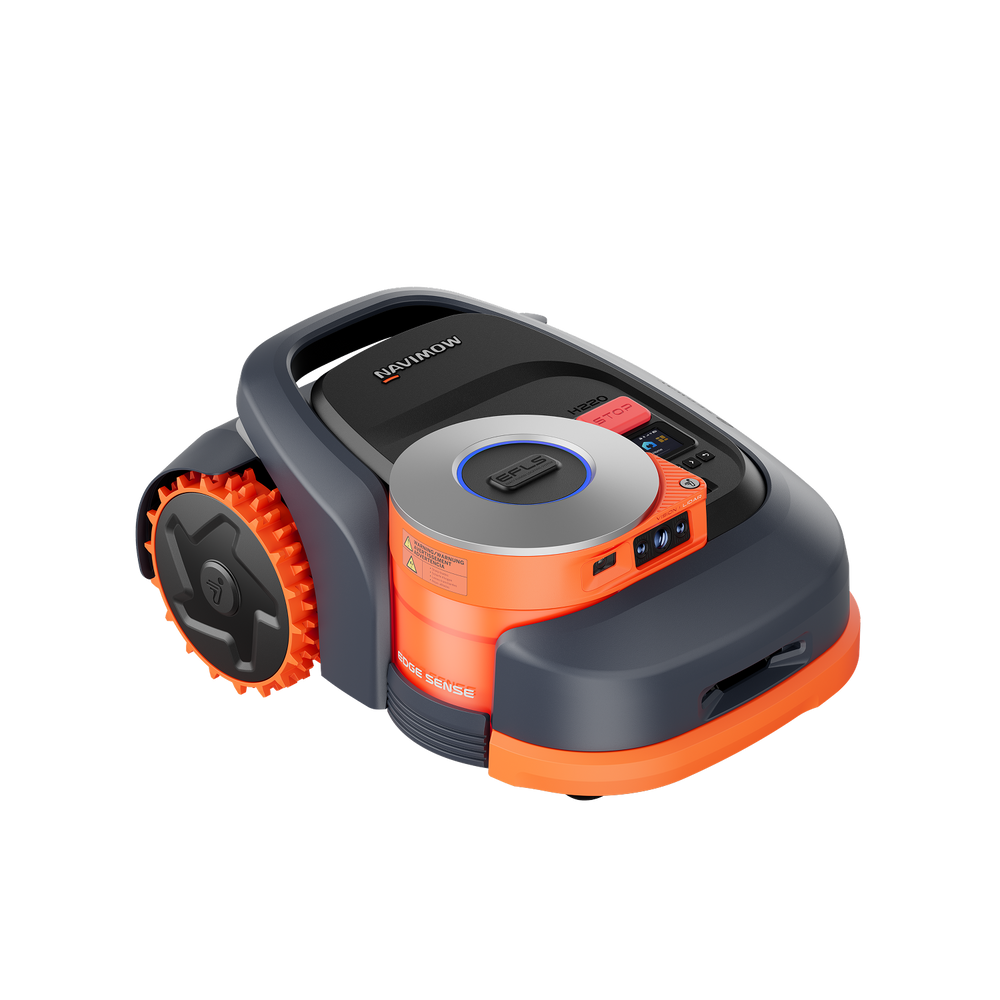
Checked Nov 27 · In stock when checked. Shipping and tax at checkout.
Buy at Lowe’s See all offers & model details ↗We may earn a commission when you buy through these links.
Our recommendations come from published specifications. We may earn a commission from qualifying purchases. As an Amazon Associate, we earn from qualifying purchases. How we work
The quick verdict
Here’s where we’d start.
Pause unnecessary traffic on a confirmed dormant or heat-stressed lawn and follow local guidance for the grass you have. When mowing is needed, use the exact model’s operating and charging instructions. A forecast temperature, an internal battery warning and a lawn-care recommendation describe different conditions.
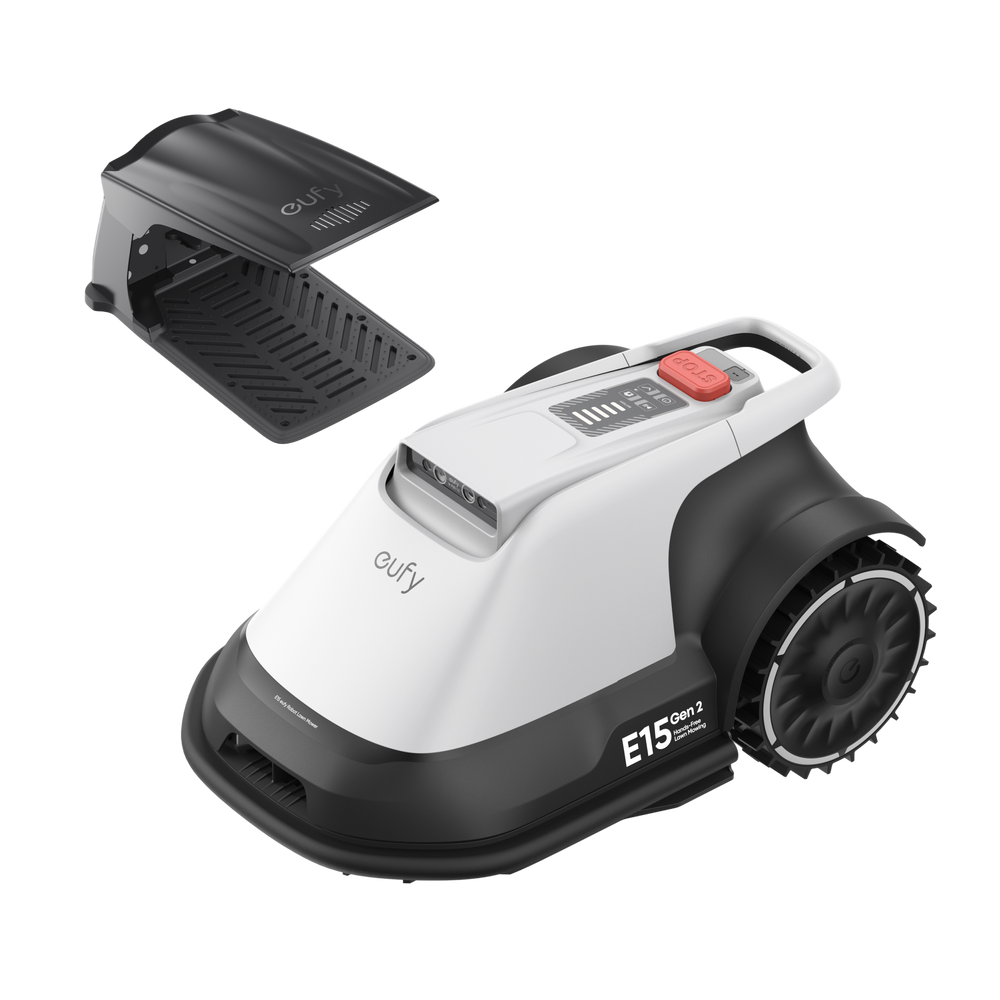
E15 Gen 2
The exact T280L manual gives a 45°C upper operating limit and separately describes possible shutdown or slower charging above 40°C battery temperature.
Those readings are not interchangeable. The manual also contains differing lower operating limits; follow the correct current instructions and obtain clarification where needed.
H220
The US H2 manual lists 0–40°C working temperature, with 10–35°C recommended.
This does not establish a lawn-health threshold or permission to mow dormant grass. Check the actual weather, grass, route and supported operating routine.
Decide whether the grass needs mowing at all.
A programmed session can become unnecessary when growth slows. University of Minnesota Extension advises limiting mower traffic on drought-stressed lawns, while Iowa State’s cool-season lawn guidance says dormant turf should not be mowed. The practical question is whether the grass is actively growing and needs a cut.
Those sources describe regional turf conditions, not a universal diagnosis for every brown lawn. Identify the grass and have unexplained damage assessed before calling it dormancy. Our frequency guide and wheel-track guide help connect growth and traffic to the schedule.
Weather, working limits and battery temperature are different checks.
A forecast gives ambient conditions at a reporting location. The mower’s instructions describe supported operation, and an internal battery sensor measures a different part of the system. Do not treat a thermal stop as proof that the forecast was wrong or as an obstacle to override.
eufy E15 Gen 2, exact T280L, gives a 45°C (113°F) upper operating limit. Its battery section separately warns of longer charging or possible mowing shutdown above 40°C (104°F) battery temperature. These are scoped manufacturer statements, not one generic limit for robot mowers.
Our frosty-grass guide applies the same distinction at the cold end of the season. It keeps H2’s machine range and Gen 2’s conflicting minima separate from actual lawn readiness.
Read the working range and its recommendation together.
Navimow H220 provides another example. The US H2 table lists 0–40°C (32–104°F) as working temperature and recommends 10–35°C (50–95°F). A recommended range and an outer working limit are different entries; neither is a grass-growth chart.
eufy’s retained manual also differs between its Safe Usage and specification-table lower operating limits. We do not resolve that conflict by choosing the more permissive entry. Check the current manual revision and ask support about unclear limits. Storage temperatures should not be substituted for mowing or charging conditions.
An idle lawn and a growing lawn call for different plans.
Imagine a locally assessed cool-season lawn that has gone dormant during a hot, dry spell. A mower reporting no thermal fault does not create a cutting job. Reducing unnecessary traffic is the relevant action while the lawn-care plan addresses its condition.
Now imagine suitable grass that is still growing and needs maintenance. Identify an operating window that meets the mower’s instructions and the lawn’s conditions, then allow for charging and travel. A weather-based schedule adjustment is useful here; it does not establish that moving every session to nighttime is appropriate.
A cooler slot still needs to work for the whole installation.
Check grass moisture, family use, local requirements and the mower’s permitted operation when choosing a different window. An early slot may have wet grass; a late slot may conflict with other use. Follow model-specific instructions and assess the actual route rather than apply one start time to every yard.
Include returns and charging in the plan. H220’s half-acre recommendation is not a guarantee that the full workload fits an arbitrarily short slot. Our rain guide and night-mowing guide cover those additional conditions.
Keep the grass requirement when growth returns.
Use guidance for the actual turf species when choosing height. Iowa State’s summer advice concerns cool-season grass; it should not become a universal four-inch setting for warm-season lawns or a mower whose range cannot reach it. Our height guide explains that first check.
After a pause, inspect the lawn and the mower’s approved initial-grass-height requirements before restarting ordinary maintenance. A high selectable cut is not permission to attack any length in one pass. Our long-grass guide covers that return to mowing.
Record a repeated heat-related stop instead of forcing more sessions.
Keep the exact message, model, manual revision, operating time, weather conditions and whether the symptom occurred during mowing or charging. Note the station’s exposure and the supported action tried. Ask for the correct model-specific next step when the fault repeats.
Follow the approved stopping, cooling and restart procedure; do not bypass thermal protection or open the battery to test a theory. Our not-charging guide and not-starting guide separate those fault states from a lawn that simply needs fewer cuts.
A closer look
The differences, in view.
Scroll horizontally on smaller screens. Values are manufacturer claims; see each product for qualifiers and original wording.
| Specification | E15 Gen 2 | H220 |
|---|---|---|
| Rated lawn coverage | 0.2471 acresNormalized from 1,000 m² manufacturer coverage claim; not per-charge coverage. | 0.5 acreRecommended model-specific lawn size, not the expanded mapping allowance. |
| Maximum slope | 18 °Visible mower setup FAQ; boundary-slope limit not specified. | Not confirmed |
| Navigation | TrueVision camera navigation | LiDAR + network RTK + vision |
| Boundary setup | No perimeter wire or RTK stationManufacturer configuration claim, not a guarantee of signal reliability. | Not confirmed |
| Connectivity | Wi-Fi setup; 4G supportedThe page does not establish this generation’s data subscription terms. | Not confirmed |
| Cutting height | 1–3 inE15 Gen2 T280L user guide, section 2.4; not transferred from the original E15. | Not confirmed |
| Cutting width | 8 inE15 Gen2 T280L specification table. | Not confirmed |
Ready to choose?
Your next step, made simple.
Checked Nov 27 · In stock when checked. Shipping and tax at checkout.
Buy at Lowe’s See all offers & model details ↗Checked Nov 27 · In stock when checked. Shipping and tax at checkout.
Buy at Lowe’s See all offers & model details ↗We may earn a commission when you buy through these links.
Show your work
Sources & editorial method.
We reviewed official US product information and exact configurations. Our advice draws on published specifications and model-specific manufacturer instructions, with the practical trade-offs explained. Unknowns and conflicting claims are kept visible. Prices above come from the catalog and may change independently of this article’s review date.
- Official US manufacturer page — exact model specifications and qualifications
- Official US manufacturer page — exact model specifications and qualifications
- Official support-linked eufy T280L Gen 2 manual — operating and battery-temperature guidance
- Official US Navimow H2 manual — exact model table, height, slopes and working conditions
- University of Minnesota Extension — limiting traffic and mowing on drought-stressed lawns
- Iowa State University Extension — cool-season summer mowing and dormancy
Published Nov 9, 2026 · Editorial review Nov 10, 2026.
Read our research standardsKeep exploring
A little more perspective.
Why Isn’t My Robot Mower Charging?
First work out whether it reaches the base, docks badly or sits there without charging. Those are different problems. We'd save the message, check the exact indicators and follow the model's power-off instructions before inspecting the base and visible connections.
Read the guide
Can Robot Mowers Cut Long Grass? What to Do Before the First Mow
Sometimes, within the limits of the exact mower. But an overgrown lawn is a different job from keeping it tidy every few days. Check the starting grass height before sending a robot into it, even if the mower offers a tall cutting setting.
Read the guide