Lawn care · 5 min read
Robot mower on frosty grass: Check the lawn before the timer starts
A warmer forecast does not prove the grass or shaded charger approach has thawed. Keep the mower paused while frost, frozen ground and the exact machine’s temperature requirements are assessed separately.
Based on published manufacturer information.
Checked Nov 27 · In stock when checked. Shipping and tax at checkout.
Buy at Lowe’s See all offers & model details ↗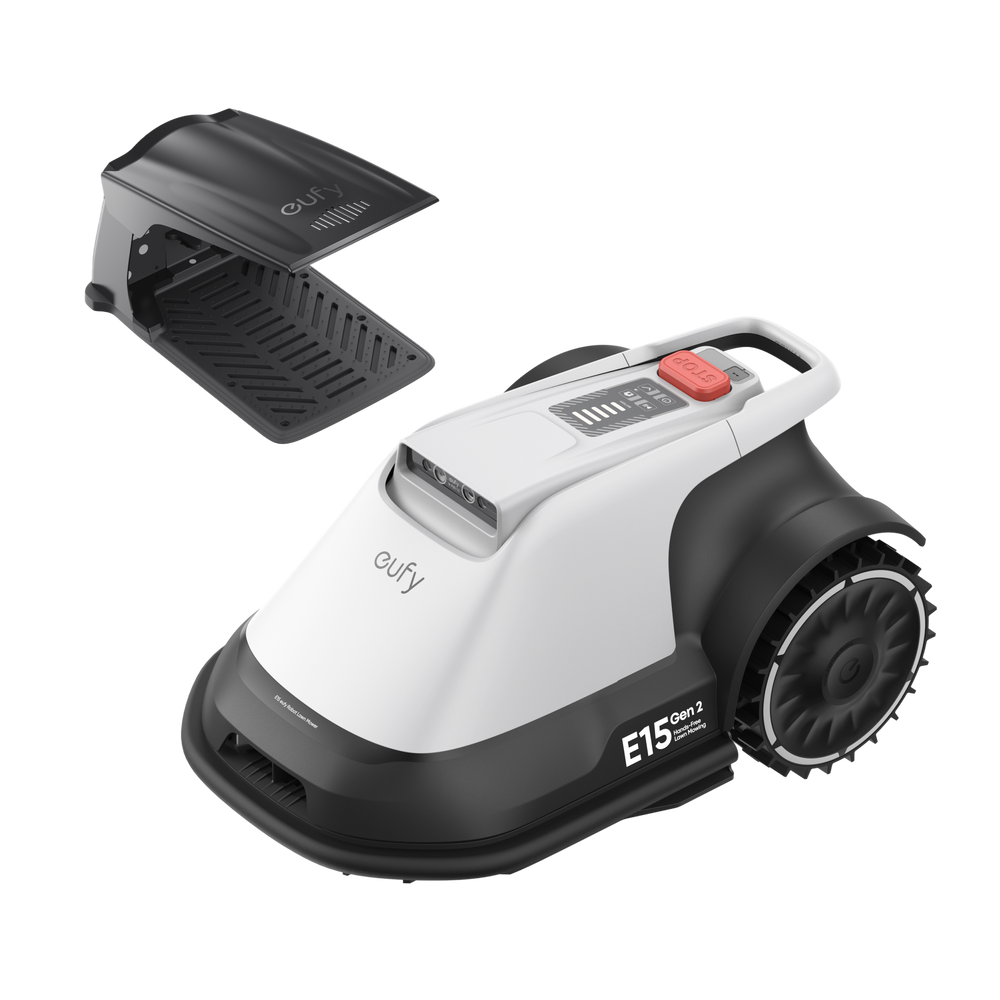
Checked Nov 27 · In stock when checked. Shipping and tax at checkout.
Buy at Lowe’s See all offers & model details ↗We may earn a commission when you buy through these links.
Our recommendations come from published specifications. We may earn a commission from qualifying purchases. As an Amazon Associate, we earn from qualifying purchases. How we work
The quick verdict
Here’s where we’d start.
Keep automatic mowing paused on frosty or frozen turf. Follow the lawn-care guidance for ground readiness and the exact machine’s operating limits before restarting. A weather setting or temperature reading is useful information, but neither measures every patch of grass or establishes a universal restart time.
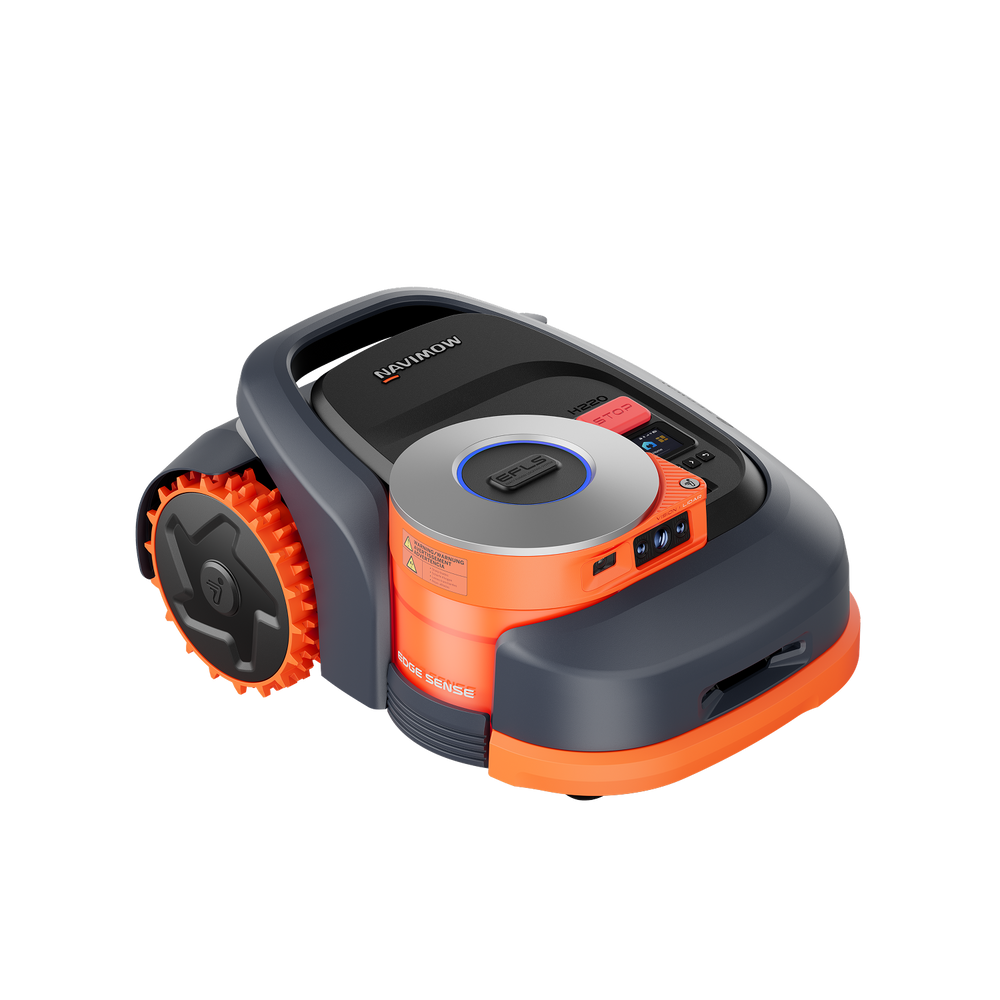
H210
H2 documents frost among Weather Adaptive settings and gives a 32–104°F operating and charging limit.
The hardware range does not authorize traffic over frozen turf. Check the entire route and current settings rather than assume a forecast pause covers every patch.
E15 Gen 2
The T280L safety section gives 41–113°F, while its specification table starts at 32°F.
Keep that conflict visible and obtain clarification; do not select the lower number as cold-weather permission. Lawn thaw and ground firmness remain separate checks.
Review the timer when frost becomes possible.
Pause automatic mowing before it can send the machine across frosty turf. University of Nebraska–Lincoln guidance recommends avoiding traffic on frozen grass and notes compaction concerns on frozen or partly frozen soil.
That is a ground-condition decision, not simply a shorter winter mowing schedule. Our frequency guide and winter-storage guide separate ongoing maintenance from putting the machine away.
Check the whole route rather than one sunny patch.
Assess the shaded lawn, narrow connection, repeated turns and charger approach as well as the open grass. Thawed-looking leaves do not independently establish firm, suitable ground beneath them.
Minnesota-hosted Oregon State research found different effects from types of traffic and studied golf-turf conditions, not approval for these household robots. Avoid converting it into one universal clock time or air-temperature threshold. Our wheel-track guide covers unsuitable repeated routes.
Treat Weather Adaptive as a control to review.
The Navimow H210 H2 manual includes frost in its Weather Adaptive settings. Review the actual configuration and current instructions before relying on the old schedule.
The same manual limits operation and charging to 32–104°F. That is a machine limit, not permission to mow frozen grass at 32°F. Our sprinkler-schedule guide likewise keeps a programmed time separate from actual surface conditions.
Keep Gen 2’s conflicting temperature minima visible.
The eufy E15 Gen 2 T280L safety section says 41–113°F, while its specification table lists 32–113°F. Get the applicable limit clarified rather than silently choose the lower minimum.
Neither entry establishes that frosty turf is ready for repeated traffic. Follow the exact generation’s other requirements, including daylight operation, independently. Our hot-weather guide separates machine limits from seasonal lawn conditions.
A warmer reading can coexist with an unsuitable route.
Imagine the air has warmed to 42°F and the open lawn looks clear, but frost remains on the shaded charger approach. The air reading does not establish that the complete route is suitable, so keep the automatic run paused.
Now imagine visible frost is gone but the approach remains soft during thaw. That still needs assessment before repeated travel. Our charger-placement guide helps identify the route the mower must use every time.
Recheck the grass requirement after the pause.
Once turf, ground and machine requirements are satisfied, review grass length and the appropriate maintained setting. A long interruption does not authorize taking an excessive amount off in one pass.
Gen 2’s first-use guidance limits standing grass to 3.5 inches and describes gradual reduction. Check the applicable restart instructions for your machine. Our height guide and long-grass guide cover those separate questions.
Watch a permitted first run before restoring the routine.
Observe from a safe position once all requirements are met. Reassess slipping, marking or unusual operation rather than disable a weather setting to force the route. Follow exact shutdown instructions before any inspection.
If cold conditions continue or grass growth has stopped, follow the appropriate lawn-care and winter-storage plan. Our rain guide and mower-care guide cover other conditions that can interrupt the old timetable.
A closer look
The differences, in view.
Scroll horizontally on smaller screens. Values are manufacturer claims; see each product for qualifiers and original wording.
| Specification | H210 | E15 Gen 2 |
|---|---|---|
| Rated lawn coverage | 0.25 acreRecommended model-specific lawn size, not the expanded mapping allowance. | 0.2471 acresNormalized from 1,000 m² manufacturer coverage claim; not per-charge coverage. |
| Maximum slope | 45 % | Not confirmed |
| Navigation | LiDAR + network RTK + vision | TrueVision camera navigation |
| Maximum slope | Not confirmed | 18 °Visible mower setup FAQ; boundary-slope limit not specified. |
| Boundary setup | Not confirmed | No perimeter wire or RTK stationManufacturer configuration claim, not a guarantee of signal reliability. |
| Connectivity | Not confirmed | Wi-Fi setup; 4G supportedThe page does not establish this generation’s data subscription terms. |
| Cutting height | Not confirmed | 1–3 inE15 Gen2 T280L user guide, section 2.4; not transferred from the original E15. |
Ready to choose?
Your next step, made simple.
Checked Nov 27 · In stock when checked. Shipping and tax at checkout.
Buy at Lowe’s See all offers & model details ↗Checked Nov 27 · In stock when checked. Shipping and tax at checkout.
Buy at Lowe’s See all offers & model details ↗We may earn a commission when you buy through these links.
Show your work
Sources & editorial method.
We reviewed official US product information and exact configurations. Our advice draws on published specifications and model-specific manufacturer instructions, with the practical trade-offs explained. Unknowns and conflicting claims are kept visible. Prices above come from the catalog and may change independently of this article’s review date.
- Navimow official US page — exact model information
- eufy official US page — exact model information
- University of Nebraska–Lincoln — avoiding traffic on frozen turf
- WinterTurf, University of Minnesota — Oregon State frost-traffic research and scope
- Official H2 US manual — temperature limits and Weather Adaptive
- Official T280L Gen 2 manual — conflicting temperature minima
Published Nov 10, 2026 · Editorial review Nov 10, 2026.
Read our research standardsKeep exploring
A little more perspective.
How to Choose the Right Cutting Height for a Robot Mower
Start with the grass species and local mowing guidance, then choose a robot setting within that range. The app’s default or highest number isn't a universal answer. Check the actual finished grass height, lower gradually when needed and keep initial-lawn preparation separate from the height you plan to maintain.
Read the guideCan a robot mower work in hot weather? Check the lawn and the machine separately
A mower can be within its operating range while the grass needs a break. Start with whether the lawn is growing, then check the exact working conditions, charging limits and schedule.
Read the guide