Ownership guide · 6 min read
Can Robot Mowers Mow in the Rain?
Weather resistance doesn't tell you whether the mower should keep cutting a wet lawn. We'd check the exact rain-sensor behavior and manual, then plan around the condition of the grass and ground. These examples return home when rain is detected.
Based on published manufacturer information.
Checked Nov 25 · In stock when checked. Shipping and tax at checkout.
Buy at Lowe’s See all offers & model details ↗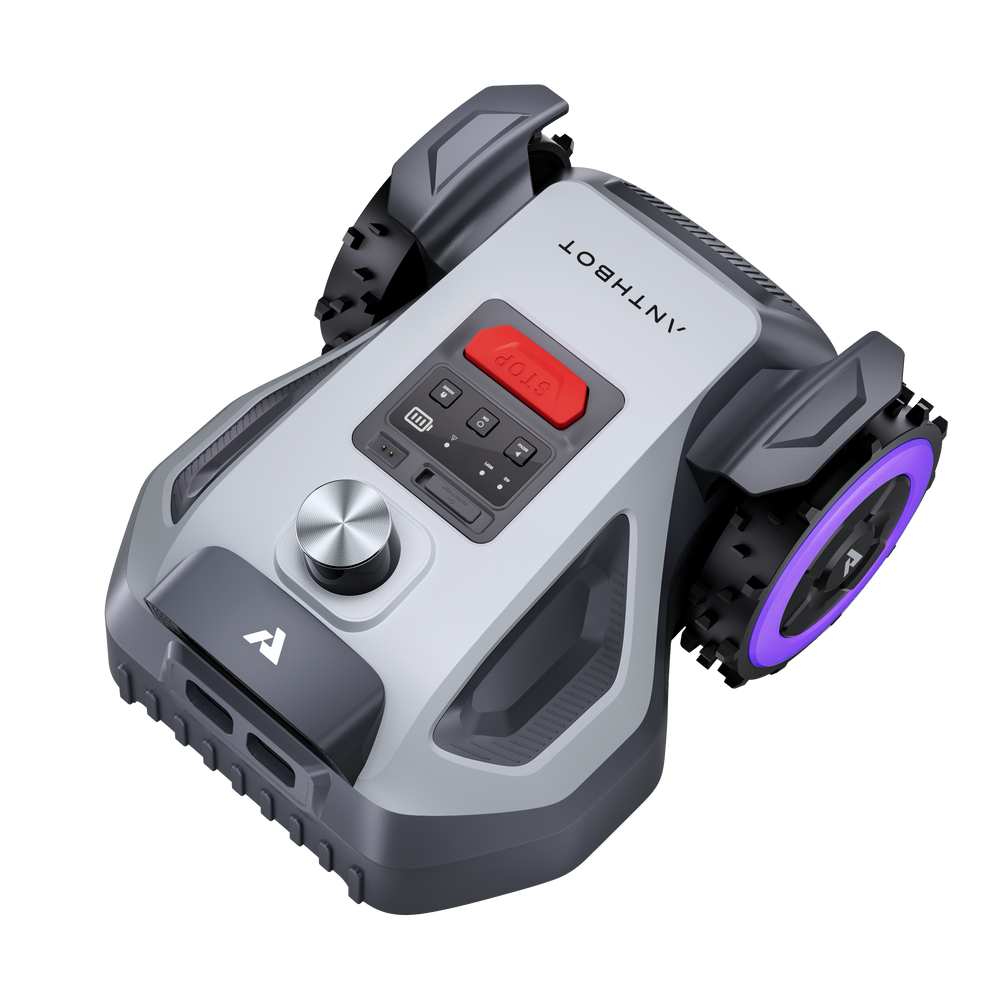
Checked Nov 27 · In stock when checked. Shipping and tax at checkout.
Buy at Lowe’s See all offers & model details ↗We may earn a commission when you buy through these links.
Our recommendations come from published specifications. We may earn a commission from qualifying purchases. As an Amazon Associate, we earn from qualifying purchases. How we work
The quick verdict
Here’s where we’d start.
Check the exact model's manual rather than decide from an IP rating. Navimow X430 and ANTHBOT M5 LiDAR describe returning home when rain is detected. E15 Gen 2's manual also describes a return-and-delay routine and recommends dry mowing conditions, avoiding adverse weather. We'd plan the schedule so that a rain interruption doesn't force a wet-lawn restart or leave insufficient time for the next suitable mow.
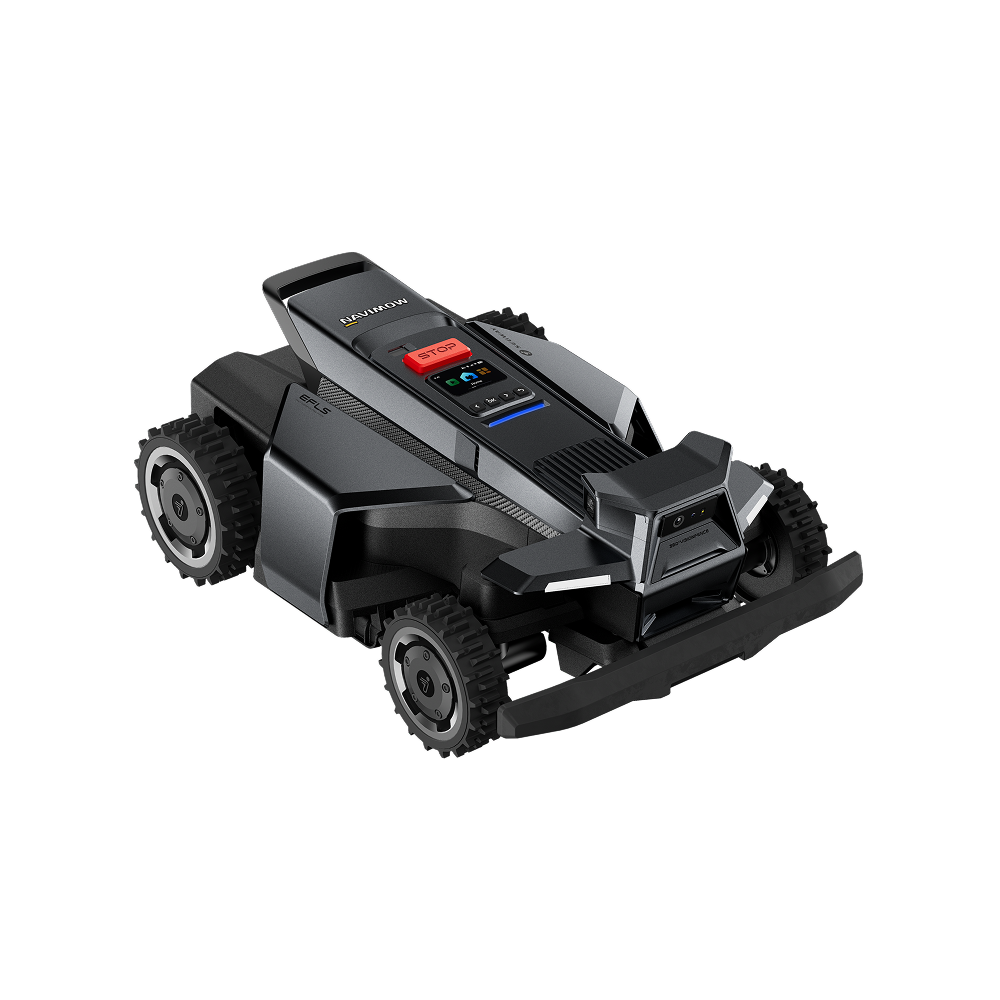
X430
The X4 page lists a triggered rain sensor among the reasons X430 returns to its dock.
That doesn't establish a universal rain-delay length or permission to mow waterlogged ground.
M5 LiDAR
ANTHBOT explicitly describes rain-triggered homing for this exact LiDAR model.
Its separate water-resistance claim isn't a recommendation to keep mowing through heavy rain.
E15 Gen 2
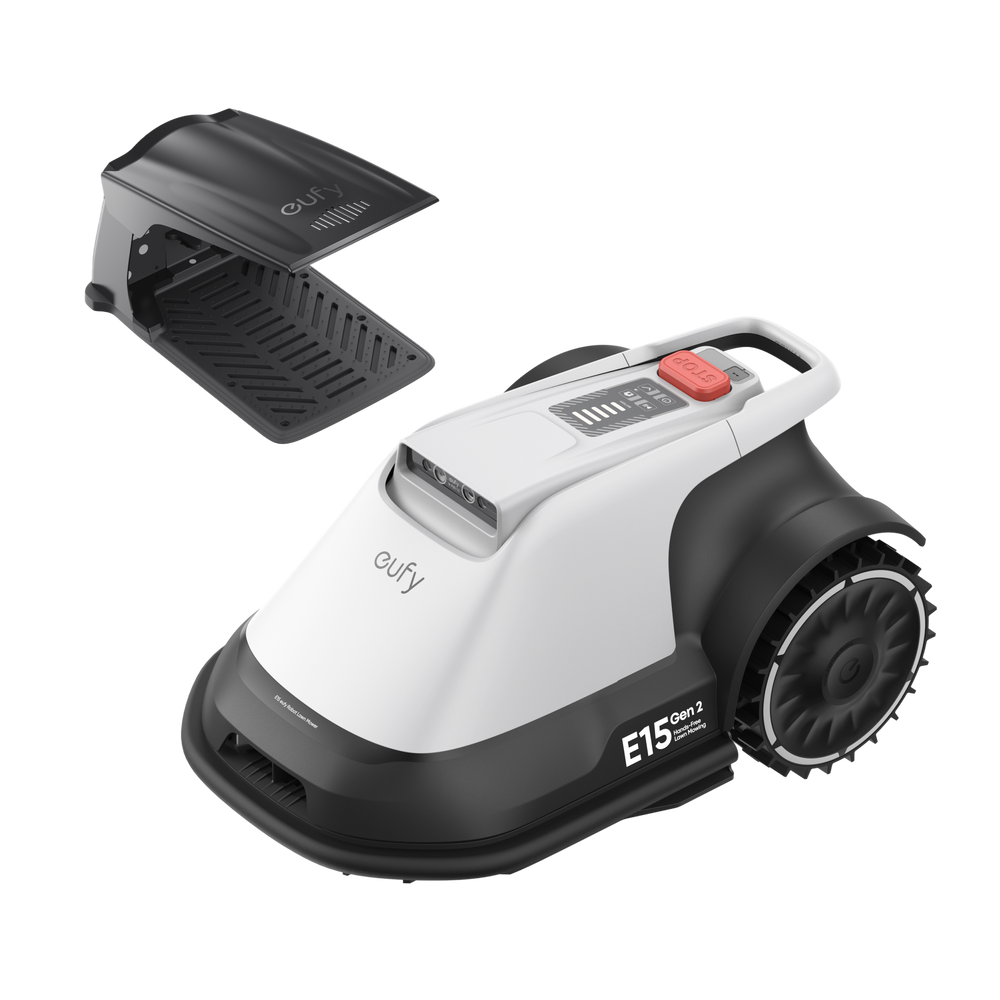
The E15 Gen 2 manual describes rain detection, return to base and resuming when the grass is dry.
Follow its adverse-weather limits and sensor-care instructions; don't transfer settings from the original E15.
Surviving rain and cutting wet grass are different questions.
A weather-resistant mower may be designed to cope with outdoor exposure while still being told to stop cutting when rain arrives. We'd read the operating instructions and rain settings before treating a waterproof headline as a mowing recommendation. The charger and power supply can have separate installation requirements too.
For the examples below, returning home is part of the described behavior. That interruption belongs in the mowing plan, especially if the lawn is already close to the robot's capacity. Our two-acre lawn guide shows why maximum output needs time for charging, conditions and routine care.
Our wheel-track guide explains how wet ground and repeated routes can create wear even when the machine is able to keep moving. Pause repeated traffic over a damaged patch and identify the route causing it.
M5 LiDAR’s rain sensor also sends it home.
ANTHBOT describes automatic homing when rain is detected for the M5 LiDAR. Its page separately advertises IPX6 water resistance. We'd keep those statements separate: resistance to outdoor water exposure doesn't mean the preferred routine is to keep the blades working through a downpour.
Confirm the model's rain settings, return route and restart procedure with ANTHBOT. Plain M5 and M5 PRO are separate machines, so don't borrow this page's instructions without checking. Our three-way M5 comparison keeps those names and positioning systems apart.
E15 Gen 2’s manual recommends dry mowing conditions.
The exact T280L manual for eufy E15 Gen 2 describes stopping and returning when the rain sensor detects rain, then resuming when the grass is dry. It recommends dry conditions for performance and says rain can cause grass clumping and slipping. It also directs owners to avoid adverse weather, including heavy rain, thunderstorms and snow.
The manual asks owners to keep this rain sensor clear of mud, grass and other objects, and to dry that area after cleaning. Its camera has different cleaning instructions, so don't use the sensor procedure for every surface. Our Gen 2 comparison identifies the generation these instructions belong to.
Look at the lawn before putting the interrupted job back on.
Check the areas where wheels turn, where water collects and where the robot must approach the charger. We'd give wet, soft ground time to recover rather than decide only from the time since the last shower. A published climbing limit isn't a test of traction on a wet bank.
After following the model's shutdown procedure, inspect any wet-grass buildup as its maintenance instructions direct. Keep starting-grass limits in view if rain has interrupted several days of mowing. The long-grass guide explains why simply choosing the highest setting doesn't approve an overgrown restart.
If the mower starts slipping or becomes trapped after a weather interruption, our getting-stuck guide explains what to record and which ground, debris and route checks to make under the exact operating instructions.
Our frost restart guide adds frozen and partly thawed ground to the condition checks. A warmer forecast or cleared sunny patch does not establish that the shaded charger approach is suitable.
Leave enough suitable time for mowing and returning.
A sheltered-looking charger spot still needs the manufacturer's clearances, drainage and power-supply placement. Rain detection is more useful when the mower has a workable route home. Our charger-placement guide separates the approach and installation requirements from the size of the base itself.
Build some flexibility into the normal schedule instead of relying on uninterrupted maximum output every day. If the weather keeps pushing the lawn beyond the mower's approved starting condition, ask the manufacturer how to recover the routine. More frequent short jobs are useful only when the conditions and model allow them.
If you are considering after-dark hours to recover lost mowing time, our night-mowing guide checks exact-model support, wildlife settings and the return route without overriding weather instructions.
Our mowing-frequency guide explains how to revisit the routine after weather interruptions without assuming more timer entries can replace suitable conditions or adequate mower capacity.
Our guide to robot-mower garages separates extra sun/rain shelter from weather limits and the charging installation, using eufy Gen 2’s included garage and H2’s separately listed accessory.
For a home with dogs, our dog-owner mowing guide considers pet-free lawn time alongside daylight and weather limits before extending the schedule.
The hot-weather guide checks another reason to change the schedule. Model operating limits, internal battery temperature and grass condition are different considerations.
Our mower-and-sprinkler guide explains why a rain sensor is not documented coordination with the irrigation controller. Maintain the exact separate-time and layout requirements.
Follow the exact weather instructions before changing settings.
We'd treat rain homing as part of normal ownership for these examples, and use the model's actual restart and care instructions. Keep the rain sensor clean as directed and investigate unexpected behavior with the manufacturer. Changing a setting doesn't change the condition of the grass or the equipment's operating limits.
The hilly-yard guide covers the terrain questions that become more important when the ground is damp. For a longer seasonal break, use the winter-storage guide rather than leave the machine on an ordinary summer schedule.
When wet clippings collect underneath, follow the cleaning procedure for that mower rather than reaching for a pressure washer. Our robot-mower cleaning guide separates deck, wheel, camera and dock care using exact eufy and Navimow examples.
After the lawn dries, a mower may still be observing its configured delay. Our schedule guide explains the H2 forecast and rain-sensor checks alongside enabled times.
A closer look
The differences, in view.
Scroll horizontally on smaller screens. Values are manufacturer claims; see each product for qualifiers and original wording.
| Specification | X430 | M5 LiDAR | E15 Gen 2 |
|---|---|---|---|
| Rated lawn coverage | 1 acreRecommended model-specific lawn size, not the expanded mapping allowance. | 0.1236 acreConverted from the manufacturer’s square-metre rating. | 0.2471 acresNormalized from 1,000 m² manufacturer coverage claim; not per-charge coverage. |
| Maximum slope | 84 % | Not confirmed | Not confirmed |
| Cutting width | 17 in | Not confirmed | 8 inE15 Gen2 T280L specification table. |
| Drive system | Four-wheel drive | Not confirmed | Not confirmed |
| Navigation | Not confirmed | 360° LiDAR + dual vision | TrueVision camera navigation |
| Boundary setup | Not confirmed | No perimeter wire or RTK station | No perimeter wire or RTK stationManufacturer configuration claim, not a guarantee of signal reliability. |
| Maximum slope | Not confirmed | Not confirmed | 18 °Visible mower setup FAQ; boundary-slope limit not specified. |
Ready to choose?
Your next step, made simple.
Checked Nov 25 · In stock when checked. Shipping and tax at checkout.
Buy at Lowe’s See all offers & model details ↗Checked Nov 27 · In stock when checked. Shipping and tax at checkout.
Buy at Lowe’s See all offers & model details ↗Checked Nov 27 · In stock when checked. Shipping and tax at checkout.
Buy at Lowe’s See all offers & model details ↗We may earn a commission when you buy through these links.
Show your work
Sources & editorial method.
We reviewed official US product information and exact configurations. Our advice draws on published specifications and model-specific manufacturer instructions, with the practical trade-offs explained. Unknowns and conflicting claims are kept visible. Prices above come from the catalog and may change independently of this article’s review date.
- Navimow X4 — exact X430 family rain-triggered return-to-dock footnote
- ANTHBOT M5 LiDAR — separate rain-homing and water-resistance descriptions
- E15 Gen 2 T280L manual — sections 1.2, 2.3 and 5.1 on weather, rain delay and sensor care
- Official eufy support page linking the exact reviewed Gen 2 manual
Published Nov 2, 2026 · Editorial review Nov 20, 2026.
Read our research standardsKeep exploring
A little more perspective.
 vs
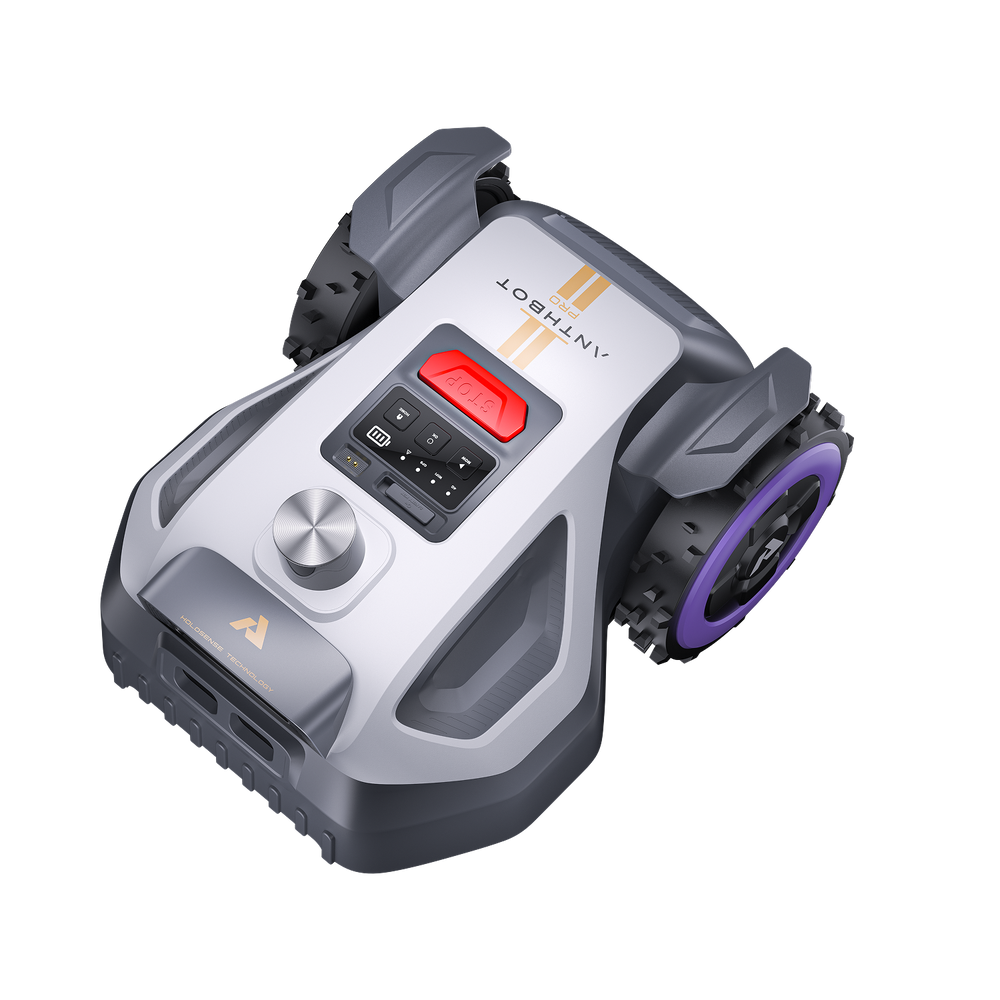
ANTHBOT M5 vs M5 PRO vs M5 LiDAR: What’s the Difference?
These are three separate mowers with very similar names. We'd choose by the positioning setup your garden needs, then check the connection terms and complete package. Paying for PRO doesn't automatically buy more lawn capacity or a taller cut.
Read the guide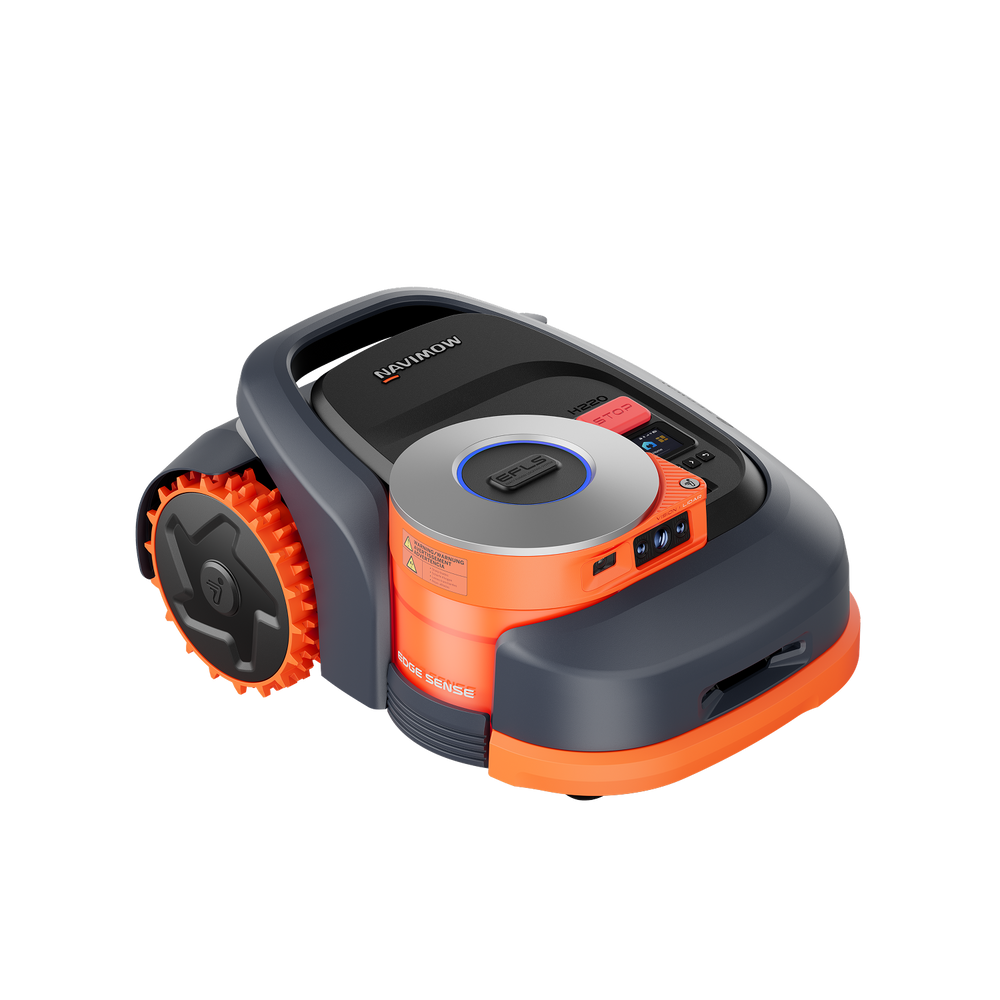
Can a robot mower work in hot weather? Check the lawn and the machine separately
A mower can be within its operating range while the grass needs a break. Start with whether the lawn is growing, then check the exact working conditions, charging limits and schedule.
Read the guide