Seasonal care guide · 7 min read
How to Store Your Robot Mower for Winter
Don't assume every robot mower wants the same charge before a winter indoors. Mammotion's instructions for the models below say about 80%; eufy E15 Gen 2 calls for at least 85%. Start with your exact model, then make time to clean it and let it dry.
Based on published manufacturer information.
No current brand offer. Explore Amazon options.
No current brand offer. Explore Amazon options.
We may earn a commission when you buy through these links.
Our recommendations come from published specifications. We may earn a commission from qualifying purchases. As an Amazon Associate, we earn from qualifying purchases. How we work
The quick verdict
Here’s where we’d start.
Find the instructions for your exact generation, disable automatic tasks, prepare the battery as directed, power down and clean before storage. Let everything dry completely and choose a suitable indoor location. The models here have different battery instructions, so a single percentage or recharge interval would be misleading. Their own maintenance procedures control any disassembly, blade work and charging-equipment storage.
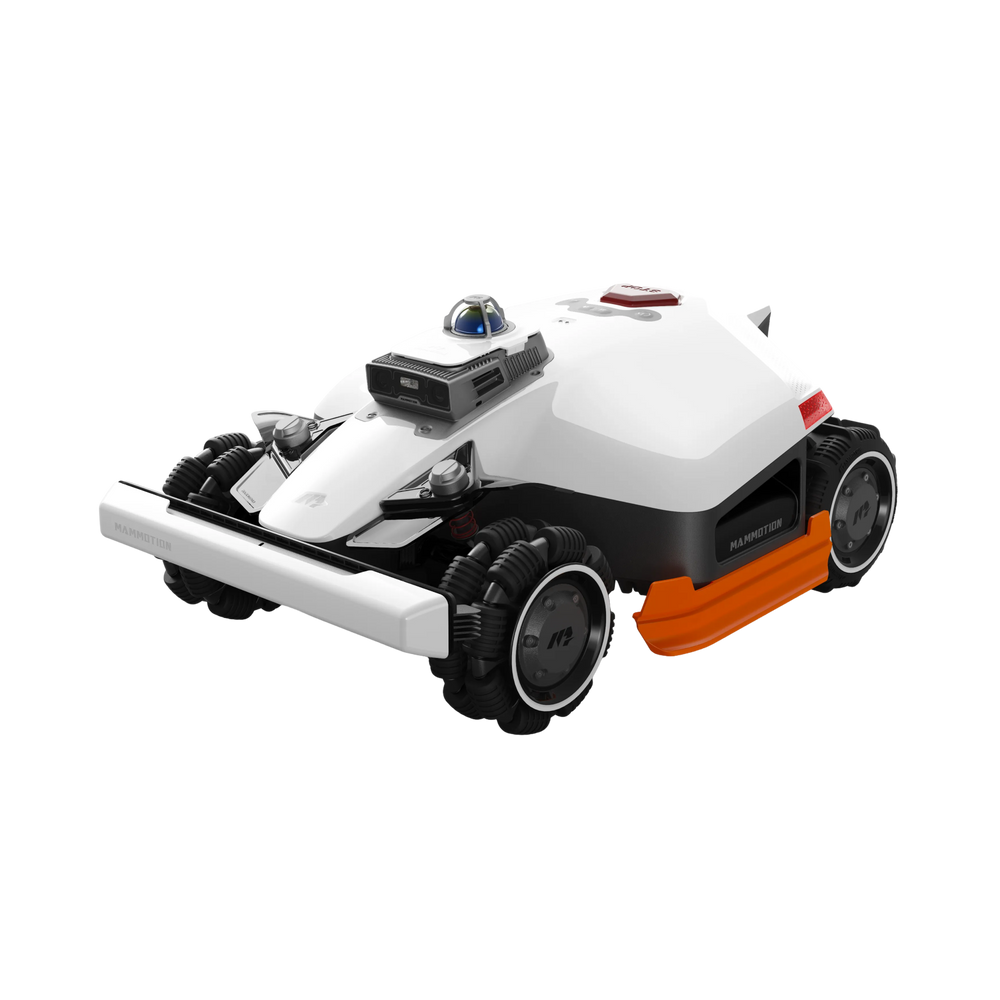
LUBA 3 AWD 3000H
The series winter guide calls for approximately 80% charge and disabled mowing schedules.
Follow the LUBA 3 preparation and power-off sequence before servicing; do not substitute another generation's disassembly instructions.
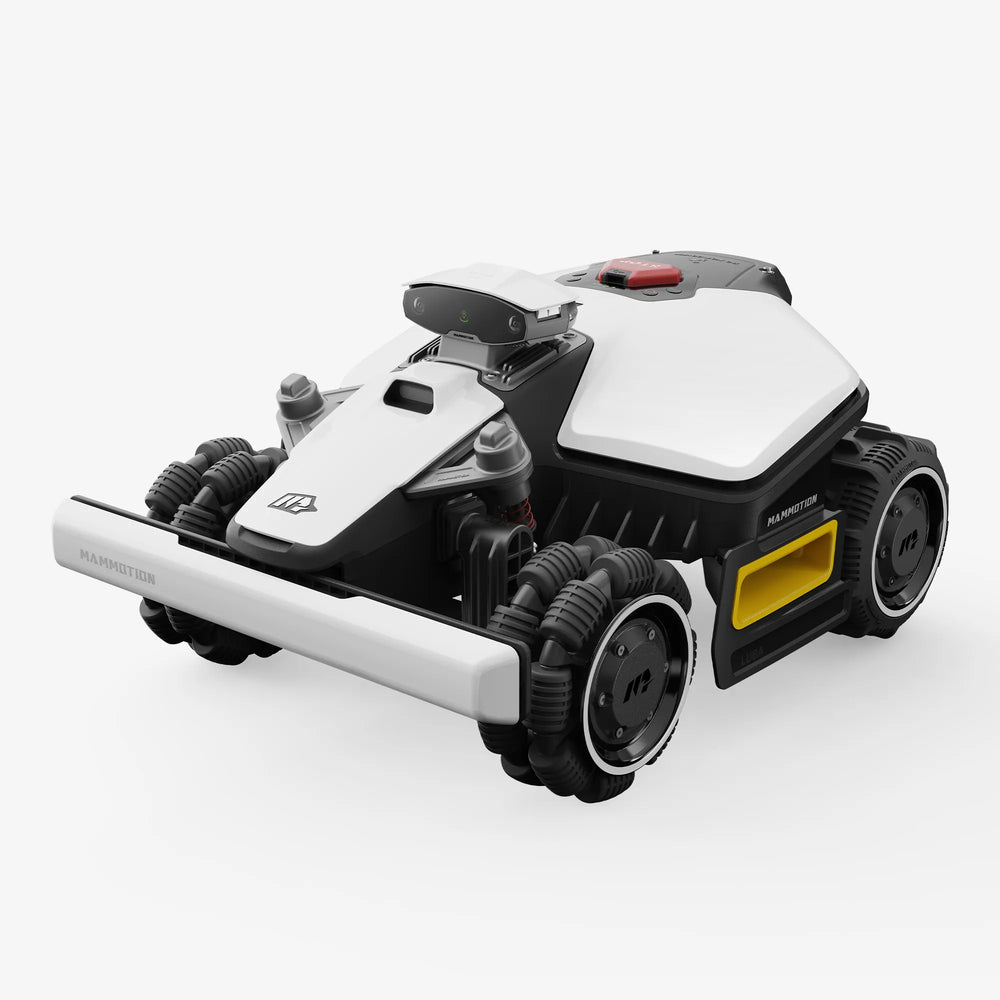
LUBA mini AWD 800H
Mammotion specifies 80% and dry indoor storage for the mower and charging station.
This is the original LUBA mini AWD 800H, not LUBA mini 2. Protect the vision module while handling it.
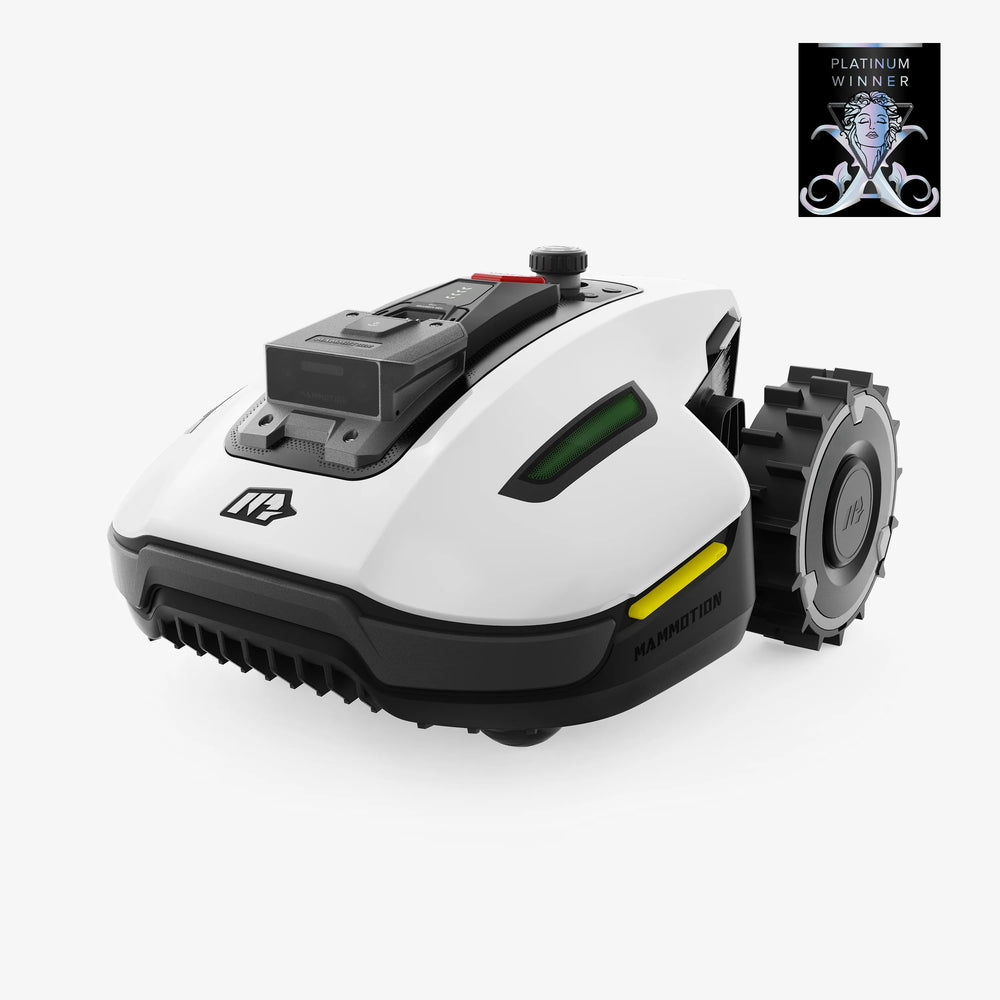
YUKA mini 600H
Its winter guide specifies 80%, disabled tasks, power-off and safety-key removal.
Use the original YUKA mini procedure for the 600H; YUKA mini 2 is a different generation.
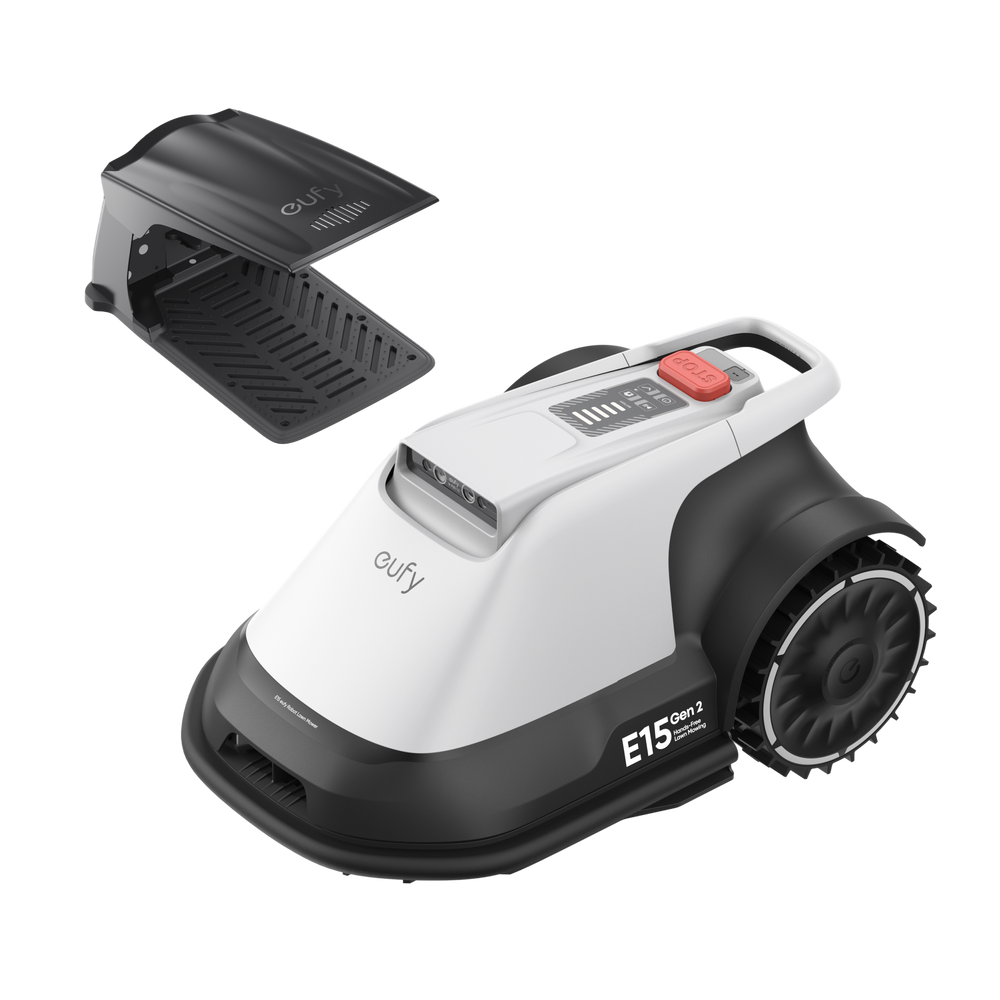
E15 Gen 2
The T280L manual specifies at least 85% before storage and recharging every 120 days during long-term storage.
Store it powered off in a cool, dry indoor place. Do not borrow a generic lithium-battery storage percentage.
Check the model label before looking up winter care.
A familiar family name isn't enough. The LUBA 3 AWD 3000H belongs to Mammotion's LUBA 3 winter guide, while the original LUBA mini AWD 800H has its own instructions. A newer mower with a similar name may have a different body, battery or maintenance procedure.
Save the right manual before heading outside. Our Mammotion lineup guide helps separate current families, but a buying comparison doesn't replace service instructions. Keep the serial number handy too. If you find a damaged part during cleaning, you'll have what support needs without unpacking the mower again.
Use the battery target for your mower.
Mammotion's LUBA 3 and original LUBA mini winter guides specify about 80%. The original YUKA mini guide also says 80%. By contrast, the eufy E15 Gen 2 manual says at least 85% and specifies recharging every 120 days during long-term storage. Those are model instructions, not interchangeable battery tips.
Write the storage date and any required recharge date on a note beside the machine. Check your own manual for the permitted charging conditions and off-season interval. Don't decide to remove the battery just because a generic storage article suggests it; follow the mower's documented procedure or ask its manufacturer.
Turn off the schedule, then prepare for cleaning.
Disable automatic mowing tasks before starting. Follow the model's preparation sequence for its cutting deck, then power off before underside maintenance. Mammotion's LUBA 3 procedure includes lowering the discs before power-off and key removal; original YUKA mini instructions also call for switching off and removing the safety key.
Don't treat pausing a job in the app as the entire maintenance procedure. Put the mower somewhere you can support it properly, and wear protective gloves when working around blades as directed. If blade or disc removal is needed, use the illustrated instructions for your machine rather than guessing from another model.
Clean the grass away without blasting the sensors.
The original LUBA mini guide allows gentle underside cleaning with a soft brush and low-pressure water, and warns against high pressure. Its vision module needs careful handling when the machine is turned over. LUBA 3 likewise has specific instructions for its sensors, contacts and cutting system. Follow those instead of spraying every surface alike.
E15 Gen 2's manual distinguishes the chassis and cutting disc from the V-FSD camera: use a lens cloth for the camera, not a hard brush. Avoid a pressure washer. We'd keep the correct cleaning instructions open beside the mower; an outdoor-rated body doesn't mean that every opening or sensor welcomes the same treatment.
Give drying its own place in the afternoon.
A clean mower can still be wet underneath. Mammotion's original LUBA mini instructions call for at least 30 minutes upright after rinsing, and complete drying before storage. Treat that time as a minimum drying step, not proof that water has disappeared from every recess on a cold, damp day.
For the original YUKA mini 600H, the winter guide specifically checks wheels, underside components, contacts and the cutting disc for remaining moisture. Leave enough time to finish the job before packing it away. Starting late in the evening makes it tempting to put a damp machine straight into its winter corner.
Choose the indoor space before carrying it there.
Original LUBA mini instructions call for indoor storage away from freezing and high humidity, on a stable flat surface with nothing heavy on top. Original YUKA mini guidance suggests a climate-controlled garage, dry utility room or low-humidity basement. A shed only fits that guidance if it stays above freezing and otherwise meets the requirements.
E15 Gen 2 needs a cool, dry indoor location away from direct sun, heat and moisture. Check what your chosen space is like during the coldest part of winter, rather than how comfortable it feels today. Leave enough room to reach and inspect the mower without moving a stack of garden tools first.
Include the charger and any positioning equipment in the plan.
The original LUBA mini and YUKA mini guides cover disconnecting, cleaning, drying and storing their charging stations indoors. Handle the base and power supply according to your model's procedure. Photograph cable connections before disconnecting them if that will make spring setup easier, and keep labeled accessories together.
A positioning station is separate from the mower's charger. Our navigation guide explains the distinction; check the exact winter instructions before removing or leaving any reference equipment outdoors. Mowers described as station-free still need their charging equipment cared for. Don't assume one family's winter procedure covers every component in another package. If the layout will change before spring, read the charger-placement guide before choosing a new base location.
If the station has a roof, our mower-garage guide explains why an outdoor cover does not replace the exact mower’s indoor-storage and battery-care instructions.
Leave yourself a short spring checklist.
Note any worn blades or damaged parts now, while you can see them. The original YUKA mini guide calls for checking blades, wheel movement and charging contacts, updating firmware and running a brief test before restoring the full schedule. Follow your model's equivalent steps when the lawn is ready again.
If you're comparing an older E15 with a replacement, our E15 vs E15 Gen 2 guide keeps the generations separate. For a mower you already own, the goal is simpler: store the right machine according to its instructions, keep its recharge reminder, and make the next season easier to start.
Before the new season, the blade-replacement guide helps plan the exact parts, interval and wear checks. Storage preparation doesn't make a worn blade ready for another full mowing season.
Before packing it away, use the maker's cleaning instructions as well as its battery-storage procedure. Our robot-mower cleaning guide covers the deck, wheels, sensors and dock without treating hose permission as universal.
If charging does not resume after storage, our mower-not-charging guide explains which status, equipment and storage details to record before buying a battery or trying another charger.
If the stored mower charges but will not start its first task, our mower-not-starting guide explains which power, lock, schedule and protection states to record before trying a reset or buying a battery.
Our frosty-grass guide checks the complete route before the timer resumes. Machine temperature limits, lawn thaw and ground firmness answer separate questions.
Use the spring restart guide when bringing the mower back out. It separates equipment inspection, charging, dock relocation and changed lawn boundaries before restoring the schedule.
If runtime remains substantially lower after a proper restart and comparable mowing conditions, our battery-replacement guide explains the evidence and exact-model checks to take to support.
If the mower travels to another storage location or service center, use the transport guide alongside the storage instructions; the carrying and packing steps still apply.
A closer look
The differences, in view.
Scroll horizontally on smaller screens. Values are manufacturer claims; see each product for qualifiers and original wording.
| Specification | LUBA 3 AWD 3000H | LUBA mini AWD 800H | YUKA mini 600H | E15 Gen 2 |
|---|---|---|---|---|
| Rated lawn coverage | 0.75 acreExact US high-height variant rating, not mowing area per charge. | 0.2 acreExact 800H variant rating; not per-charge area. The page also labels this model 8,611 sq ft, which is not used as an exact conversion. | 0.15 acreExact 600H Basic Bundle rating; not per-charge area. | 0.2471 acresNormalized from 1,000 m² manufacturer coverage claim; not per-charge coverage. |
| Cutting height | 2.2–4.0 inHigh Version / H variant; the standard model has a different cutting range. | 2.2–4.0 inH version; the S version has a separate height range. | 2.0–3.5 in | 1–3 inE15 Gen2 T280L user guide, section 2.4; not transferred from the original E15. |
| Cutting width | 15.7 in | Not confirmed | Not confirmed | 8 inE15 Gen2 T280L specification table. |
| Maximum slope | 80 %Maximum climbing claim for the mowing area; a separate boundary-slope limit is not established in the saved source. | 80 %Maximum climbing claim for the mowing area; a separate boundary-slope limit is not established in the saved source. | 50 %Maximum climbing claim for the mowing area; a separate boundary-slope limit is not established in the saved source. | Not confirmed |
| Maximum slope | 38.6 °Manufacturer rounded equivalent. | 38.6 °Manufacturer rounded equivalent. | 27 °Manufacturer rounded equivalent. | 18 °Visible mower setup FAQ; boundary-slope limit not specified. |
| Drive system | AWD | AWD | RWD | Not confirmed |
| Boundary setup | No perimeter wireThe page advertises NetRTK without RTK installation while also listing RTK hardware in the 3000/5000 package; confirm the required arrangement. | No perimeter wireRTK hardware is included; NetRTK is advertised as the station-free option. | No perimeter wireRTK equipment is listed in the base box despite the station-free NetRTK headline; confirm which setup applies. | No perimeter wire or RTK stationManufacturer configuration claim, not a guarantee of signal reliability. |
Ready to choose?
Your next step, made simple.
No current brand offer. Explore Amazon options.
No current brand offer. Explore Amazon options.
No current brand offer. Explore Amazon options.
Checked Nov 27 · In stock when checked. Shipping and tax at checkout.
Buy at Lowe’s See all offers & model details ↗We may earn a commission when you buy through these links.
Show your work
Sources & editorial method.
We reviewed official US product information and exact configurations. Our advice draws on published specifications and model-specific manufacturer instructions, with the practical trade-offs explained. Unknowns and conflicting claims are kept visible. Prices above come from the catalog and may change independently of this article’s review date.
- Mammotion LUBA 3 AWD — exact series winter preparation and cleaning
- Original LUBA mini AWD — battery target, drying and charger storage
- Original YUKA mini — winter battery, power-off, storage and spring care
- E15 Gen2 T280L manual — maintenance, battery and storage sections 5.1, 5.4 and 5.6
Published Nov 2, 2026 · Editorial review Nov 22, 2026.
Read our research standardsKeep exploring
A little more perspective.
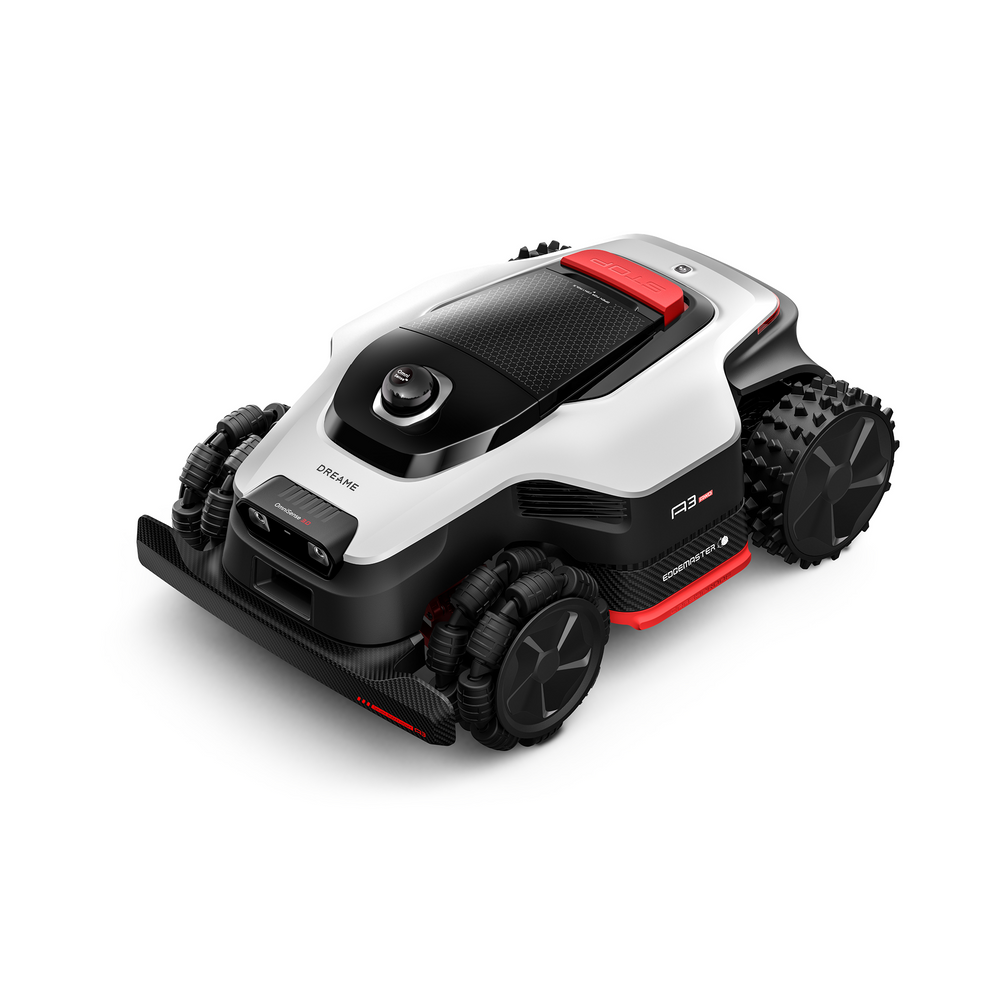
LiDAR, RTK and Camera Navigation: Which Robot Mower Setup Suits Your Yard?
The labels overlap: many robot mowers combine cameras with another positioning system. We'd compare the exact model's equipment and connection requirements, then ask about the awkward parts of your yard instead of choosing a technology name on its own.
Read the guide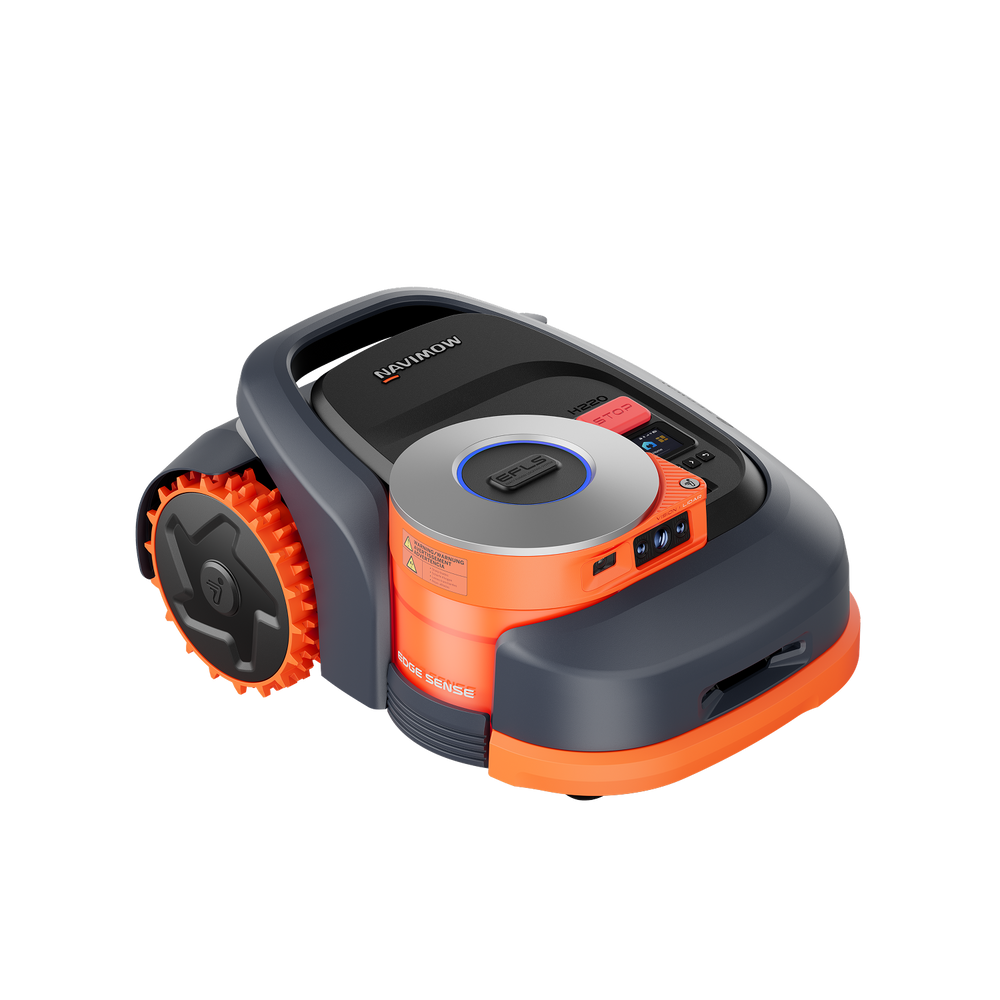
Do Robot Mowers Need a Garage? What to Check Before Buying One
Check the mower's package and installation instructions before adding another shelter to the order. Some include a garage; others list one as an accessory. We'd choose the right model-specific cover and station location together, rather than assume any box over the charger will do.
Read the guide