Ownership guide · 3 min read
How to Choose the Right Cutting Height for a Robot Mower
Start with the grass species and local mowing guidance, then choose a robot setting within that range. The app’s default or highest number isn't a universal answer. Check the actual finished grass height, lower gradually when needed and keep initial-lawn preparation separate from the height you plan to maintain.
Based on published manufacturer information.
Checked Nov 27 · In stock when checked. Shipping and tax at checkout.
Buy at Lowe’s See all offers & model details ↗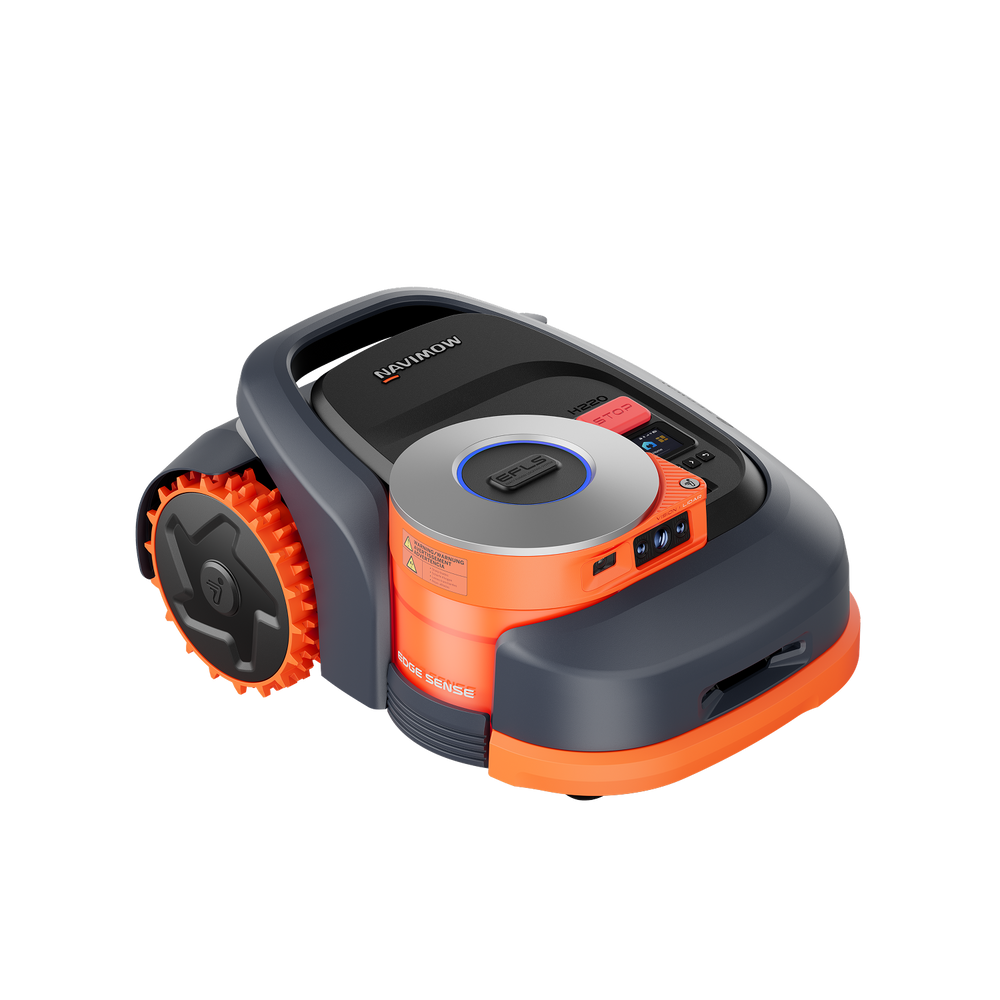
Checked Nov 27 · In stock when checked. Shipping and tax at checkout.
Buy at Lowe’s See all offers & model details ↗We may earn a commission when you buy through these links.
Our recommendations come from published specifications. We may earn a commission from qualifying purchases. As an Amazon Associate, we earn from qualifying purchases. How we work
The quick verdict
Here’s where we’d start.
Identify the grass and its recommended local height first, then confirm the mower can maintain it. E15 Gen 2's manual gives 1–3 inches; H210's gives 2–4. Those are machine ranges, not recommendations for every grass type. University of California guidance says to stay within the species' range, avoid sudden height changes and remove no more than one-third at a mow. Follow the exact model's starting-grass and adjustment instructions as well.
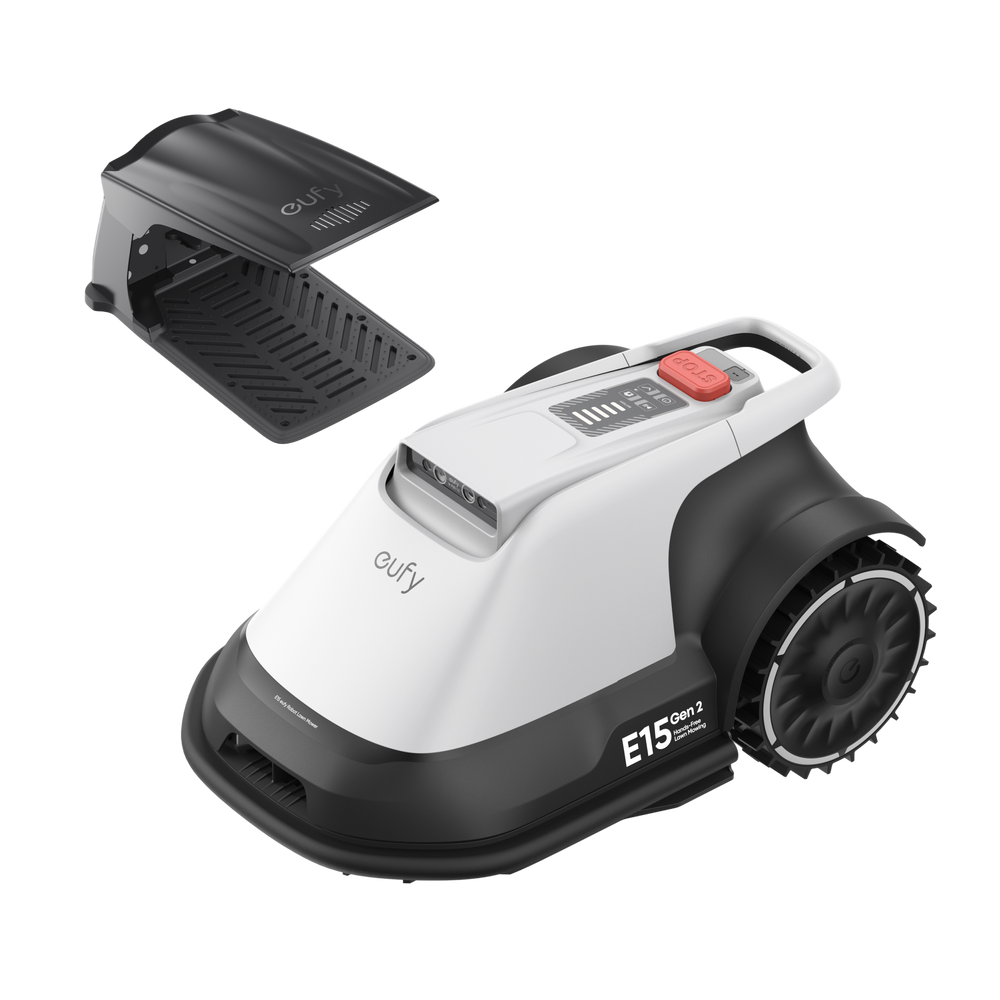
E15 Gen 2
The exact E15 Gen 2 T280L manual lists 1–3 inches of cutting adjustment.
The current FAQ excludes Zoysia and St. Augustine. Height alone does not make an excluded grass suitable.
H210
H210’s US manual gives a 2–4-inch cutting range.
The maximum setting is not an initial-grass-height approval or a universal ideal height. Check the exact preparation instructions.
Choose the target from the grass you actually have.
Identify the species or lawn mixture and use suitable local extension guidance. The University of California's lawn guide recommends mowing within the range for each species. There isn't one robot setting that suits every lawn across the country.
If you're unsure of the grass, settle that before choosing a shorter cut simply because the mower offers it. Our low-cut guide and taller-cut guide compare machine ranges after that first decision.
Make sure the exact model reaches your target.
eufy E15 Gen 2's T280L manual lists 1–3 inches. Navimow H210's US manual lists 2–4. A desired 3.5-inch maintained cut is outside Gen 2's stated range, even if its lawn-area rating otherwise fits.
Also check grass compatibility: eufy's current FAQ excludes Zoysia and St. Augustine. A suitable number in the height range doesn't override that restriction. Our E15 versus Gen 2 guide keeps the generations separate.
The Greenworks C20/C40 comparison covers an extra half-inch at the top of the range: C20 lists 3.5 inches, while C40 lists four inches. Check that against your normal cut.
The Roborock S2 LiDAR/Q2 LiDAR guide retains S2’s stated 20–80 mm range, approximately 0.8–3.1 inches. Confirm Q2’s own range rather than borrow the S2 figure.
Check the finished grass, not just the app number.
After a normal run, use a ruler on a representative level patch to check the height you're actually maintaining. Keep a note of the chosen setting and result before changing it again. Don't judge the whole lawn from a single uneven edge.
Use the exact model's adjustment method and handling instructions. The setting is one part of the result; a missed patch or damaged blade is a separate question. Our uncut-patch guide covers those symptoms.
If the mower scrapes the same crest even when flat grass looks right, use our lawn-scalping guide. A reasonable height setting does not establish clearance over every local ground shape.
If newly cut grass looks pale, our brown-tip diagnostic checks ragged leaf ends separately from bare high spots. Discoloration alone does not establish a mower fault or a need for lawn treatment.
Avoid a sudden large reduction.
University of California guidance says to mow often enough to remove no more than one-third of the leaf height at a time and to lower gradually when grass has become too tall. That is grass-care guidance, not permission to send a robot into any overgrown lawn.
Check the manufacturer's initial-grass limit and preparation instructions separately. A four-inch selectable setting doesn't establish that much taller grass is approved for the first run. Our long-grass guide explains that difference.
Our post-aeration guide includes the grass-height check after automatic mowing has been paused. Ground readiness and the exact machine’s starting-grass requirements answer separate questions.
Our clipping-clump guide works through four-inch grass set to two inches. That removes half the height and exceeds Gen 2’s first-use limit; extra scheduling does not approve the initial job.
Fit the schedule to growth and the chosen height.
The university guidance connects mowing frequency to growth and the desired finished height. Watch the grass during active growth rather than assume a fixed weekly interval always maintains the same cut.
Allow for the robot's charging, routes, weather and permitted operating hours. Our mowing-frequency guide helps you allow enough mowing time as the lawn grows.
Buy the right physical range if the current mower can’t reach it.
If the grass needs a height outside the machine's range, look for a model with the range you need instead of cutting the grass shorter just to suit the machine. Confirm the exact standard or high configuration at checkout; shared photos can hide an important difference.
Our LUBA 3 3000 versus 3000H guide shows that choice at the same lawn-size tier. The mini 2 standard-versus-H guide covers different ranges on a smaller machine.
The MOVA Pro 800/Ultra 1000 guide illustrates a shared 1.2–3.9-inch range. Moving to Ultra changes the map allowance and stated edging, rather than adding a taller cut.
Our Husqvarna 410 iQ/MOVA Ultra 2000 comparison puts one-to-four-inch adjustment beside 1.2–3.9 inches. Decide whether the endpoints matter for your grass before comparing the other features.
Our new-sod guide explains why regional advice to mow from four inches to three does not override Gen 2’s 3.5-inch first-use limit. Establishment and the machine’s starting conditions both need to fit.
A closer look
The differences, in view.
Scroll horizontally on smaller screens. Values are manufacturer claims; see each product for qualifiers and original wording.
| Specification | E15 Gen 2 | H210 |
|---|---|---|
| Rated lawn coverage | 0.2471 acresNormalized from 1,000 m² manufacturer coverage claim; not per-charge coverage. | 0.25 acreRecommended model-specific lawn size, not the expanded mapping allowance. |
| Maximum slope | 18 °Visible mower setup FAQ; boundary-slope limit not specified. | Not confirmed |
| Navigation | TrueVision camera navigation | LiDAR + network RTK + vision |
| Boundary setup | No perimeter wire or RTK stationManufacturer configuration claim, not a guarantee of signal reliability. | Not confirmed |
| Connectivity | Wi-Fi setup; 4G supportedThe page does not establish this generation’s data subscription terms. | Not confirmed |
| Cutting height | 1–3 inE15 Gen2 T280L user guide, section 2.4; not transferred from the original E15. | Not confirmed |
| Cutting width | 8 inE15 Gen2 T280L specification table. | Not confirmed |
Ready to choose?
Your next step, made simple.
Checked Nov 27 · In stock when checked. Shipping and tax at checkout.
Buy at Lowe’s See all offers & model details ↗Checked Nov 27 · In stock when checked. Shipping and tax at checkout.
Buy at Lowe’s See all offers & model details ↗We may earn a commission when you buy through these links.
Show your work
Sources & editorial method.
We reviewed official US product information and exact configurations. Our advice draws on published specifications and model-specific manufacturer instructions, with the practical trade-offs explained. Unknowns and conflicting claims are kept visible. Prices above come from the catalog and may change independently of this article’s review date.
- Current manufacturer US model page — exact configuration, specifications and operating qualifications
- Current manufacturer US model page — exact configuration, specifications and operating qualifications
- eufy E15 Gen 2 T280L manual — exact cutting range and approved preparation and adjustment
- Navimow H2 US manual — cutting range, lawn preparation and approved operation
- University of California IPM — species-specific mowing height, one-third guidance and gradual lowering
Published Nov 3, 2026 · Editorial review Nov 10, 2026.
Read our research standardsKeep exploring
A little more perspective.
Brown grass tips after robot mowing: Check the leaf before blaming the lawn
A lawn that looks pale after mowing may have torn leaf tips, but brown patches can have other causes. Look closely at the grass, check the cutting conditions and follow the exact mower’s maintenance instructions before changing the lawn-care plan.
Read the guide
Can Robot Mowers Cut Long Grass? What to Do Before the First Mow
Sometimes, within the limits of the exact mower. But an overgrown lawn is a different job from keeping it tidy every few days. Check the starting grass height before sending a robot into it, even if the mower offers a tall cutting setting.
Read the guide