Lawn care · 5 min read
Brown grass tips after robot mowing: Check the leaf before blaming the lawn
A lawn that looks pale after mowing may have torn leaf tips, but brown patches can have other causes. Look closely at the grass, check the cutting conditions and follow the exact mower’s maintenance instructions before changing the lawn-care plan.
Based on published manufacturer information.
Checked Nov 27 · In stock when checked. Shipping and tax at checkout.
Buy at Lowe’s See all offers & model details ↗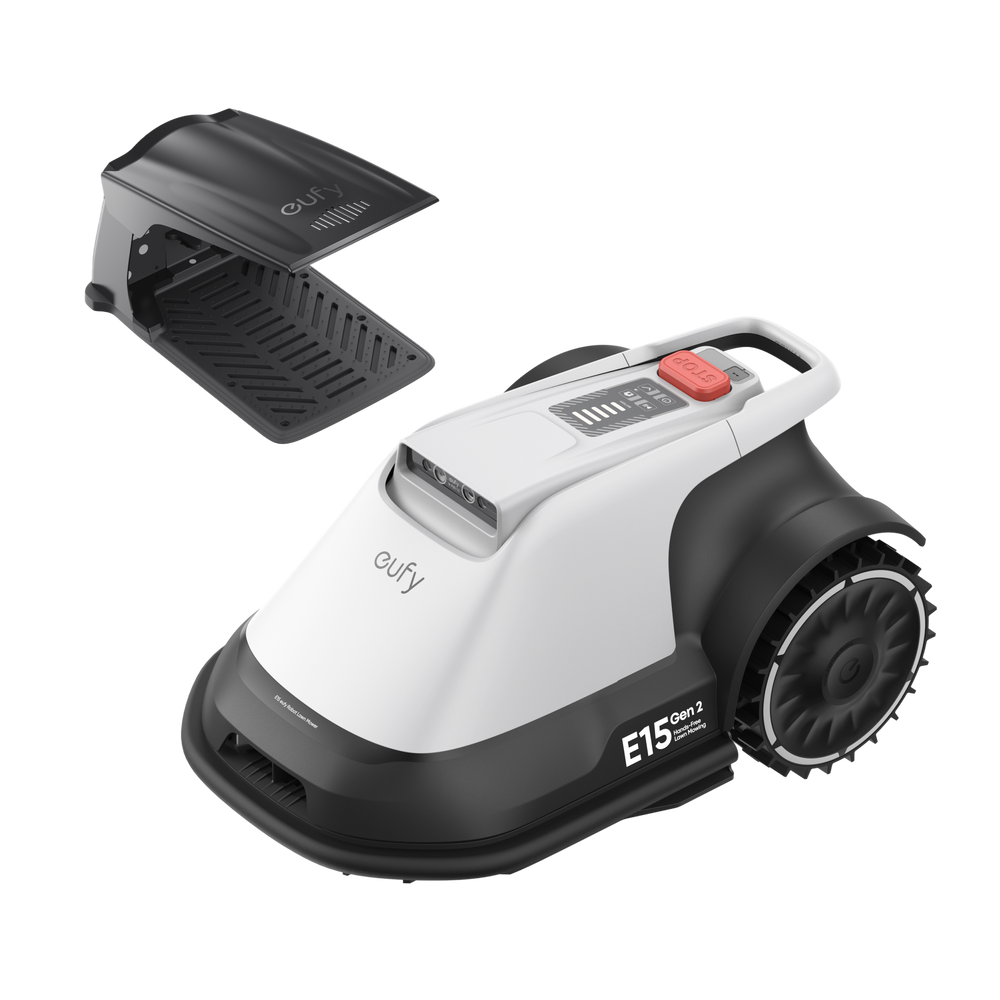
Checked Nov 27 · In stock when checked. Shipping and tax at checkout.
Buy at Lowe’s See all offers & model details ↗We may earn a commission when you buy through these links.
Our recommendations come from published specifications. We may earn a commission from qualifying purchases. As an Amazon Associate, we earn from qualifying purchases. How we work
The quick verdict
Here’s where we’d start.
Look for frayed cut ends before treating a brown lawn as a mower fault. University guidance links dull blades with torn tips that turn light brown, but that appearance does not diagnose every patch. Check the powered-off cutting system as the manual allows, then assess suitable height and conditions. Persistent or spreading lawn symptoms need their own diagnosis.
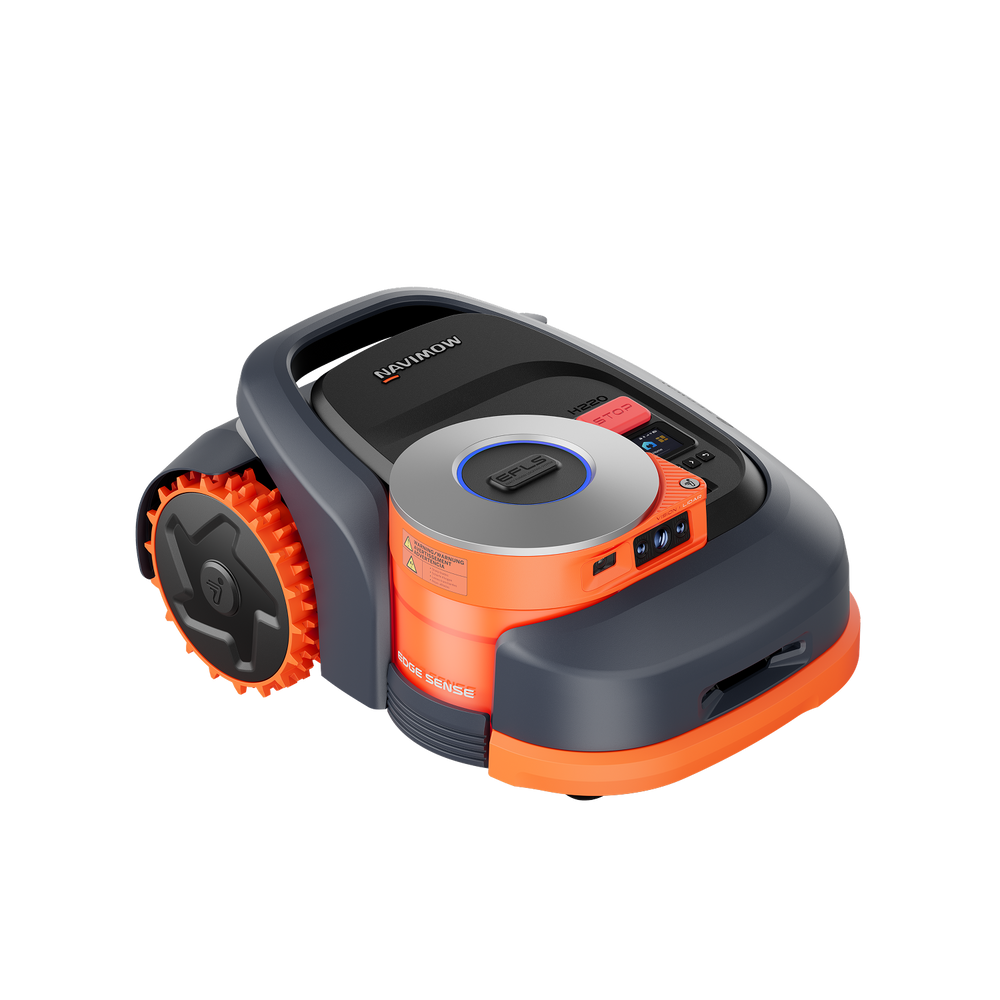
H210
The H2 manual specifies approved replacement blades and new screws, with free blade movement after installation.
Power off and follow the exact handling instructions before inspection. Do not use a live underside check or improvise a sharpening procedure.
E15 Gen 2
T280L requires replacement of worn or damaged blades and all three blades and screws together.
A calendar reminder does not establish blade condition. First-use grass height, maintained setting and grass compatibility are separate checks.
Look closely at several grass leaves.
Compare a pale-looking area with nearby greener turf. Notice whether the discolored part is confined to ragged cut ends or extends down the leaf. Take clear photographs before changing anything.
University of Maryland Extension explains that dull blades tear leaf tips, which turn light brown as injured tissue dries. It also describes other environmental and chemical lawn problems. A brown appearance alone does not isolate the mower. Our scalping guide covers exposed low spots separately.
Record where and when the appearance changed.
Check whether the effect follows the recently cut area, appears only on raised ground or is spreading independently of mowing. Include the last cut, setting changes, weather and any recent lawn treatment in the record.
Do not respond to every pale patch with fertilizer, fungicide or more irrigation. Get the actual lawn problem assessed when the pattern remains unexplained. Our wheel-track guide separates flattened or worn travel routes from damaged cut ends.
Inspect only after the required shutdown.
The Navimow H210 H2 manual requires powering off before cleaning or blade work. Follow its handling and glove instructions, then assess accessible buildup and cutting-part condition.
Use approved parts and new screws where replacement is required. H2 expects the blades to move freely after correct installation. Do not tighten them into rigid cutting teeth or inspect beneath a working machine. Our blade guide explains condition-based checks.
Keep the exact replacement set together.
The eufy E15 Gen 2 T280L manual calls for replacing worn or damaged blades and all three blades and screws simultaneously. It requires switching the mower off before the work.
Do not apply a general rotary-mower sharpening routine to these small replaceable blades. Follow the exact parts, assembly and free-movement instructions. Our cleaning guide covers the separate buildup and sensor-care tasks.
Frayed tips and bare high spots need different checks.
Imagine a pale cast across freshly cut grass, with ragged brown ends visible on several leaves. That supports checking cutting-part condition and mowing conditions first; it does not prove which component needs replacement.
Now imagine one raised patch is cut close to the soil while surrounding leaf ends look clean. That points toward the setting and uneven-ground assessment. If symptoms spread outside the cutting pattern, seek a lawn diagnosis. Our height guide covers the setting decision.
Check the grass length and moisture beside the blades.
A suitable maintained setting does not authorize starting in grass of any height. Gen 2 limits first-use grass to 3.5 inches and describes gradual reduction. Keep the grass species’ needs and exact machine limits together.
Wet buildup and heavy clipping mats need their own assessment before repeated passes. Our clipping-clump guide and long-grass guide cover those different loads.
Observe suitable new growth after the permitted correction.
Once the mower and conditions meet their requirements, observe an allowed run from a safe position. Compare photographs of newly cut leaves rather than expect already damaged tips to change color immediately.
Stop for unusual sound, vibration or damage and follow support instructions. Persistent discoloration still needs appropriate lawn advice. Our frequency guide and vibration guide cover the ongoing routine and a separate fault pattern.
A closer look
The differences, in view.
Scroll horizontally on smaller screens. Values are manufacturer claims; see each product for qualifiers and original wording.
| Specification | H210 | E15 Gen 2 |
|---|---|---|
| Rated lawn coverage | 0.25 acreRecommended model-specific lawn size, not the expanded mapping allowance. | 0.2471 acresNormalized from 1,000 m² manufacturer coverage claim; not per-charge coverage. |
| Maximum slope | 45 % | Not confirmed |
| Navigation | LiDAR + network RTK + vision | TrueVision camera navigation |
| Maximum slope | Not confirmed | 18 °Visible mower setup FAQ; boundary-slope limit not specified. |
| Boundary setup | Not confirmed | No perimeter wire or RTK stationManufacturer configuration claim, not a guarantee of signal reliability. |
| Connectivity | Not confirmed | Wi-Fi setup; 4G supportedThe page does not establish this generation’s data subscription terms. |
| Cutting height | Not confirmed | 1–3 inE15 Gen2 T280L user guide, section 2.4; not transferred from the original E15. |
Ready to choose?
Your next step, made simple.
Checked Nov 27 · In stock when checked. Shipping and tax at checkout.
Buy at Lowe’s See all offers & model details ↗Checked Nov 27 · In stock when checked. Shipping and tax at checkout.
Buy at Lowe’s See all offers & model details ↗We may earn a commission when you buy through these links.
Show your work
Sources & editorial method.
We reviewed official US product information and exact configurations. Our advice draws on published specifications and model-specific manufacturer instructions, with the practical trade-offs explained. Unknowns and conflicting claims are kept visible. Prices above come from the catalog and may change independently of this article’s review date.
- Navimow official US page — exact model information
- eufy official US page — exact model information
- University of Maryland Extension — frayed tips and other environmental lawn problems
- Official H2 US manual — power-off care and replacement blades
- Official T280L Gen 2 manual — blade sets and safe handling
Published Nov 10, 2026 · Editorial review Nov 10, 2026.
Read our research standardsKeep exploring
A little more perspective.
How to Choose the Right Cutting Height for a Robot Mower
Start with the grass species and local mowing guidance, then choose a robot setting within that range. The app’s default or highest number isn't a universal answer. Check the actual finished grass height, lower gradually when needed and keep initial-lawn preparation separate from the height you plan to maintain.
Read the guide
Can Robot Mowers Cut Long Grass? What to Do Before the First Mow
Sometimes, within the limits of the exact mower. But an overgrown lawn is a different job from keeping it tidy every few days. Check the starting grass height before sending a robot into it, even if the mower offers a tall cutting setting.
Read the guide