Troubleshooting · 5 min read
Robot mower scalping your lawn? Check the cut, ground and wheel marks
A pale lawn after a large height change needs a different response from a gouge on the same hump every day. Stop the damage, record where it happens and work through the height, ground and blade checks in that order.
Based on published manufacturer information.
Checked Nov 27 · In stock when checked. Shipping and tax at checkout.
Buy at Lowe’s See all offers & model details ↗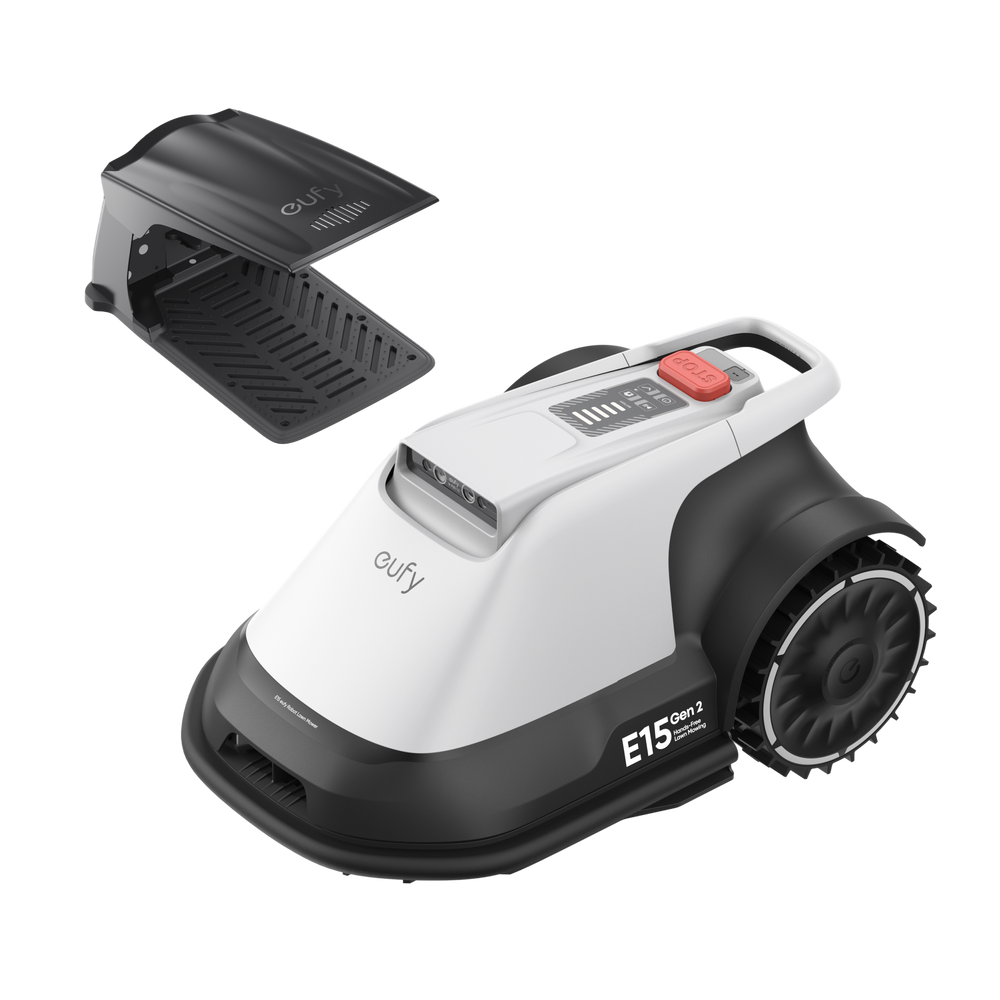
Checked Nov 27 · In stock when checked. Shipping and tax at checkout.
Buy at Lowe’s See all offers & model details ↗We may earn a commission when you buy through these links.
Our recommendations come from published specifications. We may earn a commission from qualifying purchases. As an Amazon Associate, we earn from qualifying purchases. How we work
The quick verdict
Here’s where we’d start.
Start with the shape and location of the damage. A broad change after lowering the cut points to a different investigation from an isolated scrape at a crest or a wheel track near the base. Restore a suitable grass-care plan, follow the exact mower’s powered-off inspection procedure and keep a problem area out of the route until its fit is assessed. A taller setting does not repair uneven ground.
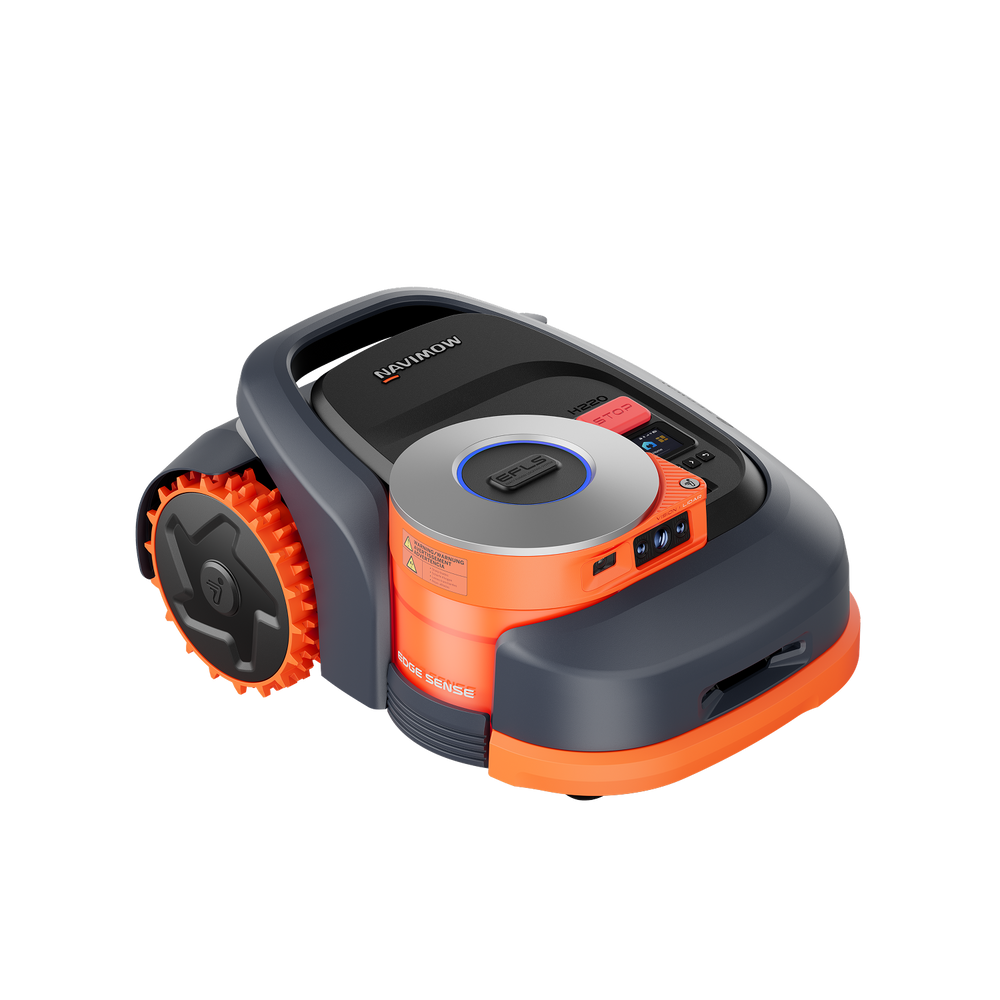
H220
The official H2 manual specifies powered-off care, free-moving blades and replacement with the correct blades and new screws.
Use the complete H2 instructions. A blade inspection cannot establish that a raised hump or abrupt transition is suitable for the mower.
E15 Gen 2
The exact T280L manual advises reducing grass gradually and removing no more than a third of its length at once.
Its first-use grass-height limit is separate from the chosen cutting setting. Follow Gen 2 handling and maintenance instructions rather than another generation’s procedure.
Find out what has actually been removed or pressed down.
Pause the schedule and photograph the affected area before another pass changes the evidence. Is the grass cut very short across a broad patch, scraped at a small high point, flattened along wheel paths or frayed at the tips? Record the last height change, ground condition and where the mower turns.
Those observations help choose the next check; they do not diagnose every brown patch. Our wheel-track guide handles repeated wheel routes, while the uncut-patch guide starts with grass left standing.
Our brown-grass-tip guide checks a different visual pattern: ragged ends across recently cut leaves. A bare raised patch and a pale cast across the lawn need different assessments.
Compare the intended height with the grass before cutting.
A setting that suits regular maintenance may remove too much after growth has got ahead of the schedule. University of Minnesota Extension advises removing no more than one-third of the leaf tissue per mowing. Its three-inch guidance is for typical Midwest lawns, rather than a universal height for every grass.
The exact eufy E15 Gen 2 T280L manual also advises gradual reduction, with no more than one-third removed at once. It separately limits first-use grass to 3.5 inches. Check both conditions instead of treating the selectable height as approval to tackle arbitrarily tall grass. Our height guide explains that distinction.
The same setting can cut differently at a hump.
Imagine a lawn that looks right on flat ground but gets a fresh scrape at the same crest on each run. A generally reasonable height setting has not established that the mower can cross that local shape without cutting too low. Record the direction of approach and the point where the cut changes.
Compare that with widespread shortening immediately after a large downward adjustment. That pattern makes the amount removed a more useful first check. These are diagnostic examples, not measured clearance results. Keep the repeatedly scraped spot out of the operating route using the model’s supported exclusion method until it is assessed.
Use our exposed-root guide when the uneven feature is a living tree root. Do not shave roots or change grades simply to obtain mower clearance; tree care and the supported route need separate assessment.
Assess the transition, not just the overall slope.
Look for raised roots, settled soil, ruts, exposed edges or a sharp change between paving and grass. A maximum climbing grade does not specify clearance over every crest. Do not keep sending the robot over the same scrape to see whether it eventually improves.
Have a problem transition assessed before altering the ground or route. Do not add homemade spacers, modify the cutting assembly or disable detection features. Our lawn-preparation guide and no-go-zone guide cover preparation and supported restrictions.
Inspect only after following the shutdown instructions.
On Navimow H220, the H2 manual requires power off before cleaning or turning the mower over. Its blade procedure specifies protective gloves, the correct replacement blades and new screws. Follow the complete sequence, including its checks that blades can move freely.
Gen 2’s manual also requires switching the mower off for blade work. Torn tips can direct attention to blade condition, but replacing blades does not fix a hump or rut. Stop and seek service for damaged assemblies or abnormal noise. Our blade-replacement guide keeps parts and intervals model-specific.
Change one supported condition and observe the result.
After permitted care or a suitable height adjustment, check the actual cut in a safe, approved part of the lawn. Record the setting and observed result. Keep people and pets clear under the operating instructions; do not reach beneath or lift a working mower to inspect the cut.
If wheel marks concentrate at the same turn, assess ground condition and the supported route separately. More frequent passes over soft ground are not a scalping repair. Restore automatic work only when the cause has been addressed and the complete route is suitable.
Give support a useful record of the problem.
Send the exact model, setting, photos of the grass and ground profile, recent changes and a video of the approach taken from a safe position. Explain whether the problem occurs everywhere or at one transition, and whether it began after impact or maintenance.
Persistent damage, suspected mechanical faults or unexplained browning deserve the appropriate mower service or local lawn assessment. Our H2 comparison and eufy generation comparison help confirm the machine identity before using another model’s advice.
A closer look
The differences, in view.
Scroll horizontally on smaller screens. Values are manufacturer claims; see each product for qualifiers and original wording.
| Specification | H220 | E15 Gen 2 |
|---|---|---|
| Rated lawn coverage | 0.5 acreRecommended model-specific lawn size, not the expanded mapping allowance. | 0.2471 acresNormalized from 1,000 m² manufacturer coverage claim; not per-charge coverage. |
| Maximum slope | 45 % | Not confirmed |
| Navigation | LiDAR + network RTK + vision | TrueVision camera navigation |
| Maximum slope | Not confirmed | 18 °Visible mower setup FAQ; boundary-slope limit not specified. |
| Boundary setup | Not confirmed | No perimeter wire or RTK stationManufacturer configuration claim, not a guarantee of signal reliability. |
| Connectivity | Not confirmed | Wi-Fi setup; 4G supportedThe page does not establish this generation’s data subscription terms. |
| Cutting height | Not confirmed | 1–3 inE15 Gen2 T280L user guide, section 2.4; not transferred from the original E15. |
Ready to choose?
Your next step, made simple.
Checked Nov 27 · In stock when checked. Shipping and tax at checkout.
Buy at Lowe’s See all offers & model details ↗Checked Nov 27 · In stock when checked. Shipping and tax at checkout.
Buy at Lowe’s See all offers & model details ↗We may earn a commission when you buy through these links.
Show your work
Sources & editorial method.
We reviewed official US product information and exact configurations. Our advice draws on published specifications and model-specific manufacturer instructions, with the practical trade-offs explained. Unknowns and conflicting claims are kept visible. Prices above come from the catalog and may change independently of this article’s review date.
- Navimow official US page — exact model information
- eufy official US page — exact model information
- University of Minnesota Extension — regional height advice, one-third rule and blade condition
- Official US H2 manual 260202-A — powered-off care and exact replacement parts
- Official eufy T280L Gen 2 manual — first-use grass height, gradual reduction and blade care
Published Nov 9, 2026 · Editorial review Nov 10, 2026.
Read our research standardsKeep exploring
A little more perspective.
Brown grass tips after robot mowing: Check the leaf before blaming the lawn
A lawn that looks pale after mowing may have torn leaf tips, but brown patches can have other causes. Look closely at the grass, check the cutting conditions and follow the exact mower’s maintenance instructions before changing the lawn-care plan.
Read the guide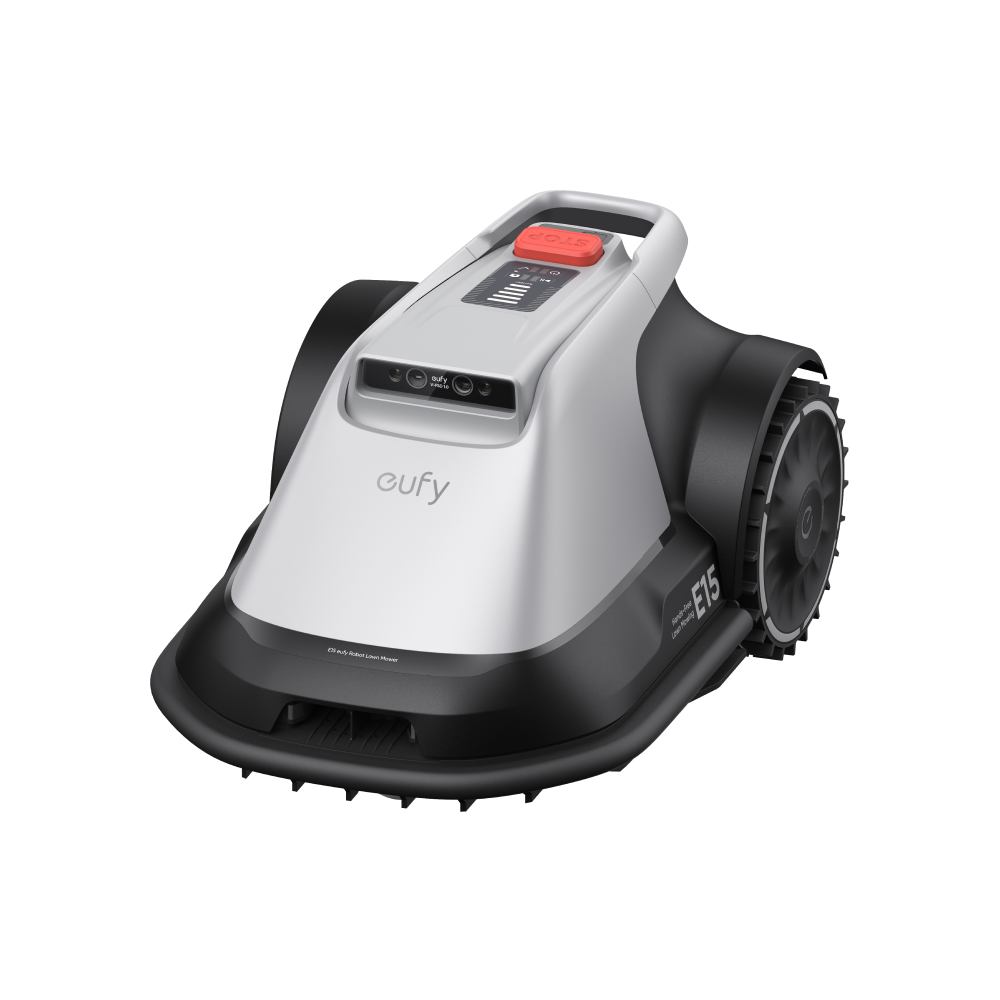 vs
eufy E15 vs E15 Gen 2: What Changed?
Gen 2 has a higher lawn-area rating, but the official manual confirms the same published cutting range, deck width and mowing-time range as the original. We'd choose around lawn fit and the mapping routine, rather than assume a new generation will finish faster.
Read the guide