Lawn care · 5 min read
Robot mower around exposed tree roots: Protect the roots and plan the route
A wheel clearing a raised root does not establish that the cutting system can pass without damage. Keep exposed roots out of an unapproved mowing route, then check the tree-care plan, exact exclusion settings and the mower’s return to charge.
Based on published manufacturer information.
Checked Nov 27 · In stock when checked. Shipping and tax at checkout.
Buy at Lowe’s See all offers & model details ↗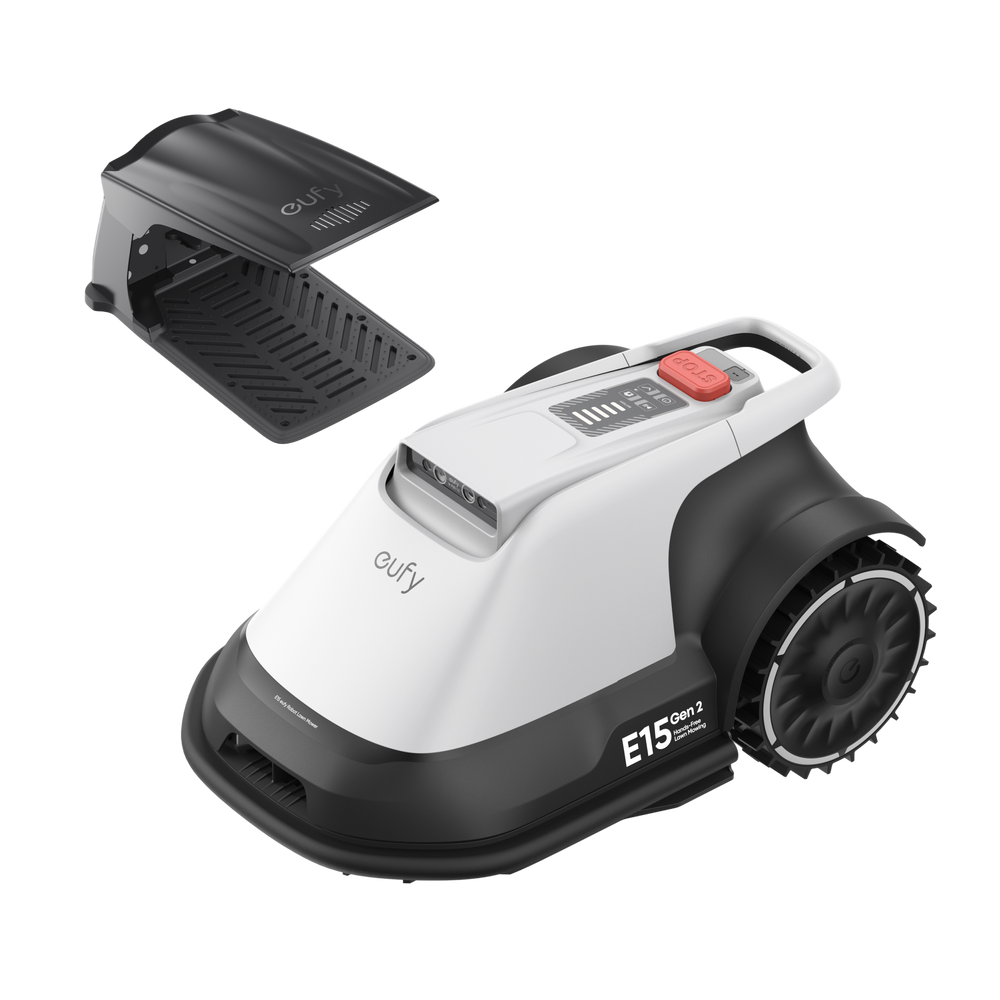
Checked Nov 27 · In stock when checked. Shipping and tax at checkout.
Buy at Lowe’s See all offers & model details ↗We may earn a commission when you buy through these links.
Our recommendations come from published specifications. We may earn a commission from qualifying purchases. As an Amazon Associate, we earn from qualifying purchases. How we work
The quick verdict
Here’s where we’d start.
Protect exposed roots from an unapproved mowing route rather than cut, shave or bury them to make the mower pass. Assess the tree and landscaping separately, then use the exact mower’s supported exclusion and route requirements. A larger obstacle-crossing claim or higher cut does not independently approve contact with living roots.
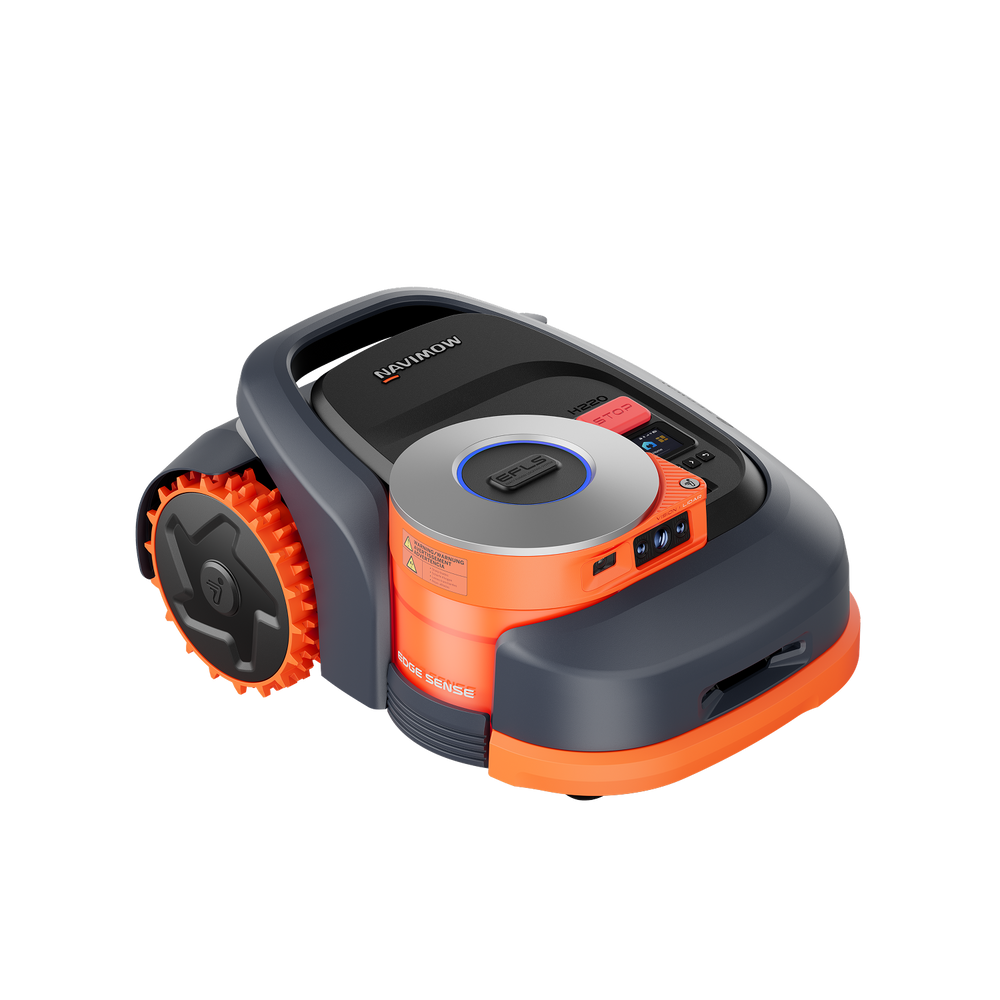
H210
H2 documents off-limit islands for areas the mower should avoid and channels connecting lawn sections or the station.
Use the exact preparation and mapping instructions. A VisionFence-off setting is not a way to make an unresolved root crossing suitable.
E15 Gen 2
The T280L manual distinguishes No-go Zones, No-Mow Zones and priority mowing areas.
Use the supported control that addresses entry and the actual hazard. A priority setting or assumed camera detection does not protect a raised root.
Look at the root and the complete path around it.
Pause the affected route while you inspect the exposed area, the grass beside it and any repeated charger approach. Record where the mower would turn, cross or place its cutting system.
Root damage and mower clearance are separate questions. Do not send the mower over the root repeatedly to find the limit. Our trees guide and scalping guide cover the wider lawn conditions.
Do not reshape living roots for the mower.
Wisconsin Extension warns that mower strikes and pruning surface roots can seriously affect tree health. Iowa State explains that surface roots are normal for many trees and thick added soil can harm them.
Those sources discuss site-dependent soil and mulch options; neither establishes a universal landscaping recipe or robot-clearance threshold. Get the tree-care plan assessed before cutting roots, changing grades or installing a bed.
H2 provides an off-limit island, not automatic root approval.
The Navimow H210 manual describes off-limit or BioLife islands for areas the mower should avoid. Apply its exact mapping and protection requirements to the assessed area.
Its VisionFence-off control has a different purpose and should not be used to force an unresolved root crossing. Our exclusion-zone guide explains the distinction between avoiding an area and changing obstacle behavior.
Choose Gen 2’s control for the actual restriction.
The eufy E15 Gen 2 T280L manual describes No-go Zones for restricted areas, including places where mowing may cause damage or the machine may get stuck.
It separately describes No-Mow and Must-Mow settings. Do not assume that leaving grass uncut is the same as preventing entry. Follow the current in-app guide. Our uncut-patches guide covers grass that remains inside a supported work area.
An exclusion can remove the only route home.
Imagine exposed roots cross the only approach to the charging station. Adding an exclusion protects the mapped area but may leave no supported route for the mower to return.
The next step is an assessed alternative route, station position or lawn-care arrangement, rather than deleting the exclusion to make the timer work. Our charger-placement guide and station-moving guide cover those changes.
Recheck the map after an approved landscape change.
If the assessed plan replaces difficult turf with an appropriate mulch bed, update the boundary or exclusion using the exact model’s instructions. Protect roots during the work rather than treat the bed as permission to excavate.
Check passage width and turns around the revised area. Our passage guide and separate-lawns guide cover the remaining connections.
Observe the first permitted run and review changes.
Once tree care, protection and the supported route are resolved, observe a permitted run from a safe position. Stop if the machine contacts the protected area, marks the ground or produces an unusual sound.
Follow shutdown instructions before inspection and recheck the arrangement as the landscape changes. Our noise guide and wheel-track guide cover those follow-up symptoms.
A closer look
The differences, in view.
Scroll horizontally on smaller screens. Values are manufacturer claims; see each product for qualifiers and original wording.
| Specification | H210 | E15 Gen 2 |
|---|---|---|
| Rated lawn coverage | 0.25 acreRecommended model-specific lawn size, not the expanded mapping allowance. | 0.2471 acresNormalized from 1,000 m² manufacturer coverage claim; not per-charge coverage. |
| Maximum slope | 45 % | Not confirmed |
| Navigation | LiDAR + network RTK + vision | TrueVision camera navigation |
| Maximum slope | Not confirmed | 18 °Visible mower setup FAQ; boundary-slope limit not specified. |
| Boundary setup | Not confirmed | No perimeter wire or RTK stationManufacturer configuration claim, not a guarantee of signal reliability. |
| Connectivity | Not confirmed | Wi-Fi setup; 4G supportedThe page does not establish this generation’s data subscription terms. |
| Cutting height | Not confirmed | 1–3 inE15 Gen2 T280L user guide, section 2.4; not transferred from the original E15. |
Ready to choose?
Your next step, made simple.
Checked Nov 27 · In stock when checked. Shipping and tax at checkout.
Buy at Lowe’s See all offers & model details ↗Checked Nov 27 · In stock when checked. Shipping and tax at checkout.
Buy at Lowe’s See all offers & model details ↗We may earn a commission when you buy through these links.
Show your work
Sources & editorial method.
We reviewed official US product information and exact configurations. Our advice draws on published specifications and model-specific manufacturer instructions, with the practical trade-offs explained. Unknowns and conflicting claims are kept visible. Prices above come from the catalog and may change independently of this article’s review date.
- Navimow official US page — exact model information
- eufy official US page — exact model information
- Official H2 US manual — preparation, off-limit islands and supported channels
- Official T280L Gen 2 manual — No-go, No-Mow and priority controls
- Iowa State University — exposed roots, soil-cover limits and landscape options
- Wisconsin Extension — mower/root damage and assessed landscape options
Published Nov 10, 2026 · Editorial review Nov 10, 2026.
Read our research standardsKeep exploring
A little more perspective.
How to Set Up No-Go Zones for a Robot Mower
Start by walking the lawn and marking the places the mower must avoid, then use the exact model's mapping instructions. E15 Gen 2 no-go zones and Navimow H2 off-limit islands are useful examples, but their names and setup rules differ. Keep the route back to the charger in view too.
Read the guideMoving a robot mower’s charging station: Check the new route before restarting
A better-looking corner is only useful if the mower can locate and reach it. Check the new installation first, use the exact model’s relocation procedure, then verify the return journey before restoring the schedule.
Read the guide