Lawn care · 5 min read
Robot mower leaving clumps: Check moisture, grass length and the deck
Tiny clippings left among the grass are expected. Heavy wet mats are a different problem. Check when the clumps appear, how much grass is being removed and what the exact mower allows before adding more runs.
Based on published manufacturer information.
Checked Nov 27 · In stock when checked. Shipping and tax at checkout.
Buy at Lowe’s See all offers & model details ↗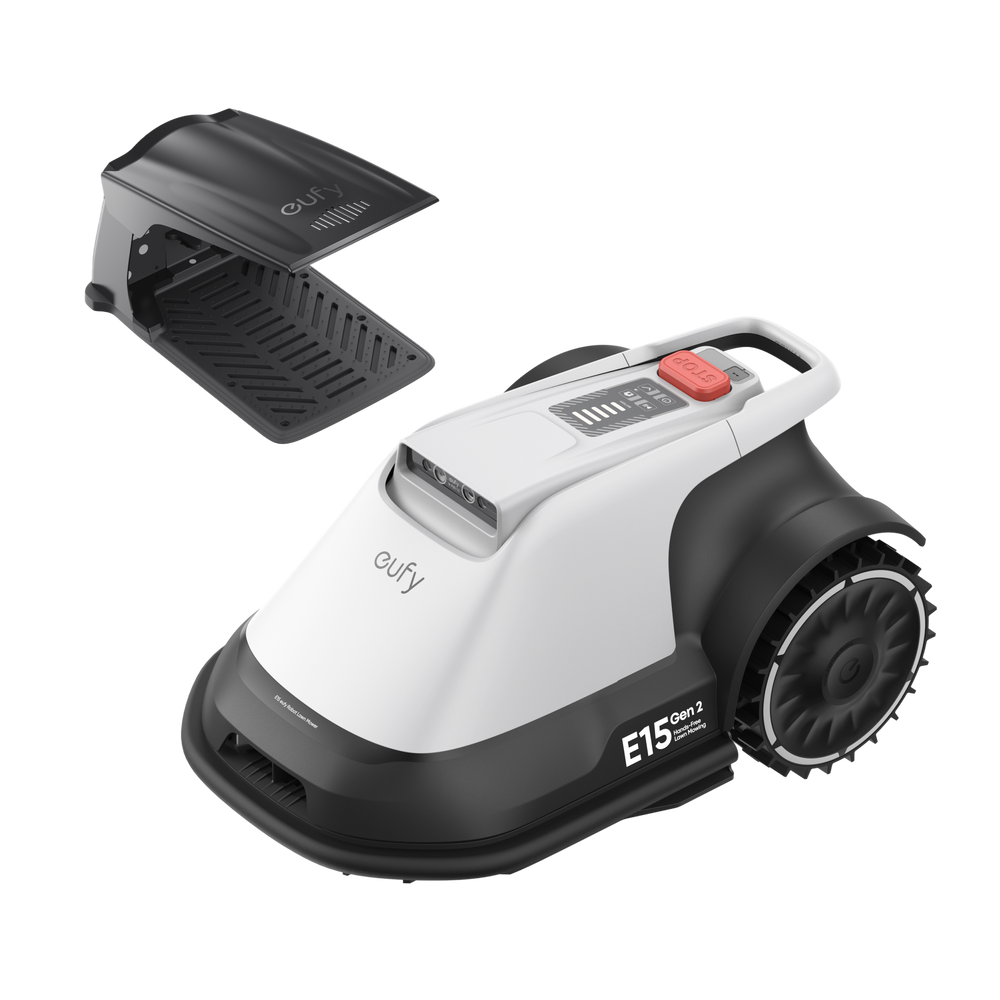
Checked Nov 27 · In stock when checked. Shipping and tax at checkout.
Buy at Lowe’s See all offers & model details ↗We may earn a commission when you buy through these links.
Our recommendations come from published specifications. We may earn a commission from qualifying purchases. As an Amazon Associate, we earn from qualifying purchases. How we work
The quick verdict
Here’s where we’d start.
Start with the lawn and the clipping load. Wet or overlong grass can leave mats even when the mower moves normally. Pause unsuitable operation, address heavy clumps with the lawn-care plan, and inspect the powered-off mower as its manual allows. More scheduled passes are useful only after the ground, grass length and machine are suitable.
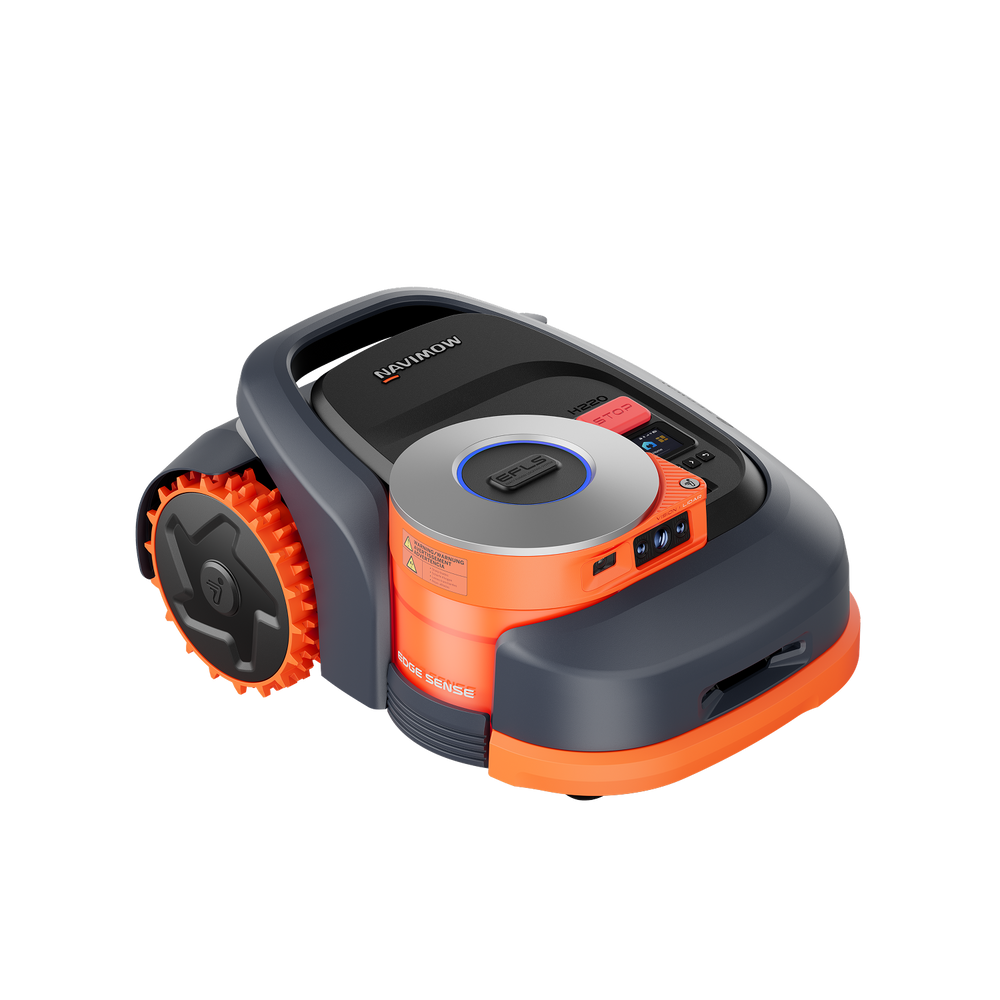
H220
The H2 manual prefers dry mowing and explains that wet clippings can stick underneath.
Stop and follow the exact shutdown and cleaning procedure before inspecting. Water resistance does not authorize a pressure washer or live blade inspection.
E15 Gen 2
T280L limits first-use grass to 3.5 inches and describes gradual height reduction.
A low final setting does not authorize cutting arbitrarily tall grass. Observe the exact grass compatibility and powered-off maintenance instructions.
Distinguish scattered clippings from a mat.
Small clippings settling into the lawn are part of ordinary mulching. A thick pile sitting on top of the grass deserves attention, especially when it stays wet and covers the blades beneath.
University of Minnesota Extension explains that wet or overlong clippings can mat together and smother turf; ordinary returned clippings do not themselves cause thatch. Our mulching-versus-collecting guide separates normal recycling from a load that needs another approach.
Notice whether the problem starts with wet grass.
Compare the affected run with dew, rain and sprinkler timing. The Navimow H220 H2 manual prefers dry mowing and notes that wet clippings can collect under the mower. A weather-resistant shell does not prevent that buildup.
Check ground firmness as well as the leaf surface. Do not send the mower back repeatedly through soft tracks to scatter the clumps. Our sprinkler-scheduling guide and wheel-track guide cover those separate conditions.
Measure the standing grass before lowering the setting.
UMN recommends avoiding removal of more than one-third of grass height at a time. That principle does not override a mower’s maximum starting height or make every tall lawn suitable for a robot.
The eufy E15 Gen 2 T280L manual limits first-use grass to 3.5 inches. Check the exact restart instructions after a long pause. Our long-grass guide covers preparing grass the robot should not tackle directly.
Four-inch grass set to two inches is a large reduction.
Imagine grass standing four inches high with a two-inch target. That removes half its height, exceeding the one-third principle. It also exceeds Gen 2’s documented first-use height; simply raising a schedule frequency does not approve that initial job.
Use an appropriate initial mowing method and staged reduction agreed for the grass and equipment. At three inches, a two-inch target removes one-third, but moisture, species and exact operating requirements still need checking. Our cutting-height guide explains that gradual adjustment.
Inspect the mower only after the required shutdown.
Follow the exact stopping, isolation and handling instructions before looking underneath. Check accessible buildup and the condition of the cutting parts as the manual permits. Never reach beneath a working mower to clear a clump.
Use the approved cleaning method and replacement parts. H2 permits specified hose cleaning but prohibits pressure washing; that is not a cleaning instruction for every brand. Our mower-cleaning guide and blade-replacement guide cover the owner-care checks.
Our brown-grass-tip guide adds a leaf-level check when the cut also looks pale. Blade condition, buildup, grass length and unrelated lawn symptoms need to be distinguished before changing the routine.
Deal with heavy piles before they shade the grass.
Follow the lawn-care plan to remove heavy mats rather than wait for repeated robot passes to grind them away. Keep clippings out of gutters and drains. A robot without a collection system does not gain one by changing a setting.
If the material includes diseased grass, soil from recent work or unidentified debris, get the appropriate lawn advice before redistributing it. Our post-aeration guide keeps soil-core management separate from ordinary clipping recycling.
Our after-dethatching guide keeps lifted renovation debris separate from fresh clipping clumps. Clear the material and assess grass recovery before restoring the old automatic schedule.
Adjust the routine after the initial cause is addressed.
Once conditions and the mower are suitable, observe an allowed run from a safe position. Record whether clumps return across the whole lawn or only in one damp, fast-growing corner. Change one permitted variable at a time.
Stop for unusual noise, vibration or damage and follow the exact support procedure. Our mowing-frequency guide helps prevent long gaps, while the vibration guide covers a different fault pattern.
A closer look
The differences, in view.
Scroll horizontally on smaller screens. Values are manufacturer claims; see each product for qualifiers and original wording.
| Specification | H220 | E15 Gen 2 |
|---|---|---|
| Rated lawn coverage | 0.5 acreRecommended model-specific lawn size, not the expanded mapping allowance. | 0.2471 acresNormalized from 1,000 m² manufacturer coverage claim; not per-charge coverage. |
| Maximum slope | 45 % | Not confirmed |
| Navigation | LiDAR + network RTK + vision | TrueVision camera navigation |
| Maximum slope | Not confirmed | 18 °Visible mower setup FAQ; boundary-slope limit not specified. |
| Boundary setup | Not confirmed | No perimeter wire or RTK stationManufacturer configuration claim, not a guarantee of signal reliability. |
| Connectivity | Not confirmed | Wi-Fi setup; 4G supportedThe page does not establish this generation’s data subscription terms. |
| Cutting height | Not confirmed | 1–3 inE15 Gen2 T280L user guide, section 2.4; not transferred from the original E15. |
Ready to choose?
Your next step, made simple.
Checked Nov 27 · In stock when checked. Shipping and tax at checkout.
Buy at Lowe’s See all offers & model details ↗Checked Nov 27 · In stock when checked. Shipping and tax at checkout.
Buy at Lowe’s See all offers & model details ↗We may earn a commission when you buy through these links.
Show your work
Sources & editorial method.
We reviewed official US product information and exact configurations. Our advice draws on published specifications and model-specific manufacturer instructions, with the practical trade-offs explained. Unknowns and conflicting claims are kept visible. Prices above come from the catalog and may change independently of this article’s review date.
- Navimow official US page — exact model information
- eufy official US page — exact model information
- University of Minnesota Extension — clipping recycling and wet or long clipping mats
- Official H2 US manual 260202-A — wet clippings and safe care
- Official eufy T280L manual — first-use height and shutdown
Published Nov 10, 2026 · Editorial review Nov 10, 2026.
Read our research standardsKeep exploring
A little more perspective.
Robot mower after lawn aeration: Check the cores and ground before restarting
Core aeration leaves soil plugs on the surface and may be followed by seeding or other lawn work. Keep the turf-care plan and the exact mower’s operating requirements together before restoring the automatic schedule.
Read the guideRobot mower and sprinklers: Plan separate schedules and a dry route
A rain sensor does not coordinate the irrigation controller. Check the exact mower instructions, leave the required space around sprinkler heads and account for watering changes before starting the next mowing session.
Read the guide