Lawn care · 5 min read
Robot mower after lawn aeration: Check the cores and ground before restarting
Core aeration leaves soil plugs on the surface and may be followed by seeding or other lawn work. Keep the turf-care plan and the exact mower’s operating requirements together before restoring the automatic schedule.
Based on published manufacturer information.
Checked Nov 27 · In stock when checked. Shipping and tax at checkout.
Buy at Lowe’s See all offers & model details ↗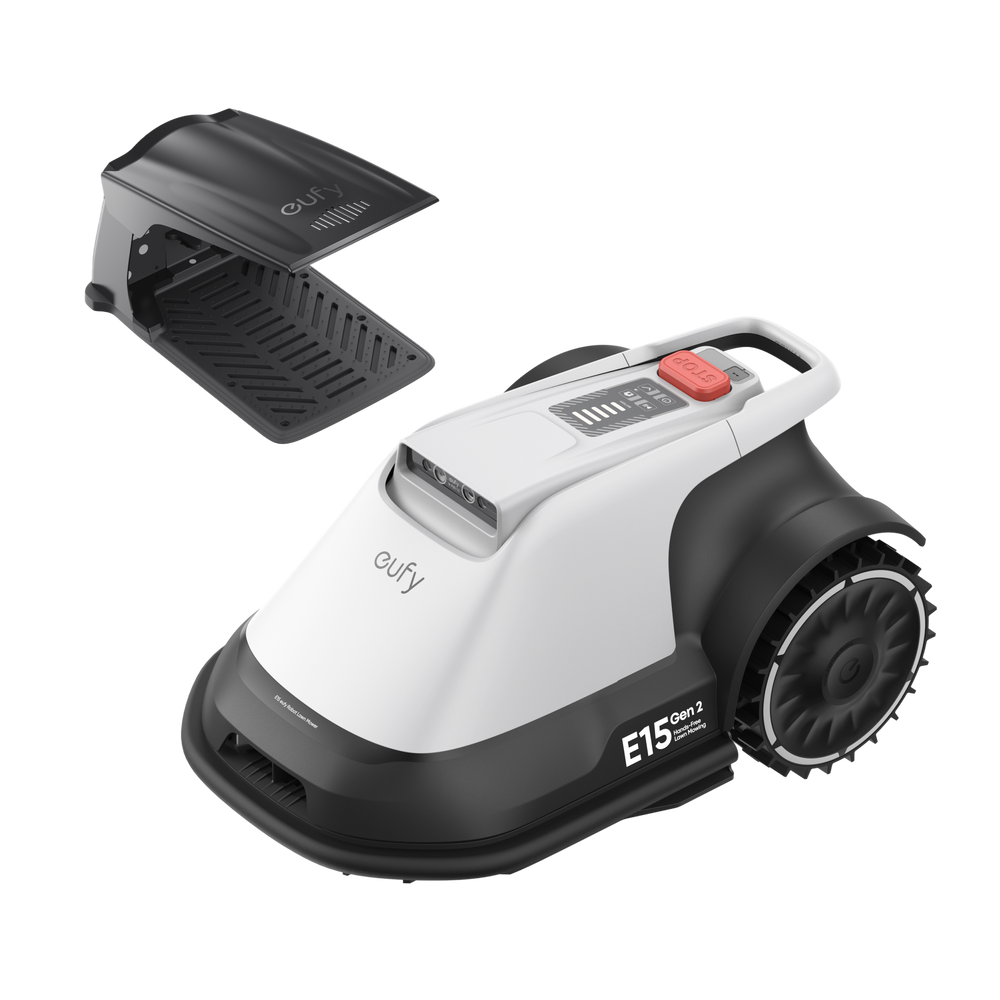
Checked Nov 27 · In stock when checked. Shipping and tax at checkout.
Buy at Lowe’s See all offers & model details ↗We may earn a commission when you buy through these links.
Our recommendations come from published specifications. We may earn a commission from qualifying purchases. As an Amazon Associate, we earn from qualifying purchases. How we work
The quick verdict
Here’s where we’d start.
Pause automatic mowing while the aeration work and site assessment are unfinished. Follow the lawn-care plan for soil cores, but do not assume general advice about mowing them establishes approval for your robot. Confirm ground firmness, the complete route, grass conditions and exact machine requirements; overseeding or new turf adds a separate establishment decision.
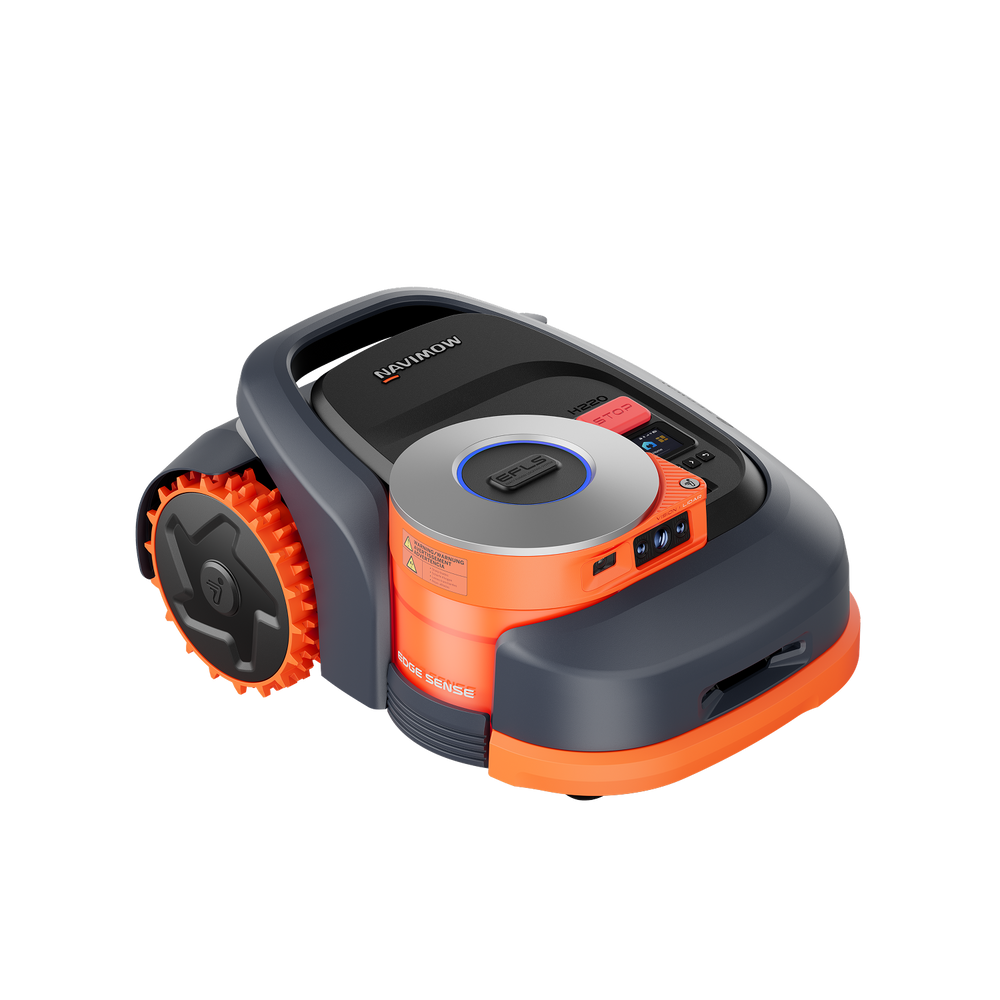
H220
H2 documents foreign-object clearance, a preference for dry mowing and separate off-limit islands and channels.
Those instructions do not establish permission to process aeration cores. Check the complete route and ask about the actual surface conditions.
E15 Gen 2
The T280L manual limits first-use grass to 3.5 inches and distinguishes No-go entry restrictions from No-Mow areas.
A suitable height does not prove the ground is ready. Seeding, weak turf or an unsuitable species needs its own assessment.
Find out what the lawn work actually included.
Core aeration removes plugs of soil and leaves them on the surface. Ask whether the contractor also seeded, topdressed, treated or repaired the lawn. Those jobs can change the restart decision independently of the aeration date.
Keep the automatic schedule paused until the work and operating route have been reviewed. A calendar reminder cannot establish that conditions are suitable across the property. Our lawn-preparation guide covers the machine’s separate starting requirements.
Keep turf advice about the cores separate from robot approval.
University of California guidance says to leave cores on the lawn to break down through watering and mowing. University of Minnesota’s regional guidance describes allowing cores to partly dry before raking them back into the lawn.
Those are lawn-care approaches, not exact-model instructions to send a small robot through fresh soil plugs. Confirm a compatible plan with the lawn professional and mower manufacturer rather than remove every core or use the robot as a soil-processing tool. Our mulching guide discusses ordinary grass clippings separately.
Our after-dethatching guide covers a different renovation cleanup. Loosened fibrous material must be removed rather than treated as soil cores or ordinary fine mowing clippings.
Assess the turns and charger approach, not just the open lawn.
Check the ground where the mower turns, crosses between sections and approaches the station. A firm-looking open patch does not establish that every repeated route can take the planned traffic. Have soft or disturbed places assessed before operation.
The Navimow H220 H2 manual prefers dry mowing and requires foreign-object clearance. That does not supply a universal post-aeration waiting period. Our wheel-track guide and charger-placement guide cover those repeat-route questions.
Two aerated areas can need different restart decisions.
Imagine the open lawn is firm and the agreed core-management work is complete, while the shaded charger approach remains soft and disturbed. The shared aeration date does not establish that the whole automatic route is ready. Resolve the weak approach before allowing repeated travel.
Now imagine the ground is suitable but seed was added during the job. Ground firmness alone does not settle seedling establishment or mowing readiness. Our overseeding guide covers that additional decision, while the new-sod guide applies to replaced turf.
Check the machine’s starting conditions as the grass grows.
The eufy E15 Gen 2 T280L manual limits first-use grass to 3.5 inches and describes gradual reductions. Do not assume the chosen maintained setting authorizes any starting grass length after the mower has been paused.
Check the exact restart requirements and grass compatibility independently of ground readiness. The current Gen 2 page advises against Zoysia and St. Augustine. Our height guide and long-grass guide separate those checks.
Keep unsuitable patches out of the complete operating route.
Use the exact model’s supported entry restrictions if part of the lawn needs more time or work. H2 distinguishes off-limit islands from connecting channels. Gen 2 distinguishes No-go restrictions from areas simply left uncut with No-Mow.
Check whether the remaining route still reaches the charger without passing through the affected patch. Do not disable sensors or shrink an exclusion to force a connection. Our no-go guide and separate-lawn guide explain those route decisions.
Observe a permitted first run before relying on the timer.
Once the lawn-care plan, ground and exact machine requirements are satisfied, observe a permitted run from a safe position. Check the cut, turns and return route. Stop and reassess visible ground damage, scraping or unusual operation.
Follow the exact shutdown instructions before any owner inspection or cleaning. Do not alter establishment watering merely to fit the old timer. Our sprinkler-scheduling guide and mower-care guide cover the ongoing routine.
A closer look
The differences, in view.
Scroll horizontally on smaller screens. Values are manufacturer claims; see each product for qualifiers and original wording.
| Specification | H220 | E15 Gen 2 |
|---|---|---|
| Rated lawn coverage | 0.5 acreRecommended model-specific lawn size, not the expanded mapping allowance. | 0.2471 acresNormalized from 1,000 m² manufacturer coverage claim; not per-charge coverage. |
| Maximum slope | 45 % | Not confirmed |
| Navigation | LiDAR + network RTK + vision | TrueVision camera navigation |
| Maximum slope | Not confirmed | 18 °Visible mower setup FAQ; boundary-slope limit not specified. |
| Boundary setup | Not confirmed | No perimeter wire or RTK stationManufacturer configuration claim, not a guarantee of signal reliability. |
| Connectivity | Not confirmed | Wi-Fi setup; 4G supportedThe page does not establish this generation’s data subscription terms. |
| Cutting height | Not confirmed | 1–3 inE15 Gen2 T280L user guide, section 2.4; not transferred from the original E15. |
Ready to choose?
Your next step, made simple.
Checked Nov 27 · In stock when checked. Shipping and tax at checkout.
Buy at Lowe’s See all offers & model details ↗Checked Nov 27 · In stock when checked. Shipping and tax at checkout.
Buy at Lowe’s See all offers & model details ↗We may earn a commission when you buy through these links.
Show your work
Sources & editorial method.
We reviewed official US product information and exact configurations. Our advice draws on published specifications and model-specific manufacturer instructions, with the practical trade-offs explained. Unknowns and conflicting claims are kept visible. Prices above come from the catalog and may change independently of this article’s review date.
- Navimow official US page — exact model information
- eufy official US page — exact model information
- University of California — core-aeration methods and soil-core management
- University of Minnesota Extension — regional aeration and core-raking guidance
- Official H2 US manual 260202-A — ground preparation and route restrictions
- Official T280L Gen 2 manual — first-use grass and zone controls
Published Nov 10, 2026 · Editorial review Nov 10, 2026.
Read our research standardsKeep exploring
A little more perspective.
Robot mower after overseeding: Care for the old grass and protect the seedlings
Established grass can still need mowing while new seedlings develop. Plan that care around the seedbed, watering and the robot’s complete route, rather than restart its usual schedule after a fixed number of days.
Read the guideRobot mower and sprinklers: Plan separate schedules and a dry route
A rain sensor does not coordinate the irrigation controller. Check the exact mower instructions, leave the required space around sprinkler heads and account for watering changes before starting the next mowing session.
Read the guide