Lawn care · 5 min read
Robot mower on new sod: When is the lawn ready?
Fresh sod can look like a finished lawn while its roots are still establishing. Check rooting, ground firmness, grass height and the complete mower route before restoring repeated automatic mowing.
Based on published manufacturer information.
Checked Nov 27 · In stock when checked. Shipping and tax at checkout.
Buy at Lowe’s See all offers & model details ↗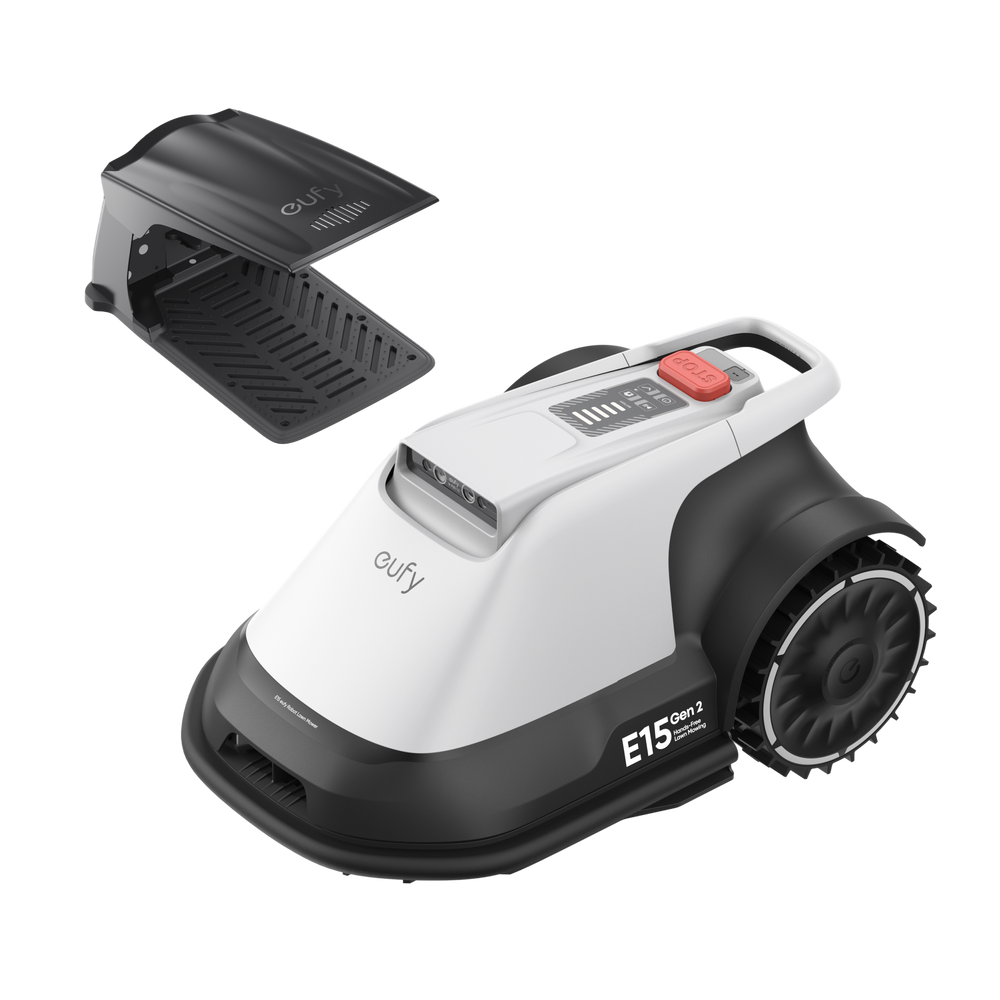
Checked Nov 27 · In stock when checked. Shipping and tax at checkout.
Buy at Lowe’s See all offers & model details ↗We may earn a commission when you buy through these links.
Our recommendations come from published specifications. We may earn a commission from qualifying purchases. As an Amazon Associate, we earn from qualifying purchases. How we work
The quick verdict
Here’s where we’d start.
Have the sod’s establishment and mowing plan assessed before sending repeated robot traffic over it. Rooting, ground condition, grass compatibility and first-cut limits all matter; a calendar date or green appearance does not settle them. Use the exact mower’s restrictions, protect unsuitable patches and keep the sod’s watering plan intact while the lawn becomes ready.
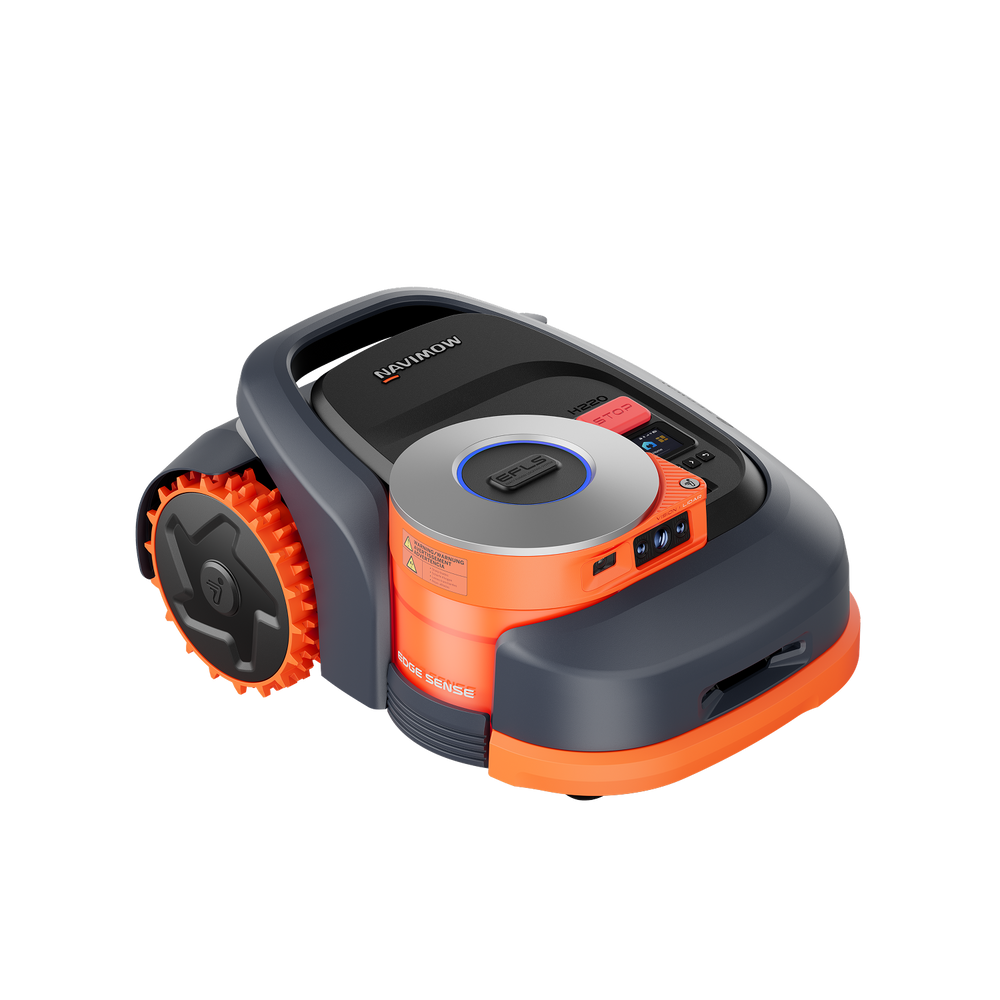
H220
H2 documents off-limit islands and channels, with separate ground, weather and sprinkler precautions.
An exclusion must also leave an approved route to the charger. General readiness for mowing does not automatically approve repeated robot traffic.
E15 Gen 2
The T280L manual limits first-use grass to 3.5 inches and describes separate No-go and No-Mow settings.
The current Gen 2 page advises against Zoysia and St. Augustine. Establishment alone does not make an unsuitable grass or route compatible.
Check establishment beneath the green surface.
New sod arrives with growing grass, but it still needs to root into the soil underneath. University of Minnesota’s homeowner guidance says to begin mowing sodded turf after rooting has taken place and describes a gentle tug as one way to assess it.
Use the installer or local turf guidance to judge establishment across the actual lawn. That regional advice is not a validated permission test for every robot, wheel load or turn. A patch that moves or separates needs assessment rather than another automatic pass. Our lawn-preparation guide covers the machine’s separate requirements.
Keep lawn-care height advice separate from the mower’s starting limit.
Purdue’s Midwest guidance for new sod describes mowing from four inches to three. That is regional lawn-care advice, rather than permission to put any robot into four-inch grass. The right plan depends on the grass and the exact machine.
The eufy E15 Gen 2 T280L manual limits first-use grass to 3.5 inches and recommends gradual reductions. If the planned first cut starts above that limit, arrange another approved method with the installer instead of assuming the selected setting fixes it. Our height guide explains that distinction.
Two patches laid on the same day may need different decisions.
Imagine most of the lawn is rooted and firm, while a shaded patch still moves at its seams. The shared installation date does not establish that both parts can take the same traffic. Have the weaker patch assessed and keep it out of the operating route using supported restrictions.
Now imagine that patch becomes established but remains soft after watering. Root attachment and ground firmness are different checks. Neither observation predicts a universal waiting period. Record conditions where the mower turns and approaches the charger, rather than judge readiness from one firm corner.
Review turns and repeat routes before restoring the timer.
Automatic mowing can send the machine over the same charger approach or connector repeatedly. Have those places included in the establishment assessment. A suitable grass height does not establish that the ground can take the proposed operating routine.
On Navimow H220, the H2 manual distinguishes off-limit islands from channels. Gen 2 distinguishes preventing entry with No-go settings from leaving an area uncut with No-Mow. Our no-go guide and wheel-track guide explain those separate questions.
Keep the establishment watering plan intact.
Follow the installer’s moisture plan and local grass advice while the roots develop. Do not dry out new sod merely to create a convenient mower window. Schedule mowing only when the grass, ground and exact operating instructions allow it.
H2’s manual prefers dry mowing, keeps the operating mower at least one meter from sprinkler heads and prohibits simultaneous sprinkler operation. Check the complete physical clearance and schedule together. Our sprinkler-scheduling guide separates watering times from equipment placement.
Check the grass species and the changed map.
Gen 2’s current page advises against Zoysia and St. Augustine grass. Freshly established sod of an unsuitable species does not become compatible simply by waiting longer. Confirm H220’s exact grass and installation requirements independently.
If landscaping changed borders, paths or the charger approach, reassess those parts before resuming the old schedule. An old map describes the old site. Our separate-lawn guide and charger-placement guide help review the complete route.
Observe the first approved run before relying on the schedule.
Once establishment, ground condition and the machine’s requirements are met, observe a permitted initial run from a safe position. Check the actual cut, turns, seams and return route. Stop and reassess any shifting turf, repeated wheel damage or scraping.
Keep the installer’s lawn-care advice alongside the mower instructions as conditions change. Our scalping guide handles repeated cutting damage. If seed was added to existing turf instead, the overseeding guide covers that different establishment job.
A closer look
The differences, in view.
Scroll horizontally on smaller screens. Values are manufacturer claims; see each product for qualifiers and original wording.
| Specification | H220 | E15 Gen 2 |
|---|---|---|
| Rated lawn coverage | 0.5 acreRecommended model-specific lawn size, not the expanded mapping allowance. | 0.2471 acresNormalized from 1,000 m² manufacturer coverage claim; not per-charge coverage. |
| Maximum slope | 45 % | Not confirmed |
| Navigation | LiDAR + network RTK + vision | TrueVision camera navigation |
| Maximum slope | Not confirmed | 18 °Visible mower setup FAQ; boundary-slope limit not specified. |
| Boundary setup | Not confirmed | No perimeter wire or RTK stationManufacturer configuration claim, not a guarantee of signal reliability. |
| Connectivity | Not confirmed | Wi-Fi setup; 4G supportedThe page does not establish this generation’s data subscription terms. |
| Cutting height | Not confirmed | 1–3 inE15 Gen2 T280L user guide, section 2.4; not transferred from the original E15. |
Ready to choose?
Your next step, made simple.
Checked Nov 27 · In stock when checked. Shipping and tax at checkout.
Buy at Lowe’s See all offers & model details ↗Checked Nov 27 · In stock when checked. Shipping and tax at checkout.
Buy at Lowe’s See all offers & model details ↗We may earn a commission when you buy through these links.
Show your work
Sources & editorial method.
We reviewed official US product information and exact configurations. Our advice draws on published specifications and model-specific manufacturer instructions, with the practical trade-offs explained. Unknowns and conflicting claims are kept visible. Prices above come from the catalog and may change independently of this article’s review date.
- Navimow official US page — exact model information
- eufy official US page — exact model information
- University of Minnesota — rooted sod and regional first-mowing guidance
- Purdue Extension — Midwest newly sodded lawn care
- Official US H2 manual 260202-A — irrigation, off-limit islands and channels
- Official T280L Gen 2 manual — first-use grass height and zone restrictions
Published Nov 9, 2026 · Editorial review Nov 9, 2026.
Read our research standardsKeep exploring
A little more perspective.
Robot mower after overseeding: Care for the old grass and protect the seedlings
Established grass can still need mowing while new seedlings develop. Plan that care around the seedbed, watering and the robot’s complete route, rather than restart its usual schedule after a fixed number of days.
Read the guideRobot mower and sprinklers: Plan separate schedules and a dry route
A rain sensor does not coordinate the irrigation controller. Check the exact mower instructions, leave the required space around sprinkler heads and account for watering changes before starting the next mowing session.
Read the guide