Lawn care · 5 min read
Robot mower after dethatching: Remove the loose material before restarting
The material lifted by a dethatcher is a different cleanup job from ordinary fine clippings. Keep the automatic mower paused while you remove that debris, assess the lawn and check the exact machine’s mowing requirements.
Based on published manufacturer information.
Checked Nov 27 · In stock when checked. Shipping and tax at checkout.
Buy at Lowe’s See all offers & model details ↗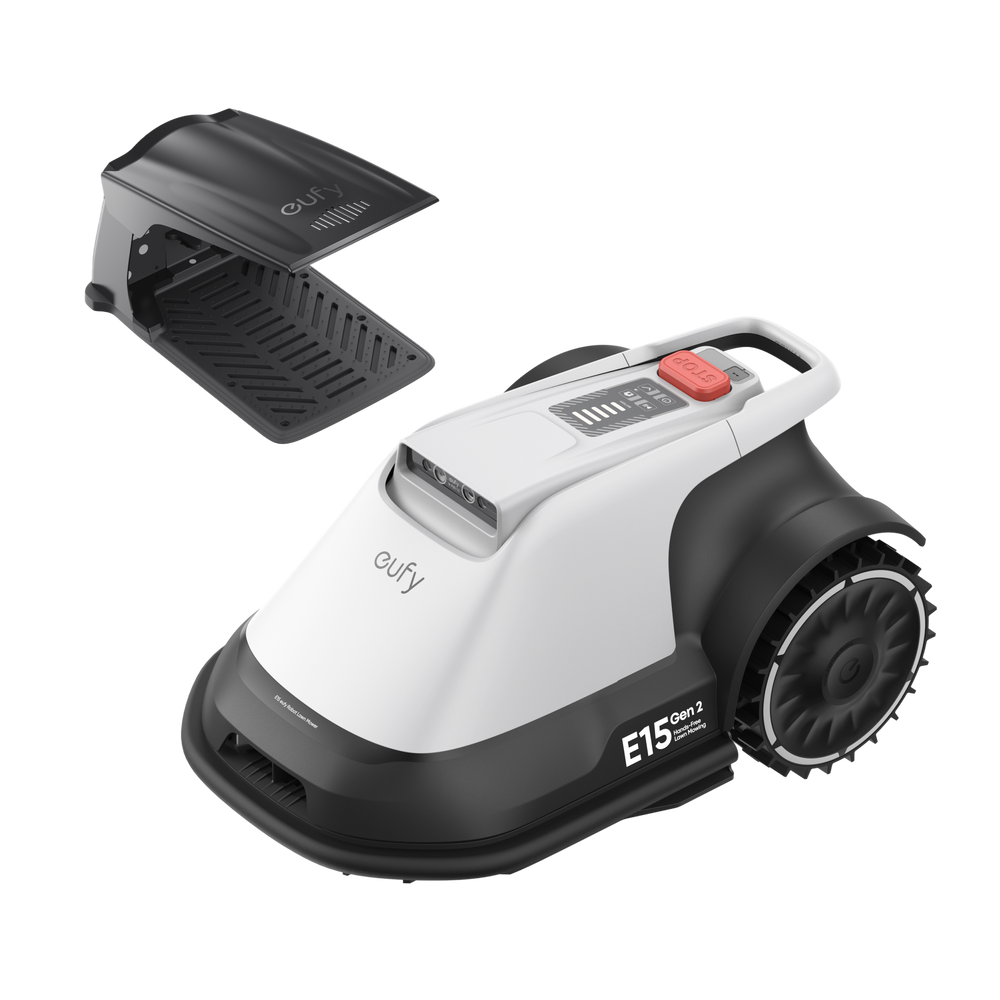
Checked Nov 27 · In stock when checked. Shipping and tax at checkout.
Buy at Lowe’s See all offers & model details ↗We may earn a commission when you buy through these links.
Our recommendations come from published specifications. We may earn a commission from qualifying purchases. As an Amazon Associate, we earn from qualifying purchases. How we work
The quick verdict
Here’s where we’d start.
Remove the loosened material before treating the old mowing schedule as ready to resume. Follow the recovery plan appropriate to the grass and the exact machine’s operating requirements, checking the whole route. A cleared lawn, a shorter setting and a fixed number of days are not interchangeable signs that mowing is suitable.
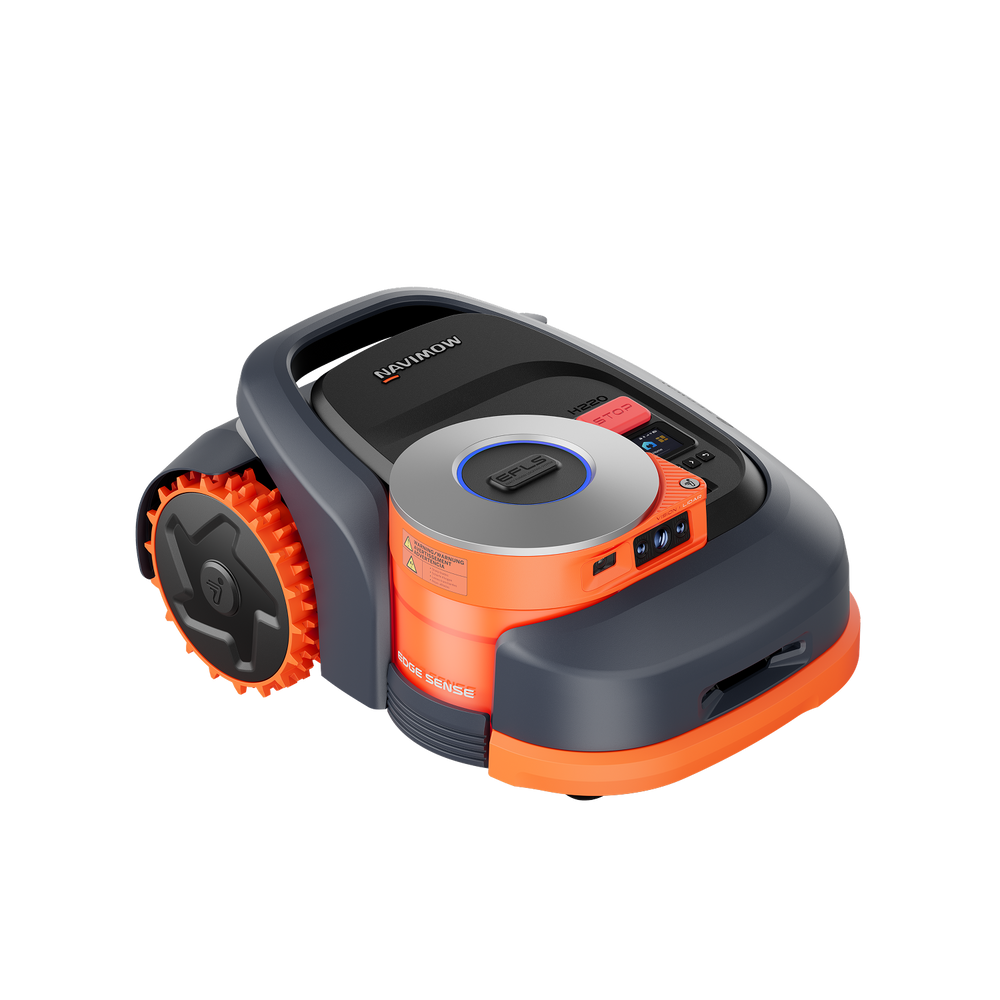
H210
The H2 manual directs owners to inspect the area and remove foreign objects before mowing.
That preparation comes after the dethatching cleanup. A cutting system is not permission to send the mower through piles of loosened material.
E15 Gen 2
The T280L manual gives a 3.5-inch first-use standing-grass limit and describes gradual height reduction.
Do not convert first-use instructions into a universal post-dethatching recovery interval. Ground, grass condition and any reseeding plan still need separate assessment.
Pause automatic mowing before the renovation starts.
Review the timer before a dethatcher or power rake leaves loose material on the lawn. Keep the mower out of the work area while tools, people and debris are present.
University of Minnesota Extension says vertical mowing produces a large volume of debris that must be removed. It does not assign that cleanup to a robot mower. Our frequency guide helps review the old schedule.
Clear the lifted material as a separate job.
UC IPM’s dethatching guidance likewise directs owners to rake up and dispose of the loosened debris. Follow the appropriate lawn-care method rather than ask repeated robot passes to make the piles disappear.
That lifted fibrous material is different from the small fresh clippings produced by routine maintenance. Our mulching versus collecting guide and clumping guide cover the ordinary clipping question.
Assess the lawn rather than choose one waiting period.
Follow recovery advice suited to the grass, treatment intensity and local growing conditions. Minnesota’s seasonal guidance is regional; it does not establish a national restart date or permission to dethatch every lawn in the same month.
Check disturbed patches, firmness, moisture and the repeated charger approach. If renovation includes seeding, that introduces its own requirements. Our overseeding guide and aeration guide separate those jobs.
Prepare the complete H2 route before any allowed restart.
The Navimow H210 H2 manual calls for area inspection and removal of stones, sticks, wire and other foreign objects. Recheck the borders and return route after the cleanup equipment is gone.
Observe its weather, operating and shutdown requirements independently. Do not move a boundary through a disturbed patch merely to restore the old coverage. Our lawn-preparation guide covers the wider inspection.
Keep the grass requirement beside the recovery check.
The eufy E15 Gen 2 T280L manual limits first-use standing grass to 3.5 inches and advises gradual reduction, removing no more than one-third at a time.
Check the applicable restart instructions if growth continued during the pause. A tall patch does not justify lowering the mower sharply on newly disturbed turf. Our height guide and long-grass guide cover that separate problem.
An early timer cannot finish the cleanup for you.
Imagine the mower is scheduled for the morning after dethatching, but loose material still lies across the lawn and the narrow charger approach. Keep the automatic run paused while that cleanup remains unfinished.
Now imagine the debris is removed, but a disturbed, soft patch remains on the return route. Removal alone has not established a suitable route. Resolve the ground and recovery requirements before restoring the run.
Watch the first permitted run before restoring the routine.
Once cleanup, recovery and exact machine requirements are satisfied, observe an allowed run from a safe position. Stop and reassess slipping, marking, unusual cutting or returning warnings.
Follow exact shutdown instructions before inspection, and review whether the old frequency still suits the grass. Our wheel-track guide and mower-care guide cover the follow-up.
A closer look
The differences, in view.
Scroll horizontally on smaller screens. Values are manufacturer claims; see each product for qualifiers and original wording.
| Specification | H210 | E15 Gen 2 |
|---|---|---|
| Rated lawn coverage | 0.25 acreRecommended model-specific lawn size, not the expanded mapping allowance. | 0.2471 acresNormalized from 1,000 m² manufacturer coverage claim; not per-charge coverage. |
| Maximum slope | 45 % | Not confirmed |
| Navigation | LiDAR + network RTK + vision | TrueVision camera navigation |
| Maximum slope | Not confirmed | 18 °Visible mower setup FAQ; boundary-slope limit not specified. |
| Boundary setup | Not confirmed | No perimeter wire or RTK stationManufacturer configuration claim, not a guarantee of signal reliability. |
| Connectivity | Not confirmed | Wi-Fi setup; 4G supportedThe page does not establish this generation’s data subscription terms. |
| Cutting height | Not confirmed | 1–3 inE15 Gen2 T280L user guide, section 2.4; not transferred from the original E15. |
Ready to choose?
Your next step, made simple.
Checked Nov 27 · In stock when checked. Shipping and tax at checkout.
Buy at Lowe’s See all offers & model details ↗Checked Nov 27 · In stock when checked. Shipping and tax at checkout.
Buy at Lowe’s See all offers & model details ↗We may earn a commission when you buy through these links.
Show your work
Sources & editorial method.
We reviewed official US product information and exact configurations. Our advice draws on published specifications and model-specific manufacturer instructions, with the practical trade-offs explained. Unknowns and conflicting claims are kept visible. Prices above come from the catalog and may change independently of this article’s review date.
- Navimow official US page — exact model information
- eufy official US page — exact model information
- Official H2 US manual — area preparation, debris inspection and mowing conditions
- Official T280L Gen 2 manual — exact Gen 2 standing-grass and gradual-reduction instructions
- University of Minnesota Extension — thatch, debris removal and regional recovery scope
- UC IPM — dethatching methods and removal of loosened debris
Published Nov 10, 2026 · Editorial review Nov 10, 2026.
Read our research standardsKeep exploring
A little more perspective.
How to Choose the Right Cutting Height for a Robot Mower
Start with the grass species and local mowing guidance, then choose a robot setting within that range. The app’s default or highest number isn't a universal answer. Check the actual finished grass height, lower gradually when needed and keep initial-lawn preparation separate from the height you plan to maintain.
Read the guideHow to Prepare Your Lawn for a Robot Mower’s First Run
Clear the loose objects, check the starting grass height and settle the boundaries before launching the first map. E15 Gen 2 and Navimow H2 give different initial-grass instructions, so a robot's maximum selectable cut isn't the preparation limit. Allow time to learn its normal route and return to charge.
Read the guide