Model comparison · 4 min read
MOVA LiDAX Pro 800 vs Ultra 1000: What does Ultra add?
The Ultra 1000 adds a larger map allowance and a closer stated edge cut. Both keep the same cutting width, height range and listed battery capacity.
Based on published manufacturer information.
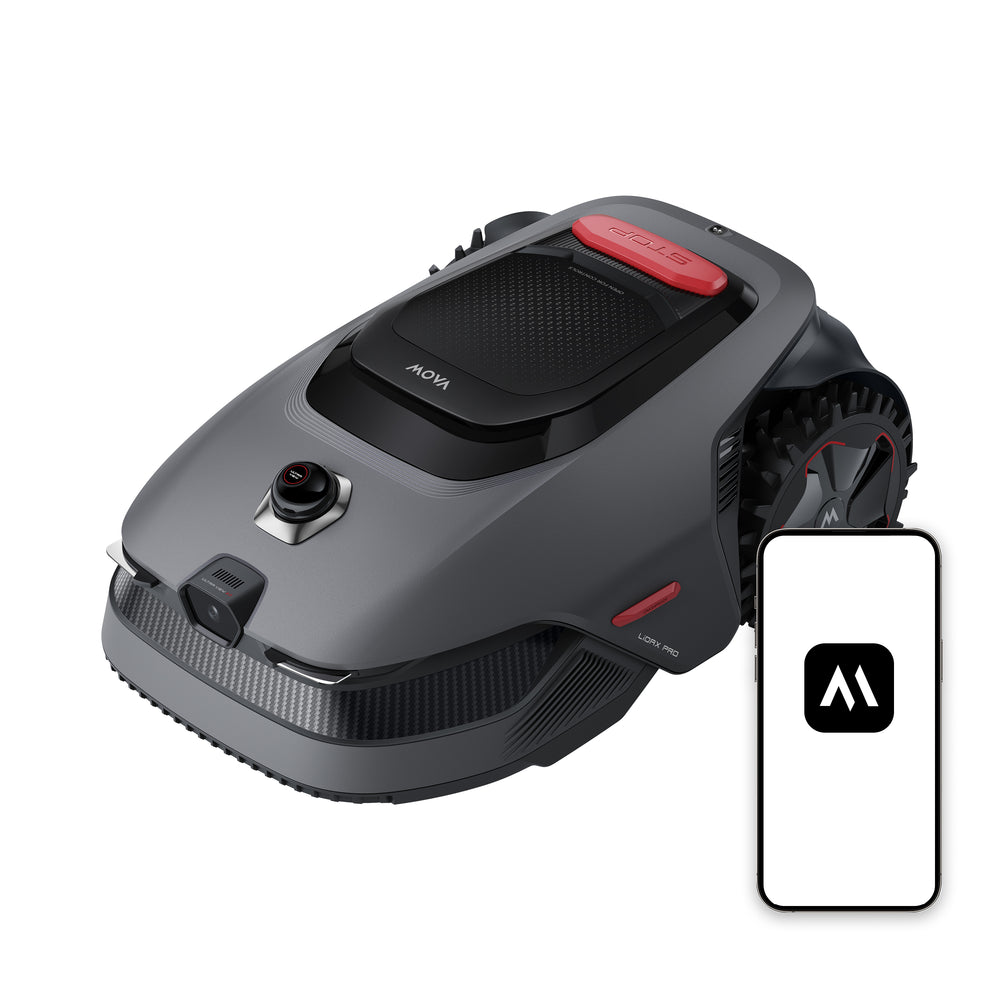
Checked Nov 27 · In stock when checked. Shipping and tax at checkout.
Buy at Lowe’s See all offers & model details ↗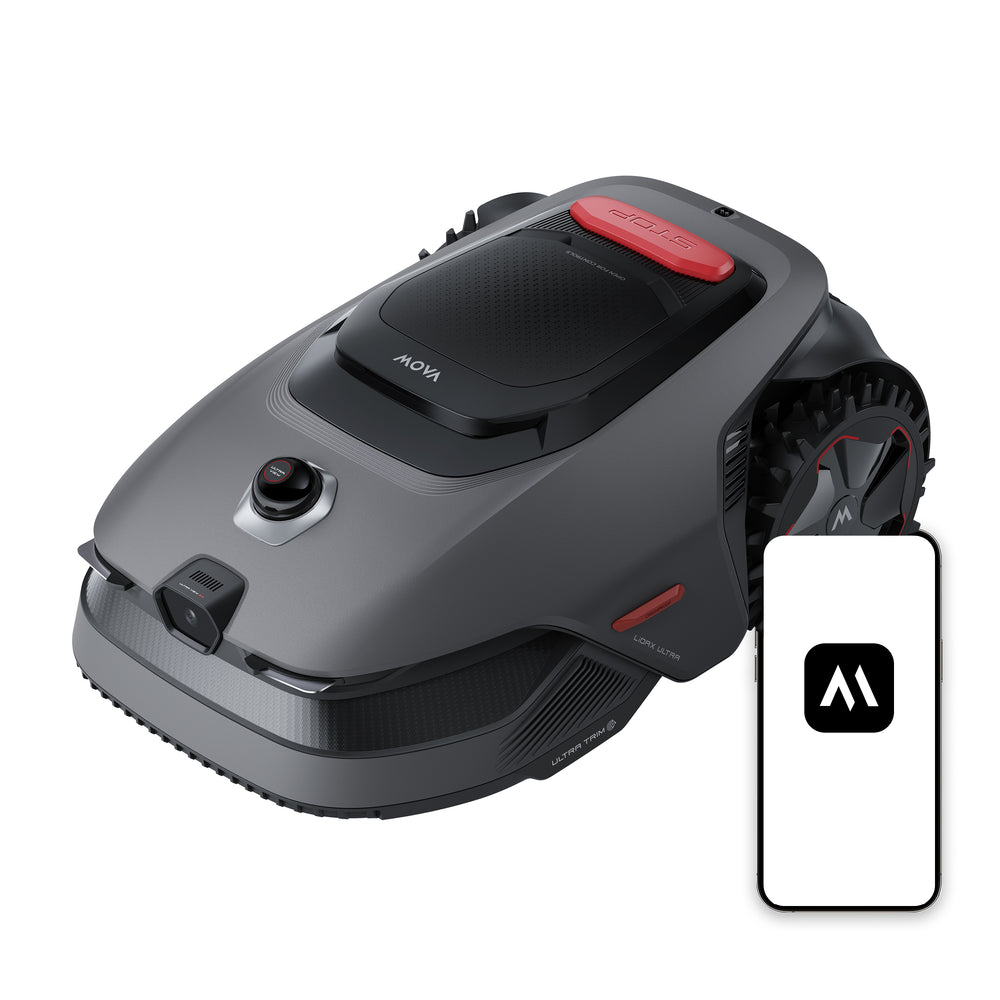
Checked Nov 27 · In stock when checked. Shipping and tax at checkout.
Buy at Lowe’s See all offers & model details ↗We may earn a commission when you buy through these links.
Our recommendations come from published specifications. We may earn a commission from qualifying purchases. As an Amazon Associate, we earn from qualifying purchases. How we work
The quick verdict
Here’s where we’d start.
Choose Pro 800 when your lawn fits its 0.2-acre map limit and you can live with the edge work. Ultra 1000 is worth considering when its quarter-acre map allowance or closer stated edge cut would suit your yard. It does not buy a wider deck or a larger listed battery.
LiDAX Pro 800
The 0.2-acre map limit comes with LiDAR and vision navigation, a 7.9-inch cut and 1.2–3.9-inch height adjustment.
Its edge-retention claim is under 4.3 inches. Check the actual border layout and allow for separate trimming.
LiDAX Ultra 1000
Ultra 1000 raises the map limit to 0.25 acre and lists UltraTrim 1.0 with under two inches of retained grass.
The edge figure depends on the border and installation. Both list 4 Ah, 60–80 minutes per charge and rear-wheel drive.
The extra map allowance can decide this quickly.
A lawn just over 0.2 acre gives you a practical reason to consider LiDAX Ultra 1000. Its maximum mapped area is 0.25 acre, compared with 0.2 acre for LiDAX Pro 800. Those limits apply to the grass you want mapped, including separate patches.
Take the time to measure the lawn. A bigger battery or a longer schedule cannot, by itself, make a lawn fit a smaller map allowance.
Ultra’s edge claim is the other difference to look at.
MOVA lists retained grass of under 4.3 inches for Pro 800, versus under two inches with Ultra 1000’s UltraTrim 1.0. If you have long stretches beside a fence or raised border, the strip left for you to finish deserves attention.
Those are manufacturer figures, not a promise of an identical result around every bed or wall. Send photos of the actual borders and ask which clearances apply. Our edge-cutting guide explains why a flush path and a raised obstacle can produce different results.
The Roborock S2 LiDAR versus Pro 800 guide adds another edge arrangement. It keeps a structural hardware distance separate from an assumed measured strip of grass.
Keep mapped area separate from daily output.
Ultra 1000 lists 0.2 acre per day in Standard mode and 0.3 acre in Efficient mode. Neither changes its quarter-acre map limit. Pro 800’s efficiency entry does not provide a clear time basis, so it cannot support a fair daily-speed comparison.
Ask how much of your lawn each can maintain during the hours you actually want it running. Charging, travel and interrupted sessions all matter. Our mowing-frequency guide helps work through that schedule.
For a different installation approach, compare Pro 800 and ANTHBOT M5. MOVA’s efficiency entry has no explicit time unit, so the guide does not turn it into an invented hourly or daily rate.
Both avoid a local RTK station, but still need a suitable route.
Both describe 3D LiDAR and AI vision without perimeter wire or an RTK station. Both list a 23.6-inch minimum passage, rear-wheel drive and 45% maximum climbing ability. None of that guarantees a difficult gate, damp slope or boundary is suitable.
Check the turns as well as the opening in our passage guide. The Link module is marked optional on both; confirm its hardware, service and renewal terms if those functions matter.
Our Ultra 1000 versus M9 guide adds an RTK-and-vision alternative. Its passage comparison keeps the approach and turns beside the stated 23.6 and 25.6-inch widths.
Pay for the map space or edging you will use.
We would start with Pro 800 when its limits comfortably cover the garden and the remaining trimming is acceptable. Ultra 1000 makes more sense when the extra map space solves the sizing problem, or its supported edge setup would reduce a chore you dislike.
For more mapped area, compare standard Ultra 1000 and 2000. If traction is the issue, the separately named Ultra AWD models deserve a different assessment.
Our MOVA mower buying guide places this smaller pair beside standard Ultra 2000 and the separately named AWD machines. Map space, cutting width and traction change at different points in the range.
For a different positioning and battery arrangement, see Pro 800 versus TRON SE. Confirm the TRON RTK package and keep working grade separate from driving grade.
A closer look
The differences, in view.
Scroll horizontally on smaller screens. Values are manufacturer claims; see each product for qualifiers and original wording.
| Specification | LiDAX Pro 800 | LiDAX Ultra 1000 |
|---|---|---|
| Rated lawn coverage | 0.2 acreMaximum mapped lawn area; practical mowing capacity depends on schedule and layout. | 0.25 acreMaximum mapped lawn area; practical mowing capacity depends on schedule and layout. |
Ready to choose?
Your next step, made simple.
Checked Nov 27 · In stock when checked. Shipping and tax at checkout.
Buy at Lowe’s See all offers & model details ↗Checked Nov 27 · In stock when checked. Shipping and tax at checkout.
Buy at Lowe’s See all offers & model details ↗We may earn a commission when you buy through these links.
Show your work
Sources & editorial method.
We reviewed official US product information and exact configurations. Our advice draws on published specifications and model-specific manufacturer instructions, with the practical trade-offs explained. Unknowns and conflicting claims are kept visible. Prices above come from the catalog and may change independently of this article’s review date.
- Official US manufacturer page — exact model, specifications and qualifications
- Official US manufacturer page — exact model, specifications and qualifications
Published Nov 5, 2026 · Editorial review Nov 15, 2026.
Read our research standardsKeep exploring
A little more perspective.
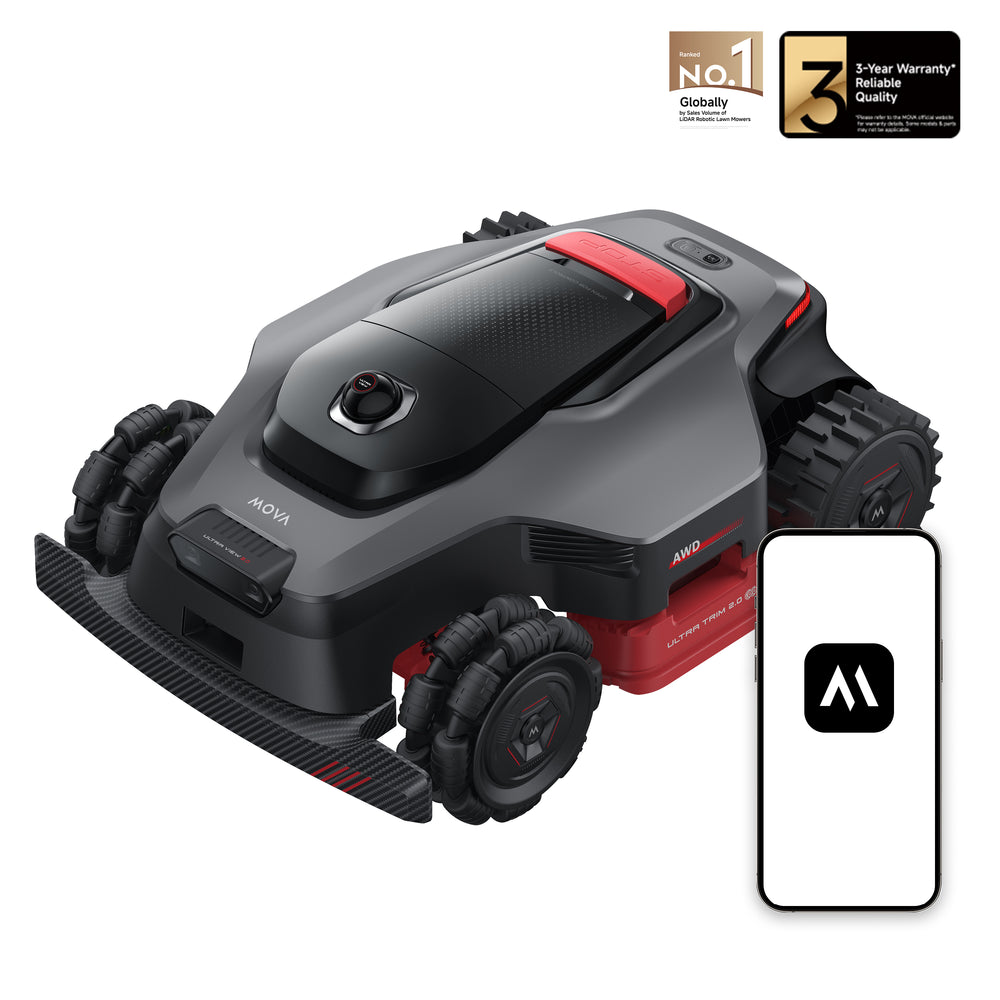
Which MOVA LiDAX robot mower should you choose?
Pro, standard Ultra and Ultra AWD solve different sizing and ground problems. Check the exact name before comparing map space, cutting width or traction.
Read the guide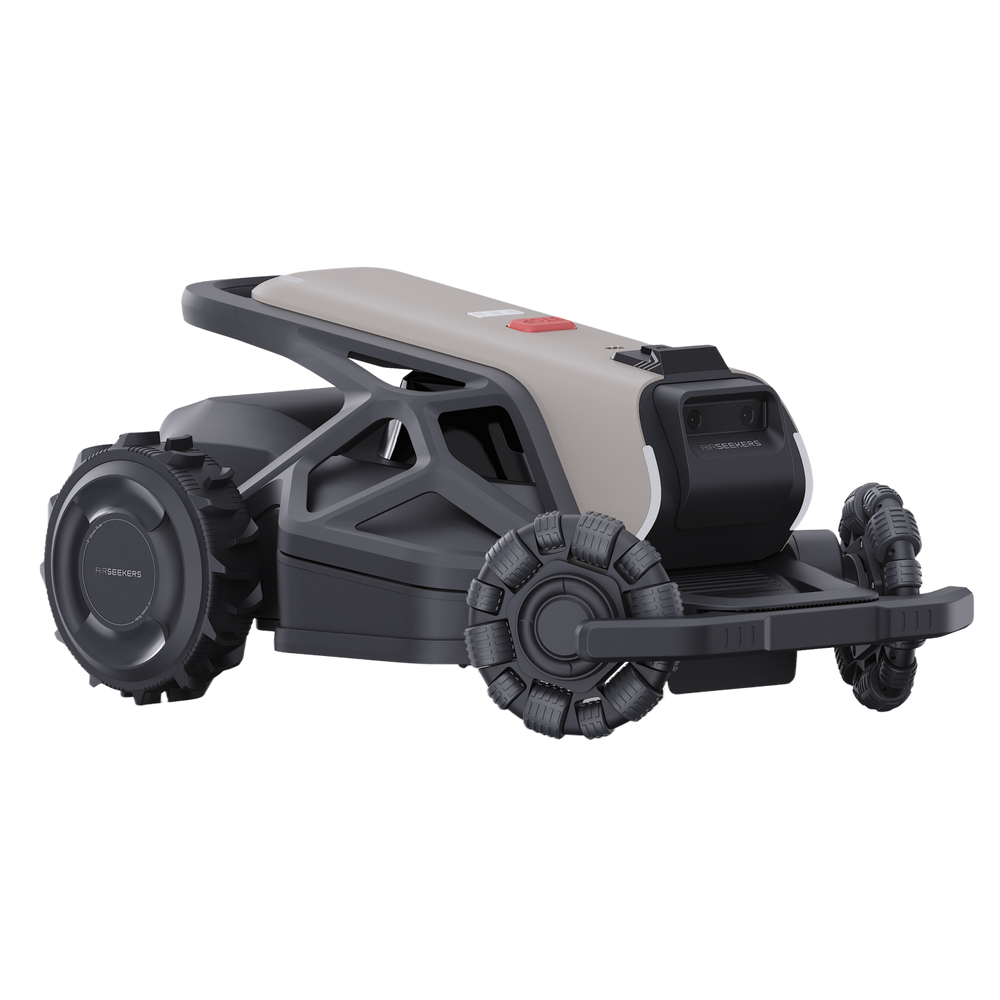 vs
Airseekers TRON SE vs MOVA LiDAX Pro 800
TRON SE advertises up to 0.37 acre a day, while Pro 800 lists a 0.2-acre mapping limit. Those figures describe different things. Your grass height, permitted working hours and positioning setup should decide which is worth assessing.
Read the guide