Model comparison · 5 min read
ANTHBOT M9 vs MOVA Ultra 1000: Check the cut and the mapping claims
M9 combines RTK and vision; standard Ultra 1000 uses LiDAR without a reference station. Their cutting ranges differ, and M9’s mixed mapping wording needs clarification before its model label becomes a lawn-size promise.
Based on published manufacturer information.
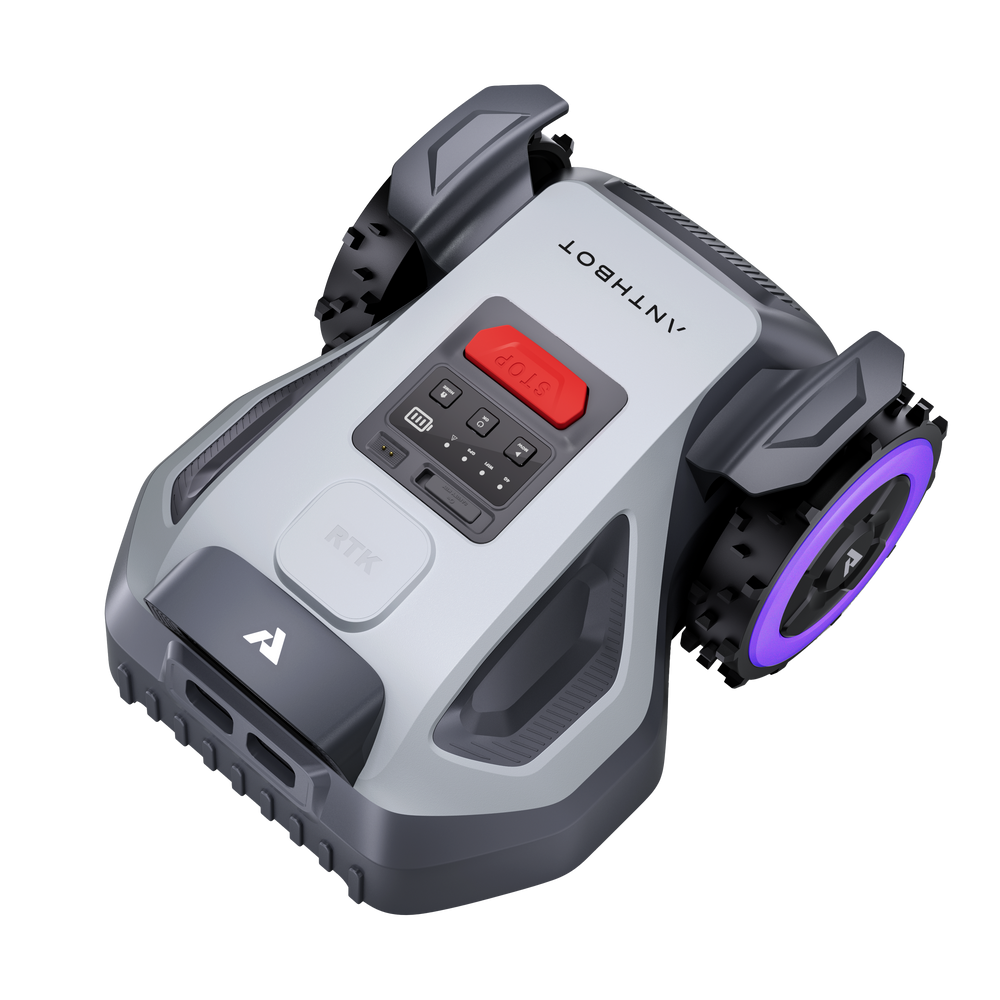
Checked Nov 27 · In stock when checked. Shipping and tax at checkout.
Buy at Lowe’s See all offers & model details ↗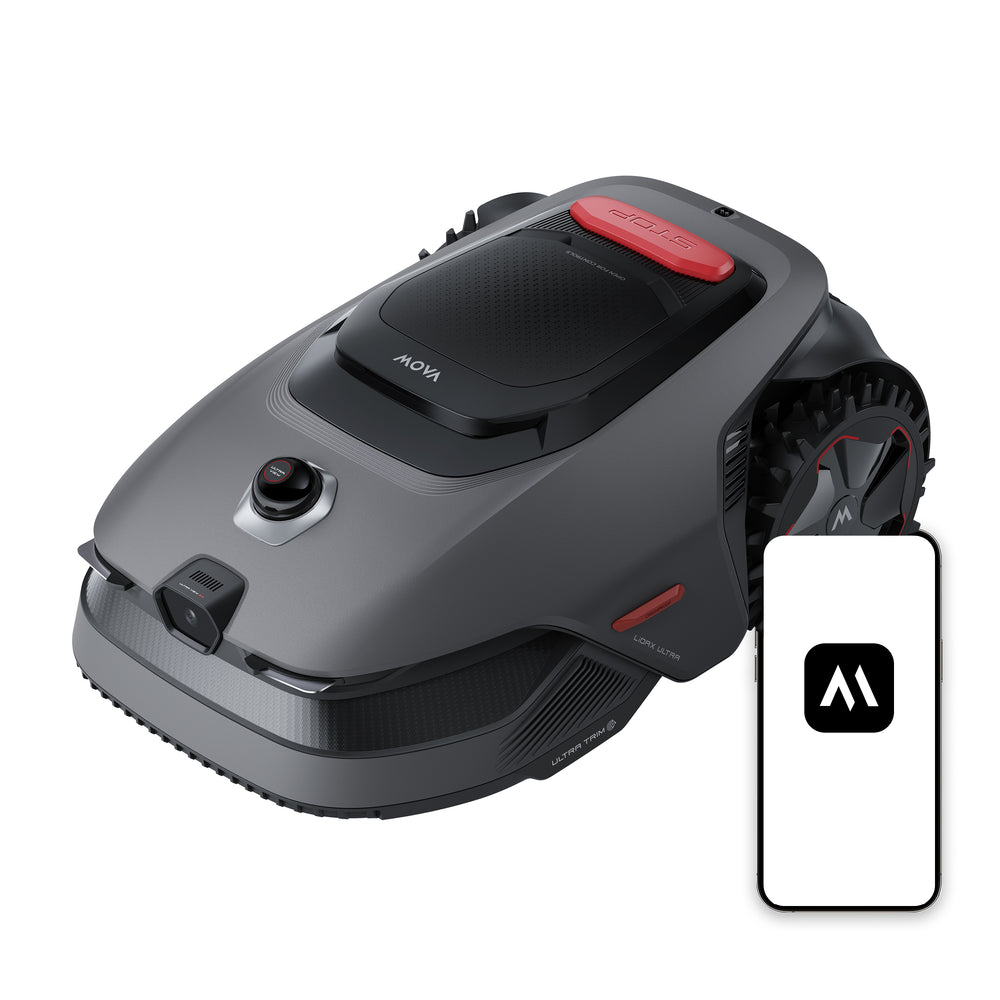
Checked Nov 27 · In stock when checked. Shipping and tax at checkout.
Buy at Lowe’s See all offers & model details ↗We may earn a commission when you buy through these links.
Our recommendations come from published specifications. We may earn a commission from qualifying purchases. As an Amazon Associate, we earn from qualifying purchases. How we work
The quick verdict
Here’s where we’d start.
Investigate M9 when its three-to-seven-centimeter cut and approved RTK installation suit the lawn, after clarifying its exact mapping allowance. Ultra 1000 deserves consideration within its 0.25-acre map limit when its 1.2–3.9-inch range and LiDAR setup fit. Both exact variants are available; neither an area headline nor a navigation label establishes your daily finishing time.
M9
Standard M9 lists a three-to-seven-centimeter cut, RTK plus vision and a 25.6-inch passage claim.
Its page names 1,000 m² but also gives a 500 m² auto-mapping passage. Confirm the actual model, mapping method and lawn allowance.
LiDAX Ultra 1000
Standard Ultra 1000 lists a 0.25-acre maximum mapping area and 1.2–3.9-inch height range.
Its Standard and Efficient daily rates are separate claims. This is the rear-wheel-drive model, with its own supplied equipment and connection terms.
Keep standard M9 separate from M9 PRO.
ANTHBOT M9 is the standard RTK-and-vision model. M9 PRO and M5 LiDAR describe different positioning equipment. Our M5 versus M9 guide separates the standard sizes.
MOVA Lidax Ultra 1000 is the standard rear-wheel-drive version. Our MOVA buying guide keeps it separate from Pro and AWD offers.
A three-inch lawn makes the height difference matter.
M9 adjusts from three to seven centimeters, approximately 1.18–2.76 inches. Ultra 1000’s detailed table lists 1.2–3.9 inches. Establish the height appropriate for your grass first.
A three-inch target fits MOVA and exceeds M9’s stated maximum. At two inches, both initial height checks pass. Our cutting-height guide explains how to choose the maintained finish.
Resolve M9’s two mapping descriptions.
The current M9 page names 1,000 m², while its auto-mapping passage describes 500 m². Ask ANTHBOT which allowance applies to the exact M9, mapping method and delivered firmware; do not silently choose the larger number.
Ultra 1000 lists a 0.25-acre map limit, separately from Standard 0.2 and Efficient 0.3 acre/day claims. A higher daily-rate number does not enlarge the map. Our measuring guide helps describe the real job.
Check the grass setting before the installation extras.
Imagine a 0.18-acre lawn kept at three inches. Its area is within MOVA’s map limit, but M9 misses the requested cutting height regardless of how its mapping conflict is resolved.
At two inches, both ranges include the setting. M9’s actual mapped area and the operating window still need confirmation before the two offers are comparable. Neither example predicts finishing time. Our small-yard guide covers the layout checks.
Compare both systems at the difficult connection.
M9 describes RTK plus vision and lists reference equipment. Confirm the exact reference installation, address coverage and route under trees. Do not assign a PRO or LiDAR model’s setup to standard M9.
MOVA describes 3D LiDAR plus vision without wires or an RTK station. That simplifies the reference-equipment task, but still needs an approved route and clear boundaries. Our navigation guide explains those practical differences.
Measure the approaches as well as the opening.
M9 lists 25.6 inches for its narrowest passage; MOVA lists at least 23.6 inches. A two-inch difference does not establish that either can make every turn beside the gate.
Both publish a 45% climbing claim, which is separate from boundary approval. Give each supplier the same turns, slopes and charger approach. Our passage guide and slope guide cover those measurements.
Compare the complete connection package and working window.
Both exact reviewed variants are available. M9’s page lists three months of 4G/NRTK service; confirm delivered hardware, later fees and any alternative reference arrangement. MOVA lists its link-module service as optional.
We would choose around the confirmed height, mapping and route, then compare the full order. Our subscription guide and Ultra 1000 versus 2000 guide add the ownership questions.
A closer look
The differences, in view.
Scroll horizontally on smaller screens. Values are manufacturer claims; see each product for qualifiers and original wording.
| Specification | M9 | LiDAX Ultra 1000 |
|---|---|---|
| Rated lawn coverage | 0.2471 acreConverted from the manufacturer’s square-metre rating. | 0.25 acreMaximum mapped lawn area; practical mowing capacity depends on schedule and layout. |
| Navigation | RTK + vision + 4G | 3D LiDAR + AI vision |
| Boundary setup | No perimeter wire | No perimeter wire or RTK station |
| Minimum passage width | 25.6 in | 23.6 in |
| Cutting width | Not confirmed | 7.9 in |
| Cutting height | Not confirmed | 1.2–3.9 in |
Ready to choose?
Your next step, made simple.
Checked Nov 27 · In stock when checked. Shipping and tax at checkout.
Buy at Lowe’s See all offers & model details ↗Checked Nov 27 · In stock when checked. Shipping and tax at checkout.
Buy at Lowe’s See all offers & model details ↗We may earn a commission when you buy through these links.
Show your work
Sources & editorial method.
We reviewed official US product information and exact configurations. Our advice draws on published specifications and model-specific manufacturer instructions, with the practical trade-offs explained. Unknowns and conflicting claims are kept visible. Prices above come from the catalog and may change independently of this article’s review date.
- ANTHBOT official US page — exact model information
- MOVA official US page — exact model information
- ANTHBOT exact standard M9 variant
- MOVA exact standard Ultra 1000 variant
Published Nov 10, 2026 · Editorial review Nov 10, 2026.
Read our research standardsKeep exploring
A little more perspective.
vsANTHBOT M5 vs M9: Which Lawn Size Do You Need?
Standard M5 and M9 use RTK and vision, with an app-adjusted 3–7 cm cutting range. The headline lawn ratings differ: 500 m² for M5 and 1,000 m² for M9. We'd measure the grass first, then check M9's reused mapping copy and the exact installation and service package.
Read the guide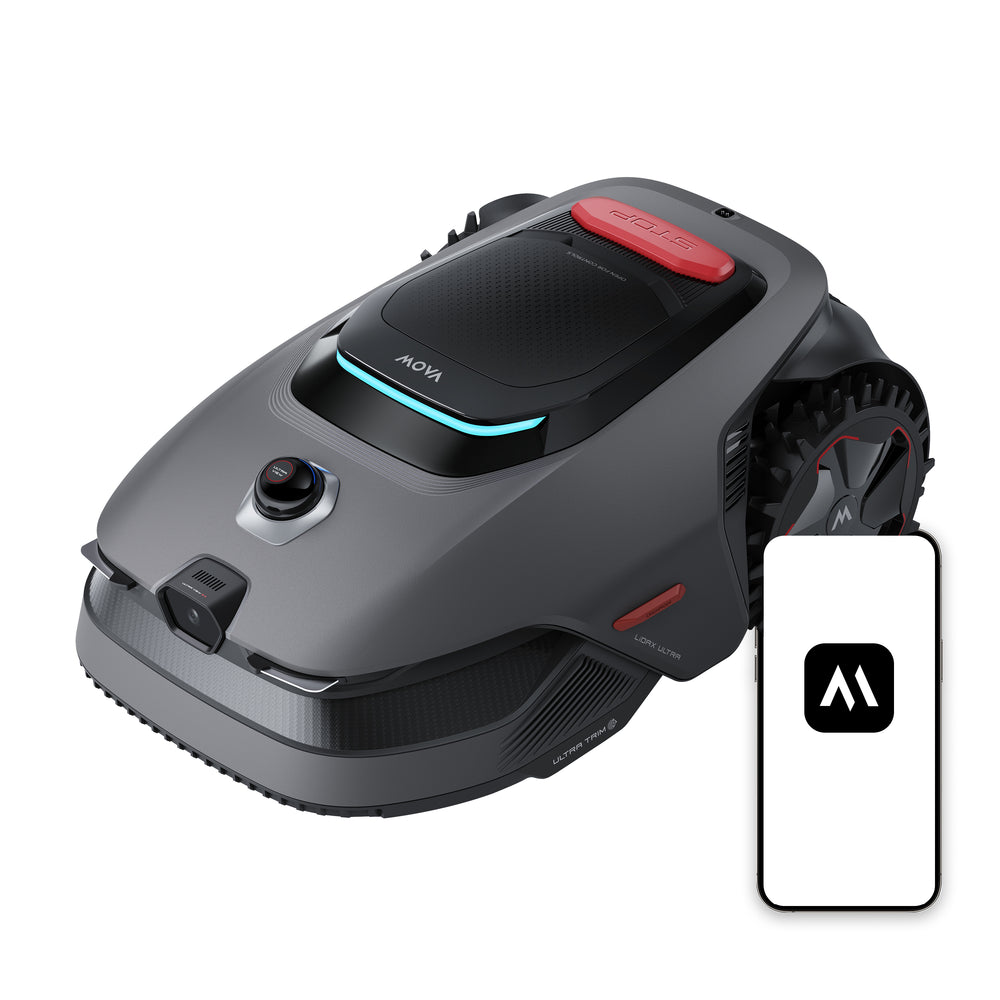 vs
MOVA LiDAX Ultra 1000 vs 2000: Is the larger lawn limit worth it?
The standard LiDAX Ultra 2000 adds map capacity and a larger battery. Both mowers keep the same cutting width, height range and rear-wheel drive.
Read the guide