Model comparison · 3 min read
BWT AQUABOT vs AQUABOT Pro: Would a floating battery suit your pool?
AQUABOT Pro moves the battery into a floating unit connected by a short cable. Both models list the same pool-length limit and broad cleaning tasks.
Based on published manufacturer information.
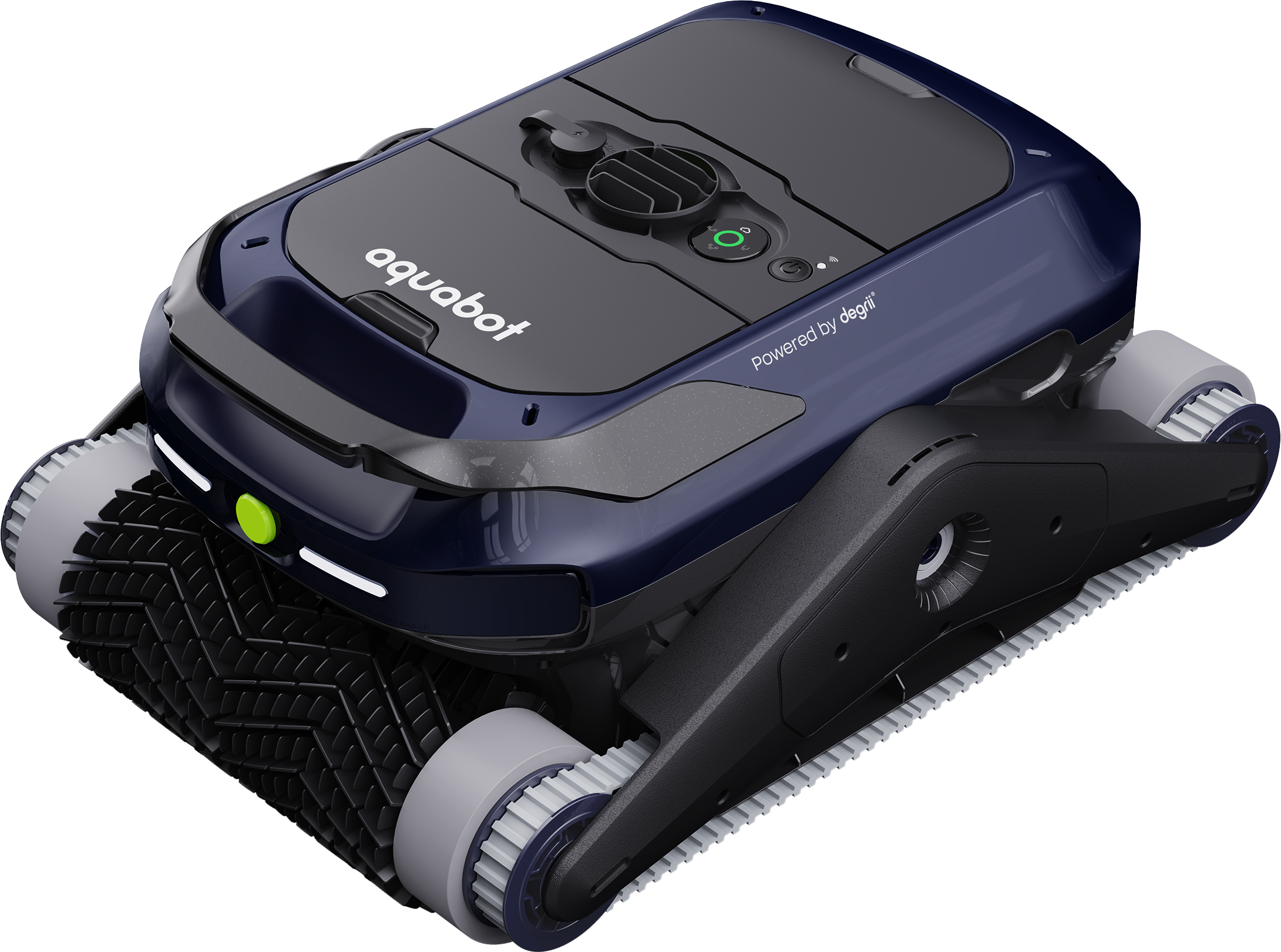
Checked Nov 26 · Price shown is from BWT. Check the model, price and availability in Lowe’s search results.
See all offers & model details ↗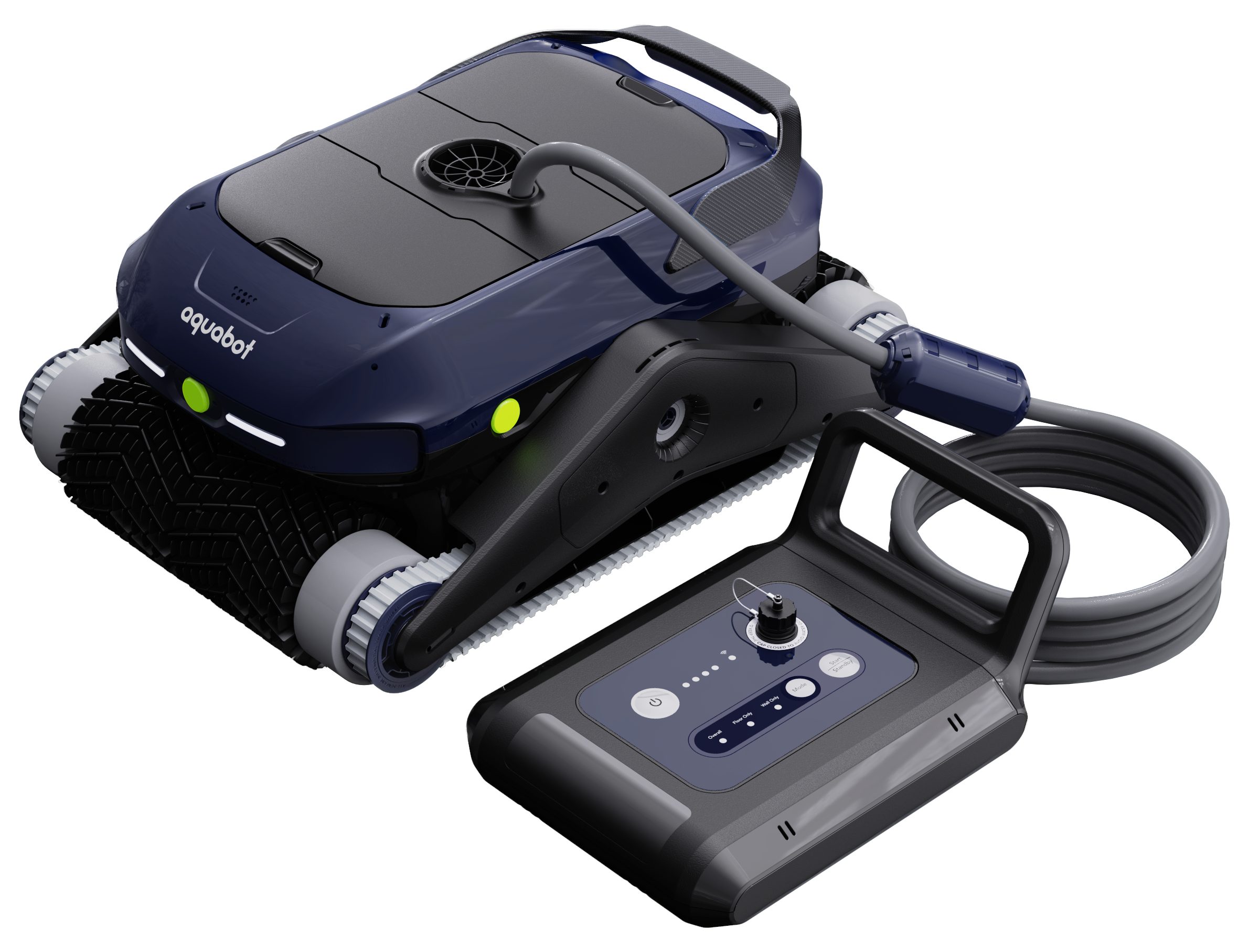
Checked Nov 26 · Price shown is from BWT. Check the model, price and availability in Lowe’s search results.
See all offers & model details ↗We may earn a commission when you buy through these links.
Our recommendations come from published specifications. We may earn a commission from qualifying purchases. As an Amazon Associate, we earn from qualifying purchases. How we work
The quick verdict
Here’s where we’d start.
Choose standard AQUABOT when you prefer the battery contained in the cleaner. Consider Pro when its floating-battery arrangement and advertised runtime suit the pool and pickup routine. Pro still has a short tether, and its listed pool limit is unchanged.
AQUABOT
Standard AQUABOT lists up to three hours of cleaning and three-to-four-hour recharging.
Its page and linked brochure disagree on pool length. Confirm the exact battery specification, supplied charger and approved pool size.
AQUABOT Pro
Pro uses a floating 10,000 mAh battery with a short cable and advertises up to 3.5 hours of cleaning.
It lists four-to-five-hour recharging. Plan the float and tether as well as the robot; cordless here does not mean no connecting cable.
Picture the floating battery in your actual pool.
AQUABOT keeps its battery in the cleaner. AQUABOT Pro uses an external floating 10,000 mAh battery connected by a short cable. That is the main difference to consider before comparing runtime.
Show BWT the ladder, corners, steps and other obstacles, and confirm the supported float and tether arrangement. Our corded-versus-cordless guide explains why the whole power setup matters.
The longer claim comes with a longer charging claim.
Standard AQUABOT advertises up to three hours of operation and three-to-four-hour charging. Pro advertises up to 3.5 hours and four-to-five-hour charging. The pages do not establish a controlled half-hour advantage on an identical task.
Ask about the duration for your chosen cleaning mode and filter. Our mode-selection guide helps compare the job you want rather than only the largest number.
Both list the same maximum length.
Both current US product tables give a 50-foot pool size and describe Floor, Wall & Waterline and Overall cleaning choices. Pro does not add a new basic cleaning area.
The brochure linked from AQUABOT instead lists 40 feet and uses a different Pro item number. Ask BWT which pool limit and hardware apply to standard 125682088 and Pro 125682074 before ordering near the limit.
Confirm depth, finish and shelves separately. Our large-pool guide helps put those measurements alongside length before ordering.
Our AQUABOT versus Liberty 400 comparison adds another pool-length and filtration choice. It keeps the matching standard item’s page-and-brochure conflict visible rather than silently selecting the larger rating.
The larger model name does not establish finer filtration.
Both descriptions give a 1.7-gallon dual-cartridge filter and describe ultra-fine filters as optional. Confirm what is actually in the selected box, along with the approved replacement parts and filter modes.
No finer included mesh or measured capture advantage is established for Pro here. Our fine-filter guide helps decide whether the optional part addresses the dirt left behind.
Plan for the robot and the float at pickup.
BWT describes Pro’s external battery as making the robot body easier to lift. You still need a routine for handling the float and short tether. That description does not establish a lighter complete wet assembly.
Check the correct stopping, lifting, drying and charging instructions for each model. Our retrieval guide and cleaner-care guide cover the wider routine.
If the floating battery is the part you are unsure about, compare AQUABOT Pro and S2 Solar Vision. The guide weighs that tether and charging routine against a solar/DC dock.
The Liberty 600 versus AQUABOT Pro comparison adds a different pickup arrangement. Compare the complete final lift, filter package and charging routine rather than assume a floating battery removes every handling task.
Choose the power arrangement you want to live with.
We would consider standard AQUABOT when a contained battery keeps pool care simpler. Choose Pro when its floating arrangement is approved for the layout and its claimed working time is useful enough to justify the extra equipment.
Both list app support; confirm the actual connection conditions and full US package. Our BWT ES600/ES700 guide covers mains-powered alternatives, while Dolphin Liberty 400/600 covers other cordless options.
The BWT buying guide adds Nano/Echo and the corded ES options. A familiar name or cordless label does not replace checking the actual battery arrangement and supported pool fit.
If you are comparing the standard AQUABOT across brands, our AQUABOT/P1 guide keeps a 50-foot length limit separate from advertised floor area.
A closer look
The differences, in view.
Scroll horizontally on smaller screens. Values are manufacturer claims; see each product for qualifiers and original wording.
| Specification | AQUABOT | AQUABOT Pro |
|---|---|---|
| Battery | Not confirmed | External floating 10,000 mAh battery with a short tether |
Ready to choose?
Your next step, made simple.
Checked Nov 26 · Price shown is from BWT. Check the model, price and availability in Lowe’s search results.
See all offers & model details ↗Checked Nov 26 · Price shown is from BWT. Check the model, price and availability in Lowe’s search results.
See all offers & model details ↗We may earn a commission when you buy through these links.
Show your work
Sources & editorial method.
We reviewed official US product information and exact configurations. Our advice draws on published specifications and model-specific manufacturer instructions, with the practical trade-offs explained. Unknowns and conflicting claims are kept visible. Prices above come from the catalog and may change independently of this article’s review date.
- Manufacturer US model page — exact specifications, equipment and qualifications
- Manufacturer US model page — exact specifications, equipment and qualifications
- BWT linked AQUABOT brochure — integrated battery, older specification table and differing Pro item number
Published Nov 4, 2026 · Editorial review Nov 21, 2026.
Read our research standardsKeep exploring
A little more perspective.
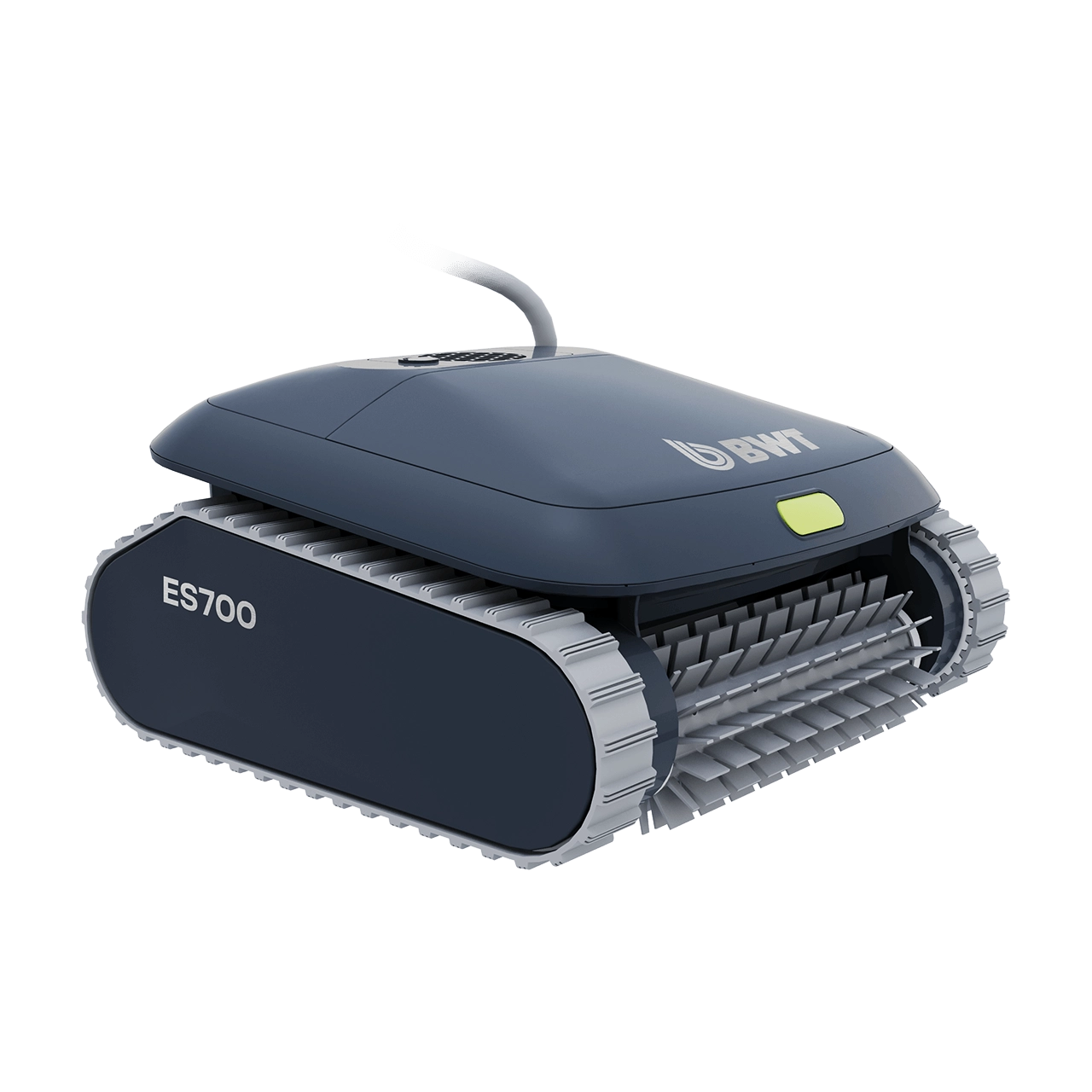
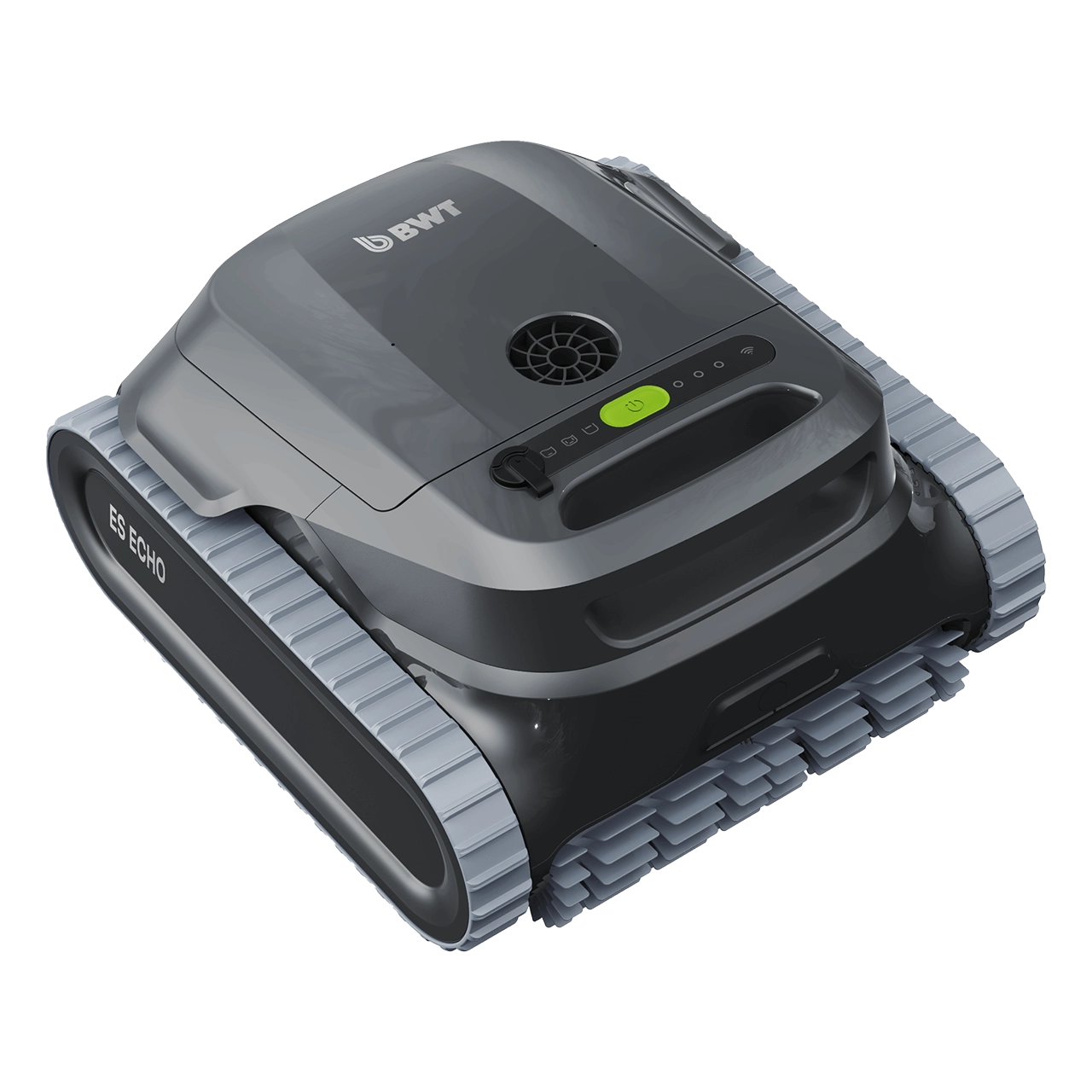
Which BWT pool cleaner? Corded and cordless options explained
Start with the cleaning areas and power arrangement. The ES range and AQUABOT models differ in pool fit, filtration, handling and how their batteries are carried.
Read the guide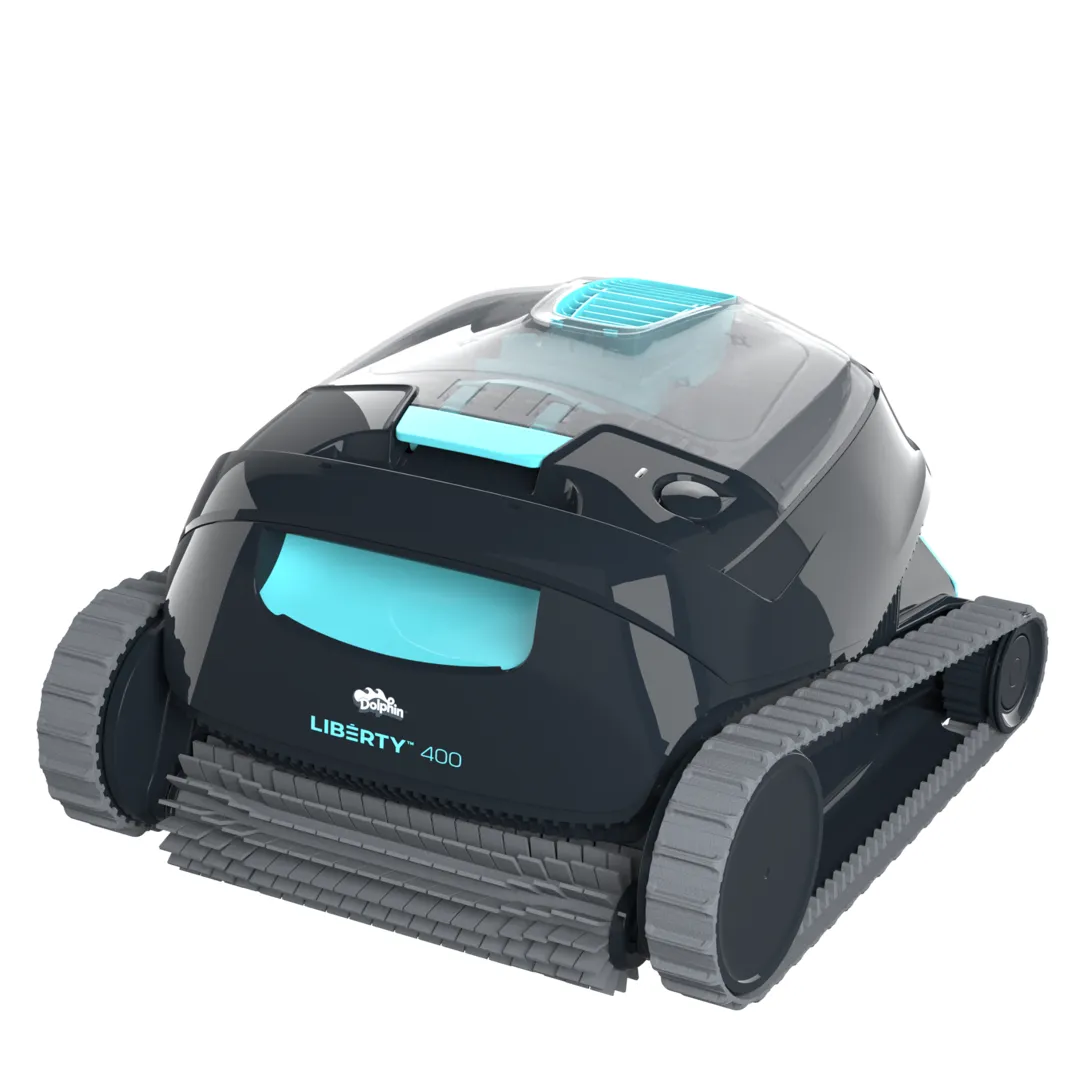 vs
BWT AQUABOT vs Dolphin Liberty 400: Check pool length and filter packages
Standard AQUABOT keeps its battery inside the cleaner and advertises a larger pool allowance. Liberty 400 has a 33-foot rating and a documented filter package. Resolve BWT’s page-and-brochure conflicts before treating its larger headline as approval.
Read the guide