Upgrade guide · 4 min read
Worx WR155 vs WR320.1: Is It Worth Switching to Wire-Free Mowing?
A newer mower is easier to justify when it removes a job you keep doing. If your wired WR155 already cuts the lawn well, we'd weigh the cost of changing against the repairs or layout restrictions that Vision Cloud might help you avoid.
Based on published manufacturer information.
Checked Nov 27 · Availability unconfirmed. Shipping and tax at checkout.
Buy at Lowe’s See all offers & model details ↗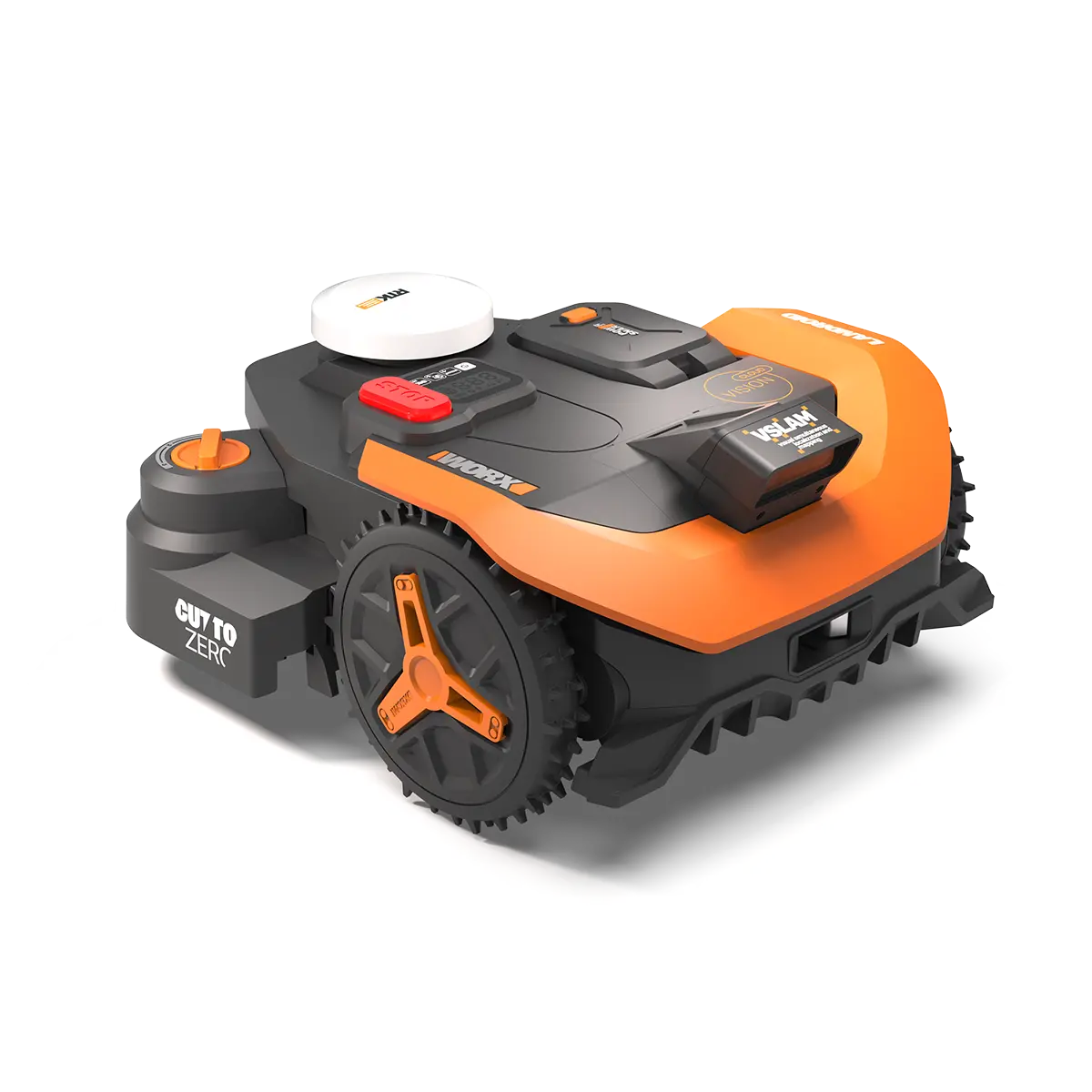
Checked Nov 27 · Availability unconfirmed. Shipping and tax at checkout.
Buy at Lowe’s See all offers & model details ↗We may earn a commission when you buy through these links.
Our recommendations come from published specifications. We may earn a commission from qualifying purchases. As an Amazon Associate, we earn from qualifying purchases. How we work
The quick verdict
Here’s where we’d start.
We'd keep a working WR155 when its perimeter layout and mowing routine still suit the lawn. We'd investigate WR320.1 if recurring wire work or a garden redesign makes a wire-free installation useful, provided RTK Cloud is supported at the address. Both list a half-acre recommendation; the newer model isn't a capacity upgrade. Compare the complete replacement installation and consumables before deciding the change will save enough work.
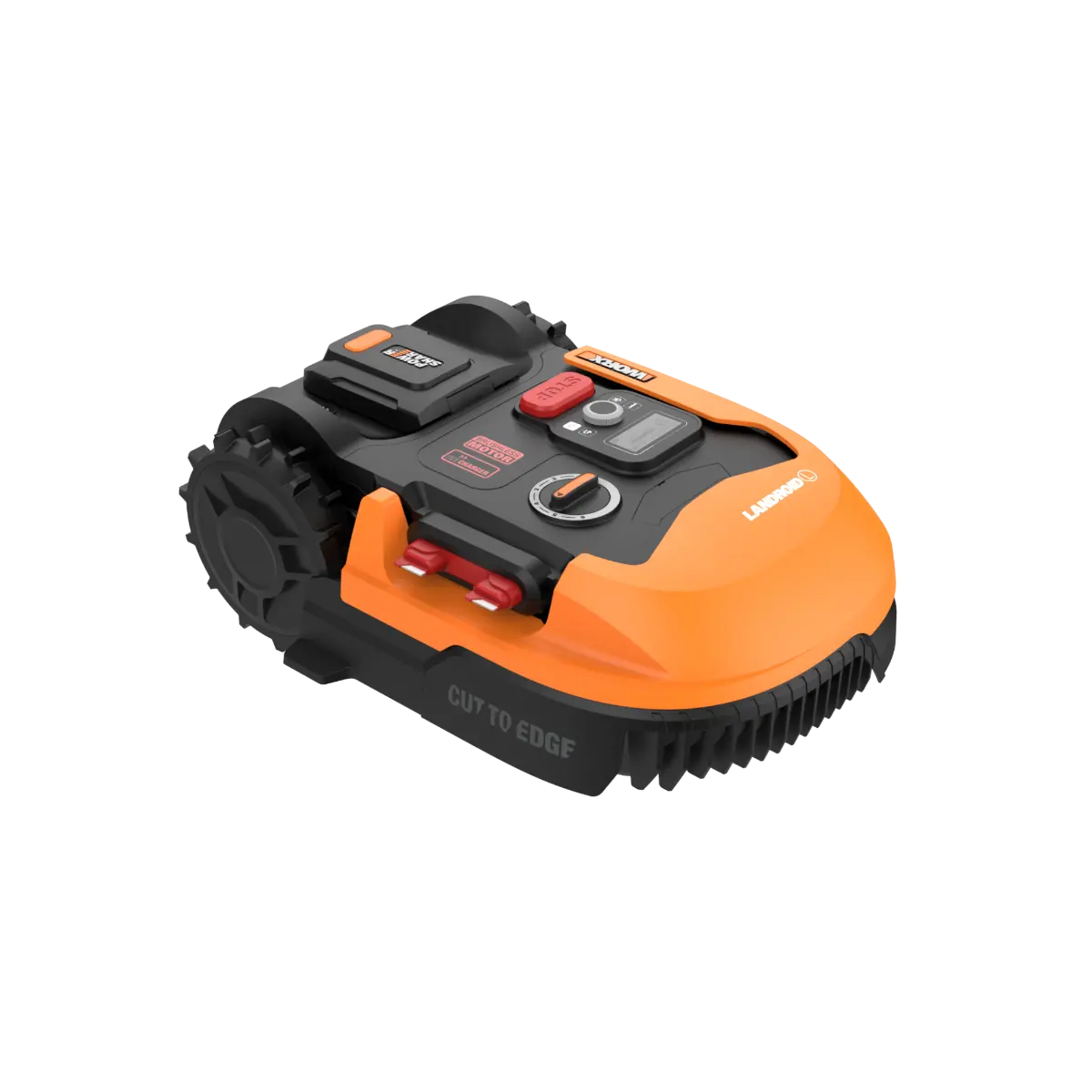
Landroid L 1/2 Acre · WR155
A sound perimeter layout and suitable half-acre routine may be worth keeping rather than replacing for the newer name.
Its table and box say 5 Ah while older title wording says 6 Ah. Confirm the selected battery if buying another unit.
Landroid Vision Cloud ½ Acre · WR320.1
Vision Cloud offers a half-acre recommendation without a perimeter wire or on-site RTK antenna.
Check address coverage and the complete new installation. Old docks, wire accessories or chargers are not assumed compatible.
Start with the job you want to stop doing.
Does your Worx WR155 still handle the lawn reliably, or are wire repairs and layout changes taking more time than you expected? We'd answer that before pricing WR320.1. A working mower that suits the grass doesn't need replacing simply because a newer family is available.
Write down the actual problem: a repeatedly damaged section of wire, a new bed, an awkward route or a cut you don't like. Those need different answers. Our Worx buying guide puts the families in context without assuming every owner should upgrade.
If you are choosing between wired Landroid sizes instead, our WR147-versus-WR155 guide keeps that decision separate from a move to Vision Cloud.
Wire-free replaces one setup with another.
WR155 uses a perimeter wire. Its no-guiding-wire passage wording doesn't remove that boundary requirement; the box explicitly lists boundary wire and pegs. Check the existing installation and any approved repair or layout options before treating replacement as the only solution.
WR320.1 uses RTK Cloud, stereo vision and V-SLAM, without a perimeter wire or on-site RTK antenna. Get address coverage and the actual garden assessed first. Our navigation guide explains the change, while separate lawn areas covers routes that a new positioning system cannot open by itself.
If you’re also considering camera-led Vision AI, our WR220 versus WR320.1 guide explains that alternative setup and the capacity question to settle before buying WR220.
The boundary-wire versus wireless guide adds a worked yard example and a complete installation-cost comparison. Wire length, grass area and a supported route answer different questions.
You’re still choosing a half-acre mower.
Both models' tables give a half-acre recommended lawn size. Switching to Cloud doesn't establish a larger supported lawn or a half-acre-per-charge result. If the measured grass has grown beyond the current job, choose for the new workload rather than assume the newer navigation supplies extra capacity.
Both also list a 30% maximum slope. That doesn't establish identical grip, safe use at every boundary or a terrain upgrade. Our half-acre guide adds alternatives, and WR320.1 versus WR342 looks at the separate question of four-wheel drive.
The main cut changes modestly; the borders need a closer look.
WR155 lists an 8-inch width and 1.5–3.5-inch height range, with manual height adjustment. WR320.1 lists 8.7 inches and 1.57–3.54 inches, with electric adjustment. We'd consider the convenience and your usual height without calling that a dramatically wider or taller-cutting machine.
WR155 describes Cut-to-Edge; WR320.1 lists Cut-to-Zero. Ask Worx what the newer arrangement would change at your actual borders, particularly raised walls and planted beds. Our edge-cutting guide explains why a different feature name isn't a promise to retire the trimmer.
Price the whole switch, including the equipment.
Get the new station, battery, charger and required boundary accessories listed in the WR320.1 order. Don't budget on reusing the WR155 dock or every PowerShare accessory without explicit compatibility confirmation. The WR155 page also retains older 6 Ah title wording beside a current 5 Ah table and box list, so confirm any replacement-unit battery.
WR320.1 advertises included RTK Cloud service; ask separately about optional remote or theft features and their terms. Add approved blades, installation and any remaining hand trimming to the comparison. Our subscription guide covers those ownership questions.
Upgrade when the saved work justifies starting again.
We'd investigate WR320.1 when wire upkeep or a changing garden is a real irritation and its supported Cloud installation solves that problem. We'd keep WR155 when the perimeter is sound and the cut and routine already work. That is an ownership judgment, not a measured maintenance comparison between two test mowers.
Have the new layout confirmed before removing a working installation. Compare complete offers once the change makes sense, with availability checked by the seller. If you prefer a different wire-free approach, our WR210 versus WR310.1 guide explains camera-led Vision AI alongside Cloud.
If you’re choosing a wired size instead, WR165 versus WR155 compares the manual’s eighth- and half-acre models, their cutting ranges and the perimeter-wire equipment.
A closer look
The differences, in view.
Scroll horizontally on smaller screens. Values are manufacturer claims; see each product for qualifiers and original wording.
| Specification | Landroid L 1/2 Acre · WR155 | Landroid Vision Cloud ½ Acre · WR320.1 |
|---|---|---|
| Boundary setup | Perimeter wire requiredThe no-guiding-wire passage claim does not mean perimeter-wire-free installation. | No perimeter wireNo-Go Line and boundary accessories may still be needed for specific areas. |
| Navigation | AIA navigation within perimeter wire | RTK Cloud + stereo vision + V-SLAMNetwork RTK availability must be checked for the property; no on-site RTK antenna is specified. |
| Connectivity | Bluetooth and Wi-Fi | Bluetooth, Wi-Fi, RadioLinkCheck network coverage and any separate cellular terms with WORX. |
| Cutting height | 1.5–3.5 in | 1.57–3.54 in |
| Cutting width | 8 in | 8.7 in |
| Maximum slope | Not confirmed | 17 °Manufacturer’s rounded equivalent of the percentage grade. |
| Charging | Not confirmed | 100 minutes minPublished charging-time claim, not a guaranteed turnaround in all conditions. |
Ready to choose?
Your next step, made simple.
Checked Nov 27 · Availability unconfirmed. Shipping and tax at checkout.
Buy at Lowe’s See all offers & model details ↗Checked Nov 27 · Availability unconfirmed. Shipping and tax at checkout.
Buy at Lowe’s See all offers & model details ↗We may earn a commission when you buy through these links.
Show your work
Sources & editorial method.
We reviewed official US product information and exact configurations. Our advice draws on published specifications and model-specific manufacturer instructions, with the practical trade-offs explained. Unknowns and conflicting claims are kept visible. Prices above come from the catalog and may change independently of this article’s review date.
- Worx WR155 US page — selected model specifications, setup and package qualifications
- Worx WR320.1 US page — selected model specifications, setup and package qualifications
Published Nov 2, 2026 · Editorial review Nov 6, 2026.
Read our research standardsKeep exploring
A little more perspective.
The Best Worx Robot Mowers: Which Landroid Should You Buy?
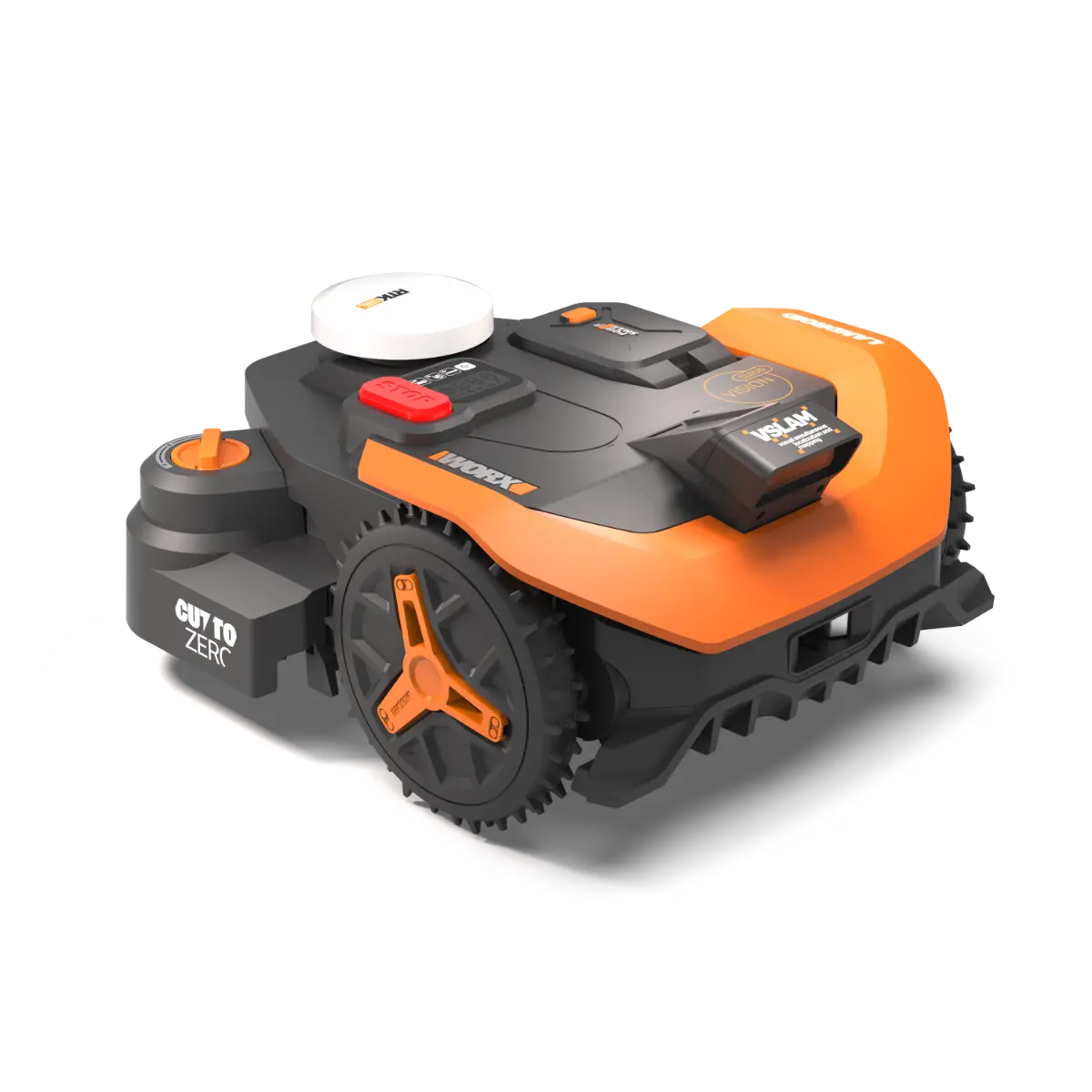
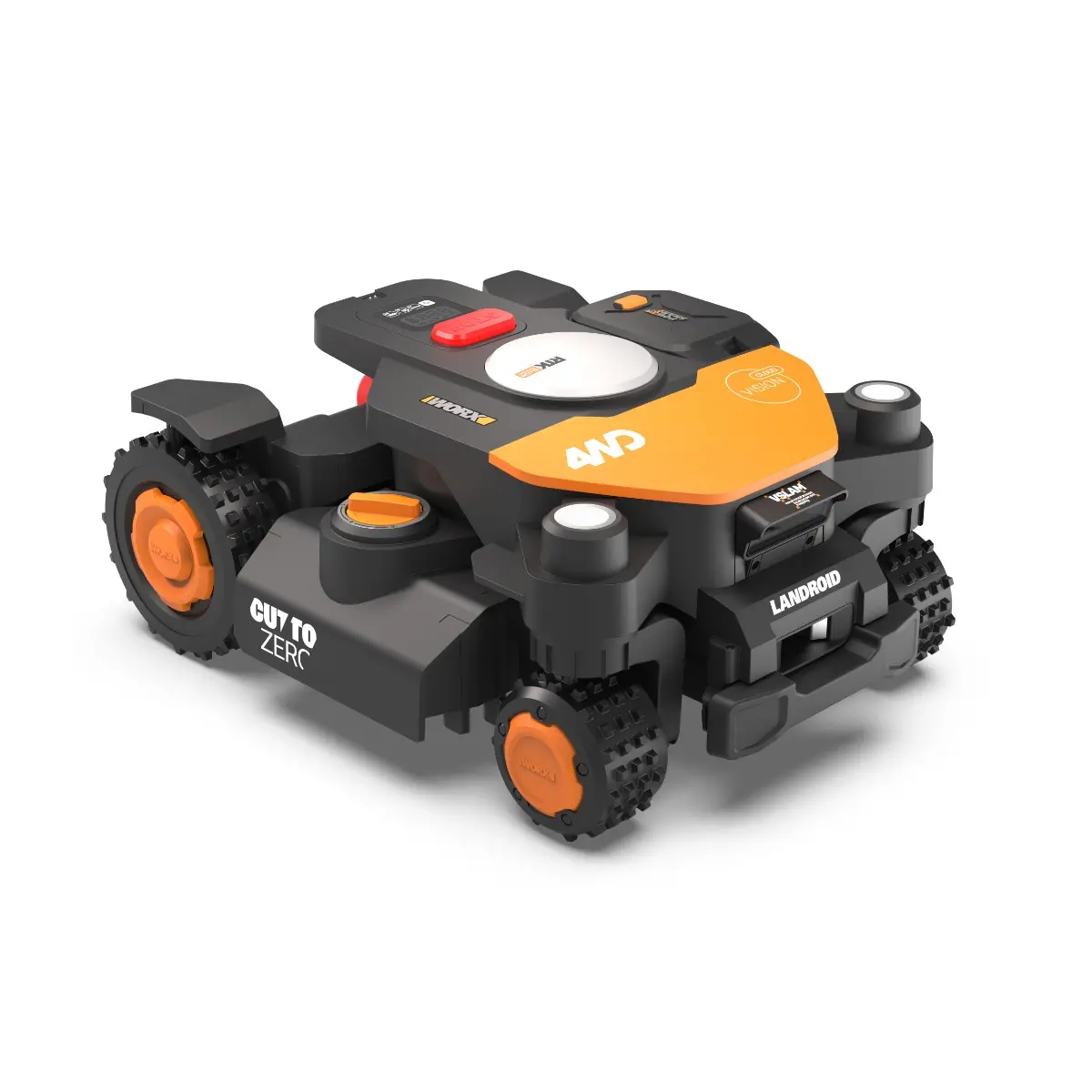
Start with the grass you need to cut, then choose the kind of installation you want to live with. Wired Landroid, camera-led Vision AI, Vision Cloud and Cloud 4WD are different choices. We'd narrow the family down before comparing model numbers or paying for a bigger mower.
Read the guide
Boundary wire vs wireless robot mowers: Which installation suits your yard?
The useful choice is how you want to define, change and maintain the mowing area. Compare a real wired and wireless example, then walk through the parts of the yard that could stop either one working.
Read the guide