Buying guide · 6 min read
Boundary wire vs wireless robot mowers: Which installation suits your yard?
The useful choice is how you want to define, change and maintain the mowing area. Compare a real wired and wireless example, then walk through the parts of the yard that could stop either one working.
Based on published manufacturer information.
Checked Nov 27 · Availability unconfirmed. Shipping and tax at checkout.
Buy at Lowe’s See all offers & model details ↗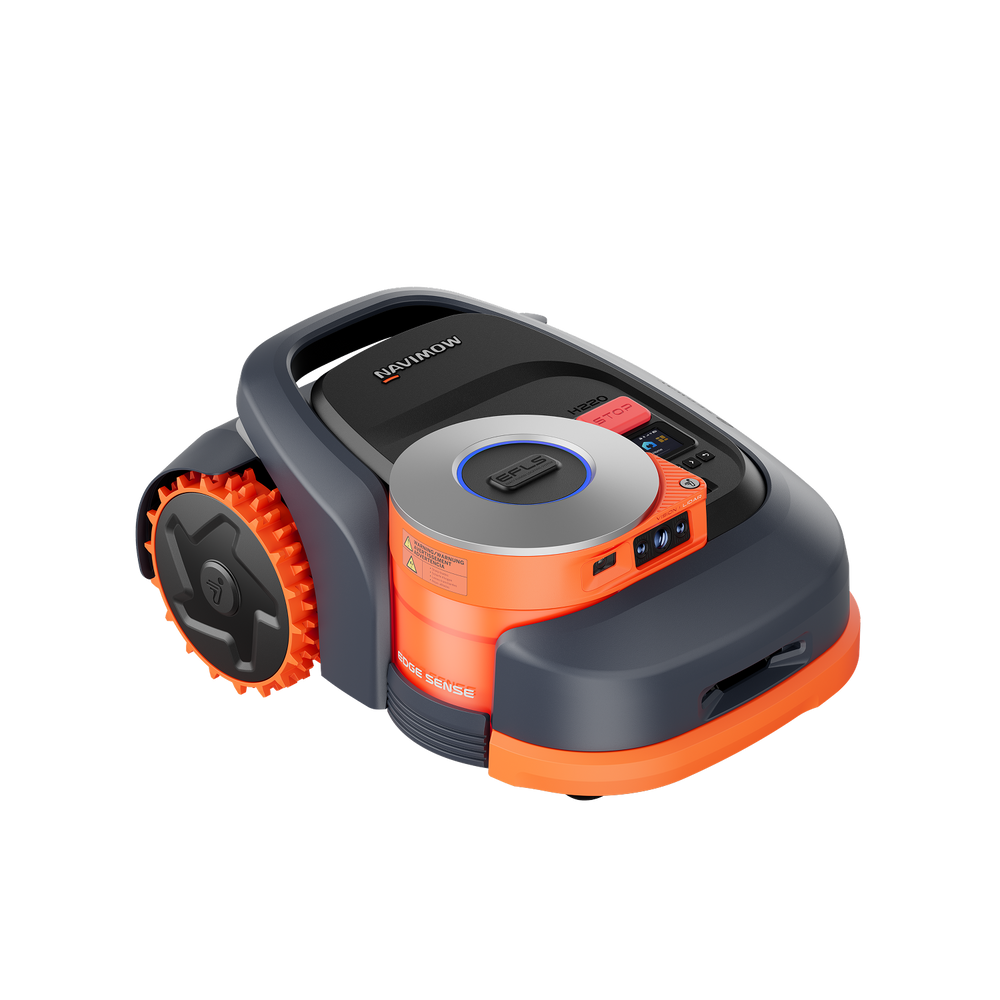
Checked Nov 27 · In stock when checked. Shipping and tax at checkout.
Buy at Lowe’s See all offers & model details ↗We may earn a commission when you buy through these links.
Our recommendations come from published specifications. We may earn a commission from qualifying purchases. As an Amazon Associate, we earn from qualifying purchases. How we work
The quick verdict
Here’s where we’d start.
Choose around the installation you can support for years. A wired mower can suit a stable layout when you accept laying and maintaining the loop. Wireless can suit a changing layout when its positioning works across the whole route. First confirm the grass height, terrain and workload; changing the boundary system does not fix an unsuitable mower.
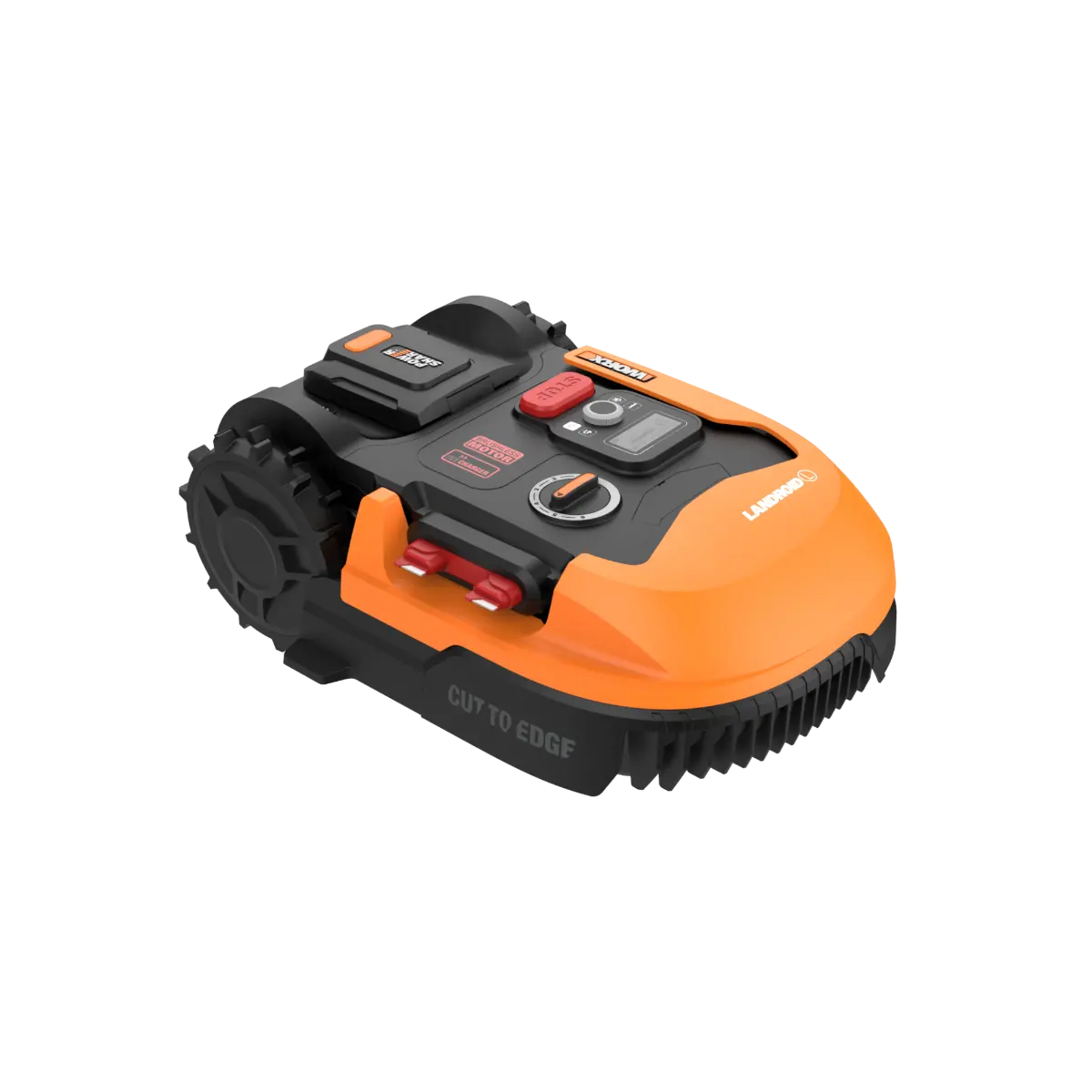
Landroid L 1/2 Acre · WR155
WR155 uses a physical boundary loop and lists an eight-inch cut with 1.5–3.5-inch height adjustment.
Confirm the wire route, actual battery and kit, optional modules and availability. Its narrow-passage wording does not remove the boundary wire.
H220
H220 combines LiDAR, network RTK and vision with an editable app map and a recommended half-acre lawn size.
Confirm address coverage, the complete route, cutting package and connected-service terms. No local antenna does not mean no installation.
The boundary answers where to mow, rather than every question about the mower.
A boundary system defines the working area and the places the robot should avoid. A physical loop does that job on WORX Landroid WR155. Navimow H220 uses a mapped boundary with LiDAR, network RTK and vision. These are concrete examples, rather than specifications shared by every wired or wireless mower.
Obstacle detection, traction and cutting height remain separate questions. A loop is not a promise that every object inside it will be recognized. A virtual boundary is not permission to operate beside a drop without the required setback. Start with our lawn-preparation guide before comparing convenience features.
A wired installation is a route you will need to maintain.
WR155 needs its boundary wire even though its page describes negotiating narrow passages without a guiding wire. Those are different claims. Plan the outside loop, protected beds, connections and charger approach using the exact WR155 instructions; another brand’s distances and wiring rules are not substitutes.
The current box list includes 820 feet of boundary wire. That is a supply quantity, not an approved perimeter for any half-acre garden. A simple outline uses less wire than the same grass area wrapped around beds and narrow sections. Keep a drawing and photos of the route so later edging or garden work does not become guesswork.
If the existing wired mower reports a missing signal, use our boundary-wire fault guide before replacing it. It separates the station’s power indication, accessible connections and possible loop damage using exact WORX guidance.
Wireless moves the work into mapping and positioning checks.
H220 advertises no perimeter wire or local antenna. You still need a suitable charging station, a mapped area and a supported connection between patches. Walk beneath the trees, alongside buildings and through the narrow side yard during the assessment, rather than demonstrate only the open lawn.
A sensor label alone cannot tell you how reliable a particular route will be. Ask what happens at its weakest point and whether the mower can return from there. Our navigation guide explains the different systems; the tree-covered yard guide focuses on the awkward locations.
Our WR208 versus i105 guide shows why wireless setups can still need different equipment. Magnetic separation, RFID zone identification and positioning reference equipment answer separate owner questions.
A small worked example shows why area and installation are different.
Imagine a rectangular grass area 120 feet by 100 feet. Its footprint is 12,000 square feet, about 0.28 acre, and its outside perimeter is 440 feet before offsets, beds or connecting runs. Both pages use half-acre headlines, but WORX also includes a 700-square-meter description. Get the exact WR155 workload confirmed rather than assume the larger statement settles its fit.
For WR155, sketch the actual loop and everything it must enclose or exclude before deciding the supplied wire is enough. For H220, test the side passage and dock return even though there is room left in the area allowance. Neither calculation proves how quickly the lawn will be maintained. Our lawn-measuring guide covers the workload calculation.
Think about the garden you will have next year.
If beds and boundaries rarely move, a physical loop may be a manageable commitment. If you regularly rearrange beds or need temporary excluded areas, an editable map can be useful. Check which changes the exact app supports and whether a revised route needs remapping or another installation assessment.
An existing loop also needs a compatibility check before a replacement mower uses it. Do not assume another brand’s wire installation, connectors or power equipment can simply be carried over. For either approach, a closed gate is still a physical barrier; our separate-lawn guide covers that problem.
Compare the installed price and the jobs left afterward.
For a wired quote, include loop installation, any extra approved wire and connectors, and help locating or repairing faults. WR155’s current battery table and box list say 5 Ah despite older 6 Ah title wording, so confirm the actual package rather than compare headline names.
For H220, distinguish network RTK, advertised at no extra cost, from separately renewed Connect+ remote services. Get installation, hardware, service renewal and local repair arrangements in the quote. Our subscription guide helps keep those costs separate.
Choose the installation after the mower passes the grass and route checks.
We would consider WR155 for a confirmed lawn fit with a stable layout and a loop the owner can maintain. We would consider H220 when its positioning is verified and map editing would be useful. A taller lawn, unsupported slope or inaccessible patch can rule out either example before the boundary preference matters.
Use the WORX buying guide or Navimow buying guide if the example model is the wrong size or cut. Ask the installer to show the least convenient part of the proposed system before paying for the easiest part of the demonstration.
For a concrete small-lawn example, our WR165 and Genie 600 comparison checks wire installation, the desired cut and the availability of the exact wireless model.
A closer look
The differences, in view.
Scroll horizontally on smaller screens. Values are manufacturer claims; see each product for qualifiers and original wording.
| Specification | Landroid L 1/2 Acre · WR155 | H220 |
|---|---|---|
| Boundary setup | Perimeter wire requiredThe no-guiding-wire passage claim does not mean perimeter-wire-free installation. | Not confirmed |
| Navigation | AIA navigation within perimeter wire | LiDAR + network RTK + vision |
| Connectivity | Bluetooth and Wi-Fi | Not confirmed |
| Maximum slope | 30 %Published maximum grade; confirm edge and installation limits. | 45 % |
| Cutting height | 1.5–3.5 in | Not confirmed |
| Cutting width | 8 in | Not confirmed |
| Battery capacity | 5 AhThe current table and box list specify 5 Ah despite older 6.0 Ah wording in the page title. | Not confirmed |
Ready to choose?
Your next step, made simple.
Checked Nov 27 · Availability unconfirmed. Shipping and tax at checkout.
Buy at Lowe’s See all offers & model details ↗Checked Nov 27 · In stock when checked. Shipping and tax at checkout.
Buy at Lowe’s See all offers & model details ↗We may earn a commission when you buy through these links.
Show your work
Sources & editorial method.
We reviewed official US product information and exact configurations. Our advice draws on published specifications and model-specific manufacturer instructions, with the practical trade-offs explained. Unknowns and conflicting claims are kept visible. Prices above come from the catalog and may change independently of this article’s review date.
- Official US manufacturer page — exact model, specifications and qualifications
- Official US manufacturer page — exact model, specifications and qualifications
Published Nov 6, 2026 · Editorial review Nov 20, 2026.
Read our research standardsKeep exploring
A little more perspective.
How to Measure Your Lawn for a Robot Mower
The property size on a listing isn't necessarily the amount a mower will cut. We'd draw each patch of grass, subtract the house and hard surfaces, then add the mowing zones together. The awkward routes and available working hours need checking alongside that total.
Read the guide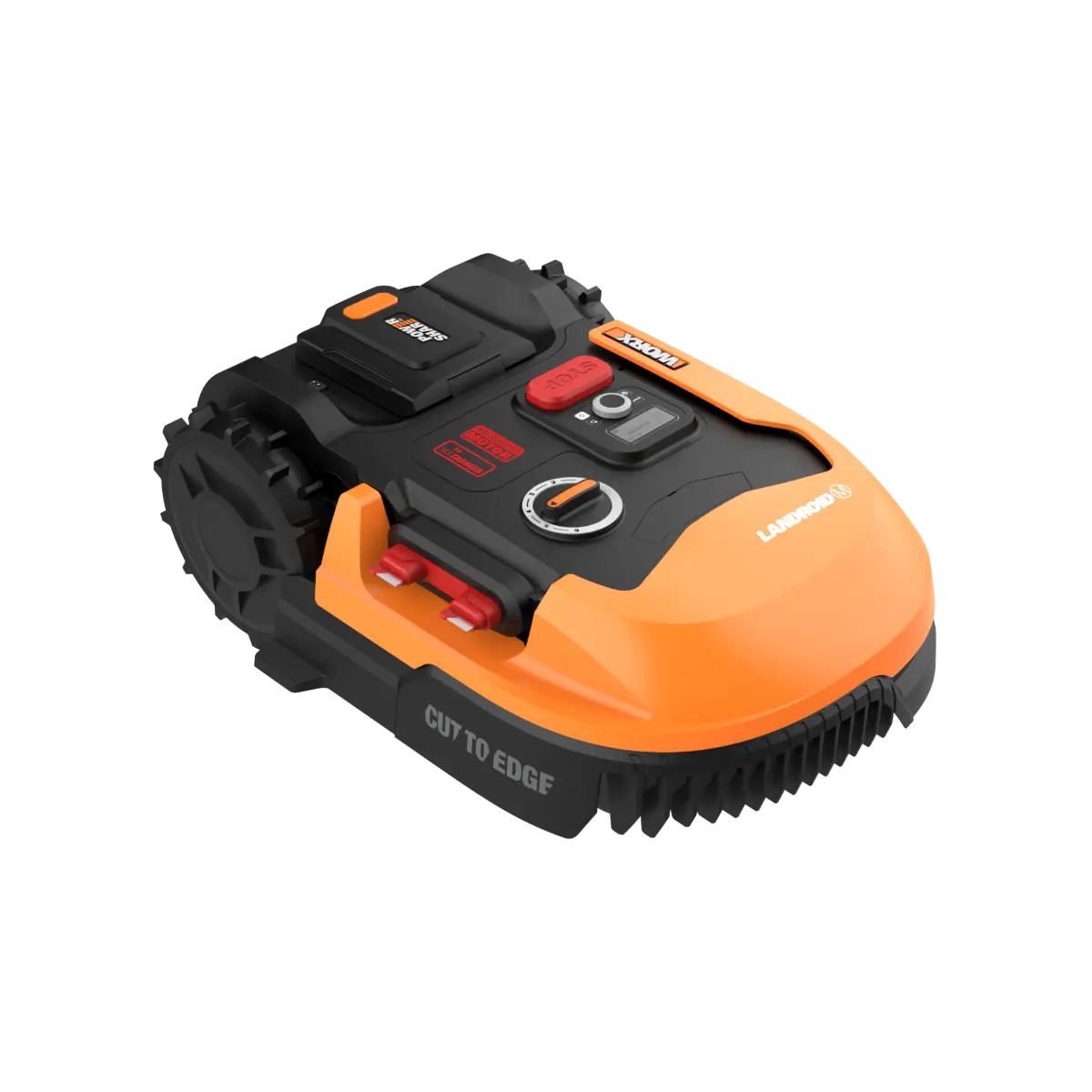
Robot mower says the boundary wire is missing? Check power, connections and the loop
A missing-signal message does not identify the broken part. Use the exact mower and charging-station instructions to separate a power problem, a terminal connection and a damaged loop before replacing equipment.
Read the guide