Model comparison · 4 min read
Worx WR210 vs WR310.1: Vision AI or Vision Cloud?
Both are quarter-acre choices, but they find their way around the lawn differently. We'd compare WR210's camera-led setup with WR310.1's RTK Cloud requirements before deciding which one would be easier to live with in your garden.
Based on published manufacturer information.
Checked Nov 27 · Availability unconfirmed. Shipping and tax at checkout.
Buy at Lowe’s See all offers & model details ↗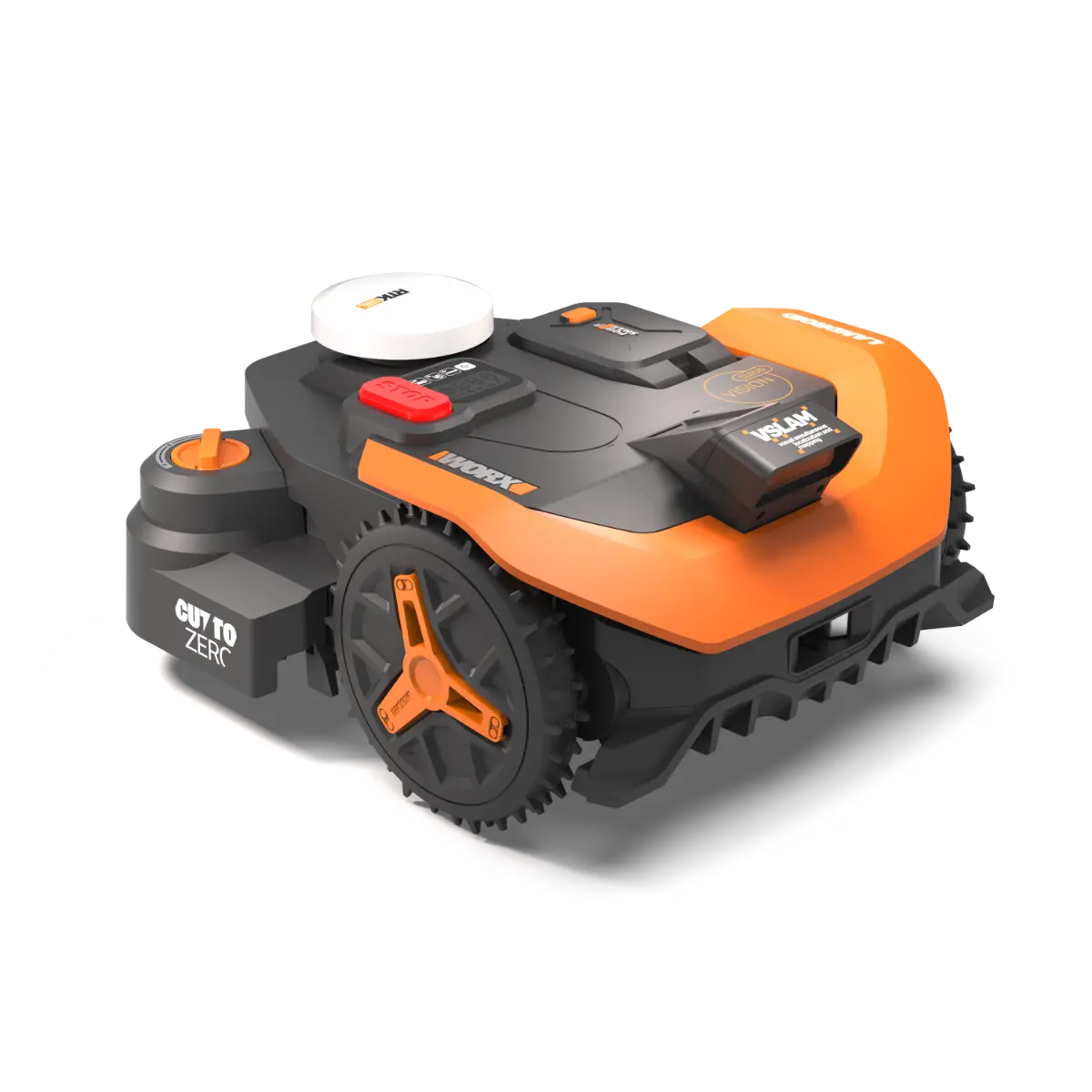
Checked Nov 27 · Availability unconfirmed. Shipping and tax at checkout.
Buy at Lowe’s See all offers & model details ↗We may earn a commission when you buy through these links.
Our recommendations come from published specifications. We may earn a commission from qualifying purchases. As an Amazon Associate, we earn from qualifying purchases. How we work
The quick verdict
Here’s where we’d start.
We'd investigate WR210 when its camera-led recognition and required border/zone setup suit the lawn. We'd give WR310.1 a closer look when RTK Cloud is supported at the address and its mapped, planned mowing approach suits the layout. Both have a quarter-acre rating, and neither promises a larger job because of its navigation system. Confirm the actual routes, cutting height and supplied equipment before comparing prices.
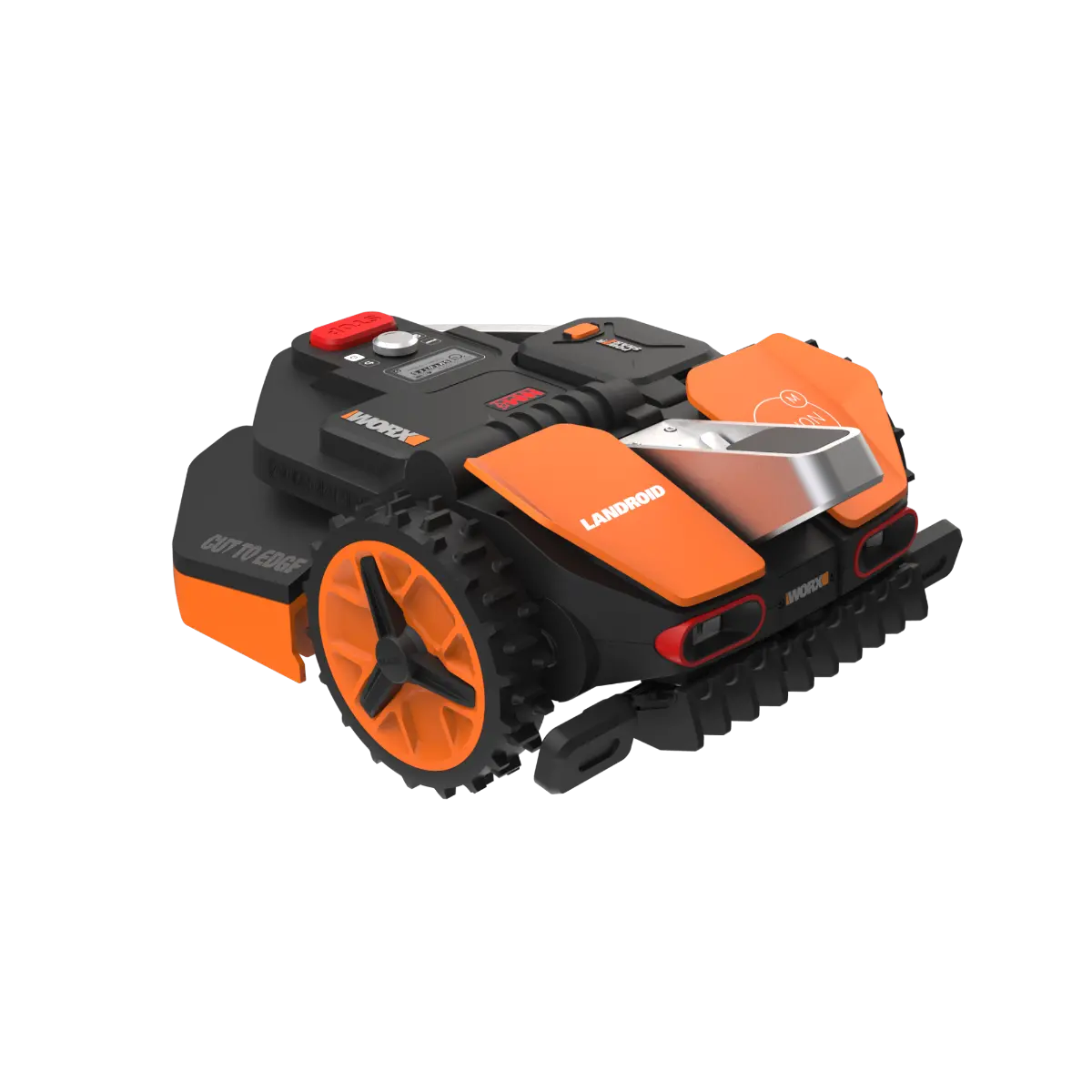
Landroid Vision AI 1/4 Acre · WR210
Vision AI recognizes grass without a perimeter wire and has a quarter-acre model rating.
Magnetic strips and RFID tags can still be part of the installation; check adjoining lawns and separate zones.
Landroid Vision Cloud 1⁄4 Acre · WR310.1
Vision Cloud combines RTK Cloud with stereo vision and V-SLAM, without an on-site RTK antenna.
Confirm coverage at the address and the required boundary setup. Camera assistance is not a promise of navigation in every garden.
Start with the same quarter-acre job.
Worx WR210 and WR310.1 both have a quarter-acre lawn recommendation. Measure the grass, including every area one mower will maintain, and leave the house and drive out. Neither rating guarantees a quarter acre per charge or a finish within your preferred afternoon.
The choice is mainly about the setup you can support and the features you want to use. Our Worx lineup guide covers the other sizes, and the small-yard guide adds alternatives if either installation is a poor match.
WR210 recognizes the grass around it.
Worx describes WR210's 140-degree HDR camera identifying grass and obstacles, without a perimeter wire or an initial lawn-mapping requirement. That is a different proposition from choosing the newer Cloud family for RTK-based positioning. We'd look closely at how clearly the lawn is separated from surrounding areas.
Where a neighbor's lawn joins yours, the page describes magnetic strips to mark the separation. Divided lawns use RFID tags, with the crossing route still subject to the installation instructions. Our front-and-back lawns guide explains why a zone feature can't solve a locked gate or an unsuitable crossing.
For a smaller Vision AI configuration, compare WR208 and Navimow i105. Its 0.15-acre example shows why the recommended lawn size can decide the first check before navigation features.
WR310.1 adds RTK Cloud and a different mapping system.
WR310.1 combines RTK Cloud, stereo vision and V-SLAM, with automatic mapping and planned mowing described on its US page. It doesn't require an on-site RTK antenna. Before paying for that arrangement, check Worx's address coverage and show the company the trees, buildings and lawn sections it must handle.
We'd value a setup that suits the property more than a broad claim about satellite or camera accuracy. The navigation guide explains those terms. General home Wi-Fi coverage and support for network positioning are separate questions, as our Wi-Fi guide explains.
The listed heights are close; an unlisted width stays unknown.
WR210 lists a 1.5–3.5-inch cut, while WR310.1 lists 1.57–3.54 inches. We'd choose around the height you normally maintain, rather than treat that small difference as the main reason to upgrade. WR310.1 also documents an 8.7-inch width; the reviewed WR210 page doesn't establish a matching numeric width for comparison.
Both list a 30% maximum slope. That is not a same-yard traction test, a boundary limit or evidence that either belongs beside a drop. Our hilly-yard guide covers the terrain checks, and edge cutting explains why their border features don't guarantee a finished edge everywhere.
Check what comes with the selected mower.
For WR210, confirm the magnetic strips, zone tags and equipment needed for your route. For WR310.1, confirm the station, battery, charger and No-Go Line arrangement. Don't assume a shared PowerShare battery family makes the two stations or every installation accessory interchangeable.
Cloud's lifetime-included RTK Cloud wording applies to that positioning service; it isn't a promise about every optional cellular or theft feature, nor a service specification for WR210. Our subscription guide gives the questions to ask before comparing ownership costs.
Choose the navigation arrangement your lawn can use.
We'd choose between these after reviewing the actual borders and routes: WR210 for an appropriate camera-led setup, or WR310.1 when supported RTK Cloud and its mapping approach are useful. There is no same-yard testing here that makes the newer name an automatic coverage winner.
Ask for a realistic routine that includes charging and times when children or pets use the lawn. Then compare complete offers, with availability checked by the seller. If difficult ground is the real issue, our Cloud 4WD sizing guide covers a different family rather than assigning four-wheel drive to either mower here.
If Cloud is the right setup but terrain is the next question, our WR310.1 versus WR341 comparison keeps the same quarter-acre tier while comparing the documented 4WD difference.
For the models sold at the next area tier, WR220 versus WR320.1 covers the same broad navigation choice and WR220’s unresolved lawn-capacity wording.
A closer look
The differences, in view.
Scroll horizontally on smaller screens. Values are manufacturer claims; see each product for qualifiers and original wording.
| Specification | Landroid Vision AI 1/4 Acre · WR210 | Landroid Vision Cloud 1⁄4 Acre · WR310.1 |
|---|---|---|
| Cutting height | 1.5–3.5 in | 1.57–3.54 in |
| Navigation | 140° HDR camera with AI grass recognitionVision AI is distinct from the newer RTK Cloud range. | RTK Cloud + stereo vision + V-SLAMNetwork RTK availability must be checked for the property; no on-site RTK antenna is specified. |
| Connectivity | Bluetooth and Wi-Fi | Bluetooth, Wi-FiCheck network coverage and any separate cellular terms with WORX. |
| Station requirements | Charging base listed | Charging station, charger and battery listed |
| multiZone | RFID tags for divided lawn areasConfirm supported surfaces, crossing routes and clearances in the installation guide. | Not confirmed |
| Cutting width | Not confirmed | 8.7 in |
| Charging | Not confirmed | 80 minutes minPublished charging-time claim, not a guaranteed turnaround in all conditions. |
Ready to choose?
Your next step, made simple.
Checked Nov 27 · Availability unconfirmed. Shipping and tax at checkout.
Buy at Lowe’s See all offers & model details ↗Checked Nov 27 · Availability unconfirmed. Shipping and tax at checkout.
Buy at Lowe’s See all offers & model details ↗We may earn a commission when you buy through these links.
Show your work
Sources & editorial method.
We reviewed official US product information and exact configurations. Our advice draws on published specifications and model-specific manufacturer instructions, with the practical trade-offs explained. Unknowns and conflicting claims are kept visible. Prices above come from the catalog and may change independently of this article’s review date.
- Worx WR210 US page — selected model specifications, setup and package qualifications
- Worx WR310.1 US page — selected model specifications, setup and package qualifications
Published Nov 2, 2026 · Editorial review Nov 9, 2026.
Read our research standardsKeep exploring
A little more perspective.
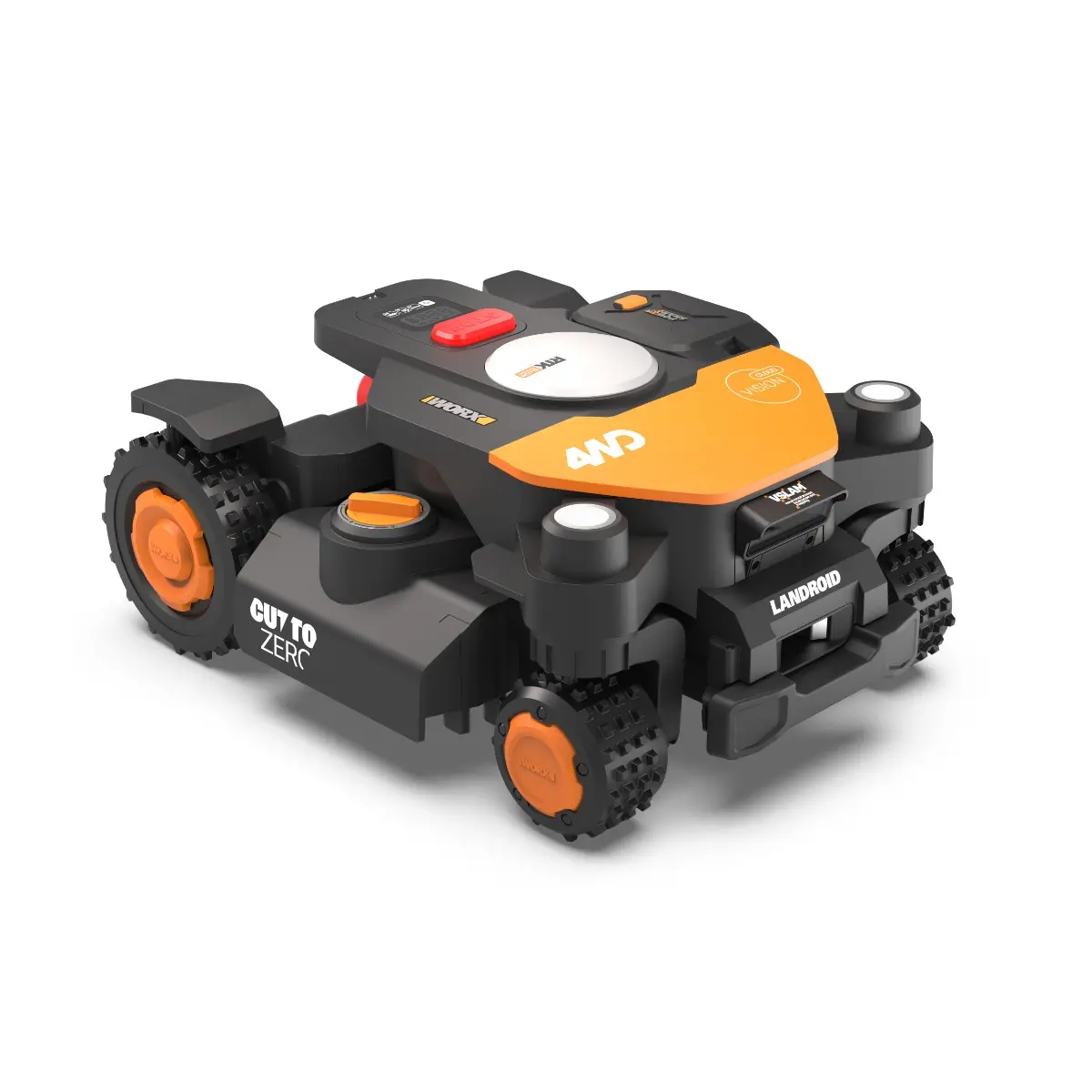
The Best Worx Robot Mowers: Which Landroid Should You Buy?
Start with the grass you need to cut, then choose the kind of installation you want to live with. Wired Landroid, camera-led Vision AI, Vision Cloud and Cloud 4WD are different choices. We'd narrow the family down before comparing model numbers or paying for a bigger mower.
Read the guide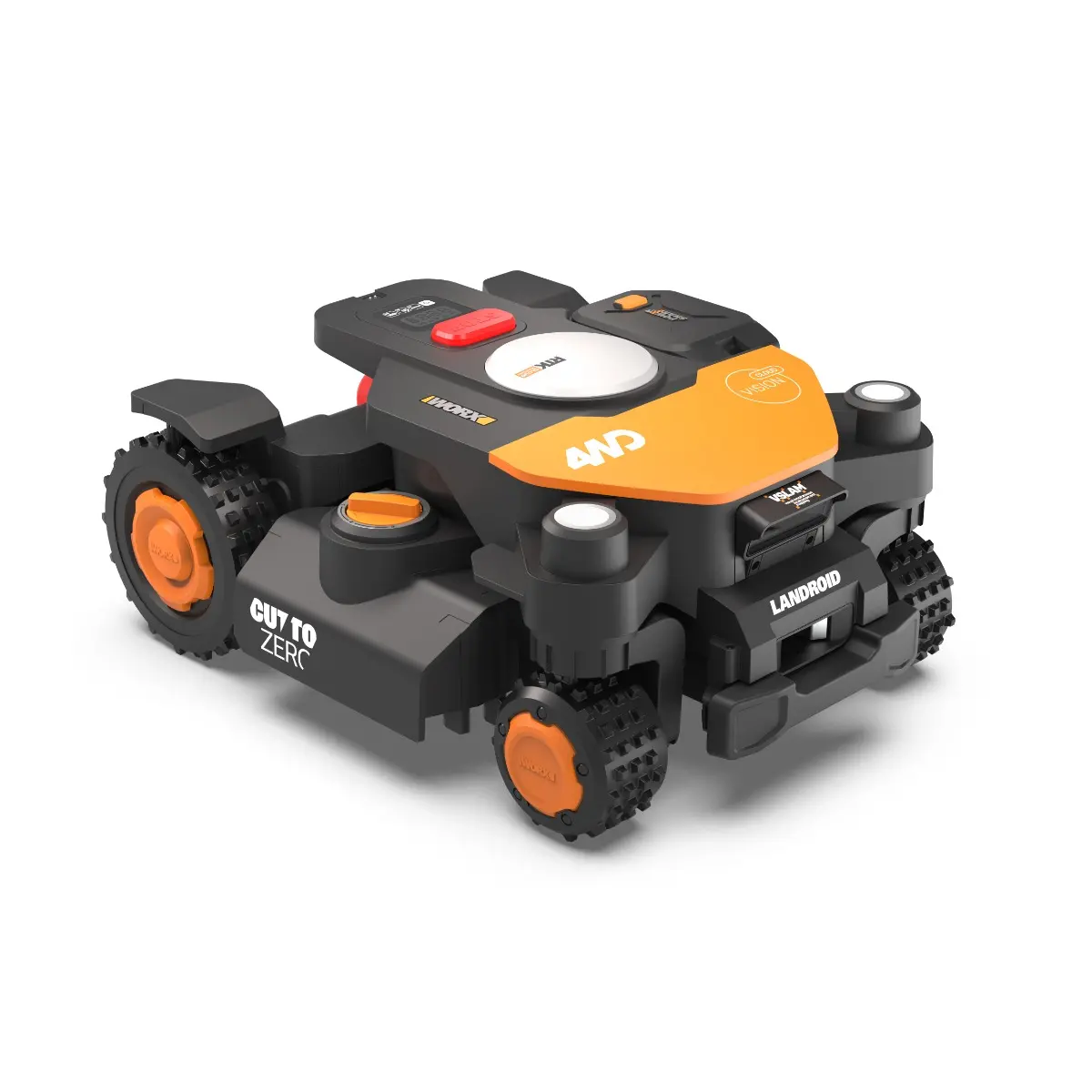 vs
Worx WR310.1 vs WR341: Do You Need Four-Wheel Drive?
Both are quarter-acre Cloud mowers with the same listed cut, height range, battery and charge time. WR341's reason to investigate is its four-wheel-drive terrain arrangement. We'd check whether the actual ground needs that difference before paying for it.
Read the guide