Practical guide · 6 min read
Does a robotic pool cleaner replace the pool filter? Plan for both jobs
A robot collects debris in its own basket, which can reduce the manual cleaning chore. The pool still needs its normal circulation, filtration and water-care routine. Here is how to decide which problem you actually need to solve.
Based on published manufacturer information.
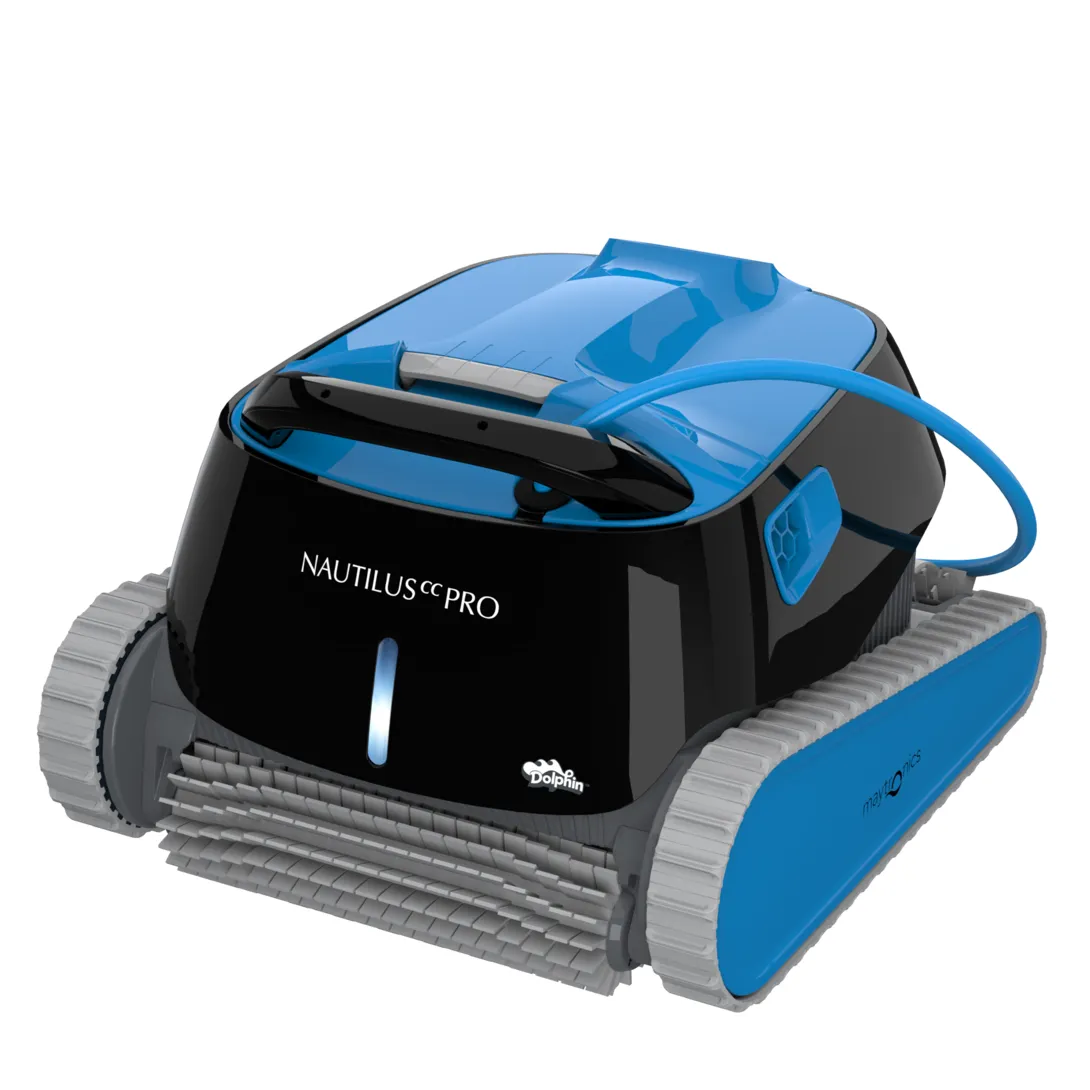
Checked Nov 27 · Price shown is from Dolphin. Check the model, price and availability in Lowe’s search results.
See all offers & model details ↗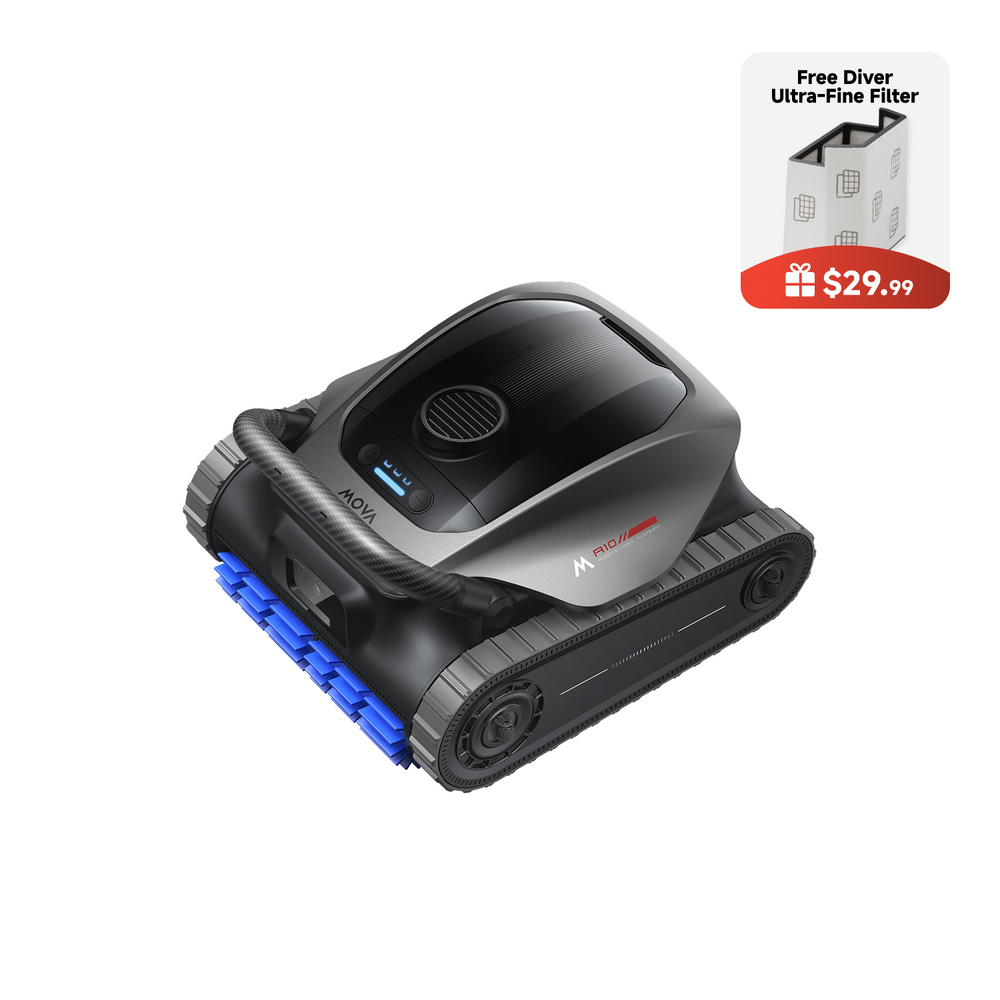
Checked Nov 27 · In stock when checked. Shipping and tax at checkout.
Buy at Lowe’s See all offers & model details ↗We may earn a commission when you buy through these links.
Our recommendations come from published specifications. We may earn a commission from qualifying purchases. As an Amazon Associate, we earn from qualifying purchases. How we work
The quick verdict
Here’s where we’d start.
Keep the pool’s normal circulation and filtration maintained under its equipment instructions. Buy a robot for a confirmed debris-cleaning job and supported pool fit. If the actual problem is poor flow, equipment failure or unexplained cloudy water, establish that cause before choosing a larger cleaner.
Nautilus CC Pro
CC Pro has its own Fine Filter Kit and lists floor, walls and waterline within a 50-foot pool-length limit.
Its cleaner cycle and weekly timer do not specify the pool pump’s circulation schedule or replace main-filter maintenance.
Diver A10
Diver A10 lists a 3.5-liter basket and replaceable 3 μm filter for low-debris environments.
A nominal particle rating does not establish disinfection, complete water turnover or a remedy for every cloudy-water cause.
Follow where the collected dirt goes.
A self-contained robot draws water through its own intake and filter, then returns water to the pool. The collected leaves or grit stay in its basket until the owner removes them. The main pool circulation system has a separate flow path through its installed equipment.
Mammotion’s technical explanation explicitly distinguishes an independent robot-cleaning cycle from replacing normal pool circulation and filtration. It is a useful distinction whether the robot uses a battery or a cord. The corded-versus-cordless guide covers that separate power choice.
A corded cleaner has a filter; it does not set the pump schedule.
Dolphin Nautilus CC Pro, part 99996207-PCI, lists a Fine Filter Kit, floor/wall/waterline cleaning and a 50-foot pool-length limit. Its two-hour default cycle describes the cleaner’s job. It does not establish how many hours your pool’s circulation system requires.
Likewise, its weekly timer is a cleaner feature. Follow the pool equipment’s own operating and maintenance requirements, and the cleaner’s instructions for permitted use alongside that equipment. Use our pool-cleaner frequency guide to plan debris removal without repurposing it as a universal pump schedule.
A small micron figure still belongs to a particular filter and job.
MOVA Diver A10 lists a replaceable 3 μm element specifically for low-debris environments. MOVA recommends a brief rinse after each use and periodic replacement. That upkeep belongs beside the filtration claim when deciding whether the cleaner suits the debris load.
The nominal rating does not demonstrate removal of every contaminant or establish the pool’s water condition. A cleaner basket is also not the same thing as the installed main filter. Our fine-filter guide explains why filter arrangement, loading and care matter alongside the number.
Our robotic-cleaner-and-algae guide keeps mechanical pickup, main filtration and water treatment separate. A finished robot cycle does not establish treatment success or swimming clearance.
Separate a dirty floor from a circulation complaint.
Imagine an approved 30-foot pool whose normal equipment is operating as required, with a recurring patch of settled grit. A suitably configured robot is a reasonable candidate for that physical cleaning task. Check where the grit lies, whether the robot reaches it and what the fitted filter retains.
Now change the complaint: flow has fallen and the water remains unexpectedly cloudy. Buying a longer-running robot does not identify why that happened. Record the equipment symptoms and have the cause checked. The robot may still collect debris, but that observation cannot clear the main system of a fault.
Match the visible material to the right part of the routine.
Floating leaves, settled sand and an element coated with fine material create different chores. A surface skimmer may address leaves before they sink, while an underwater cleaner addresses its supported submerged surfaces. Neither feature list establishes that every step, shelf or corner is reached.
Inspect and empty the cleaner’s basket as instructed so collected material is actually removed. Continue the separate main-filter and basket care required by the pool equipment. Our skimmer guide and filter-clogging guide help identify which component needs attention.
Keep the pool’s operating requirements in the plan.
Do not infer a shorter circulation schedule from the robot’s battery duration, a pump-flow headline or a visibly cleaner floor. Ask the pool-equipment supplier what the installed system requires. The cleaner’s own instructions also govern its operating conditions and care.
If a cleaner appears to miss areas or stops early, record the mode, filter condition and point where behavior changes. Our missed-area guide and stopping guide cover those observations before a purchase becomes the proposed fix.
Our after-shock guide separates water treatment, main filtration and robot debris pickup. It does not prescribe a universal waiting period or assume every basket is suitable for treatment residue.
Our flocculant-compatibility guide explains why a treatment label’s vacuum-to-waste requirement, where specified, is different from retaining material inside a robot. Confirm the exact cleanup route and cleaner restriction together.
Maytronics addresses circulation in its corded Dolphin drain troubleshooting. See how to check a cleaner stuck at the drain for the conditions under which a circulation comparison is appropriate.
The spring-opening guide puts the sequence into practice: remove major debris, restart the main filtration, check the water and then use the robot for the remaining physical cleanup.
Buy for the physical cleaning work you want to hand over.
We would price a robot after confirming the main system is suitable and identifying the debris task that remains. Compare the approved pool fit, actual filter package, pickup and owner care. Those details explain the convenience you are purchasing more clearly than a promise of cleaner water alone.
Keep the pool-care plan with the purchase quote and leave unexplained water-condition problems to a proper diagnosis. Our cleaner-care guide covers the new maintenance routine, while the AquaSense 2 versus Liberty 400 comparison shows how two battery cleaners still leave different filter and handling jobs.
A closer look
The differences, in view.
Scroll horizontally on smaller screens. Values are manufacturer claims; see each product for qualifiers and original wording.
| Specification | Nautilus CC Pro | Diver A10 |
|---|---|---|
| Maximum pool length | 50 ft | Not confirmed |
| Filtration | Fine filter basket | Replaceable 3 μm ultra-fine filter |
| Connectivity | MyDolphin Plus app | Not confirmed |
| Rated pool area | Not confirmed | 1900 sq ft |
| Claimed runtime | Not confirmed | 240 minFloor-only; wall/waterline mode is listed at three hours. |
| Debris basket | Not confirmed | 3.5 L |
Ready to choose?
Your next step, made simple.
Checked Nov 27 · Price shown is from Dolphin. Check the model, price and availability in Lowe’s search results.
See all offers & model details ↗Checked Nov 27 · In stock when checked. Shipping and tax at checkout.
Buy at Lowe’s See all offers & model details ↗We may earn a commission when you buy through these links.
Show your work
Sources & editorial method.
We reviewed official US product information and exact configurations. Our advice draws on published specifications and model-specific manufacturer instructions, with the practical trade-offs explained. Unknowns and conflicting claims are kept visible. Prices above come from the catalog and may change independently of this article’s review date.
- Official US manufacturer page — exact model specifications, status and qualifications
- Official US manufacturer page — exact model specifications, status and qualifications
- Mammotion technical explanation — independent robot operation and the continuing role of circulation and filtration
Published Nov 9, 2026 · Editorial review Nov 12, 2026.
Read our research standardsKeep exploring
A little more perspective.
Can robotic pool cleaners remove algae? What brushing and filters can do
A robot can help brush surfaces and collect suitable debris, but those jobs do not replace algae treatment and water care. Start by having the problem assessed, then check the exact cleaner, filter and permitted water conditions.
Read the guide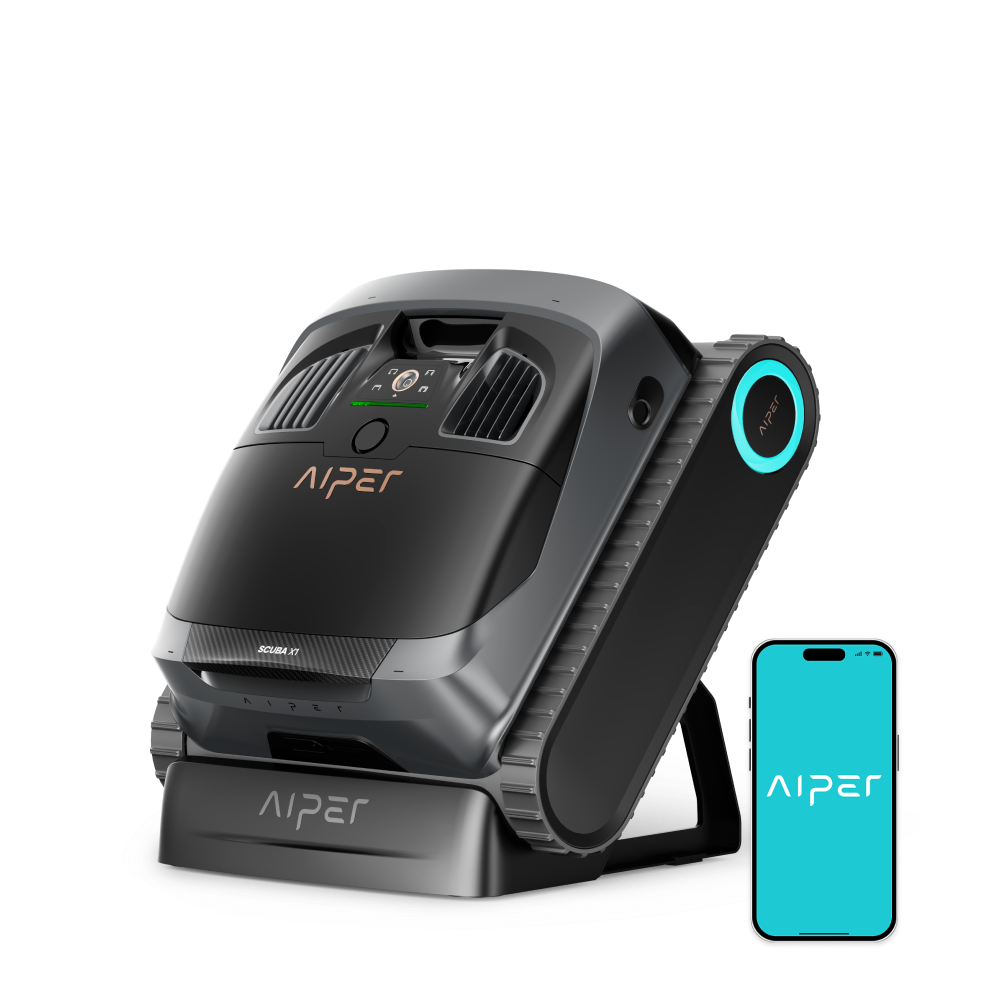
Pool-cleaner filter clogging quickly? Match the filter to the debris before replacing the robot
A full basket, a loaded fine-filter layer and a poorly seated element need different responses. Check what is collecting, follow the exact filter arrangement and change one thing at a time.
Read the guide