Troubleshooting · 6 min read
Pool-cleaner filter clogging quickly? Match the filter to the debris before replacing the robot
A full basket, a loaded fine-filter layer and a poorly seated element need different responses. Check what is collecting, follow the exact filter arrangement and change one thing at a time.
Based on published manufacturer information.
Checked Nov 27 · In stock when checked. Shipping and tax at checkout.
Buy at Lowe’s See all offers & model details ↗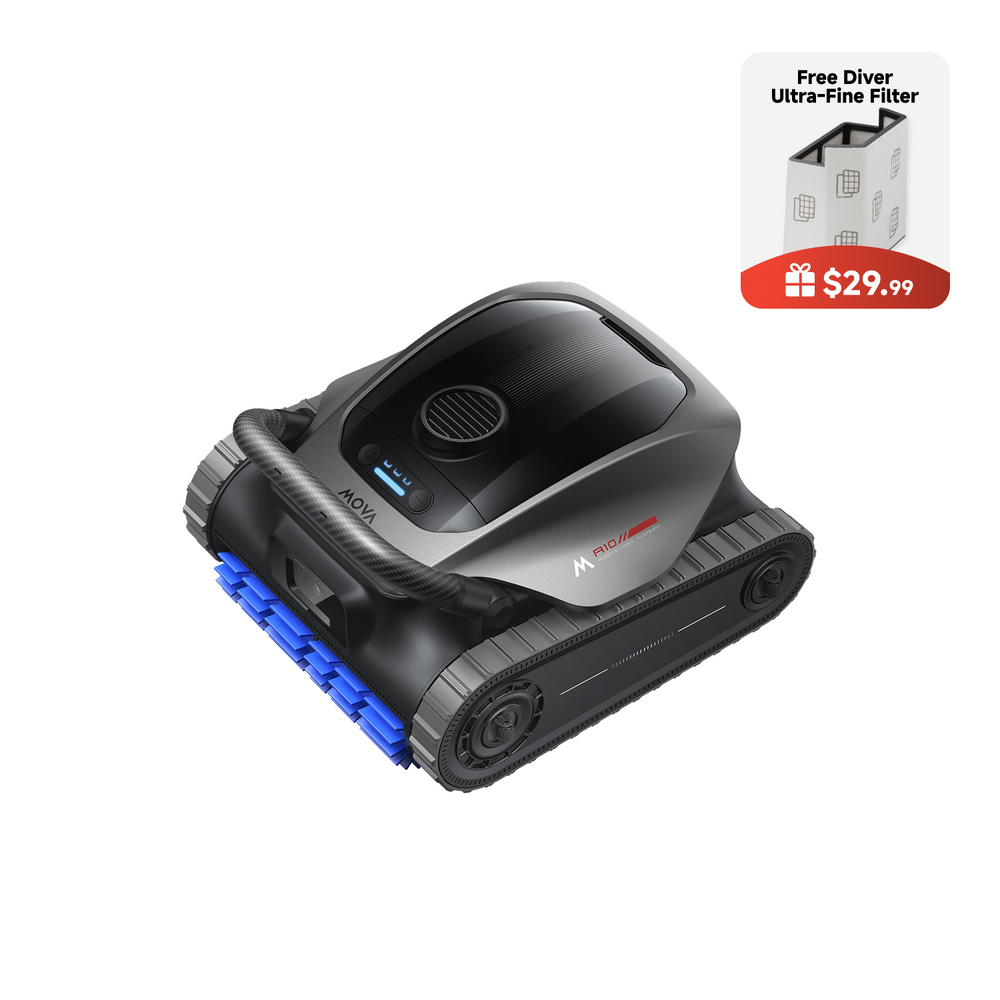
Checked Nov 27 · In stock when checked. Shipping and tax at checkout.
Buy at Lowe’s See all offers & model details ↗We may earn a commission when you buy through these links.
Our recommendations come from published specifications. We may earn a commission from qualifying purchases. As an Amazon Associate, we earn from qualifying purchases. How we work
The quick verdict
Here’s where we’d start.
Identify which part is loading up and what debris it holds before buying replacement equipment. Follow the exact cleaner’s approved filter configuration for that load, rinse as instructed and compare a normal supported run. Fine filtration can create more care work, but reduced pickup or stopping alone does not prove a clogged filter.
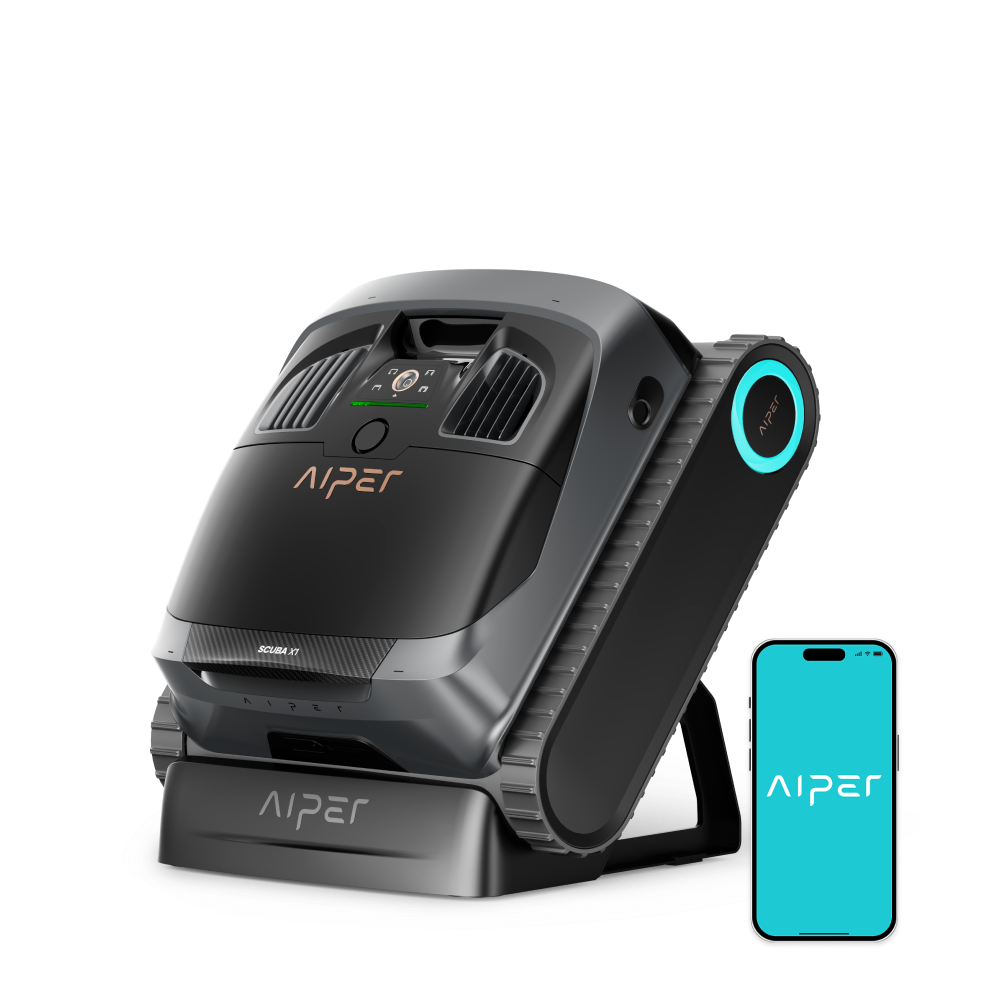
Scuba X1
X1’s current FAQ recommends its standard filter alone for heavy debris to maintain suction, and describes its MicroMesh layer for smaller material.
That instruction belongs to exact Scuba X1. Do not remove every filter or transfer its arrangement to a different Aiper model.
Diver A10
MOVA describes Diver’s replaceable 3 μm element for low-debris environments, with rinsing after use and periodic replacement.
Confirm its exact approved configuration and consumable availability. Do not assume X1’s removable-layer routine applies to this machine.
Check what is actually clogged before deciding why.
After stopping and retrieving the cleaner according to its manual, identify whether the basket is full of leaves, a finer element is coated with small debris, or material is caught around an inlet. Photograph the condition before rinsing. Record the selected program and approximately how far through a normal session the problem appeared.
Also inspect the filter’s seating and visible condition as the instructions allow. Reduced pickup, an early stop or failed wall climbing can have other causes, so those symptoms alone are not proof of a clogged filter. Our pickup guide and stopping guide cover those separate diagnoses.
Use the exact maker’s configuration for heavy debris.
Aiper Scuba X1 provides a useful specific example. Its US FAQ says to use the standard filter alone for heavy debris, including after summer storms, to maintain suction. It separately describes its MicroMesh ultra-fine element for smaller material and recommends rinsing after each use.
That does not mean a cleaner should run without its required filter, or that another model supports the same removable-layer arrangement. Check the exact package and instructions before changing anything. Our fine-filter guide explains why a finer nominal threshold and the best setup for a large debris load are different questions.
Keep the fine-filter conditions beside the micron figure.
MOVA Diver A10 describes a replaceable 3 μm filter specifically for low-debris environments. MOVA recommends rinsing it briefly after each use and replacing it periodically. That care requirement belongs beside the fine-filtration claim, rather than being treated as an optional extra chore.
Ask how the required filter assembly should be configured for the job, what can be cleaned and when an element needs replacement. No universal number of weeks can be inferred from periodically. A nominal micron figure also does not measure capture or loading speed in your pool.
A storm cleanup is a different task from ordinary fine-dirt maintenance.
Imagine a pool with a fresh load of bulky leaves after a storm, where X1’s fine layer becomes dirty quickly. The next useful step is to follow X1’s documented heavy-debris arrangement and approved preparation, then inspect the basket after a normal supported run. Repeating the same overloaded setup does not test whether the robot is defective.
For Diver A10, ask MOVA for its approved approach to that load; do not copy X1’s filter configuration. The broader lesson is to distinguish the initial debris-removal task from the later low-debris fine-filter routine. Our leaf guide covers surface versus settled material.
Clean and reinstall using the element’s own instructions.
Use the approved rinsing method, check for visible damage and make sure the parts are fitted and latched as required. A required element left out, incorrectly seated or damaged can make the next cleaning result misleading. Confirm replacement compatibility using the full model and filter identity.
Do not invent a chemical soak, compressed-air method or high-pressure wash for delicate material. Follow the manufacturer’s instructions for the exact element. Our cleaner-care guide covers safe preparation and why care advice for another cleaner is not automatically transferable.
For collected dirt returning during removal, our debris-spilling guide adds the exact basket closure and retrieval checks. A finer element cannot repair an open lid or unsuitable assembly.
Our filter-replacement guide compares an intact basket restored by approved cleaning with a visible tear that remains afterward. Rapid loading alone does not establish an expired element.
Repeat a supported task with one relevant change.
After approved cleaning and reassembly, use the permitted filter and program for the current debris load. Compare the condition afterward with the earlier photo. Record whether the same material quickly loads the same part, whether pickup returns and whether an unrelated error persists.
Basket volumes do not establish a universal service interval. X1’s model column lists five liters; Diver lists 3.5 liters. Different debris, filter arrangements and tasks prevent converting that difference into a reliable claim about minutes between rinses. Our mode guide helps keep the selected job in view.
Our short-runtime guide includes approved basket care before comparing equivalent runs. A loaded filter can accompany an interrupted session without proving that the battery has worn out.
Recurring fine material may need a wider pool-care assessment.
If an element loads rapidly after every rinse, establish what is entering or remaining in the pool rather than assume a larger robot will end the problem. Record whether the material is leaves, settled grit, fine suspended matter or something you cannot identify. A robot collecting debris is not a complete explanation of the pool’s water condition.
Circulation, the main filtration system and appropriate water care remain separate parts of pool maintenance. This guide does not prescribe a chemical treatment for unidentified material or promise that a 3 μm element resolves every cloudy-water problem. Our fine-dirt guide covers the physical-debris question.
Our robot-versus-pool-system guide explains why repeated basket loading does not diagnose the main filtration system. Separate the debris task from unexplained water-condition or flow problems.
Our flocculant-and-clarifier guide checks treatment history before more filter changes. Z1 and Z1 Pro have explicit restrictions; a finer element does not establish compatibility with a prohibited substance.
In a recently resurfaced pool, our new-plaster guide keeps plaster-dust removal with the applicable startup plan. A fine filter does not establish that a consumer robot is approved for that initial load.
Our after-heavy-rain guide keeps unusual runoff or unexplained material separate from ordinary debris pickup. Repeated robot runs do not establish that the pool’s water condition has been resolved.
Give support the filter setup and evidence, not just the symptom.
Send the exact cleaner and filter identities, photos before and after rinsing, the permitted configuration used, the selected mode, debris conditions and the point when performance changed. Include visible tears, distorted parts or seating problems, plus the one supported adjustment tried and its result.
We would work through that evidence before replacing the machine for a bigger pump or a longer runtime headline. Ask for the correct replacement element or further service diagnosis if the problem remains. Our X1 versus Dolphin CC Pro comparison treats power and handling as a separate purchase decision.
A closer look
The differences, in view.
Scroll horizontally on smaller screens. Values are manufacturer claims; see each product for qualifiers and original wording.
| Specification | Scuba X1 | Diver A10 |
|---|---|---|
| Rated pool area | 2150 sq ftModel-specific column of the manufacturer comparison. | 1900 sq ft |
| Maximum pool length | 66 ft | Not confirmed |
| Power source | Rechargeable battery | Not confirmed |
| Charging | Wireless charging dock | Not confirmed |
| Claimed runtime | Not confirmed | 240 minFloor-only; wall/waterline mode is listed at three hours. |
| Filtration | Not confirmed | Replaceable 3 μm ultra-fine filter |
| Debris basket | Not confirmed | 3.5 L |
Ready to choose?
Your next step, made simple.
Checked Nov 27 · In stock when checked. Shipping and tax at checkout.
Buy at Lowe’s See all offers & model details ↗Checked Nov 27 · In stock when checked. Shipping and tax at checkout.
Buy at Lowe’s See all offers & model details ↗We may earn a commission when you buy through these links.
Show your work
Sources & editorial method.
We reviewed official US product information and exact configurations. Our advice draws on published specifications and model-specific manufacturer instructions, with the practical trade-offs explained. Unknowns and conflicting claims are kept visible. Prices above come from the catalog and may change independently of this article’s review date.
- Official US manufacturer page — exact model, specifications and qualifications
- Official US manufacturer page — exact model, specifications and qualifications
Published Nov 9, 2026 · Editorial review Nov 10, 2026.
Read our research standardsKeep exploring
A little more perspective.
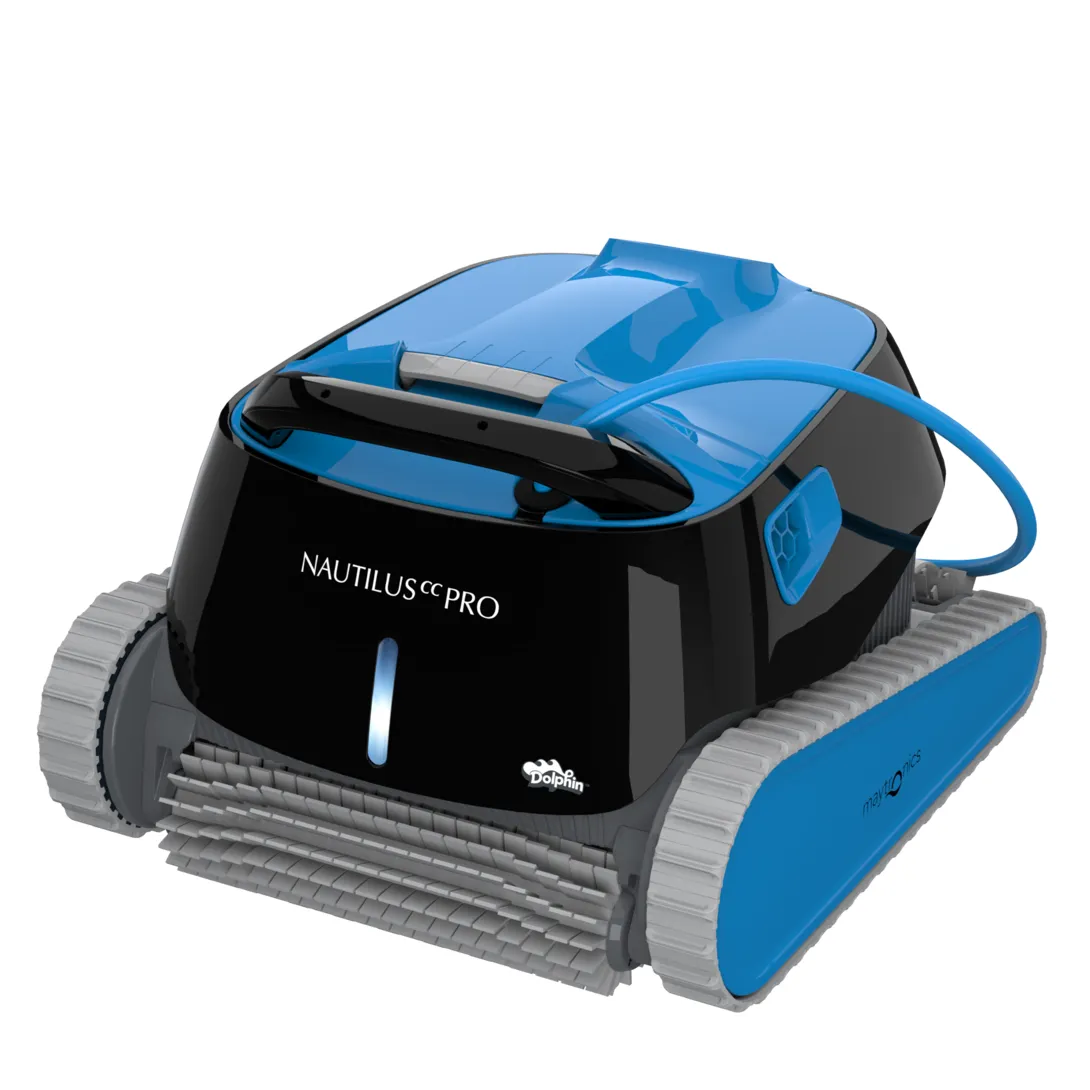 vs
Aiper Scuba X1 vs Dolphin CC Pro: Dock charging or a corded cleaning routine?
Both list floor, wall and waterline cleaning, but they leave you with different power and handling jobs. Start with the approved pool fit, then compare the cable routine with retrieving and charging a battery cleaner.
Read the guide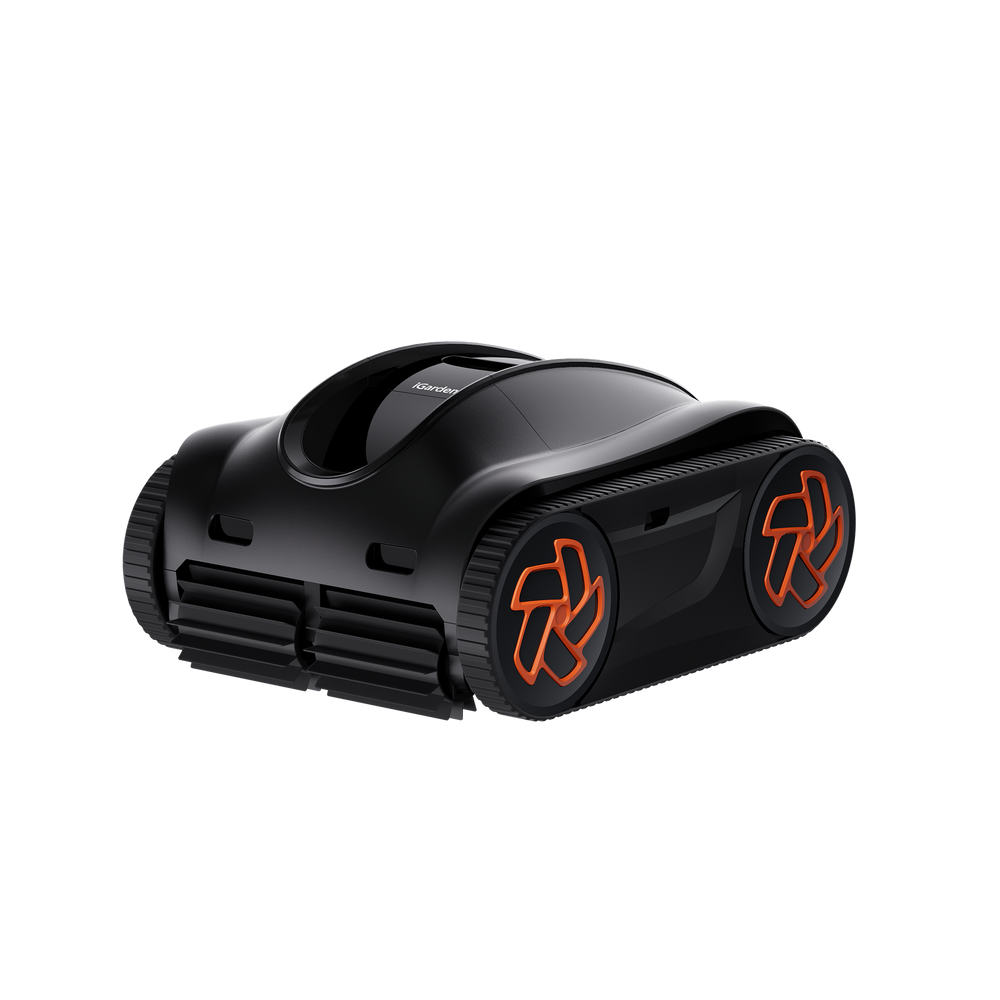
Do You Need an Ultra-Fine Filter for Your Robotic Pool Cleaner?
A finer filter is worth investigating when the robot collects the leaves but leaves smaller dirt behind. First check the exact part, whether it's included and which cleaning modes allow it. On some models, adding the finer layer also changes the recommended routine.
Read the guide