Pool care · 5 min read
Robot pool cleaner after heavy rain: Check the pool before restarting
The rain stopping is only the first check. Floating leaves, settled dirt, changed water conditions and any storm damage need different responses. Review the actual pool and the cleaner’s exact instructions before restoring its timer.
Based on published manufacturer information.
Checked Nov 27 · In stock when checked. Shipping and tax at checkout.
No current brand offer. Explore Amazon options.
We may earn a commission when you buy through these links.
Our recommendations come from published specifications. We may earn a commission from qualifying purchases. As an Amazon Associate, we earn from qualifying purchases. How we work
The quick verdict
Here’s where we’d start.
Wait until poolside access is safe, then assess damage, debris, water conditions and any treatment before restarting. A robot collects suitable debris; it does not establish water safety or replace the pool’s filtration and treatment plan. Follow the exact model’s limits, and keep operation paused when a storm-related problem remains unresolved.
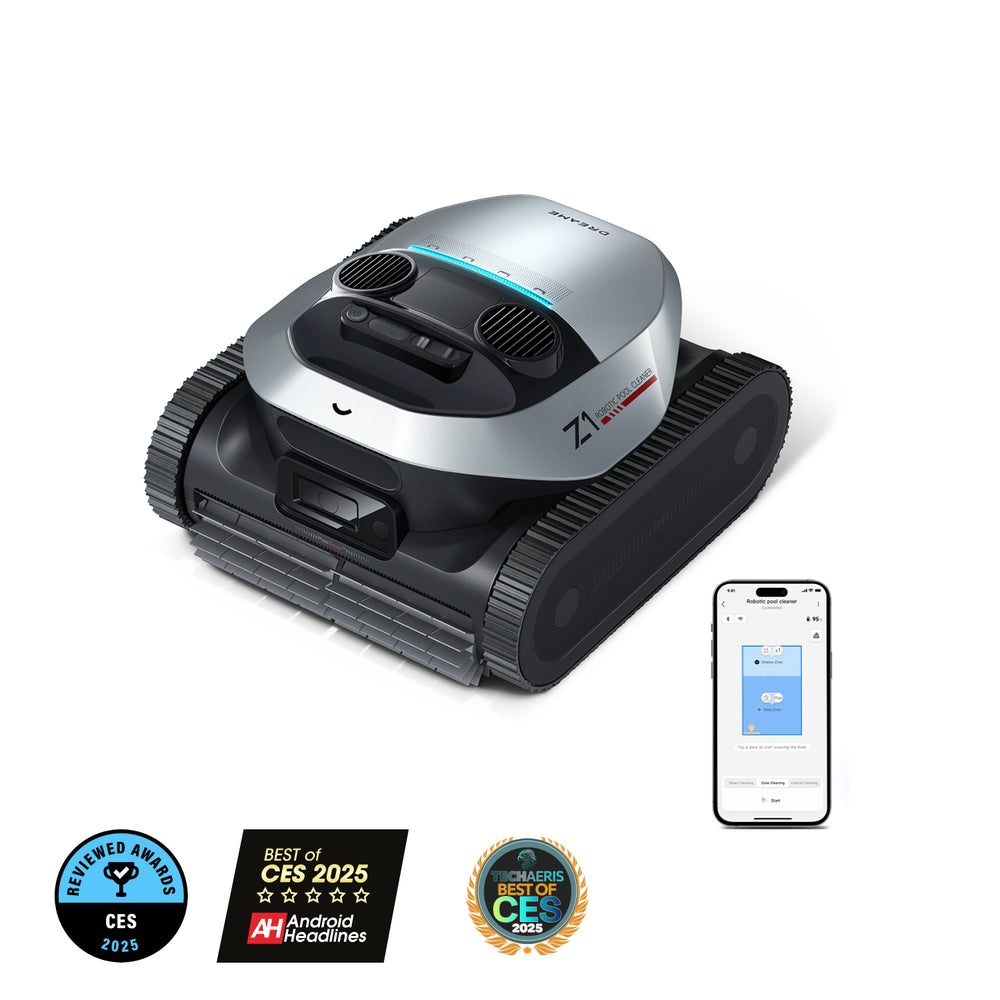
Z1
The exact manual lists pH 7.0–7.8 and chlorine no higher than 4 ppm among its operating conditions.
These are robot limits, not a complete water-care recipe or swimming clearance. The manual separately prohibits liquid flocculant or other clarifier.
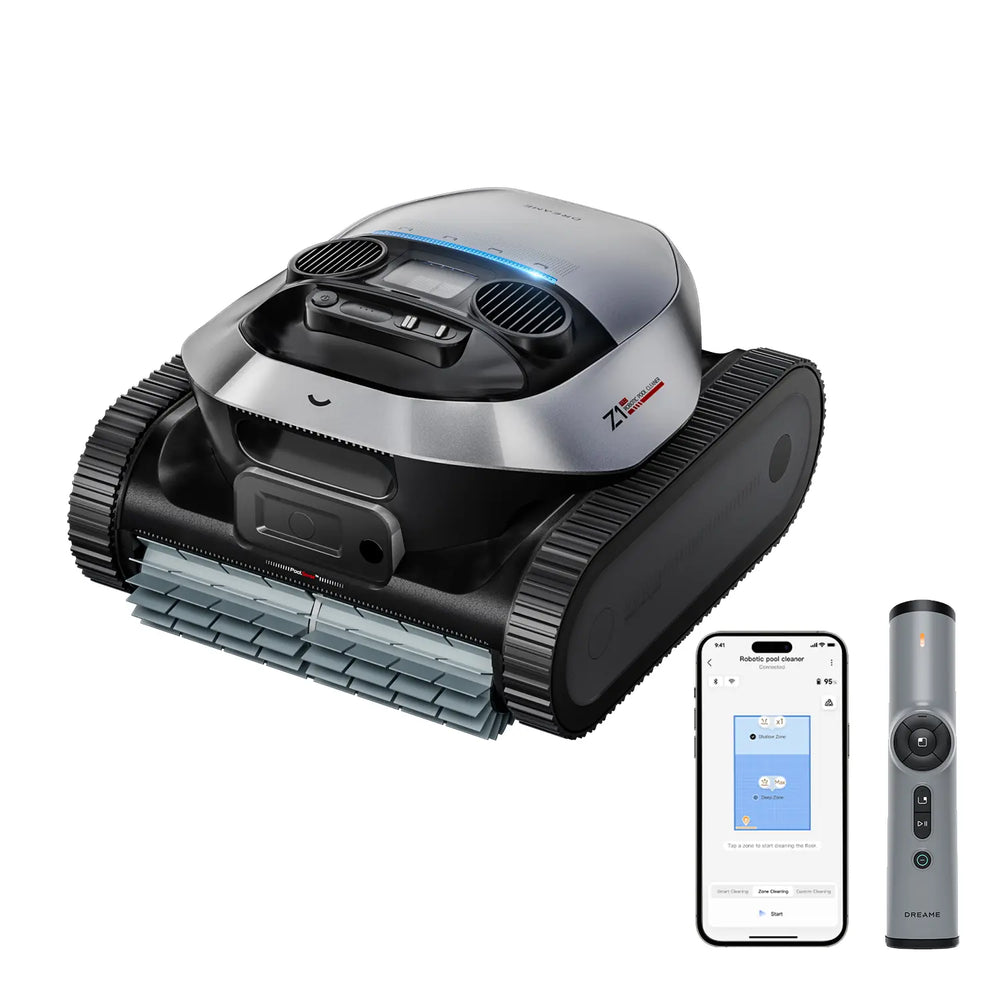
Z1 Pro
The Pro manual independently gives its operating-water limits and treatment restriction.
Its remote does not override unsuitable water, damaged equipment or an unresolved treatment question. Confirm the complete requirements before restarting.
Leave poolside work until the weather allows it.
If thunder is present, do not head outside to launch, retrieve or charge the robot. National Weather Service guidance calls for safe shelter and at least 30 minutes there after the last thunder.
That weather precaution does not establish that the pool or cleaner is ready afterward. Keep the timer paused while the site is assessed. Our leave-in-pool guide covers ordinary storage and unattended-cycle questions separately.
Check for more than leaves on the bottom.
Once access is safe, look for displaced equipment, damaged cables or charging parts, and debris the cleaner is not meant to handle. Keep damaged equipment out of service and have the relevant professional assess it.
If floodwater or unknown runoff entered, obtain appropriate pool-service advice before treating this as routine debris pickup. A robot is not a way to establish that the water is safe. Our pool-filter guide explains its separate role.
Separate floating material from settled dirt.
Use the appropriate pool-care method for bulky or unsuitable debris before a permitted robot run. Do not assume the cleaner can swallow every branch or object that washed into the pool.
Floating leaves and settled grit are different jobs. An underwater cleaner’s waterline routine does not make it a surface skimmer. Our skimmer-versus-cleaner guide and leaf guide help identify the actual load.
Check the exact permitted water conditions.
The Dreame Z1 manual lists pH 7.0–7.8, chlorine no higher than 4 ppm, water temperature 41–95°F and salt no higher than 5,000 ppm. Check its complete requirements rather than rely on appearance.
The Dreame Z1 Pro manual lists those conditions independently. They are robot operating limits, not a dosing plan or complete swimming-safety test. Our after-shock guide keeps treatment instructions beside the machine’s limits.
Clear-looking water can still fail the robot check.
Imagine the storm has passed, large debris is removed and the water looks clear, but measured pH is 8.1. That exceeds the reviewed Z1 and Pro range, so visual clarity does not authorize a restart.
Now imagine pH is 7.4 but a clarifier was added during cleanup. Both manuals separately prohibit use when liquid flocculant or other clarifier has been added. A normal-looking reading does not resolve that restriction. Our flocculant guide covers the support question.
Choose the allowed job and watch the filter load.
After all applicable conditions are satisfied, select a supported mode for the remaining debris and observe from a safe position. A heavy post-rain load can make filter service relevant before the advertised battery duration ends.
Follow the exact retrieval and shutdown procedure before filter inspection or rinsing. Avoid repeated blind runs through unexplained material. Our mode guide and filter-clogging guide cover those owner tasks.
Restore automatic runs after the pool has been reassessed.
Check that the permitted run, retrieval and charging went normally before restoring the usual schedule. Record treatments, unusual debris or recurring filter loads so a persistent problem can be investigated.
Weather timing alone cannot supply a universal restart delay for every pool and treatment. Our first-use guide and cleaner-care guide help rebuild the normal routine once the actual requirements are met.
A closer look
The differences, in view.
Scroll horizontally on smaller screens. Values are manufacturer claims; see each product for qualifiers and original wording.
| Specification | Z1 | Z1 Pro |
|---|---|---|
| Rated pool area | 1950 sq ftManufacturer maximum; pool geometry and conditions still matter. | 2160 sq ftManufacturer maximum; pool geometry and conditions still matter. |
| Navigation | Ultrasound + 3D structured light | PoolSense navigation |
| Remote control | No LiFi handheld remote | LiFi-enabled handheld remote |
| Retrieval | Not confirmed | Automatic waterline parking |
Ready to choose?
Your next step, made simple.
Checked Nov 27 · In stock when checked. Shipping and tax at checkout.
No current brand offer. Explore Amazon options.
We may earn a commission when you buy through these links.
Show your work
Sources & editorial method.
We reviewed official US product information and exact configurations. Our advice draws on published specifications and model-specific manufacturer instructions, with the practical trade-offs explained. Unknowns and conflicting claims are kept visible. Prices above come from the catalog and may change independently of this article’s review date.
- Dreame official US page — exact model information
- Dreame official US page — exact model information
- National Weather Service — lightning and safe shelter
- Official Dreame Z1 manual — operating water and treatment restrictions
- Official Dreame Z1 Pro manual — independent water and treatment restrictions
Published Nov 10, 2026 · Editorial review Nov 10, 2026.
Read our research standardsKeep exploring
A little more perspective.
Can you run a robotic pool cleaner after flocculant? Check the exact instructions
Settled treatment debris can look like an easy job for a robot, but the cleaner’s own restrictions still apply. Check the exact treatment, collection method and manufacturer restart conditions before putting the robot back in.
Read the guideWhen can you use a robotic pool cleaner after shocking the pool?
Do not restart the robot just because the water looks clear or a night has passed. Check the treatment label and the exact cleaner’s permitted water conditions, then test the water using the required method.
Read the guide