Model comparison · 5 min read
ANTHBOT Genie 600 vs Navimow i105: Check the lawn size and cutting height
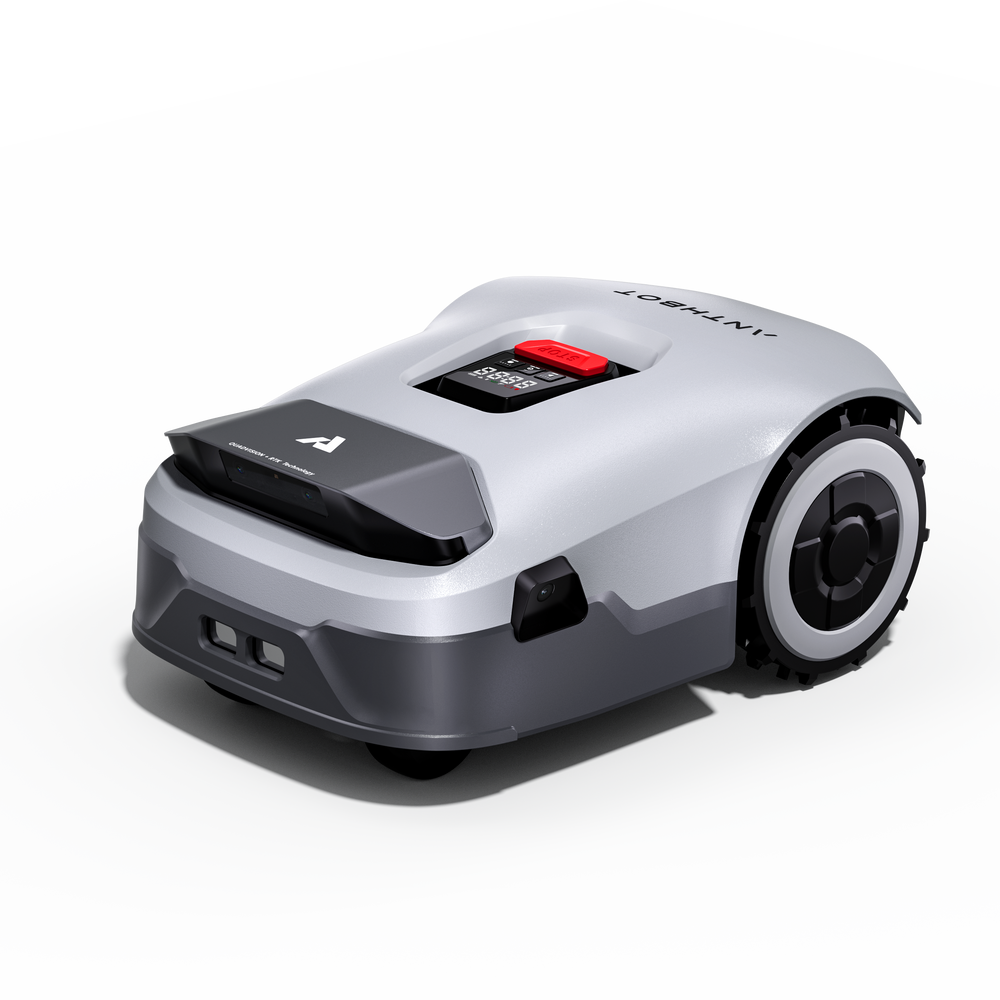
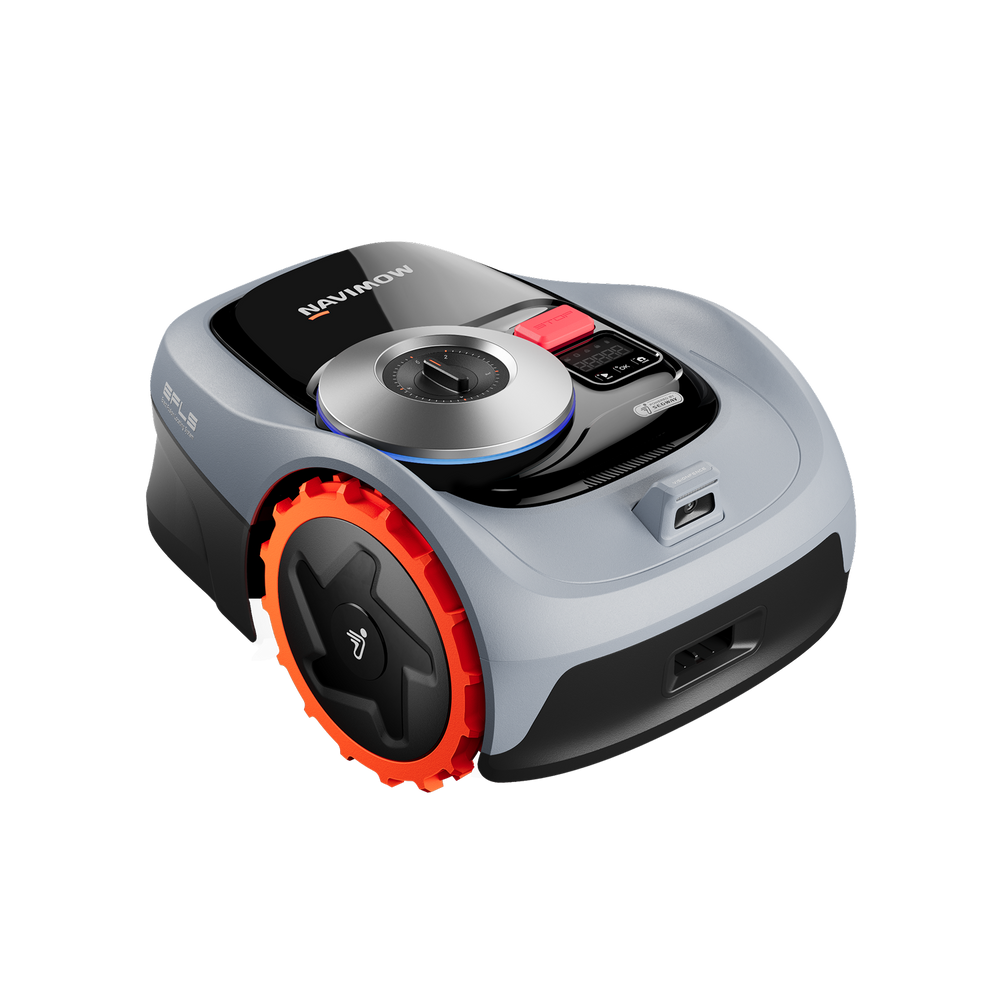
Genie 600 has the larger stated lawn allowance and a lower cutting range. The i105 reaches taller grass settings. Those differences can decide the fit before navigation features do, but the exact Genie 600 is currently unavailable from ANTHBOT’s direct store.
Based on published manufacturer information.
No current brand offer. Explore Amazon options.
No current brand offer. Explore Amazon options.
We may earn a commission when you buy through these links.
Our recommendations come from published specifications. We may earn a commission from qualifying purchases. As an Amazon Associate, we earn from qualifying purchases. How we work
The quick verdict
Here’s where we’d start.
Investigate Genie 600 for a suitable lawn within its 0.22-acre rating when the 30–70 mm cut suits the grass, provided an actual available unit is confirmed. The i105 is relevant within its recommended 0.125 acre when its 2–3.6-inch range fits. Neither is the answer to every small lawn: an area rating and a cutting-height requirement must both pass.
Genie 600
Plain Genie 600 lists 0.22 acre and app-adjusted cutting from 30 to 70 mm, about 1.18–2.76 inches.
The exact variant is currently unavailable from ANTHBOT’s direct store. Do not substitute 600e 4G, a larger Genie or an unconfirmed seller package.
i105
The US i105 lists a recommended 0.125 acre and manual adjustment from 2 to 3.6 inches.
Check the recommended mowing area rather than an expanded map-storage figure. Confirm positioning, routes and usable working hours.
Find the actual Genie 600 before comparing delivered prices.
ANTHBOT Genie 600 is the plain 0.22-acre variant here. Fresh public variant data marks that exact configuration unavailable. A seller may have stock, but the manufacturer page does not confirm another seller’s inventory or what arrives in its box.
Navimow i105 is the exact US model with a recommended 0.125-acre mowing area. Keep the model identity beside each quote. Our Genie family comparison explains why 600e 4G is a separate configuration.
Start with the height your grass needs.
Genie’s page lists 30–70 mm adjustment, approximately 1.18–2.76 inches. The i105 lists 2–3.6 inches. A lawn normally maintained at three inches is within the Navimow range and above Genie’s published maximum.
Conversely, a suitable grass maintained at 1.5 inches falls within Genie’s range and below i105’s minimum. That is a useful first distinction, rather than a reason to change the lawn’s needs to suit a mower. Our cutting-height guide starts with the grass and the separate first-cut requirement.
Measure the grass rather than reading the model number.
Genie 600’s exact variant is labeled 0.22 acre. The i105’s recommendation is 0.125 acre. Neither name should be read as a square-meter allowance, and neither number guarantees the lawn will be completed on one battery charge.
Include every grass section, connecting route and restricted working period in the assessment. An expanded mapping feature stores a map; it does not automatically enlarge recommended daily maintenance capacity. Our lawn-measuring guide and frequency guide help establish the brief.
A small lawn can miss a different requirement on each mower.
Imagine 0.18 acre maintained at three inches. Genie 600’s stated area covers that first size check, but its maximum cutting height is lower than the intended finish. The i105 includes three inches, but the lawn exceeds its recommended 0.125 acre. Neither passes both checks unchanged.
Now consider 0.1 acre maintained at 2.5 inches. Both initial area and height checks pass, so positioning, layout and the owner’s routine become more useful distinctions. Genie’s availability still needs resolving. These examples explain fit; they do not predict mowing time or establish that either installation will work.
Have the hardest route assessed for the actual equipment.
Genie describes RTK and vision positioning without a perimeter wire. The i105 uses EFLS 2.0 with vision-based obstacle avoidance. Both need a suitable installation rather than a promise based on a navigation label.
Show the suppliers trees, buildings, narrow connections and the charger approach. Obtain the exact reference equipment, mounting requirements and box list. Our navigation guide and tree-covered-yard guide explain the questions to ask at those locations.
Confirm remote features and service terms separately.
Ask which connections are needed for setup, positioning, remote commands and any theft-related features. A reference to 4G elsewhere on a shared Genie page does not establish that plain 600 includes the same functions or service as 600e or a larger model.
For either mower, get ongoing charges, replacement blade availability and support terms in writing. Our subscription guide and Wi-Fi guide keep those separate connection jobs clear.
Choose a mower that fits both the lawn and the finish.
We would investigate i105 for an appropriately small lawn when its taller range suits the grass. Genie 600 is a candidate when its lower cut and larger stated allowance are useful, with actual available stock and a suitable installation confirmed.
The ANTHBOT buying guide and Navimow buying guide add other sizes. If each model fails a different basic requirement, use those alternatives rather than assume a navigation feature compensates for it.
A taller maintained lawn can change this decision: our Genie 600 versus WR165 guide works through a three-inch target using the exact US WORX manual.
A closer look
The differences, in view.
Scroll horizontally on smaller screens. Values are manufacturer claims; see each product for qualifiers and original wording.
| Specification | Genie 600 | i105 |
|---|---|---|
| Rated lawn coverage | 0.22 acre | 0.125 acreRecommended model-specific lawn size, not the expanded mapping allowance. |
| Navigation | RTK + vision | EFLS 2.0 + vision |
| Boundary setup | No perimeter wire | Not confirmed |
| Cutting height | 1.18–2.76 inConverted from the published 30–70 mm range. | 2–3.6 in |
| Maximum slope | Not confirmed | 30 % |
Ready to choose?
Your next step, made simple.
No current brand offer. Explore Amazon options.
No current brand offer. Explore Amazon options.
We may earn a commission when you buy through these links.
Show your work
Sources & editorial method.
We reviewed official US product information and exact configurations. Our advice draws on published specifications and model-specific manufacturer instructions, with the practical trade-offs explained. Unknowns and conflicting claims are kept visible. Prices above come from the catalog and may change independently of this article’s review date.
- ANTHBOT official US page — exact model information
- Navimow official US page — exact model information
- ANTHBOT public variant data — plain Genie 600 identity and availability
Published Nov 9, 2026 · Editorial review Nov 20, 2026.
Read our research standardsKeep exploring
A little more perspective.
vsANTHBOT Genie 600 vs 600e 4G vs 1000 vs 3000: Which Should You Buy?
Choose the lawn-size tier first, then decide which connected features you need. Plain Genie 600 and 600e 4G share a stated area, while 1000 and 3000 move up the range. The extra letter and a 4G label don't establish a larger lawn allowance or identical equipment.
Read the guide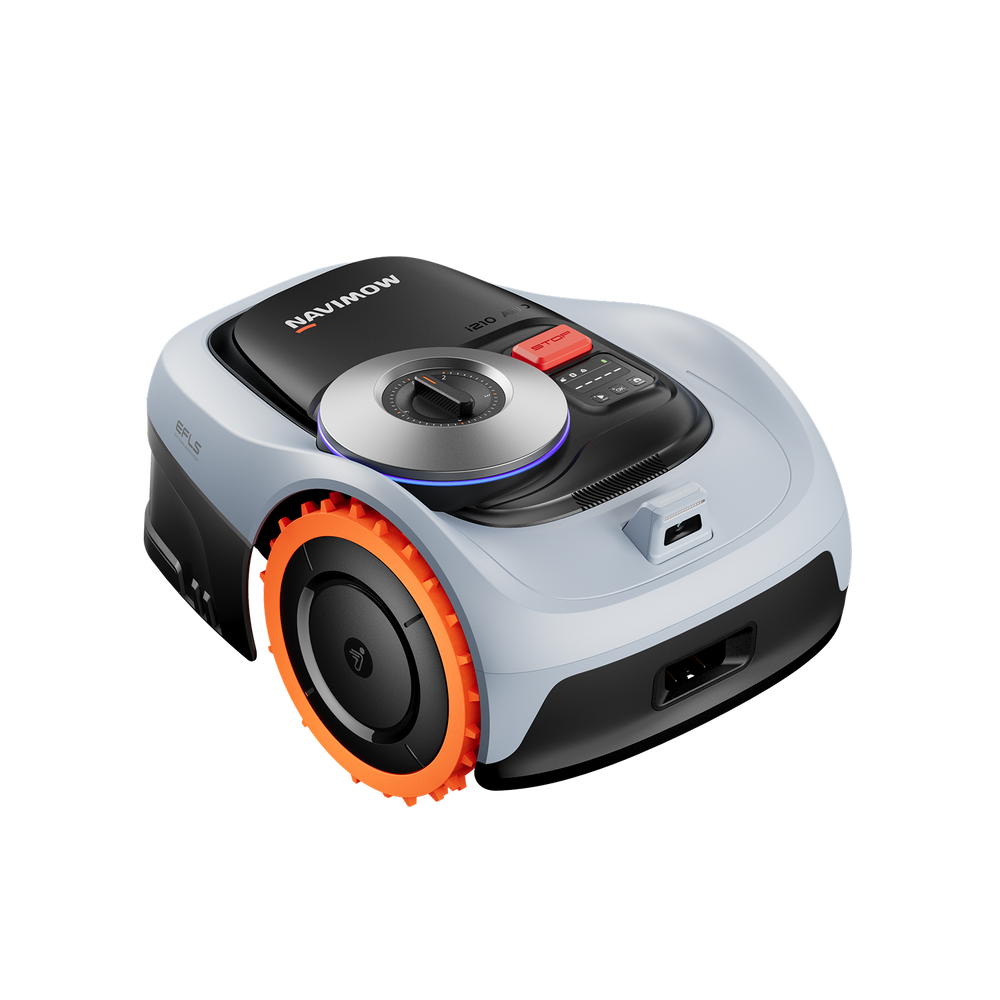
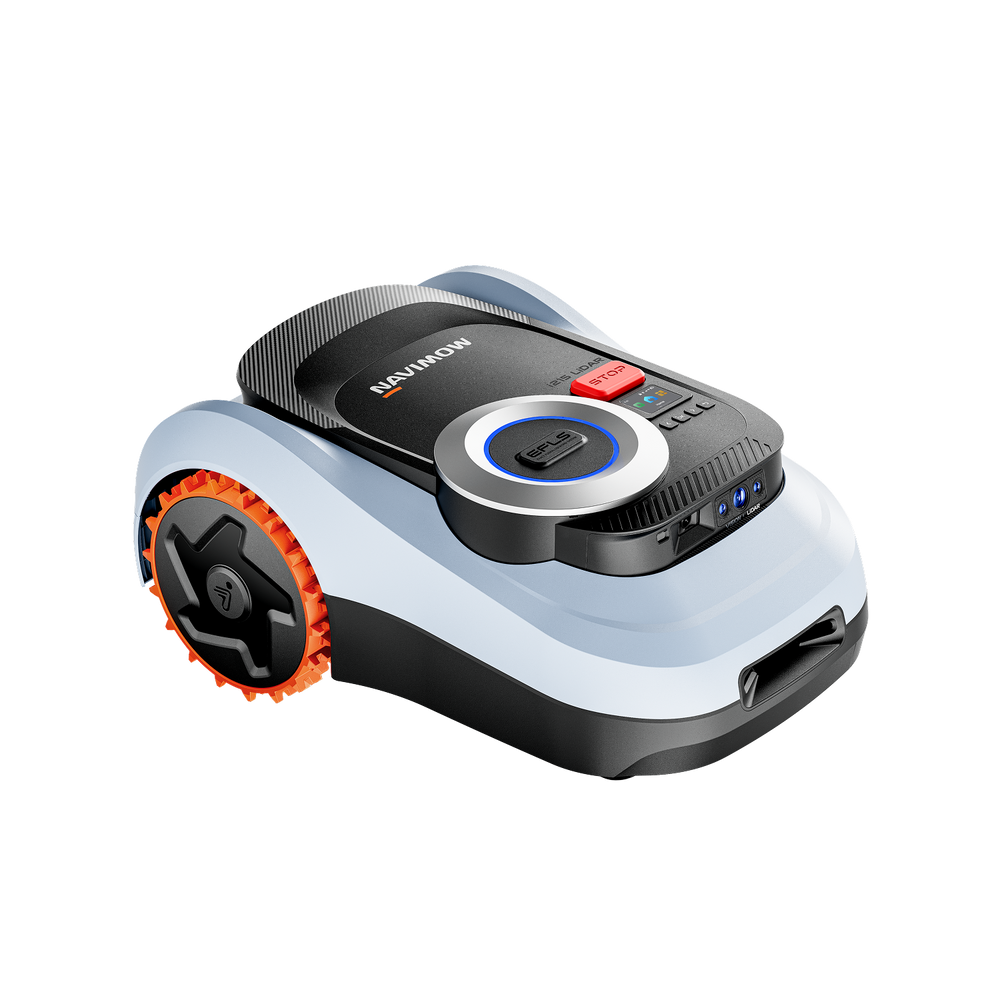
The Best Navimow Robot Mowers: Which Model Should You Buy?
Measure the grass before choosing a Navimow family. A small lawn needing an all-wheel-drive option points you toward a different comparison from a large open yard. We'd settle the area, normal cutting height and installation first, then decide which extra features earn their place.
Read the guide