Brand buying guide · 7 min read
The Best ANTHBOT Robot Mowers: M Series, Genie or Pion?
The first choice is how you want to install it. Pion uses a perimeter wire, while the M models and Genie have different positioning arrangements. We'd narrow the lawn area and normal cutting height next, rather than assume one family is the best fit for every garden.
Based on published manufacturer information.
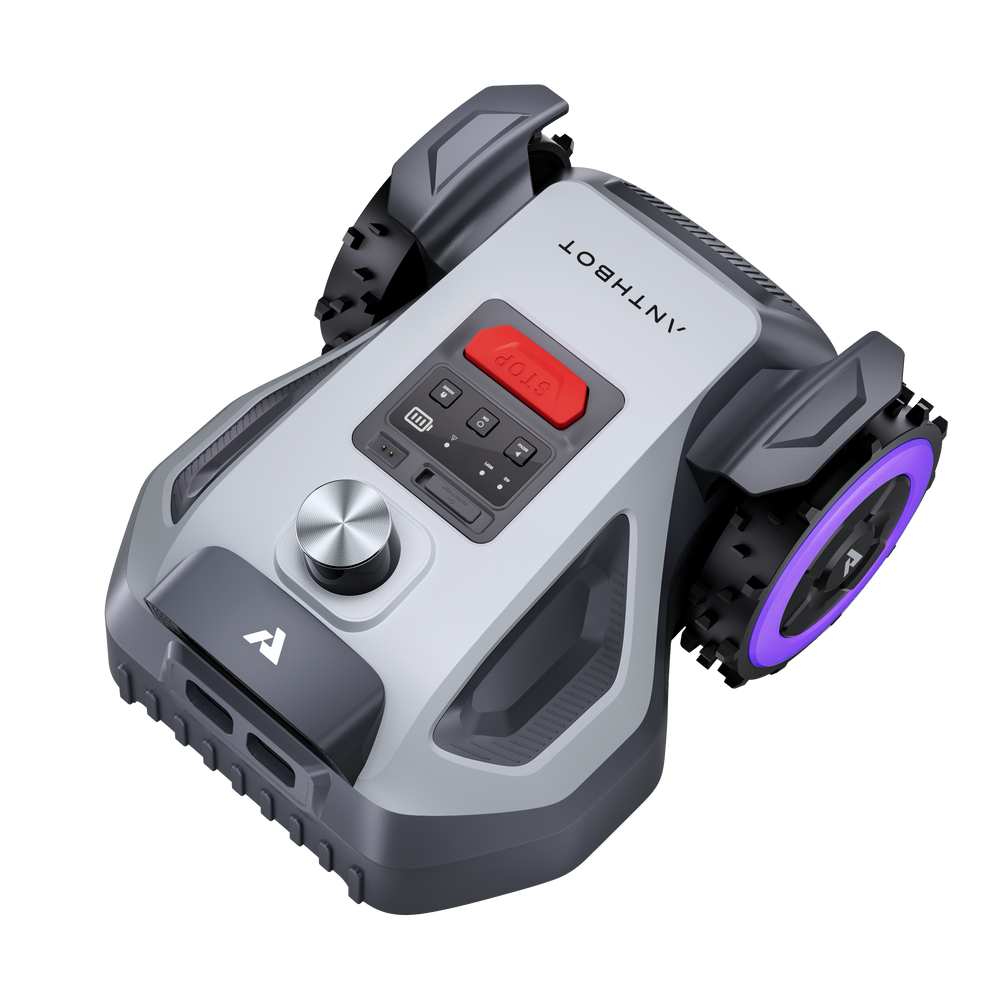
Checked Nov 27 · In stock when checked. Shipping and tax at checkout.
Buy at Lowe’s See all offers & model details ↗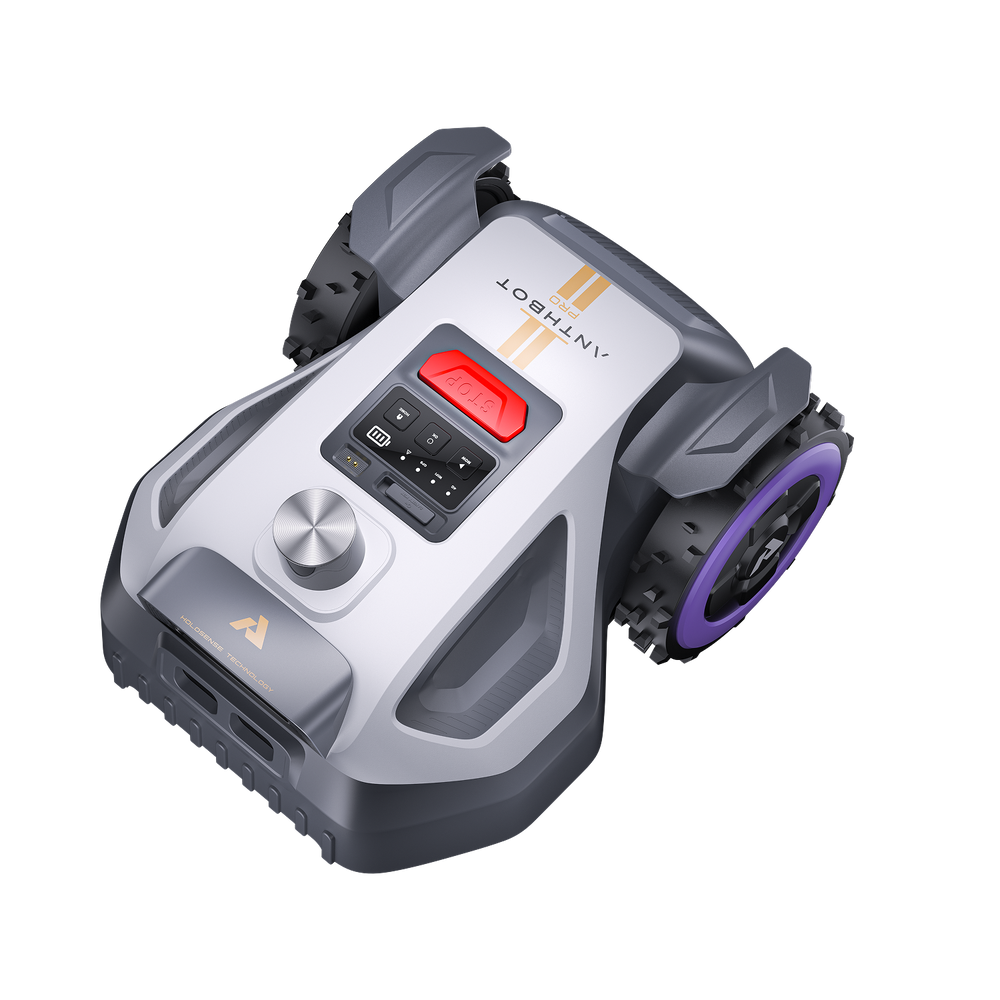
Checked Nov 27 · In stock when checked. Shipping and tax at checkout.
Buy at Lowe’s See all offers & model details ↗We may earn a commission when you buy through these links.
Our recommendations come from published specifications. We may earn a commission from qualifying purchases. As an Amazon Associate, we earn from qualifying purchases. How we work
The quick verdict
Here’s where we’d start.
We'd investigate M5 LiDAR for a suitable roughly eighth-acre lawn with its LiDAR/vision setup, M5 PRO or M9 PRO for their confirmed network-positioning arrangement, and Genie 1000/3000 when the larger rated area is needed. Pion 1000 is a separate wire-based choice for a suitable 0.15-acre lawn. Decide the installation first, then compare exact area and cutting requirements; the similar M names do not make their setups interchangeable.
M5 LiDAR
M5 LiDAR lists 500 m², roughly an eighth acre, without a perimeter wire or RTK station.
Keep it separate from plain M5 and M5 PRO; confirm its exact cutting range before ordering.
M9 PRO
M9 PRO lists 0.25 acre, combined LiDAR/RTK/vision positioning and a 1.2–2.8-inch cut.
Check network availability and service terms. A station-free description doesn't mean no setup.
M5 PRO
M5 PRO lists 0.125 acre and the same published cutting range as M9 PRO.
Use its own area limit; the larger M9 PRO allowance does not apply to it.
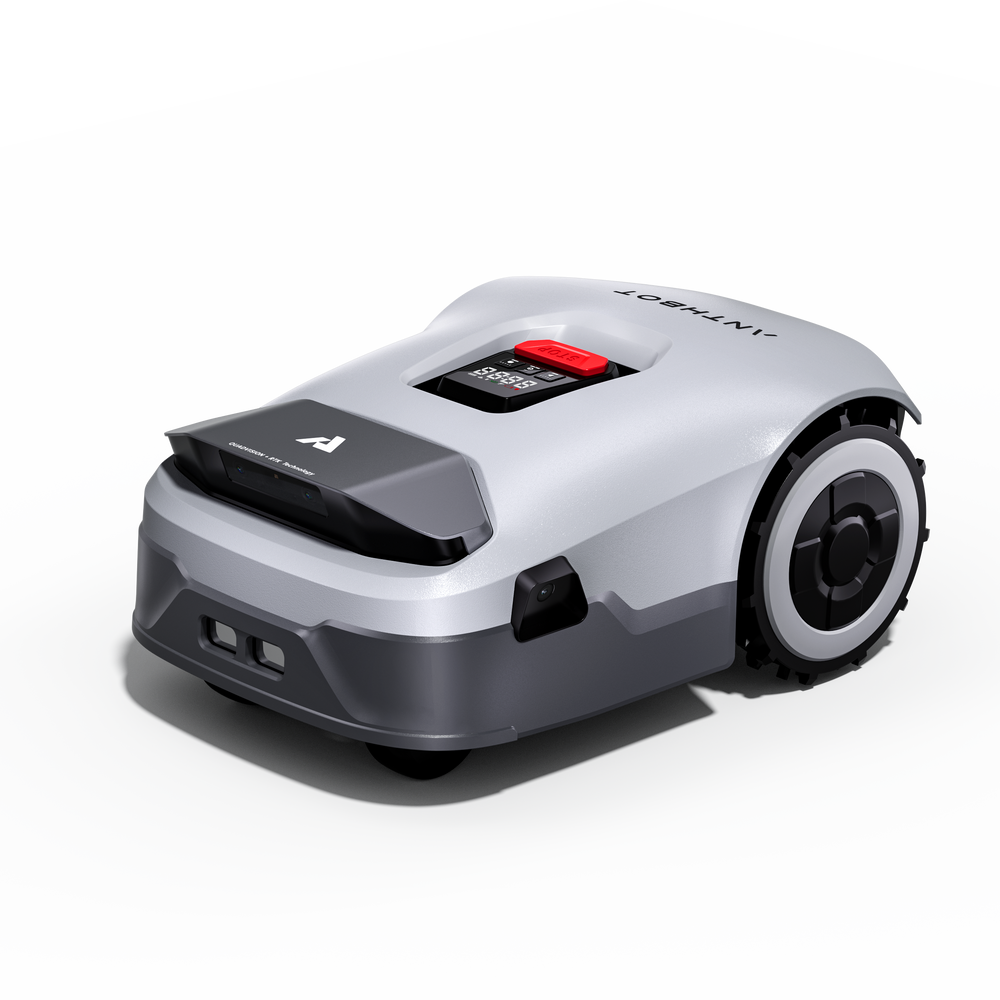
Genie 1000
Genie 1000 lists 0.49 acre with RTK and vision.
Check the positioning equipment and the 1.18–2.76-inch cutting range. The number 1000 isn't its square-meter rating.
Genie 3000
Genie 3000 lists 0.89 acre and a 1.18–2.76-inch cut.
Confirm the mowing schedule and exact equipment; rated area isn't area per charge.
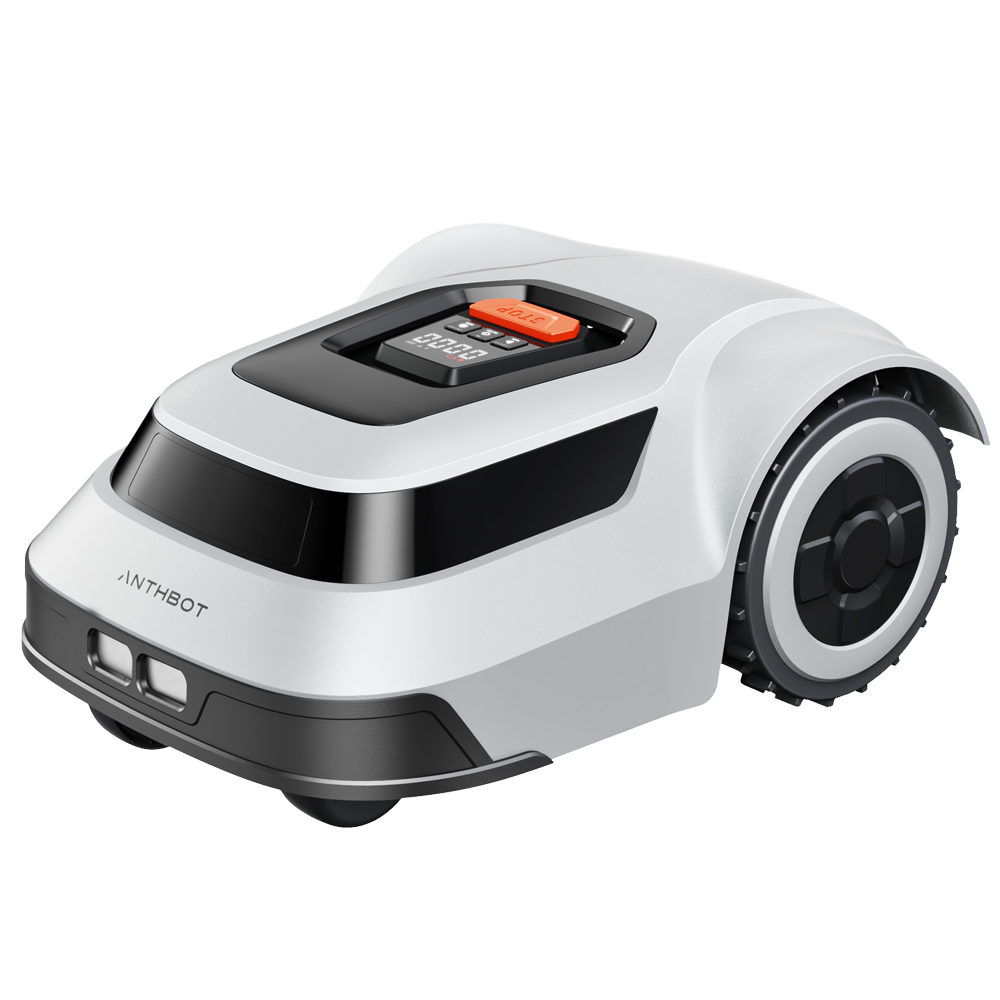
Pion 1000 · US
Pion 1000 US lists 0.15 acre and requires boundary wire.
Include wire installation and package contents in the price. Do not assume every ANTHBOT is wire-free.
Choose the installation you are willing to maintain.
Before comparing app screenshots, decide whether a perimeter wire suits the garden. It is a different commitment from choosing a mower with camera, LiDAR or RTK positioning. Include the edges, beds and any changes you expect to make to the layout, then ask what work each proposed installation involves.
These six configurations give you useful starting points across ANTHBOT's families. They aren't a test-based brand ranking. Our navigation guide explains the positioning terms, while the station-free guide covers that narrower requirement across brands.
If you already own a wired Worx instead, our WR155 versus WR320.1 upgrade guide weighs keeping a working perimeter installation against starting again with RTK Cloud.
Our standard M5-versus-M9 guide compares the 500 and 1,000 m² recommendations, shared cutting range and the mapping and service details to confirm before choosing the larger model.
Our standard M5 versus LiDAX Pro 800 comparison adds a LiDAR alternative for a smaller lawn. It checks the three-inch height example and the M5 page’s separate 4G/NetRTK subscription condition.
M5 LiDAR belongs on a small-lawn comparison.
The ANTHBOT M5 LiDAR lists 500 square meters, about 0.124 acre, with 360° LiDAR and dual vision. Its description explicitly excludes a perimeter wire and RTK station. We'd investigate it when the measured grass fits and avoiding that positioning hardware is useful.
Keep the complete name visible through checkout. Plain M5, M5 LiDAR and M5 PRO are different listings, so a shared M5 label doesn't establish the same navigation or equipment. Our small-yard guide compares other options after you've checked the lawn area and preferred cutting height.
Plain M5, M5 PRO and M5 LiDAR are separate machines. Our three-way M5 comparison untangles their positioning arrangements, similar capacities and different advertised service periods.
Our M5 LiDAR versus Dreame A3 AWD 1000 guide compares its compact-lawn recommendation and lower cutting range with a documented quarter-acre AWD alternative.
M5 PRO and M9 PRO differ in rated area.
The M5 PRO lists an eighth acre; M9 PRO lists a quarter acre. Both document a 1.2–2.8-inch cutting range, a 45% slope claim and a 25.6-inch narrow-passage figure. We'd choose the capacity for all the grass the mower must maintain.
Their combined LiDAR, RTK/NetRTK and vision description sits alongside a no-local-station claim. Confirm the supported network arrangement at your address and ask which features need a continuing service. Our subscription guide separates positioning requirements from general cellular functions and included periods.
For the quarter-acre M9 choices, our M9 versus M9 PRO comparison focuses on positioning and installation. Pro adds a different navigation arrangement, rather than a clearly larger lawn allowance.
Our M9 PRO versus Navimow H210 guide compares two quarter-acre-class options with different standard cutting ranges. A usual taller cut may decide the choice before the positioning features.
Our M5 PRO versus M9 PRO size guide compares the 500- and 1,000-square-meter recommendations while keeping their shared cut, positioning and route claims clear.
Compare M9 PRO and standard LUBA mini 2 when cutting height and area point toward different models. The exact unavailable standard mini 2 remains separate from its H version.
A PRO name doesn't supply a taller cut.
If you normally leave the lawn above 2.8 inches, the published PRO range doesn't reach that height. Check the grass requirement before buying more capacity or extra navigation features. Our taller-cut guide compares different height ranges when that is the deciding factor.
Likewise, a minimum-passage claim is not permission for every surface, turn or slope in a gap of that width. Show ANTHBOT the actual route, including gates and any public or shared crossing. The separate-lawns guide explains why a mapping feature cannot make a blocked route usable.
The narrow-passage buying guide puts M5 PRO and M9 PRO’s shared 25.6-inch claim beside other documented options, with height and total lawn area still part of the choice.
For an AWD alternative in this size class, compare M9 Pro and Dreame A3 AWD 1000. Their height ranges and supported positioning arrangements deserve separate checks.
Our M9 versus Ultra 1000 comparison puts the lower cutting range beside an antenna-free LiDAR alternative. Exact mapping, supplied equipment and the three-month service arrangement still need checking.
Use Genie's actual area figures rather than its model numbers.
The Genie 1000 is listed for 0.49 acre, while Genie 3000 is listed for 0.89 acre. Both use RTK and vision in the reviewed specifications. Those exact area figures are more useful than guessing what the number in the name represents.
Their published 1.18–2.76-inch cutting range needs checking against your usual lawn height. Confirm the required positioning equipment and package rather than transferring the M PRO station-free claim. Our half-acre guide helps if Genie 1000's capacity is the main reason you're considering it.
For a closer look at the tiers and similarly named smaller configurations, our Genie 600, 600e 4G, 1000 and 3000 comparison separates area, connectivity and the missing detailed 600e column.
Our Genie 600 versus Navimow i105 guide checks area and cutting height together. It also identifies the exact plain Genie 600 as currently unavailable from ANTHBOT’s direct store, rather than assume the shared page confirms stock.
Our Genie 600e 4G versus YUKA mini 600H comparison checks exact stock, the maintained height and the proposed positioning installation. Keep the Genie package’s cellular terms separate from M-series offers.
Our Genie 1000 versus standard LUBA mini 2 comparison keeps the cutting ranges and 0.49 versus 0.37-acre labels attached to the actual models. Confirm the installation and service package independently.
Compare Genie 3000 and Navimow X330 when the larger Genie is being considered. The exact Genie 3000 variant is currently unavailable, and its lower cutting range differs from X330’s two to four inches.
Our Genie 1000 versus R55 guide keeps local reference equipment separate from network RTK. The included 4G period does not independently establish the later correction-service or remote-function terms.
Compare Genie 600e 4G and A3 1000 for different reference equipment and cutting ranges. Keep standard Genie 600, the 600e service terms and larger PRO systems separate.
See Genie 1000 versus AiMowbot C30Z for a lawn that needs a higher cut or has more than 0.49 acre of grass.
For a camera-based alternative, see Genie 1000 versus WORX WR220. A three-inch target exceeds Genie’s cutting range, while WR220’s supported acreage still needs confirmation.
Pion is the wire-based choice.
The Pion 1000 US lists 0.15 acre and requires perimeter wire. We'd consider it only after deciding that installation suits the property. It shouldn't enter a station-free or wire-free comparison simply because other ANTHBOT families use those descriptions.
Ask what wire, fixing materials, charging equipment and installation work the selected offer includes. A lower machine price doesn't settle the complete setup cost. Think about changes to flowerbeds or routes too, then compare the work you would actually accept rather than treating a wire as automatically better or worse.
Our N8-versus-US-Pion guide compares collection with the smaller wired setup, including the US perimeter limit and Pion’s current sold-out status.
Check the awkward parts before the final price.
Show slopes, narrow turns, unclear borders and the approach to the charger. The M PRO and Pion climbing figures don't establish boundary allowances near a road, drop or pond. Our hilly-yard guide keeps the mowing area separate from the risks at its edges.
Confirm the exact cutting range, full package, blade availability and service process for whichever model remains. A short setup headline isn't a promise that every garden is ready in the same number of minutes. Our charger-placement guide explains the physical docking checks that still belong in the plan.
For M5 LiDAR's rain-homing behavior, see whether robot mowers should mow in the rain. Its weather resistance and automatic return are separate from a recommendation to keep cutting wet grass.
For a cross-brand small-lawn comparison, our R35-versus-standard-M9 guide starts with cutting height and the supported positioning setup before comparing the area claims.
Choose the setup, then the capacity and height.
We'd begin with M5 LiDAR for a suitable small station-free lawn, compare the PRO pair when its combined positioning and height range work, and move to Genie for more grass after checking the installation. Pion is the separate choice when a wire-based setup is acceptable.
For alternatives, our Navimow buying guide gives another set of exact-model comparisons. Keep the lawn measurements and installation advice beside the delivered offers. Choose the machine that meets those requirements without borrowing a feature, height or area figure from a similarly named model.
If removing clippings is part of the purchase, our mulching vs collecting guide introduces N8's collection and auto-dumping arrangement. It explains the lawn-care decision and the disposal questions to settle before choosing the robot.
Our Worx lineup guide provides another wired-versus-wire-free comparison across brands, with camera-led, RTK Cloud and 4WD choices kept separate.
Compare N8 and Navimow i105 when collection and lawn size are the main questions. Its 0.2-acre and 0.1-acre examples show when capacity decides first and when the clipping routine becomes more useful.
If the lawn is small but needs a taller cut, our M5 versus US i206 AWD guide checks the exact cutting ranges and works through a 0.14-acre example.
The M9 Pro/i215 LiDAR comparison distinguishes lower-cut and taller-cut lawns and keeps spare mapping capacity separate from the recommended area.
A closer look
The differences, in view.
Scroll horizontally on smaller screens. Values are manufacturer claims; see each product for qualifiers and original wording.
| Specification | M5 LiDAR | M9 PRO | M5 PRO | Genie 1000 | Genie 3000 | Pion 1000 · US |
|---|---|---|---|---|---|---|
| Rated lawn coverage | 0.1236 acreConverted from the manufacturer’s square-metre rating. | 0.25 acre | 0.125 acre | 0.49 acre | 0.89 acre | 0.15 acreConservative recommended rating for uneven grass; US configuration only. |
| Navigation | 360° LiDAR + dual vision | 360° LiDAR + RTK/NetRTK + vision | 360° LiDAR + RTK/NetRTK + vision | RTK + vision | RTK + vision | Not confirmed |
| Boundary setup | No perimeter wire or RTK station | No perimeter wire or local RTK station | No perimeter wire or local RTK station | No perimeter wire | No perimeter wire | Perimeter wire required |
| Maximum slope | Not confirmed | 45 % | 45 % | Not confirmed | Not confirmed | 45 % |
| Cutting height | Not confirmed | 1.2–2.8 in | 1.2–2.8 in | 1.18–2.76 inConverted from the published 30–70 mm range. | 1.18–2.76 inConverted from the published 30–70 mm range. | Not confirmed |
| Minimum passage width | Not confirmed | 25.6 in | 25.6 in | Not confirmed | Not confirmed | Not confirmed |
Ready to choose?
Your next step, made simple.
Checked Nov 27 · In stock when checked. Shipping and tax at checkout.
Buy at Lowe’s See all offers & model details ↗Checked Nov 27 · In stock when checked. Shipping and tax at checkout.
Buy at Lowe’s See all offers & model details ↗Checked Nov 27 · In stock when checked. Shipping and tax at checkout.
Buy at Lowe’s See all offers & model details ↗Checked Nov 27 · In stock when checked. Shipping and tax at checkout.
Buy at Lowe’s See all offers & model details ↗No current brand offer. Explore Amazon options.
No current brand offer. Explore Amazon options.
We may earn a commission when you buy through these links.
Show your work
Sources & editorial method.
We reviewed official US product information and exact configurations. Our advice draws on published specifications and model-specific manufacturer instructions, with the practical trade-offs explained. Unknowns and conflicting claims are kept visible. Prices above come from the catalog and may change independently of this article’s review date.
- M5 LiDAR — exact area and station-free LiDAR/vision setup
- M5 PRO — area, cutting range, passage and positioning
- M9 PRO — quarter-acre rating and exact configuration
- Genie — exact 1000/3000 area, cutting range and RTK/vision arrangement
- Pion — US configuration and perimeter-wire requirement
Published Nov 2, 2026 · Editorial review Nov 22, 2026.
Read our research standardsKeep exploring
A little more perspective.
vsANTHBOT Genie 600 vs 600e 4G vs 1000 vs 3000: Which Should You Buy?
Choose the lawn-size tier first, then decide which connected features you need. Plain Genie 600 and 600e 4G share a stated area, while 1000 and 3000 move up the range. The extra letter and a 4G label don't establish a larger lawn allowance or identical equipment.
Read the guidevsANTHBOT M5 PRO vs M9 PRO: Which Size Should You Buy?
M9 PRO's clear reason to buy is its larger recommended lawn area. Both list the same cutting range, disc width and positioning arrangement. We'd measure the whole lawn first, then decide whether M5 PRO is already enough for the way you mow.
Read the guide