Model comparison · 5 min read
ANTHBOT Genie 3000 vs Navimow X330: A low cut or a taller lawn?
Genie 3000 reaches below two inches; X330 goes up to four. Their area recommendations and current availability differ too, so start with the grass and the whole installation before comparing battery or satellite headlines.
Based on published manufacturer information.
No current brand offer. Explore Amazon options.
Checked Nov 27 · In stock when checked. Shipping and tax at checkout.
Buy at Lowe’s See all offers & model details ↗We may earn a commission when you buy through these links.
Our recommendations come from published specifications. We may earn a commission from qualifying purchases. As an Amazon Associate, we earn from qualifying purchases. How we work
The quick verdict
Here’s where we’d start.
Investigate Genie 3000 for a suitable lawn within 0.89 acre needing its 30–70 mm cut, but its exact variant is currently unavailable. X330 deserves consideration within its recommended one acre when a two to four-inch finish and approved EFLS 3.0 installation suit the yard. Extra map storage does not increase X330’s maintained-area recommendation.
Genie 3000
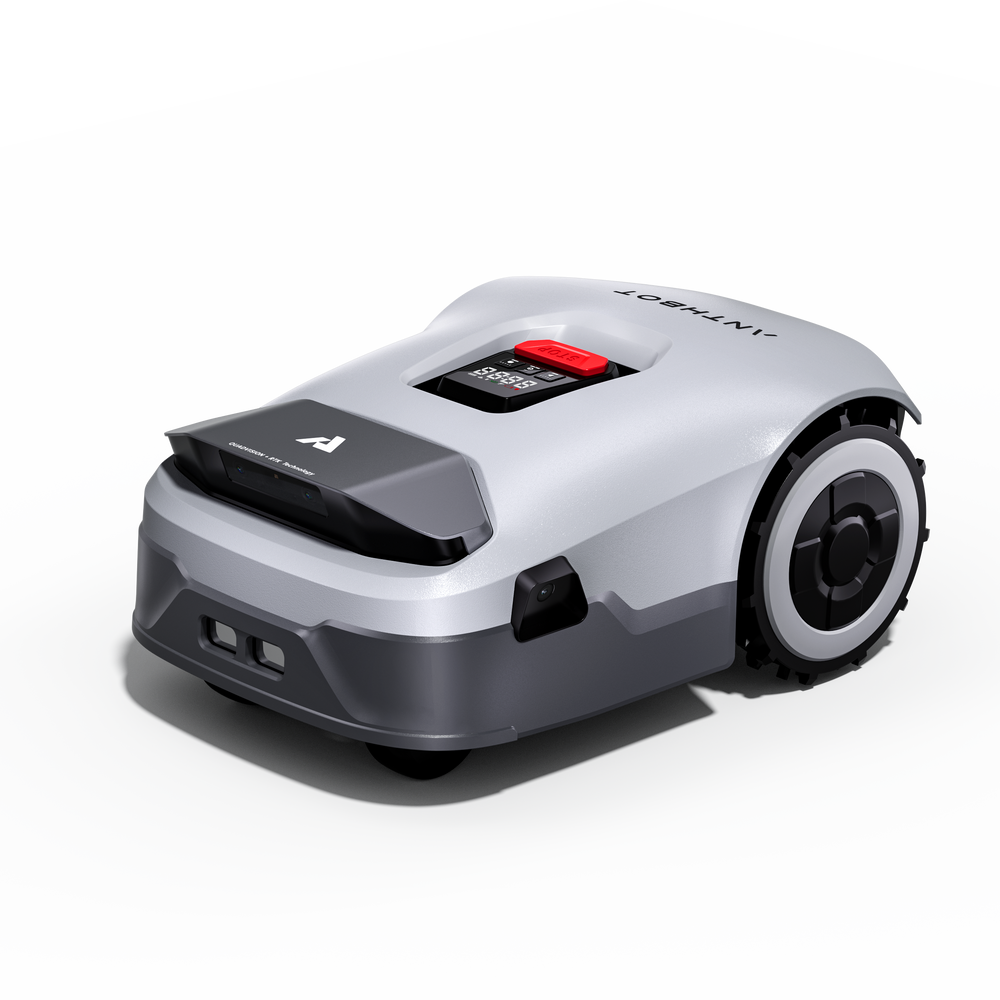
Genie 3000 lists 0.89 acre and a 30–70 mm adjustment range, approximately 1.18–2.76 inches.
Its reviewed exact variant is unavailable. Do not substitute another Genie’s stock, area rating or connection package.
X330
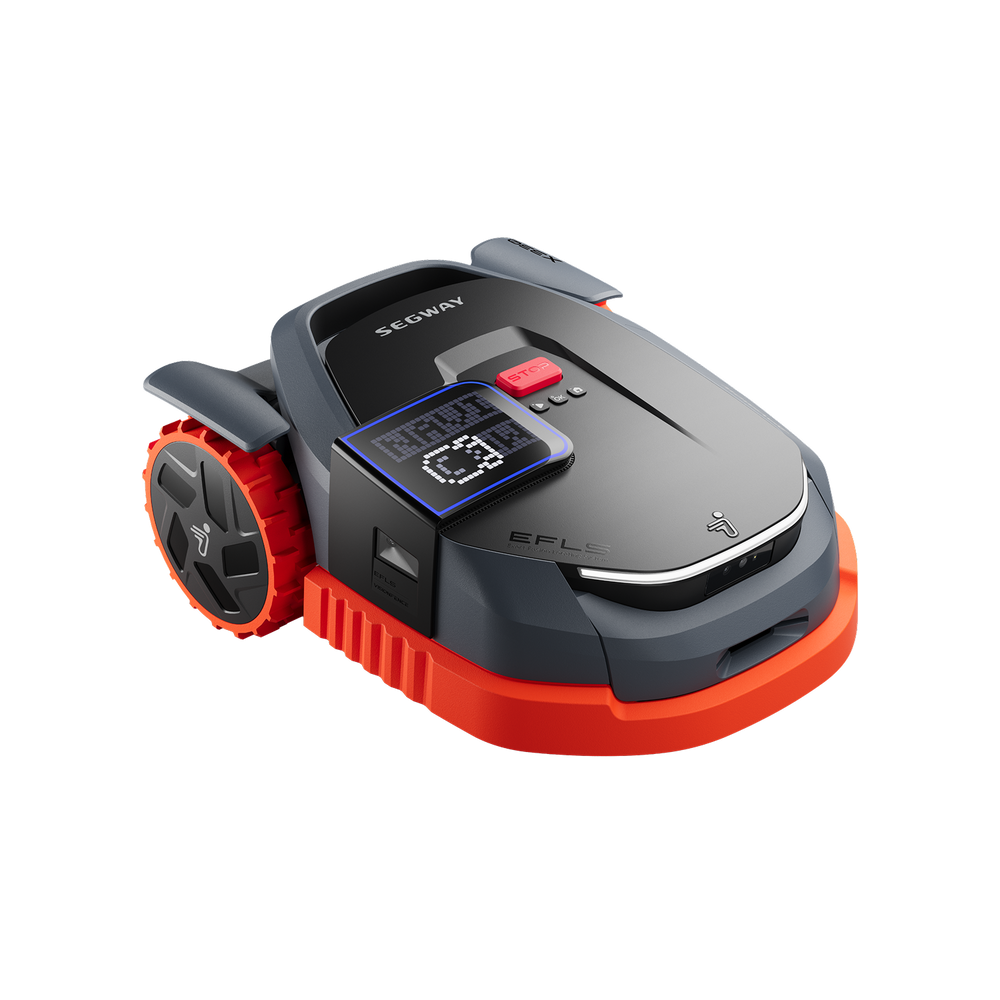
X330 lists a two to four-inch range, EFLS 3.0 and a one-acre recommended mowing area.
Assess the reference installation and actual working window. It is separate from X430, and larger X3 models have different service and battery figures.
Identify Genie 3000 on the shared page.
ANTHBOT Genie 3000 appears alongside smaller Genie variants. Its 0.89-acre label does not belong to the 600 or 1000, and another variant’s Add to Cart state does not prove 3000 is available.
Navimow X330 is the EFLS 3.0 model, separate from X430. Our Genie range guide and X330 versus X430 guide keep the full identities clear.
Let the maintained grass height make the first cut.
Genie lists 30–70 mm, approximately 1.18–2.76 inches. X330 lists two to four inches. A suitable lawn kept at 1.5 inches fits Genie’s range and falls below X330’s minimum.
A three-inch target reverses that initial result: X330 includes it and Genie stops below it. Do not change the lawn’s appropriate height merely to fit a purchase. Our height guide explains the grass-first decision.
Keep recommended area separate from stored maps.
Genie 3000 lists up to 0.89 acre; X330 recommends one acre. Include every section of grass and its connecting route when measuring. Neither label promises one-charge completion on a complicated property.
X330’s allowance for map storage above its recommendation is a separate capability. It does not establish a 1.2-acre maintained lawn. Our one-acre guide and frequency guide explain the working-window check.
A 0.95-acre lawn makes the area difference matter.
Imagine 0.95 acre maintained at 2.5 inches. Both height ranges include the target, but the area exceeds Genie’s 0.89-acre label while staying within X330’s one-acre recommendation. More battery capacity cannot remove an exceeded recommendation.
At 0.8 acre and 1.5 inches, the first checks change: Genie includes both figures, while X330 still cannot provide the requested low setting. These examples establish initial fit, not maintenance time. Our measuring guide helps prepare the real figures.
Check both RTK installations against the same difficult route.
Genie describes RTK plus vision and lists an RTK reference station and mounting equipment. Have the proposed position and obstructed stretches assessed. The M PRO family’s newer installation options do not automatically apply to Genie.
X330 needs its own exact equipment and reception check. A site-wide Network RTK widget is not antenna-free approval for this older model. Our navigation guide and tree-covered-yard guide cover those reception questions.
Do not turn the climbing headline into an edge limit.
Genie publishes a 45% climbing maximum. X330 distinguishes 50% inside the working area from 25% at the boundary. Confirm Genie’s actual boundary requirements independently rather than assign it either X330 figure.
Check the turn, traction and stopping space where the slope reaches an edge. Our slope guide and pond-and-pool guide explain why the location matters alongside the gradient.
Keep unavailable stock and ongoing service visible.
The exact Genie 3000 variant is currently unavailable. Its page also mixes one-year 4G service language with optional-module wording; confirm the actual delivered hardware and renewal arrangement rather than assume both.
X330’s own US column lists two years of included 4G. Confirm later terms and local coverage for either offer. Our subscription guide and ANTHBOT buying guide add those ownership questions.
A closer look
The differences, in view.
Scroll horizontally on smaller screens. Values are manufacturer claims; see each product for qualifiers and original wording.
| Specification | Genie 3000 | X330 |
|---|---|---|
| Rated lawn coverage | 0.89 acre | 1 acreRecommended model-specific lawn size, not the expanded mapping allowance. |
| Navigation | RTK + vision | EFLS 3.0 |
| Cutting height | 1.18–2.76 inConverted from the published 30–70 mm range. | Not confirmed |
Ready to choose?
Your next step, made simple.
No current brand offer. Explore Amazon options.
Checked Nov 27 · In stock when checked. Shipping and tax at checkout.
Buy at Lowe’s See all offers & model details ↗We may earn a commission when you buy through these links.
Show your work
Sources & editorial method.
We reviewed official US product information and exact configurations. Our advice draws on published specifications and model-specific manufacturer instructions, with the practical trade-offs explained. Unknowns and conflicting claims are kept visible. Prices above come from the catalog and may change independently of this article’s review date.
- ANTHBOT official US page — exact model information
- Navimow official US page — exact model information
- ANTHBOT exact Genie 3000 variant — unavailable stock
Published Nov 10, 2026 · Editorial review Nov 10, 2026.
Read our research standardsKeep exploring
A little more perspective.
vsANTHBOT Genie 600 vs 600e 4G vs 1000 vs 3000: Which Should You Buy?
Choose the lawn-size tier first, then decide which connected features you need. Plain Genie 600 and 600e 4G share a stated area, while 1000 and 3000 move up the range. The extra letter and a 4G label don't establish a larger lawn allowance or identical equipment.
Read the guide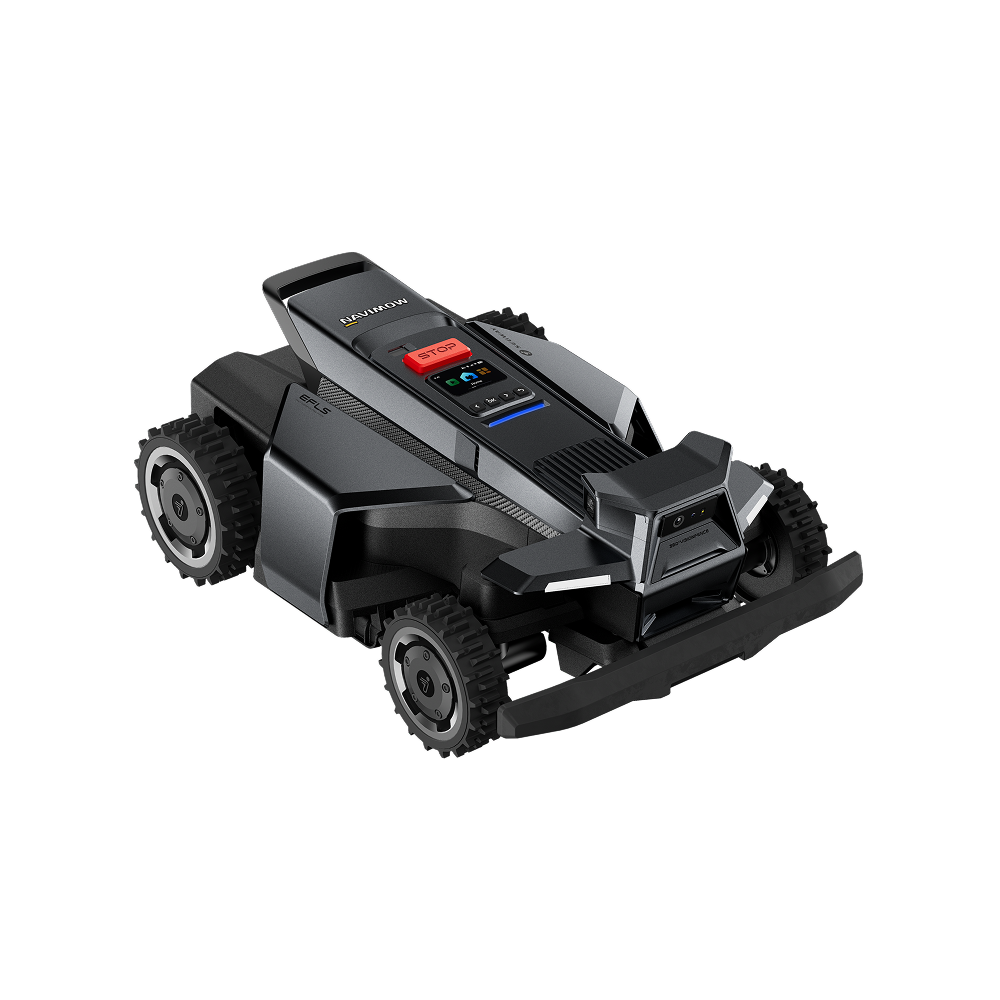 vs
Navimow X330 vs X430: Is the Newer Mower Worth It?
Both are rated for an acre, but X430 changes more than the model number. We'd compare the wider cut, lower height setting, terrain and positioning setup against the lawn you actually have before paying for the newer mower.
Read the guide