Model comparison · 3 min read
Navimow i105 vs i206 AWD: Is the New Mower Worth It?
The i206 AWD gives you all-wheel drive and a Network RTK setup, with a slightly larger lawn recommendation. Those are useful changes if they solve a problem in your yard. If an i105 already handles the lawn happily, the newer name alone isn't a reason to replace it.
Based on published manufacturer information.
No current brand offer. Explore Amazon options.
Checked Nov 27 · In stock when checked. Shipping and tax at checkout.
Buy at Lowe’s See all offers & model details ↗We may earn a commission when you buy through these links.
Our recommendations come from published specifications. We may earn a commission from qualifying purchases. As an Amazon Associate, we earn from qualifying purchases. How we work
The quick verdict
Here’s where we’d start.
Choose around the installation and ground first. i105 recommends 0.125 acre with EFLS 2.0 and a local GNSS antenna; i206 AWD recommends 0.15 acre and supports antenna-free Network RTK where coverage is available. The US manuals give both a 7.1-inch cut and 2–3.6-inch range. i206's AWD and higher maximum climbing claim may be useful, but they aren't a same-yard traction test. Confirm the local-antenna fallback, supplied equipment and service terms before ordering.
i105
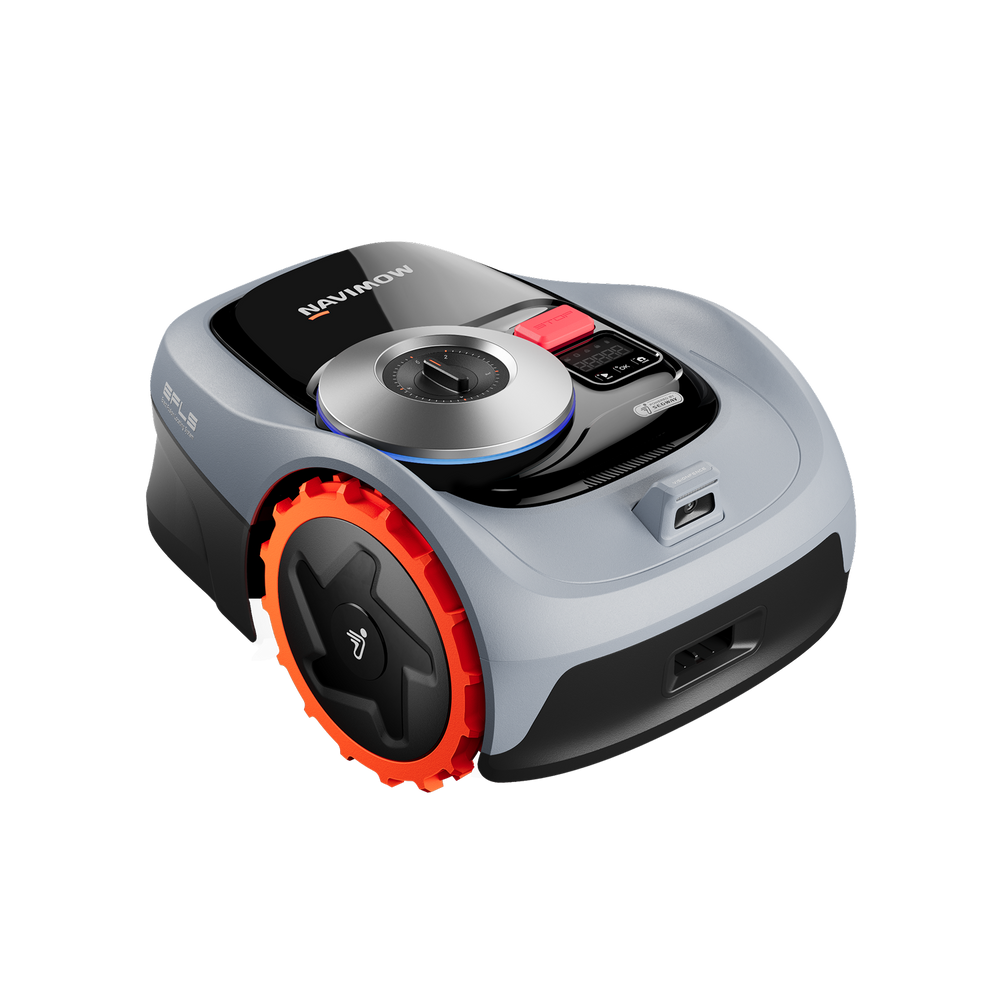
i105 recommends an eighth of an acre and lists a 2–3.6-inch cutting range.
Allow for the GNSS antenna installation. Optional Access+ cellular equipment is a separate purchase question.
i206 AWD
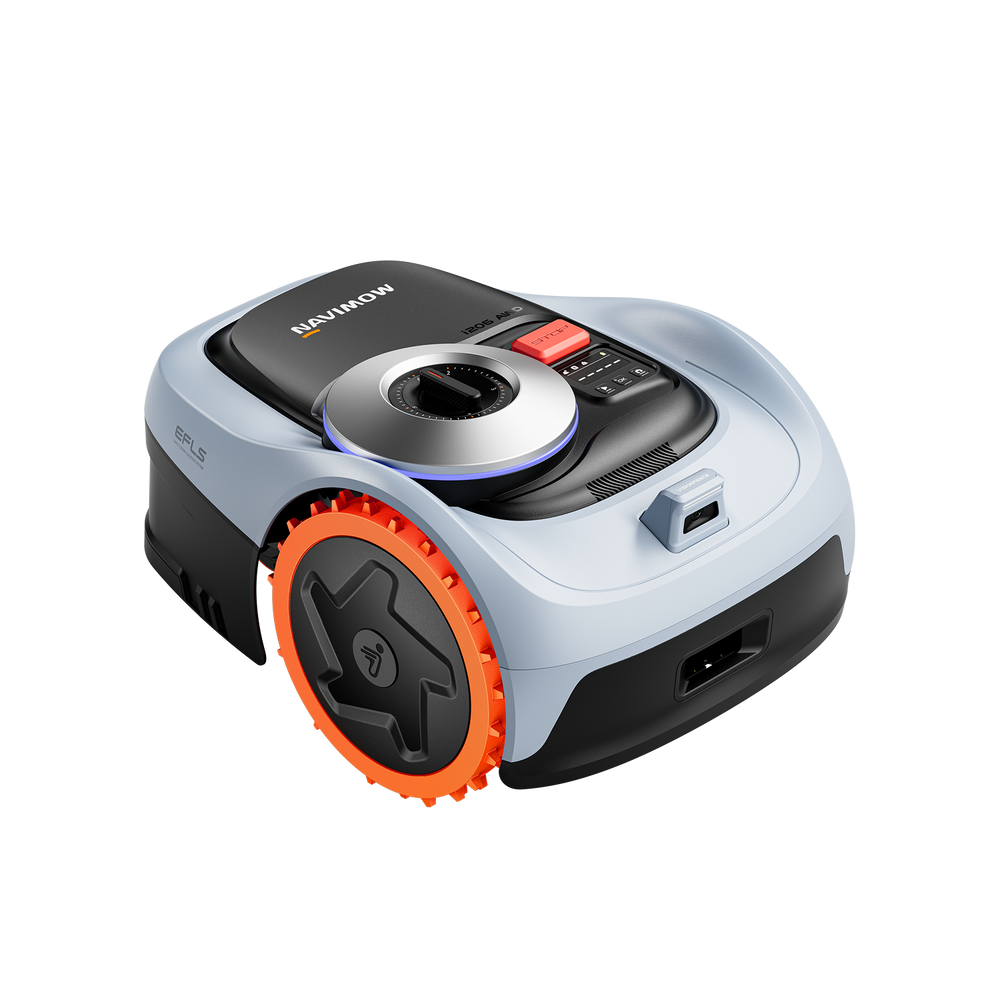
i206 AWD recommends 0.15 acre, supports Network RTK and documents all-wheel drive.
Check address coverage and the exact installation package. Its 45% maximum is not a promise for every bank.
The area increase is modest.
Navimow i105 recommends 0.125 acre; i206 AWD recommends 0.15 acre. Measure the grass the mower will actually maintain, including side lawns. Don't use the whole property footprint or count paving and beds.
If the lawn is already close to either recommendation, check the layout and available mowing hours before choosing. A separate daily-throughput or maximum-mapping figure doesn't replace the selected model's recommendation. Our lawn-measuring guide helps with that first calculation.
Our N8 versus i105 comparison explains a different reason to look beyond the i105: a larger measured lawn or a genuine need to remove clippings. Collection still needs a suitable disposal setup.
The antenna arrangement is the bigger change.
i105's EFLS 2.0 system uses a GNSS antenna as well as vision. Its own manual includes finding and installing the antenna. Don't read the newer Network RTK banner elsewhere on the shared storefront as an i105 installation instruction.
i206's Network RTK supports antenna-free installation where the service is available. Its US manual also describes installing a local antenna if coverage isn't supported. Check the address and actual box contents before deciding which route you'll use. Our navigation guide explains the difference.
If positioning is already failing, use the GPS troubleshooting guide to check the exact warning, local-antenna diagnostics or selected Network RTK mode before replacing the mower.
AWD matters when the ground calls for it.
i105 lists a 30% maximum working slope. i206 advertises AWD and up to 45%/24 degrees. That's a reason to have an awkward bank assessed, rather than proof the newer mower will handle slippery grass, holes or every boundary safely.
Send the maker the difficult slopes, their position and the space available to turn. Keep working-area and boundary instructions with each exact manual. Our hilly-yard guide covers the measurements worth checking.
The listed cutting range stays the same.
The US specifications give both a 7.1-inch cut and 2–3.6-inch height range. If your normal grass height is outside that range, neither becomes the right mower simply because one has AWD. Check the grass and the setting you want to maintain.
The manuals list about 90 minutes charging for i105 and 60 for i206. Those figures don't establish a faster finished lawn; routes, interruptions and the actual mowing task still matter. Our mowing-frequency guide helps plan the week.
Separate positioning data from other 4G features.
i105's page makes Access+ 4G and anti-theft equipment a separate purchase. i206 advertises included Network RTK with the data required for positioning, while its FAQ separately mentions one included year of 4G service.
Ask which remote and tracking functions continue under each arrangement and what renews. Included positioning data doesn't settle every connected-service cost. Our subscription guide breaks down those questions.
Upgrade for a change you’ll actually use.
For a suitable small lawn, i105 remains worth comparing if the antenna installation works for you. i206 is the more relevant option when its approved AWD setup or supported Network RTK makes ownership easier. Compare complete delivered orders and replacement parts alongside the price.
If area is the real issue, i206 versus i210 AWD covers the larger recommendation within the newer family. Our Navimow buying guide adds the other ranges.
A closer look
The differences, in view.
Scroll horizontally on smaller screens. Values are manufacturer claims; see each product for qualifiers and original wording.
| Specification | i105 | i206 AWD |
|---|---|---|
| Rated lawn coverage | 0.125 acreRecommended model-specific lawn size, not the expanded mapping allowance. | 0.15 acreRecommended model-specific lawn size, not the expanded mapping allowance. |
| Navigation | EFLS 2.0 + vision | Not confirmed |
| Cutting height | 2–3.6 in | Not confirmed |
| Maximum slope | 30 % | 45 % |
| Drive system | Not confirmed | All-wheel drive |
Ready to choose?
Your next step, made simple.
No current brand offer. Explore Amazon options.
Checked Nov 27 · In stock when checked. Shipping and tax at checkout.
Buy at Lowe’s See all offers & model details ↗We may earn a commission when you buy through these links.
Show your work
Sources & editorial method.
We reviewed official US product information and exact configurations. Our advice draws on published specifications and model-specific manufacturer instructions, with the practical trade-offs explained. Unknowns and conflicting claims are kept visible. Prices above come from the catalog and may change independently of this article’s review date.
- Manufacturer US model page — exact model specifications, equipment and operating qualifications
- Manufacturer US model page — exact model specifications, equipment and operating qualifications
- Navimow i-series manual linked from the US i105 page — GNSS antenna installation and EFLS 2.0 setup
- Navimow i2 AWD US manual — exact i206 specifications and Network RTK/local-antenna installation options
Published Nov 3, 2026 · Editorial review Nov 9, 2026.
Read our research standardsKeep exploring
A little more perspective.
The Best Navimow Robot Mowers: Which Model Should You Buy?
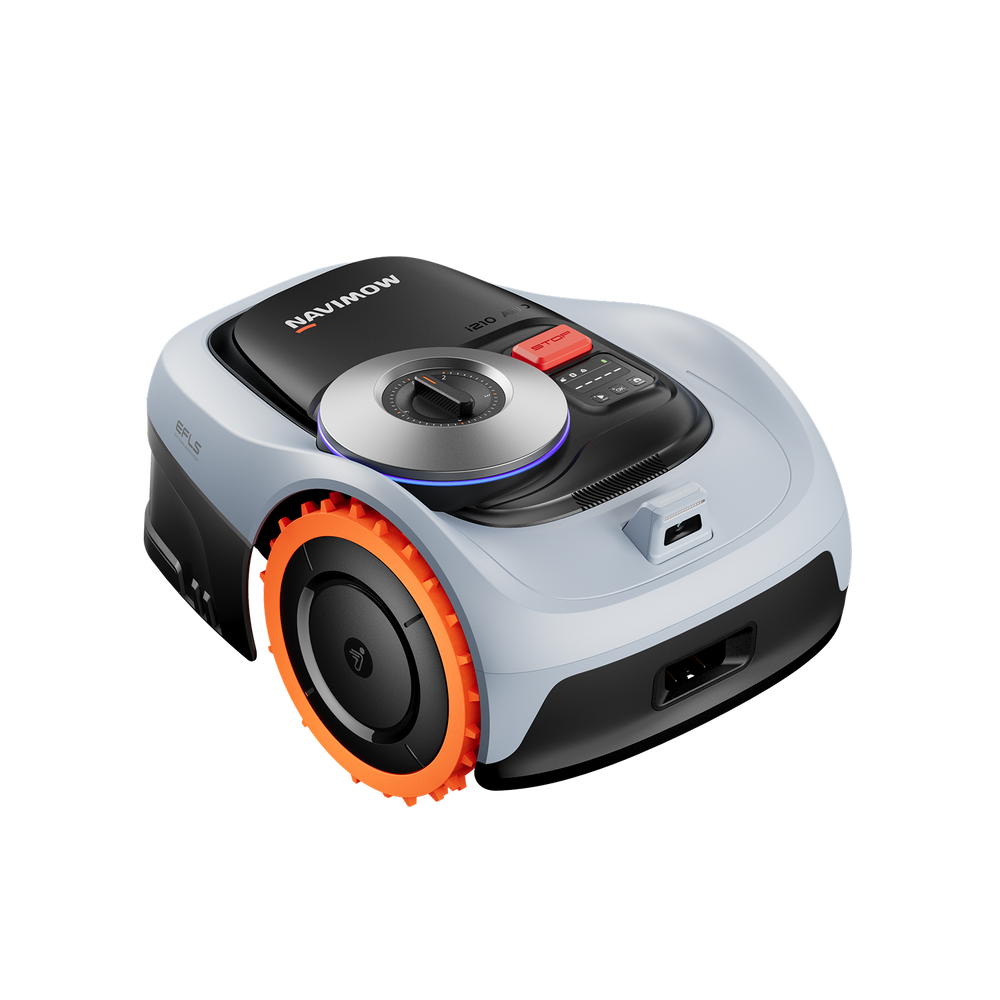
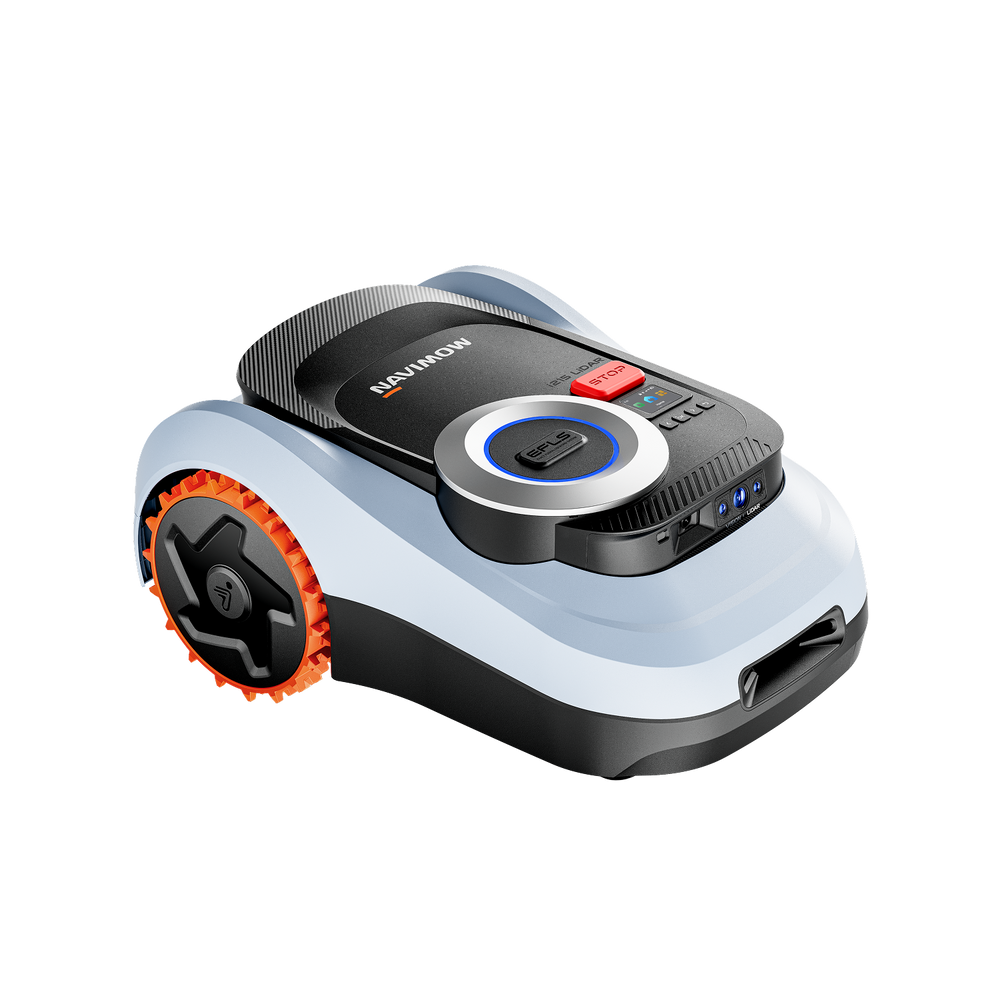
Measure the grass before choosing a Navimow family. A small lawn needing an all-wheel-drive option points you toward a different comparison from a large open yard. We'd settle the area, normal cutting height and installation first, then decide which extra features earn their place.
Read the guideWhy Does My Robot Mower Keep Losing Its GPS Signal?
Note the exact warning and where it appears before moving equipment or remapping. A mower beside the charger can have a different positioning problem from one under trees. Start with the system your model actually uses: a local antenna and Network RTK need different checks.
Read the guide