Model comparison · 5 min read
iGarden K Pro 100 vs K Pro 150: Is the Extra Runtime Worth It?
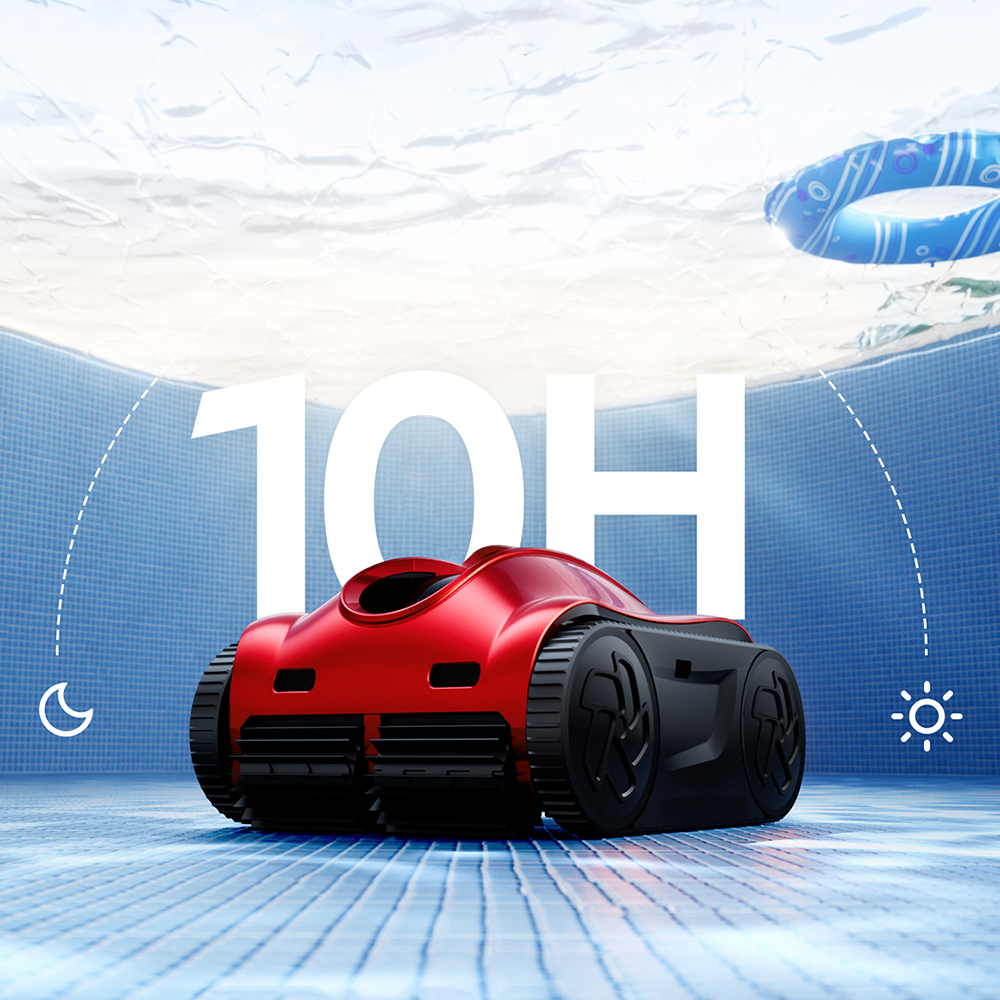
K Pro 150's longer sessions are useful only if your pool needs them. We'd compare the cleaning mode you intend to use, the charging routine and the filter care before paying for the extra hours. The 10- and 15-hour headlines belong to floor-only cleaning.
Based on published manufacturer information.
Checked Nov 27 · In stock when checked. Shipping and tax at checkout.
Buy at Lowe’s See all offers & model details ↗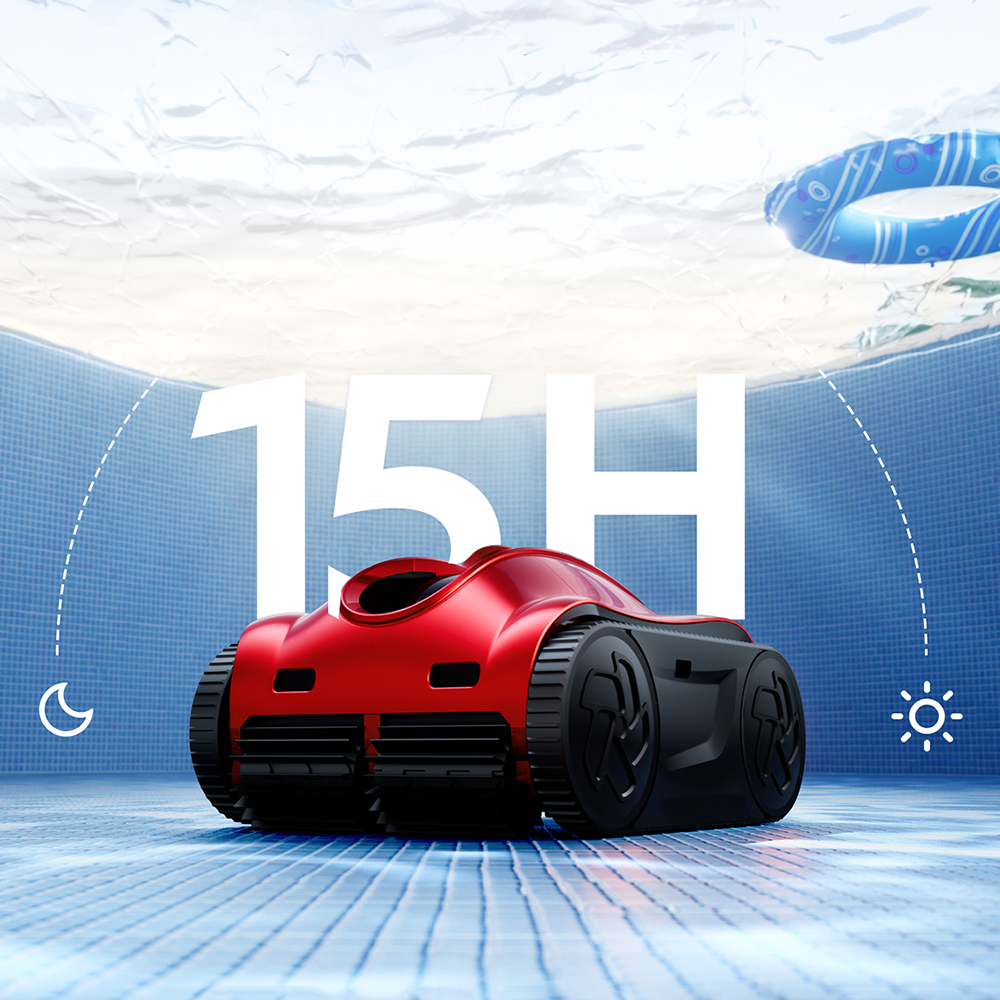
Checked Nov 27 · In stock when checked. Shipping and tax at checkout.
Buy at Lowe’s See all offers & model details ↗We may earn a commission when you buy through these links.
Our recommendations come from published specifications. We may earn a commission from qualifying purchases. As an Amazon Associate, we earn from qualifying purchases. How we work
The quick verdict
Here’s where we’d start.
We'd start with K Pro 100 when its confirmed cleaning routine fits the pool, and choose 150 when the extra mode-specific endurance would be useful. The current table gives 10 versus 15 hours floor-only and six versus 8.5 hours full coverage. Both list about nine hours charging and the same filter description. Those are manufacturer claims, not a same-pool test or proof that the 150 fits a physically larger pool.
K Pro 100
The 100 already lists floor, wall and waterline work, selectable cycles and timer options.
The headline endurance is floor-only. Get the actual pool fit and intended mode confirmed.
K Pro 150
The 150 has longer stated endurance in the matching floor, full-coverage and Turbo modes.
A longer runtime doesn't establish a bigger pool-length limit or remove the need to empty the filter.
Compare the same cleaning mode first.
The iGarden K Pro 100 technical table lists 10 hours floor-only and six hours full coverage. The K Pro 150 lists 15 and 8.5 hours respectively. The longer figure in either pair isn't hours of every cleaning job combined.
We'd ask which routine the pool actually needs. A floor pass between fuller cleans and a session that includes walls are different comparisons. These are manufacturer duration claims, and conditions will affect how long a session lasts. Our cleaning-frequency guide separates session length from how often to run it.
Compare K Pro 150 and Sora 70 when floating leaves are part of the job. Sora’s surface-only duration and K Pro’s floor-only duration are different routines, rather than a matched battery comparison.
Turbo has its own shorter figures.
For Turbo plus floor-only, the current table gives 5.5 hours for 100 and eight for 150. For Turbo plus full coverage, it gives five and seven hours. We'd use those matching modes if Turbo is part of the routine you expect, rather than compare a Turbo session with the other model's longest floor headline.
Extra endurance can be useful when a confirmed pool needs a longer pass, but it doesn't mean every session should run until the battery is empty. Both list shorter cycle options. If 100 already finishes the intended job, several unused hours on paper may not improve your week.
The longer-runtime model doesn’t list a longer charging time here.
The table gives approximately nine hours charging for both. It also repeats a 14.1 Ah/364.2 Wh battery figure for the two models. We'd confirm those specifications and the selected revision with iGarden rather than invent a bigger-battery explanation for 150's longer advertised duration.
Think about when you'd collect, clean and recharge the robot before the next session. A charging routine that fits the week matters more than an impressive maximum you never use. Check which charger and accessories come with your order, especially if a promotion changes the package.
Compare K Pro 100 and standard S2 when the recharge window matters. A four-hour gap is shorter than K Pro’s nine-hour charging claim and longer than S2’s three-hour claim, without establishing either cleaning result.
The filter description doesn’t establish a 150 advantage.
Both technical sections list a 4 L basket and double-layer 180 + 50 μm filtration. Those shared figures don't support choosing 150 for a finer stated filter. Confirm the exact assembly and permitted use for the selected mode; the instructions for another iGarden series may be different.
Our fine-dirt guide explains why a filter threshold isn't a measured collection result. Our cleaner-care guide covers the maintenance questions. The K Pro FAQ specifically calls for basket cleaning after each use, regardless of the longest endurance claim.
Longer endurance isn’t a physical pool-size rating.
A headline for cumulative area cleaned per charge isn't automatically the maximum footprint of your pool. Send iGarden the length, width, depth, finish and features for an exact-model recommendation. Neither 100 nor 150 should be selected by treating repeated-pass area as usable pool length.
Both have app and timer options, but the K Pro FAQ says to set up controls before submersion because the app cannot connect underwater. Our large-pool guide adds other options, and leaving a cleaner in the pool explains why scheduling doesn't remove immersion and care limits.
Pay for endurance you have a reason to use.
We'd choose 100 when its confirmed full-coverage or floor routine is enough, and 150 when the matching-mode extra time would help. We'd settle pool suitability and filter care before deciding the higher tier is the fix for a missed area or a basket that fills early.
Our iGarden buying guide compares the other series, while M1-AI tier choices cover a different vision-assisted range. Compare exact packages and current prices once you can explain what the extra K Pro hours would change.
For the smaller K-series alternatives, our K36 versus K40 versus K70 versus K90 guide compares their own mode and charging tables. Do not transfer K Pro’s filter instructions or battery specifications to those models.
If you want to compare another range, our K Pro 150 versus M1-AI 160 guide keeps M1-AI’s camera, length allowance and filter questions separate from K Pro’s matching-mode table.
For the choice before Pro 100, our K90-versus-K-Pro-100 guide checks whether the longer full-coverage run is worth the price and recharge routine.
A closer look
The differences, in view.
Scroll horizontally on smaller screens. Values are manufacturer claims; see each product for qualifiers and original wording.
| Specification | K Pro 100 | K Pro 150 |
|---|---|---|
| Claimed runtime | 600 minUp-to floor-only/headline runtime for this tier; full-coverage mode is shorter. | 900 minUp-to floor-only/headline runtime for this tier; full-coverage mode is shorter. |
Ready to choose?
Your next step, made simple.
Checked Nov 27 · In stock when checked. Shipping and tax at checkout.
Buy at Lowe’s See all offers & model details ↗Checked Nov 27 · In stock when checked. Shipping and tax at checkout.
Buy at Lowe’s See all offers & model details ↗We may earn a commission when you buy through these links.
Show your work
Sources & editorial method.
We reviewed official US product information and exact configurations. Our advice draws on published specifications and model-specific manufacturer instructions, with the practical trade-offs explained. Unknowns and conflicting claims are kept visible. Prices above come from the catalog and may change independently of this article’s review date.
Published Nov 2, 2026 · Editorial review Nov 10, 2026.
Read our research standardsKeep exploring
A little more perspective.
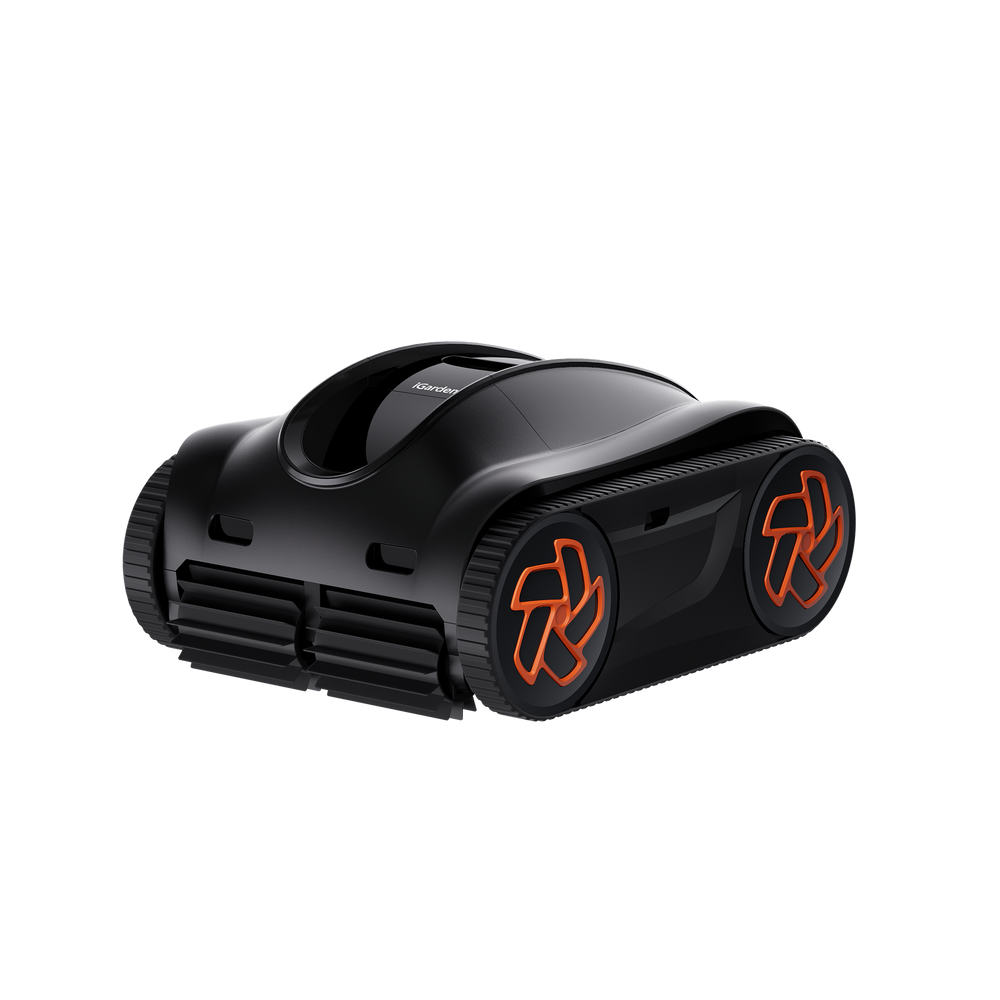
The Best iGarden Pool Cleaners: K, KN, K Pro or AI?
Start with the pool and the cleaning mode, not the longest battery headline. iGarden has several families and multiple runtime tiers within them. We'd compare the exact filter, physical pool limits and a realistic cleaning cycle before paying for more endurance or camera features.
Read the guide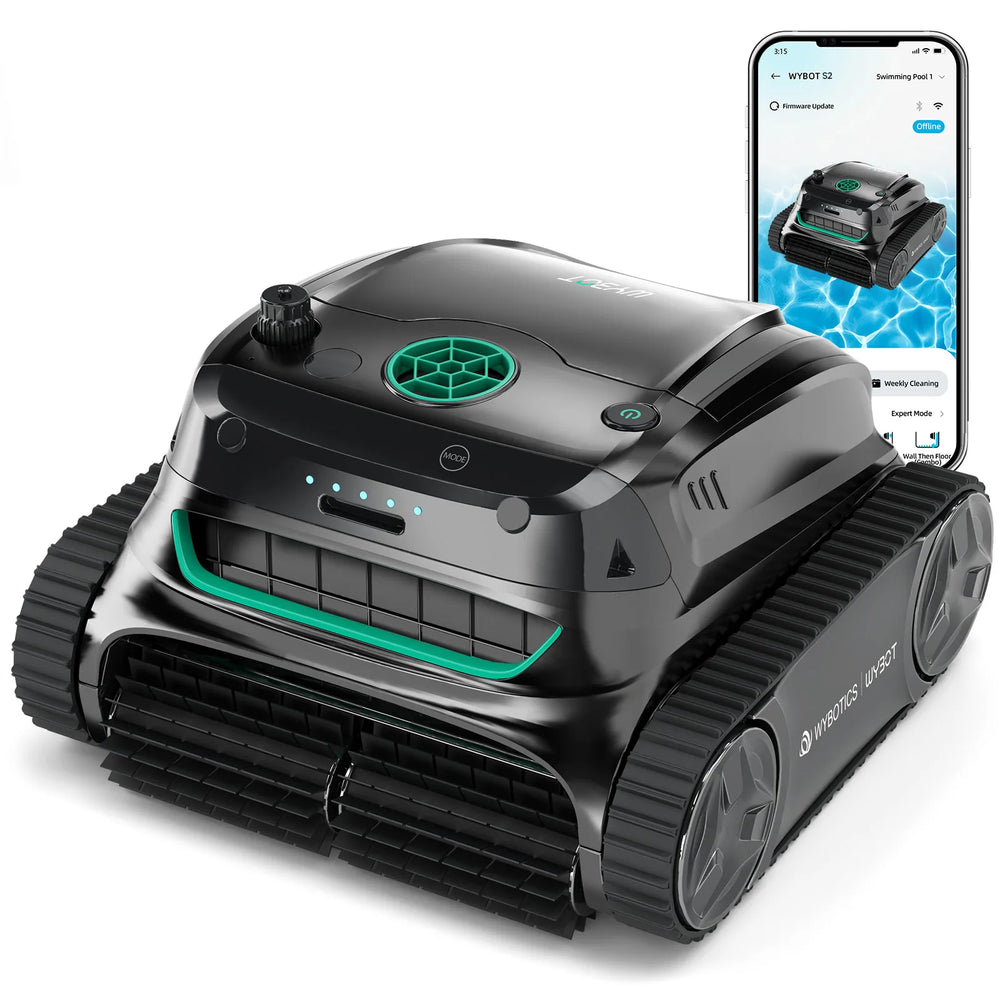 vs
iGarden K Pro 100 vs WYBOT S2: Long cleaning runs or a quicker recharge?
K Pro 100 lists ten hours floor-only and six hours full coverage, followed by about nine hours to charge. Standard S2 advertises up to 210 minutes and a three-hour recharge. Plan the whole routine before choosing from the largest runtime number.
Read the guide