Model comparison · 6 min read
Beatbot AquaSense 2 vs Sora 30: Which Underwater Cleaner Should You Buy?
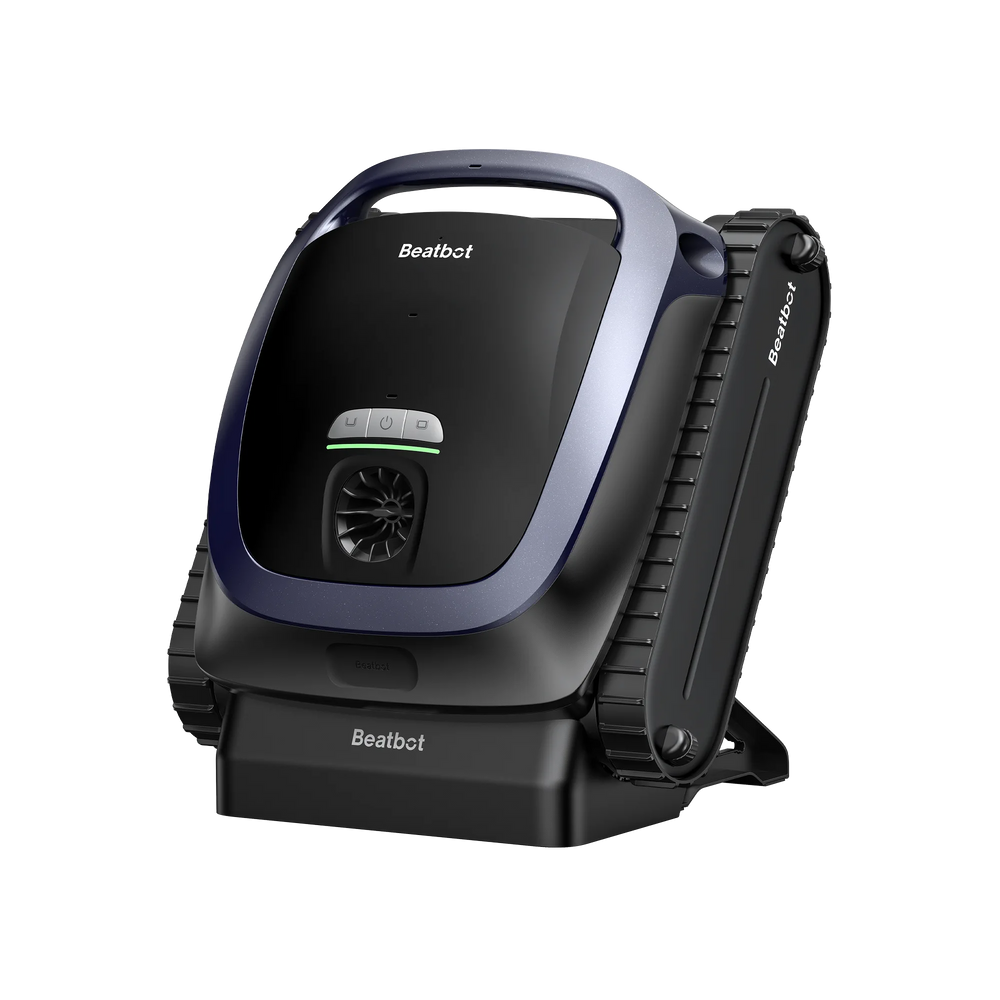
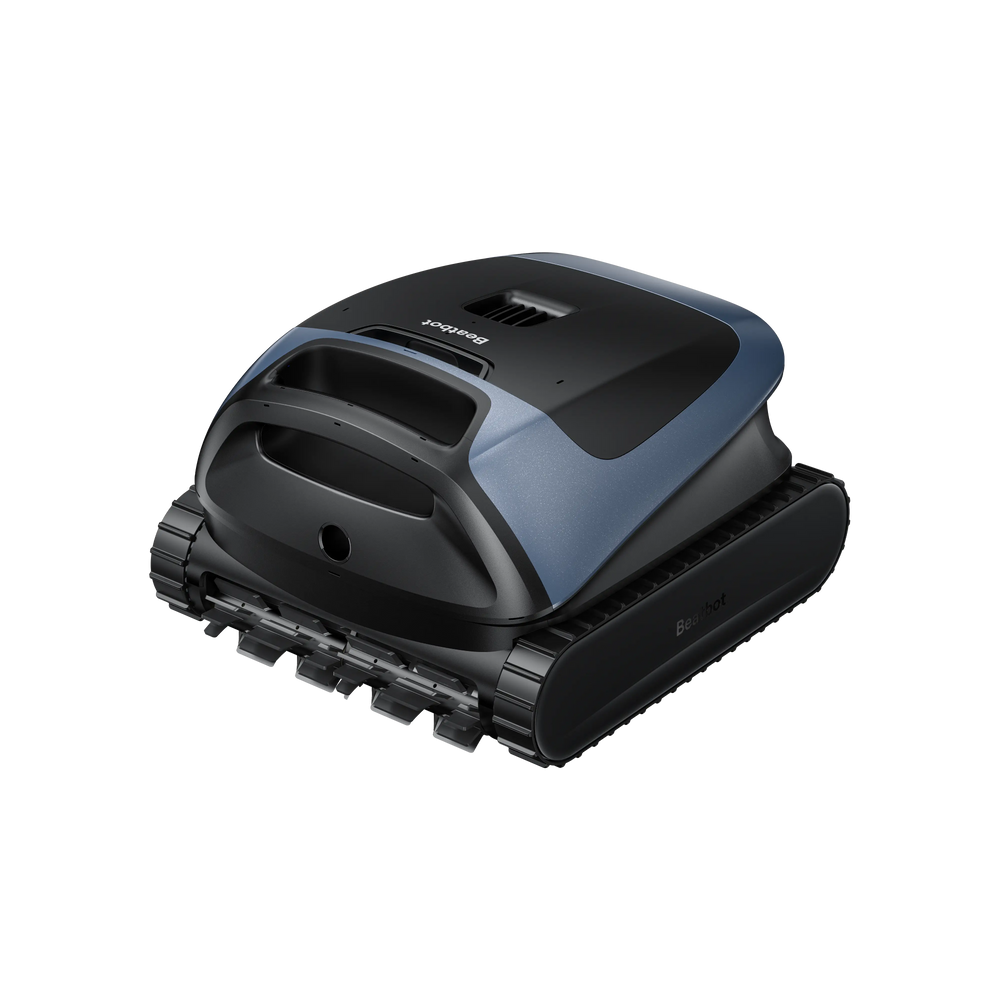
Both clean the floor, walls and waterline, so we'd choose around the routine outside the cleaning cycle. AquaSense 2 has a wireless charging dock; Sora 30 uses plug charging and offers app retrieval during surface parking, with more specific shallow-platform requirements.
Based on published manufacturer information.
No current brand offer. Explore Amazon options.
No current brand offer. Explore Amazon options.
We may earn a commission when you buy through these links.
Our recommendations come from published specifications. We may earn a commission from qualifying purchases. As an Amazon Associate, we earn from qualifying purchases. How we work
The quick verdict
Here’s where we’d start.
We'd choose AquaSense 2 if its wireless dock suits your storage and charging routine. Consider Sora 30 for its documented shallow-platform requirements, app retrieval during surface parking or higher floor-only runtime claim. Both handle underwater cleaning without surface skimming and list a 150 μm filter rating. Confirm pool fit and the selected package before comparing the complete prices.
AquaSense 2
AquaSense 2 covers floor, walls and waterline, with automatic surface parking and approximately four-hour dock charging.
Its FAQ excludes app-commanded return during cleaning. Shallow-step fit and the complete box contents need confirmation.
Sora 30 · Deep Blue
Sora 30 lists floor, wall and waterline cleaning, specific platform dimensions and app retrieval during surface parking.
It uses plug charging, and app functions require the surface connection. The optional 3 μm filter is separate from the included 150 μm filter.
Start here if the pool surface is already looked after.
The Beatbot AquaSense 2 and Sora 30 both cover the floor, walls and waterline. Neither lists surface skimming. We'd compare them when those underwater jobs are what you want to automate and your existing skimming routine is doing a good enough job with floating debris.
If you still reach for a net whenever leaves fall, that changes the question. Our Sora 30 vs Sora 70 guide explains the surface-cleaning upgrade, while AquaSense 2 vs Sora 70 compares dock charging with adding that extra job. Automatic surface parking alone doesn't collect the leaves for you.
Choose the charging arrangement you’d prefer to use regularly.
AquaSense 2 uses a wireless charging dock and lists approximately four hours to charge. Sora 30 specifies 65 W plug charging at approximately 4.5 hours. We'd decide which arrangement fits the place you'll keep the cleaner between sessions, rather than assume the half-hour difference settles the purchase.
Picture taking the robot out, dealing with its filter and putting it on charge after an ordinary clean. Check where the charging equipment will sit and what the instructions require. The dock may be a good reason to choose AquaSense 2 if you prefer that connection; Sora 30's plug arrangement may already suit your routine.
Surface parking doesn’t mean either robot puts itself away.
AquaSense 2 lists automatic surface parking after cleaning or at low battery. Its FAQ says return can't be commanded through the app during a cleaning cycle. We'd plan around that behavior if you sometimes want the cleaner out before the cycle finishes, rather than buy assuming an app button will recall it from underwater.
Sora 30 lists app retrieval during water-surface parking. That qualification matters: it isn't a promise of continuous underwater remote control. Its FAQ also excludes directional remote-control mode. Check how you'll reach and lift a parked robot at your pool edge. Both still leave a handling routine for you to follow.
If AquaSense 2 is not presenting its handle normally, our pool-edge return guide checks its own help section’s basket, entanglement and coping causes without assuming every app return works underwater.
Sora 30 gives a more specific platform checklist.
Sora 30's FAQ calls for more than 0.7 foot of water and a platform at least 3.3 by 3.3 feet. We'd measure the usable area and send Beatbot pictures of its access before treating a shelf as covered. A narrow step isn't automatically equivalent to a platform that meets those dimensions.
AquaSense 2's step and working-depth statements differ within the source, so we'd get its compatibility confirmed for unusual geometry. Our steps and sun-shelves guide explains those distinctions across the relevant models. Paying for a feature with a similar name won't make an undersized shelf fit the stated requirements.
Five hours and four hours both refer to the floor.
AquaSense 2 advertises up to four hours floor-only; Sora 30 advertises up to five. Sora 30 separately lists 4.5 hours for floor, walls and waterline together. We'd keep those modes attached to the figures. The five-hour claim doesn't describe every cleaning job running continuously, nor does it prove better cleaning in a single pass.
The two pages list similar headline areas around 3,230 square feet, but AquaSense 2 describes recommended pool-bottom area and Sora 30 describes maximum cleaning coverage. Ask about your pool's dimensions, shape and intended mode. We'd use those recommendations to plan a cycle between swimming sessions rather than assume the runtime headline guarantees a complete clean.
The stated particle threshold is the same.
Both list 150 μm filtration. AquaSense 2's source describes its layer count inconsistently, so we retain the particle rating without claiming a particular number of layers. Sora 30 includes a 150 μm filter and advertises an optional 3 μm accessory separately. Choosing the robot doesn't automatically put that finer accessory in the box.
Describe the dirt you actually see before adding a filter to the order. Confirm the exact compatible part and its replacement cost. We'd also check the emptying and rinsing instructions, since neither cleaner here includes the AstroRinse system. The Beatbot lineup guide puts filtration and station-equipped alternatives in context.
The AquaSense 2 versus Scuba X1 comparison adds another dock-charging option, with X1’s included MicroMesh arrangement and a different physical pool allowance.
Compare AquaSense 2 and K90 for another filter-package decision. Beatbot’s single-versus-two-layer wording and iGarden’s optional finer element both need confirmation before comparing the delivered parts.
Check the connection and the complete offer.
Both list dual-band Wi-Fi and Bluetooth. Sora 30's app mode changes require the robot to be at the water surface and online; the wireless-band labels don't establish cellular control. We'd ask for a demonstration of the functions that matter to you, especially if an app feature is the reason you're choosing one cleaner over the other.
Both list in-ground and above-ground use and salt concentrations below 5,000 ppm. Their complete box inventories aren't verified in the reviewed evidence, so confirm charging accessories and replacement consumables with the seller. The linked Sora 30 is the Deep Blue standalone version. A different color or bundle should be checked against its own selected offer.
Choose the better routine for your pool.
We'd favor AquaSense 2 when the wireless dock is the feature you'll appreciate after every clean and the pool-fit checks work. We'd consider Sora 30 when its confirmed platform fit, surface-parking retrieval functions or higher floor-only allowance makes the difference. The shared underwater coverage and 150 μm rating aren't reasons to assume one is universally better.
Compare the complete available prices once you know which features you'd use. If a smaller Sora already looks sufficient, our Sora 10 vs Sora 30 comparison explains that earlier upgrade. Keep pool geometry, charging space and retrieval instructions beside the offer so the model you order suits the routine you have in mind.
For another charging arrangement, our Sora 30 versus Aiper Scuba X1 guide compares the included dock, current filter package and smaller Aiper pool allowance without treating either charger as automatic retrieval.
Our Sora 30 versus Scuba S3 comparison adds another underwater option, with a smaller stated pool allowance and a different fine-filter package.
Our AquaSense 2 versus Liberty 400 guide adds Dolphin’s supplied filter package and pickup arrangement. Confirm the complete pool fit before duration or app features decide the purchase.
A closer look
The differences, in view.
Scroll horizontally on smaller screens. Values are manufacturer claims; see each product for qualifiers and original wording.
| Specification | AquaSense 2 | Sora 30 · Deep Blue |
|---|---|---|
| Claimed runtime | 240 minUp to; continuous floor-only cleaning. Manufacturer claim, not a mixed-mode test. | 300 minUp to; floor-only. FAQ separately gives 4.5 hours for floor + walls + waterline. |
| Filtration | 150 μmLayer count conflicts elsewhere in the source; 150 μm is the stated particle rating. | 150 μm includedOptional 3 μm filter is sold separately. |
| Charging | Wireless dock; approximately 4 hours | 65 W plug charging; approximately 4.5 hours |
| Retrieval | Automatic surface parkingAfter completion or low battery; app recall during a cleaning cycle is not supported according to the FAQ. | Automatic surface parking + app retrievalOne-touch retrieval during water-surface parking. |
| Navigation | CleverNav + SonicSense ultrasonic navigation | S-shaped floor paths + SonicSense obstacle avoidance |
| Pool surfaces | Not confirmed | Concrete, ceramic tile, vinyl, fiberglass |
Ready to choose?
Your next step, made simple.
No current brand offer. Explore Amazon options.
No current brand offer. Explore Amazon options.
We may earn a commission when you buy through these links.
Show your work
Sources & editorial method.
We reviewed official US product information and exact configurations. Our advice draws on published specifications and model-specific manufacturer instructions, with the practical trade-offs explained. Unknowns and conflicting claims are kept visible. Prices above come from the catalog and may change independently of this article’s review date.
- Beatbot AquaSense 2 — underwater coverage, wireless dock, floor-only runtime, filtration and retrieval FAQ
- Beatbot Sora 30 — exact Deep Blue model, charging, surface retrieval, platform requirements and runtime modes
Published Nov 1, 2026 · Editorial review Nov 10, 2026.
Read our research standardsKeep exploring
A little more perspective.
The Best Beatbot Pool Cleaners: Which Model to Buy
We'd start with Sora 70 if you want one robot for floating debris and underwater cleaning. If your skimmer already does its job, you may be happier with a simpler model—or put more weight on charging and retrieval.
Read the guide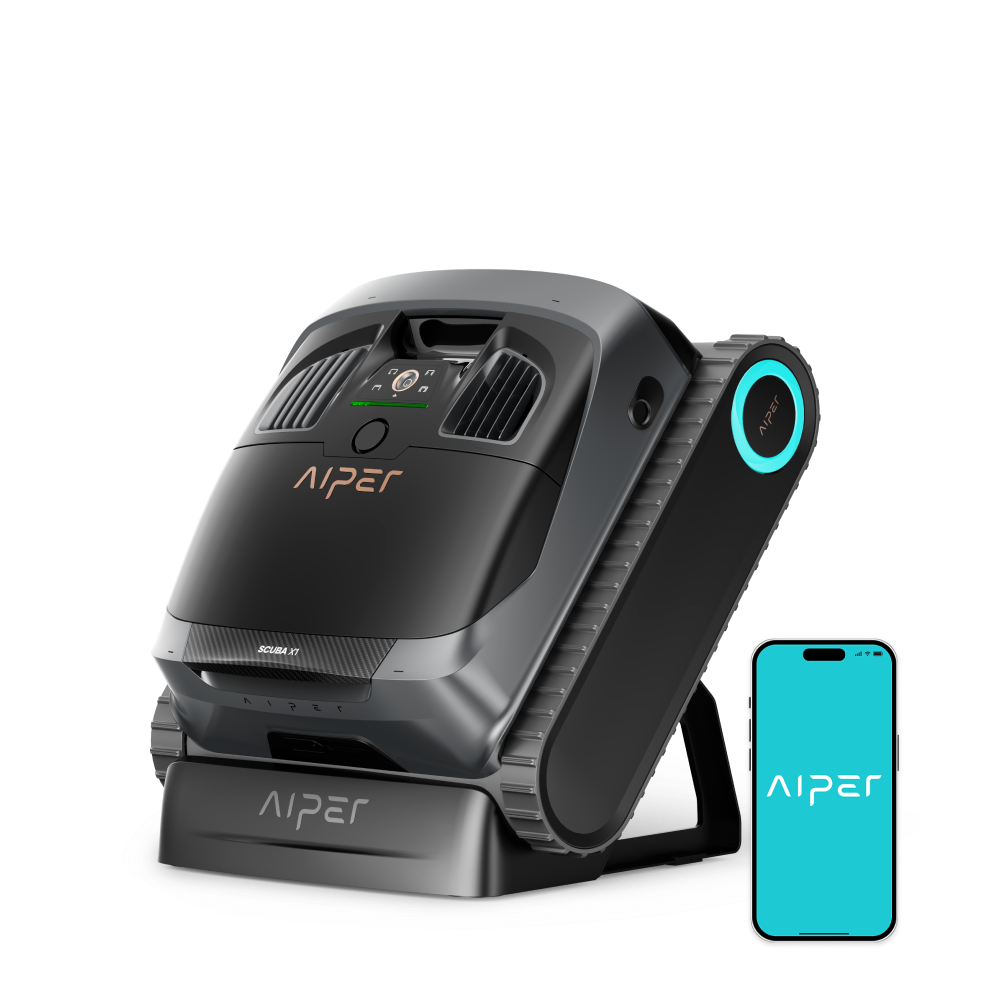 vs
Beatbot AquaSense 2 vs Aiper Scuba X1: Which Should You Buy?
Both clean underwater and use a charging dock. AquaSense 2 has the larger stated pool allowance and automatic surface parking after a clean. Scuba X1's current FAQ explicitly includes a MicroMesh fine filter. We'd choose around pool fit, the dirt left behind and the pickup routine.
Read the guide