Model comparison · 8 min read
Beatbot Sora 10 vs Sora 30: Is the Upgrade Worth It?
Sora 10 already covers the floor, walls and waterline. Before paying more for Sora 30, we'd check whether its retrieval features or shelf-cleaning requirements would make life easier around your pool.
Based on published manufacturer information.
No current brand offer. Explore Amazon options.
No current brand offer. Explore Amazon options.
We may earn a commission when you buy through these links.
Our recommendations come from published specifications. We may earn a commission from qualifying purchases. As an Amazon Associate, we earn from qualifying purchases. How we work
The quick verdict
Here’s where we’d start.
We'd start with Sora 10 if you want underwater cleaning and its parking routine suits you. Sora 30 is worth considering for one-touch retrieval during surface parking, its longer mixed-cleaning rating or a confirmed fit for your shallow platform. Both claim five hours floor-only and include 150 μm filtration. Neither collects floating debris, and the app won't let you steer either underwater.
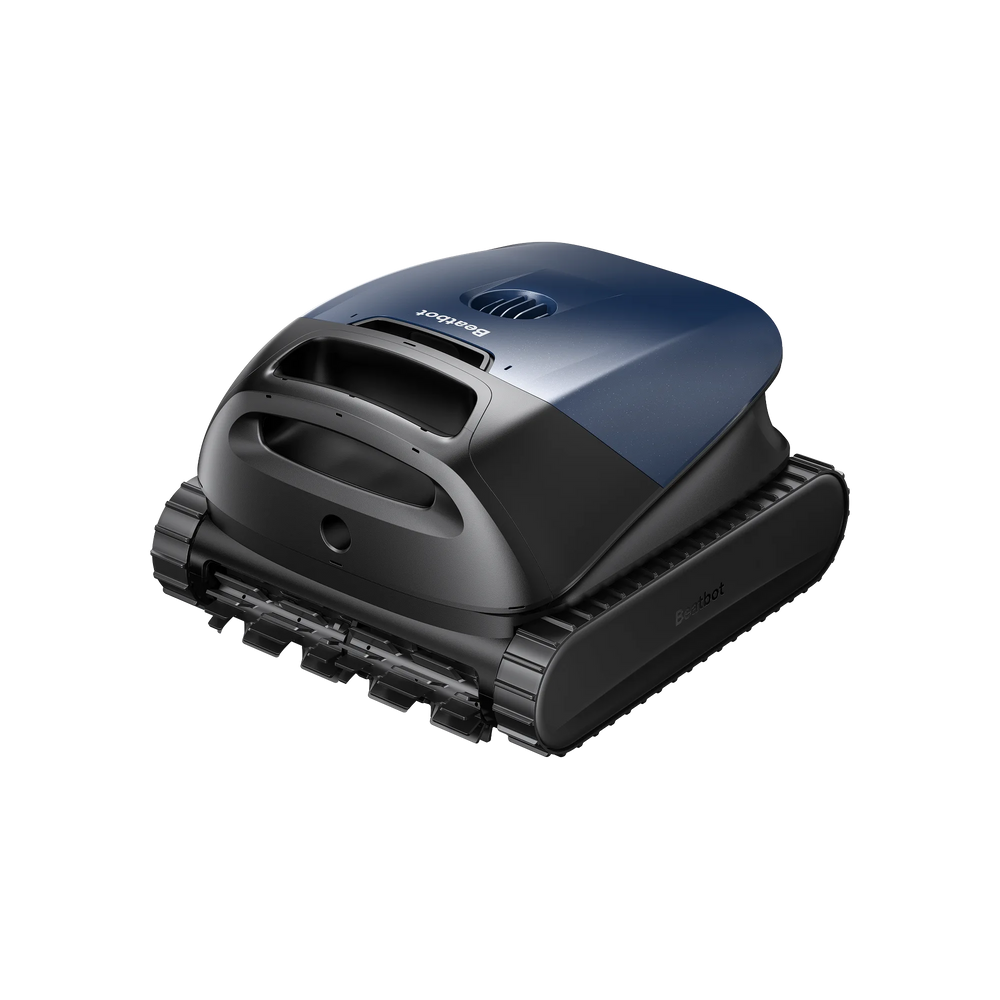
Sora 10 · Deep Blue
Sora 10 covers the floor, walls and waterline, lists up to five hours floor-only and has automatic waterline parking. Charging is listed at about 3.5 hours.
The combined floor/wall/waterline claim is four hours. Ask about shelf and depth suitability; the 3 μm filter is an extra purchase.
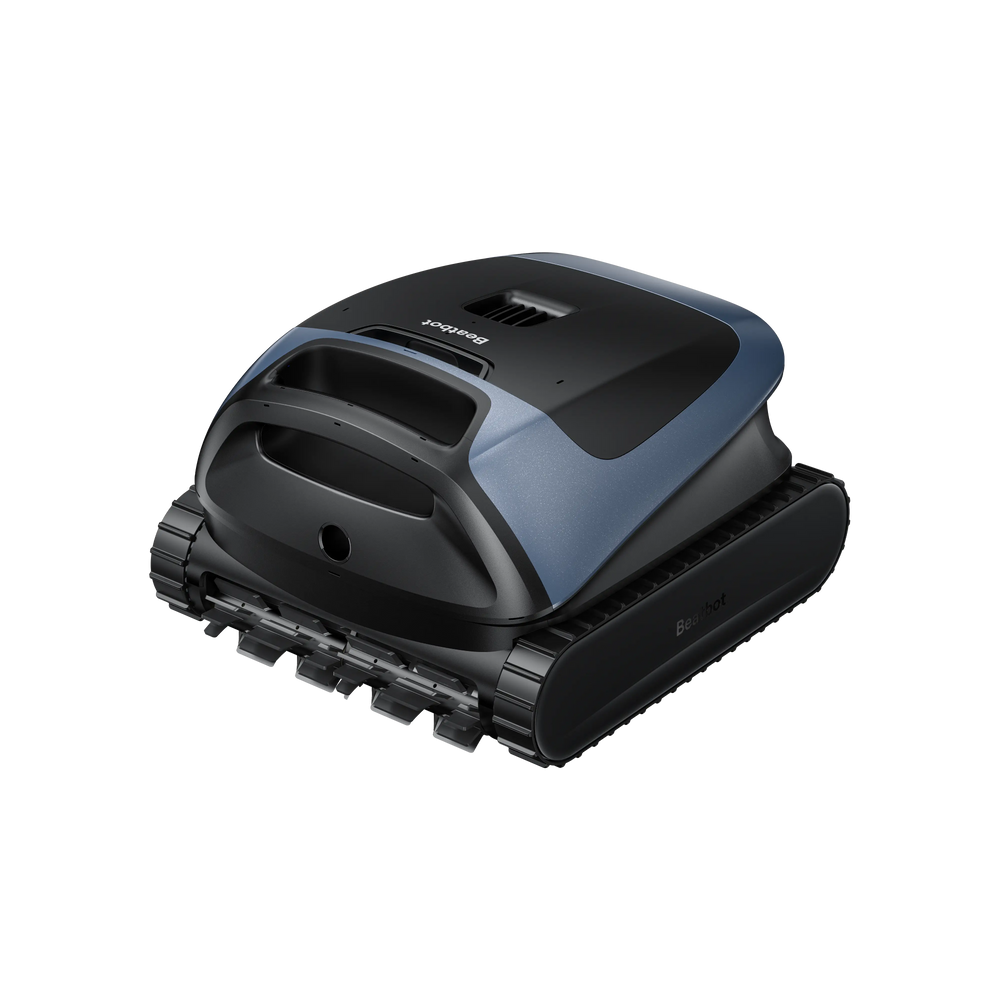
Sora 30 · Deep Blue
Sora 30 lists one-touch retrieval during surface parking and up to 4.5 hours for floor, walls and waterline together.
App changes need the robot on the surface and online. Check your shelf dimensions and depth. Its five-hour floor-only claim matches Sora 10.
What would Sora 30 add to your routine?
We'd look at Sora 10 in Deep Blue first if the main jobs are the floor, walls and waterline. It already lists all three, automatic parking and a 150 μm filter. If that covers what you need, the next model up needs to offer something you'll actually use.
Sora 30 in Deep Blue is worth comparing if you're interested in its qualified app retrieval, longer mixed-cleaning rating or shallow-platform guidance. Think about what's awkward now. Is it reaching the robot, cleaning a broad ledge, or fitting a session around pool use? That's a better starting point than the model number.
Both claim five hours on the floor.
For floor-only cleaning, the published maximum is five hours for both. Sora 30 doesn't add time to that particular mode. For floor, walls and waterline together, Sora 10 claims up to four hours and Sora 30 up to 4.5. Keep the cleaning mode beside the number when comparing them.
We'd give the extra half hour some weight if you expect to use that mixed mode regularly. It doesn't tell us that Sora 30 cleans faster or completes a fixed percentage more of your pool. Ask how your intended mode works around steps, walls and awkward corners. Separate runtime claims aren't durations you can add together.
For a schedule that uses those modes sensibly, read how often to run a robotic pool cleaner. Floor-only endurance doesn't prescribe a weekly cleaning frequency or replace checks after the cycle.
Our Sora 30 versus KN60 guide compares the floor figures and points out the Sora’s separate published duration for floor, walls and waterline.
Check what one-touch retrieval actually does.
Sora 30's one-touch app retrieval is listed for water-surface parking. Its mode changes also require it to be on the surface and online; the FAQ says it can't be controlled through the app while on the floor or wall. We'd get that sequence explained before buying it mainly for retrieval.
Sora 10 lists automatic waterline parking and doesn't support remote-control mode. Its parking specification doesn't establish app-directed recall. Think about the edge you can comfortably reach, the coping and where you'll lift the cleaner out. Don't assume a phone button will immediately bring a submerged robot to your preferred spot.
Our cordless-cleaner retrieval guide explains Sora 30’s surface-app limits and how to plan the collection spot, lift and care after parking.
For a cordless Dolphin alternative, compare Liberty 600 and Sora 30. The guide works through the final lift as well as the included filters and mode-specific duration claims.
Measure the shelf before choosing for shallow cleaning.
Sora 30's FAQ calls for more than 0.7 feet of water over a platform, with both length and width at least 3.3 feet. A long, narrow step doesn't qualify just because its total area looks similar. Send Beatbot the separate measurements, water depth and a photo of the transition into the main pool.
Sora 10's table describes platforms with at least 12 inches of water and the same 3.3-by-3.3-foot minimum dimensions. Its general depth FAQ gives a different minimum, and the maximum-depth unit equivalents disagree. We'd ask for confirmation of your shelf and deep end rather than choose the most generous-looking line on the page.
Our guide to cleaners for steps and sun shelves compares these requirements with Sora 70 and Ultra. Measure the usable area and water above it, then get the exact layout confirmed rather than assume every shallow ledge is covered.
For a Sora 30 already catching on a platform, our cleaner-stuck-on-steps guide explains which depth, usable dimensions and transition photos to compare with its own requirements before retrying.
The finer filter is an extra with either model.
Both include 150 μm filtration and advertise a separate 3 μm accessory. Paying for Sora 30 doesn't automatically put that finer filter in the box. If fine debris is your main concern, check the compatible basket, current availability and cleaning instructions before adding it to the price comparison.
Particle ratings don't tell the whole story about pickup or clogging. Describe the debris you see and where it collects, and ask what filter Beatbot recommends. Our small-pool cleaner guide compares other focused underwater options if you'd rather shop beyond this pair.
Our fine-dirt buying guide checks the exact accessories, assembly instructions and replacement guidance. Read it before buying a different robot simply to get finer filtration from a compatible basket.
Our floating-or-tilting guide keeps each model’s support advice separate: Sora 10’s immediate-air and basket checks are different from Sora 30’s optional fine-basket preparation and approved floor routine.
For a different filter and navigation arrangement, compare WYBOT C2 Vision and Sora 30. Keep the supplied elements, floor-only Vision task and current optional-filter availability beside the runtime figures.
For another package comparison, use our Sora 10 versus M1-AI 45 guide. It keeps Sora’s five-liter, 150-micron basket distinct from M1’s double-layer label without inventing a finer-filtration winner.
Compare Deep Blue Sora 10 and KN-AI 40 for different standard basket sizes and mesh labels. Five liters and 150 microns do not by themselves establish better pickup or fewer service stops.
Sora 10 has the shorter listed charging time.
Sora 10 lists about 3.5 hours of 65 W plug charging, against about 4.5 hours for Sora 30. We'd consider that if you expect to run repeated sessions. If you usually leave plenty of time between cleans, it may make little difference to your week.
Think about the whole routine, including taking the robot out, emptying it and setting it up to charge. Neither charging time nor battery capacity tells you when your particular pool will be clean. Check the required handling steps and confirm the charger in the seller's package, because the complete box contents aren't established here.
If you'd prefer a dock, our AquaSense 2 vs Sora 30 comparison explores that alternative. It also keeps the retrieval functions and floor-only runtime claims with the right model.
Make sure the offer is the package you compared.
These are the standalone Deep Blue configurations. Other colors have their own listings, and a bundle with an iSkim is a different purchase. We can confirm the included filter specification, but not a complete box inventory. Check charging accessories, support and returns with the seller before comparing final totals.
Both list in-ground and above-ground pools with concrete, ceramic tile, vinyl and fiberglass, and both require saltwater below 5,000 ppm. Their maximum areas are roughly 3,230 square feet; the one-square-foot presentation difference wouldn't influence us. Unusual depths, ledges and transitions still need a separate answer. If yours is a saltwater pool, the saltwater guide keeps the salinity limit and after-use care beside each model.
Here's when we'd pay more.
We'd stay with Sora 10 if its underwater coverage and parking routine suit the pool. We'd consider Sora 30 if its retrieval sequence, mixed-mode allowance or confirmed shelf fit makes enough difference to justify the price. The floor-only runtime and standard filter rating don't create an upgrade advantage.
If floating leaves are the problem, our leaves and surface-debris guide covers the cleaning job neither model adds. For the wider range, see our Beatbot buying guide. Choose the cleaning areas and handling routine first, then compare the available packages.
For a different underwater-cleaning comparison across brands, our SPINO E1 vs Dreame Z1 guide looks at pool fit, filtration, charging and retrieval.
For the next step within the Sora range, Sora 30 vs Sora 70 asks whether surface skimming is worth adding. It's the comparison we'd read if underwater cleaning is covered but floating debris still needs attention.
If camera-guided cleaning is the feature you are considering instead, our Sora 10 versus Scuba V3 guide compares that separate Aiper option by pool fit, confirmed filters and the routine after cleaning.
If longer floor operation is the reason to move up, our Sora 30 versus K90 guide compares the matching modes, supplied filters and recharge routine.
The Sora 10/KN40 comparison adds a nearby floor-and-wall alternative and keeps Sora’s optional fine basket separate from the included filter.
A closer look
The differences, in view.
Scroll horizontally on smaller screens. Values are manufacturer claims; see each product for qualifiers and original wording.
| Specification | Sora 10 · Deep Blue | Sora 30 · Deep Blue |
|---|---|---|
| Rated pool area | 3229 sq ftManufacturer maximum cleaning coverage. | 3230 sq ftManufacturer maximum cleaning coverage, not a measured result. |
| Charging | 65 W plug charging; approximately 3.5 hours | 65 W plug charging; approximately 4.5 hours |
| Retrieval | Automatic waterline parkingParking for retrieval; this does not establish water-surface cleaning or app-directed recall. | Automatic surface parking + app retrievalOne-touch retrieval during water-surface parking. |
Ready to choose?
Your next step, made simple.
No current brand offer. Explore Amazon options.
No current brand offer. Explore Amazon options.
We may earn a commission when you buy through these links.
Show your work
Sources & editorial method.
We reviewed official US product information and exact configurations. Our advice draws on published specifications and model-specific manufacturer instructions, with the practical trade-offs explained. Unknowns and conflicting claims are kept visible. Prices above come from the catalog and may change independently of this article’s review date.
- Beatbot Sora 10 — official US mode ratings, charging, filtration and depth FAQ
- Beatbot Sora 30 — official US retrieval conditions, platform requirements and mixed-mode runtime
Published Nov 1, 2026 · Editorial review Nov 25, 2026.
Read our research standardsKeep exploring
A little more perspective.
Can You Use a Robotic Pool Cleaner in a Saltwater Pool?
Yes, when the exact cleaner supports your pool's salinity and other operating conditions. The three Sora models here require salt below 5,000 ppm; Dreame Z1 Pro uses a different limit wording and adds a chlorine condition. Check the water before choosing the features.
Read the guideThe Best Robot Pool Cleaners for Fine Dirt and Sand
Check the actual filter before paying for a bigger robot. Sora offers model-matched fine accessories, while Aiper, CHASING and iGarden add other documented filter systems. The supplied package and cleaning routine matter alongside the advertised micron rating.
Read the guide