Model comparison · 5 min read
MOVA Rover X10 vs Beatbot AquaSense 2 Ultra: Compare the whole cleaning routine
Both combine underwater cleaning with surface collection. Rover X10 lists a finer replaceable filter and longer mode-specific duration claims; Ultra has a different basket arrangement and charging time. Pool fit and care still matter more than counting cleaning zones.
Based on published manufacturer information.
Checked Nov 27 · In stock when checked. Shipping and tax at checkout.
Buy at Lowe’s See all offers & model details ↗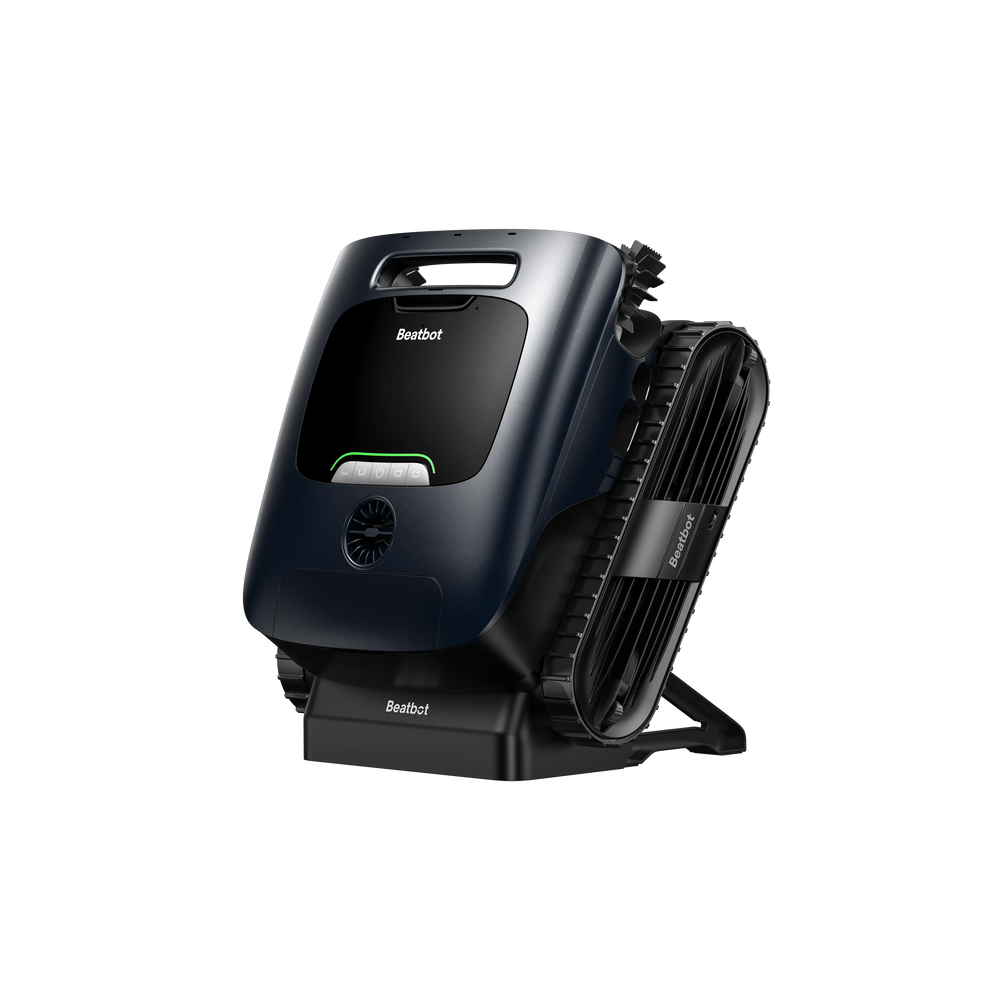
Checked Nov 27 · In stock when checked. Shipping and tax at checkout.
Buy at Lowe’s See all offers & model details ↗We may earn a commission when you buy through these links.
Our recommendations come from published specifications. We may earn a commission from qualifying purchases. As an Amazon Associate, we earn from qualifying purchases. How we work
The quick verdict
Here’s where we’d start.
Investigate Rover X10 when its confirmed pool fit, 5-liter basket and approved fine-filter arrangement suit the job. AquaSense 2 Ultra is worth comparing when its own coverage, basket care and charging routine fit. Keep each duration attached to its mode, and do not equate Beatbot’s recommended bottom area with its separate one-cycle FAQ claim.
Rover X10
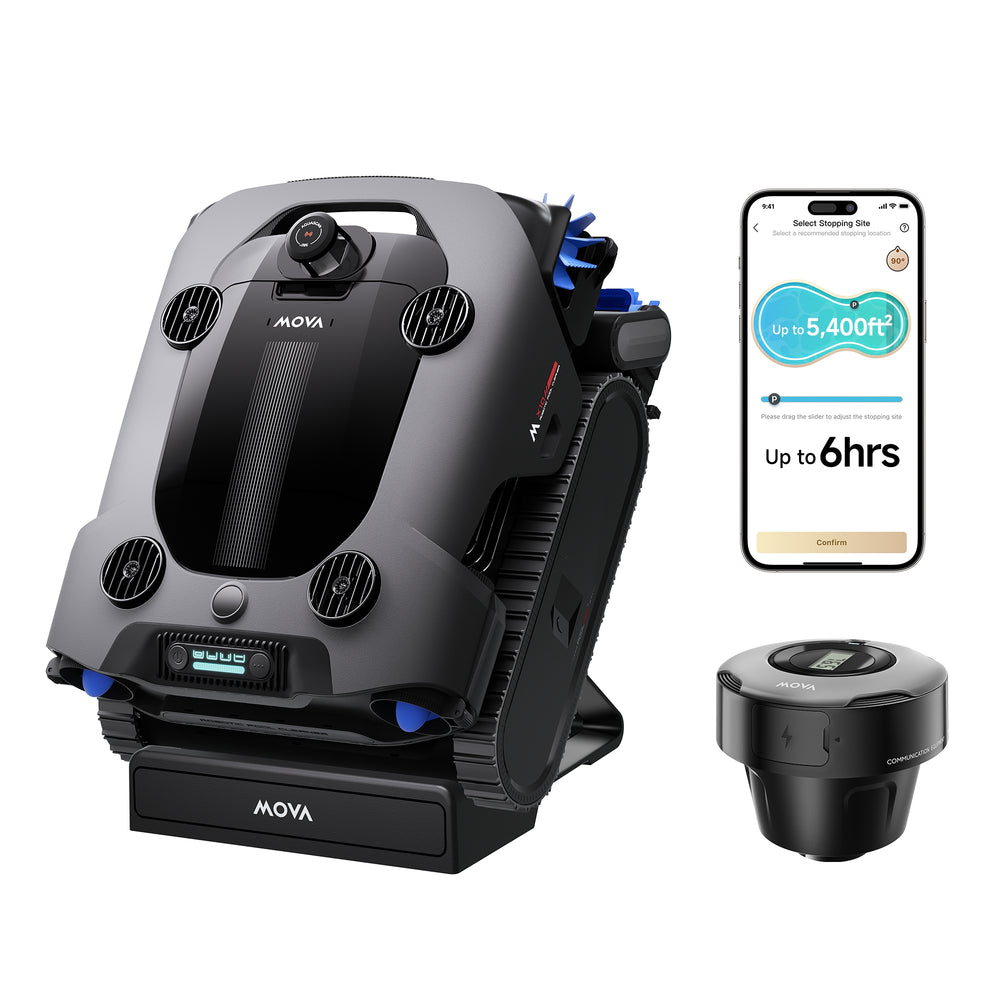
Rover lists a 5-liter basket, replaceable 180- and 3-micron filters, and surface-to-floor cleaning.
Confirm the approved filter arrangement, pool geometry and supplied dock. Its six-hour claim is floor mode; twelve hours is surface mode.
AquaSense 2 Ultra
Ultra lists surface and underwater cleaning, separate filter baskets and about 4.5-hour charging.
Its 3,875-square-foot recommended bottom area and 3,444-square-foot one-cycle FAQ figure answer different questions. Clarification consumables are separate.
Check whether surface collection is a job you need.
MOVA Rover X10 and Beatbot AquaSense 2 Ultra both advertise surface, floor, wall and waterline work. This is a useful pair to compare when floating debris and underwater cleaning are regular chores.
If floating leaves are already handled, the surface function may add less to the routine. Nor does a multi-zone claim approve every step or shelf. Our skimmer-versus-cleaner guide and steps-and-shelves guide separate those questions.
Keep recommended area separate from a one-cycle claim.
Rover advertises up to 5,400 square feet in a single cycle. Ultra’s specification table recommends 3,875 square feet of pool bottom area, while its FAQ gives up to 3,444 square feet in one cycle and acknowledges that larger pools may need more than one.
Do not turn the two Beatbot figures into a single maximum or compare them as identical tests of coverage. Send both makers the actual dimensions, finish, depth and features. Our pool-measuring guide explains the information an area headline misses.
A 3,600-square-foot bottom makes the distinction matter.
Imagine a pool with 3,600 square feet of bottom area. That is below Ultra’s recommended-area table but above its FAQ’s single-cycle figure. The owner should plan around that distinction, rather than assume the larger table figure promises one complete session.
Rover’s published single-cycle area exceeds that numerical example, but the claim still needs the maker’s assessment of the actual pool and chosen job. At 1,500 square feet, both initial area checks become less distinguishing; filtration, handling and charging deserve more attention. These are planning examples, not measured coverage results.
Compare assemblies rather than choose from the smallest micron number.
Rover lists a 5-liter basket with replaceable 180- and 3-micron filters. Ultra’s own table describes a larger 4-liter basket with 150- and 250-micron layers and a thinner 3.7-liter basket with 250-micron filtration. Confirm which assembly is used for each job.
Those figures do not establish a matched debris-capture winner or the time before rinsing. Do not add basket volumes for different arrangements and treat the sum as capacity for every mode. Our fine-filter guide and clogging guide connect the supplied parts with care.
Match the task before comparing the duration.
Rover advertises up to six hours of floor cleaning and twelve hours of surface cleaning. Ultra gives up to five hours on the floor, ten on the surface and 4.5 hours for walls and waterline. None is a promise to clean all zones simultaneously for the longest stated duration.
Rover lists 6.5 hours charging, compared with about 4.5 hours for Ultra. Plan the permitted charging and storage routine around when the next clean is needed. Our mode guide keeps session coverage separate from battery and charging headlines.
Our Rover X10 versus Sora 70 guide preserves Rover’s six-hour floor text and unqualified 6–12-hour technical entry. The larger number is not silently assigned to one continuous floor routine.
Picture the last reach and lift, not just automatic parking.
Rover describes automatic surface parking, a selectable parking point and a wireless charging dock. Ultra describes surface parking and water release. Have the final pickup at your coping demonstrated, together with the exact charging equipment and its permitted position.
A surface-parking feature does not remove the final lift or basket cleaning. Ultra’s clarifying-agent kit is listed separately; confirm consumables and current supported functions rather than assume every advertised option arrives ready to use. Our retrieval guide covers the handling questions.
Choose useful features after the pool fit is confirmed.
We would investigate Rover when its fine-filter arrangement and confirmed surface-to-floor routine solve the job. Ultra is relevant when its own coverage and handling suit the pool and the shorter stated charging time helps the schedule. Have shelves and app behavior assessed for the exact model.
The Diver A10 versus Rover X10 guide asks whether surface work is needed at all. The AquaSense 2 versus Ultra comparison explains a different upgrade decision within Beatbot’s range.
A closer look
The differences, in view.
Scroll horizontally on smaller screens. Values are manufacturer claims; see each product for qualifiers and original wording.
| Specification | Rover X10 | AquaSense 2 Ultra |
|---|---|---|
| Cleaning coverage | Floor, walls, waterline and water surfaceMOVA describes 7-in-1 coverage; steps and shallow areas need a layout check. | Floor, walls, waterline, surface |
| Filtration | 180 μm filter and replaceable 3 μm ultra-fine filter | 150 + 250 μm dual-layerThe source says particles as small as 150 μm; no finer filtration is implied. |
| Claimed runtime | 360 minFloor-only claim, not simultaneous full-pool cleaning. | 300 minUp to; floor-only cleaning. Separate claims: up to 10 hours surface-only and 4.5 hours walls + waterline. |
| Battery capacity | 15000 mAh | Not confirmed |
| Charging | 6.5 hours | Approximately 4.5 hours |
| Debris basket | 5 L | Not confirmed |
| Pool types | Not confirmed | In-ground, above-ground |
Ready to choose?
Your next step, made simple.
Checked Nov 27 · In stock when checked. Shipping and tax at checkout.
Buy at Lowe’s See all offers & model details ↗Checked Nov 27 · In stock when checked. Shipping and tax at checkout.
Buy at Lowe’s See all offers & model details ↗We may earn a commission when you buy through these links.
Show your work
Sources & editorial method.
We reviewed official US product information and exact configurations. Our advice draws on published specifications and model-specific manufacturer instructions, with the practical trade-offs explained. Unknowns and conflicting claims are kept visible. Prices above come from the catalog and may change independently of this article’s review date.
Published Nov 9, 2026 · Editorial review Nov 10, 2026.
Read our research standardsKeep exploring
A little more perspective.
 vs
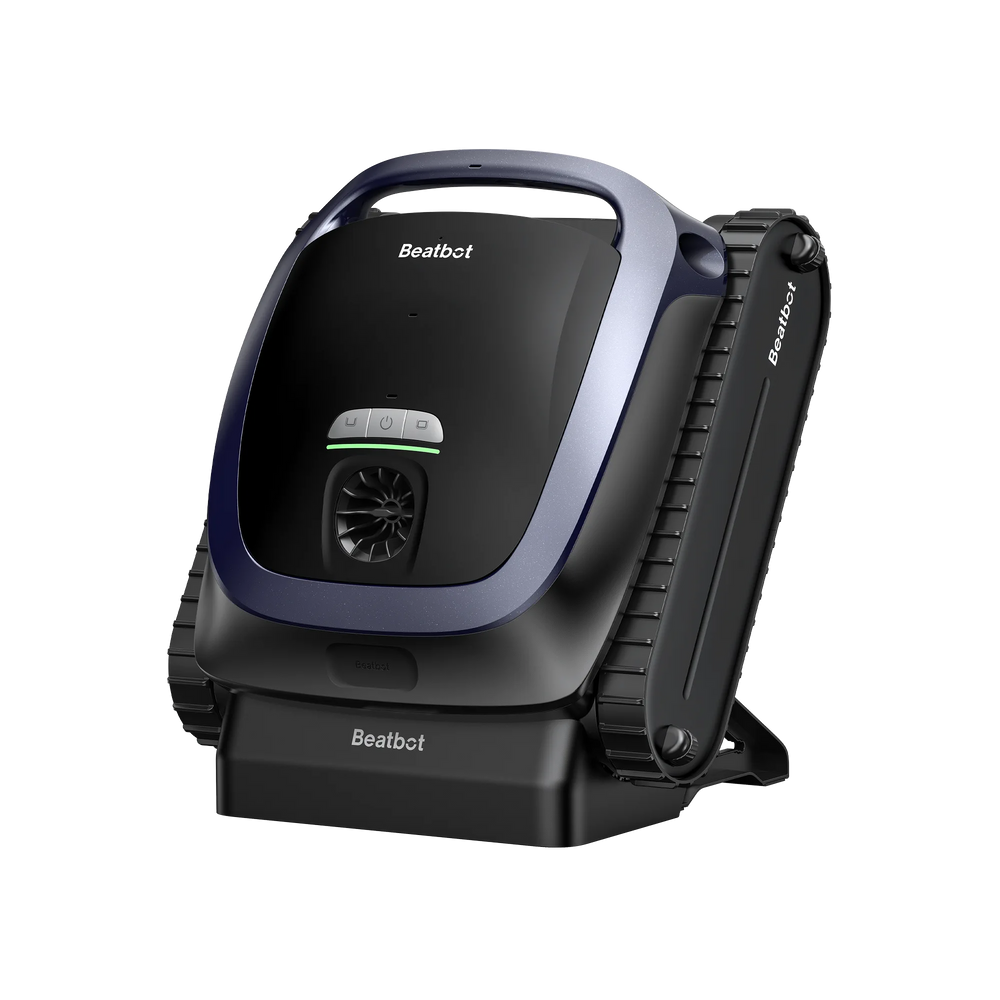
Beatbot AquaSense 2 vs AquaSense 2 Ultra: Is the Upgrade Worth It?
Ultra adds surface cleaning, AI mapping and a higher pool-size rating. If an underwater clean already covers the job, those extras may not change much. We'd start with the work you still do by hand, then check fit, filters and pickup rather than assume Ultra is better at every task.
Read the guideHow to Choose the Right Mode for Your Robotic Pool Cleaner
Choose the part of the pool that needs cleaning before selecting the longest program. AquaSense 2 and Ultra give Floor and Standard modes different jobs; Ultra also has Pro and Custom controls. The same word or button sequence doesn't necessarily mean the same thing on another cleaner.
Read the guide