Model comparison · 5 min read
Navimow H800-VF vs MOVA Lidax Pro 800: Check the height before the area
Both carry a 0.2-acre label, but they suit different cutting heights and positioning setups. The older H800-VF is currently unavailable; Pro 800 offers a taller cutting range and LiDAR navigation without a reference antenna.
Based on published manufacturer information.
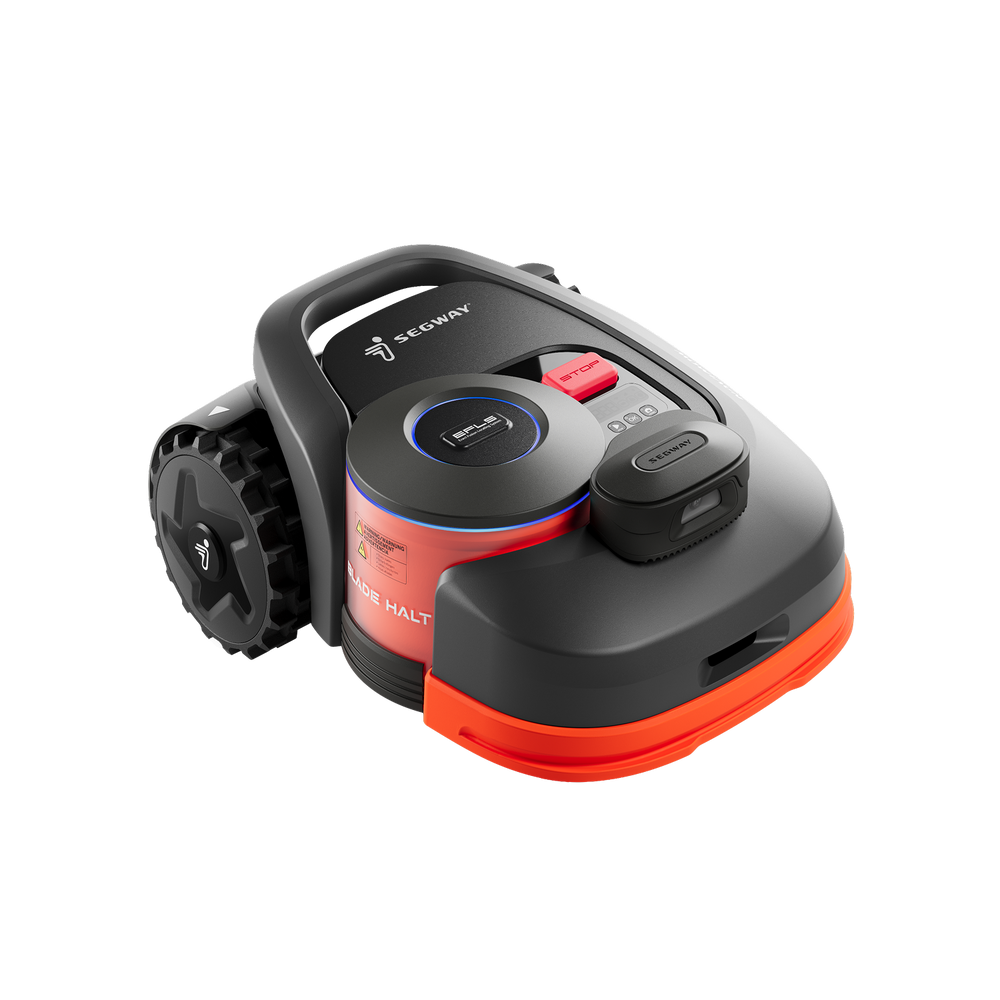
No current brand offer. Explore Amazon options.
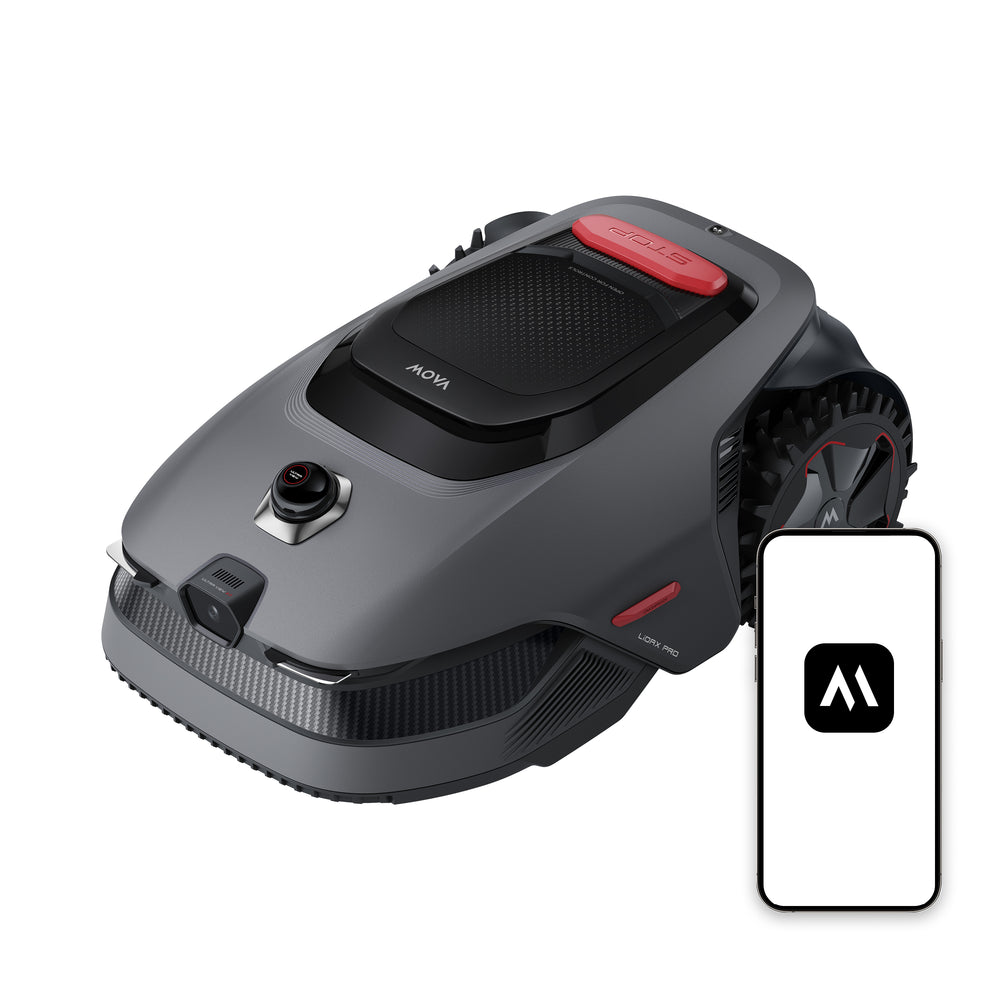
Checked Nov 27 · In stock when checked. Shipping and tax at checkout.
Buy at Lowe’s See all offers & model details ↗We may earn a commission when you buy through these links.
Our recommendations come from published specifications. We may earn a commission from qualifying purchases. As an Amazon Associate, we earn from qualifying purchases. How we work
The quick verdict
Here’s where we’d start.
Consider Pro 800 for a suitable yard within its 0.2-acre maximum mapping area when its 1.2–3.9-inch cut and antenna-free LiDAR setup fit. H800-VF remains an ownership or returning-stock option with a 1.2–2.4-inch range. Neither the shared area label nor a positioning feature establishes how quickly either will maintain your lawn.
H800-VF
The exact older H800-VF lists a 0.2-acre recommended mowing area and 1.2–2.4-inch cutting range.
Its reviewed exact variant is unavailable. Confirm the complete reference setup and ongoing support before buying remaining dealer stock.
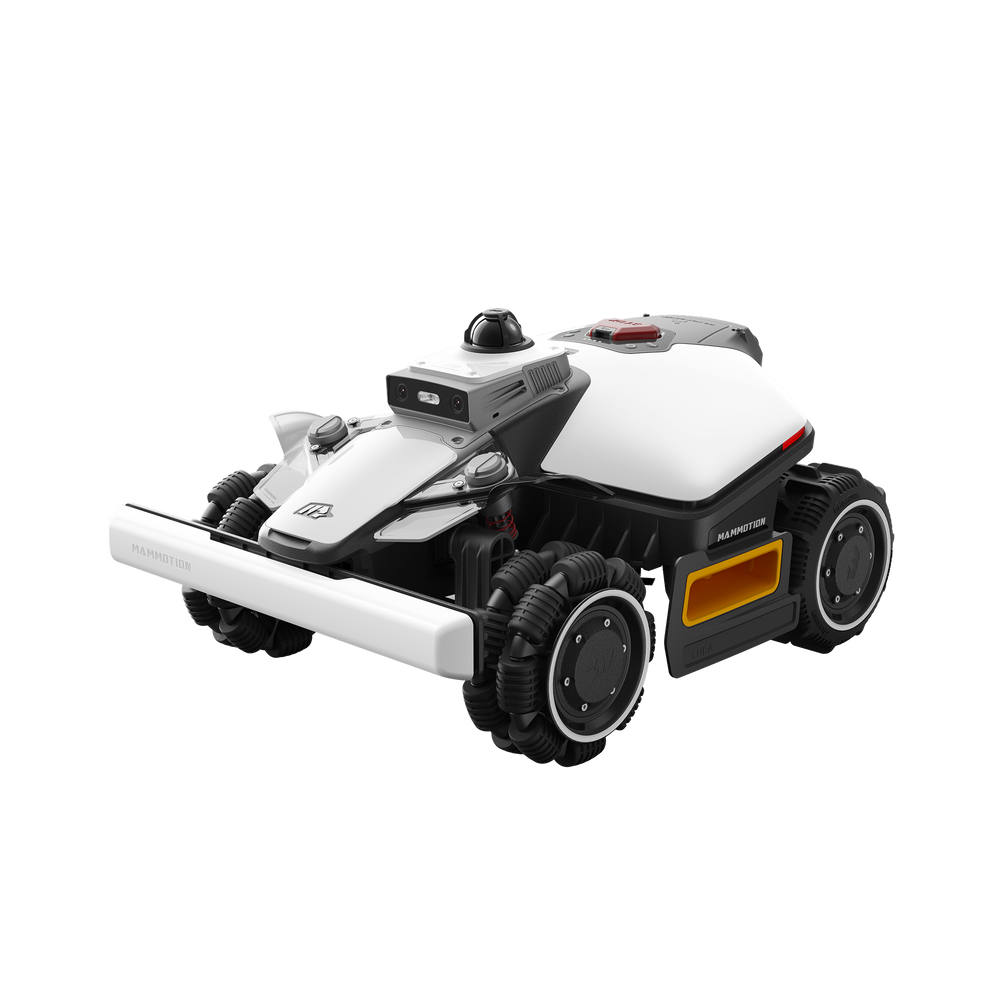
LiDAX Pro 800
Pro 800 lists a 1.2–3.9-inch cut, LiDAR plus vision and a 0.2-acre maximum mapping area.
Confirm the whole route and mowing window. Its area label is not a verified daily output, and its listed efficiency has no time unit.
Keep the older H800-VF separate from the H2 range.
Navimow H800-VF belongs to the older H series. It does not acquire the newer H2’s LiDAR equipment just because both names begin with H. Keep the full model name on a dealer quote.
MOVA Lidax Pro 800 is also separate from the larger Lidax Ultra and AWD models. Our Navimow buying guide and MOVA buying guide explain those neighboring options.
A three-inch lawn makes the height difference useful.
H800-VF lists a 1.2–2.4-inch range. Pro 800’s detailed specifications list 1.2–3.9 inches; its rounded four-inch headline should not replace that more precise upper limit.
If your grass needs to stay at three inches, H800-VF falls below the target while Pro 800 includes it. At two inches, both initial height checks pass. Our cutting-height guide helps establish the lawn’s requirement before choosing a machine.
The similar area numbers describe different labels.
Navimow calls 0.2 acre H800-VF’s recommended mowing area. MOVA calls 0.2 acre Pro 800’s maximum mapping area. Keep those descriptions attached rather than present them as matched maintenance tests.
Measure the grass, then include charging, travel and permitted operating hours. MOVA’s efficiency entry says 0.04–0.045 acre without a time unit, so it cannot support a per-hour calculation. Our lawn-measuring guide covers the complete job.
A small yard can still rule one model out.
Imagine 0.15 acre maintained at three inches. Its area is below both published labels, but only Pro 800 includes the requested cutting setting. Choosing H800-VF because its area looks sufficient would miss the grass-height mismatch.
Now change the same lawn to two inches. Both ranges include the setting, so positioning, route access, availability and the actual working window become the next checks. This example predicts no finishing time. Our small-yard guide adds the layout questions.
Compare the installation where the signal is hardest.
H800-VF describes GPS positioning; confirm the exact reference equipment, antenna location and reception requirements for that older model. A newer Navimow Network RTK promotion does not establish that H800-VF can omit its reference installation.
Pro 800 describes 360-degree LiDAR plus vision without wires or an RTK station. That removes the reference-antenna task, but the shaded passage and boundaries still need assessment. Our navigation guide explains what those systems change.
Check the narrow connection and the boundary separately.
Pro 800 specifies a passage of at least 23.6 inches and a 7.9-inch cutting width. That passage figure does not approve every tight turn or connector. Ask about the actual approach rather than measure only the narrowest straight section.
Both publish a 45% climbing claim, which should not become a universal boundary allowance. Confirm edge setbacks and turns for each exact model. Our slope-measuring guide keeps those local conditions beside the headline.
Exact stock can settle the immediate purchase.
The reviewed H800-VF variant is unavailable; Pro 800’s exact variant is available. Existing H800-VF owners can still use the comparison to judge whether a different height or installation would solve a real problem.
For a new purchase, confirm support, supplied equipment and optional connection costs before paying. Pro 800 lists its link-module service as optional. Our subscription guide separates useful remote features from the basic mowing job.
A closer look
The differences, in view.
Scroll horizontally on smaller screens. Values are manufacturer claims; see each product for qualifiers and original wording.
| Specification | H800-VF | LiDAX Pro 800 |
|---|---|---|
| Cutting height | 1.2–2.4 inH-series column of the comparison table. | 1.2–3.9 in |
| Navigation | GPS navigation | 3D LiDAR + AI vision |
| Cutting width | Not confirmed | 7.9 in |
| Minimum passage width | Not confirmed | 23.6 in |
| Boundary setup | Not confirmed | No perimeter wire or RTK station |
Ready to choose?
Your next step, made simple.
No current brand offer. Explore Amazon options.
Checked Nov 27 · In stock when checked. Shipping and tax at checkout.
Buy at Lowe’s See all offers & model details ↗We may earn a commission when you buy through these links.
Show your work
Sources & editorial method.
We reviewed official US product information and exact configurations. Our advice draws on published specifications and model-specific manufacturer instructions, with the practical trade-offs explained. Unknowns and conflicting claims are kept visible. Prices above come from the catalog and may change independently of this article’s review date.
- Navimow official US page — exact model information
- MOVA official US page — exact model information
- Navimow exact H800-VF variant — unavailable stock
- MOVA exact Pro 800 variant
Published Nov 10, 2026 · Editorial review Nov 10, 2026.
Read our research standardsKeep exploring
A little more perspective.
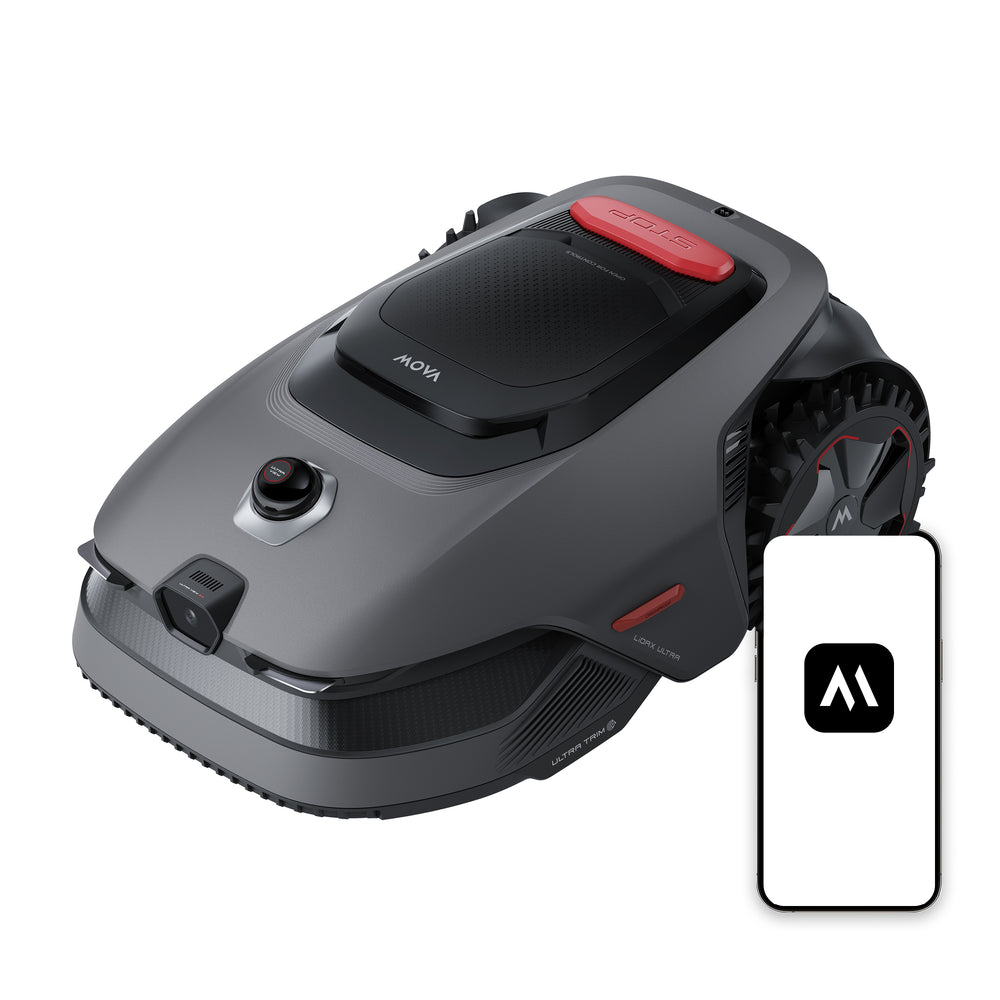
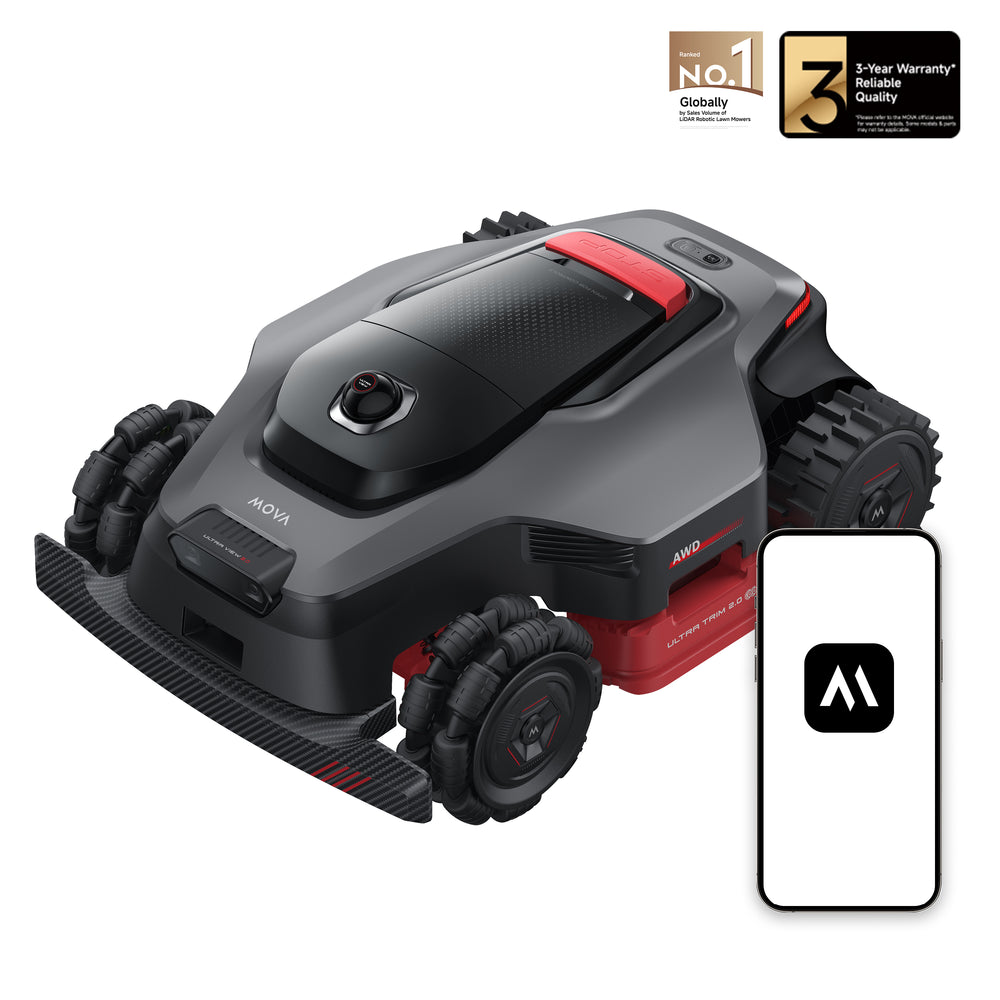
Which MOVA LiDAX robot mower should you choose?
Pro, standard Ultra and Ultra AWD solve different sizing and ground problems. Check the exact name before comparing map space, cutting width or traction.
Read the guide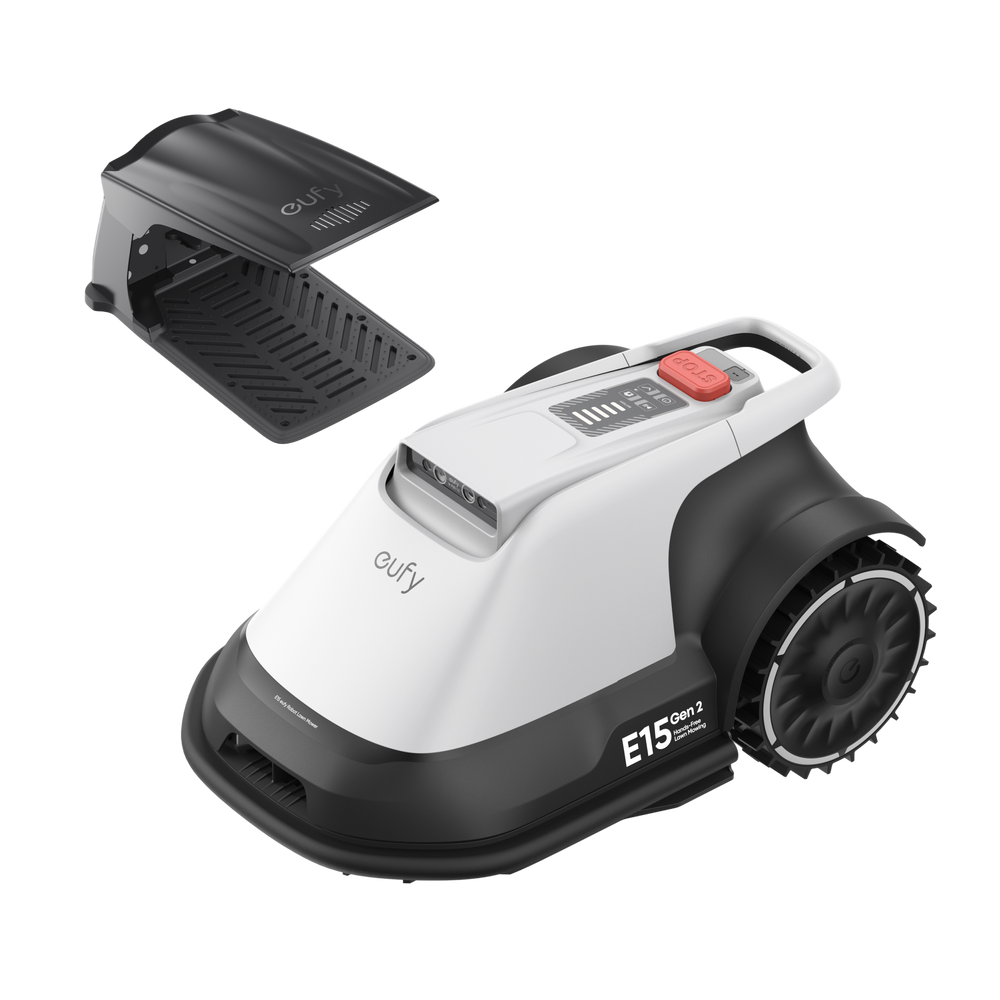
Do Robot Mowers Need a Subscription? 4G, RTK and App Costs Explained
A free app, included cellular data and lifetime positioning are different promises. We'd ask which features you need, how they connect and what happens when an included period ends before comparing the long-term cost of a mower.
Read the guide