Model comparison · 5 min read
Navimow i210 AWD vs Dreame A3 AWD 1000: Which Suits Your Yard?
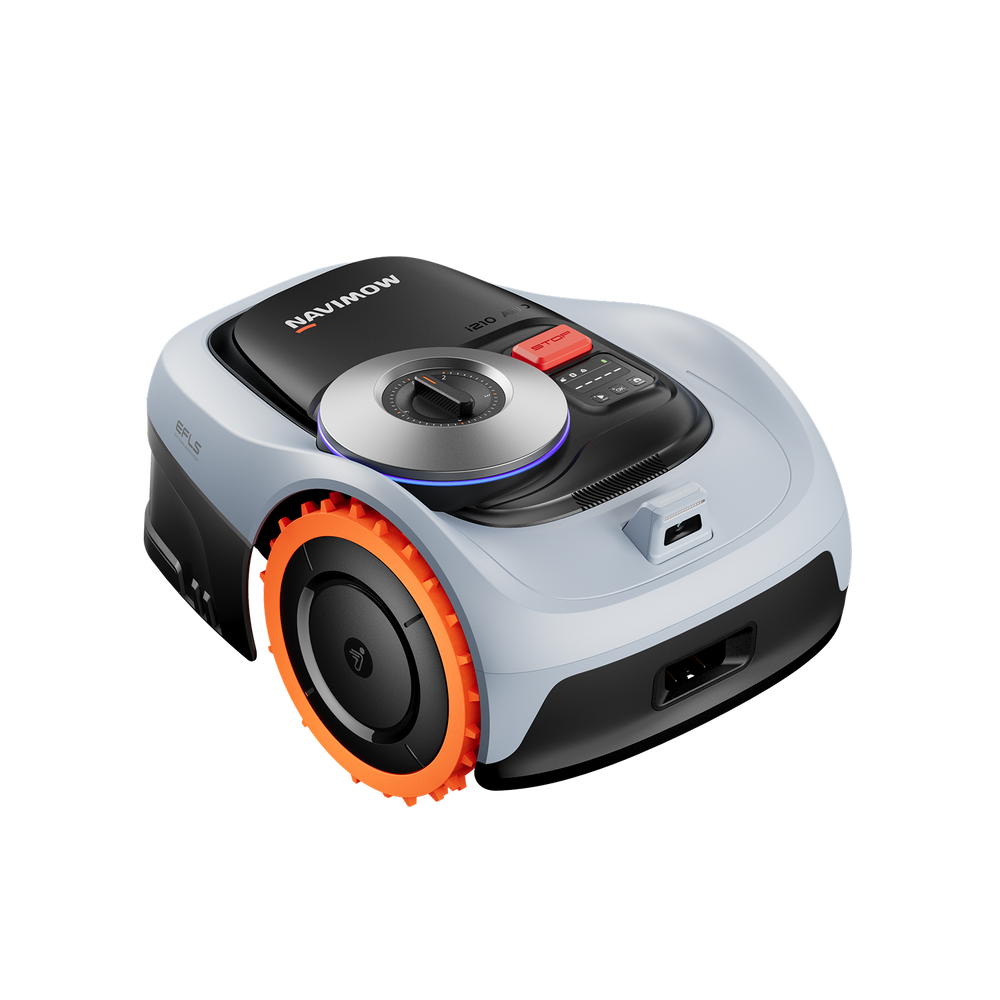
Both are rated for a quarter acre, so the lawn's shape, slopes and setup matter more than the number on the box. We'd check Navimow's network coverage first, then decide whether Dreame's LiDAR navigation and higher climbing claim would help in your yard.
Based on published manufacturer information.
Checked Nov 27 · In stock when checked. Shipping and tax at checkout.
Buy at Lowe’s See all offers & model details ↗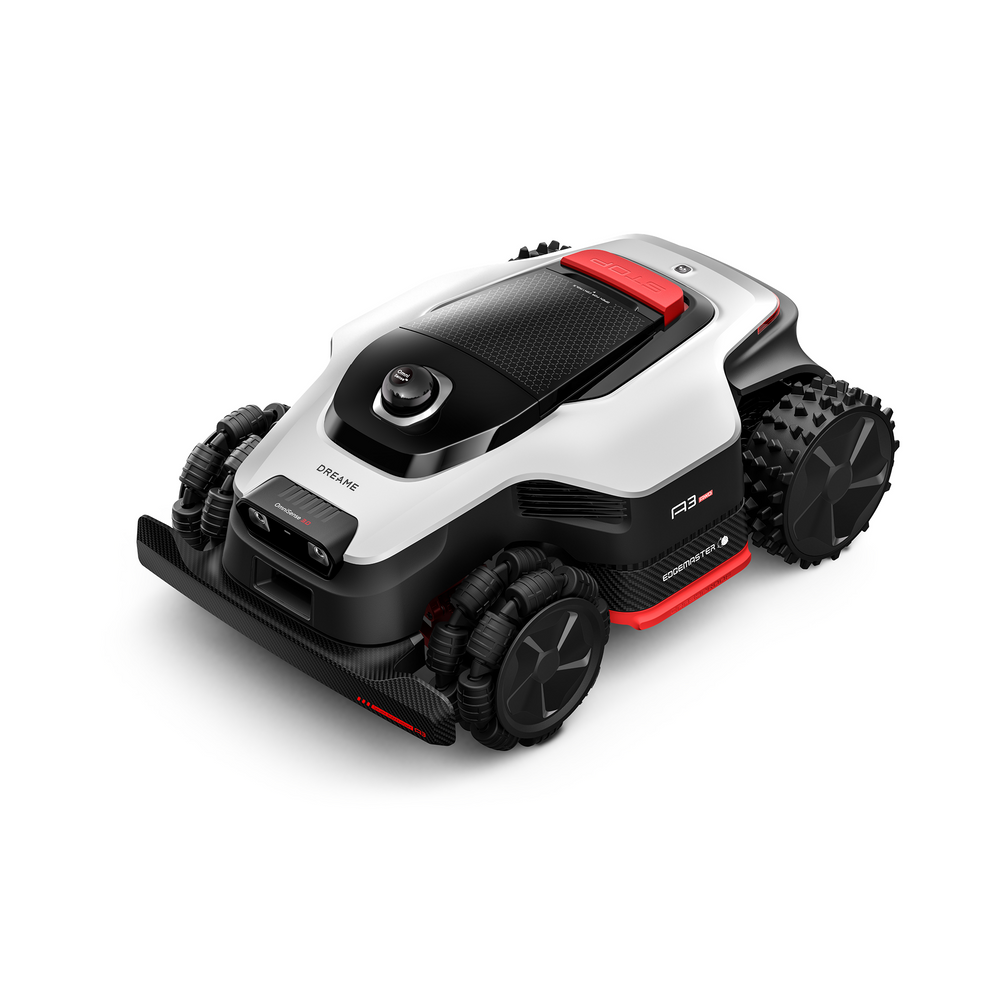
Checked Nov 27 · In stock when checked. Shipping and tax at checkout.
We may earn a commission when you buy through these links.
Our recommendations come from published specifications. We may earn a commission from qualifying purchases. As an Amazon Associate, we earn from qualifying purchases. How we work
The quick verdict
Here’s where we’d start.
We'd consider i210 AWD for a suitable quarter-acre lawn after confirming network RTK coverage and the exact cutting range. Dreame A3 AWD 1000 is the clearer choice to investigate when you want LiDAR positioning without an RTK station, a documented 1.2–3.9-inch cut or more climbing headroom. Both need a workable route around your lawn; matching area ratings don't make them interchangeable.
i210 AWD
A quarter-acre rating and AWD make i210 worth comparing when Navimow's network RTK installation suits your address.
Check network coverage, cutting height and the complete package. Its maximum climbing claim is 45%, not 45 degrees.
A3 AWD 1000
A3 AWD 1000 combines LiDAR and binocular vision with a documented 1.2–3.9-inch cut and an 80% climbing claim.
The climbing figure isn't a boundary allowance. Confirm the exact 4G terms; the page gives conflicting included periods.
Measure the grass, then walk the awkward bits.
The Navimow i210 AWD and Dreame A3 AWD 1000 are both rated for 0.25 acre of lawn. That means grass, rather than the whole property. A house, driveway and large patio can make a quarter-acre lot a much smaller mowing job.
Once you've measured, look at where the mower would spend its time. A flat rectangle is a different job from the same area split around beds, trees and a narrow side passage. Our small-yard mower guide helps if you're still deciding whether either belongs on your list.
If the grass is well below a quarter acre, our i206 AWD versus i210 AWD guide checks whether the smaller Navimow tier is enough before this cross-brand comparison.
A little lawn can still have a demanding slope.
Navimow lists a 45% climbing maximum, approximately 24°. Dreame lists 80%, approximately 38.7°. Both advertise AWD, but the different manufacturer limits give owners of steeper lawns a concrete reason to investigate Dreame. Neither figure tells us which will grip better on the same wet bank.
Measure the steepest mowing area and check the turns at its top and bottom. The maximum climb doesn't establish how close the mower can work beside water, a road or a drop. If that bank is deciding the purchase, use the hilly-yard guide to compare the installation questions as well as the drive systems.
Keep your usual cutting height in the decision.
Dreame's documented cutting range is 1.2–3.9 inches, with a 7.9-inch cutting width. If you normally leave the lawn around three and a half inches, that is a useful specification to have in writing. It doesn't mean the robot should start in grass at that height without checking the first-mow instructions.
We haven't established an exact US i210 cutting range from the reviewed specification text. Ask Navimow to confirm it for the selected model before choosing, particularly if you keep the grass very short or tall. Don't borrow a range from i105 or a similarly named regional mower. The taller-cut guide offers alternatives with confirmed ranges.
Picture a normal mowing day, including the closed gate.
The mower needs to reach the grass and get back to its charger. If the side gate stays shut for a dog, decide how the front lawn will be handled before ordering. Automatic mapping doesn't open a gate, and a larger area allowance doesn't create a route through a step.
Walk the proposed charger approach and the narrowest passage with each brand's installation instructions. Our separate front-and-back lawn guide covers the route questions. We'd settle those before paying extra for an obstacle feature that may never solve the actual obstruction.
Compare the connection terms and the complete offer.
Navimow's current no-extra-cost network statement is useful, but confirm which services and installation it covers for i210 at your address. Dreame's feature list advertises one year of 4G while reused FAQ wording says up to three. Get the 1000's included period and renewal terms confirmed; cellular access and the mower's positioning method are separate questions.
We'd choose i210 when its confirmed setup, cutting range and delivered offer suit a fairly gentle lawn. We'd lean toward investigating Dreame when its documented height range or higher climbing allowance answers a real requirement. Check chargers, installation hardware and spares in the selected package. The Navimow lineup and Dreame lineup explain the next sizes if a quarter acre leaves too little room.
If edge work is the bigger frustration, GOAT O1000 LiDAR PRO versus A3 AWD 1000 adds an integrated-trimmer alternative to the Dreame comparison. Its lawn-size and border checks still come before the feature label.
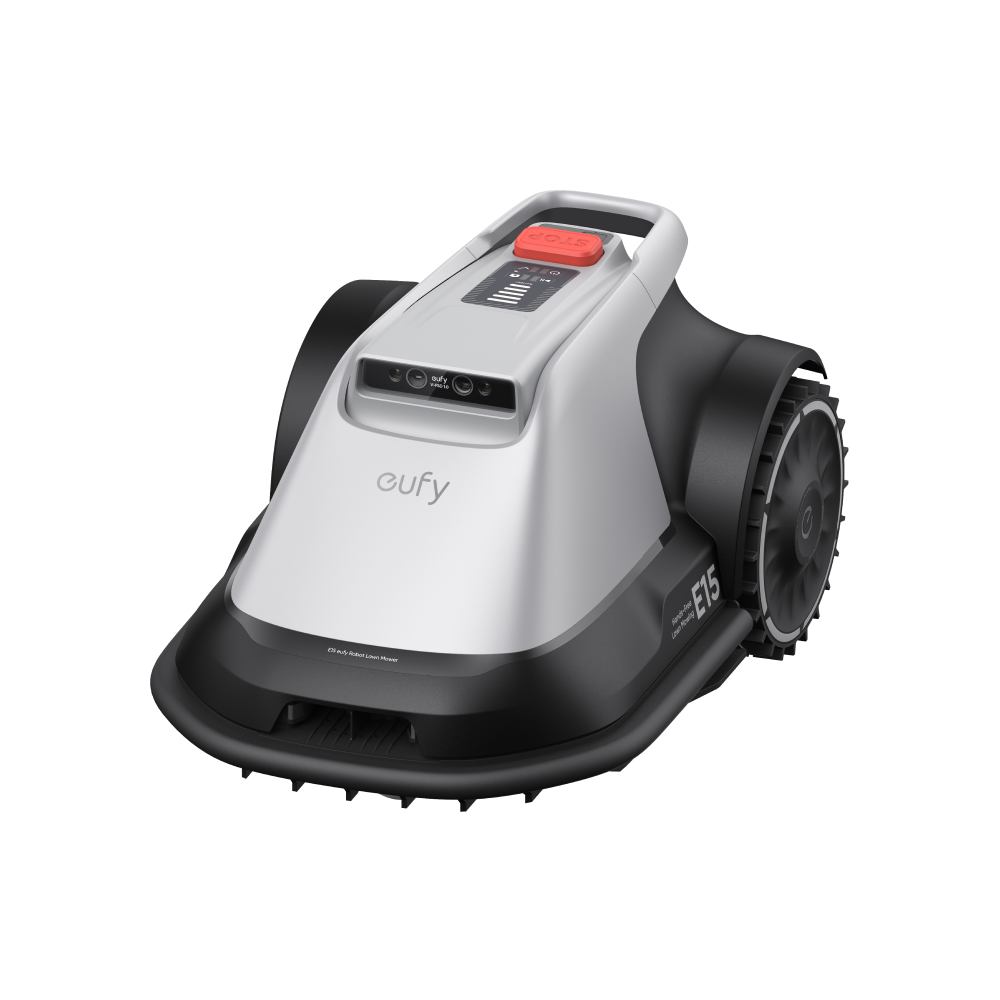
For another camera-based alternative, our eufy Gen 2 versus i210 AWD guide compares essentially the same area tier, with eufy’s grass and daylight restrictions checked before the installation features.
A closer look
The differences, in view.
Scroll horizontally on smaller screens. Values are manufacturer claims; see each product for qualifiers and original wording.
| Specification | i210 AWD | A3 AWD 1000 |
|---|---|---|
| Maximum slope | 45 % | 80 %Maximum climbing claim; separate boundary limit not documented in this capture. Not an independent traction test. |
| Drive system | All-wheel drive | AWD |
| Navigation | Not confirmed | 360° 3D LiDAR + binocular AI vision |
| Boundary setup | Not confirmed | No perimeter wire or RTK station |
| Maximum slope | Not confirmed | 38.7 °Manufacturer rounded equivalent. |
| Cutting width | Not confirmed | 7.9 in |
| Cutting height | Not confirmed | 1.2–3.9 in0.2-inch increments. |
Ready to choose?
Your next step, made simple.
Checked Nov 27 · In stock when checked. Shipping and tax at checkout.
Buy at Lowe’s See all offers & model details ↗Checked Nov 27 · In stock when checked. Shipping and tax at checkout.
We may earn a commission when you buy through these links.
Show your work
Sources & editorial method.
We reviewed official US product information and exact configurations. Our advice draws on published specifications and model-specific manufacturer instructions, with the practical trade-offs explained. Unknowns and conflicting claims are kept visible. Prices above come from the catalog and may change independently of this article’s review date.
- Navimow i2 AWD — exact i210 area, climbing claim, network RTK, address coverage and current service wording
- Dreame A3 AWD — exact 1000 area, cutting range, LiDAR/vision, drive and conflicting 4G terms
Published Nov 2, 2026 · Editorial review Nov 3, 2026.
Read our research standardsKeep exploring
A little more perspective.
The Best Robot Mowers for a Small Yard
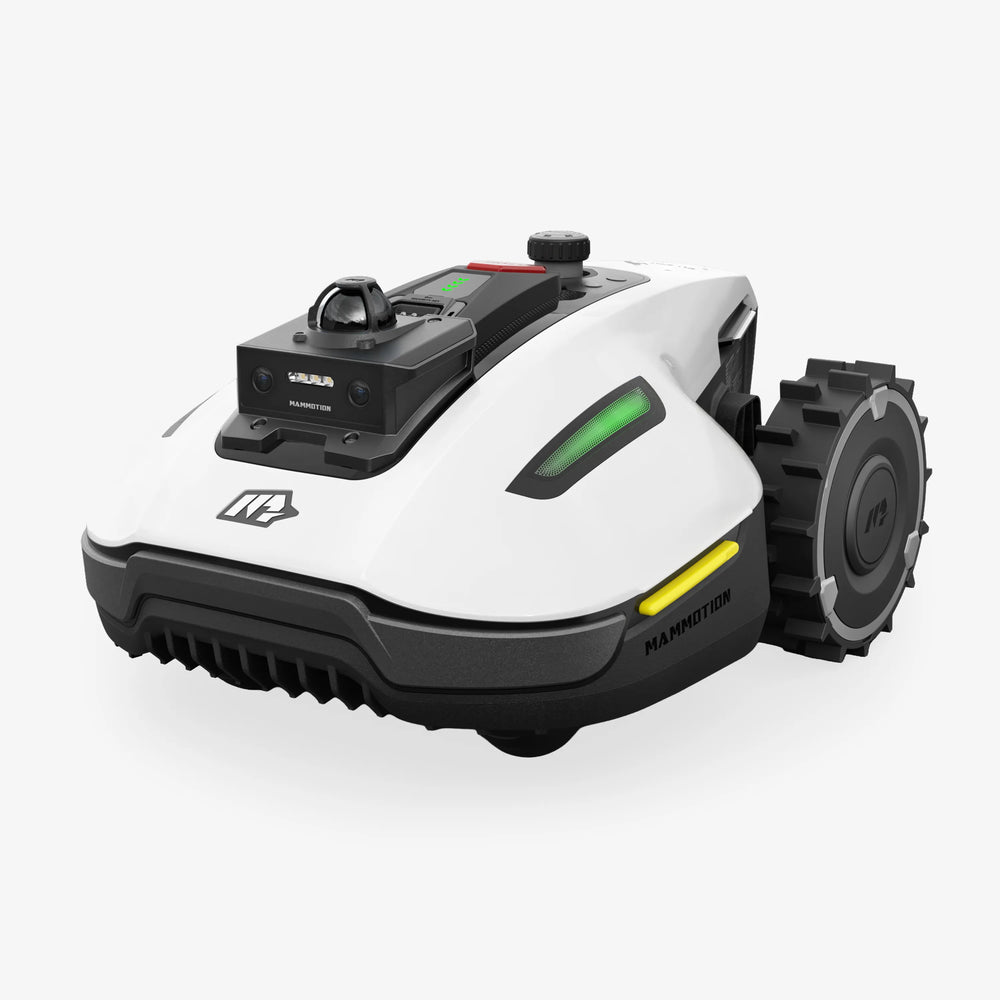
A small lawn can still have a steep patch, an awkward gate or grass you want kept taller. We'd compare the exact area, cutting range and installation before choosing among these Mammotion, Dreame, eufy, Navimow and ANTHBOT options.
Read the guide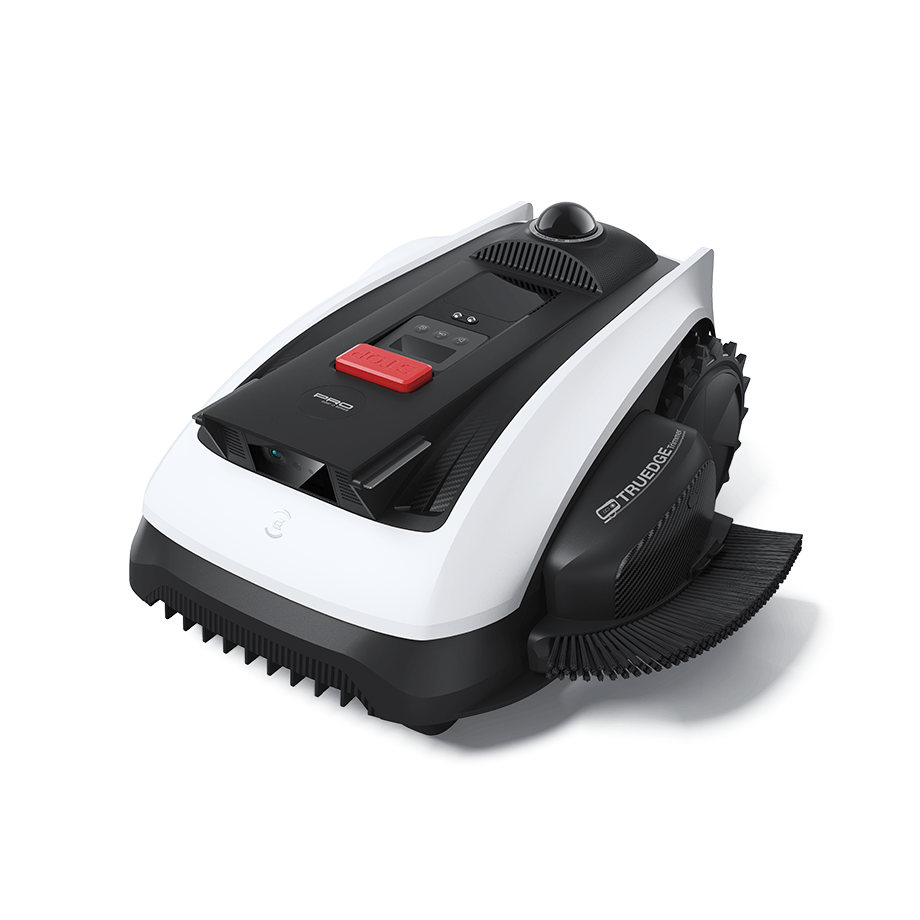 vs
ECOVACS GOAT O1000 LiDAR PRO vs Dreame A3 AWD 1000
The GOAT's built-in edge trimmer and the Dreame's all-wheel drive give you two different reasons to buy. We'd start with the parts of your lawn that are hardest to maintain, then check size, cutting height and the route around the yard.
Read the guide