Model comparison · 6 min read
LUBA 3 AWD 1500 vs 3000: Which Size Should You Buy?
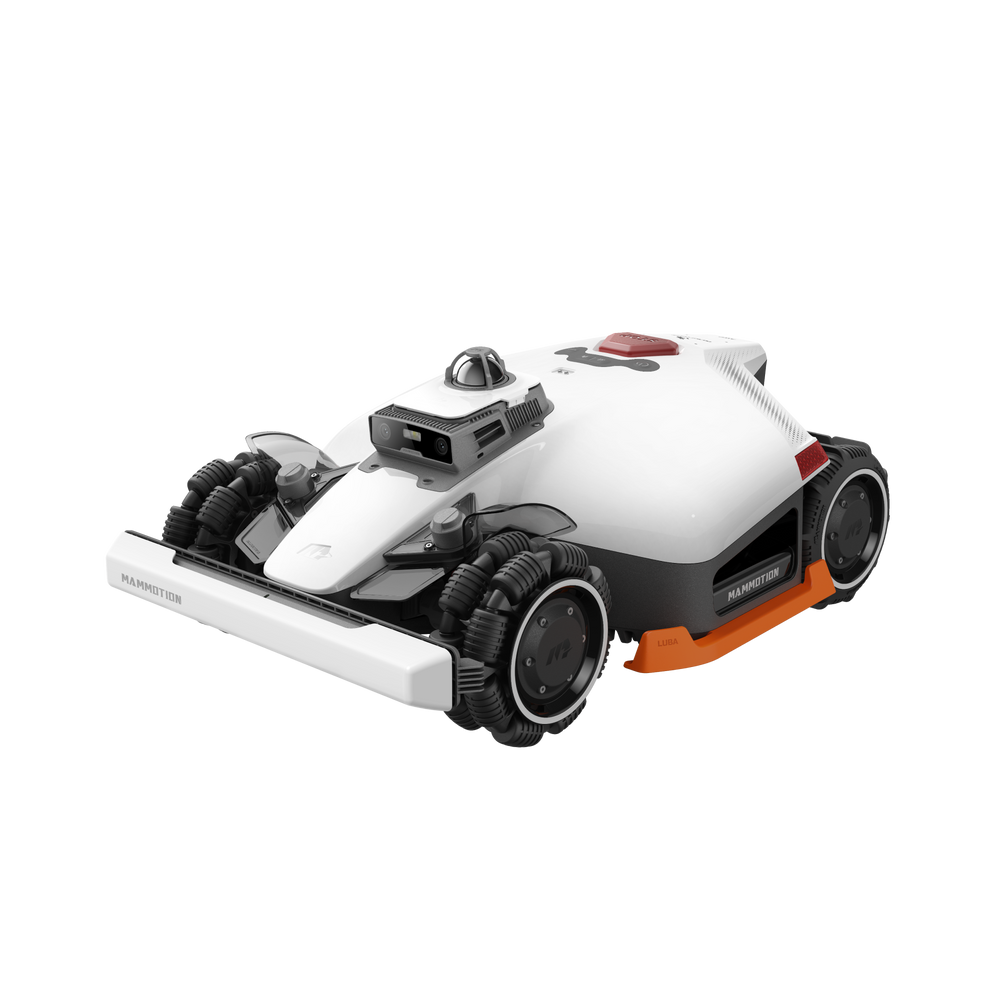
We'd choose between these standard-height LUBA 3 models by grass area and positioning setup. The 3000 raises the lawn-size rating, but it keeps the same deck, cutting-height range and climbing claim. The smaller 1500 has its own station-free navigation arrangement.
Based on published manufacturer information.
No current brand offer. Explore Amazon options.
No current brand offer. Explore Amazon options.
We may earn a commission when you buy through these links.
Our recommendations come from published specifications. We may earn a commission from qualifying purchases. As an Amazon Associate, we earn from qualifying purchases. How we work
The quick verdict
Here’s where we’d start.
We'd start with standard LUBA 3 AWD 1500 for a suitable lawn within 0.37 acre, particularly if its documented LiDAR-and-vision setup without RTK/NetRTK suits you. Move to standard 3000 when its 0.75-acre rating is needed and the positioning arrangement fits the property. Both offer a 15.7-inch deck, a 1–2.7-inch range and an 80% climbing claim. More rated area doesn't establish a faster finish or a longer model-specific runtime.
LUBA 3 AWD 1500
Standard LUBA 3 AWD 1500 has the same deck and cutting range as 3000, with model-specific positioning without RTK/NetRTK.
Its package excludes RTK reference equipment. Confirm routes, available mowing hours and current exact-variant availability.
LUBA 3 AWD 3000
Standard LUBA 3 AWD 3000 raises rated lawn area to 0.75 acre while retaining the shared cutting system.
Its package includes RTK equipment alongside advertised NetRTK options. Confirm the arrangement and ongoing connection costs.
Measure the lawn rather than the whole property.
The standard LUBA 3 AWD 1500 is rated for 0.37 acre; the standard 3000 for 0.75 acre. Add together the front, back and side grass, excluding the house, driveway and beds. A half-acre property may have much less than half an acre for the robot to mow.
We'd investigate 1500 when the measured grass fits its rating and 3000 when it doesn't. Neither rating is per-charge mowing area. Ask how your layout and allowed working hours affect the recommendation. Our Mammotion buying guide explains the wider lineup if these aren't the right two sizes for your yard.
The 1500 has its own positioning description.
Mammotion specifically describes LUBA 3 1500 as using 360° LiDAR and AI vision without RTK/NetRTK. We'd keep that model-specific wording with the 1500 rather than borrow the larger models' navigation headline. Its reviewed package excludes the RTK reference station, antenna, extension cable and RTK power supply.
LUBA 3 3000 combines LiDAR, NetRTK and dual-camera AI vision. Its package lists physical RTK equipment as well. Ask which local or network arrangement applies at your address and what connections it needs. Our mowers without an RTK station guide helps if avoiding that equipment is a firm requirement. Our navigation guide compares this model-specific distinction with camera and LiDAR/vision alternatives.
If you prefer another brand with LiDAR/vision positioning, read LUBA 3 AWD 1500 versus MOVA Ultra 2000 AWD. The comparison keeps the smaller LUBA’s no-RTK setup and standard height range explicit.
Plan where the charging and positioning equipment would go.
The 1500 package confirms the mower, extra blade set, charging station and charger power supply. The 3000 adds the listed RTK reference equipment and associated installation items. We'd draw the intended locations before comparing complete costs. The setup you can accommodate may be more useful to know than another family-level feature name.
Both still need a charger location, mapped boundaries and suitable travel routes. Ask about unclear grass edges, the return route and any equipment placement requirements. A station-free positioning description doesn't mean the mower needs no setup. If installation work or an accessory is required, include it in the quote for that exact model.
They share AWD and the same climbing headline.
Both list AWD and an 80% climbing maximum, around 38.6°. That shared figure isn't a reason to pay for 3000. It also doesn't establish boundary allowances or measured grip on your ground. Our hilly-yard guide explains how to compare the bank, surrounding edges and drive requirements.
Then check how the mower gets between lawns. A gate kept closed, tight turn or narrow route can matter more than spare rated capacity. Deck width isn't overall body width, so don't use 15.7 inches as a passage-clearance requirement. We'd ask for the actual clearances and show the manufacturer the awkward parts before ordering.
The larger area rating doesn’t establish your finishing time.
The reviewed source doesn't consistently assign its series battery and runtime headlines to each of these exact variants. We leave those figures unconfirmed rather than describe 3000 as lasting a particular amount longer. Its higher lawn rating is useful for choosing a size, but it isn't a complete account of mowing and charging.
Ask for a schedule that includes travel, recharging and the separate grass sections. Explain when the lawn needs to be free for the household. If both sizes fit the measured grass area, we'd compare those confirmed schedules and the installation costs rather than assume the larger number guarantees an earlier finish every day.
Keep 4G service separate from iNavi wording.
Both models list three years of included 4G, with future renewal prices unverified. The 3000 page also advertises lifetime iNavi separately; that doesn't establish free cellular data forever. Ask which service applies to the chosen positioning arrangement and what continues to work if you don't renew a paid connection.
We'd also compare replacement blades, servicing and the complete delivered package. Check current availability for the exact height version, not just the family page's starting offer. For a lawn near half an acre, our half-acre guide compares other machines if the capacity, setup or available offer makes neither LUBA the obvious choice. The subscription guide explains why lifetime positioning and general cellular access need separate answers.
Choose 1500 when it fits; choose 3000 for a clear area need.
We'd start with 1500 for a suitable lawn within 0.37 acre and a preference for its documented LiDAR-and-vision setup. Consider 3000 when the 0.75-acre rating answers the measured job and its positioning requirements are clear. The shared deck, height range and climbing claim don't create separate upgrade advantages.
Save the full model name, standard-height selection and installation advice beside each offer. That makes the comparison easier to finish without accidentally switching to an H version or another package. Once height, area, routes and connection terms agree, choose on the complete available cost and the support you expect to use.
If the measured lawn exceeds the 3000 tier, our 3000 versus 5000 guide covers the next area step and both height versions, rather than assume a larger number brings a wider deck.
If Dreame is also on the list, our standard LUBA 1500 versus Pro 2500 guide compares the larger Dreame recommendation and taller adjustment without transferring another LUBA size’s network requirements.
A closer look
The differences, in view.
Scroll horizontally on smaller screens. Values are manufacturer claims; see each product for qualifiers and original wording.
| Specification | LUBA 3 AWD 1500 | LUBA 3 AWD 3000 |
|---|---|---|
| Rated lawn coverage | 0.37 acreRated lawn area for this exact US variant, not per-charge mowing area. | 0.75 acreRated lawn area for this exact US variant, not per-charge mowing area. |
| Navigation | 360° LiDAR + AI vision1500-specific text; the page explicitly says without RTK/NetRTK. | 360° LiDAR + NetRTK + dual-camera AI vision |
Ready to choose?
Your next step, made simple.
No current brand offer. Explore Amazon options.
No current brand offer. Explore Amazon options.
We may earn a commission when you buy through these links.
Show your work
Sources & editorial method.
We reviewed official US product information and exact configurations. Our advice draws on published specifications and model-specific manufacturer instructions, with the practical trade-offs explained. Unknowns and conflicting claims are kept visible. Prices above come from the catalog and may change independently of this article’s review date.
Published Nov 1, 2026 · Editorial review Nov 5, 2026.
Read our research standardsKeep exploring
A little more perspective.
The Best Robot Mowers for a Low Cut
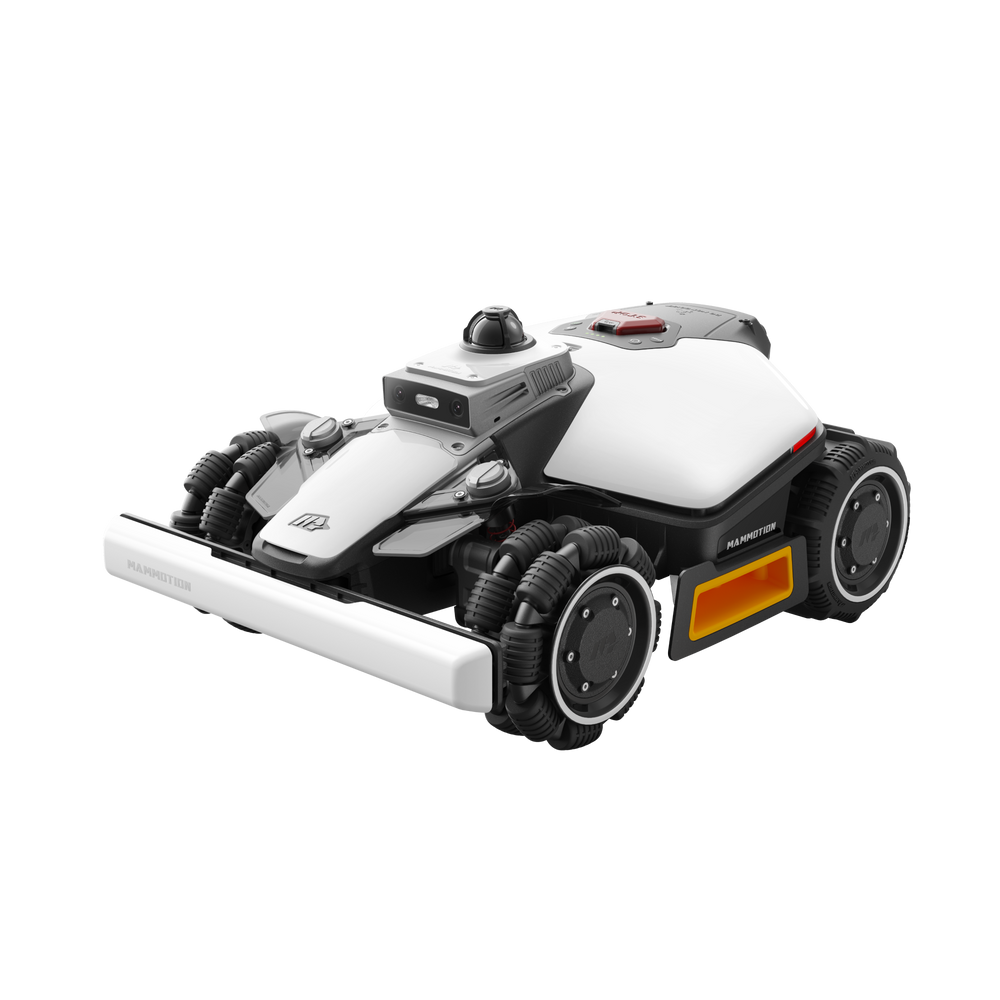
If you already know you want to maintain a lawn around an inch high, the exact height version matters more than the model name. We'd start with standard-height LUBA models, then consider the original eufy E15 only where its grass and terrain restrictions fit.
Read the guide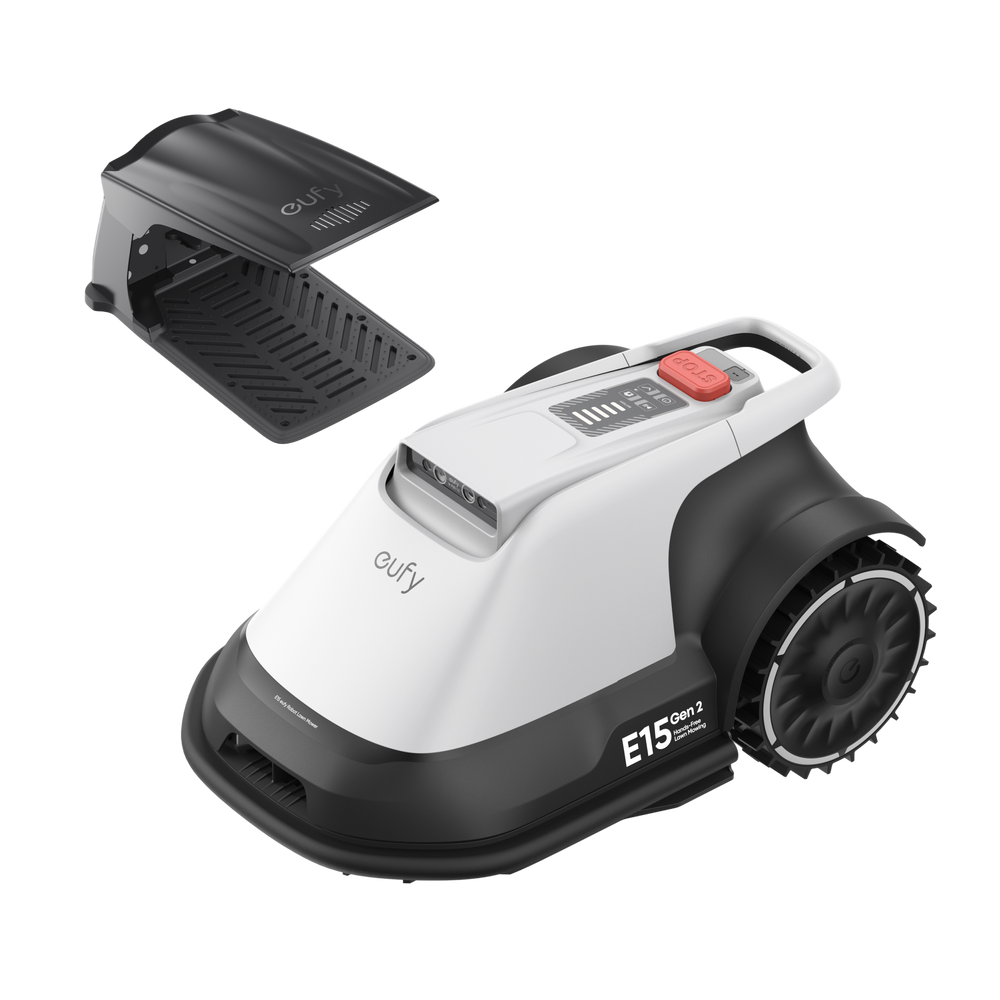
LiDAR, RTK and Camera Navigation: Which Robot Mower Setup Suits Your Yard?
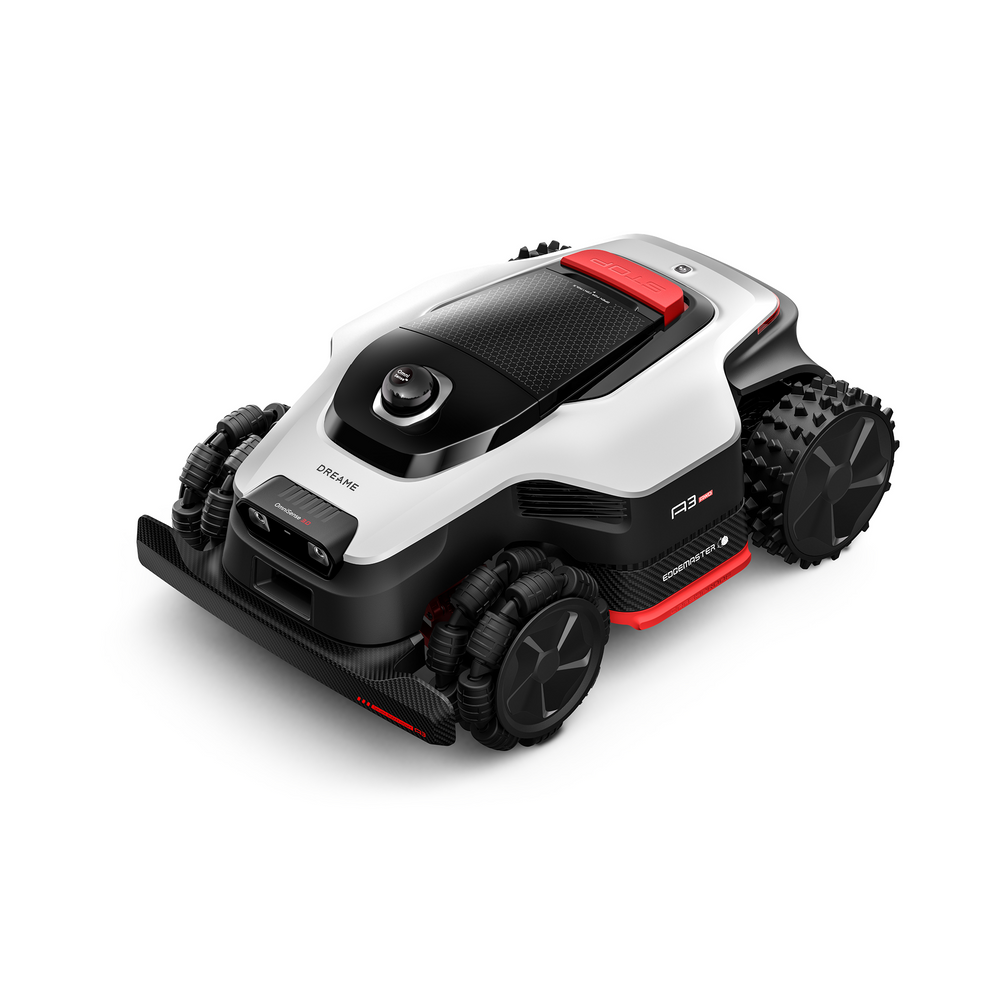
The labels overlap: many robot mowers combine cameras with another positioning system. We'd compare the exact model's equipment and connection requirements, then ask about the awkward parts of your yard instead of choosing a technology name on its own.
Read the guide