Buying guide · 6 min read
One robot mower or two? Plan the routes and workload before buying
Two smaller mowers can solve a physical separation problem, but they also mean two installations and two care routines. Start with the grass in each area, the connection between them and the hours each machine can work.
Based on published manufacturer information.
Checked Nov 27 · In stock when checked. Shipping and tax at checkout.
Buy at Lowe’s See all offers & model details ↗Checked Nov 27 · In stock when checked. Shipping and tax at checkout.
Buy at Lowe’s See all offers & model details ↗We may earn a commission when you buy through these links.
Our recommendations come from published specifications. We may earn a commission from qualifying purchases. As an Amazon Associate, we earn from qualifying purchases. How we work
The quick verdict
Here’s where we’d start.
Start with one suitable mower when it can reach every area and maintain the total grass during the available hours. Consider two when the lawns are physically separate or independent operation has a clear benefit, after checking each lawn and installation separately. Two map allowances do not create a supported crossing, and one large map does not open a closed gate.
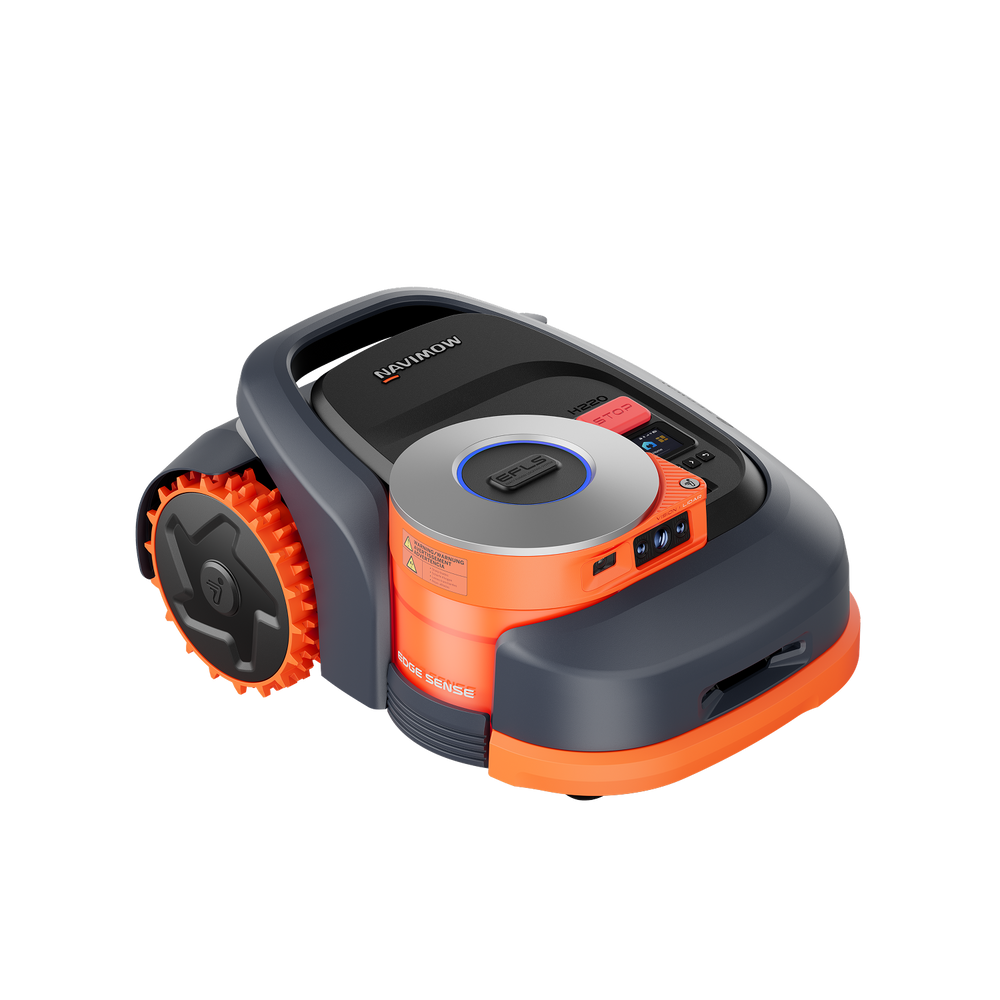
H210
H210 recommends 0.25 acre and shares the H2 positioning system. It illustrates how each lawn needs its own fit check in a two-machine plan.
Two units would require two complete supported installations. Do not assume two recommendations combine into guaranteed output or a shared charging arrangement.
H220
H220 recommends 0.5 acre, making it a useful one-machine example for a smaller divided lawn with an approved connecting route.
All mapped zones share the mower’s total limit. Confirm the mowing window, route and exact installation; a larger allowance is not automatic access to another lawn.
Draw the lawns as places the mower must physically reach.
Mark the grass in each area, the gates, passages, steps and any route outside your own enclosed property. Then show where a charging station could be installed. A front lawn and back lawn are separate work areas even if the total property size sounds modest.
Decide whether the mower can travel between them under its exact installation rules. A closed gate, unsafe crossing or unsupported transition cannot be fixed by making another zone in the app. Our front-and-back-lawn guide and driveway-crossing guide cover those physical questions.
One mower’s zones share one total allowance.
Navimow H210 recommends a quarter acre, while H220 recommends half an acre. The H2 FAQ explicitly says its zones share a total map limit. Dividing a half-acre map into front and back does not give each half a new half-acre allowance.
For two machines, assess each assigned lawn against its own exact model. That includes the cut, terrain, positioning and available hours, rather than adding two capacity labels and declaring the property covered. Our lawn-measuring guide helps establish both the total and the per-area figures.
A two-lawn example separates access from capacity.
Imagine 0.18 acre in front and 0.18 acre behind the house: 0.36 acre total. If an approved route joins them, H220 is a candidate under its half-acre recommendation. H210’s quarter-acre recommendation does not cover the combined grass just because each individual lawn is smaller.
If a closed gate prevents autonomous travel, two appropriately approved H210 installations are a possible arrangement to investigate, one for each 0.18-acre lawn. A single H220 would still need a manufacturer-supported alternative routine. Do not assume carrying, multiple stations or separate stored maps work on a model unless its instructions approve that arrangement.
A single mower has to share its working time too.
One machine divides the available time between mowing the two lawns, traveling, returning and charging. If the front lawn is available only in the morning and the back only after family use, that schedule matters as much as total area. Give those restrictions to the supplier before choosing near a capacity limit.
Two machines may work independently when both areas are available, but that is not proof of twice the output on the same test. Each lawn’s shape and charging routine still affect the result. Our mowing-frequency guide explains how to plan around actual working windows.
Two machines need two suitable places to live.
Check power, a supported station approach, positioning and permitted boundaries for each lawn. A convenient base in the back garden does not establish that the front has a workable installation too. Nor should two robots be assumed to share a dock, map or compatible reference equipment.
Consider which person will clear accumulated clippings, clean wheels, replace blades and move equipment for seasonal storage. Two units create a second set of those jobs even if they reduce manual transfers between lawns. Our station-placement guide covers the installation details.
Compare complete ownership costs and the effect of an outage.
Include both stations and power supplies, installation, any required positioning hardware, connected-service renewals, blades and eventual repairs. A lower unit price is not the complete two-mower cost. Ask how each device is registered and supported; do not assume one service plan or accessory purchase covers both.
A two-machine plan can leave one lawn operating while the other unit is serviced. That is useful only if the remaining machine can maintain its own assigned area; it does not prove it can take over both lawns. The subscription guide helps separate included services from ongoing costs.
Price the human part of a one-machine alternative.
If you are considering manually moving one mower, get the exact approved procedure, map handling and charging arrangement first. Ask what happens when the robot needs to charge while it is on the lawn without the base. A capability on another brand or generation is not evidence that the proposed model supports it.
Then decide whether moving the machine during the required hours is a routine you want to keep doing. The saved purchase cost may be worthwhile; it may also defeat the reason you wanted autonomous mowing. Our H210 versus H220 guide covers the separate size choice within H2.
Choose one machine when the complete route works; price two when separation remains.
We would start with a single correctly sized mower for connected lawns when the route and working schedule are confirmed. For physically separate lawns, compare two independent installations with the exact supported one-machine alternative, including the time the owner would spend transferring it.
For the worked example, send the 0.18-plus-0.18-acre sketch and gate details to the installer rather than ask only whether a half-acre mower is enough. The Navimow buying guide adds other size and positioning options if the example models do not fit.
A closer look
The differences, in view.
Scroll horizontally on smaller screens. Values are manufacturer claims; see each product for qualifiers and original wording.
| Specification | H210 | H220 |
|---|---|---|
| Rated lawn coverage | 0.25 acreRecommended model-specific lawn size, not the expanded mapping allowance. | 0.5 acreRecommended model-specific lawn size, not the expanded mapping allowance. |
Ready to choose?
Your next step, made simple.
Checked Nov 27 · In stock when checked. Shipping and tax at checkout.
Buy at Lowe’s See all offers & model details ↗Checked Nov 27 · In stock when checked. Shipping and tax at checkout.
Buy at Lowe’s See all offers & model details ↗We may earn a commission when you buy through these links.
Show your work
Sources & editorial method.
We reviewed official US product information and exact configurations. Our advice draws on published specifications and model-specific manufacturer instructions, with the practical trade-offs explained. Unknowns and conflicting claims are kept visible. Prices above come from the catalog and may change independently of this article’s review date.
Published Nov 9, 2026 · Editorial review Nov 9, 2026.
Read our research standardsKeep exploring
A little more perspective.
vsNavimow H210 vs H220: Which Size Should You Buy?
The H220 makes sense when you have more grass to keep up with. For a smaller lawn, the H210 may already give you what you need. Here's how we'd choose between them without confusing extra map storage with a bigger mowing recommendation.
Read the guide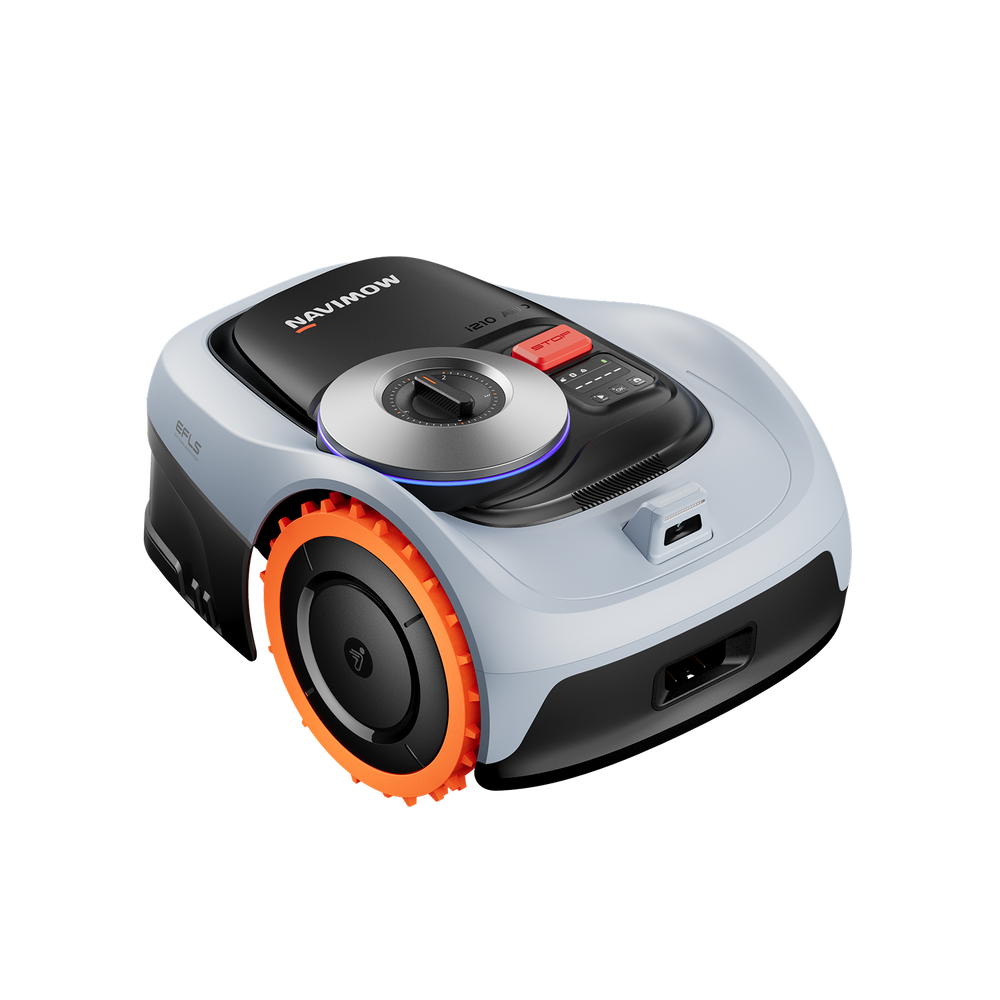
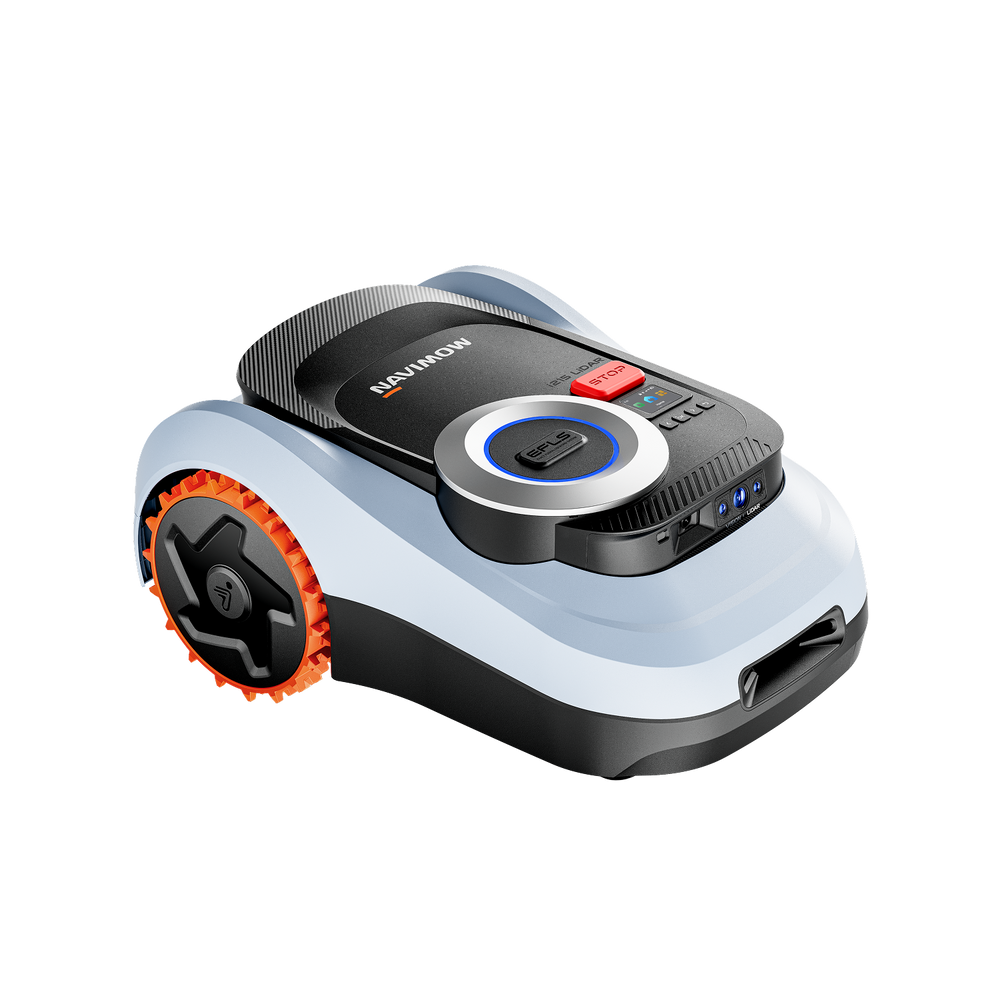
The Best Navimow Robot Mowers: Which Model Should You Buy?
Measure the grass before choosing a Navimow family. A small lawn needing an all-wheel-drive option points you toward a different comparison from a large open yard. We'd settle the area, normal cutting height and installation first, then decide which extra features earn their place.
Read the guide