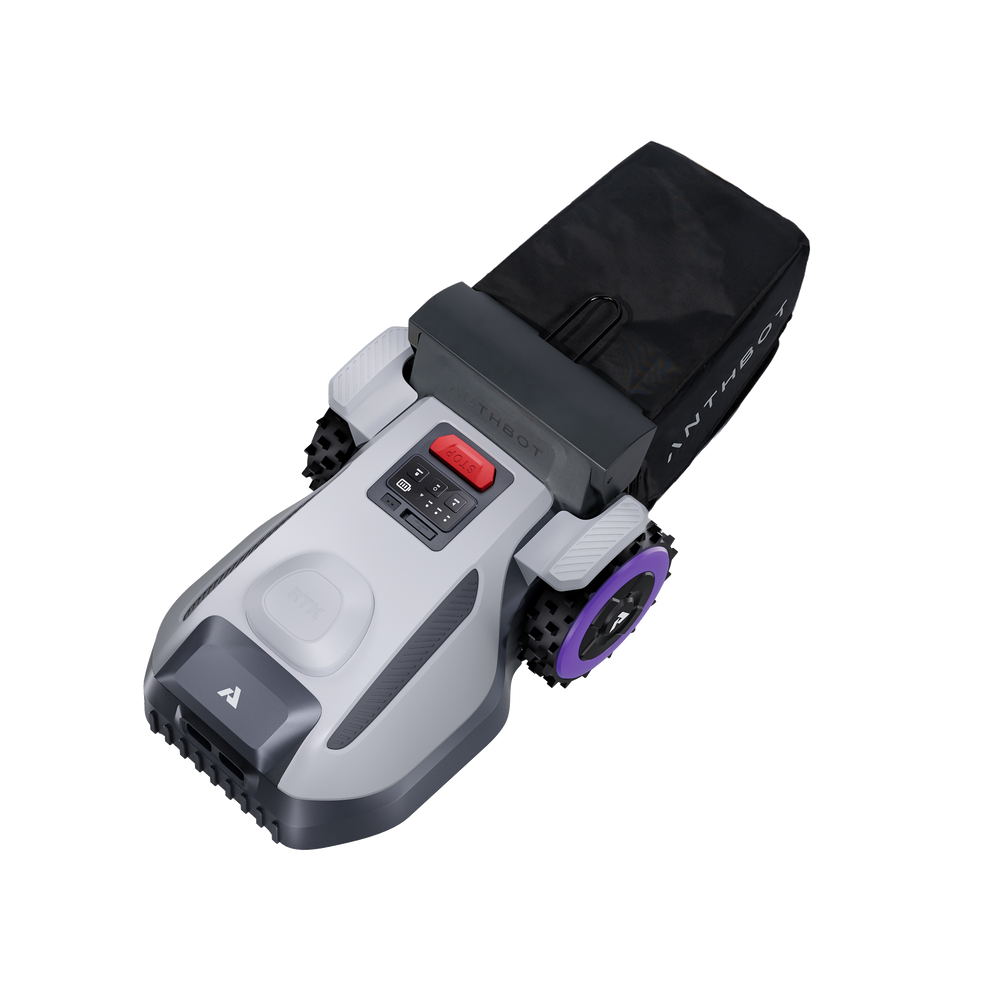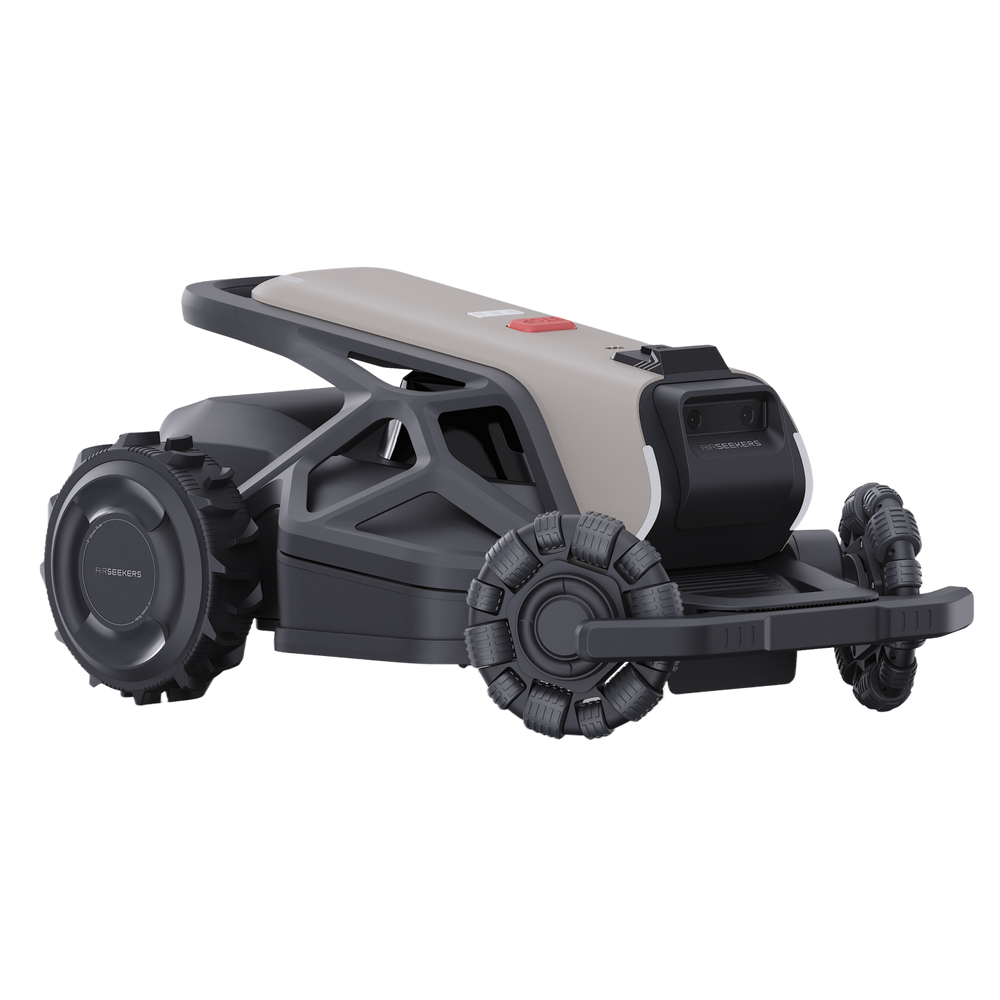
TRON SE
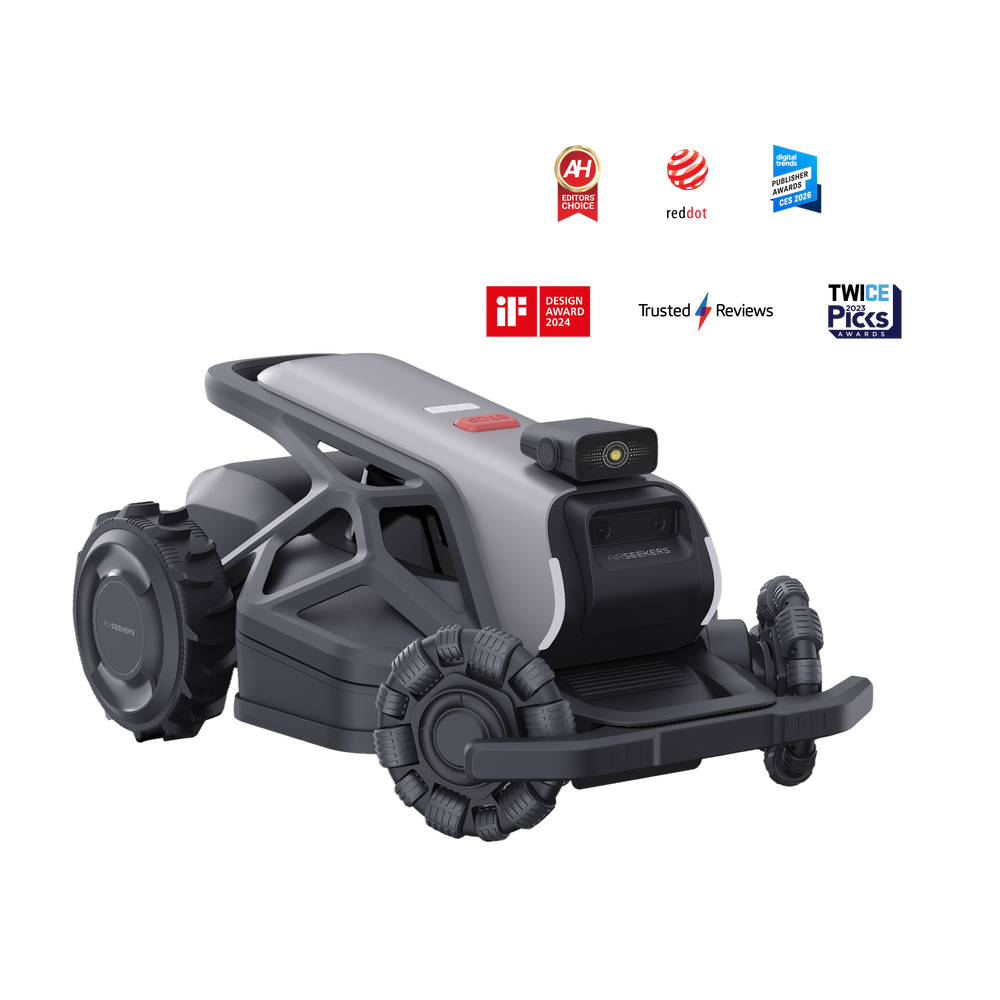
The smallest TRON pairs a 0.37-acre daily coverage claim with a swappable 10 Ah battery and a 1.18–3.54-inch cut. Start here for a smaller lawn; confirm the RTK setup and passage clearance before ordering.
Inside the lineup
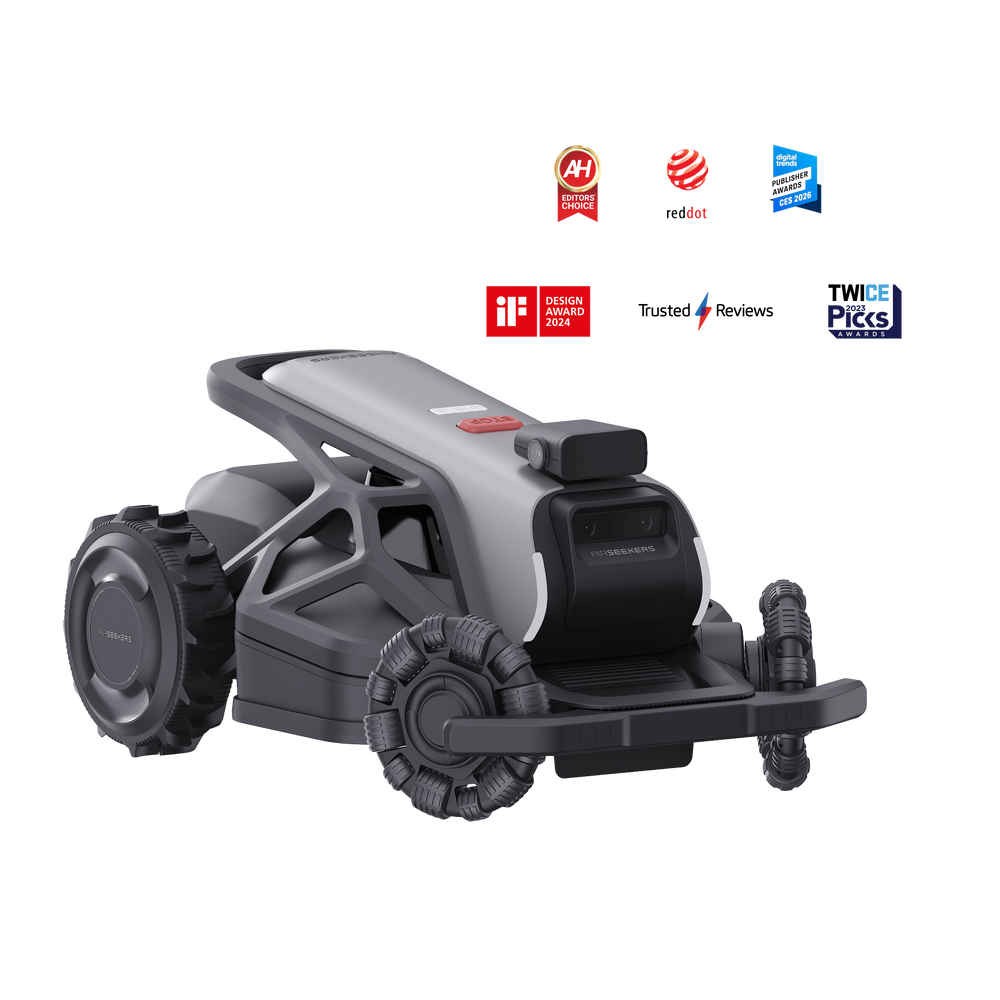
Start with lawn size: TRON SE, TRON and TRON Plus have different coverage ratings and prices. Compare the exact model, standard cutting disc and RTK installation before choosing.
The current catalog
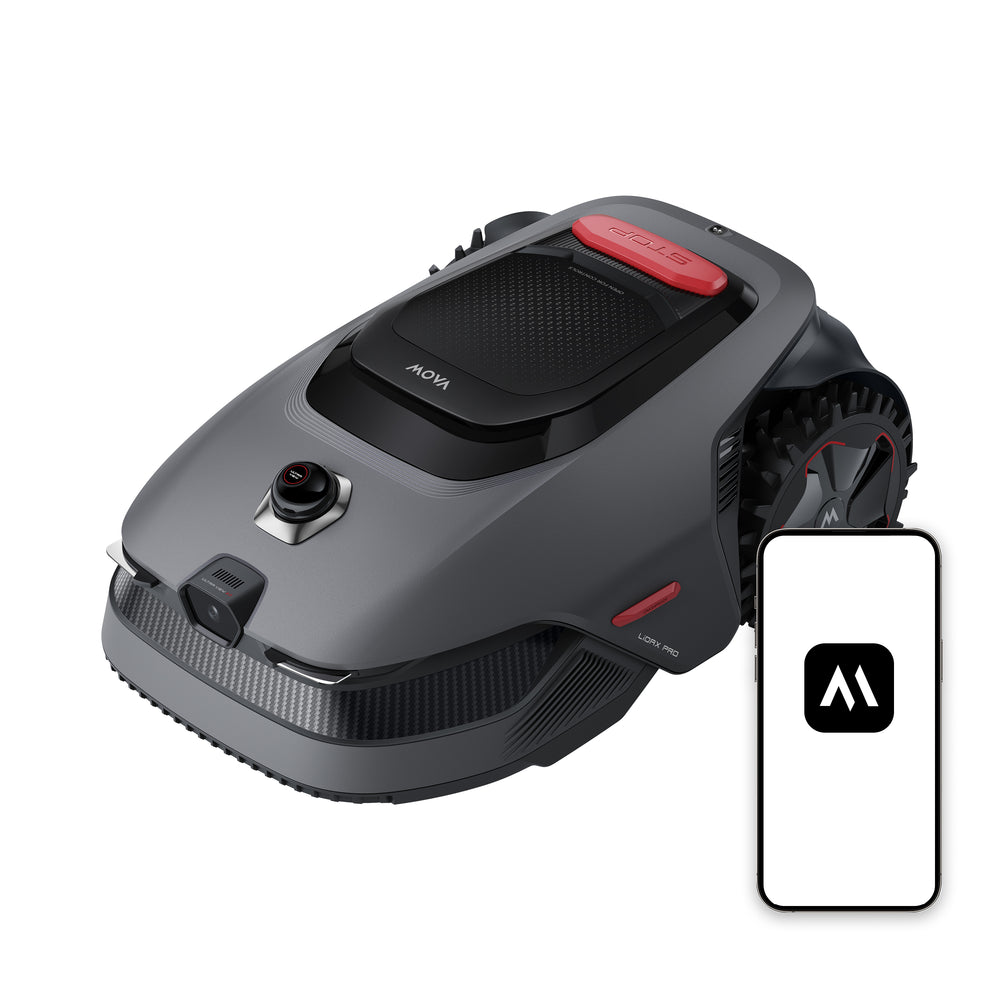
The smallest TRON pairs a 0.37-acre daily coverage claim with a swappable 10 Ah battery and a 1.18–3.54-inch cut. Start here for a smaller lawn; confirm the RTK setup and passage clearance before ordering.
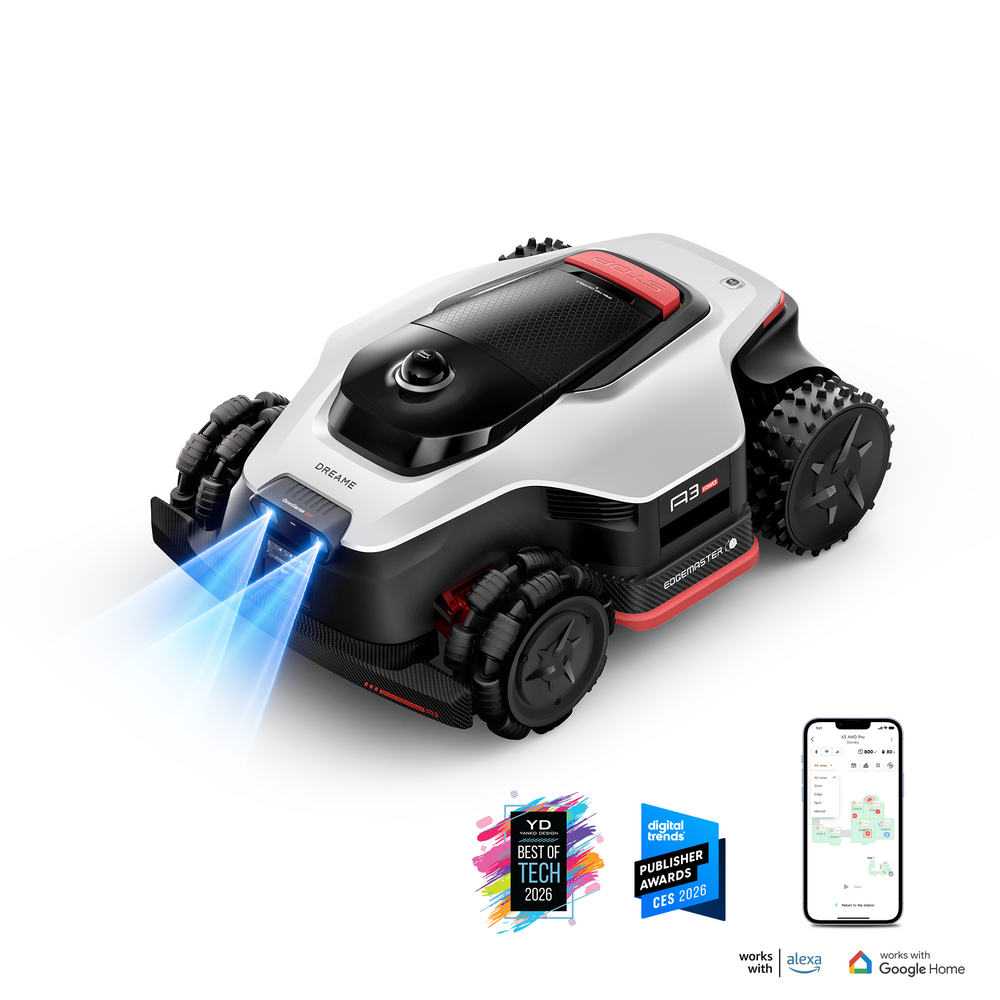
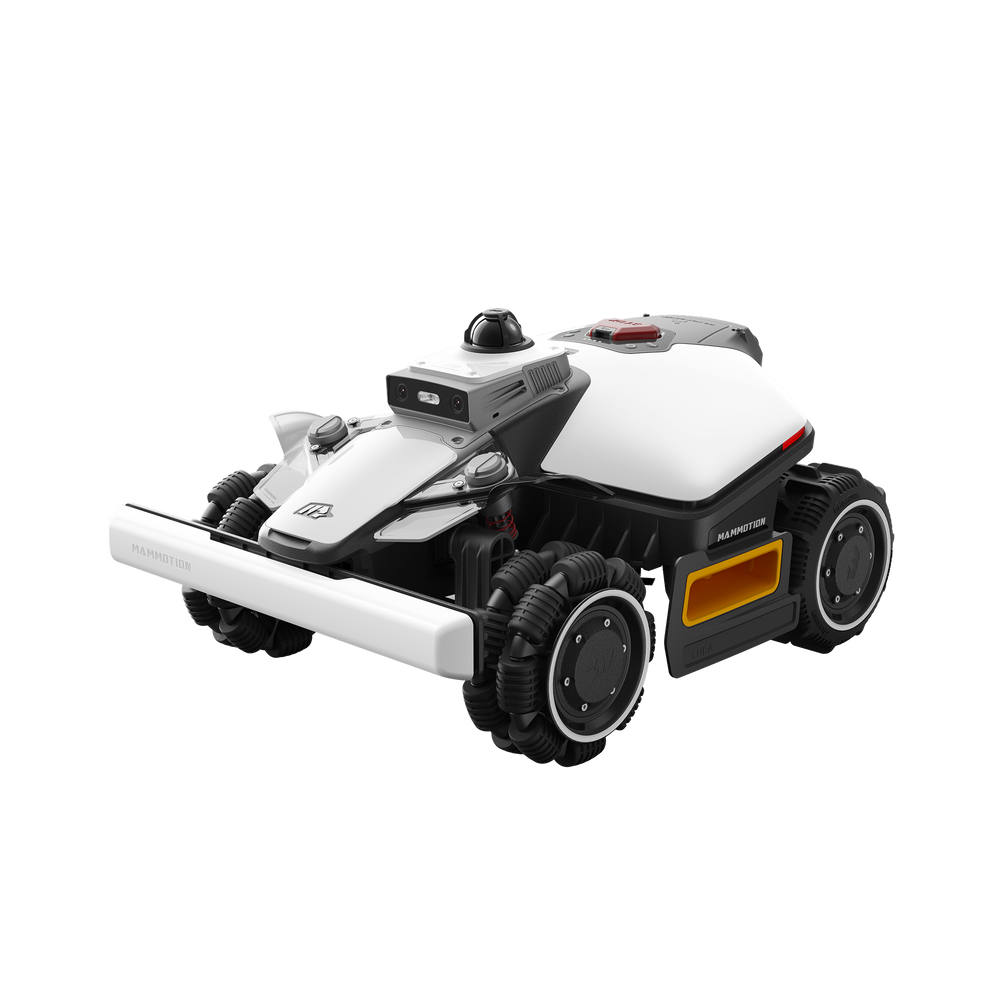
The largest TRON has a one-acre daily coverage claim, a 15 Ah swappable battery and an integrated headlight. Choose Plus for the extra rated area; the standard TRON already covers many smaller lawns.
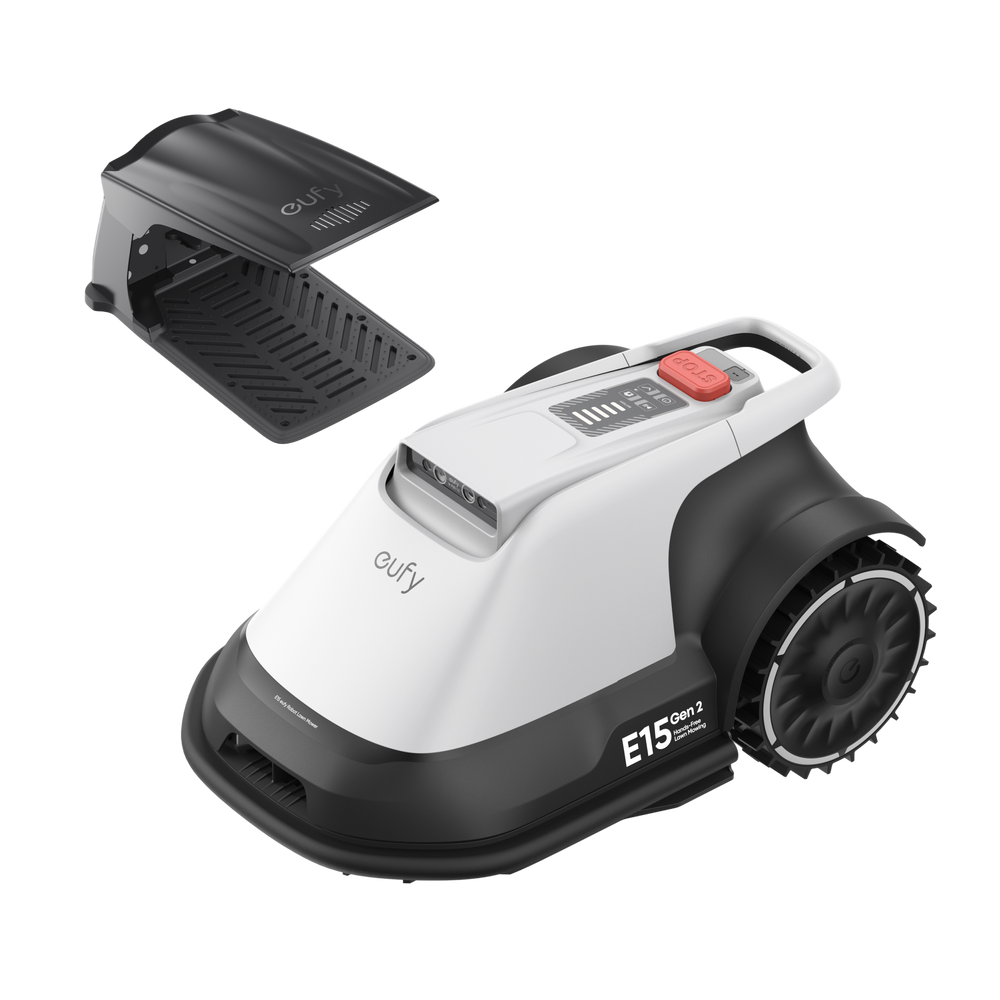
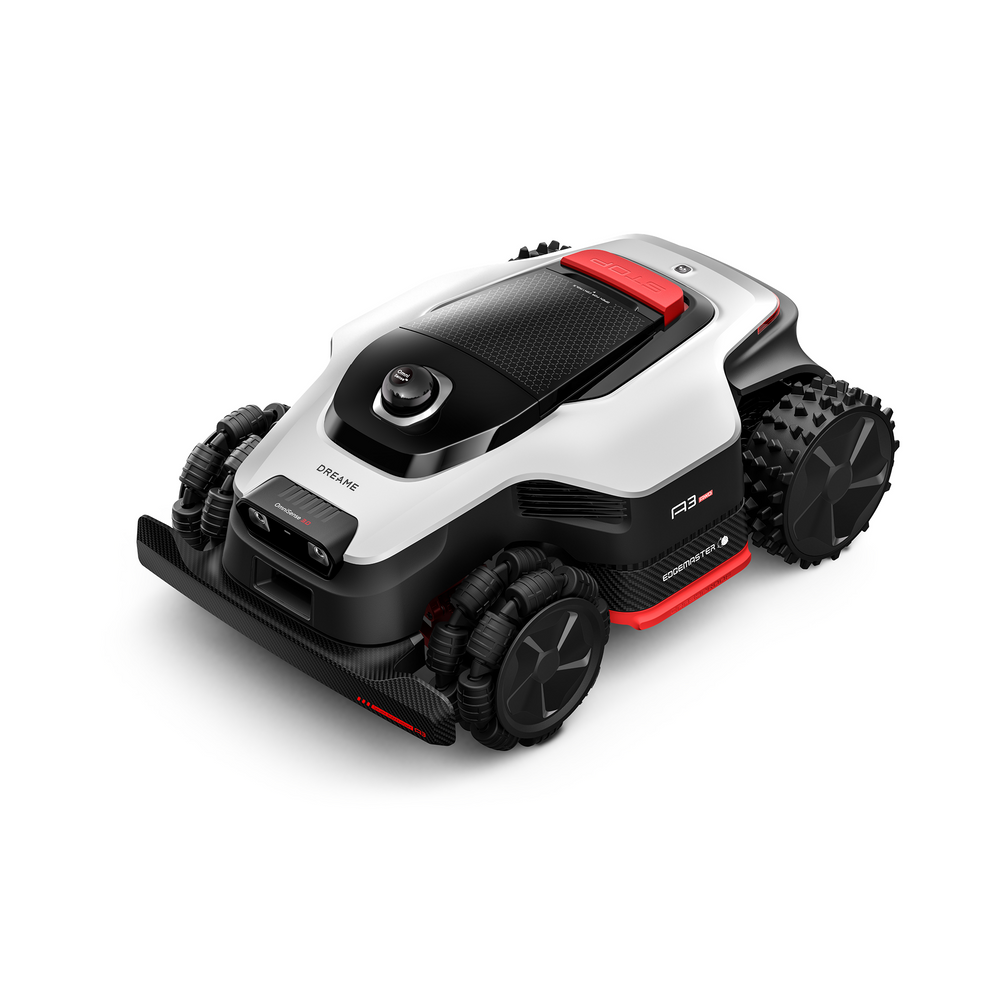
A useful middle ground if your lawn outgrows the SE: a 0.59-acre rating, 15 Ah swappable battery and a 1.18–3.54-inch cut. The Plus on the same shopping page is a different model and price.
Our recommendations come from published specifications. We may earn a commission from qualifying purchases. As an Amazon Associate, we earn from qualifying purchases. How we work
The field guide

vsBoth are worth a look if you have around an acre of grass, but their area figures answer different questions. We'd pay closer attention to the deck, cutting height and installation before deciding which mower belongs in the yard.
Read the guide
vsTRON Plus can leave the grass taller. R35’s headline describes coverage per charge, while TRON Plus also publishes an optimum lawn size. Keep those claims separate when planning the weekly routine.
Read the guide
vsTRON SE advertises up to 0.37 acre a day, while Pro 800 lists a 0.2-acre mapping limit. Those figures describe different things. Your grass height, permitted working hours and positioning setup should decide which is worth assessing.
Read the guide
vsStandard TRON brings a larger battery, a longer advertised mowing session and a wider camera view than SE. We'd pay for those differences when they suit the lawn and schedule, while keeping the shared cutting range, drive and mowing-grade limit in perspective.
Read the guide
vsTRON Plus promises more mowing in a day, but the two models share several of the specifications you'd normally expect to change with an upgrade. Here's when we'd pay for Plus, and what we'd ask before doing so.
Read the guide

A free app, included cellular data and lifetime positioning are different promises. We'd ask which features you need, how they connect and what happens when an included period ends before comparing the long-term cost of a mower.
Read the guide

The labels overlap: many robot mowers combine cameras with another positioning system. We'd compare the exact model's equipment and connection requirements, then ask about the awkward parts of your yard instead of choosing a technology name on its own.
Read the guide

Leaving short clippings on the lawn can be a useful part of regular mowing. Collection adds another option when you want the cuttings removed. We'd decide how you want to handle the grass first, then check the robot, dumping arrangement and lawn fit.
Read the guide

A steep back lawn makes drive and slope limits worth checking, but the biggest climbing number won't choose the mower for you. We'd match the ground, cutting height and grass area first, then make sure the robot can turn and travel where you need it.
Read the guide

We'd start with the amount of grass you need to maintain, then decide whether TRON's larger battery and wider camera view are worth paying for. The shared product pages make a few details easy to miss, especially the daily mowing claims and RTK setup.
Read the guide