Aiper
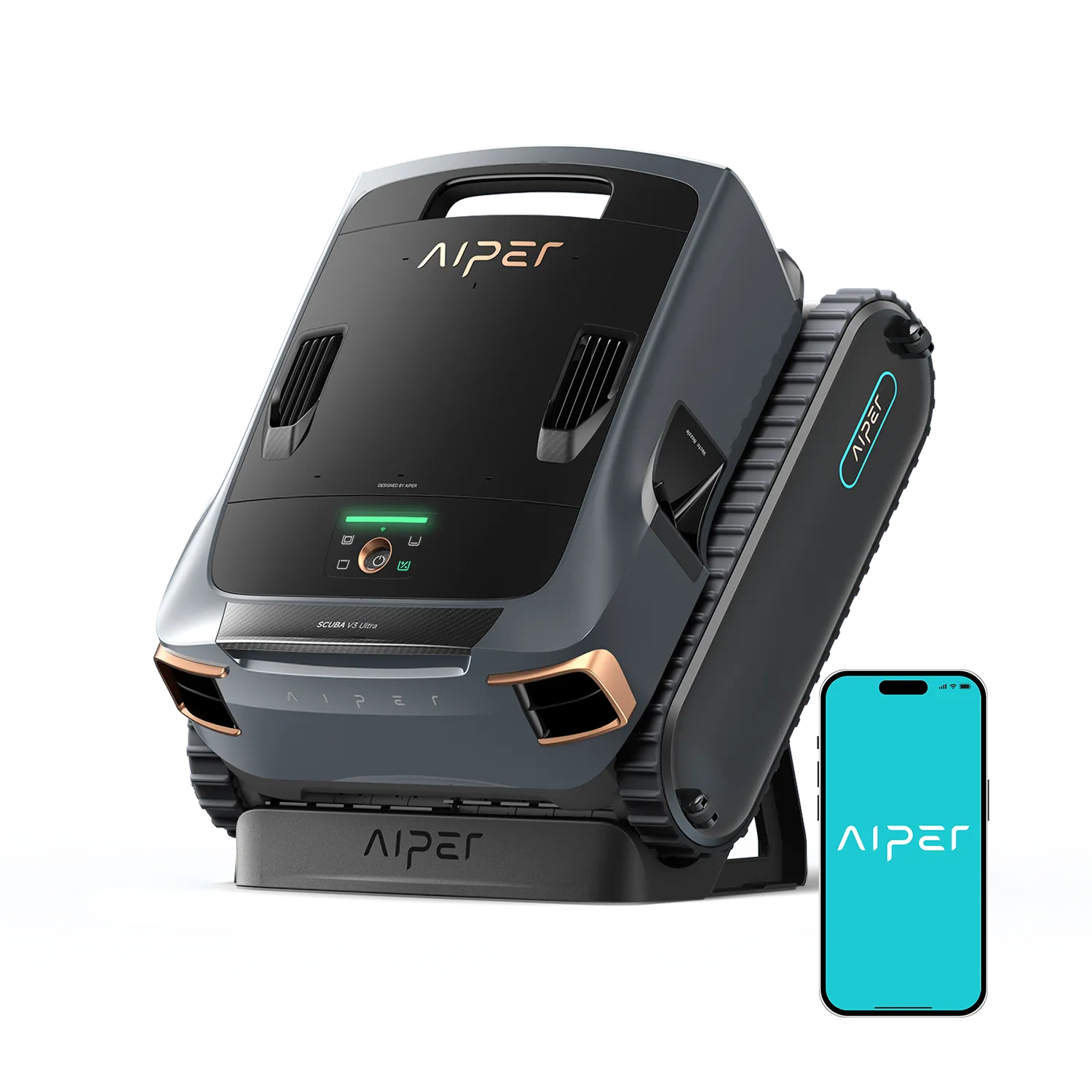
Scuba V3 Ultra
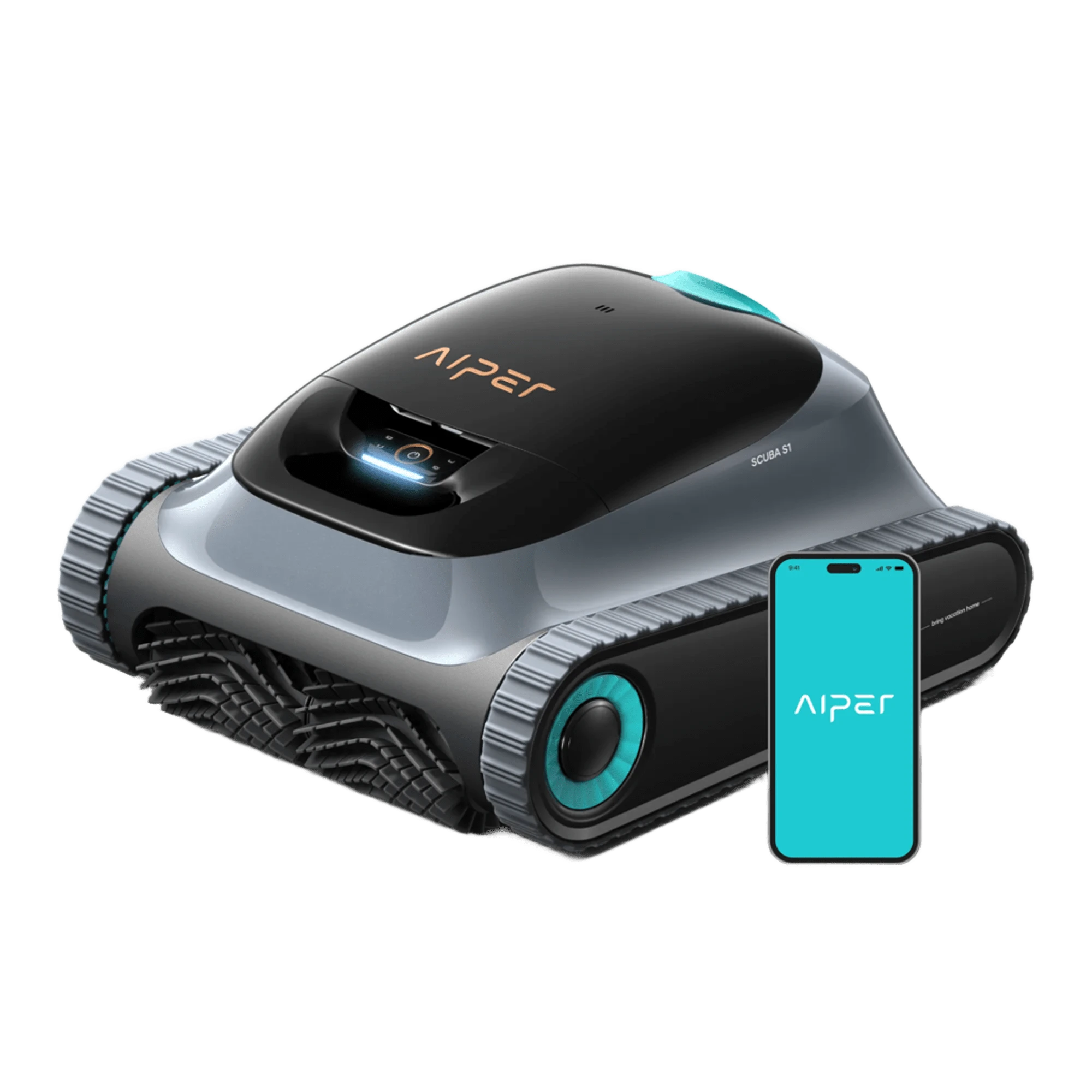
Choose Scuba V3 Ultra for floor, wall, waterline and water-surface cleaning in one robot. The published 3,875-square-foot pool rating gives you a starting limit.
Floor, walls, waterline and water surface
Inside the lineup
Start with the cleaning job: underwater cleaning, surface skimming, or both. Compare the exact Scuba or EcoSurfer model, filter package and cleaning-mode runtime.
The current catalog
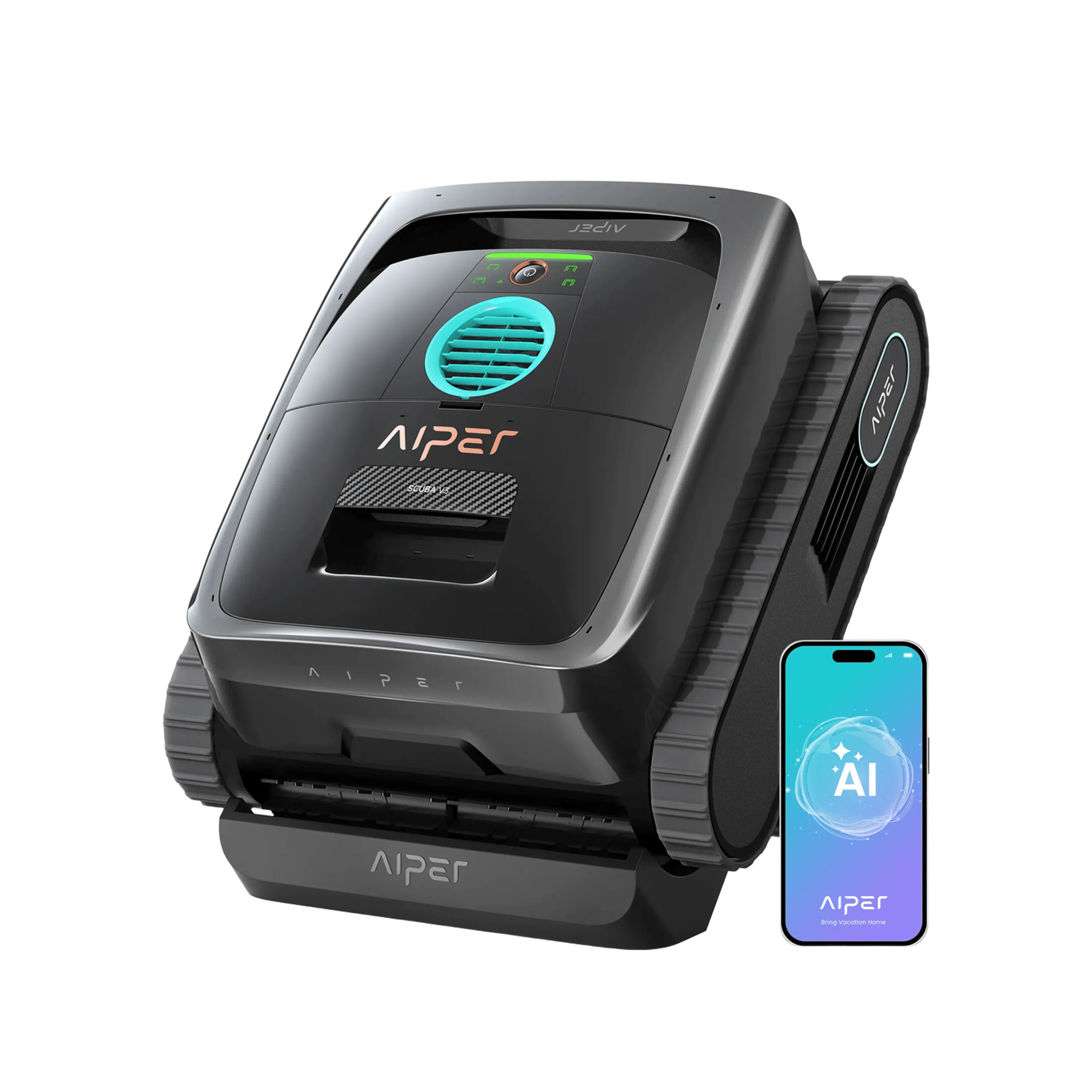
Choose Scuba V3 Ultra for floor, wall, waterline and water-surface cleaning in one robot. The published 3,875-square-foot pool rating gives you a starting limit.
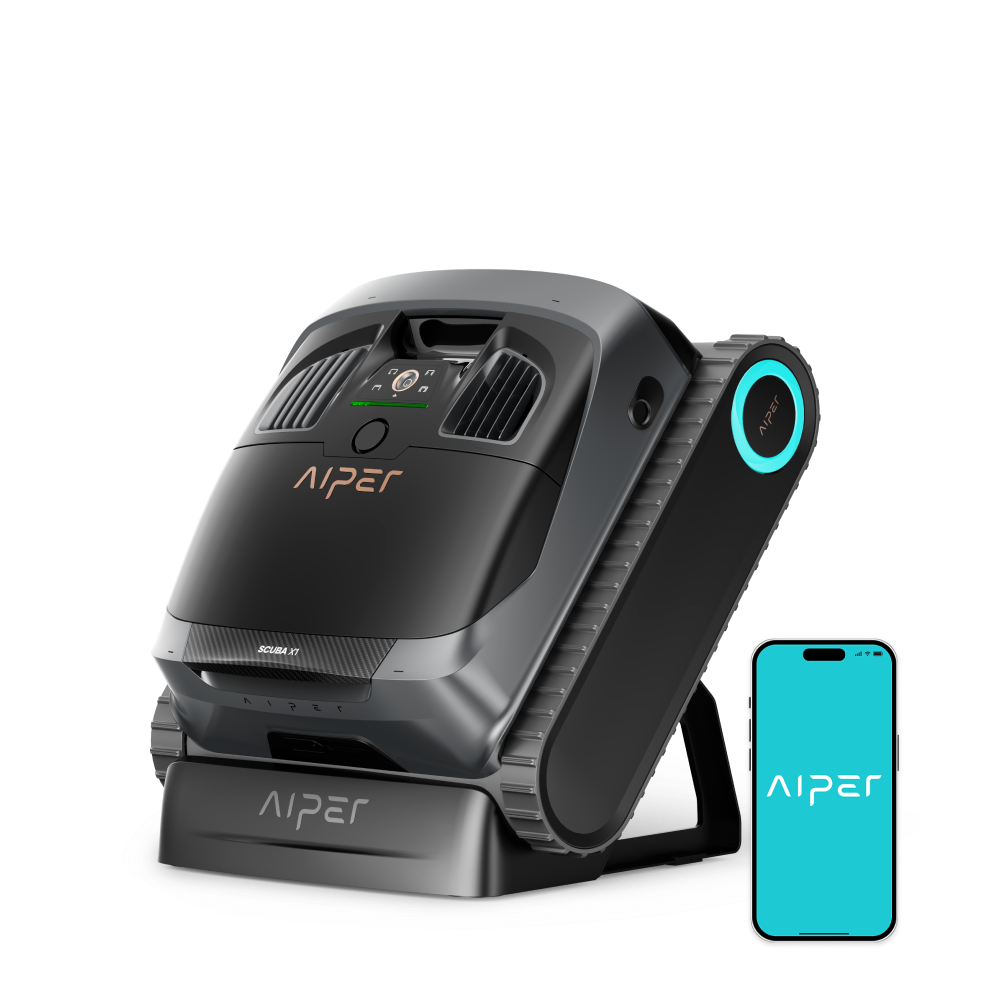
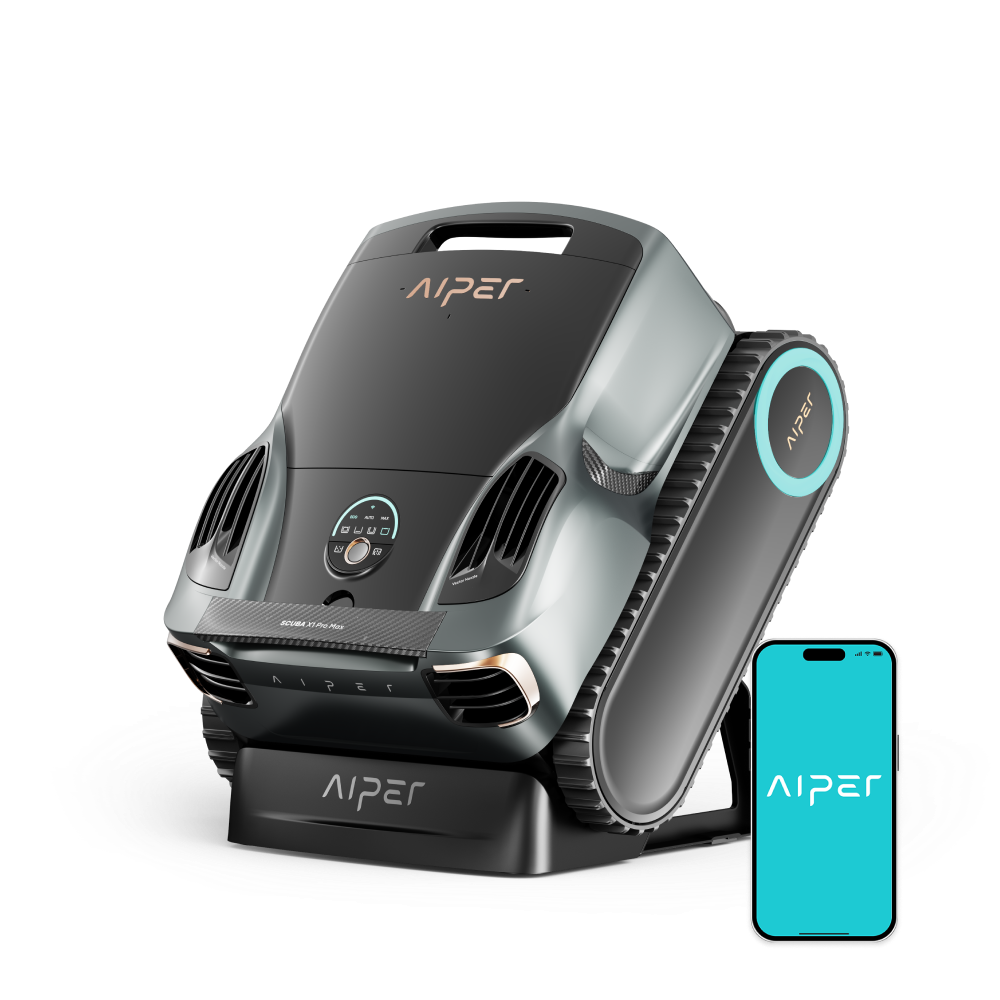
Choose Scuba X1 Pro Max for floor, wall, waterline and water-surface cleaning in one robot. The published 3,230-square-foot pool rating gives you a starting limit.
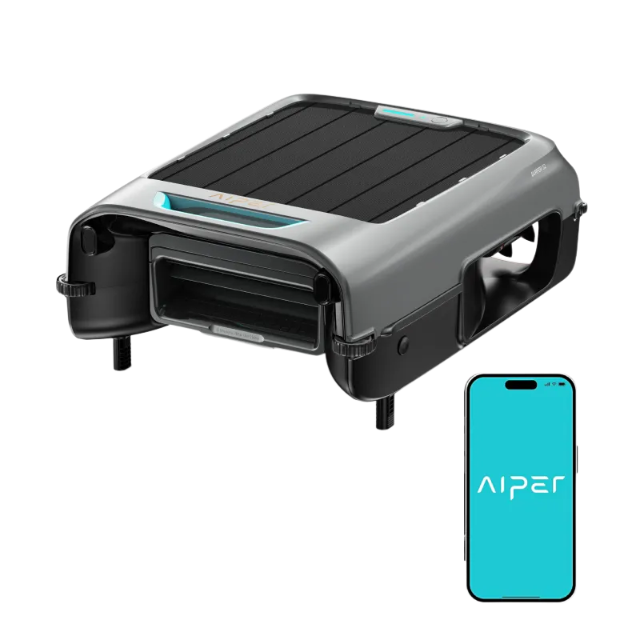
A useful companion for floating leaves and insects. Choose EcoSurfer S2 to keep the water surface clearer; keep a separate cleaner for the bottom.
Our recommendations come from published specifications. We may earn a commission from qualifying purchases. As an Amazon Associate, we earn from qualifying purchases. How we work
The field guide
 vs
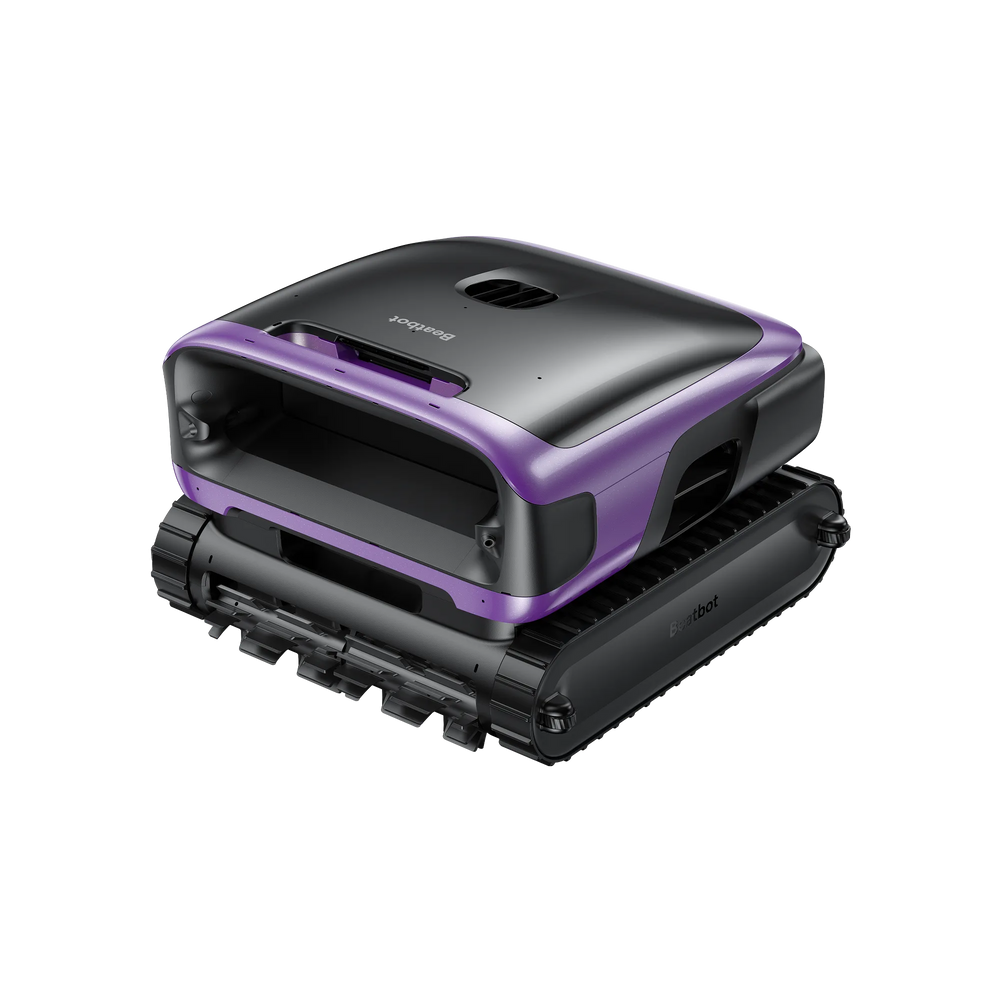
EcoSurfer S2 is for debris floating on the water. Sora 70 also cleans the floor, walls and waterline. We'd decide whether the underwater jobs are already covered, then compare a separate solar/DC skimmer with a rechargeable robot that handles several jobs.
Read the guidevsWe'd start with the exact Scuba S1 being supplied, rather than assume every S1 listing describes the same revision. Then compare the pool fit, filter package and cleaning routine with S3. A newer name or longer runtime headline doesn't settle the choice on its own.
Read the guide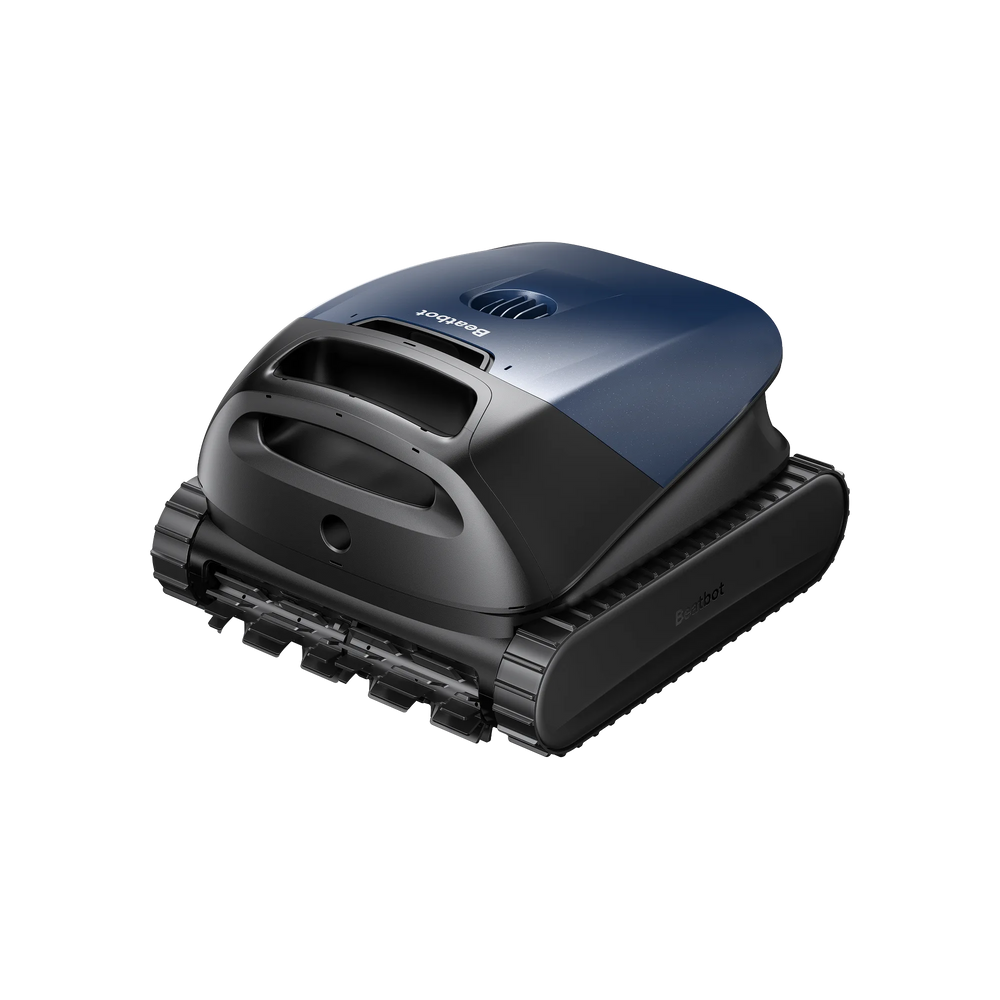 vs
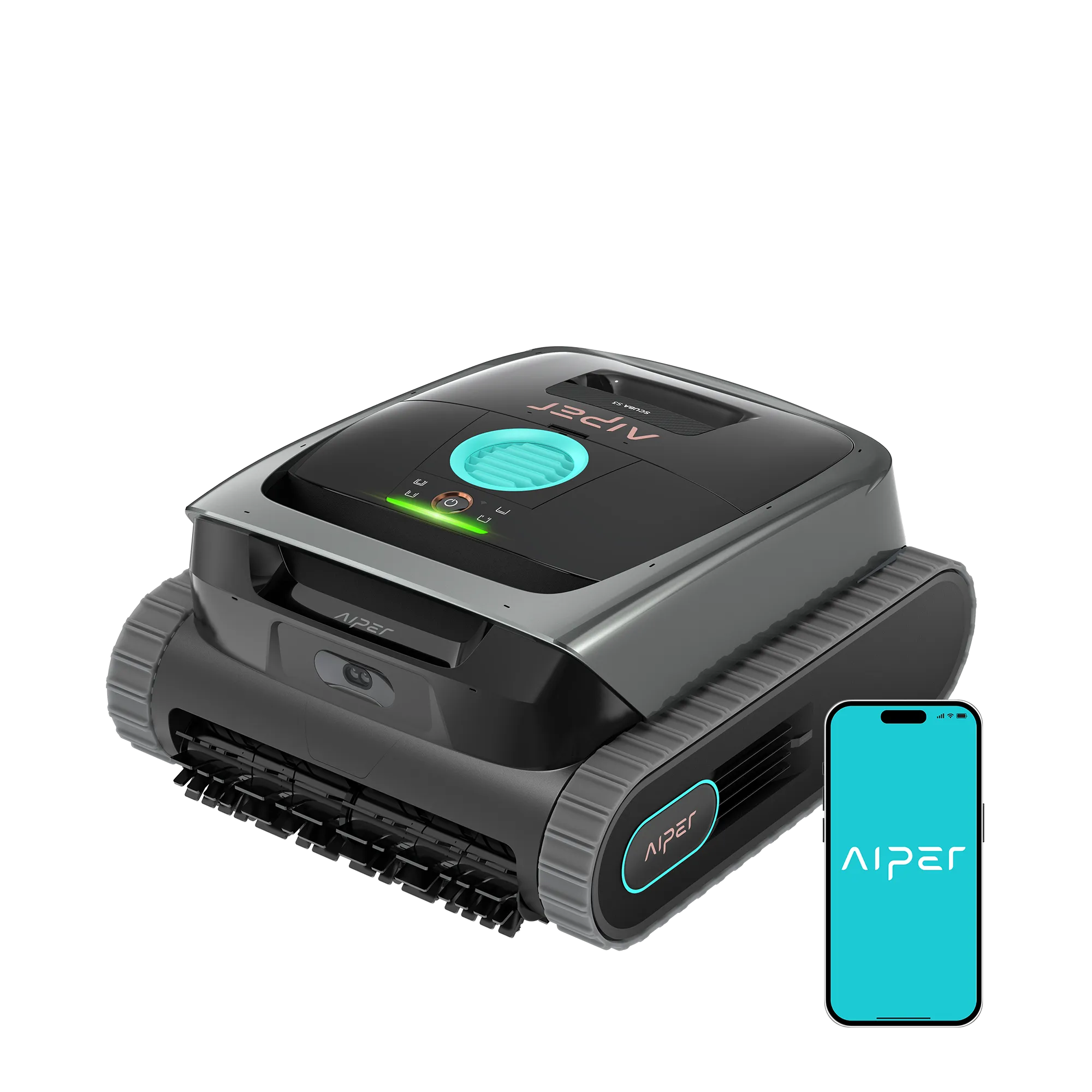
Both tackle the floor, walls and waterline. We'd start with the dirt you find after a swim: Scuba S3 has documented fine filtration, while Sora 10 has a larger published area allowance. The filter package and cleaning mode matter more than a headline battery figure.
Read the guidevsBoth cover the same stated pool area and list the same basket size. V3 adds camera-guided features, but its Eco duration is shorter and its stated charge takes longer. We'd ask what the cameras would change in your pool before treating V3 as the automatic step up.
Read the guidevsScuba X1 adds a wireless charging dock and a larger published pool allowance. Both now describe a fine-filter arrangement. We’d compare the dirt you want collected, the pool size and the daily lift-and-charge routine before paying for the dock.
Read the guide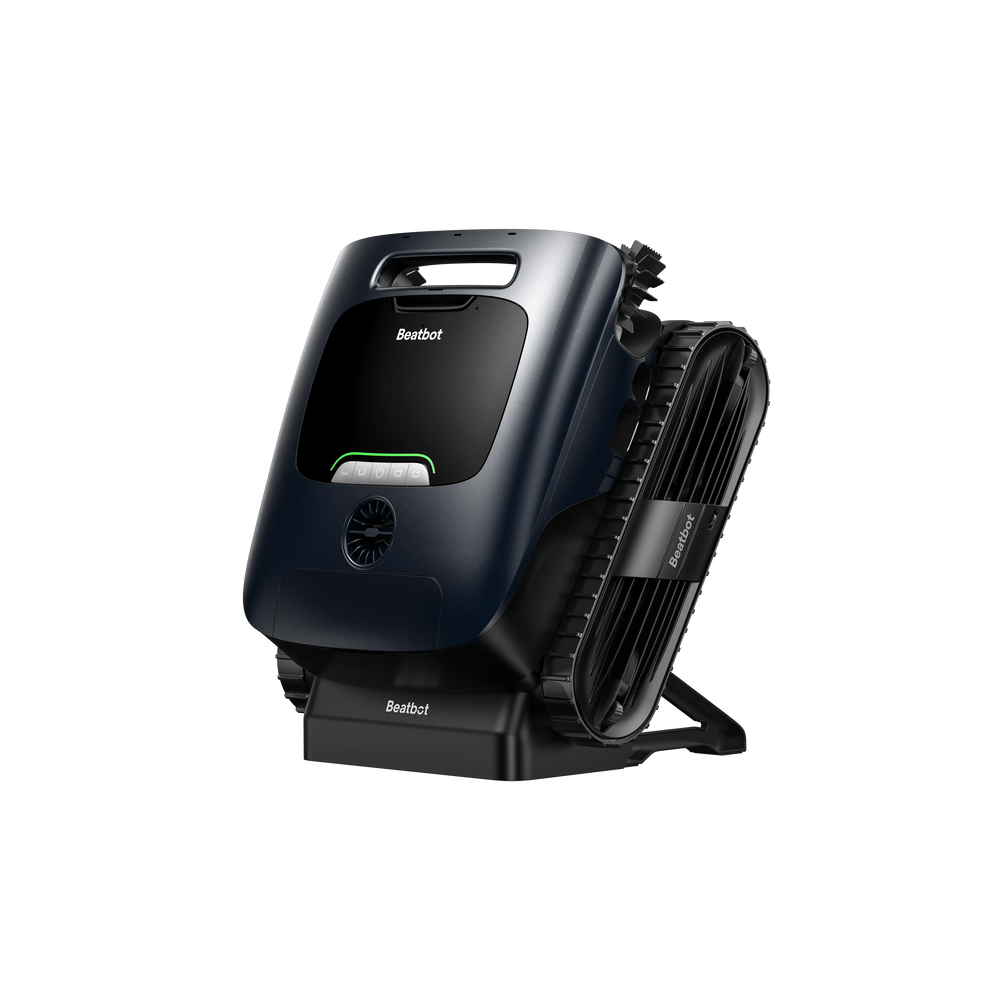 vs
Both can collect floating debris as well as clean underwater. We'd choose between them by the pool's dimensions, shelves, filter requirements and retrieval routine, rather than treat the Ultra name or an AI label as a reason to spend more.
Read the guide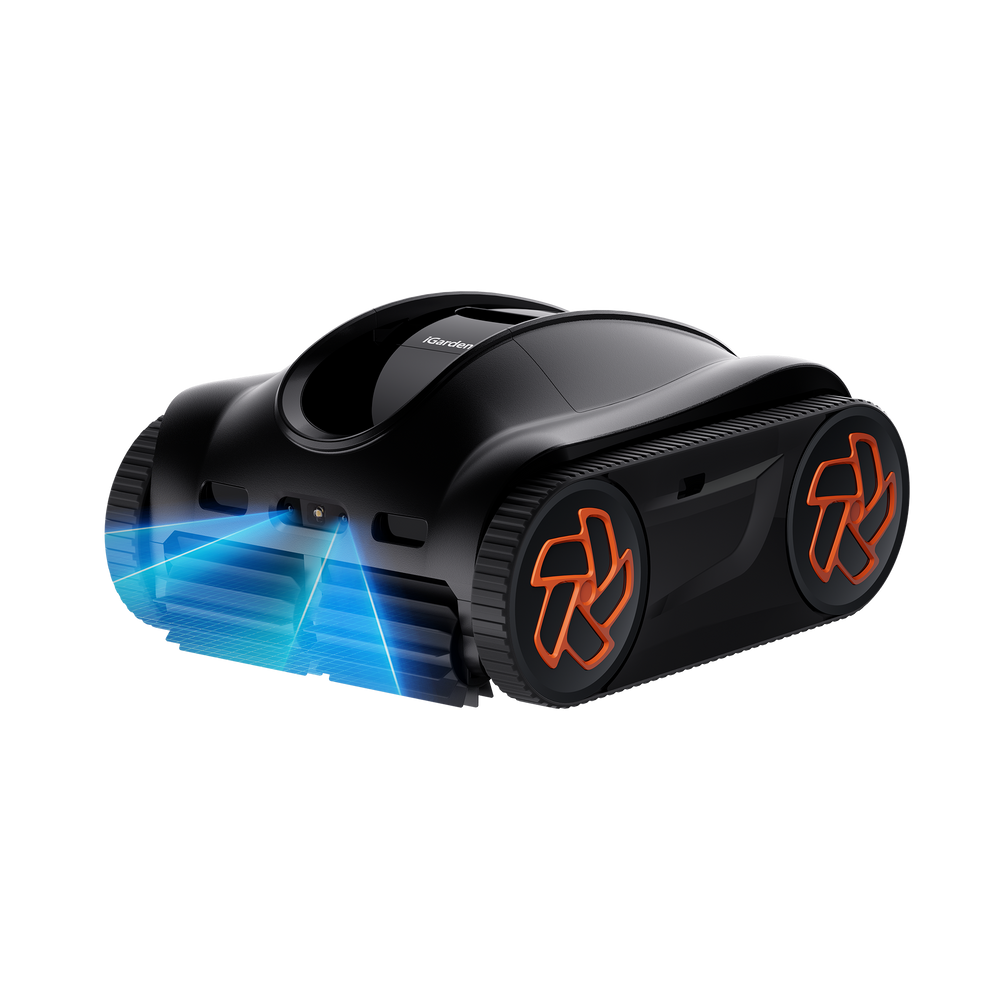 vs
Both advertise vision-based navigation for underwater cleaning, but the camera label doesn't settle pool fit or the filter routine. We'd check the dimensions, intended cleaning mode and retrieval arrangement first, then compare what each system would change in your pool.
Read the guidevsUltra adds a surface-cleaning job and a larger stated pool allowance, but it is also a heavier machine to handle. We'd start with the dirt you want removed: underwater debris, floating leaves, or both. Then check the pool dimensions and the pickup routine before paying for more features.
Read the guidevsBoth clean underwater and on the surface, but the pool-fit figures point in different directions. X1 Pro Max lists a longer maximum pool length; V3 Ultra lists a larger area allowance. We'd check both measurements before comparing skimming time, cameras or the size of the basket.
Read the guide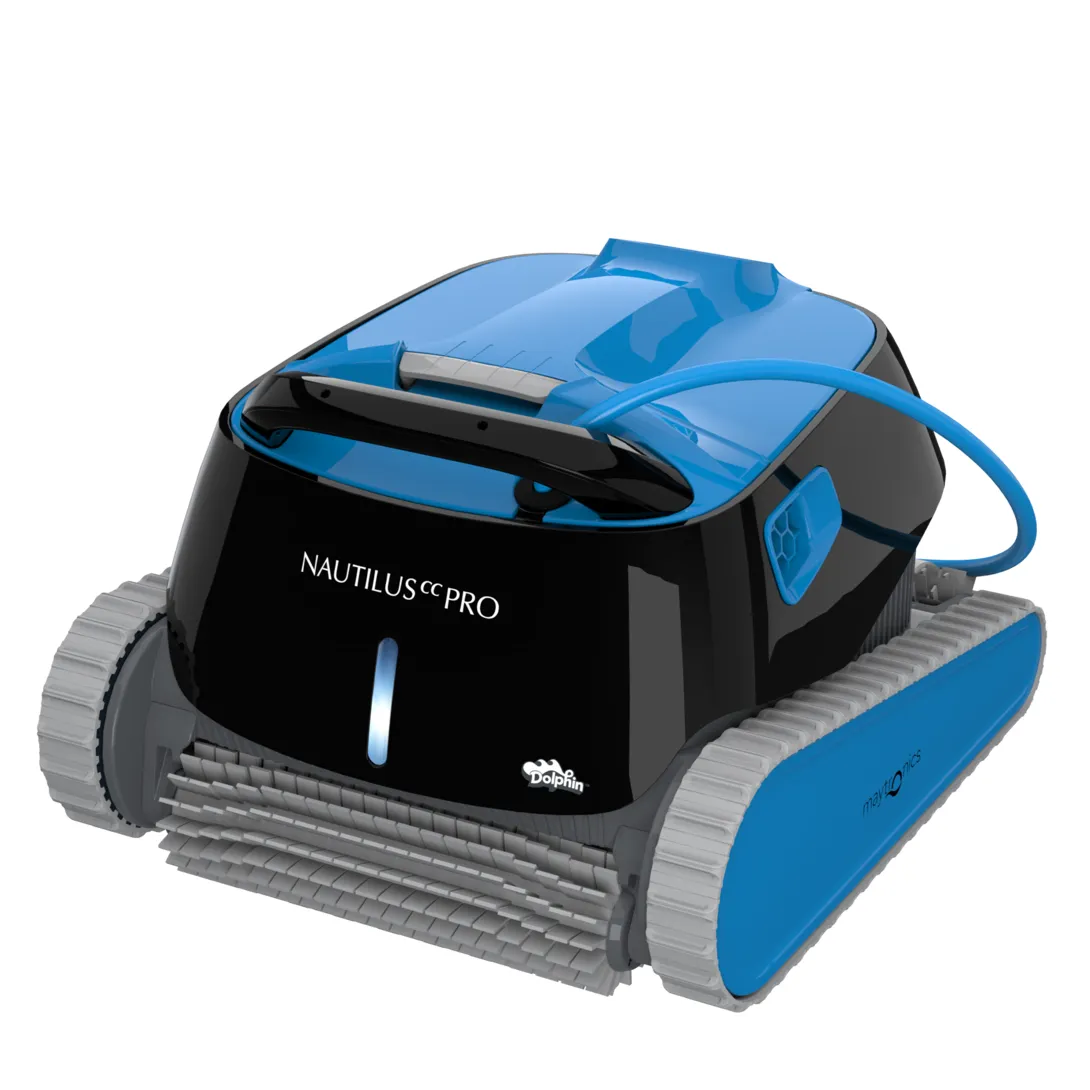 vs
Both list floor, wall and waterline cleaning, but they leave you with different power and handling jobs. Start with the approved pool fit, then compare the cable routine with retrieving and charging a battery cleaner.
Read the guidevsX1 has the larger pool allowance and includes a wireless charging dock. V3 adds camera-based cleaning features and has a lower listed product weight. We'd choose around the pool's size and the daily pickup routine before assuming the newer feature set is the better fit.
Read the guidevsX1 Pro Max adds floating-debris cleaning and a larger stated pool allowance. If your pool fits ordinary X1 and the surface is already looked after, those extras may matter less than the filter and pickup routine. The twelve-hour headline belongs to skimming, rather than wall cleaning.
Read the guide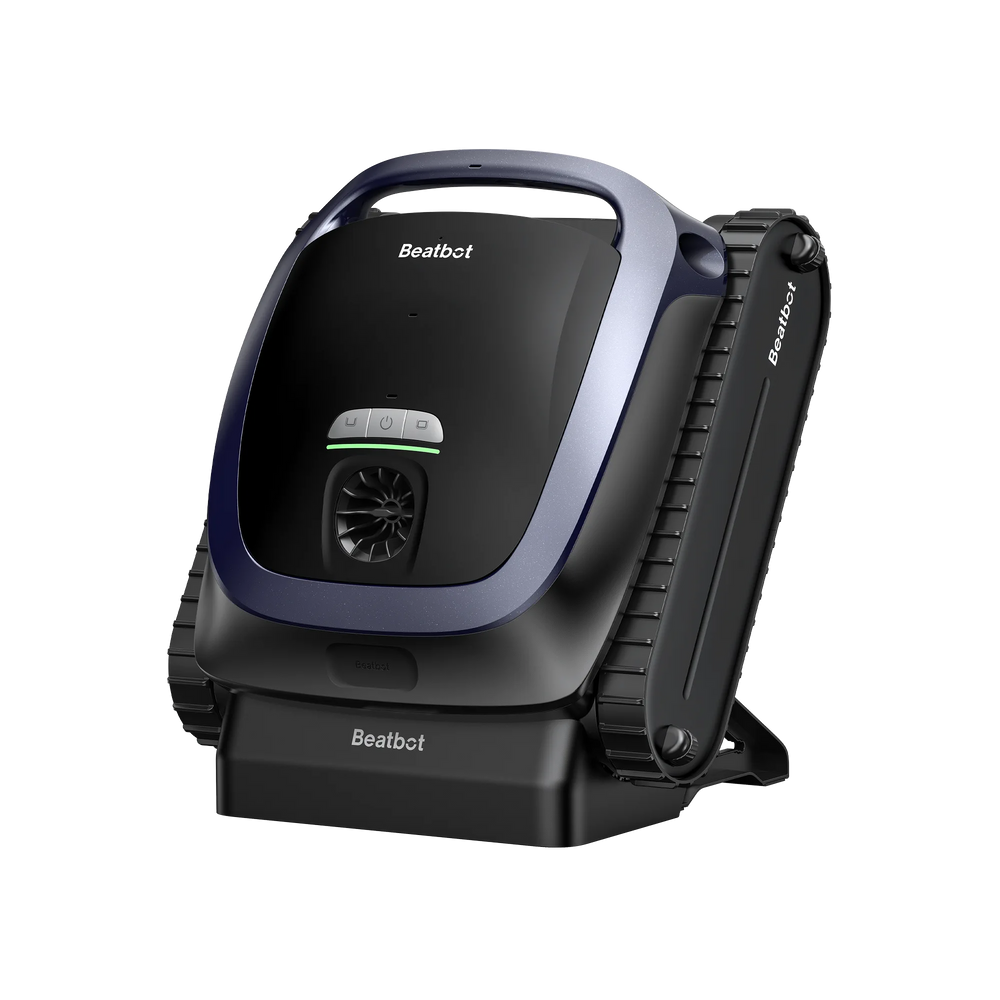 vs
Both clean underwater and use a charging dock. AquaSense 2 has the larger stated pool allowance and automatic surface parking after a clean. Scuba X1's current FAQ explicitly includes a MicroMesh fine filter. We'd choose around pool fit, the dirt left behind and the pickup routine.
Read the guidevsSora 10 has the larger stated pool-area allowance and longer floor-only claim. Scuba V3 adds camera-based debris recognition and a different filter system. We'd decide whether those features answer your pool's needs before treating an AI label as the upgrade everyone should buy.
Read the guide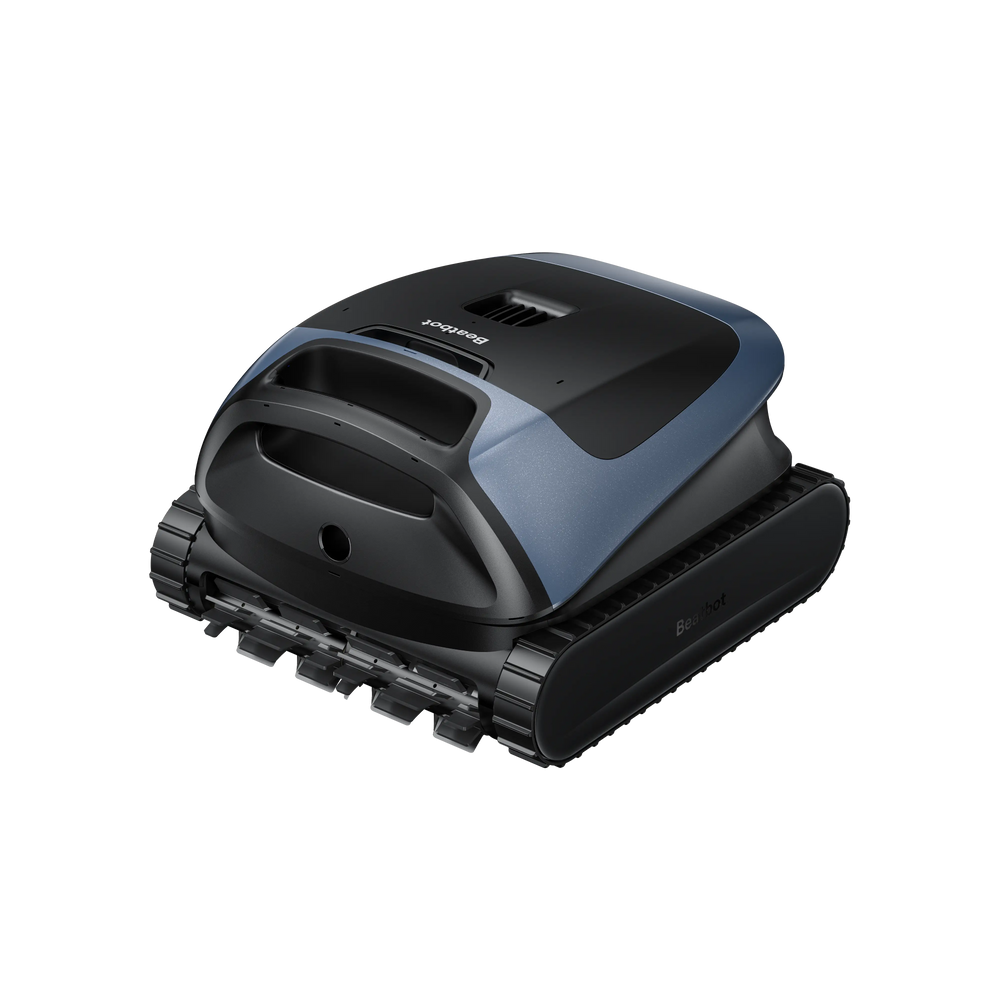 vs
Sora 30 has the larger stated pool allowance, basket and a more specific platform checklist. Scuba S3 describes a standard-and-fine filter arrangement without relying on Sora's separate accessory. We'd settle the pool fit and dirt problem before comparing five floor hours with an Eco headline.
Read the guidevsSora 30 has the larger stated pool area and a documented shallow-platform option. X1 includes a wireless charging dock and a MicroMesh fine filter. We'd start with the pool's fit, then decide which pickup, filter and charging routine would be easier to live with.
Read the guidevsBoth tackle underwater dirt and floating debris, but the basket, pool-fit figures and navigation features differ. We'd measure the pool and decide what fills the basket before comparing the longest runtime. Sora's floor endurance and Ultra's skimming headline aren't the same cleaning job.
Read the guide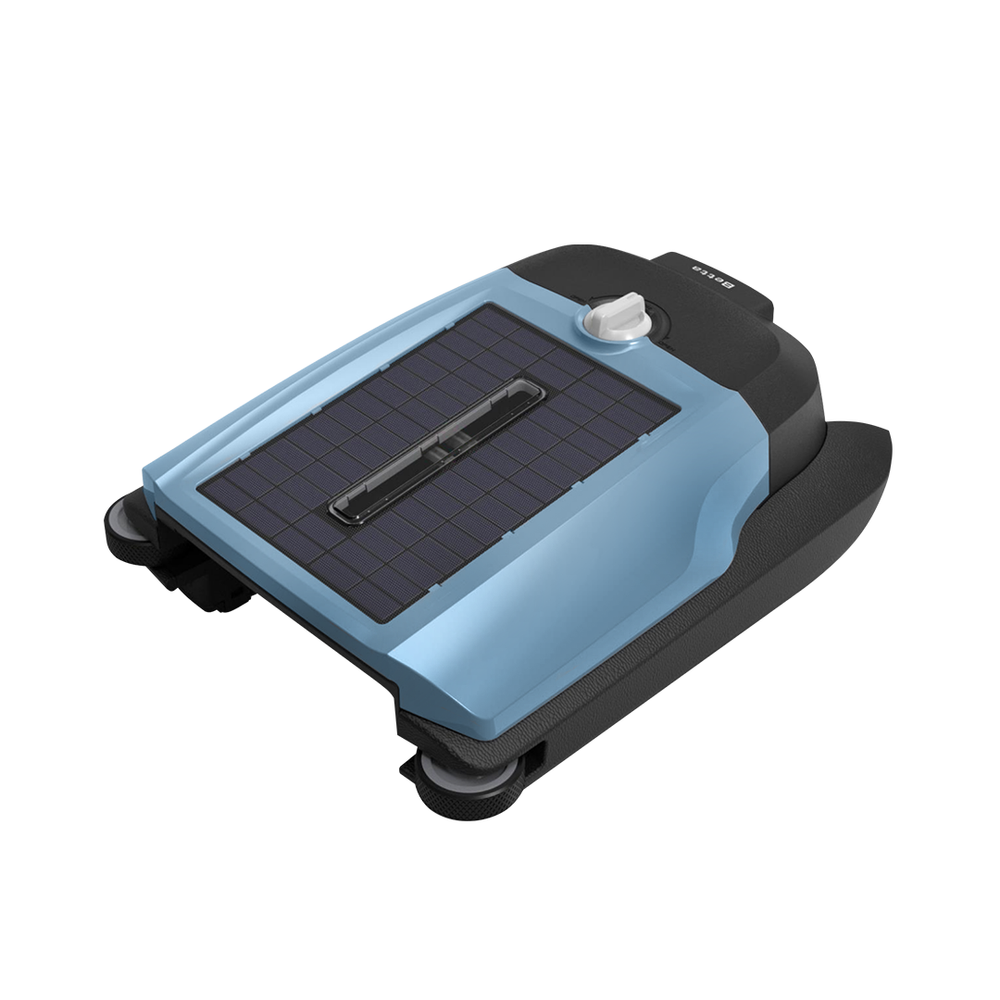 vs
Both collect floating debris. Flex relies on solar power and offers Eco and Normal modes; S2 adds DC charging and app control. The useful difference depends on sunlight at your pool and how you want to manage the skimmer.
Read the guide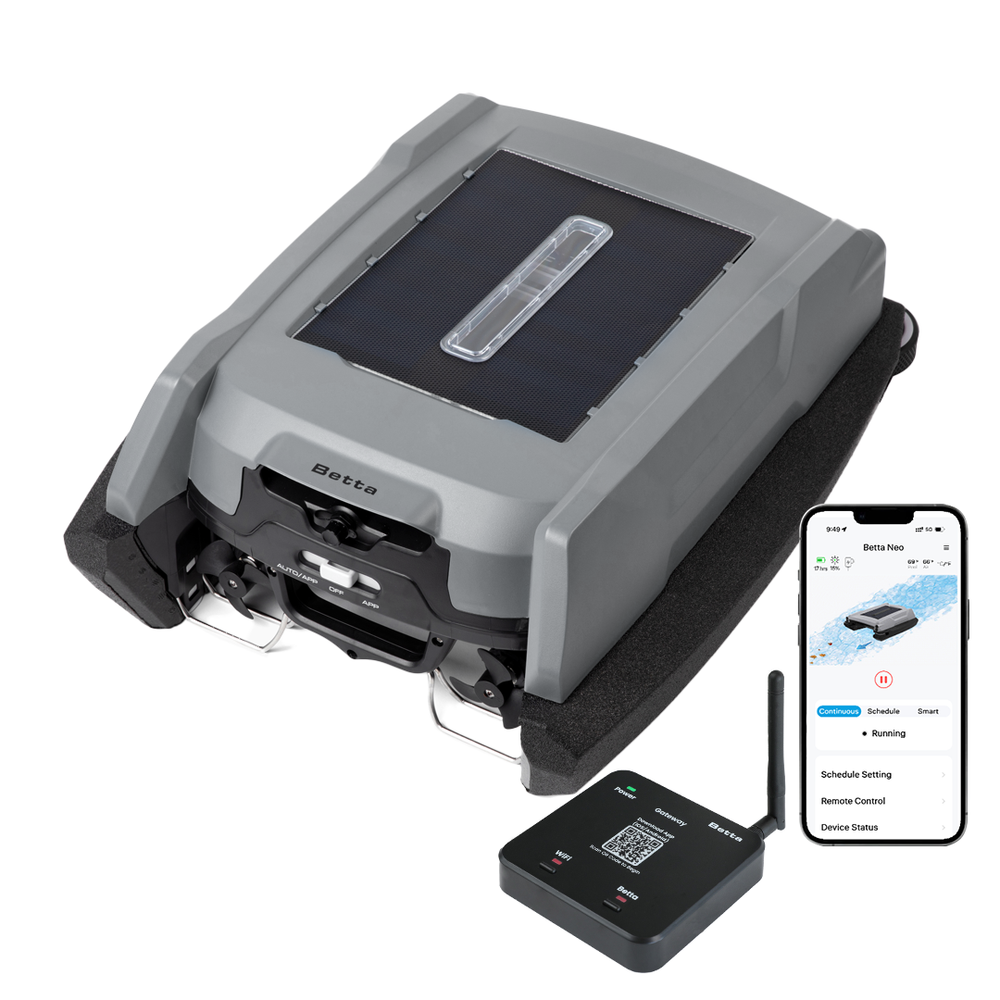 vs
Both collect floating debris and offer solar charging with plug-in backup. Compare Neo’s Gateway scheduling with Aiper’s stated basket, filter and charging details.
Read the guide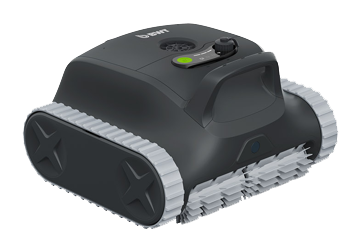 vs
ES NANO is a cordless option for pools up to 24 feet. Scuba S1’s current comparison column lists a larger area and length allowance. Check the exact S1 revision, cleaning mode and supplied filters before comparing the routines.
Read the guideFor a normal cleaning cycle, plan to take the robot out and care for it afterward. Some scheduled modes and solar skimmers work differently. The answer belongs to the exact model and operating mode, so we'd check those before treating the pool as its permanent storage spot.
Read the guide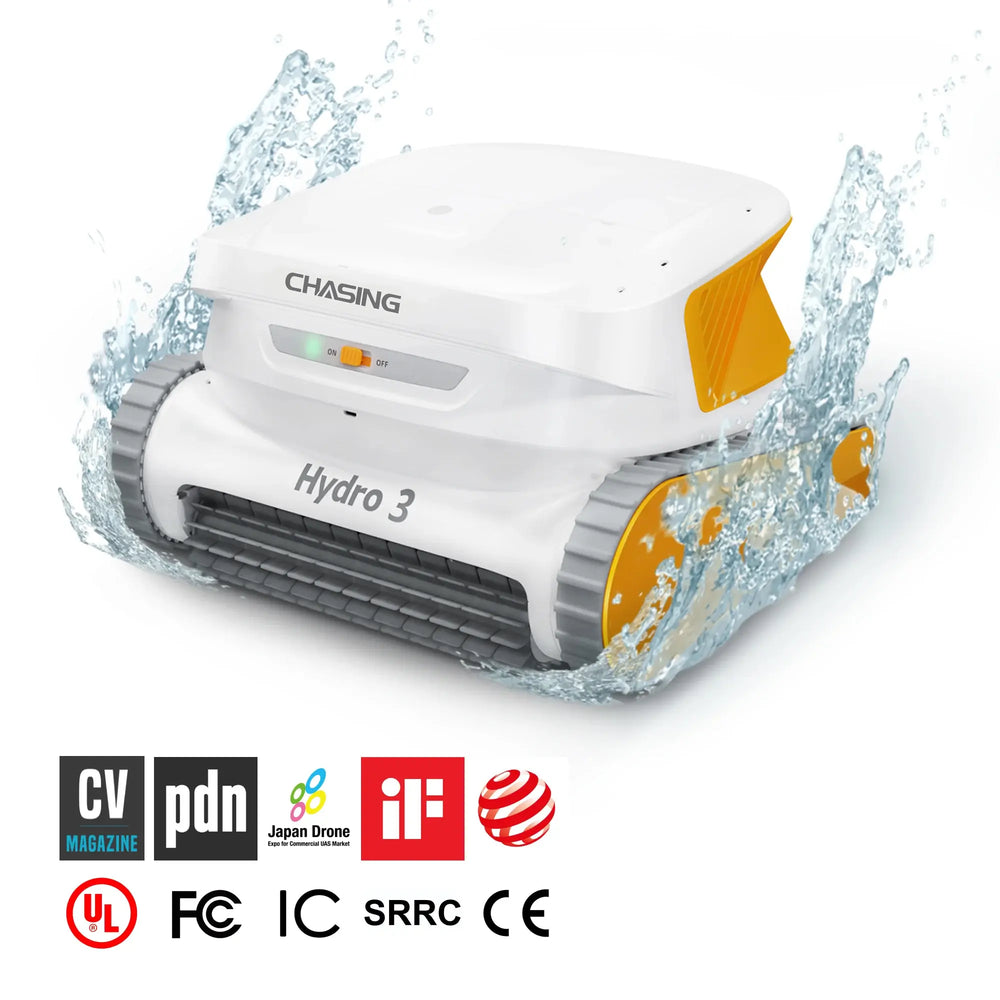 vs
Hydro 3 offers a simpler regular-clean routine for a smaller pool. Aiper’s current S1 comparison lists a larger pool allowance and Standard/Eco operation. Confirm the exact S1 revision and Hydro 3’s conflicting duration figures before choosing by runtime.
Read the guide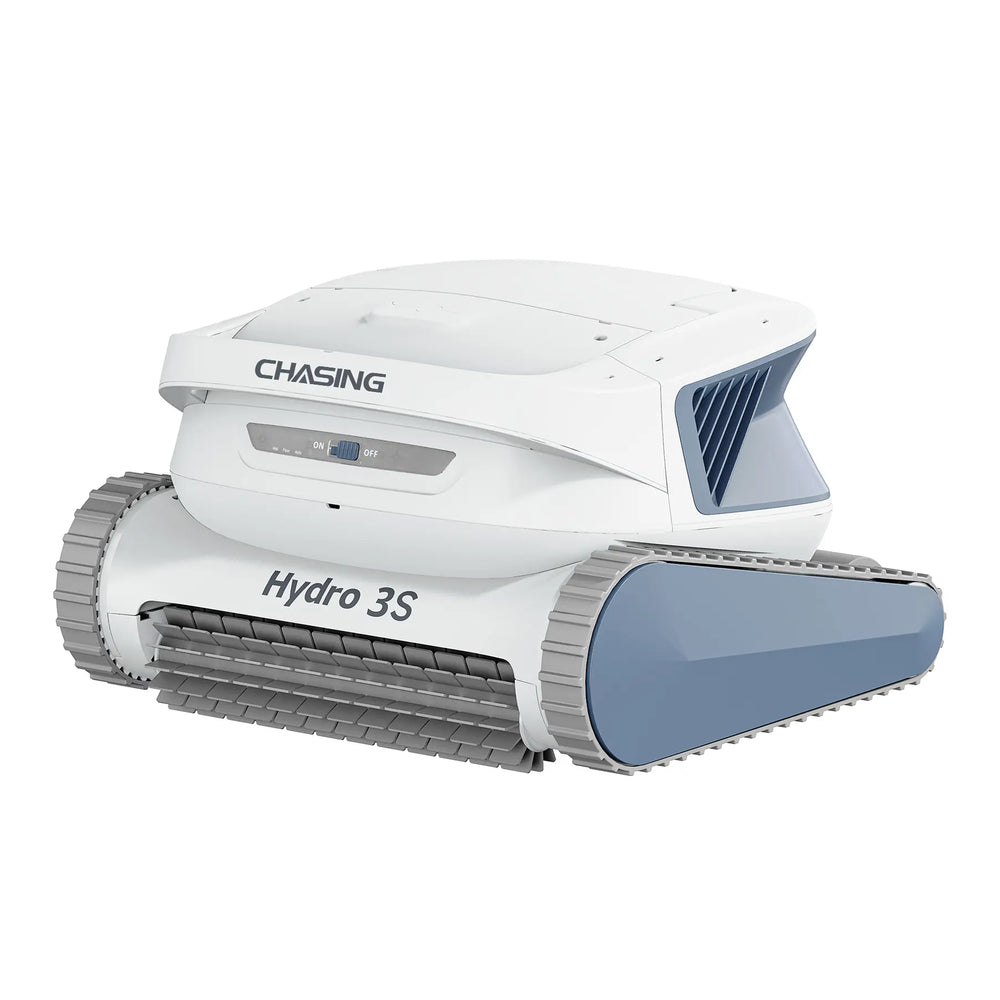 vs
Their stated pool areas are effectively the same, so the basket, filter and intended cleaning mode are more useful ways to choose. Hydro 3S lists a longer Eco session and larger basket; S3 documents a finer filter. We'd confirm the exact Hydro revision before comparing the runtime headlines.
Read the guide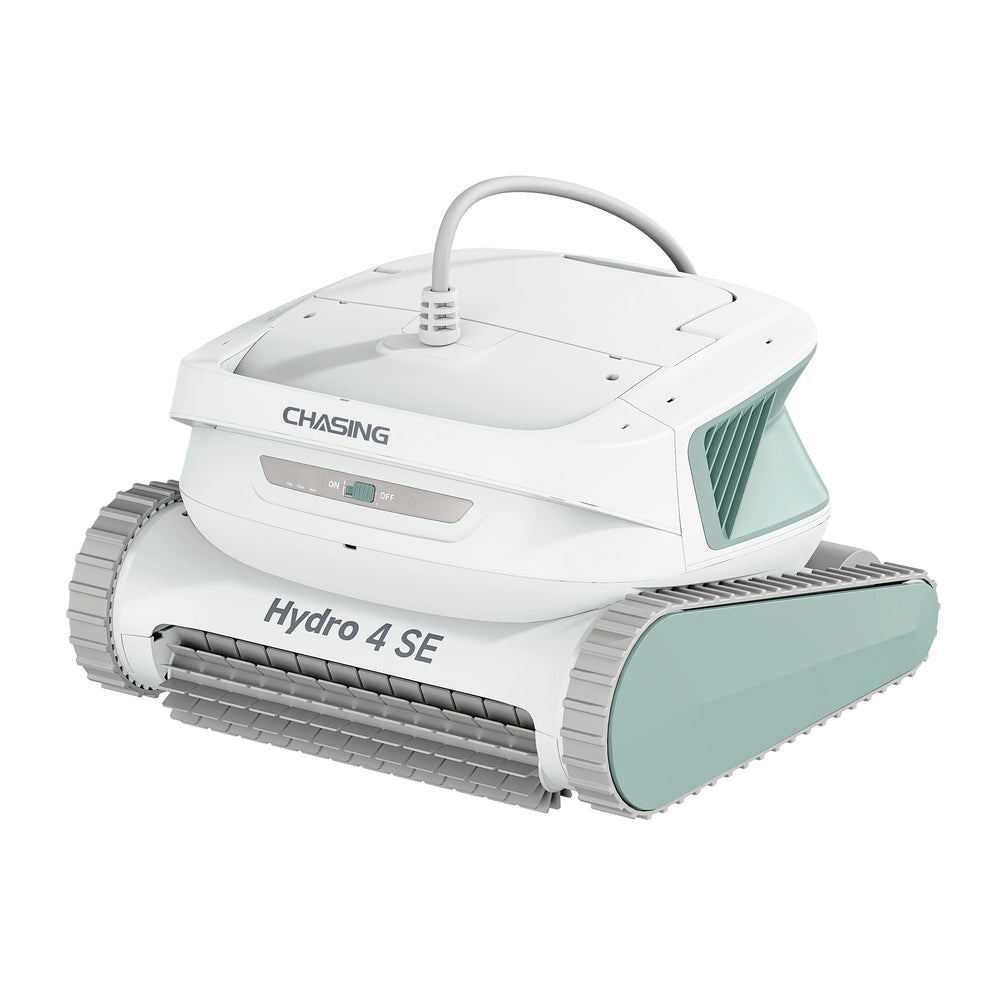
A cable trades charging breaks for a power-box and cable routine beside the pool. Cordless trades that cable for lifting, charging and battery planning. We'd choose by the pool's layout and how you actually use it, then compare the filters and cleaning jobs separately.
Read the guideFirst separate a cleaner that will not charge from one that charges and then runs for less time than expected. Save the lights and app message before changing anything. We'd check the exact charger, approved charging conditions and model-specific instructions before assuming the battery needs replacing.
Read the guide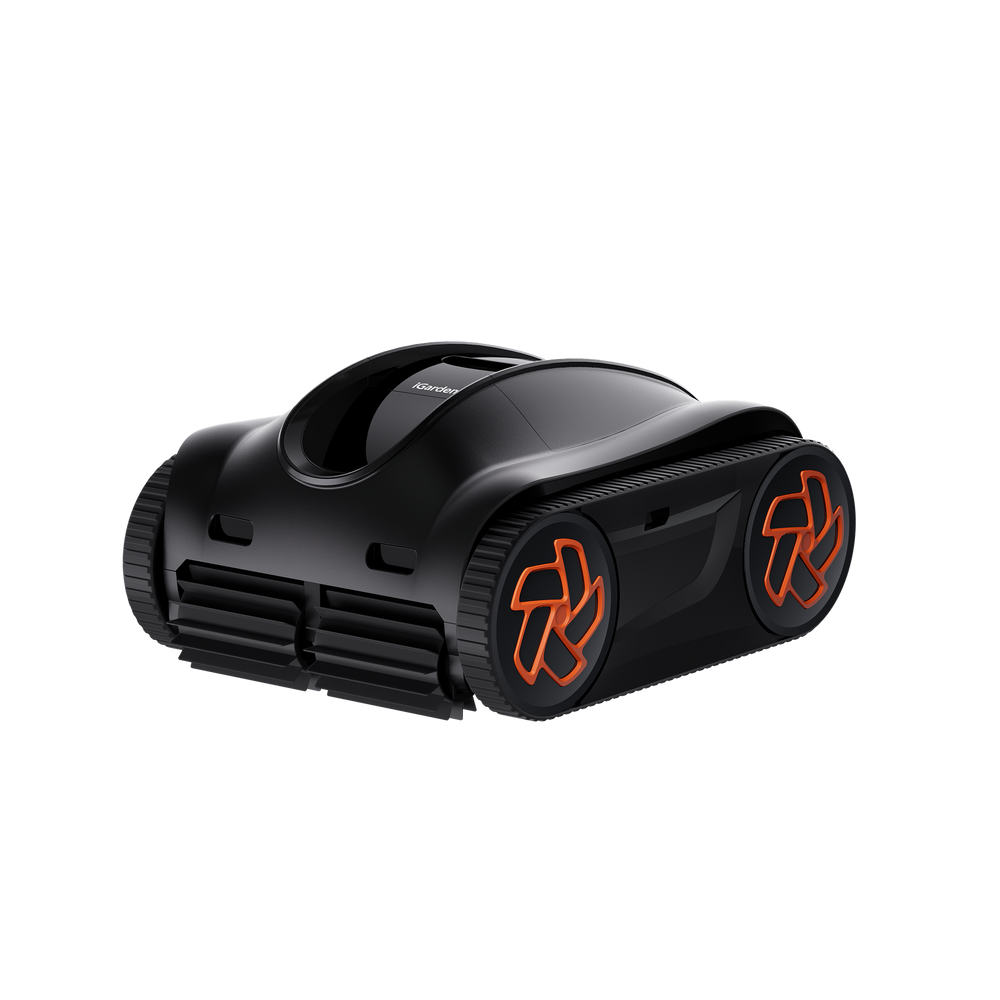
A finer filter is worth investigating when the robot collects the leaves but leaves smaller dirt behind. First check the exact part, whether it's included and which cleaning modes allow it. On some models, adding the finer layer also changes the recommended routine.
Read the guide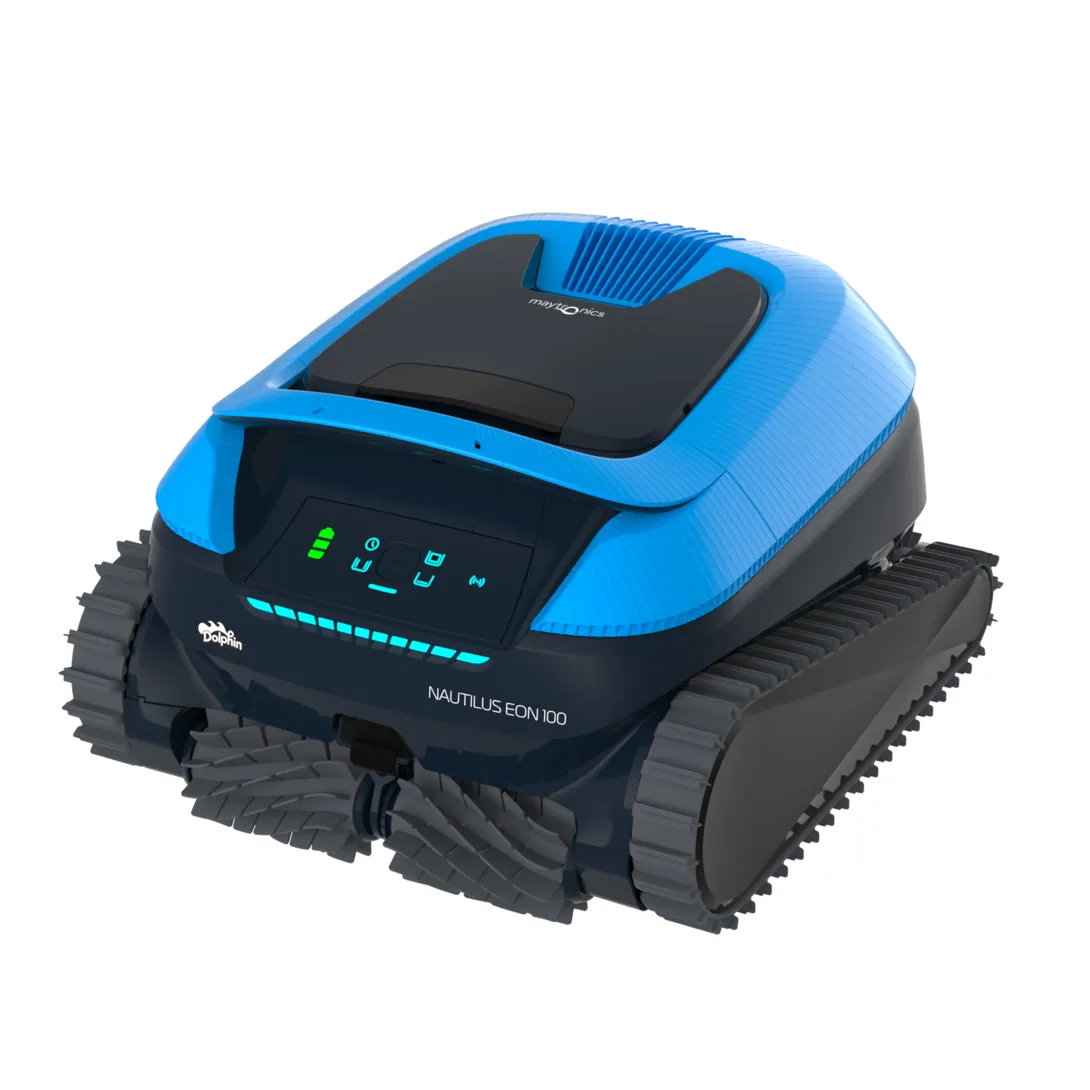 vs
Both list floor, wall and waterline cleaning, but their filter descriptions and pool-fit claims differ. EON’s week-based schedule and S3’s Eco duration also describe different things.
Read the guide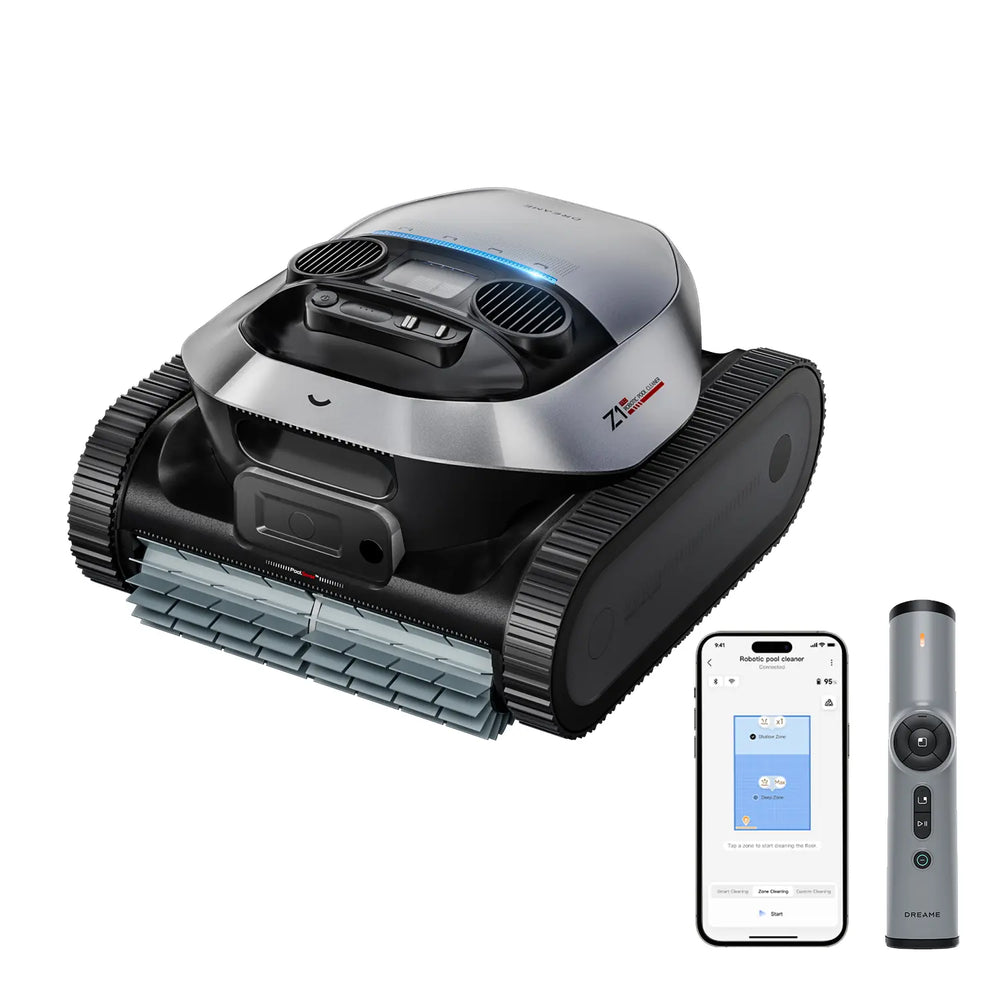 vs
Z1 Pro's distinctive feature is its LiFi handheld remote for underwater control. X1 Pro Max adds floating-debris cleaning and a larger stated pool allowance. We'd settle the jobs and control method you want before comparing two very different runtime headlines.
Read the guide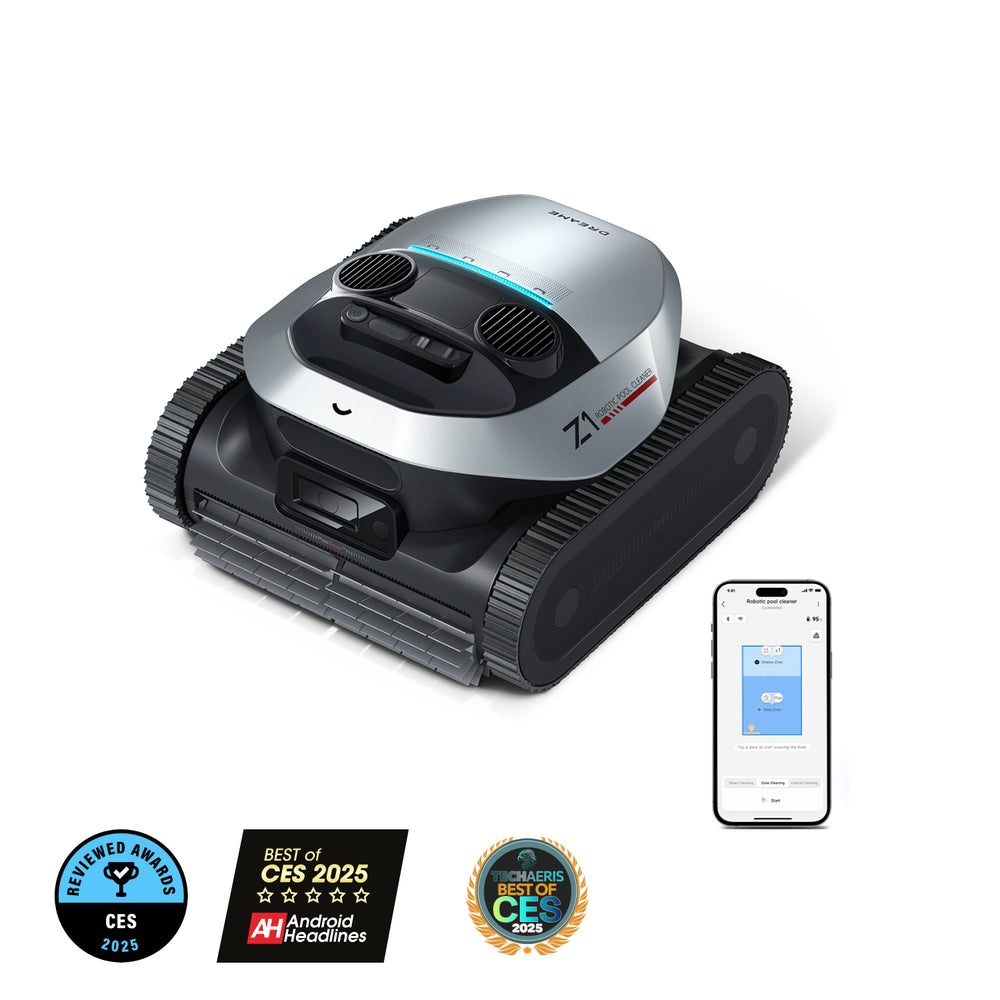 vs
Z1 lists the larger pool allowance; S3 documents a finer filter. Both clean the floor, walls and waterline. We'd choose around the pool's dimensions and usual dirt, then compare the actual cleaning mode and lift-and-charge routine.
Read the guide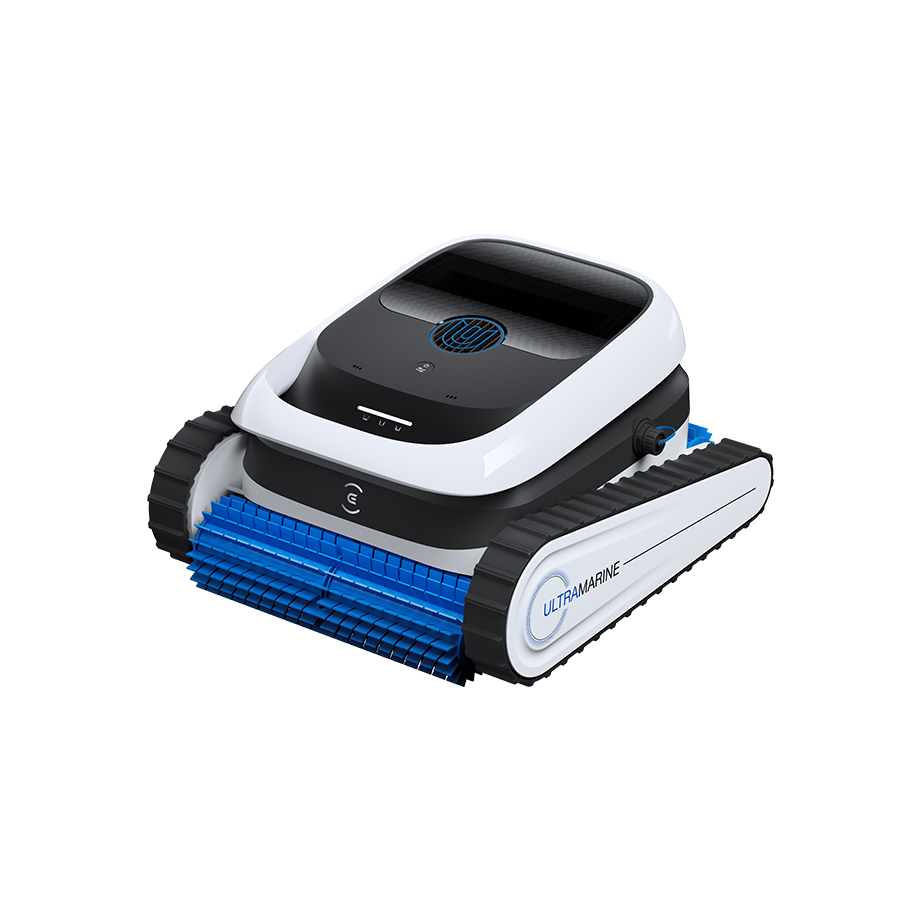 vs
Both advertise 180 + 3 μm filtration, so the filter number isn't enough to choose between them. We'd look next at pool size, waterline cleaning and the cleaning mode you expect to use, then check the exact filter package and pool finish.
Read the guidevsK-AI 70’s seven-hour headline belongs to floor cleaning. Scuba V3 uses a different set of runtime claims. Start with pool dimensions, the mode you use and the filter allowed for that job before comparing endurance.
Read the guidevsBoth have four-hour headlines, but the modes and filters differ. K40's figure is floor-only and its optional finer layer has a floor-mode restriction. S3 gives separate Standard and Eco durations with a documented 3 μm fine layer. We'd keep those details beside the pool's actual fit.
Read the guidevsK70 concentrates on underwater cleaning with a long floor-only runtime. X1 Pro Max also collects floating debris and lists a different pool-size allowance. Start with the job you want done: seven floor hours and twelve skimming hours don't describe the same clean.
Read the guide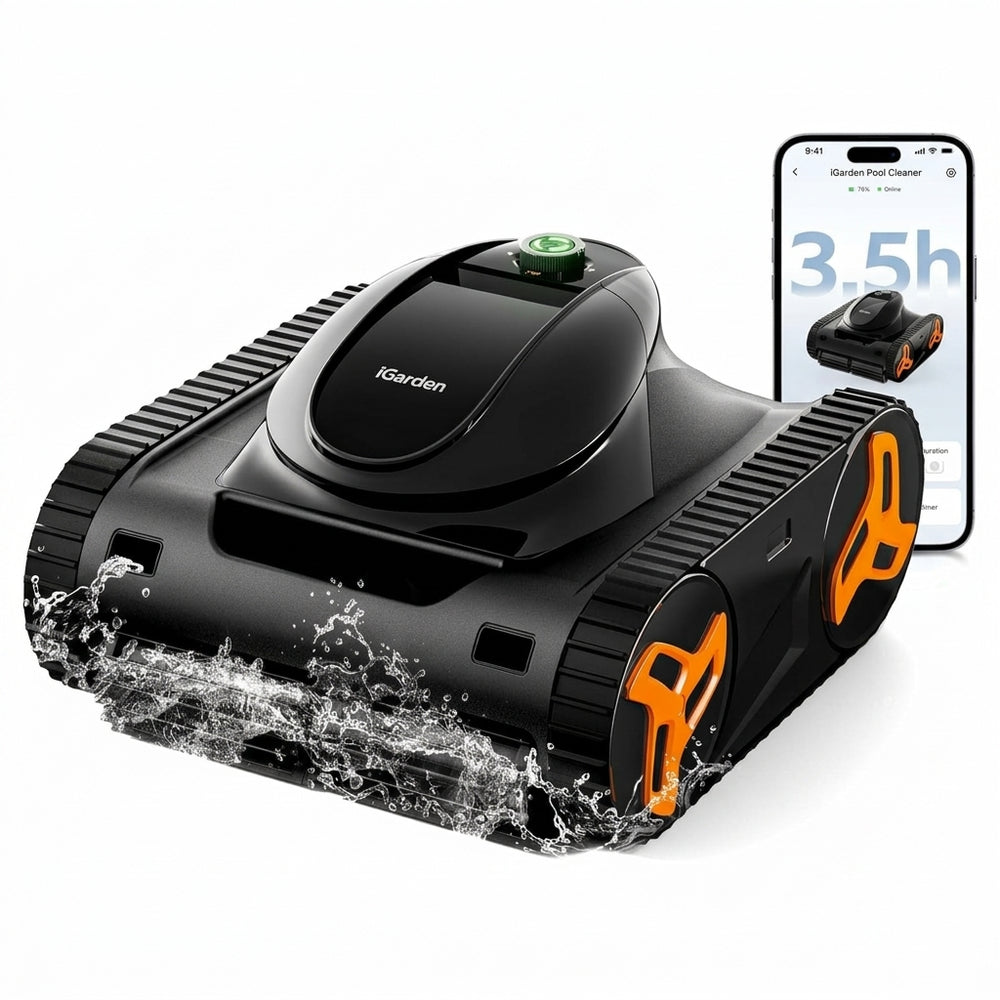 vs
KN35’s three-and-a-half-hour claim is floor-only. Aiper lists separate Standard and Eco figures for S1. Keep those conditions, the different area descriptions and the exact supplied filters beside the model names.
Read the guide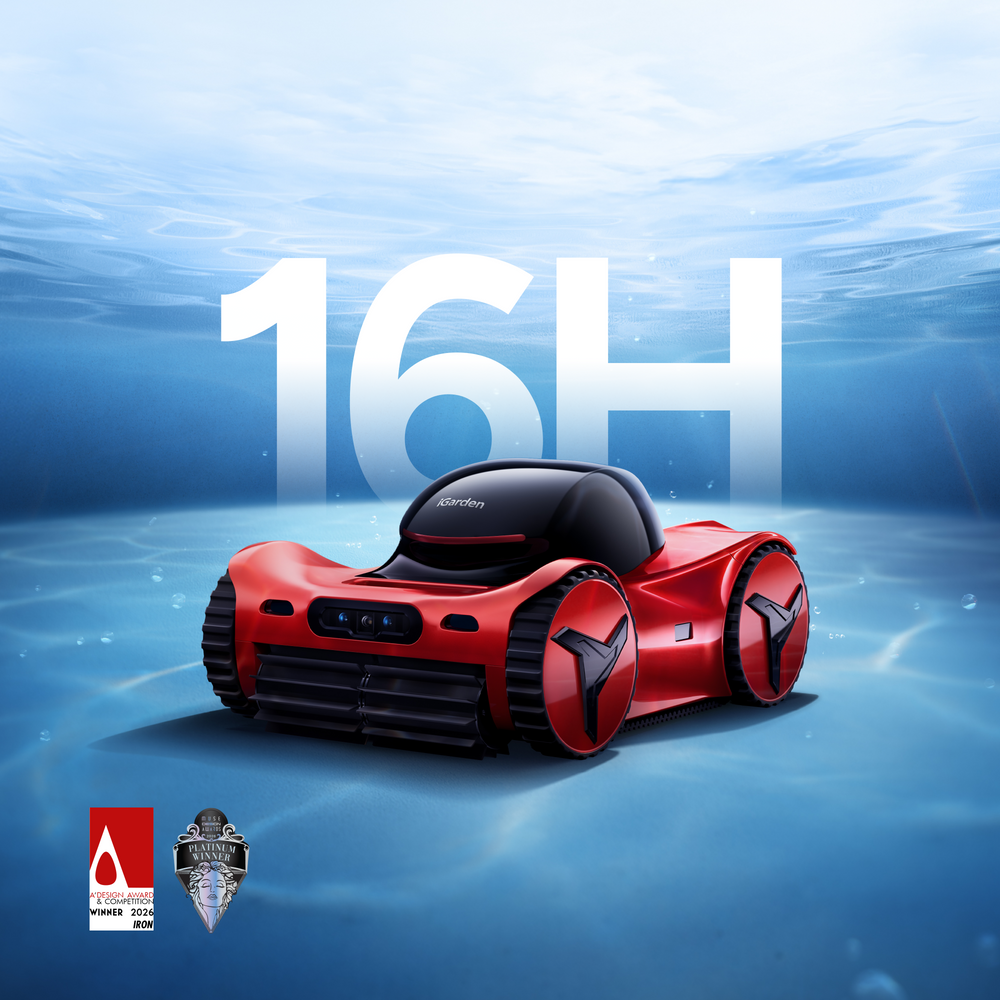 vs
M1 AI 160’s long runtime refers to floor mode. X1 Pro Max lists separate floor, wall, Eco and surface-skimming durations. Decide which job matters, then check pool length, handling and the exact offer.
Read the guide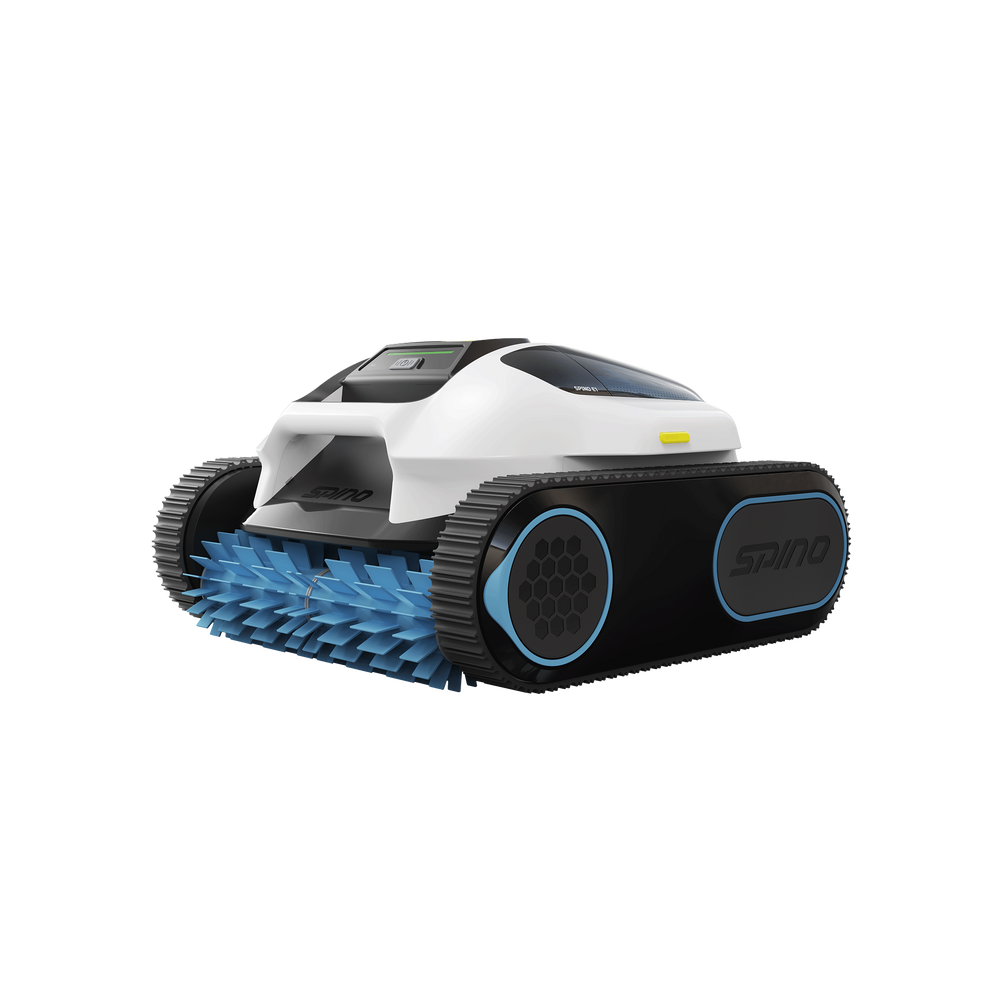 vs
X1 has the larger stated pool allowance, a wireless charging dock and a documented finer-filter option in its included system. SPINO E1 has a shorter listed charge time. We'd compare pool fit and the ordinary lift, clean and charge routine before the runtime headlines.
Read the guide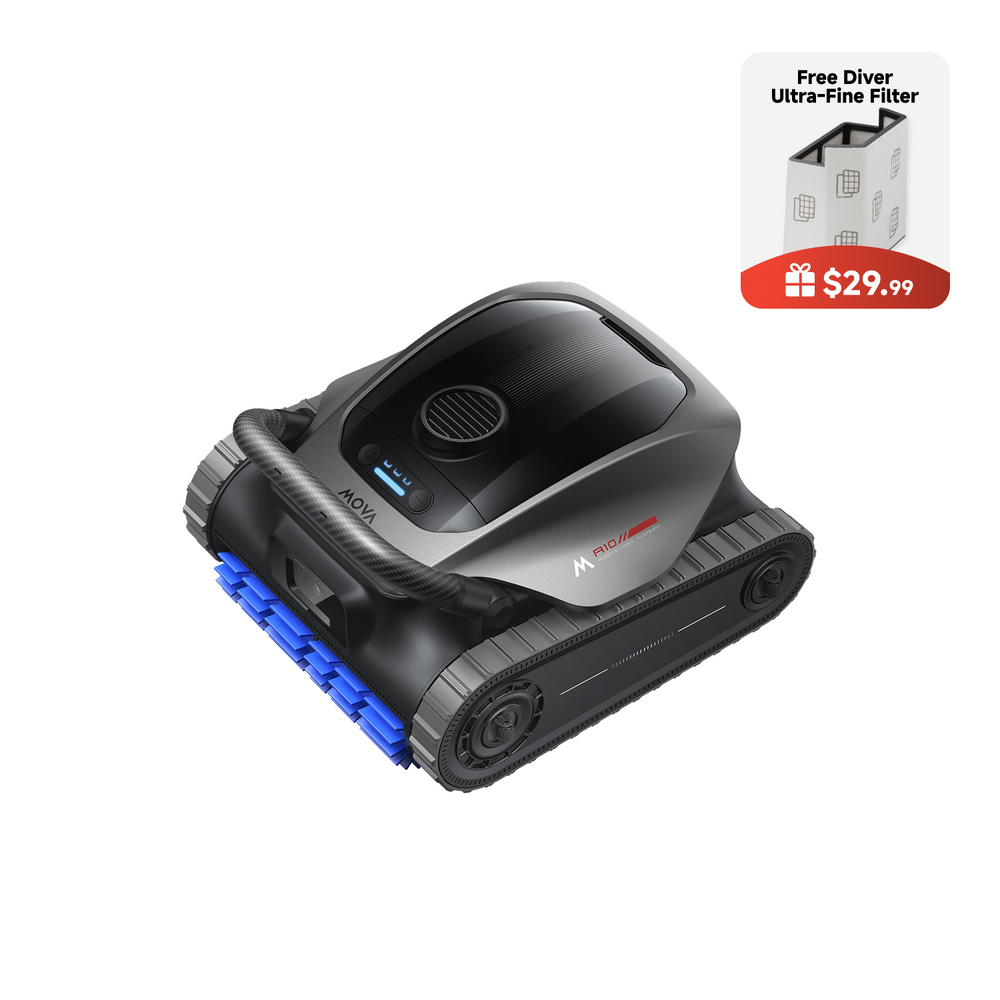 vs
Both list floor, wall and waterline cleaning with fine-filtration claims. Compare pool fit and the actual modes before treating their four-hour headlines as equivalent.
Read the guideCheck the actual filter before paying for a bigger robot. Sora offers model-matched fine accessories, while Aiper, CHASING and iGarden add other documented filter systems. The supplied package and cleaning routine matter alongside the advertised micron rating.
Read the guideFor a larger pool, we'd start with the floor area and the cleaning jobs you want covered, then check how the cycle and recharge fit around swimming. A long surface-only runtime isn't the same promise as a complete floor, wall and waterline clean.
Read the guideStart with where the leaves end up. A combined surface-and-underwater cleaner suits one routine; a dedicated skimmer alongside another robot suits another. Beatbot and Aiper now give you both kinds of comparison.
Read the guideWith a smaller pool, we'd check the cleaning jobs, filter and handling before paying for capacity. The choices here now include Aiper's S3 and a corded CHASING option alongside SPINO, Dreame and Sora.
Read the guideA full basket, a loaded fine-filter layer and a poorly seated element need different responses. Check what is collecting, follow the exact filter arrangement and change one thing at a time.
Read the guideStart by watching what the cleaner actually does. A floor-only task, normal waterline parking and a robot struggling to climb are different situations. We'd check the selected mode and error record before adding longer cycles or changing the pool setup.
Read the guideLeaves floating across the water and grit sitting on the bottom are two different jobs. A surface skimmer won't replace an underwater cleaner. Here's when we'd buy one, the other, or a robot that can handle both kinds of debris.
Read the guide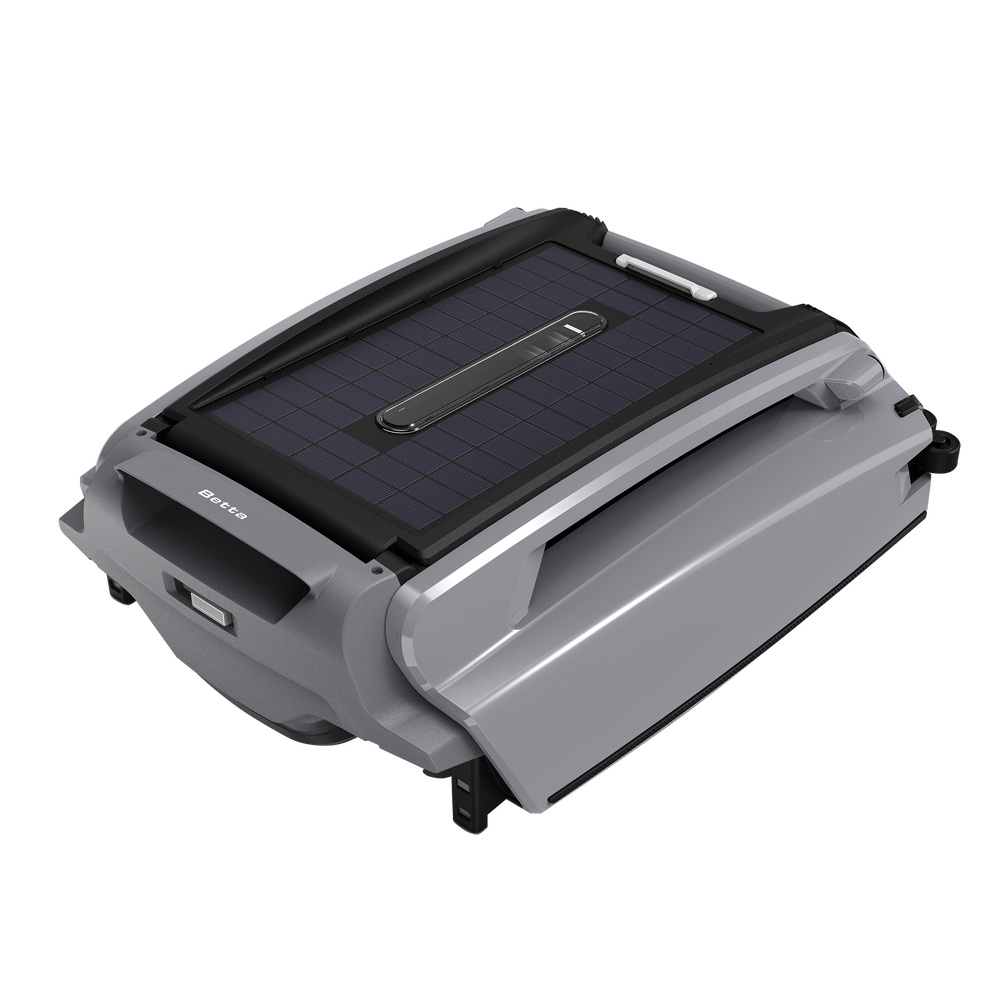
Repeated tight circles in open water need a different check from turns beside a ledge. Record where it happens, retrieve the skimmer safely and follow the exact model’s powered-off obstruction checks before another run.
Read the guideA skimmer sitting still does not automatically have a charging fault. Start with its indicators and exact charging instructions, then separate limited sunlight from an obstruction or a battery problem that needs support.
Read the guideA skimmer grounded on a shallow ledge needs a different check from one circling in open water. Record where it stops, follow its exact anti-stranding instructions and avoid copying another model’s bar settings.
Read the guideChoose the cleaning jobs before the Scuba number. Some Aiper robots clean underwater, others also collect floating debris, and EcoSurfer S2 is a separate surface skimmer. We'd start with what the pool still needs you to do by hand, then check its size and shape.
Read the guide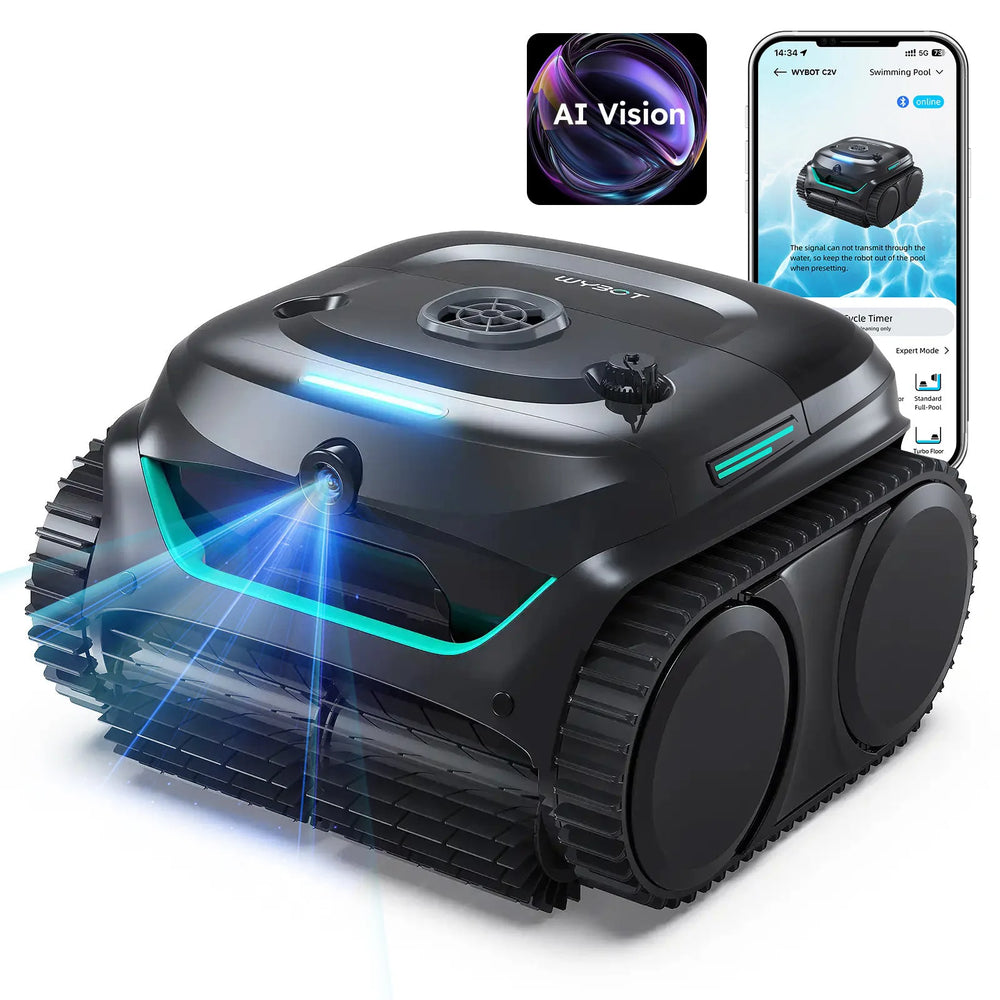 vs
Both advertise intelligent cleaning, but the pool allowance and the supplied filter details are easier to compare. Keep WYBOT’s floor-only Vision task separate from full-pool cleaning.
Read the guide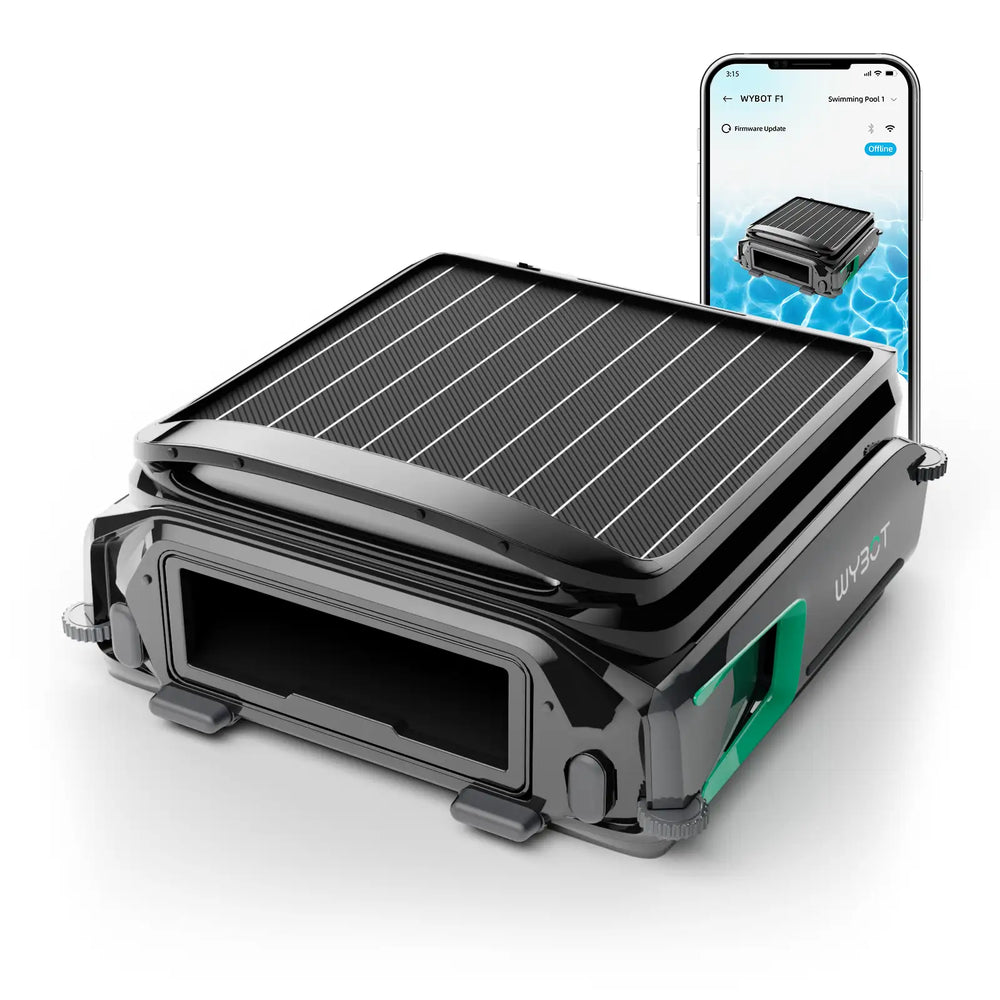 vs
Both are dedicated surface skimmers. A larger basket, a finer stated filter and a longer headline duration are different advantages, so compare the debris load and the complete charging setup first.
Read the guide