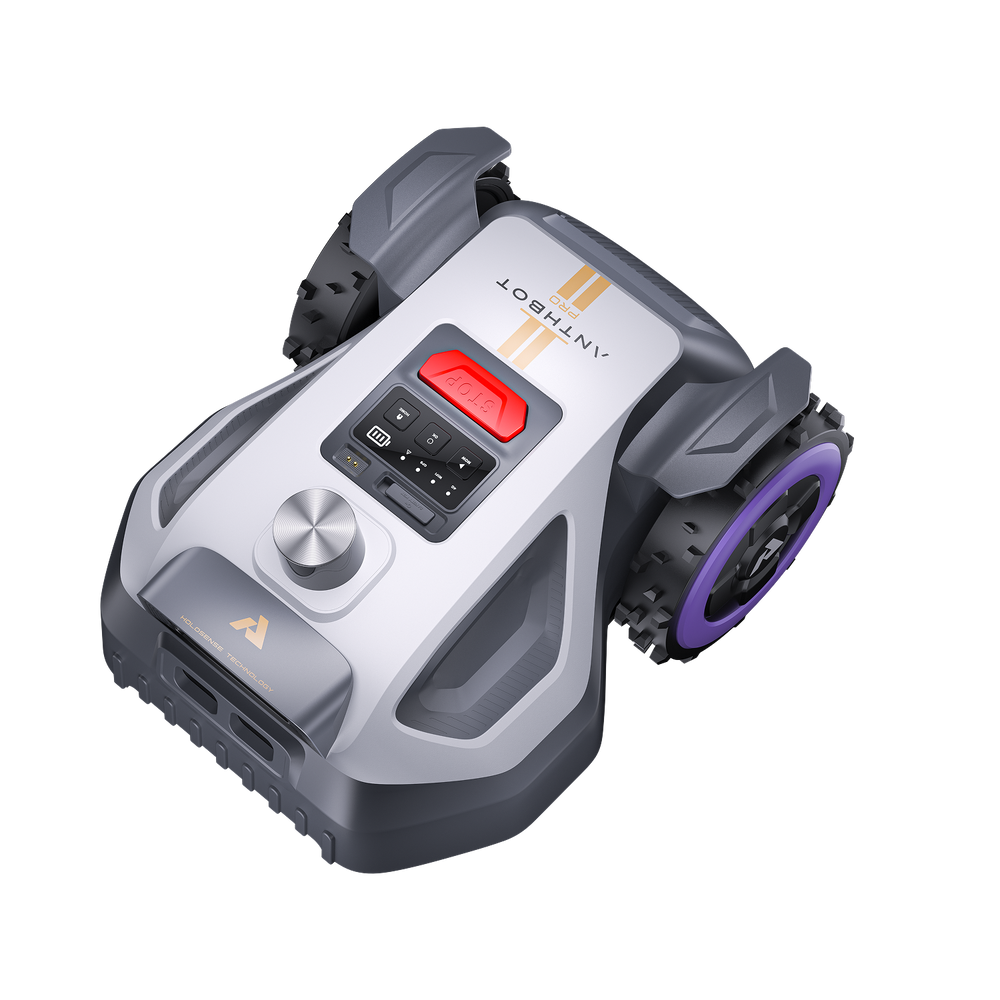
Inside the lineup
ANTHBOT.
Compare compact M-series mowers, Genie coverage tiers and the collecting N8. The Pion uses perimeter wire; newer navigation systems have different installation needs.
11reviewed US modelsSee the lineup ↓
The current catalog
Meet the lineup.
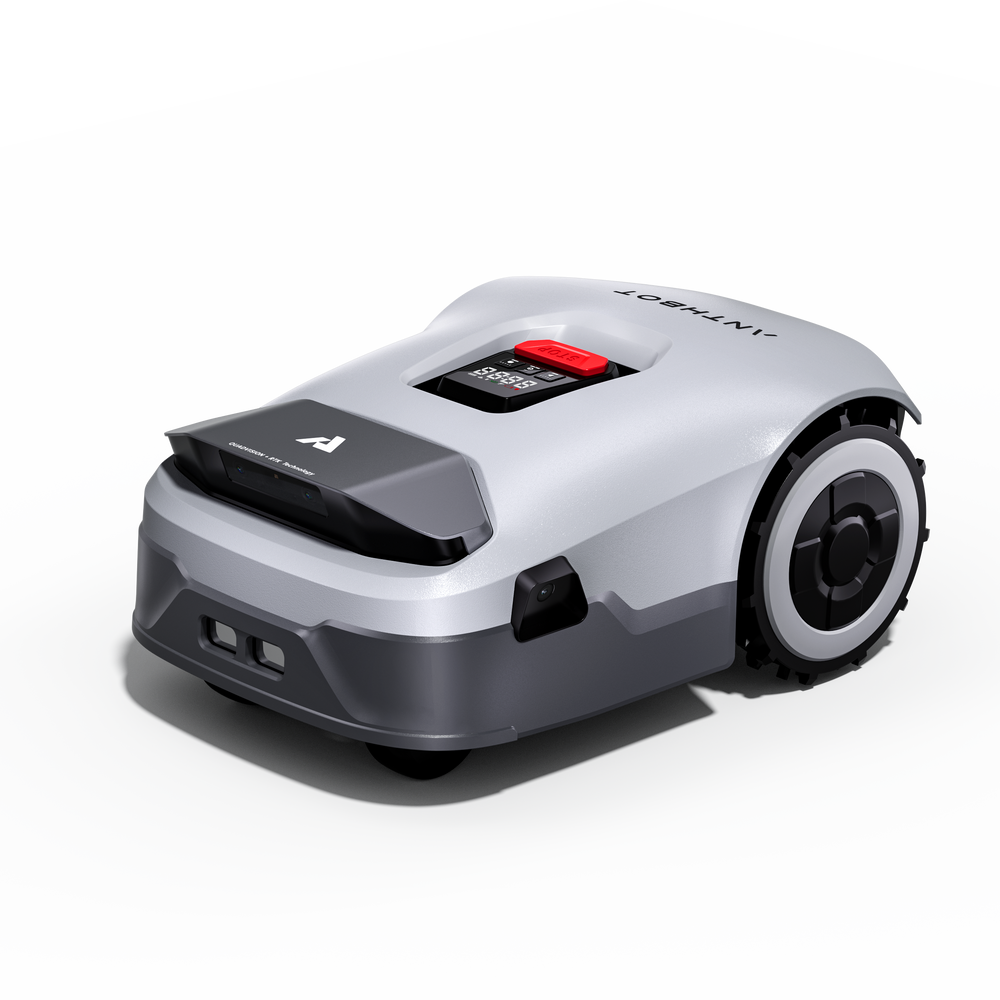
ANTHBOT
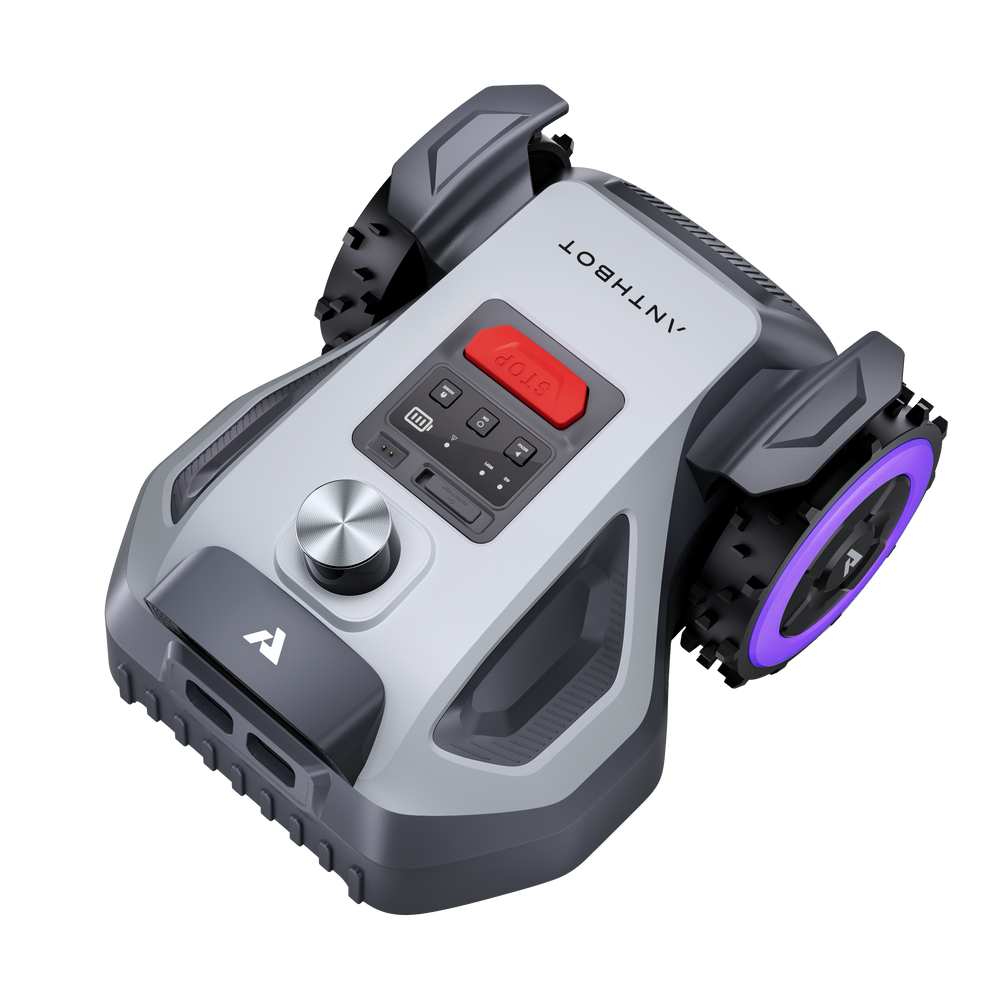
Genie 600e 4G
Consider Genie 600e 4G for RTK and vision for a larger mapped lawn. Its 0.22-acre rating is the useful starting point; check cutting height, station placement and passages before buying.
0.22 acreRTK + vision
ANTHBOT
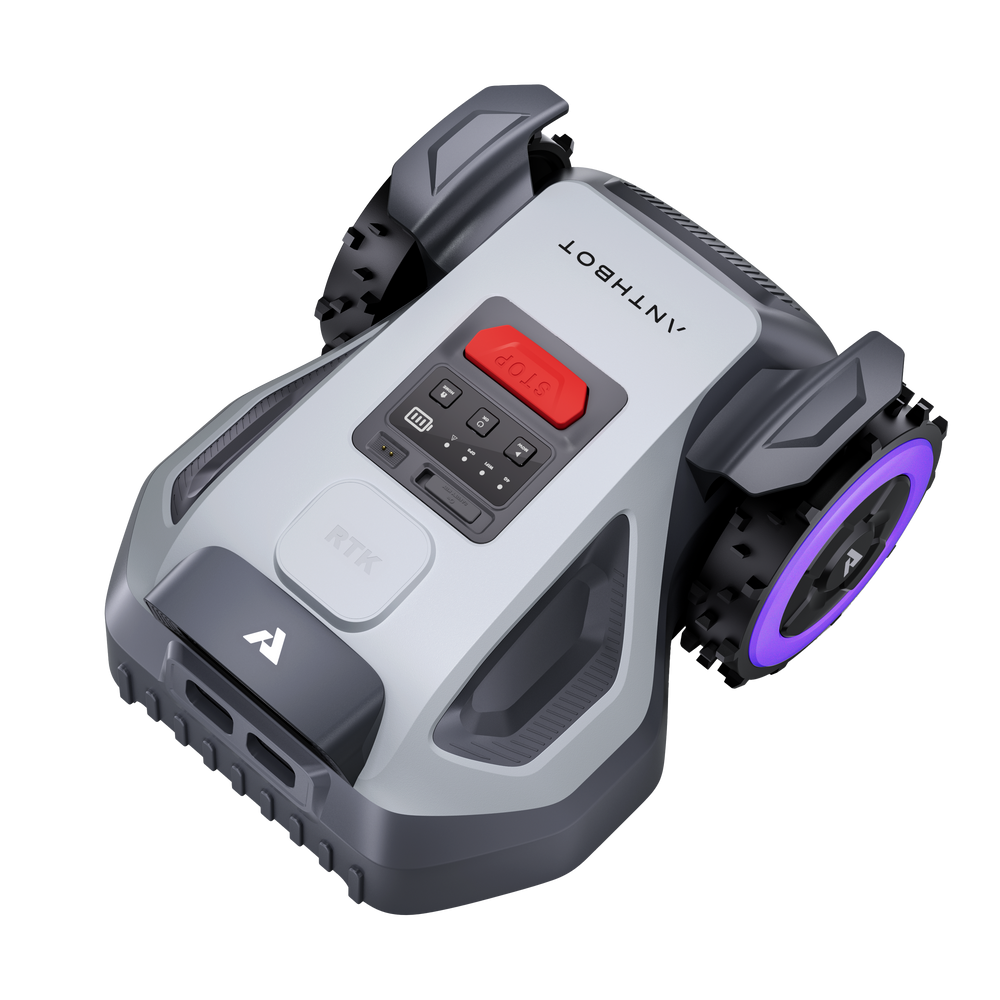
Genie 1000
Consider Genie 1000 for RTK and vision for a larger mapped lawn. Its 0.49-acre rating is the useful starting point; check cutting height, station placement and passages before buying.
0.49 acreRTK + vision
ANTHBOT
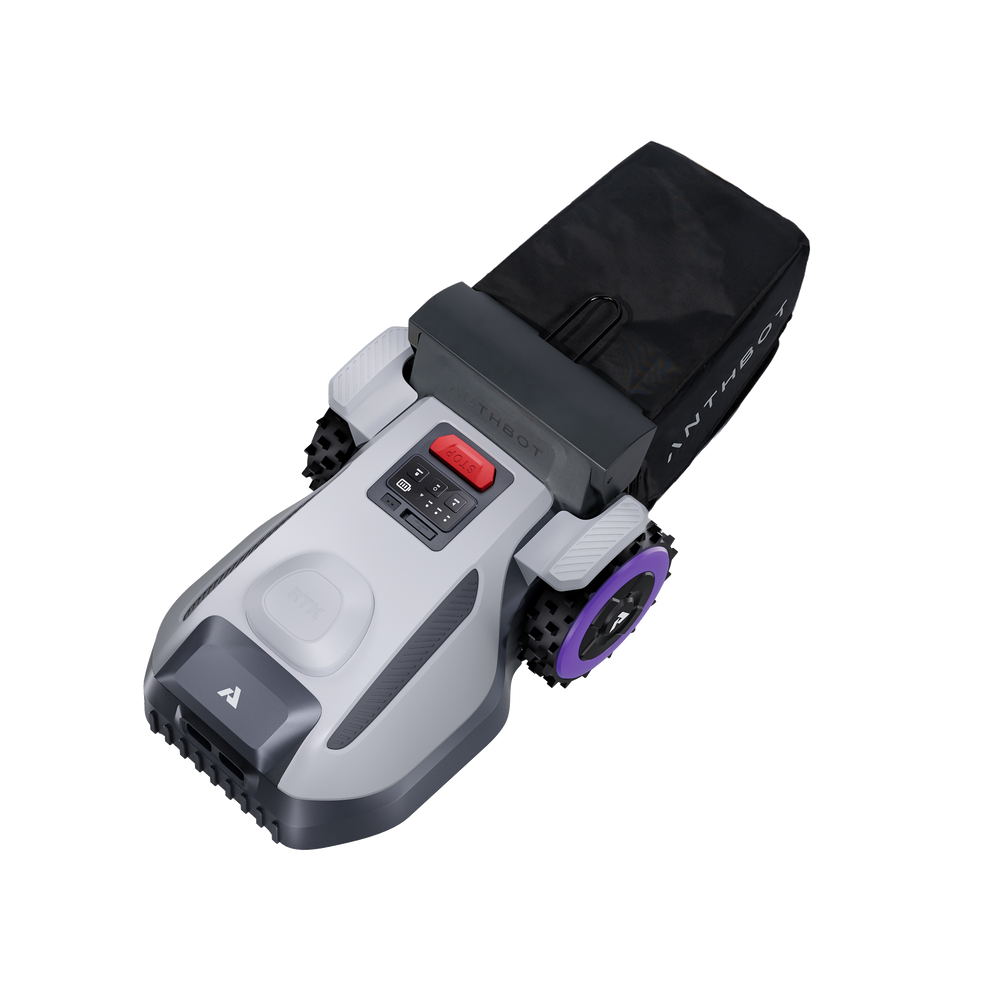
Genie 3000
Consider Genie 3000 for RTK and vision for a larger mapped lawn. Its 0.89-acre rating is the useful starting point; check cutting height, station placement and passages before buying.
0.89 acreRTK + vision
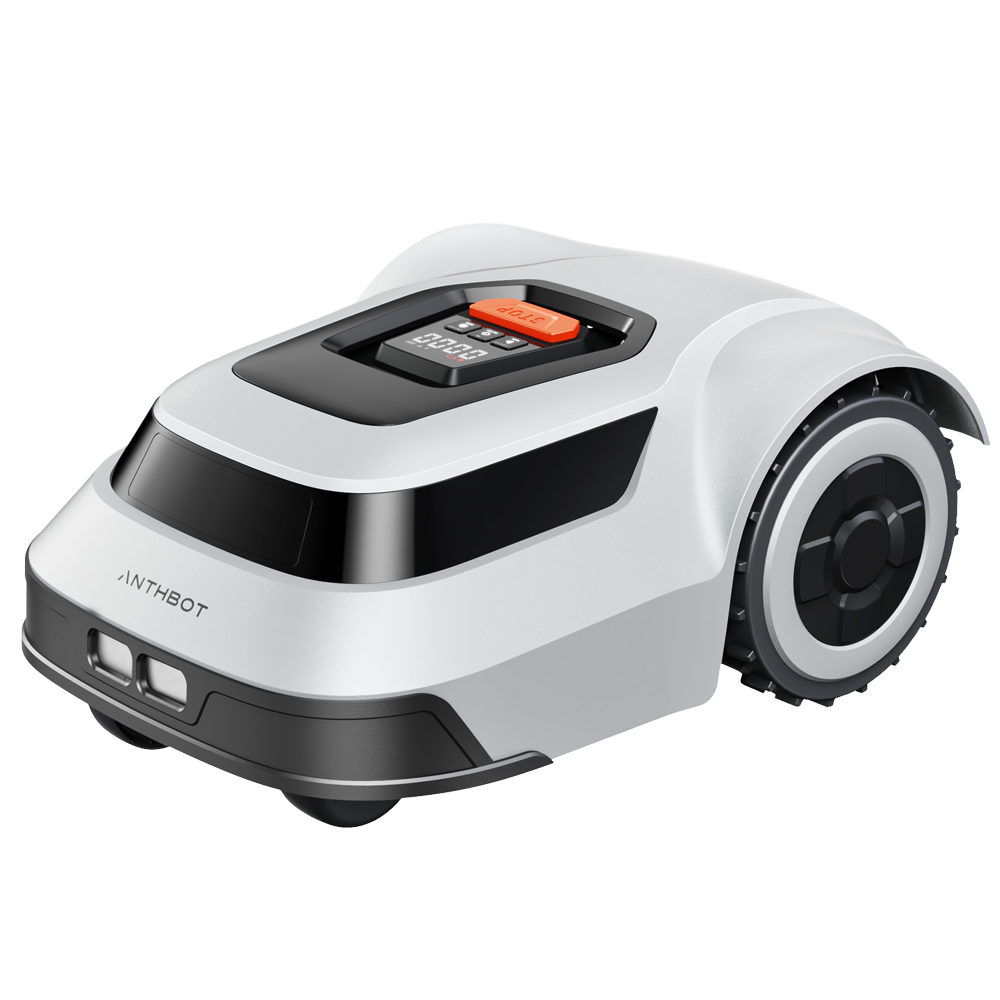
ANTHBOT
Pion 1000 · US
Consider Pion 1000 · US for a conventional perimeter-wire setup. Its 0.15-acre rating is the useful starting point; check cutting height, station placement and passages before buying.
0.15 acre
Our recommendations come from published specifications. We may earn a commission from qualifying purchases. As an Amazon Associate, we earn from qualifying purchases. How we work
The field guide
Make sense of ANTHBOT.
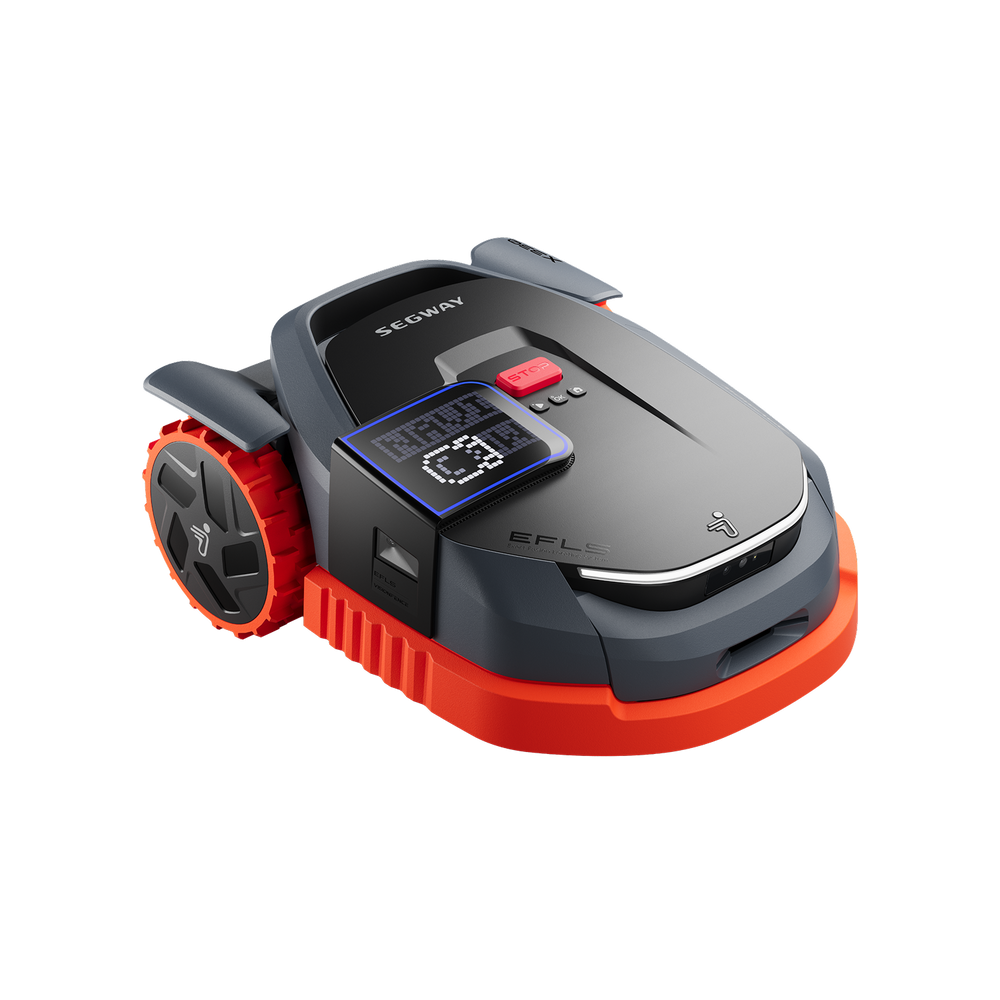 vs
Model comparison · 5 min read
ANTHBOT Genie 3000 vs Navimow X330: A low cut or a taller lawn?
Genie 3000 reaches below two inches; X330 goes up to four. Their area recommendations and current availability differ too, so start with the grass and the whole installation before comparing battery or satellite headlines.
Read the guidevsModel comparison · 5 min read
ANTHBOT Genie 600 vs 600e 4G vs 1000 vs 3000: Which Should You Buy?
Choose the lawn-size tier first, then decide which connected features you need. Plain Genie 600 and 600e 4G share a stated area, while 1000 and 3000 move up the range. The extra letter and a 4G label don't establish a larger lawn allowance or identical equipment.
Read the guide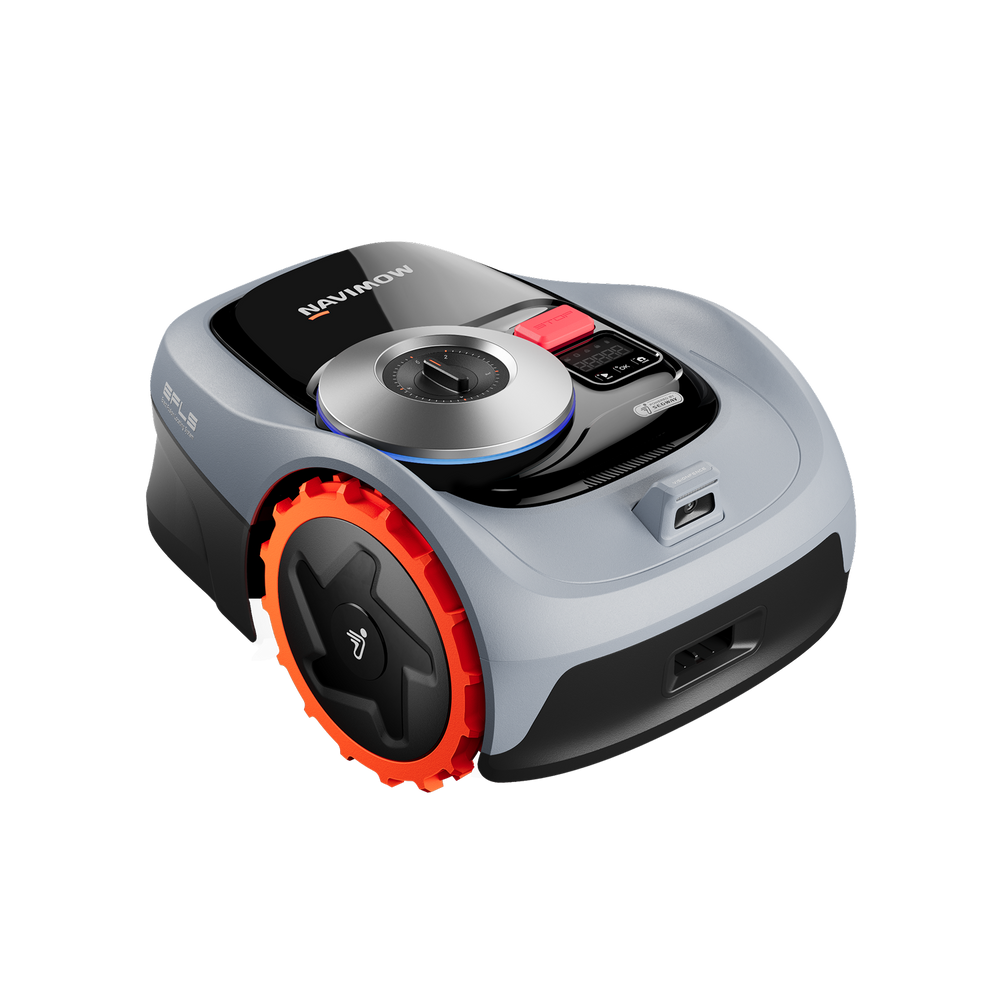 vs
Model comparison · 5 min read
ANTHBOT Genie 600 vs Navimow i105: Check the lawn size and cutting height
Genie 600 has the larger stated lawn allowance and a lower cutting range. The i105 reaches taller grass settings. Those differences can decide the fit before navigation features do, but the exact Genie 600 is currently unavailable from ANTHBOT’s direct store.
Read the guide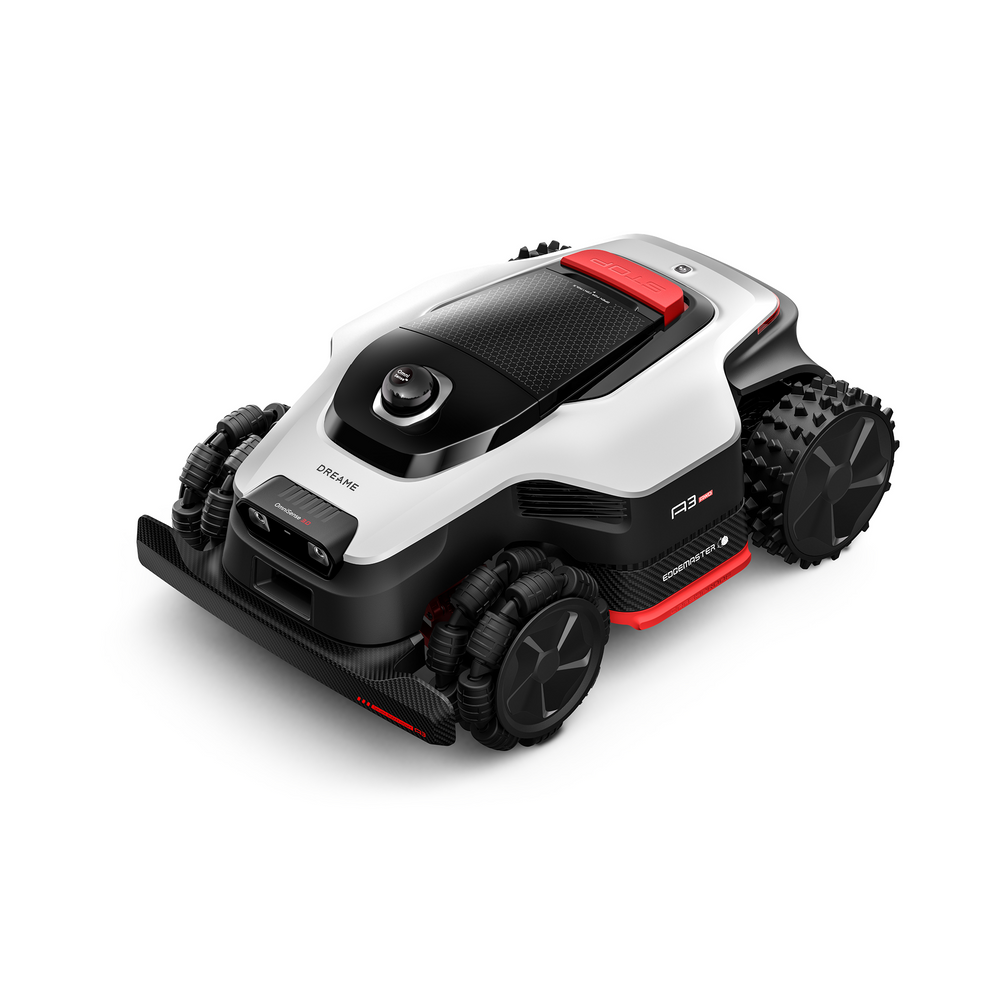 vs
Model comparison · 5 min read
ANTHBOT Genie 600e 4G vs Dreame A3 1000: Check the taller finish first
Genie 600e 4G lists 0.22 acre and a 30–70 mm cutting range. Standard A3 AWD 1000 lists 0.25 acre and reaches 3.9 inches. A three-inch lawn makes that difference matter before RTK equipment or AWD enters the decision.
Read the guidevsModel comparison · 4 min read
ANTHBOT M5 LiDAR vs Dreame A3 AWD 1000: Which Should You Buy?
These aren't two identical lawn-size choices. M5 LiDAR is aimed at roughly an eighth acre; Dreame 1000 is rated for a quarter acre and offers a taller cut. We'd settle those two requirements first, then compare the route, ground and supported installation.
Read the guidevsModel comparison · 3 min read
ANTHBOT M5 PRO vs M9 PRO: Which Size Should You Buy?
M9 PRO's clear reason to buy is its larger recommended lawn area. Both list the same cutting range, disc width and positioning arrangement. We'd measure the whole lawn first, then decide whether M5 PRO is already enough for the way you mow.
Read the guidevsModel comparison · 5 min read
ANTHBOT M5 vs M5 PRO vs M5 LiDAR: What’s the Difference?
These are three separate mowers with very similar names. We'd choose by the positioning setup your garden needs, then check the connection terms and complete package. Paying for PRO doesn't automatically buy more lawn capacity or a taller cut.
Read the guidevsModel comparison · 3 min read
ANTHBOT M5 vs M9: Which Lawn Size Do You Need?
Standard M5 and M9 use RTK and vision, with an app-adjusted 3–7 cm cutting range. The headline lawn ratings differ: 500 m² for M5 and 1,000 m² for M9. We'd measure the grass first, then check M9's reused mapping copy and the exact installation and service package.
Read the guide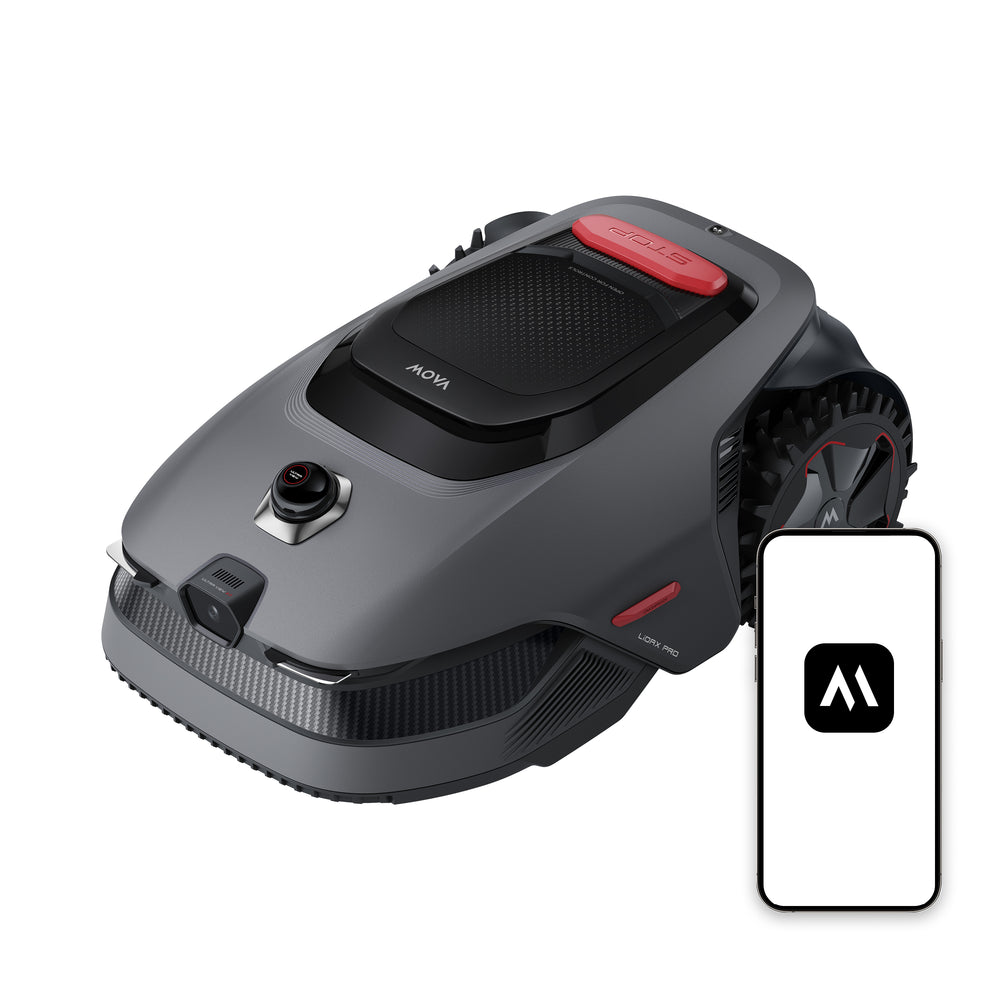 vs
Model comparison · 5 min read
ANTHBOT M5 vs MOVA LiDAX Pro 800: Check the height before navigation
M5 combines RTK and vision for a smaller mapped lawn. LiDAX Pro 800 uses LiDAR and vision without a local RTK station and reaches a taller cutting setting. Check the exact package, mapping limit and working routine together.
Read the guide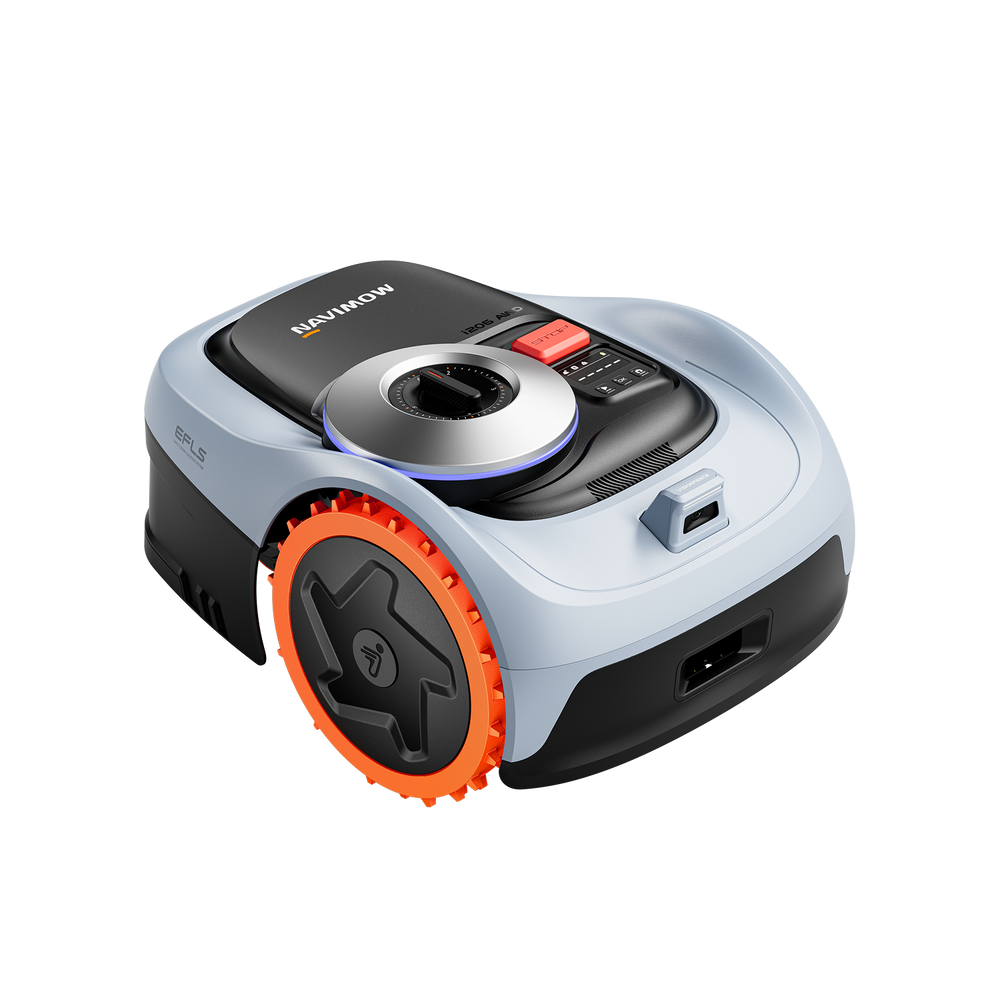 vs
Model comparison · 4 min read
ANTHBOT M5 vs Navimow i206 AWD
Both target small lawns, but their cutting ranges overlap only partway. The US i206 AWD can leave grass taller; M5 can cut lower. Measure the grass area before deciding that either small-mower label fits.
Read the guidevsModel comparison · 6 min read
ANTHBOT M9 Pro vs Dreame A3 AWD 1000: Match the grass height and terrain
These are quarter-acre-class choices with different cutting ranges and positioning arrangements. Dreame’s AWD and climbing claim are relevant only after the actual lawn, boundary and route are checked.
Read the guide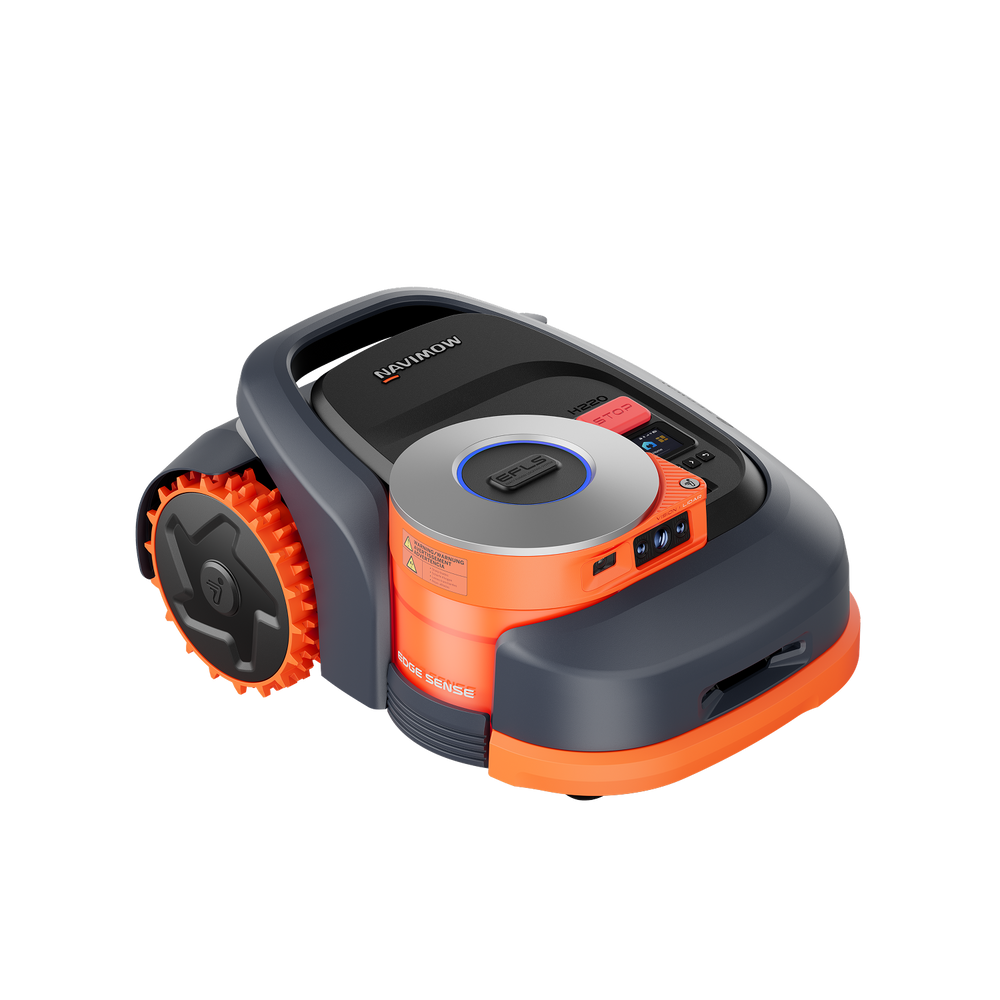 vs
Model comparison · 4 min read
ANTHBOT M9 PRO vs Navimow H210: Which Quarter-Acre Mower Should You Buy?
Both combine LiDAR, network positioning and vision for roughly a quarter acre. Your usual grass height may make the choice clearer than another sensor comparison: M9 PRO lists 1.2–2.8 inches, while standard H210 runs from two to four inches.
Read the guide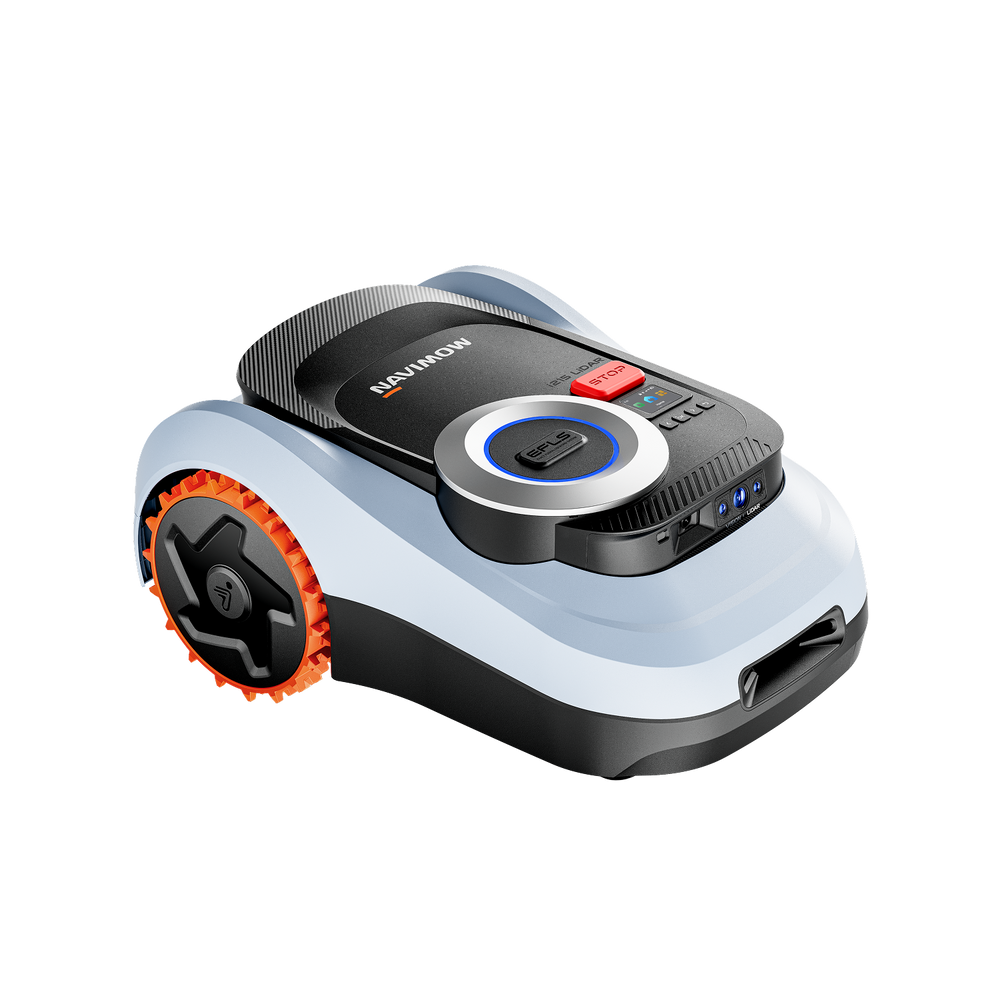 vs
Model comparison · 4 min read
ANTHBOT M9 Pro vs Navimow i215 LiDAR
M9 Pro starts lower; the US i215 LiDAR can leave grass much taller. Their area ratings differ too. Those two checks can settle the choice before the extra positioning features come into it.
Read the guidevsModel comparison · 5 min read
ANTHBOT M9 vs M9 PRO: Is Pro Worth It?
M9 PRO adds LiDAR and a setup advertised without a local RTK station. We'd pay for that when it would make the installation or mowing routine easier. The standard M9 is still worth considering if its positioning setup suits your yard.
Read the guide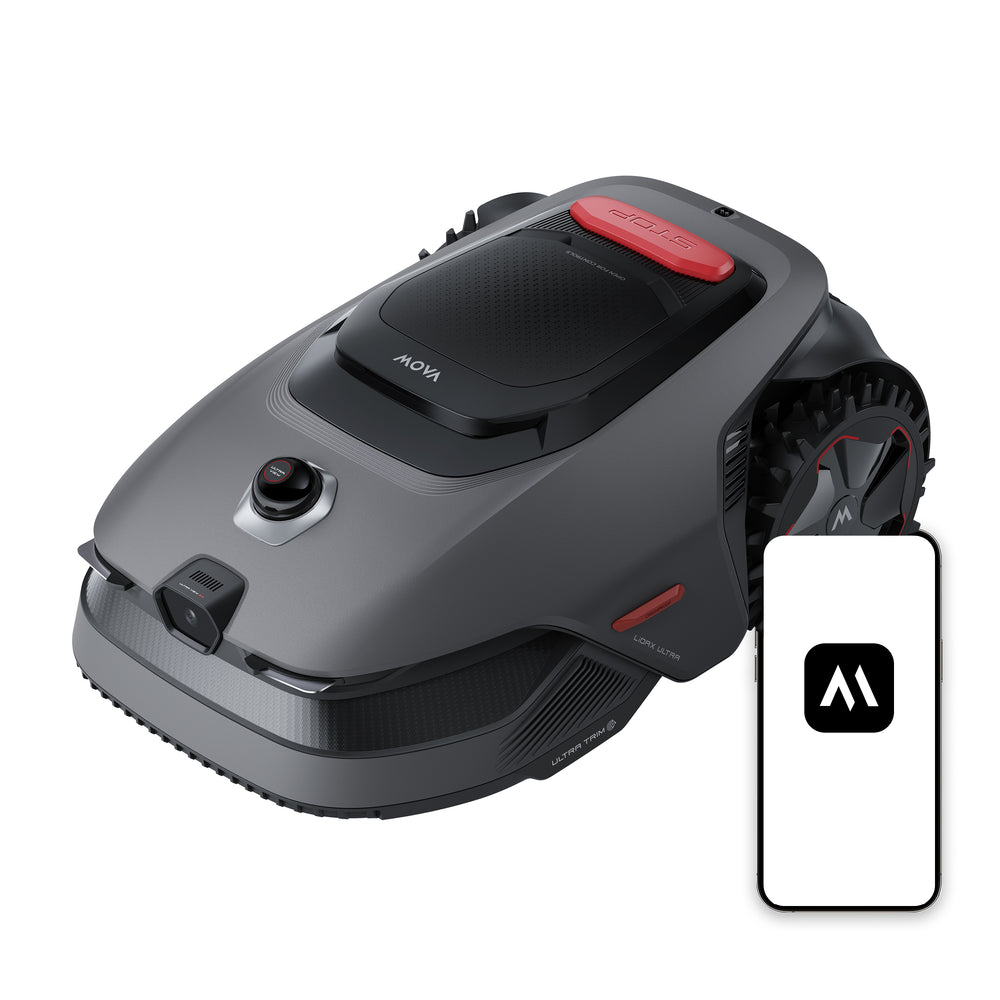 vs
Model comparison · 5 min read
ANTHBOT M9 vs MOVA Ultra 1000: Check the cut and the mapping claims
M9 combines RTK and vision; standard Ultra 1000 uses LiDAR without a reference station. Their cutting ranges differ, and M9’s mixed mapping wording needs clarification before its model label becomes a lawn-size promise.
Read the guidevsModel comparison · 5 min read
ANTHBOT N8 vs Navimow i105: Do you need collection or regular mulching?
N8 adds grass collection and a larger stated lawn allowance. The i105 is aimed at smaller lawns maintained by frequent cutting. Start with the amount of grass and what you want to do with the clippings.
Read the guidevsModel comparison · 3 min read
ANTHBOT N8 vs Pion 1000: Collection or a Wired Mower?
N8 adds a grass-collection system and RTK positioning. The US Pion 1000 takes a different approach: a smaller recommended lawn and perimeter wire. We'd decide whether you want to collect clippings before comparing the setup. Pion was sold out when we checked, so availability matters too.
Read the guide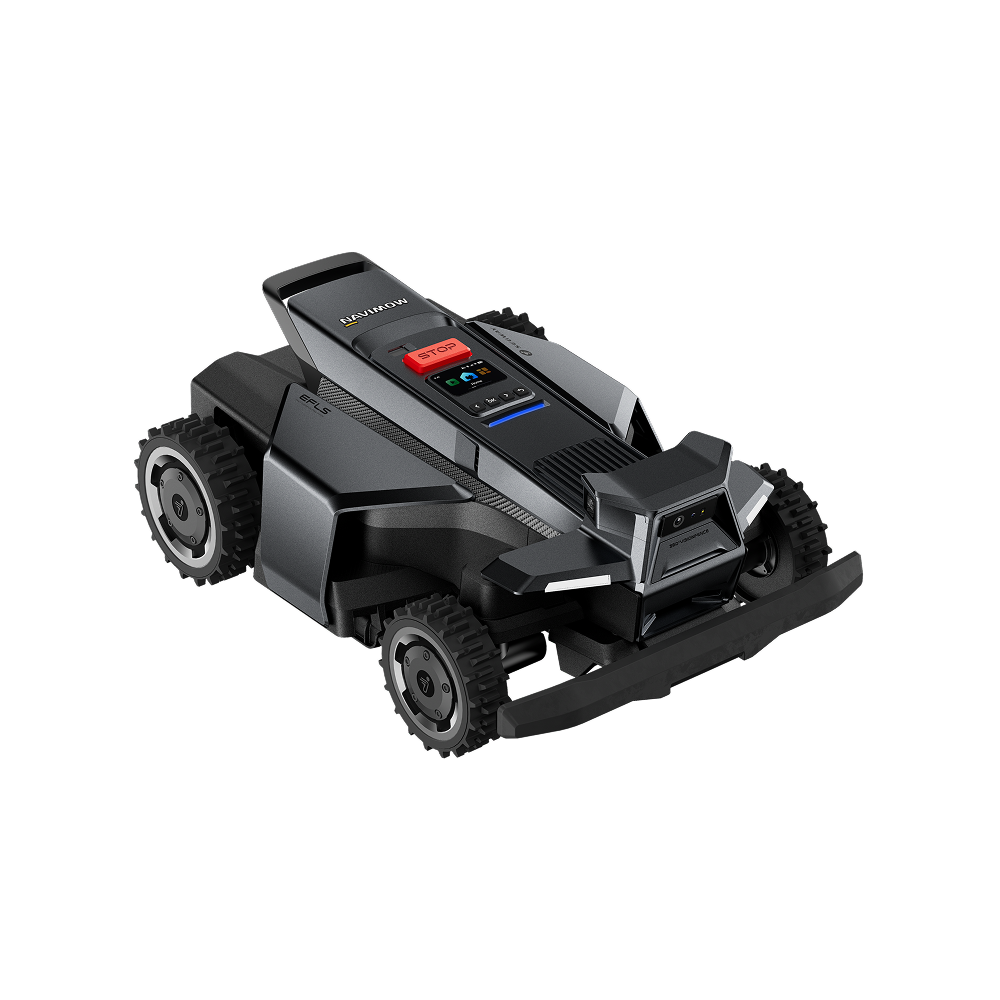
Ownership guide · 6 min read
Can Robot Mowers Mow in the Rain?
Weather resistance doesn't tell you whether the mower should keep cutting a wet lawn. We'd check the exact rain-sensor behavior and manual, then plan around the condition of the grass and ground. These examples return home when rain is detected.
Read the guide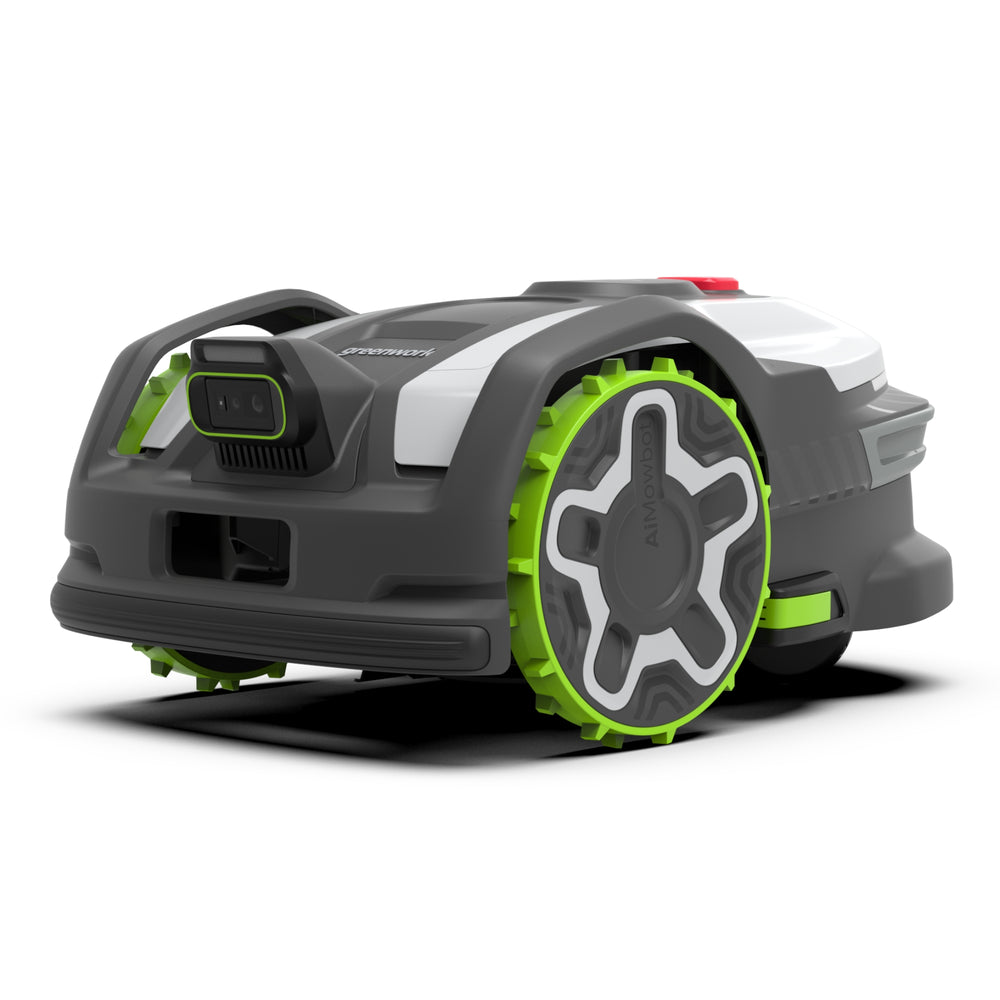 vs
Model comparison · 4 min read
Greenworks AiMowbot C30Z vs ANTHBOT Genie 1000
The C30Z gives you room for more grass and a wider range of cutting heights. Both use a reference-based positioning system, so check where the antenna will go before settling on either mower.
Read the guide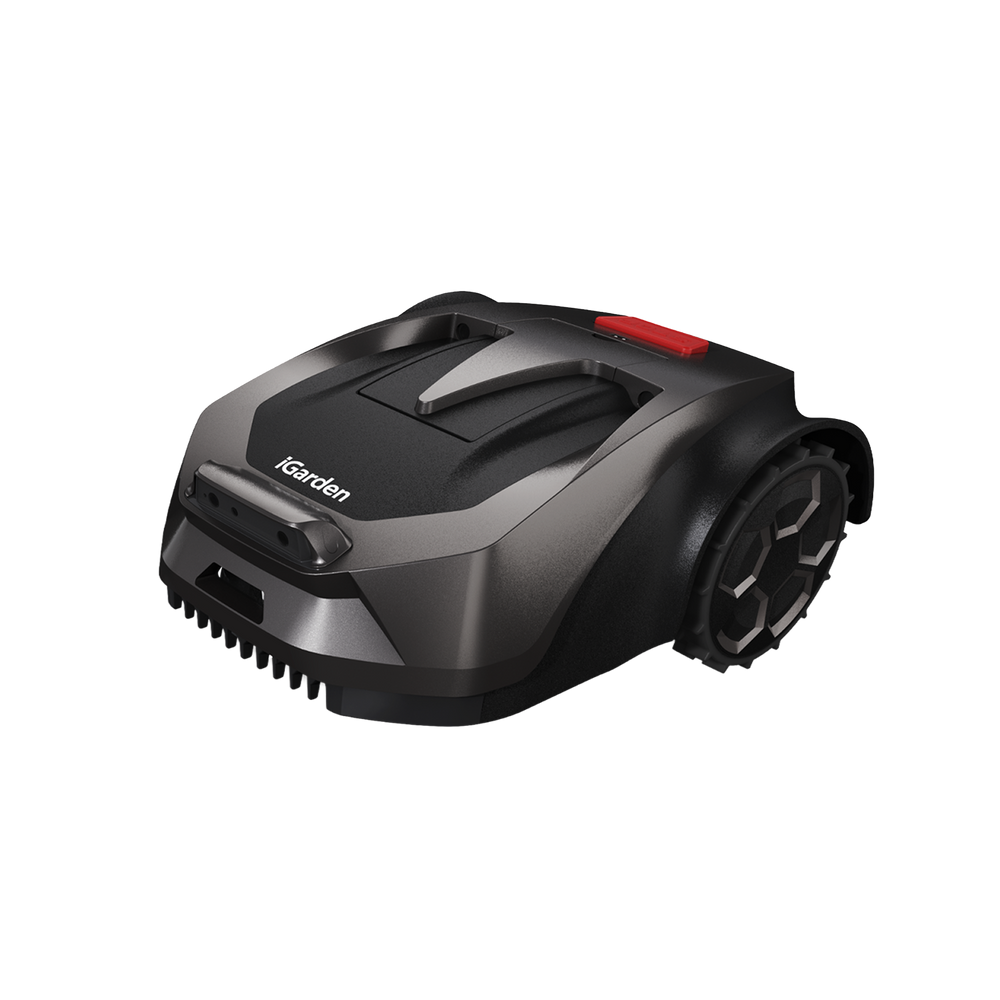 vs
Model comparison · 3 min read
iGarden R35 vs ANTHBOT M9: Which Fits a Small Lawn?
R35 has a shorter cutting range and describes NetRTK positioning. Standard M9 reaches a little taller and describes RTK with vision. The area claims also need care: R35's 0.19 acre is described per charge, while M9 advertises 1,000 m². We'd start with the grass and the installation.
Read the guidevsModel comparison · 5 min read
iGarden R55 vs ANTHBOT Genie 1000: Check lawn size and the taller cut
R55 lists 0.37 acre and a 2.36-inch maximum cutting height. The current exact Genie 1000 offer lists 0.49 acre and reaches 70 mm. A modest difference in grass height can matter before either positioning system is installed.
Read the guide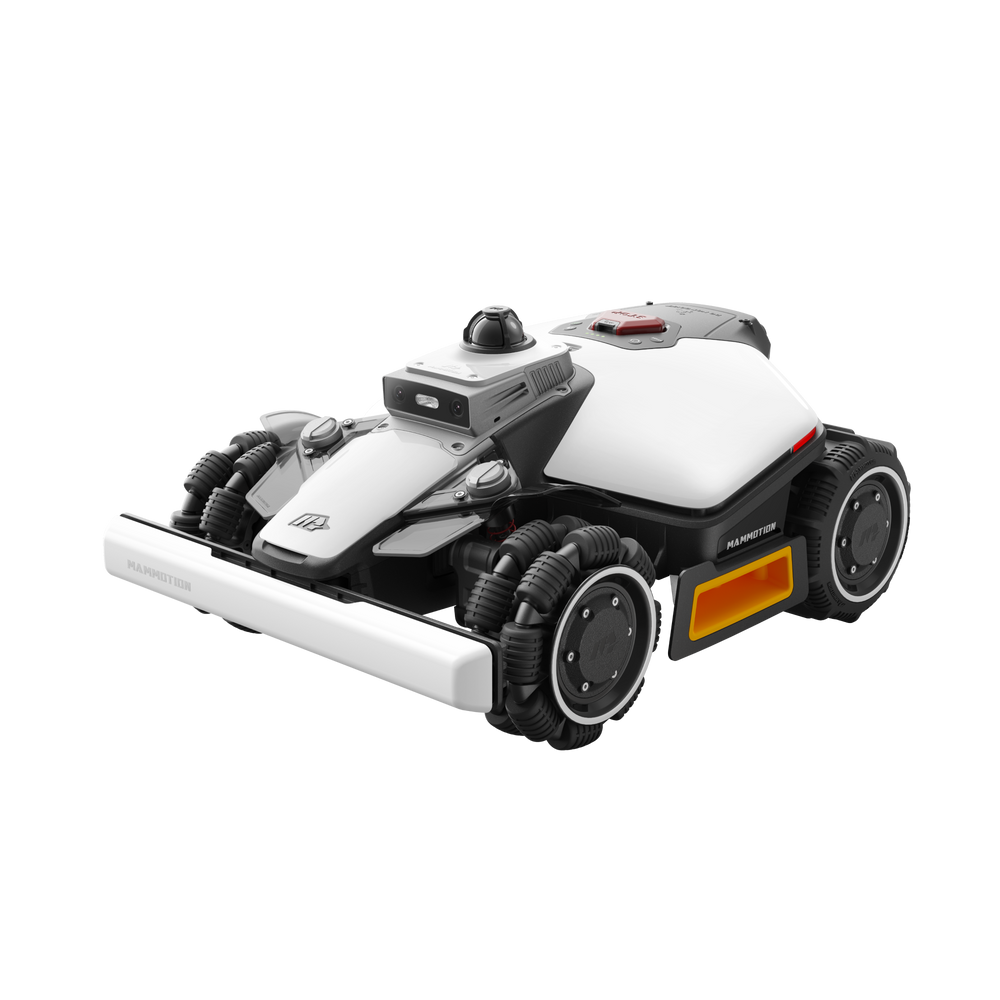 vs
Model comparison · 5 min read
LUBA mini 2 AWD 1500 vs Genie 1000: Check the exact low-cut version
Standard-height LUBA mini 2 offers LiDAR navigation and all-wheel drive within a smaller stated area. Genie 1000 uses RTK and vision with a larger area label. The actual cutting height, installation and exact stock matter more than the family names.
Read the guidevsModel comparison · 4 min read
LUBA mini 2 AWD 1500 vs ANTHBOT M9 PRO
The standard-height LUBA mini 2 covers a larger rated lawn and cuts lower. M9 PRO reaches slightly higher and carries a quarter-acre rating. Check the exact height version and availability before choosing by the navigation features.
Read the guide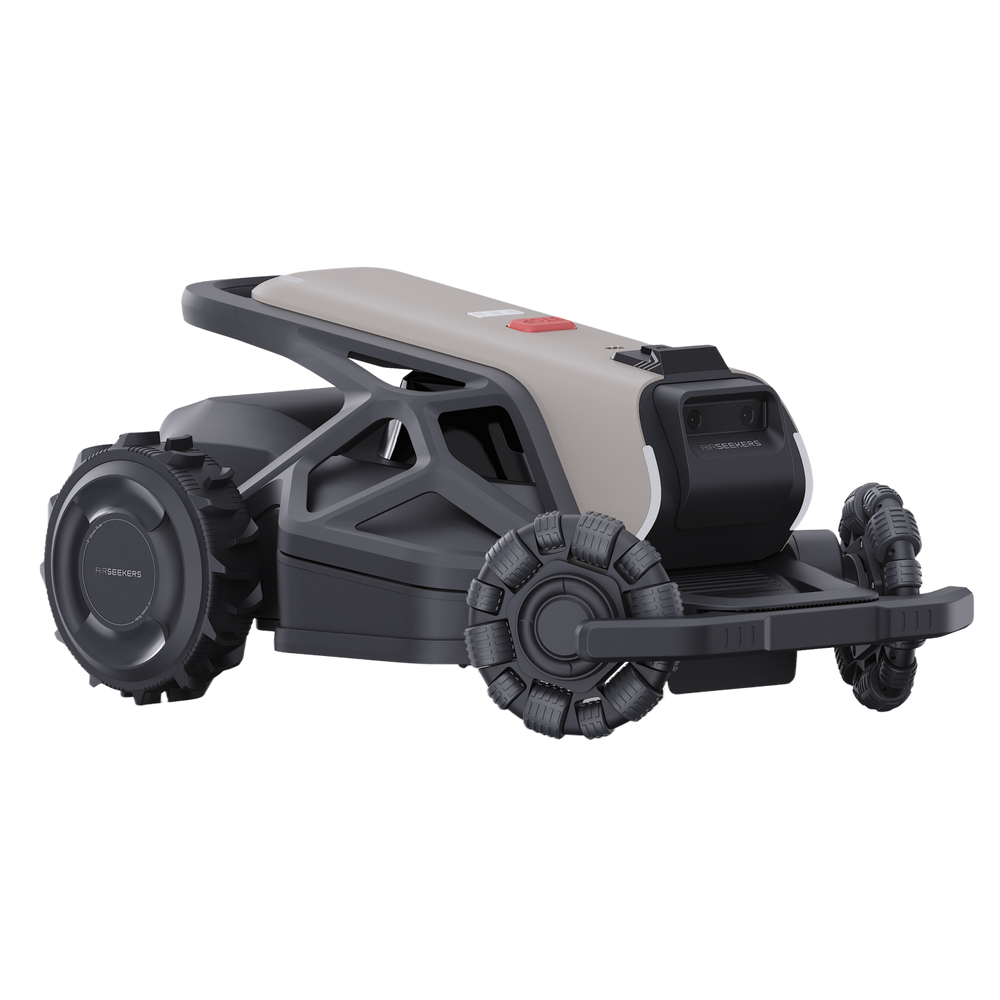
Buying guide · 5 min read
Robot Mower Mulching vs Collecting: Which Suits Your Lawn?
Leaving short clippings on the lawn can be a useful part of regular mowing. Collection adds another option when you want the cuttings removed. We'd decide how you want to handle the grass first, then check the robot, dumping arrangement and lawn fit.
Read the guideBuying guide · 5 min read
The Best Robot Mowers for Narrow Passages and Gates
Measure the opening at its tightest point before choosing a mower. A narrow-passage headline can help you find candidates, but hinges, turns, surfaces and a closed gate can still decide whether the route works. We'd check the complete journey, not just whether the body looks small enough.
Read the guide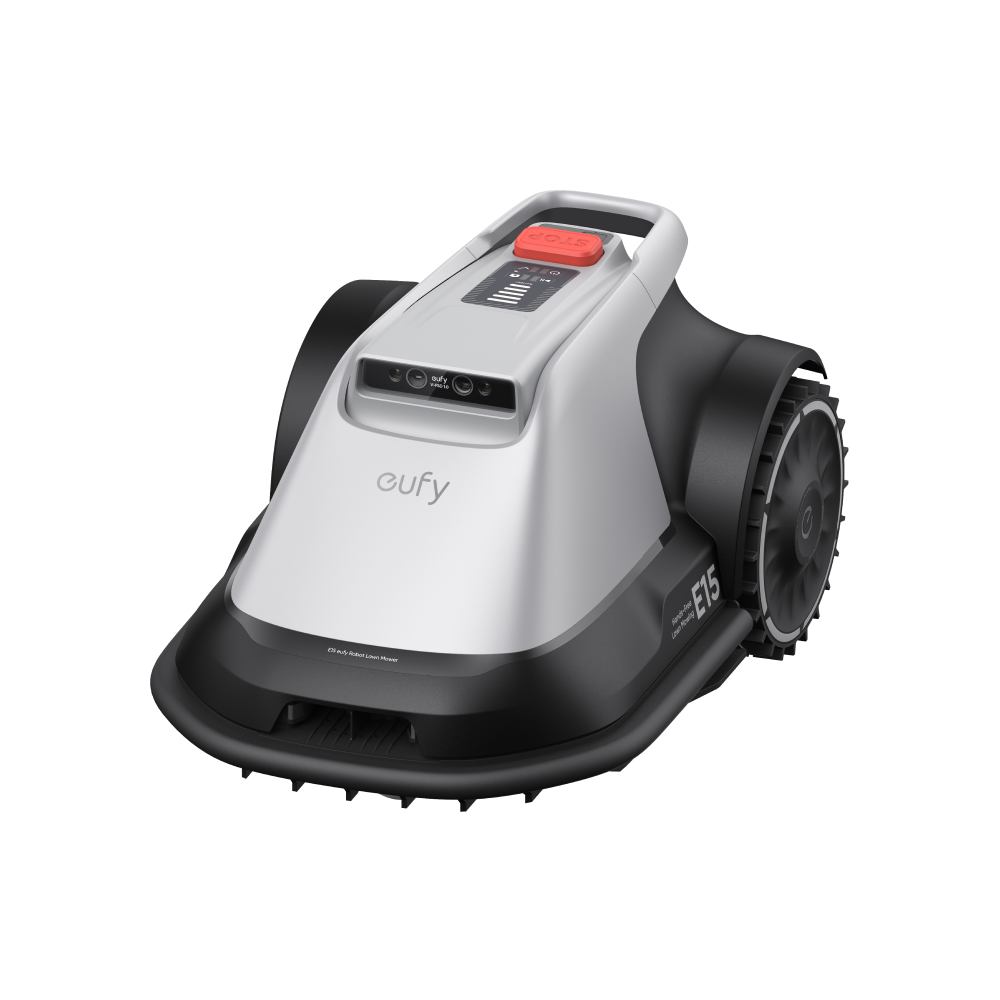
Best for small yards · 10 min read
The Best Robot Mowers for a Small Yard
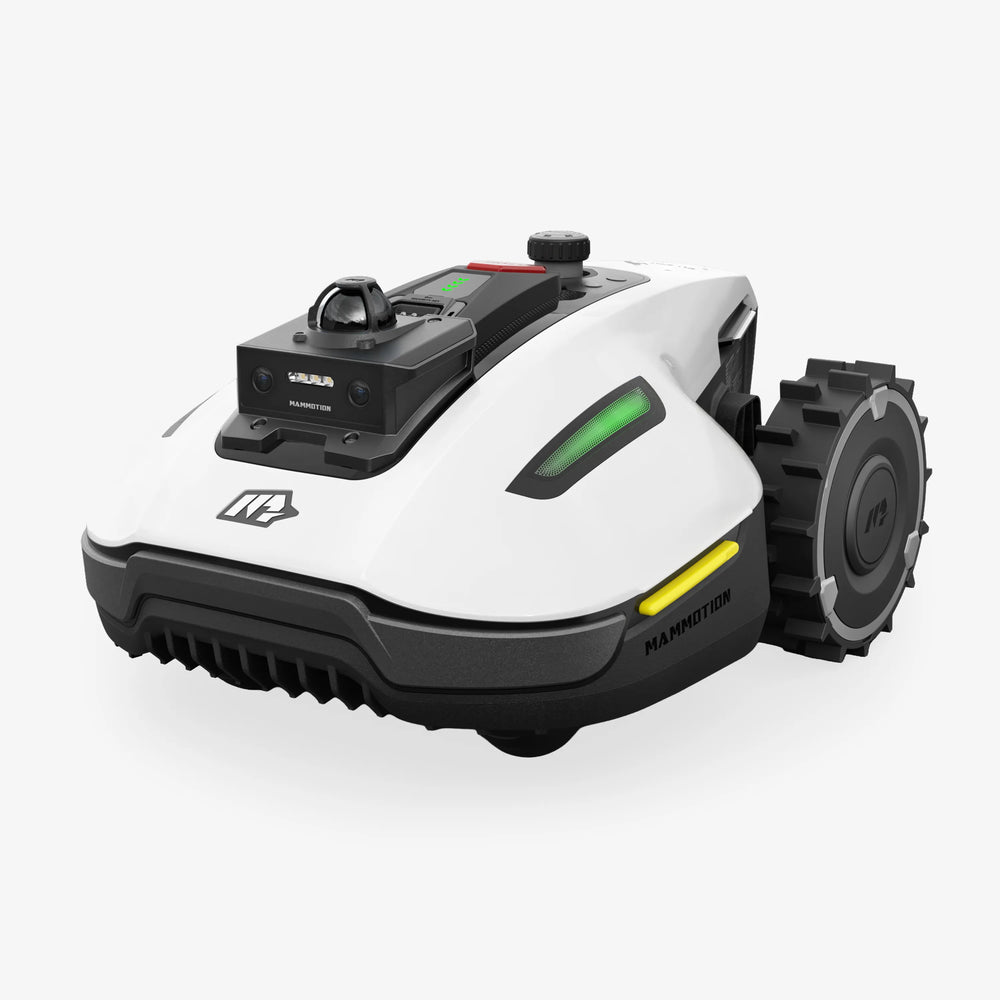
A small lawn can still have a steep patch, an awkward gate or grass you want kept taller. We'd compare the exact area, cutting range and installation before choosing among these Mammotion, Dreame, eufy, Navimow and ANTHBOT options.
Read the guide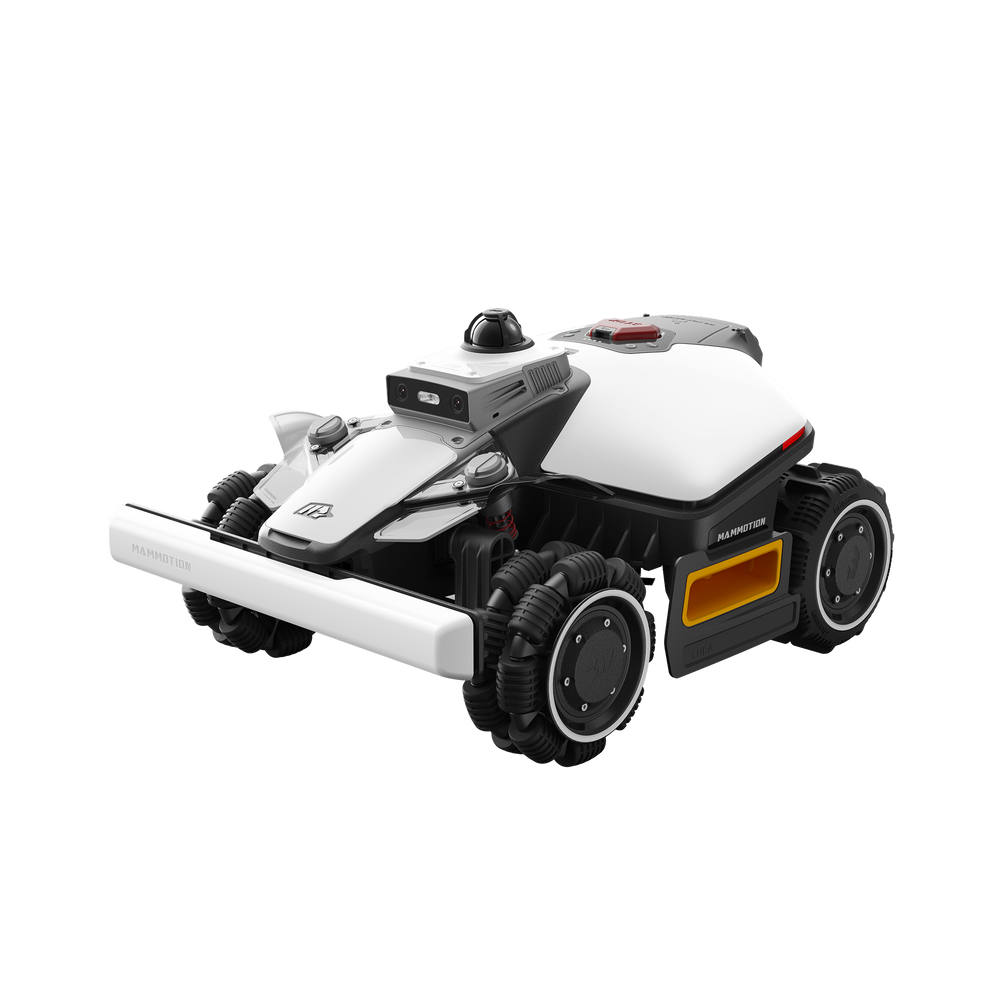
Buying guide · 9 min read
The Best Robot Mowers Without an RTK Station
If you'd rather avoid installing a local positioning station, start with models that explicitly document that arrangement. These Dreame, Mammotion and ANTHBOT options still need a suitable charger location, approved routes and the connections required by the exact setup.
Read the guideBrand buying guide · 7 min read
The Best ANTHBOT Robot Mowers: M Series, Genie or Pion?
The first choice is how you want to install it. Pion uses a perimeter wire, while the M models and Genie have different positioning arrangements. We'd narrow the lawn area and normal cutting height next, rather than assume one family is the best fit for every garden.
Read the guide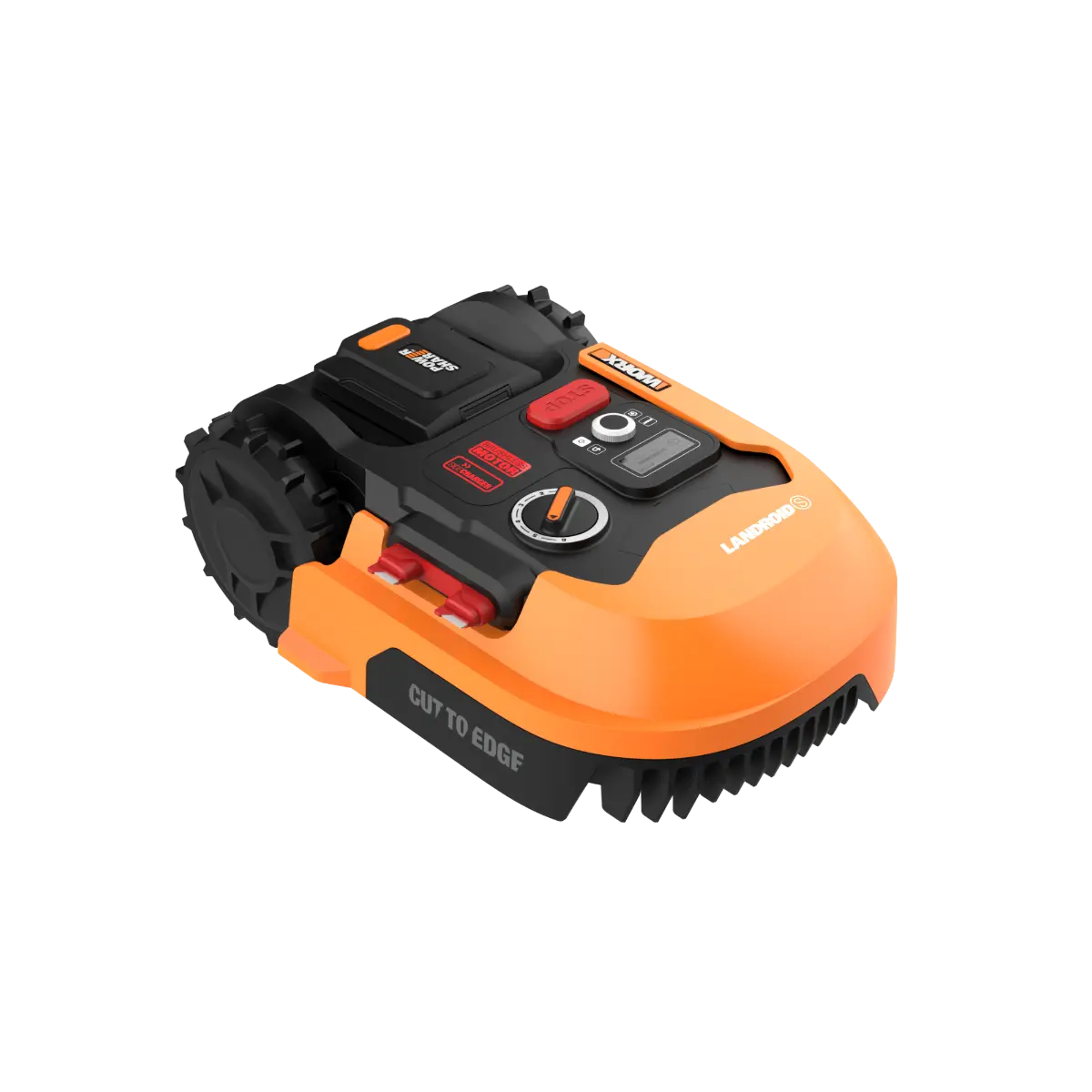 vs
Model comparison · 4 min read
WORX WR165 vs ANTHBOT Genie 600
A small lawn does not automatically need a wireless mower. WR165 uses boundary wire and offers a taller cut; Genie 600 avoids the wire, but the standard model was unavailable when checked.
Read the guide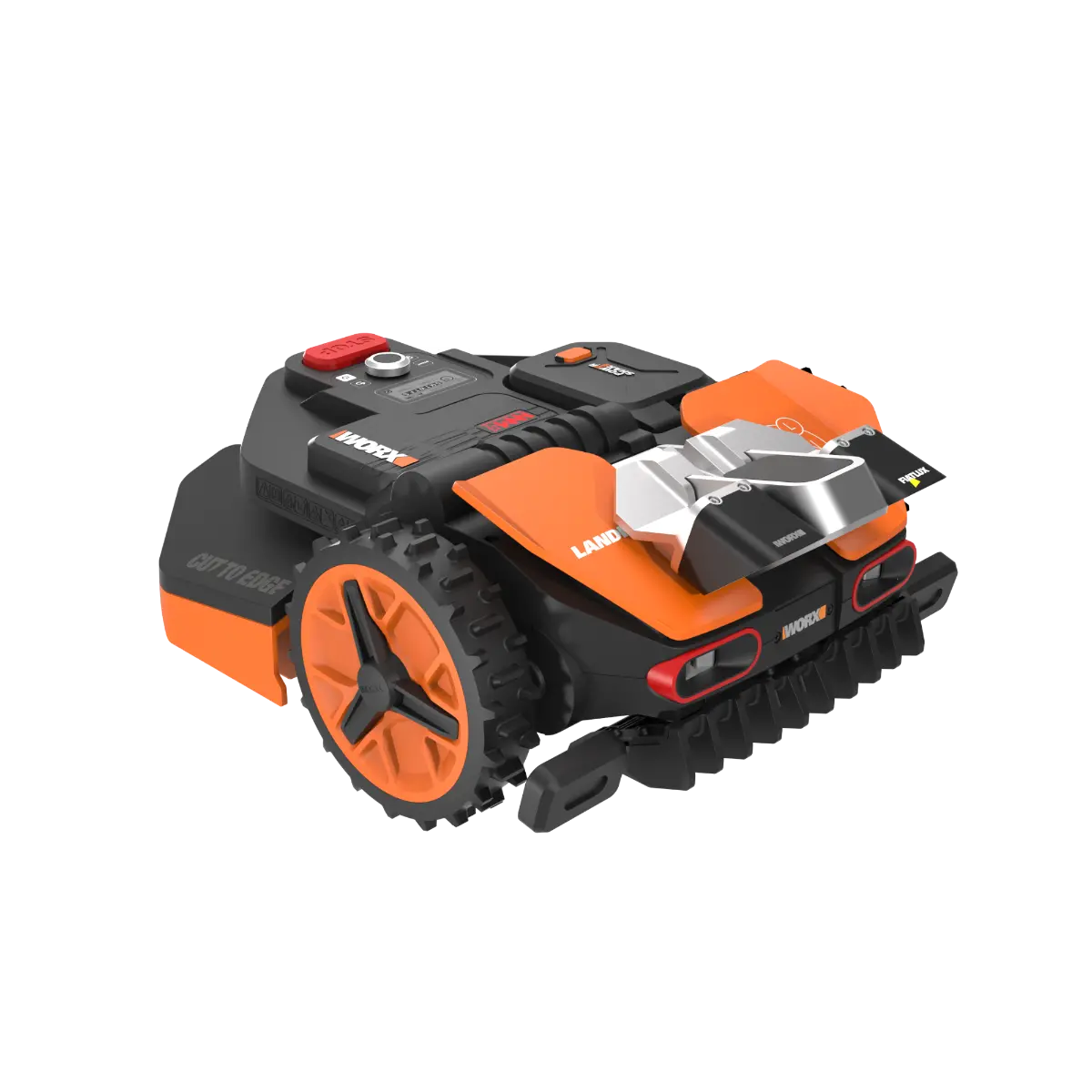 vs
Model comparison · 4 min read
WORX WR220 vs ANTHBOT Genie 1000
These mowers take different approaches to finding the grass. WR220 uses a camera without a mapped boundary; Genie 1000 combines RTK and cameras. Your edges, preferred cutting height and confirmed lawn size should settle the choice.
Read the guide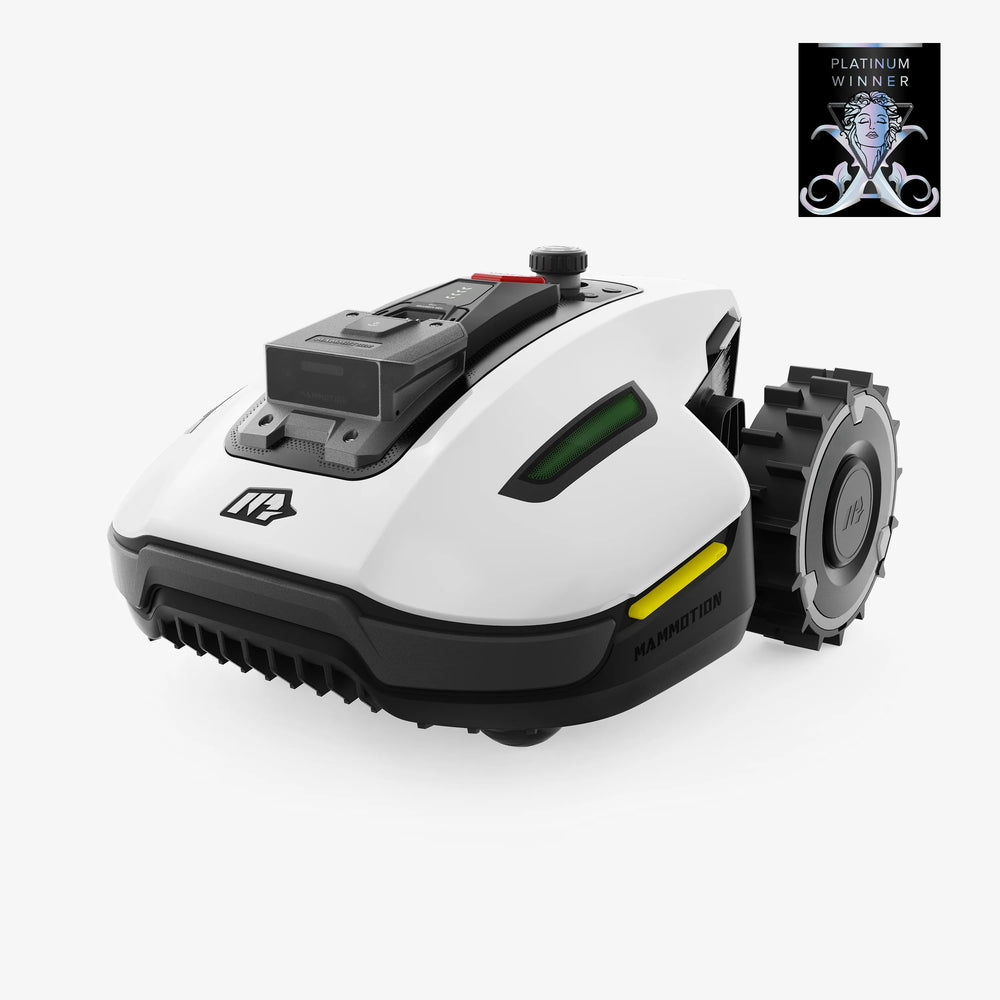 vs
Model comparison · 5 min read
YUKA mini 600H vs Genie 600e 4G: Start with the height you want
The original YUKA mini 600H suits a taller finish on a smaller lawn. Genie 600e 4G offers a lower cutting range and a larger stated area. Exact stock, RTK equipment and cellular terms matter as much as the model names.
Read the guide