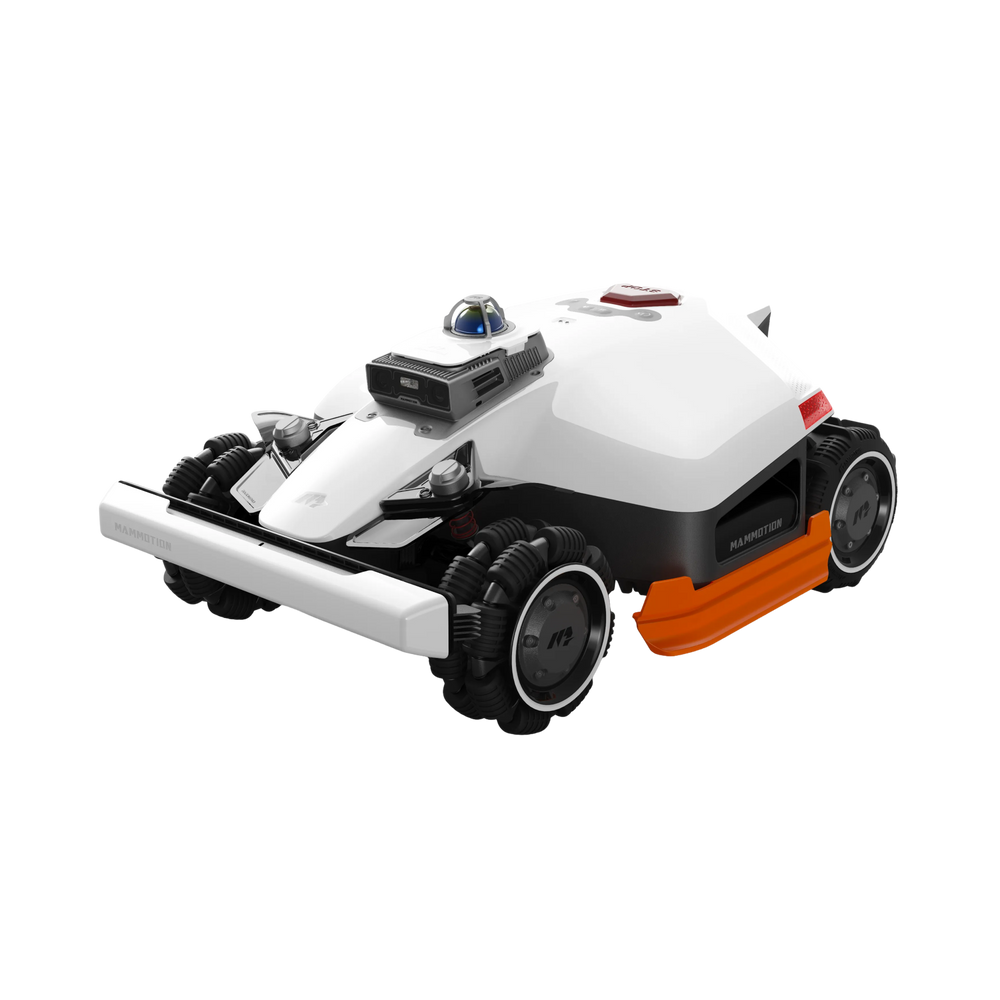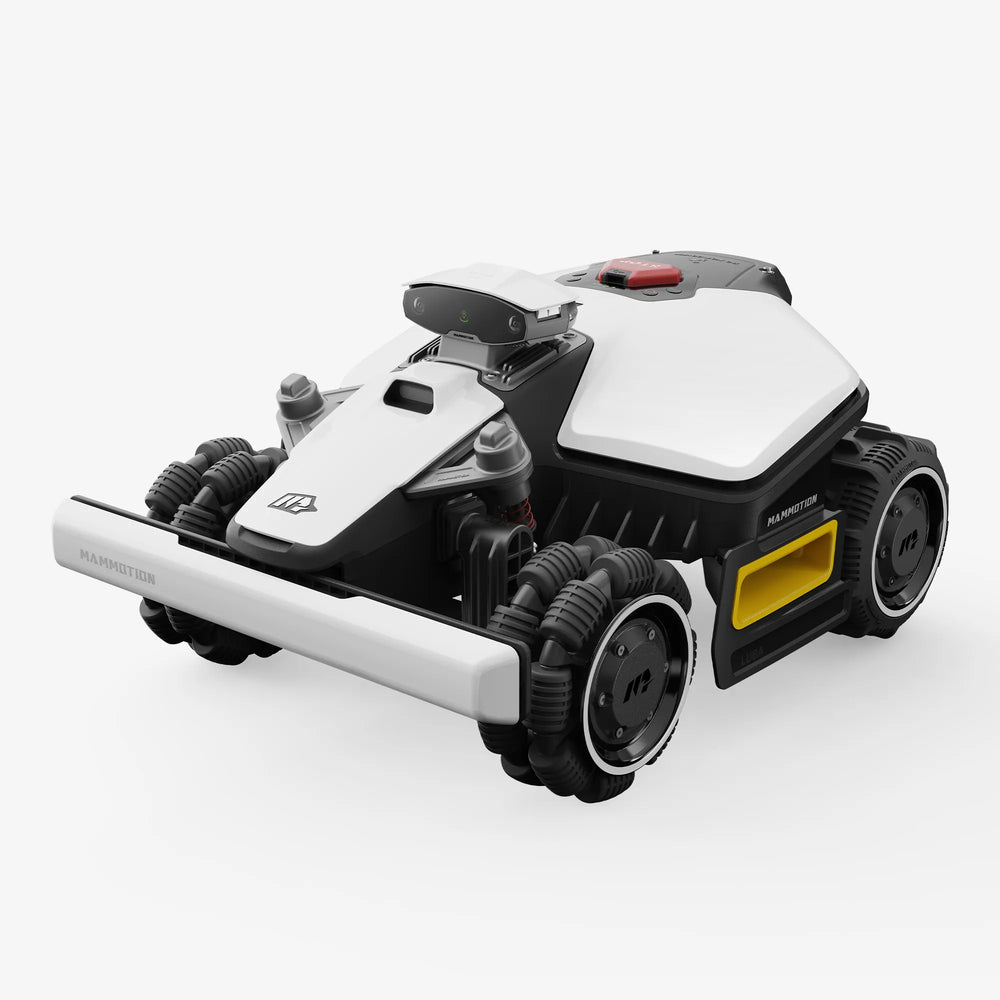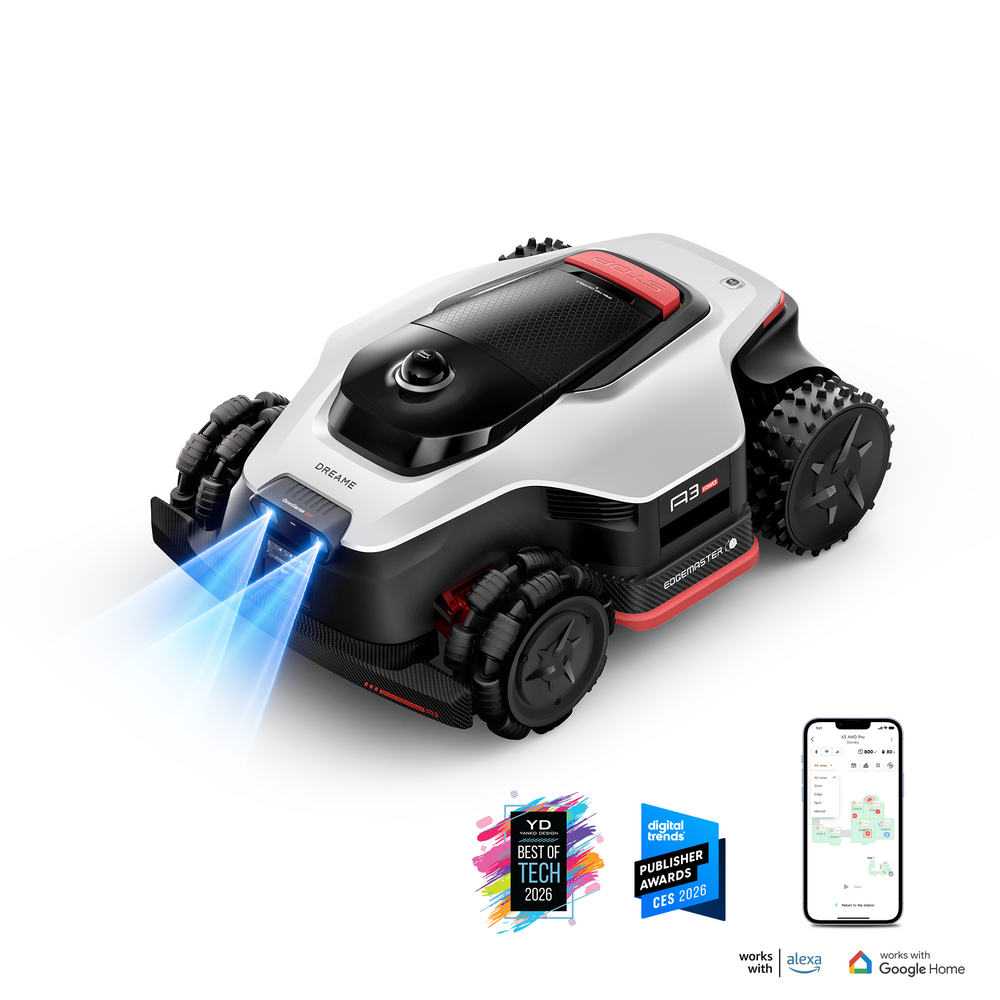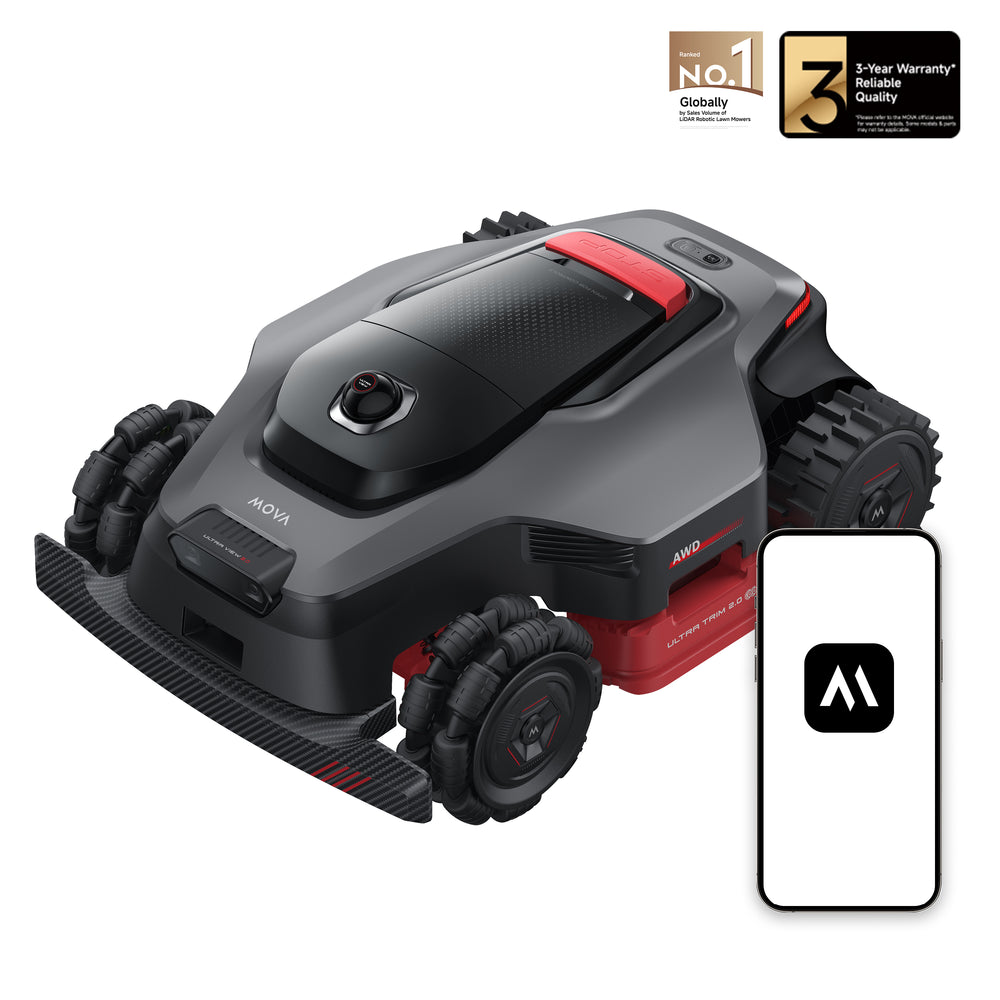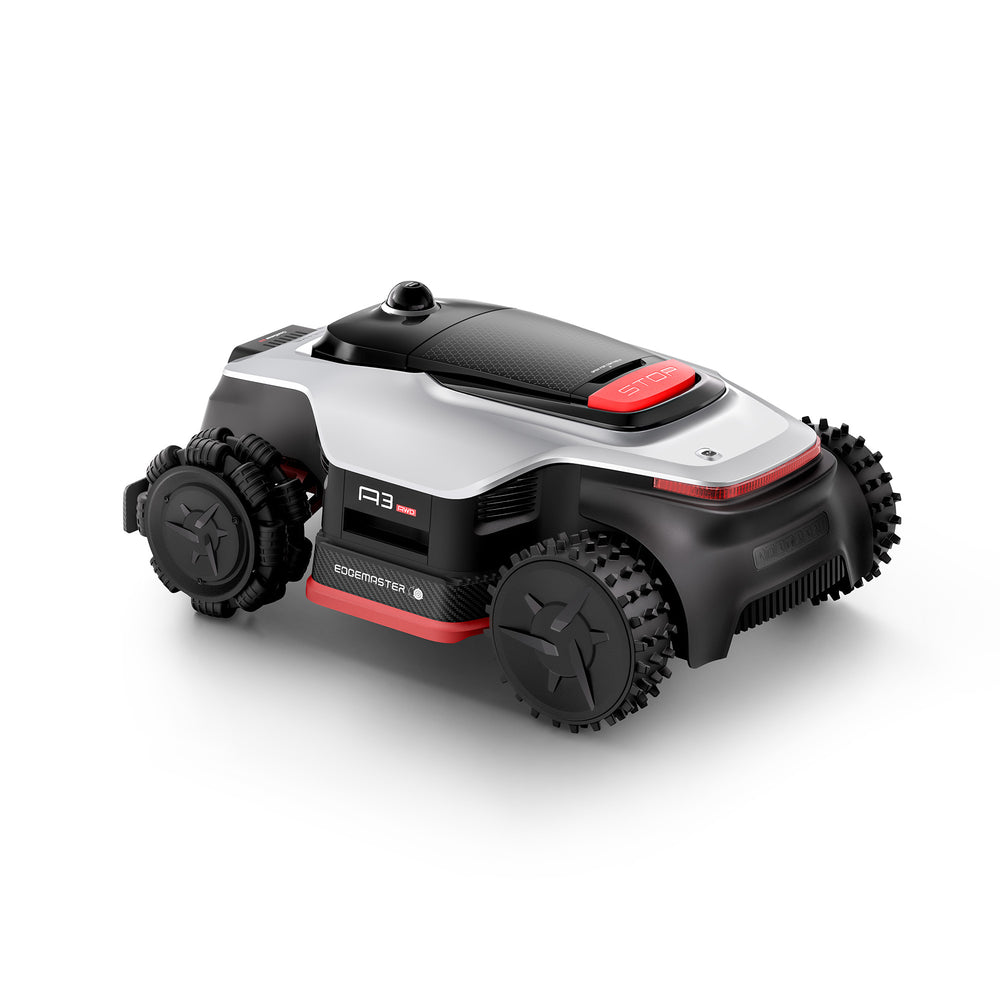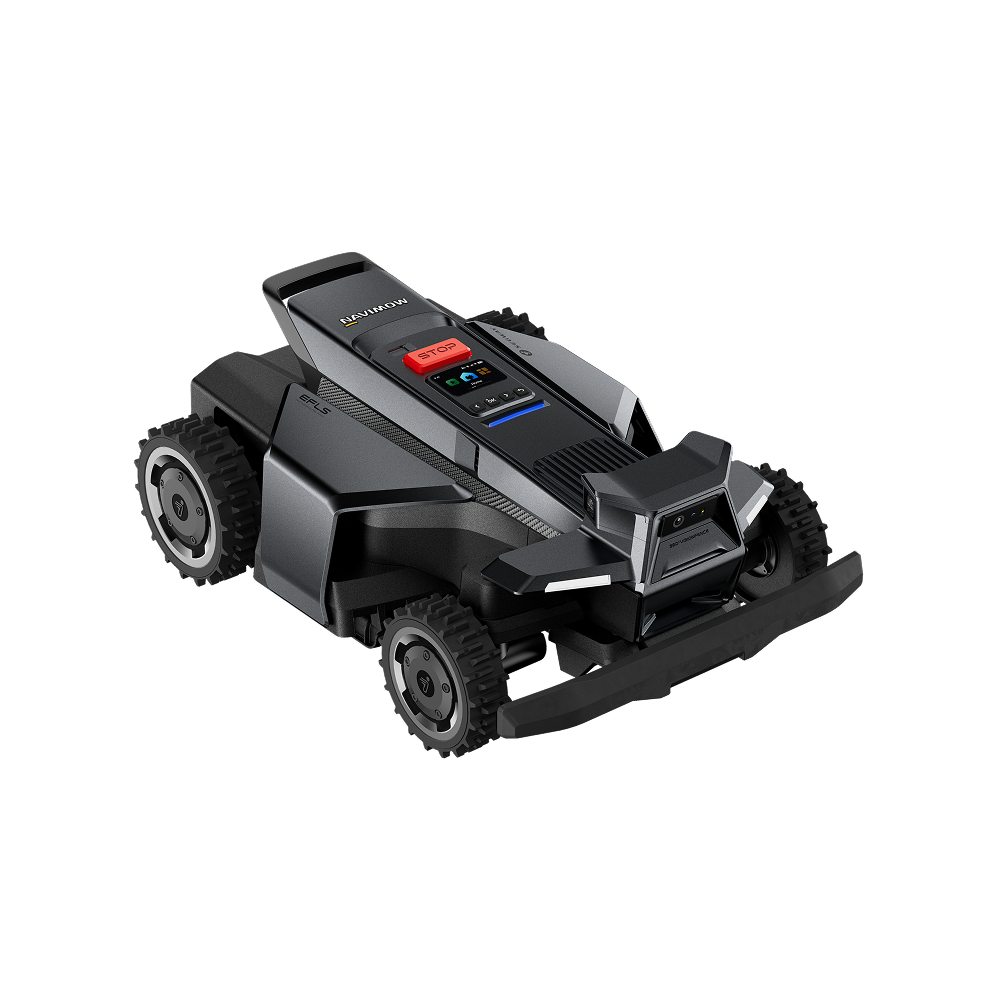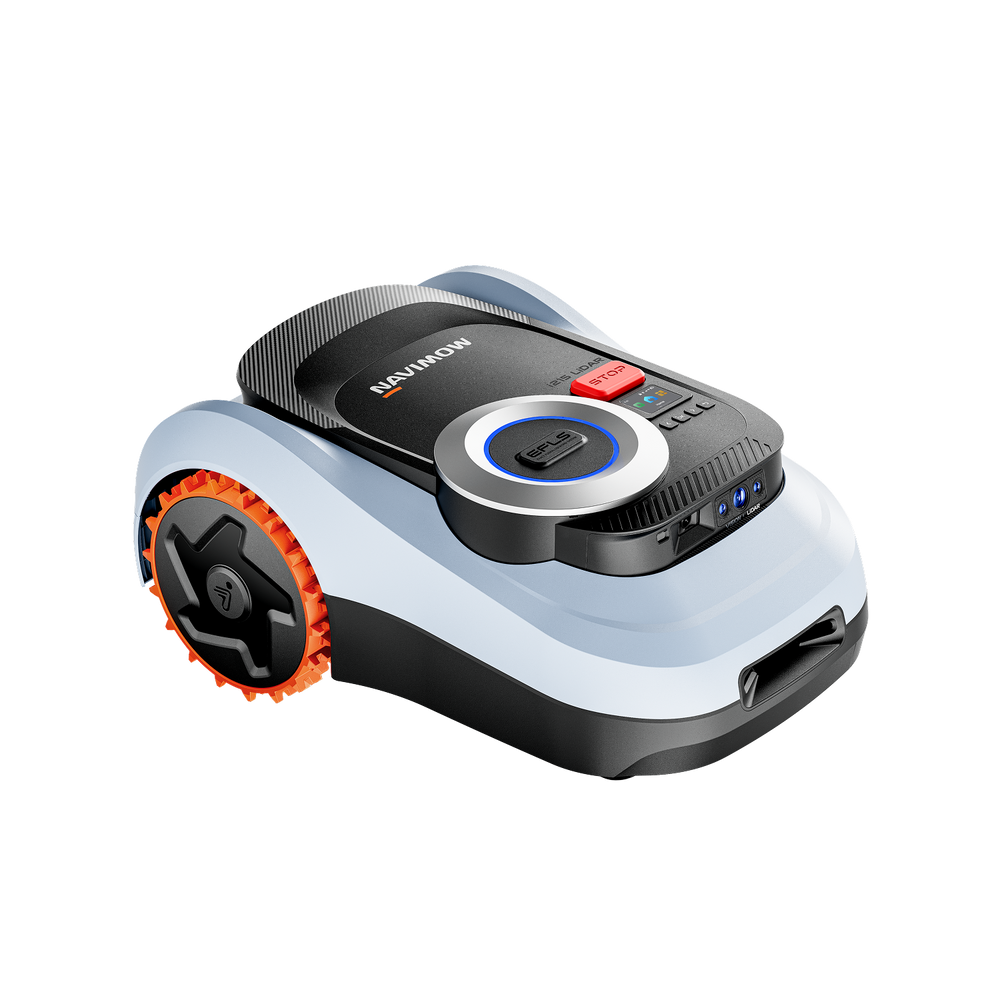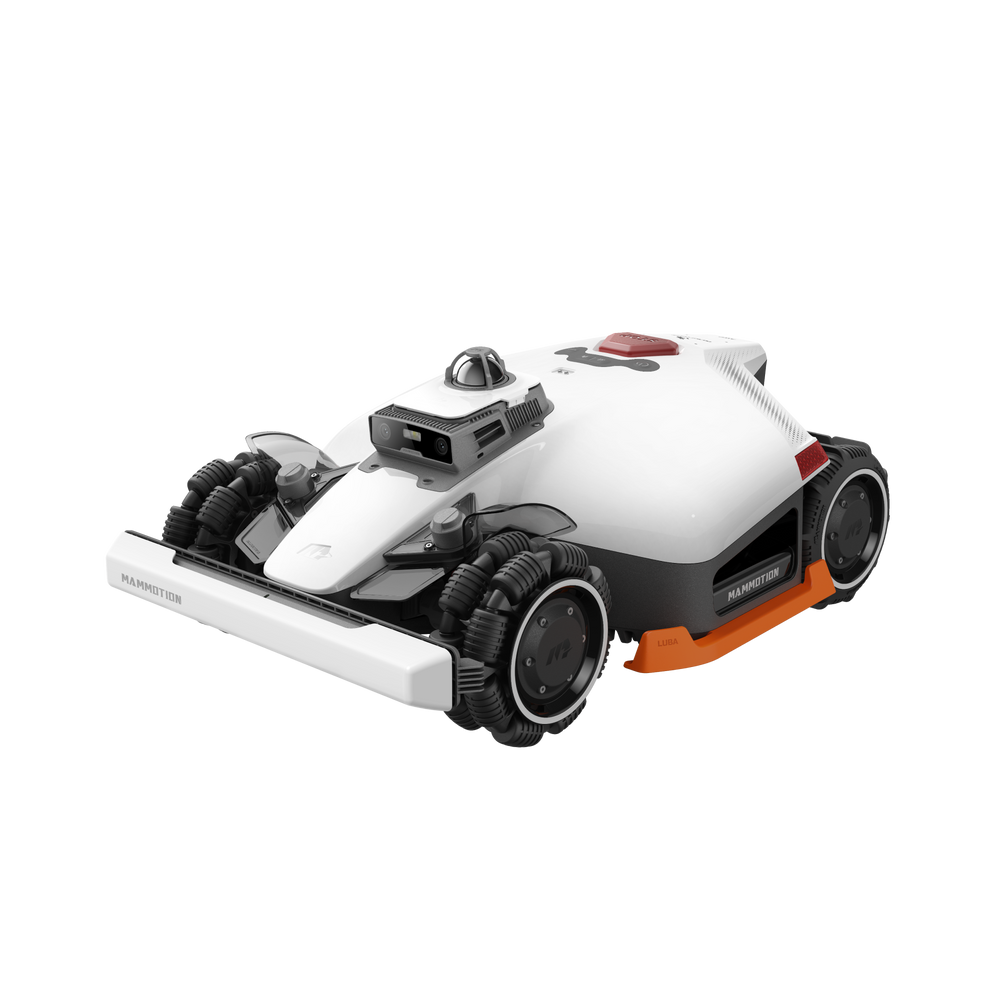
LUBA 3 AWD 1500
A standard-height AWD mower rated for up to 0.37 acres. Its 15.7-inch dual cutting system makes this a useful comparison for larger cutting decks; check the exact model’s navigation and included station equipment.
Inside the lineup
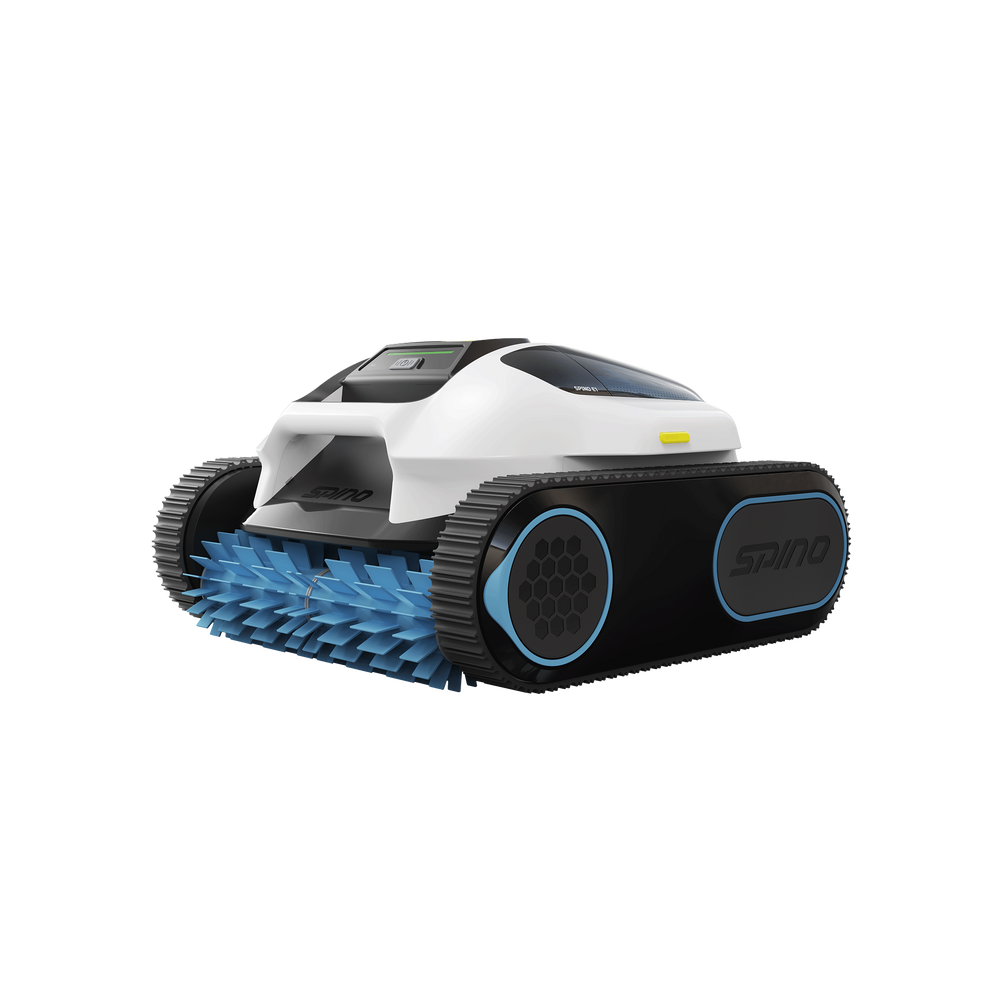
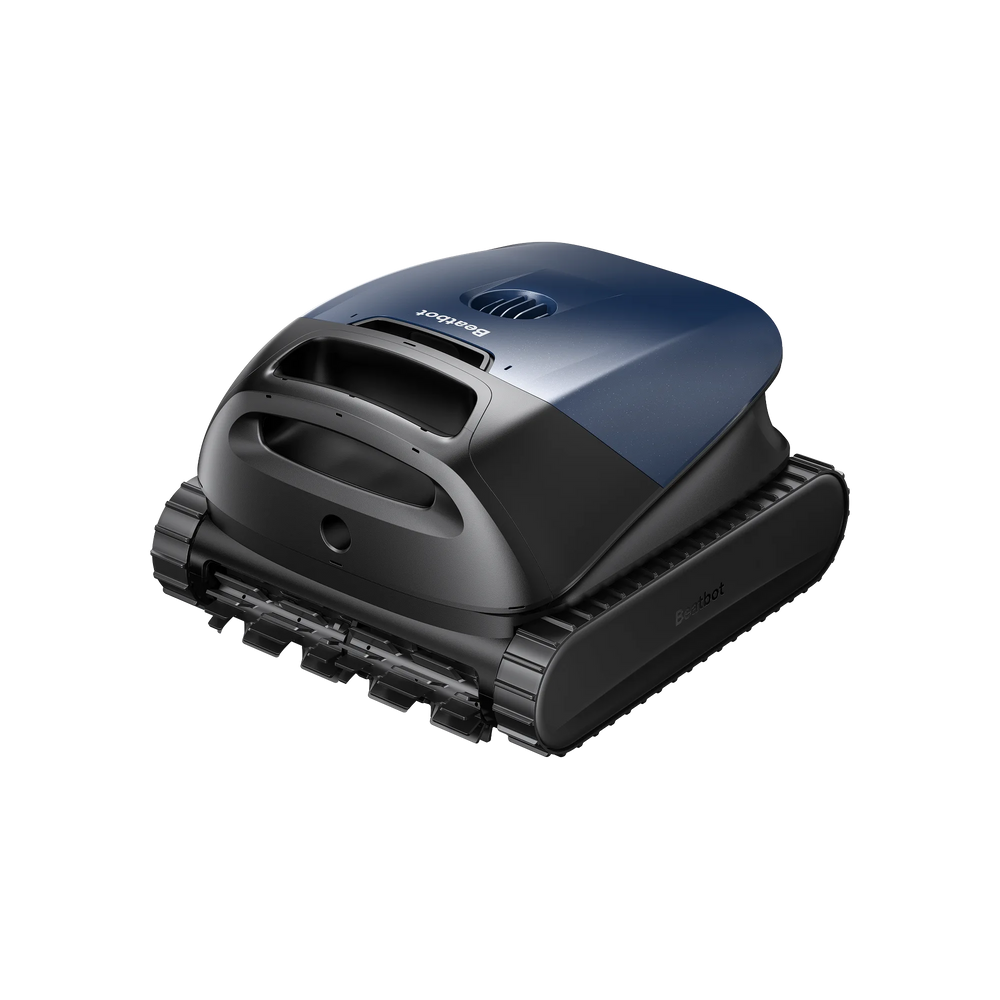
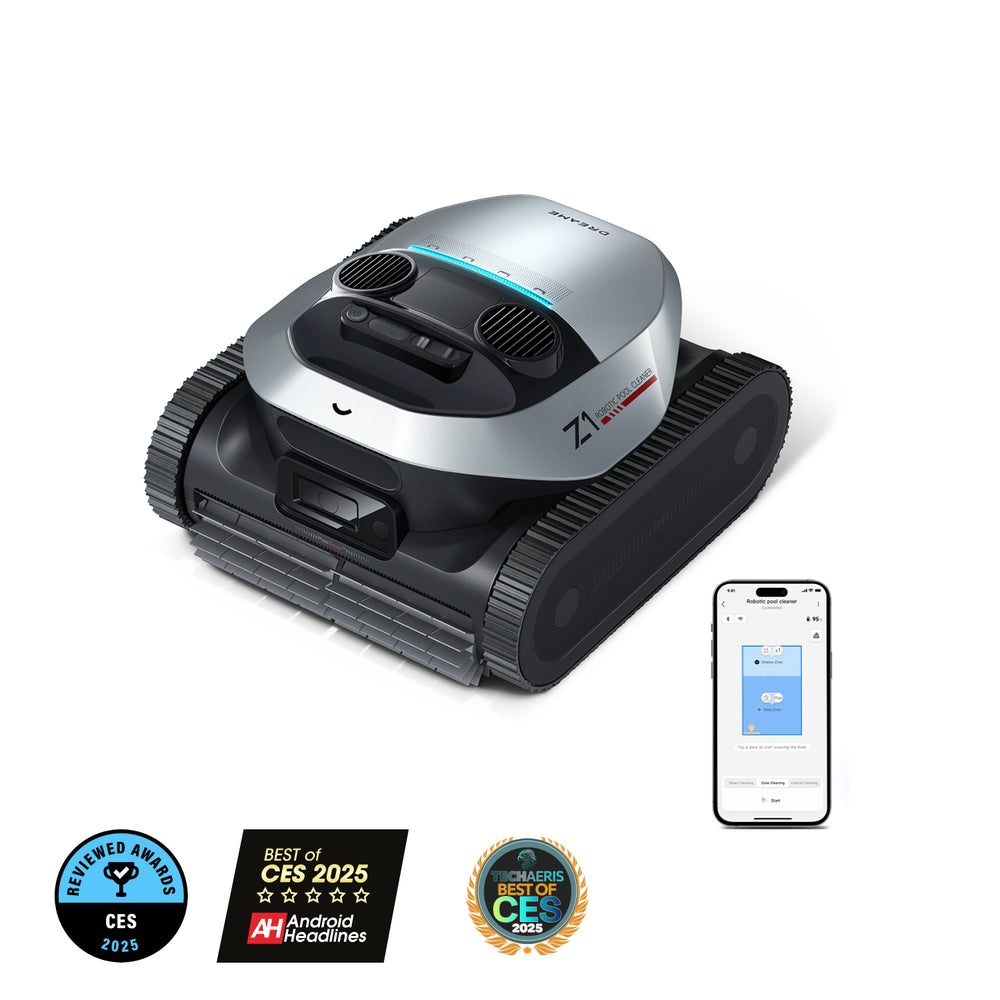
Explore the LUBA and YUKA mower families and the SPINO pool cleaner. Model numbers, cutting-height versions and included station equipment make a real difference.
The current catalog
A standard-height AWD mower rated for up to 0.37 acres. Its 15.7-inch dual cutting system makes this a useful comparison for larger cutting decks; check the exact model’s navigation and included station equipment.
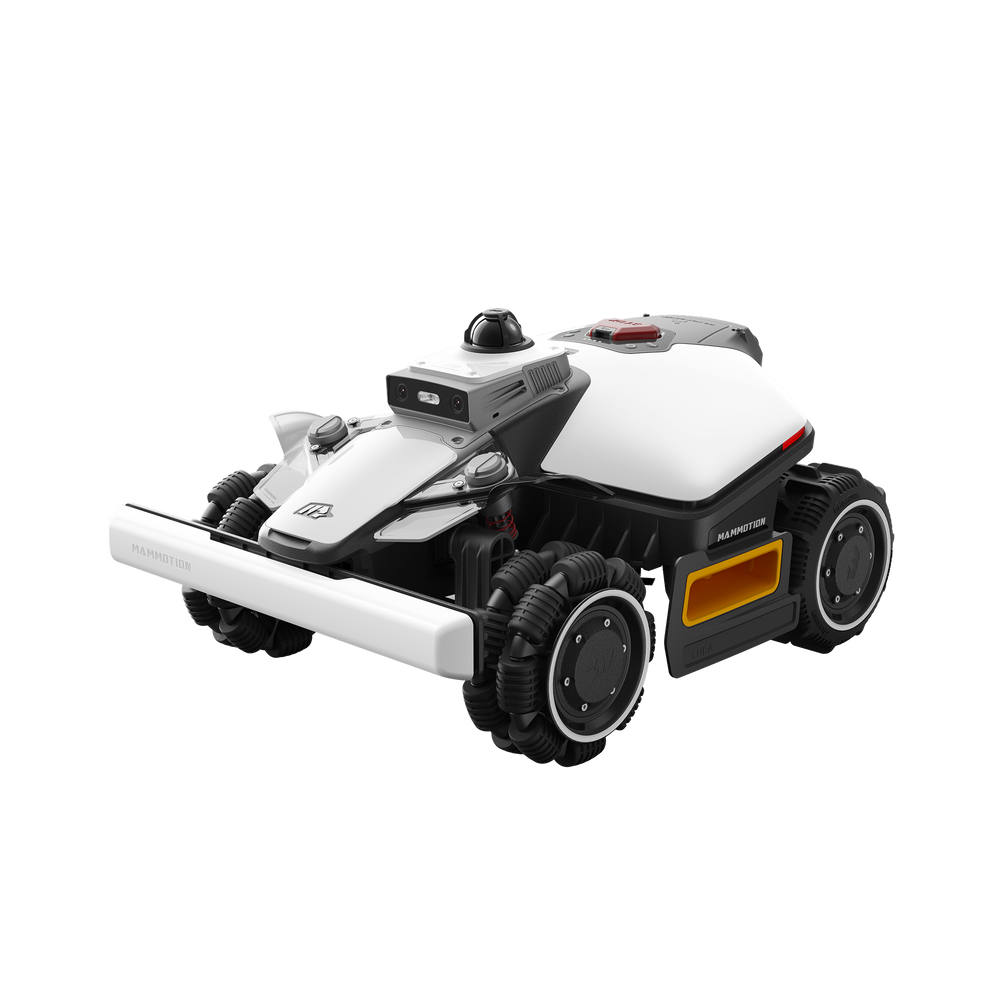
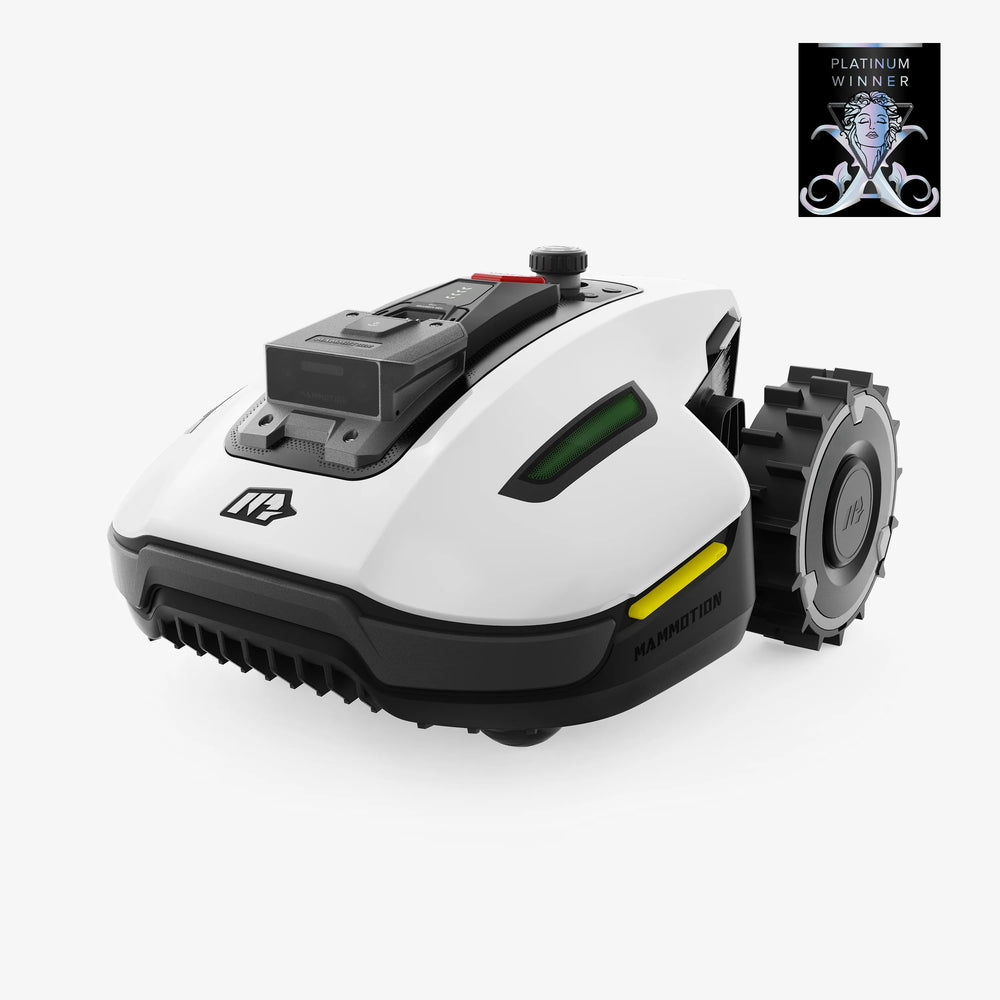
A high-cut AWD mower rated for 0.37 acre, with a 2.2–4.0-inch cutting range and 15.7-inch dual cutting system. The 1500H uses LiDAR and AI vision without the RTK equipment listed for larger versions.
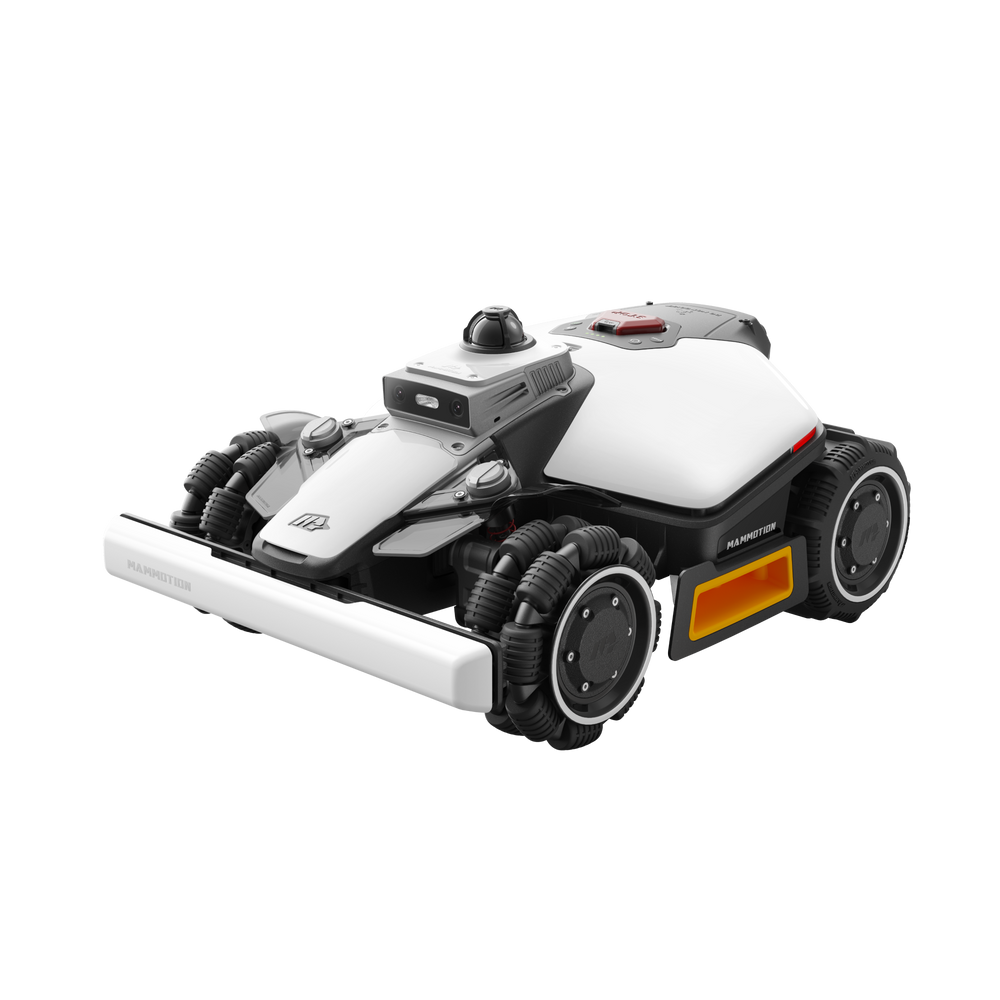
A standard-height AWD mower rated for up to 0.75 acres. Its 15.7-inch dual cutting system makes this a useful comparison for larger cutting decks; check the exact model’s navigation and included station equipment.
A high-cut AWD mower rated for 0.75 acre, with a 2.2–4.0-inch cutting range and 15.7-inch dual cutting system. Its LiDAR, NetRTK and camera navigation make the exact installation arrangement worth confirming.
A standard-height AWD mower rated for up to 1.25 acres. Its 15.7-inch dual cutting system makes this a useful comparison for larger cutting decks; check the exact model’s navigation and included station equipment.
A high-cut AWD mower rated for 1.25 acres, with a 2.2–4.0-inch cutting range and 15.7-inch dual cutting system. Its LiDAR, NetRTK and camera navigation make the exact installation arrangement worth confirming.
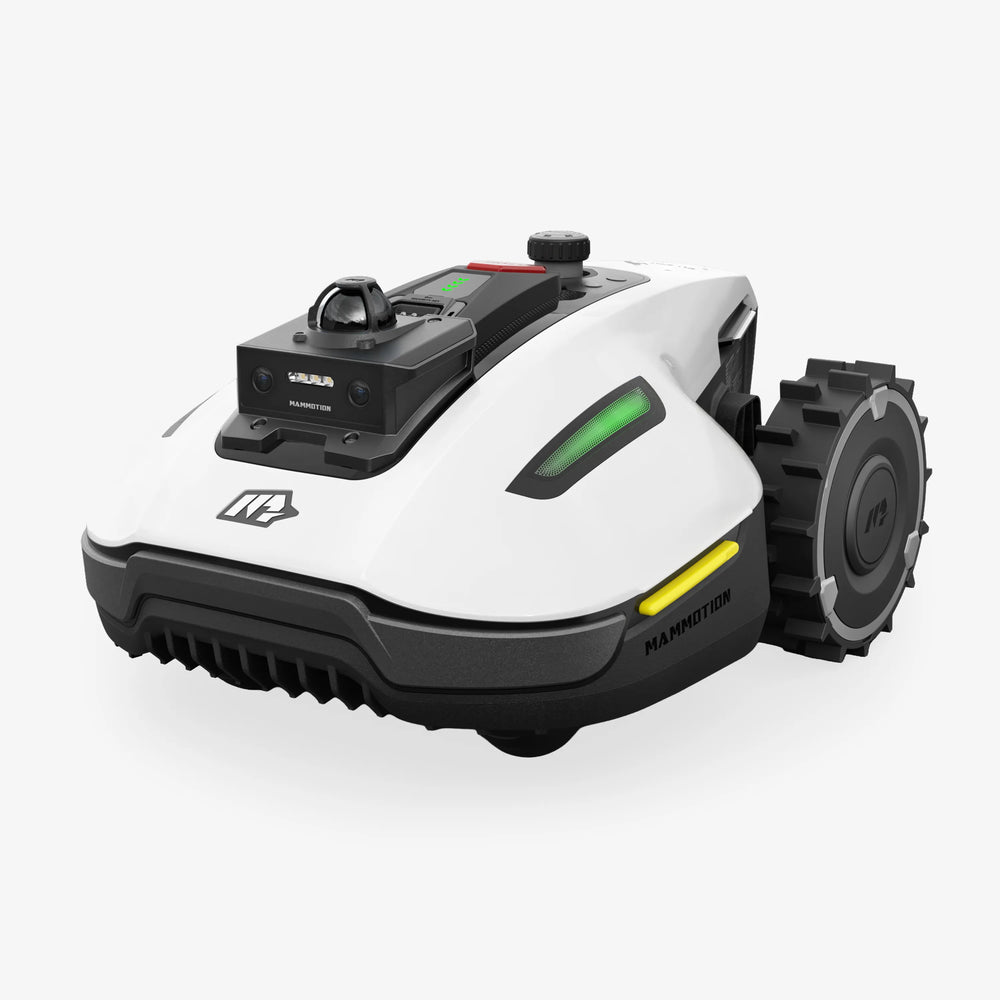
A 0.37-acre AWD option for a taller 2.2–4.0-inch cut, combining LiDAR and dual-camera AI vision. Its dedicated edge disc is a separate dimension from its main cutting width.
A compact AWD option for lawns up to 0.37 acre, with LiDAR and dual-camera navigation. The standard-height version cuts lower than the 1500H, so choose the variant around your preferred grass height.
A rear-wheel-drive, LiDAR-guided mower rated for a quarter-acre lawn. Its 2.0–3.5-inch cutting range suits a different grass-height preference than the standard LUBA models; the lower climbing claim is a reason to compare terrain carefully.
An earlier-generation AWD mower rated for 0.2 acre with a 2.2–4.0-inch cutting range. It combines UltraSense AI vision with RTK/NetRTK setup options and differs from the LiDAR-based mini 2.
An earlier-generation rear-wheel-drive mower for up to 0.15 acre, with a 2.0–3.5-inch cutting range. The base package includes RTK equipment; its optional 4G module is a separate purchase.
Our recommendations come from published specifications. We may earn a commission from qualifying purchases. As an Amazon Associate, we earn from qualifying purchases. How we work
The field guide


Some models explicitly advertise night navigation, but that doesn't make overnight mowing the right routine for every garden. We'd check the exact operating instructions, wildlife settings, ground conditions and return route before freeing up the lawn after dark. A navigation feature is only one part of the decision.
Read the guide

A free app, included cellular data and lifetime positioning are different promises. We'd ask which features you need, how they connect and what happens when an included period ends before comparing the long-term cost of a mower.
Read the guide
vsP1 lists a larger pool area and a finer dual-layer filter. SPINO E1 gives a clearer waterline-cleaning description and separate floor/wall duration claims. We'd settle the required jobs and pool fit before comparing two runtime figures that use different modes.
Read the guide

Start with how quickly the grass grows, then check whether the mower can cover it during the hours you can give it. A daily timer isn't automatically the right answer. We'd follow the model's limits, watch the lawn between cuts and adjust the routine when growth or conditions change.
Read the guide
vsThese AWD mowers do not share a cutting-height range or the same area rating. Work through the grass, the boundary slopes and the installation before treating either climbing headline as the deciding feature.
Read the guide
vsWe'd choose between these standard-height LUBA 3 models by grass area and positioning setup. The 3000 raises the lawn-size rating, but it keeps the same deck, cutting-height range and climbing claim. The smaller 1500 has its own station-free navigation arrangement.
Read the guide
vsThese two have almost the same listed cutting width, but different lawn recommendations and height ranges. We'd compare standard LUBA 1500 for a suitable smaller lawn kept relatively short, and Dreame Pro 2500 when its extra area or taller adjustment would be useful.
Read the guide
vsBoth offer a broad cut and LiDAR/vision positioning without a local RTK station. Their height ranges and area allowances give you clearer reasons to choose.
Read the guide
vsThe high-cut LUBA has a wider deck, while standard A3 2000 covers a larger stated lawn and reaches a lower setting. The exact 1500H is currently unavailable, so treat this as a fit comparison before considering an order.
Read the guide
vsBoth can leave grass at four inches, but H220 has the larger recommended lawn area. LUBA adds AWD and a higher working-slope claim. Its exact high-cut variant was out of stock when checked.
Read the guide
vsThe H changes the cutting range, not the lawn recommendation. Standard 3000 runs from 1–2.7 inches; 3000H runs from 2.2–4. Both recommend 0.75 acre. We'd choose from the height your grass needs, then confirm that exact version in the order.
Read the guide
vsChoose the lawn-size tier and cutting-height version separately. LUBA 3 3000 is rated for three-quarters of an acre; 5000 moves to 1.25 acres. Both have standard and H versions. We'd pay for 5000 when the extra area suits the lawn, rather than expect a wider cutting deck.
Read the guide
vsThese two AWD mowers look closely matched until you check cutting height. If you like a taller lawn, we'd look at Dreame first. If you want a one-inch cut, standard LUBA 3000 deserves your attention.
Read the guide
vsX450 has the higher lawn recommendation and a broader cutting-height range. The standard LUBA 3 5000 has a lower maximum height and a different positioning arrangement. We'd settle those everyday requirements before comparing the two climbing claims.
Read the guide
vsThe H version changes the cutting range, not the recommended lawn size. Standard mini 2 runs from 0.8 to 2.6 inches; 1500H runs from 2.2 to four inches. We'd start with the height you actually want to maintain, then check the exact version on the order.
Read the guide
vsStandard-height LUBA mini 2 offers LiDAR navigation and all-wheel drive within a smaller stated area. Genie 1000 uses RTK and vision with a larger area label. The actual cutting height, installation and exact stock matter more than the family names.
Read the guide
vsThe standard-height LUBA mini 2 covers a larger rated lawn and cuts lower. M9 PRO reaches slightly higher and carries a quarter-acre rating. Check the exact height version and availability before choosing by the navigation features.
Read the guide
vsBoth are rated for 0.37 acre and cut from 2.2 to 4.0 inches. We'd look beyond the family names here, starting with the cutting system, routes around the yard and the complete available price.
Read the guide
vsWould you get much from paying extra for the LUBA mini 2? That comes down to three things: how much grass you have, whether you need AWD, and how high you like to leave the lawn.
Read the guide
vsMini 2 adds a larger lawn recommendation and LiDAR-led navigation, but it doesn't give these H versions a taller cut or a higher climbing headline. If your 800H already keeps the lawn tidy, start with the problem you want the replacement to solve. The original is currently out of stock on Mammotion's page.
Read the guide
vsX1 has the larger stated pool allowance, a wireless charging dock and a documented finer-filter option in its included system. SPINO E1 has a shorter listed charge time. We'd compare pool fit and the ordinary lift, clean and charge routine before the runtime headlines.
Read the guide

A mower can get a better signal from a new antenna location and still need its map rebuilt. Find out whether you’re moving the primary reference, an accessory antenna or just the charging base.
Read the guide
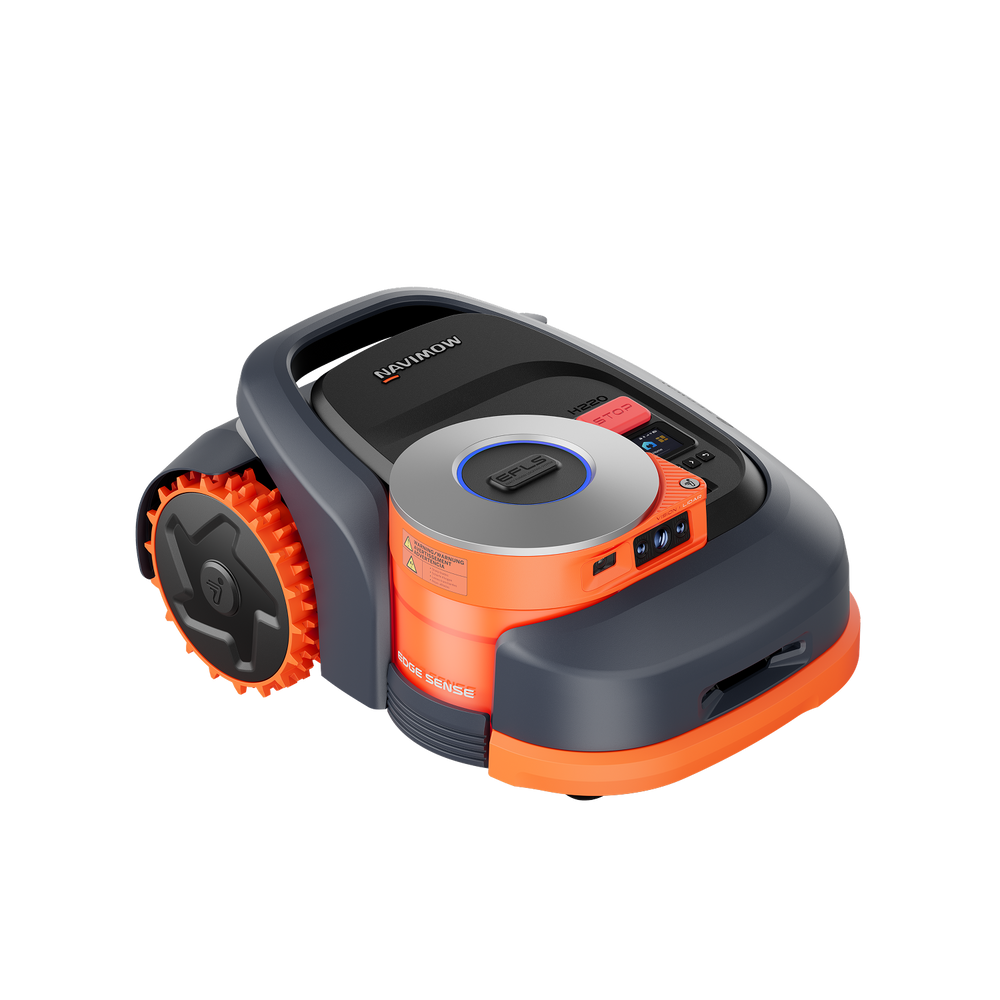
vsThese two avoid a separate positioning antenna and share a 0.37-acre lawn rating. We'd give LUBA's high-cut range and AWD a close look for taller grass or demanding ground, then compare Navimow's confirmed fit and complete price for a gentler lawn.
Read the guide

The nearest outlet isn't always beside the best docking spot. Before securing the base, check the ground, the approach and the route from every lawn the mower will maintain. Leave yourself room to reach the equipment too.
Read the guide

Probably, especially beside walls and fences. An edge-cutting feature can reduce the strip left behind, but the shape of your borders matters as much as the mower. A level path the robot can straddle is a different job from grass growing straight against a wall.
Read the guide

Start by separating a visible mowing pattern from torn grass or a groove in the soil. Then find whether the wear comes from repeated mowing rows, a turning point or the one route back to charge.
Read the guide

The labels overlap: many robot mowers combine cameras with another positioning system. We'd compare the exact model's equipment and connection requirements, then ask about the awkward parts of your yard instead of choosing a technology name on its own.
Read the guide

First work out where the return goes wrong. A mower that never starts home, one that circles the station and one that docks without charging need different checks. We'd save the app message, inspect the route and follow the model's maintenance instructions before changing the map.
Read the guide

Don't assume every robot mower wants the same charge before a winter indoors. Mammotion's instructions for the models below say about 80%; eufy E15 Gen 2 calls for at least 85%. Start with your exact model, then make time to clean it and let it dry.
Read the guide

If you already know you want to maintain a lawn around an inch high, the exact height version matters more than the model name. We'd start with standard-height LUBA models, then consider the original eufy E15 only where its grass and terrain restrictions fit.
Read the guide

If you normally leave your lawn at three or four inches, check the exact height version before choosing a robot. We'd look at Mammotion's H models for a four-inch maximum, with Dreame and YUKA alternatives when their ranges suit the height you actually use.
Read the guide

A half-acre lawn doesn't automatically need the biggest mower. We'd start with Dreame A3 AWD 2000, then look at Pro 2500 or the right LUBA 3 height version if your yard gives you a reason to upgrade.
Read the guide

A steep back lawn makes drive and slope limits worth checking, but the biggest climbing number won't choose the mower for you. We'd match the ground, cutting height and grass area first, then make sure the robot can turn and travel where you need it.
Read the guide

For a large lawn, compare the actual grass area, cutting height and mowing schedule together. Dreame, Mammotion and Navimow have rated-area options; Lymow and Yarbo also need their daily-throughput and maintenance claims read with the right qualifiers.
Read the guide

Measure the opening at its tightest point before choosing a mower. A narrow-passage headline can help you find candidates, but hinges, turns, surfaces and a closed gate can still decide whether the route works. We'd check the complete journey, not just whether the body looks small enough.
Read the guide

For a full acre of grass, we'd compare mowers with some room above the lawn's size before settling on a one-acre maximum. Cutting height, awkward routes and the hours available for mowing can matter just as much as the biggest number on the box.
Read the guide

Two lawns don't necessarily need two mowers. The important questions are whether one robot can cover their combined area, travel between them and get back to charge. A closed gate can matter more than a long list of mapping features.
Read the guide

A small lawn can still have a steep patch, an awkward gate or grass you want kept taller. We'd compare the exact area, cutting range and installation before choosing among these Mammotion, Dreame, eufy, Navimow and ANTHBOT options.
Read the guide

Trees change more than satellite reception. Roots, fallen branches, shade and the route back to charging all matter. We'd compare the mower's positioning setup with the cut your grass needs, then have the most sheltered and awkward parts of the garden assessed before buying.
Read the guide

If you'd rather avoid installing a local positioning station, start with models that explicitly document that arrangement. These Dreame, Mammotion and ANTHBOT options still need a suitable charger location, approved routes and the connections required by the exact setup.
Read the guide

We'd choose an above-ground pool robot by the actual pool construction, water depth and cleaning jobs, then work out how you'll lift it out. The models here advertise above-ground use, but that broad label doesn't confirm every liner, wall and ladder arrangement.
Read the guide

With a smaller pool, we'd check the cleaning jobs, filter and handling before paying for capacity. The choices here now include Aiper's S3 and a corded CHASING option alongside SPINO, Dreame and Sora.
Read the guide

Start with explicit vinyl compatibility, then look at the condition and shape of your pool. We'd compare the cleaning jobs, size and retrieval routine after that. More sensors or a bigger pump aren't a guarantee that a robot will suit a loose or damaged liner.
Read the guide
vsBoth cover the floor, walls and waterline with a 180 μm filter. We'd choose between them by pool fit, the retrieval routine and the complete available price, with charging time worth a closer look.
Read the guide
vsBoth tackle the floor, walls and waterline without surface skimming. We'd compare the pool size, filter and charging routine first: Sora 10 has the higher floor-only runtime claim, while SPINO E1 lists a shorter charge and explicitly includes Pebble Tec among its supported finishes.
Read the guide

Mammotion's names get confusing quickly: mini, mini 2, LUBA 3, then an H on some versions. We'd make the choice simpler by starting with your lawn size and the height you want to keep it.
Read the guide
vsThe original YUKA mini 600H suits a taller finish on a smaller lawn. Genie 600e 4G offers a lower cutting range and a larger stated area. Exact stock, RTK equipment and cellular terms matter as much as the model names.
Read the guide