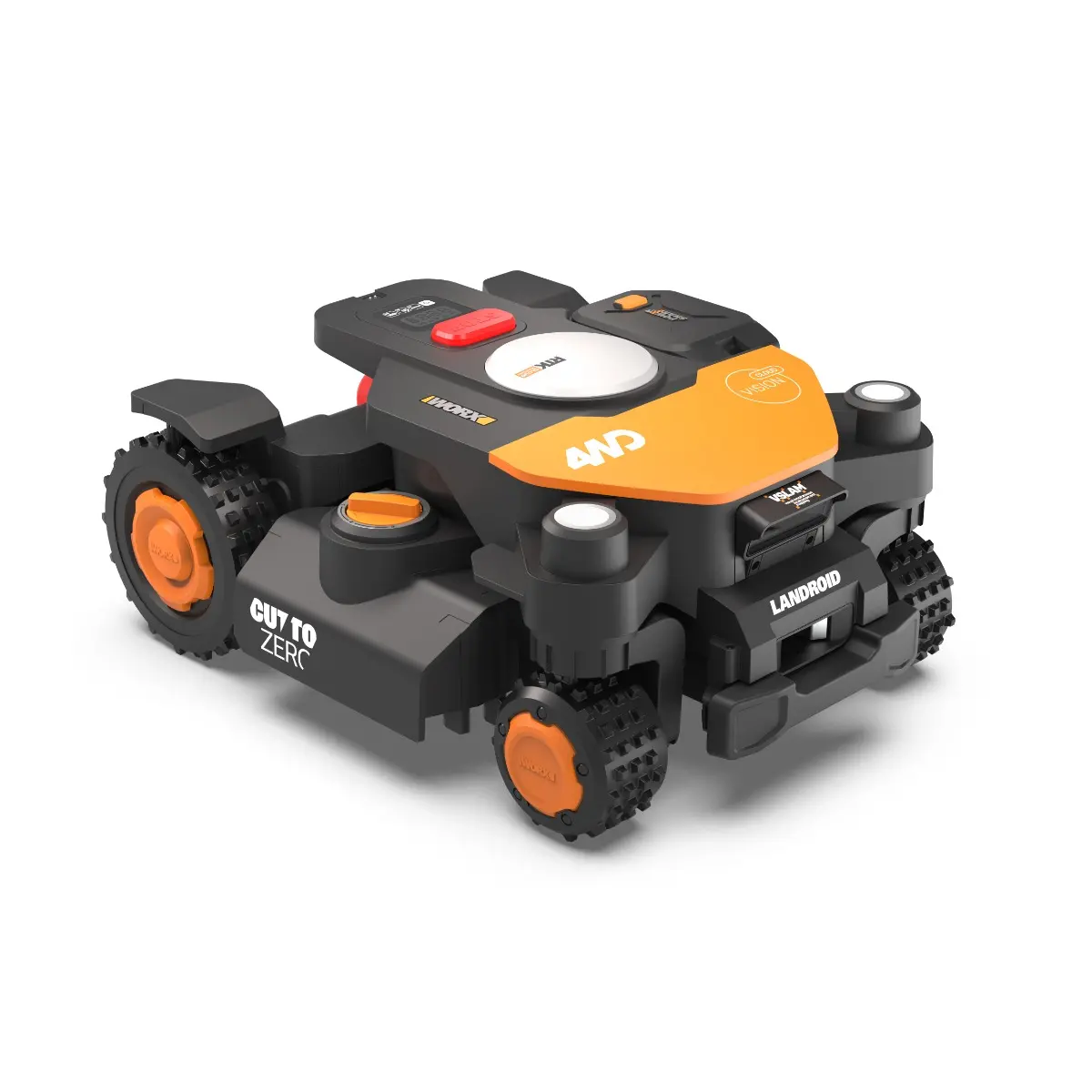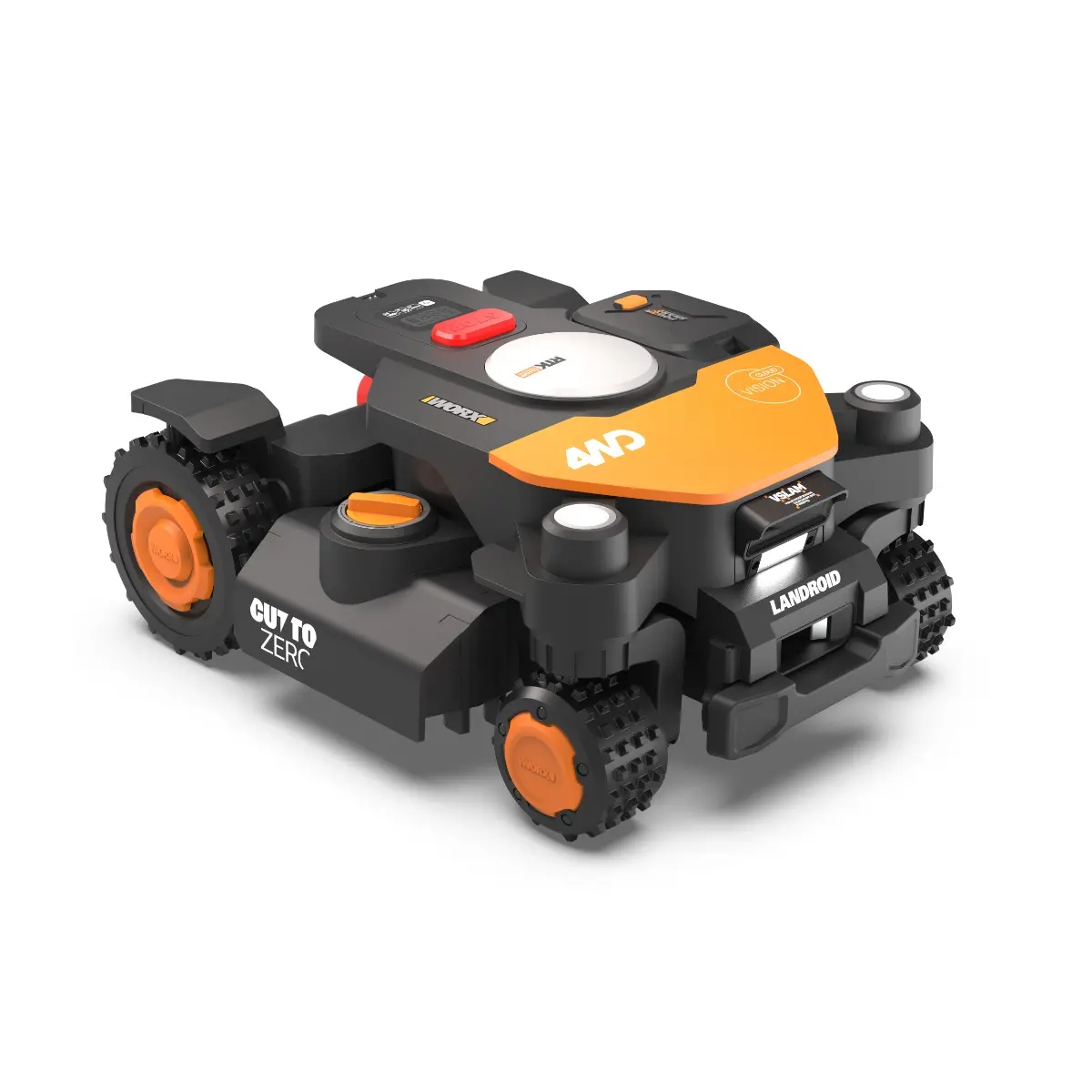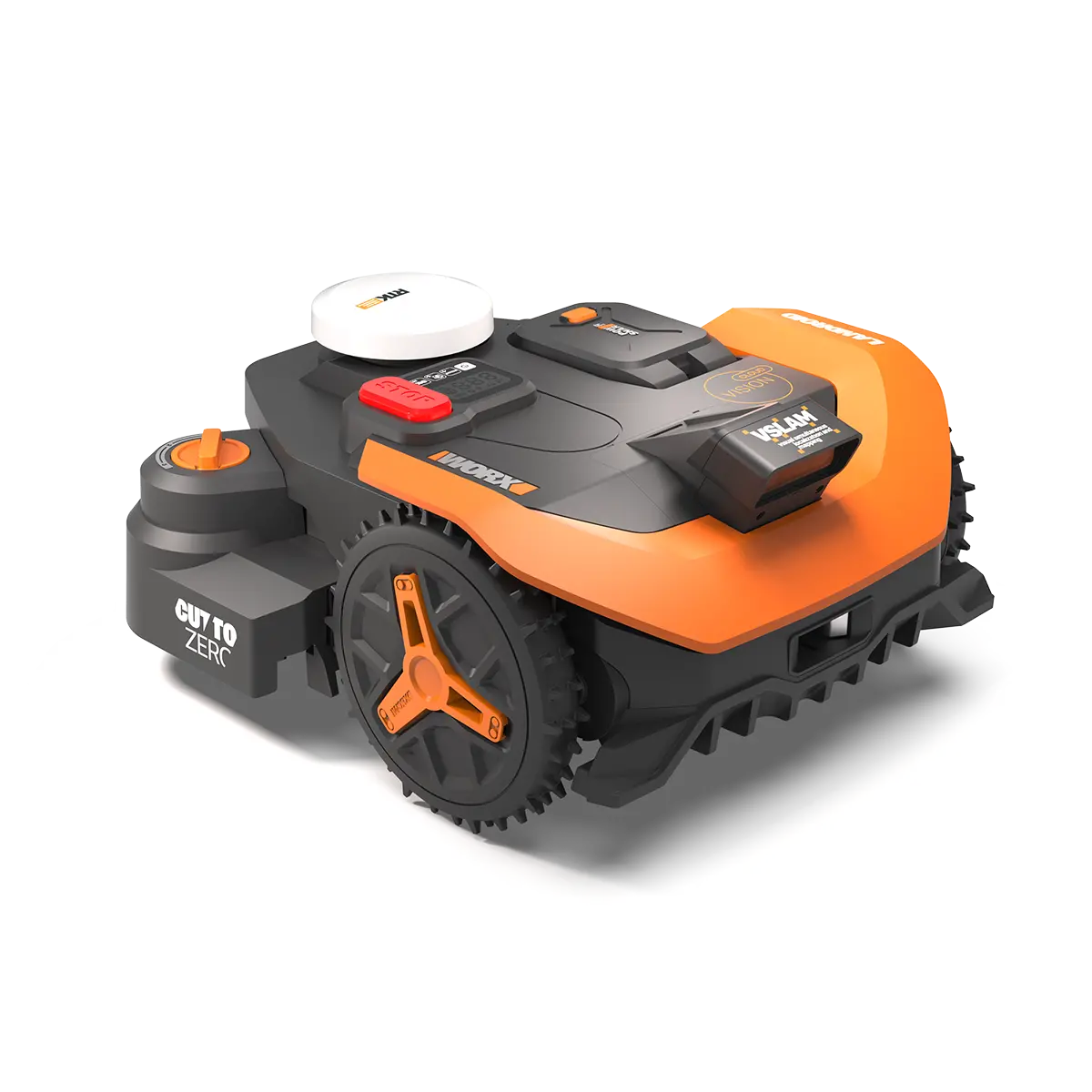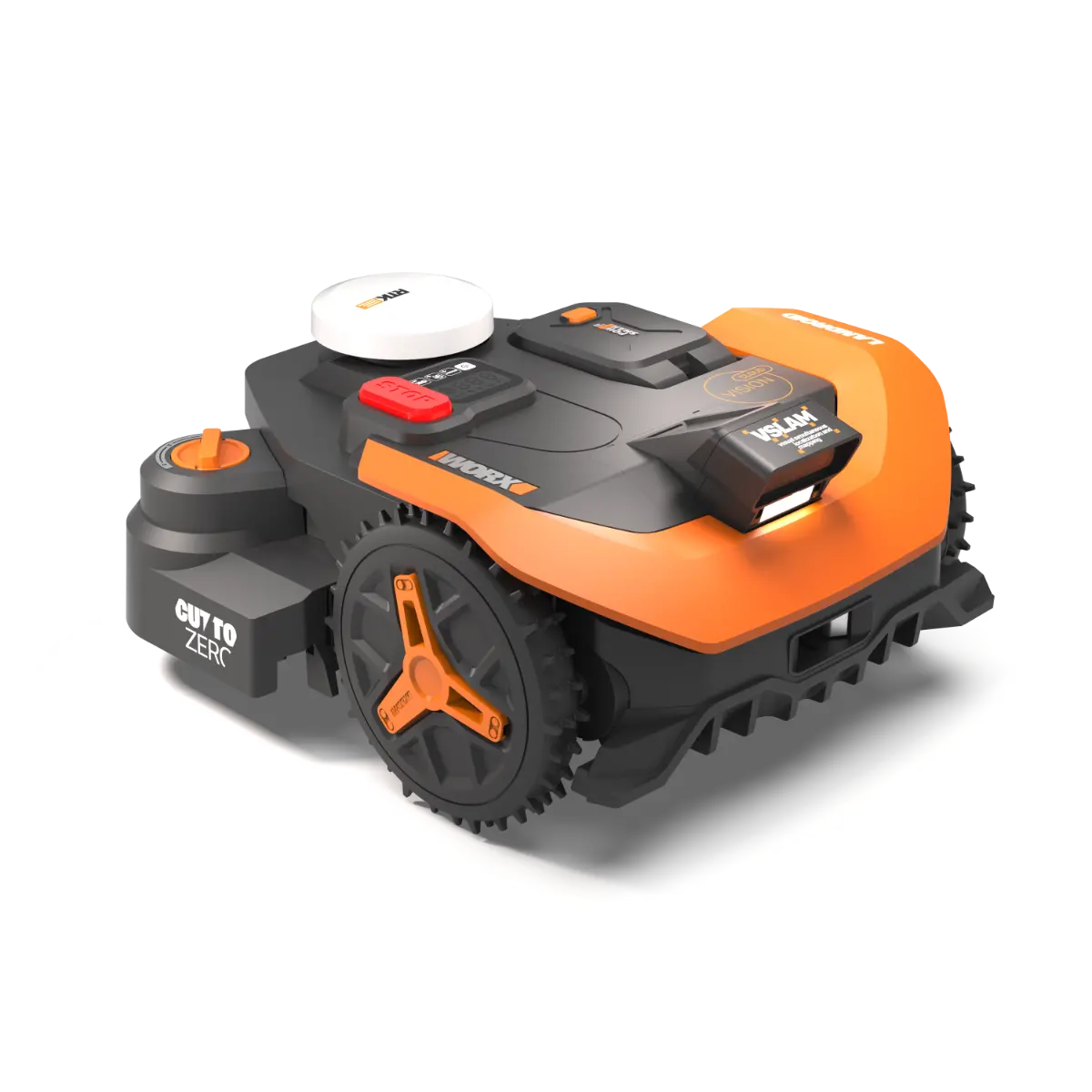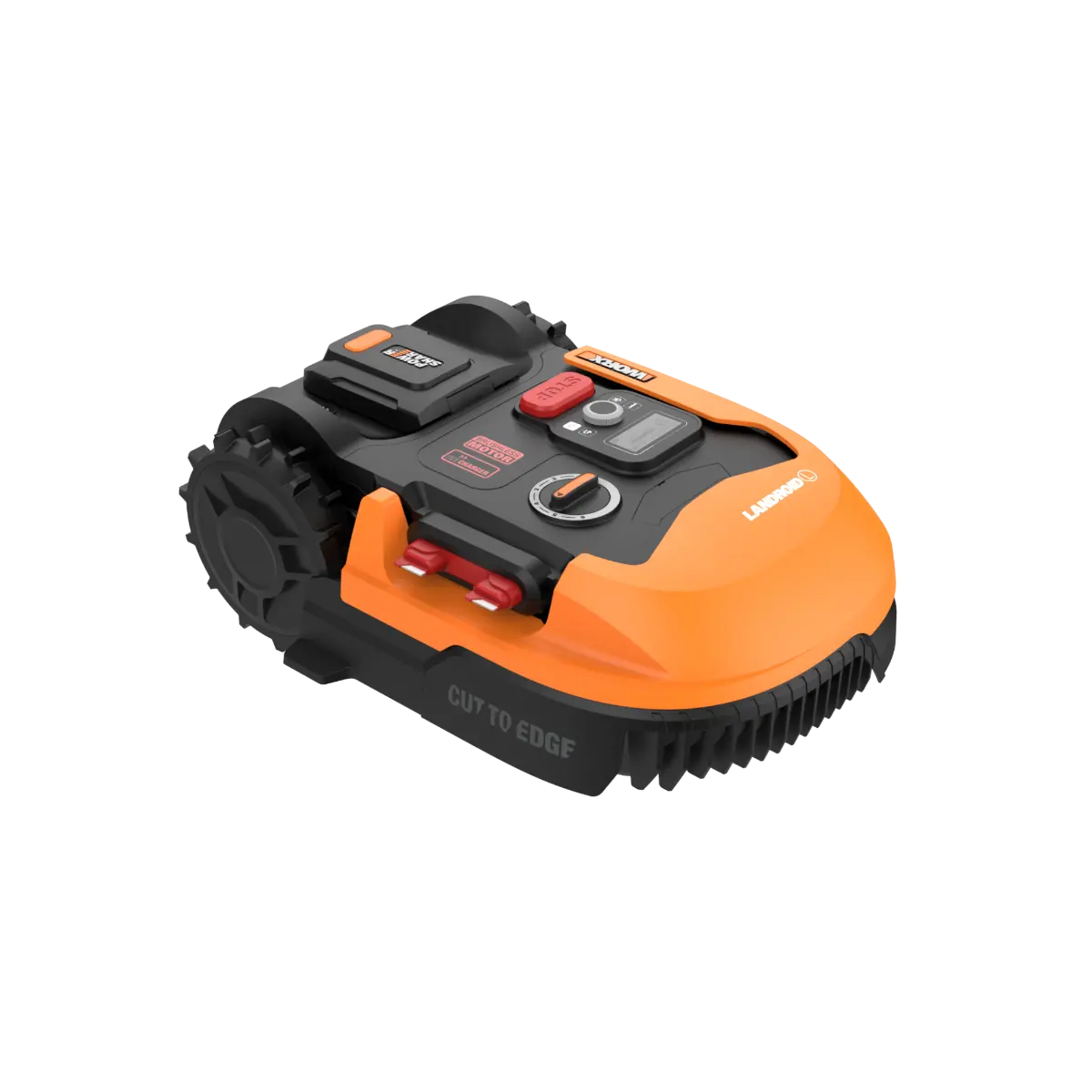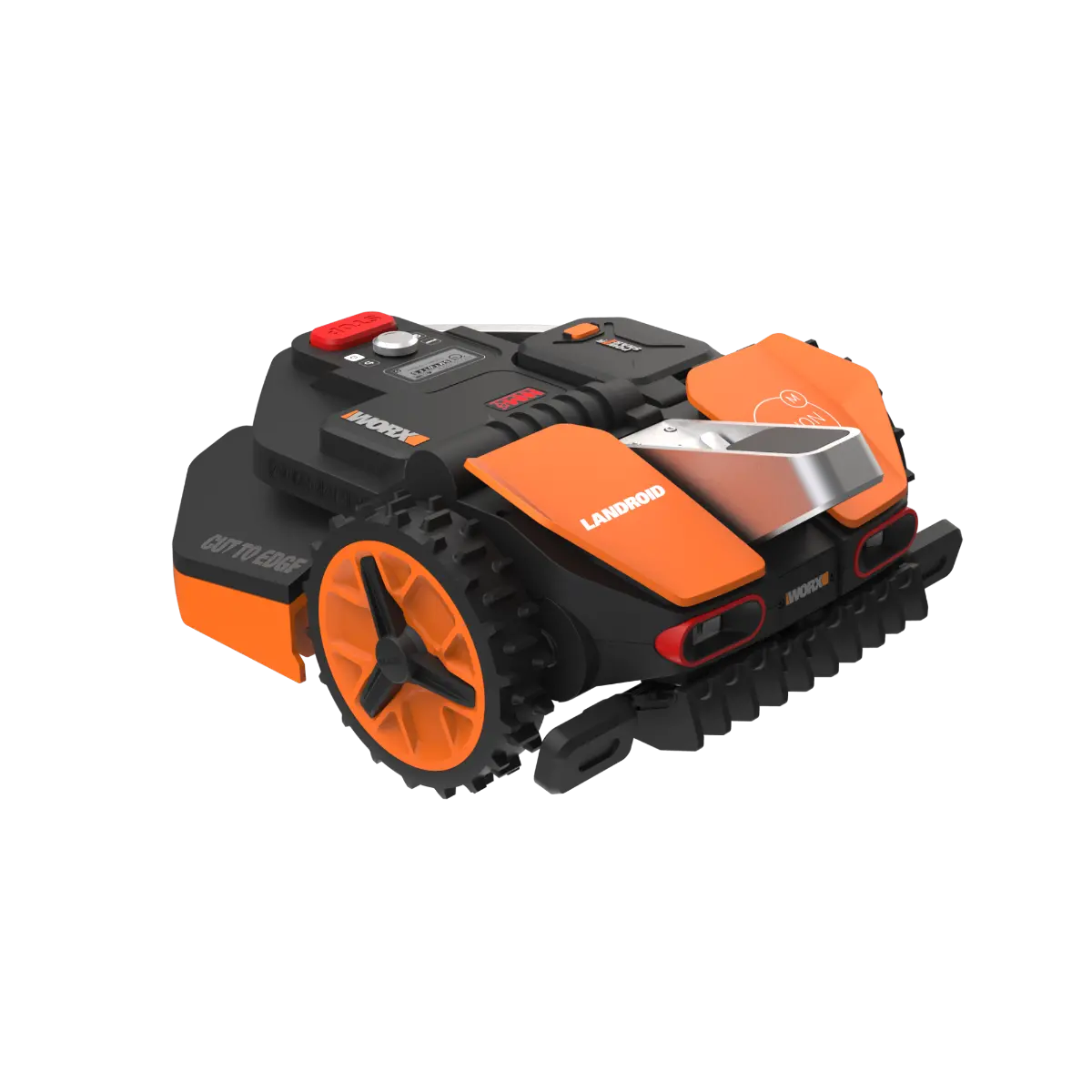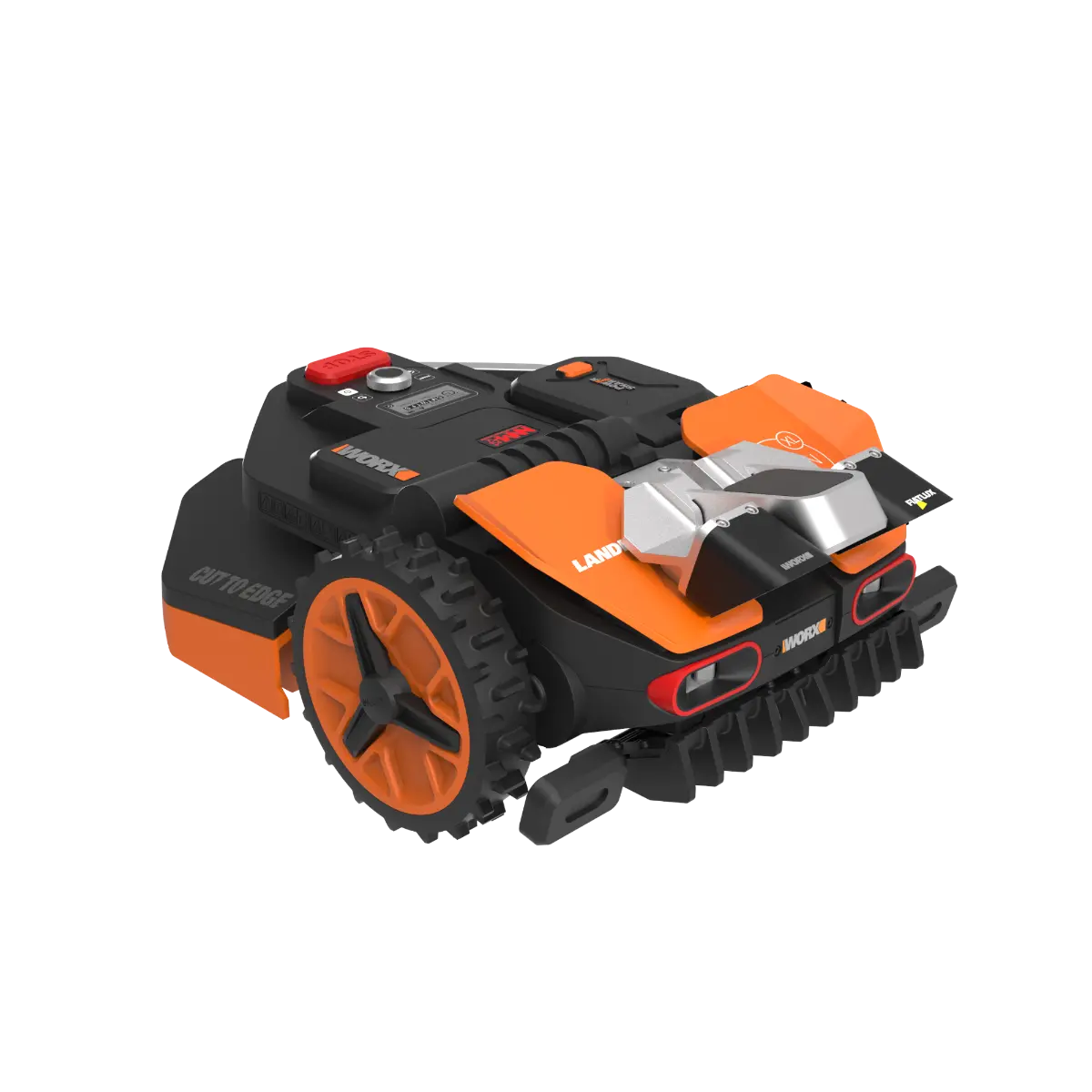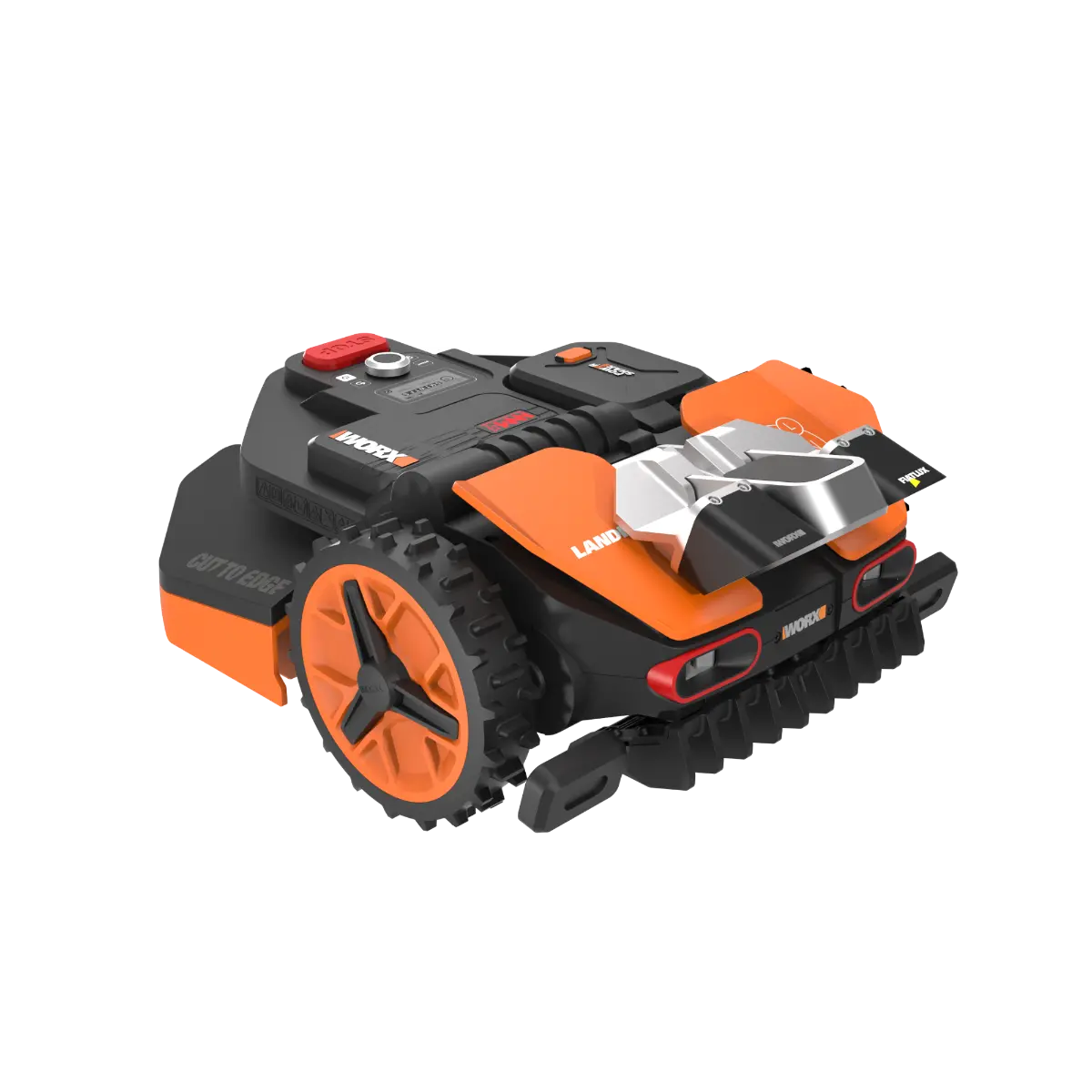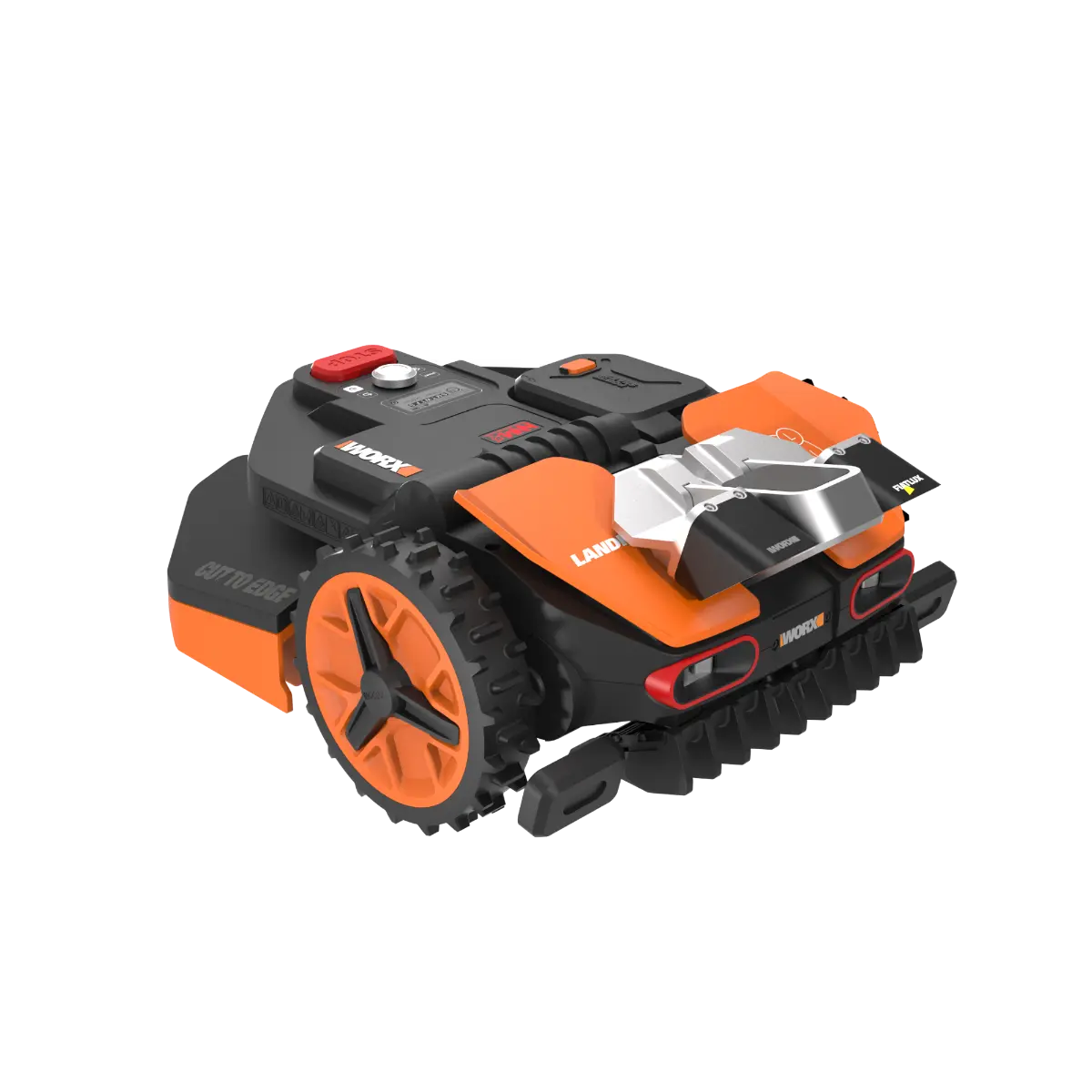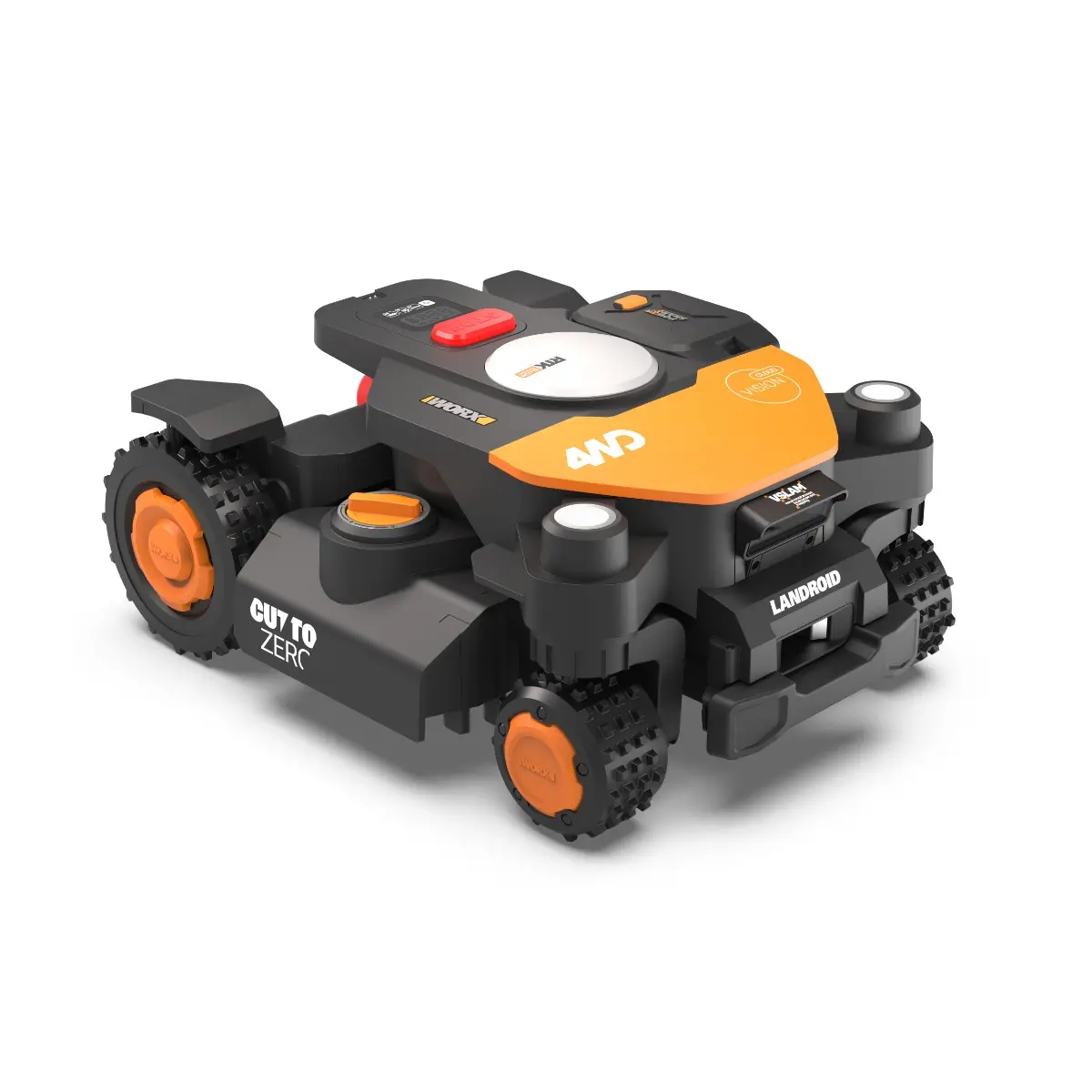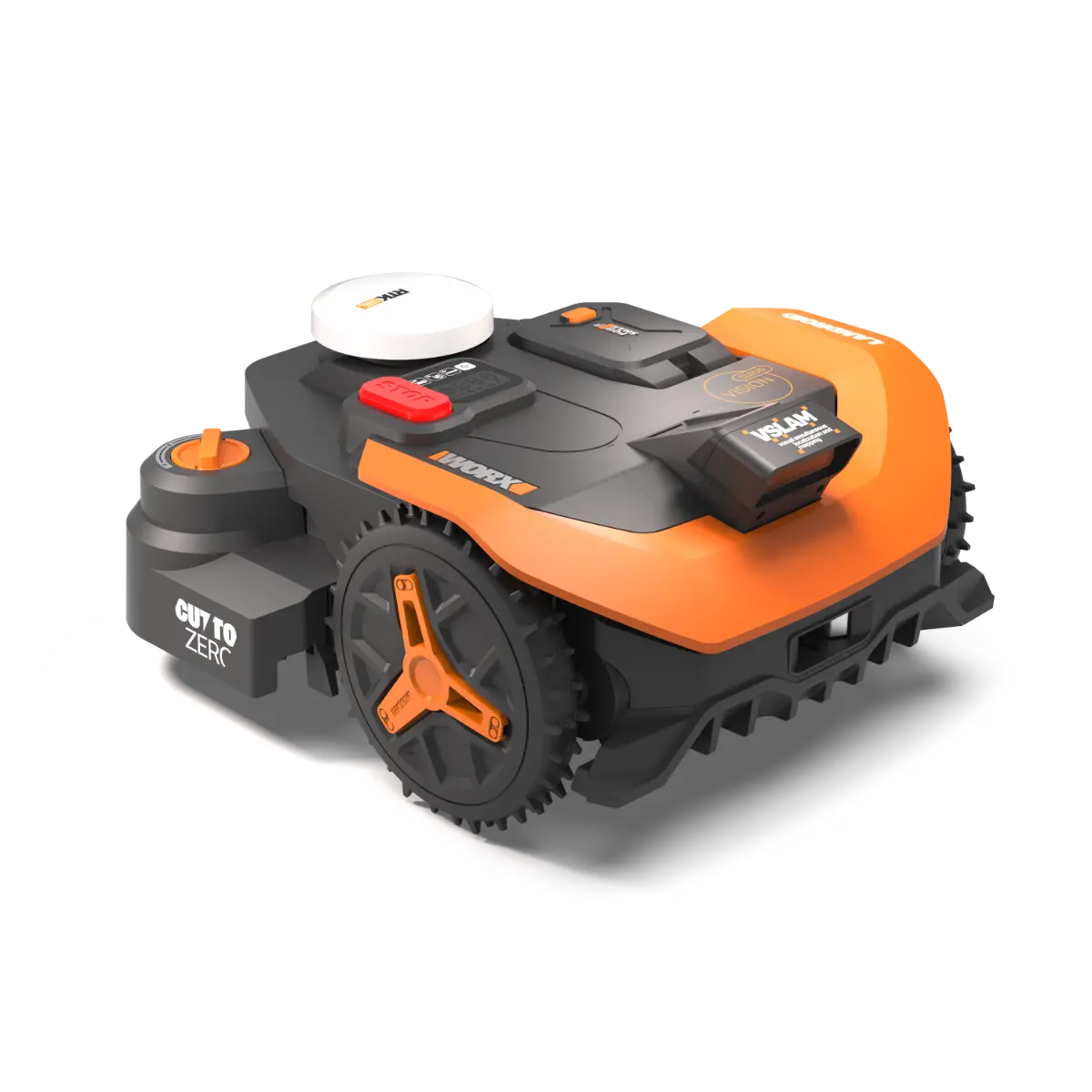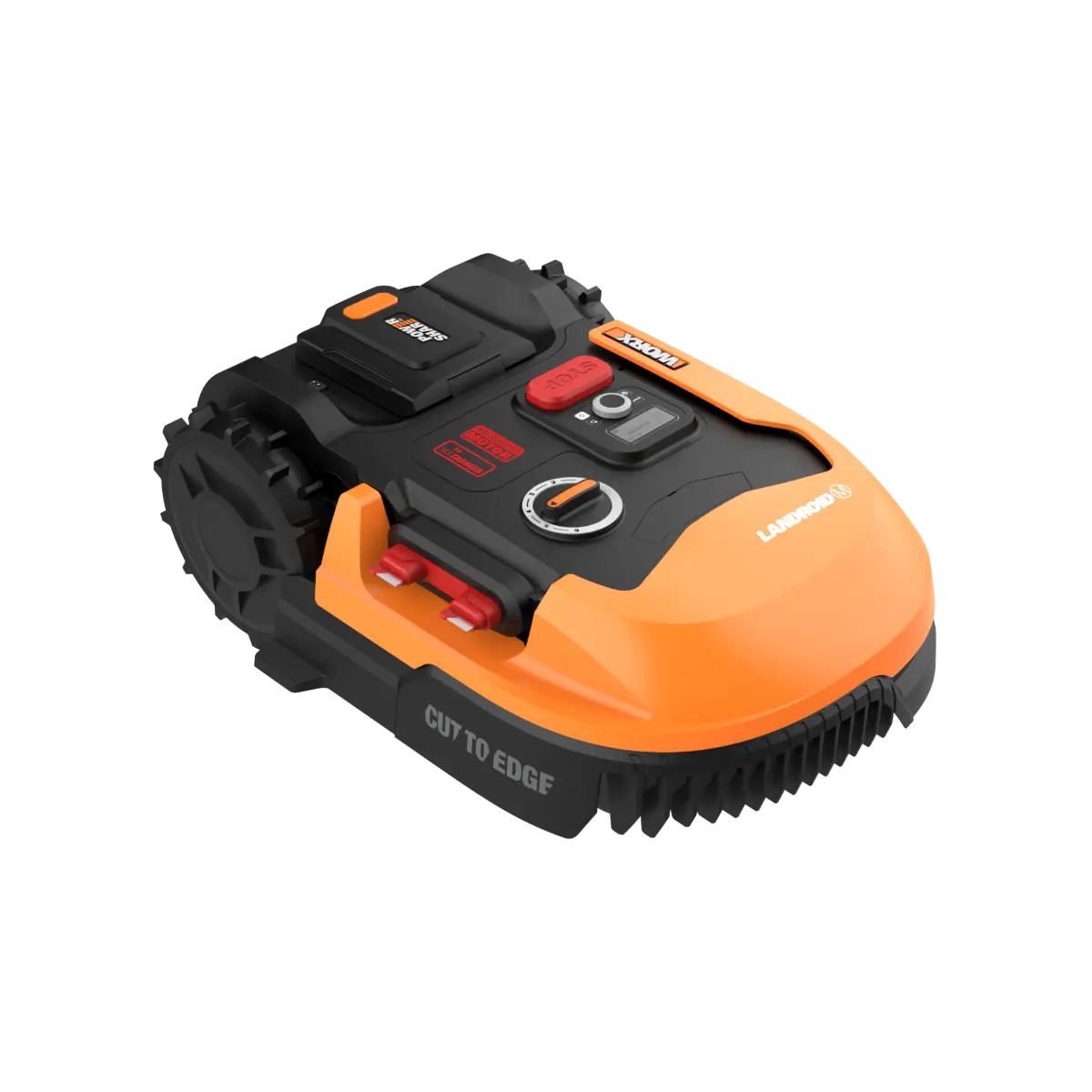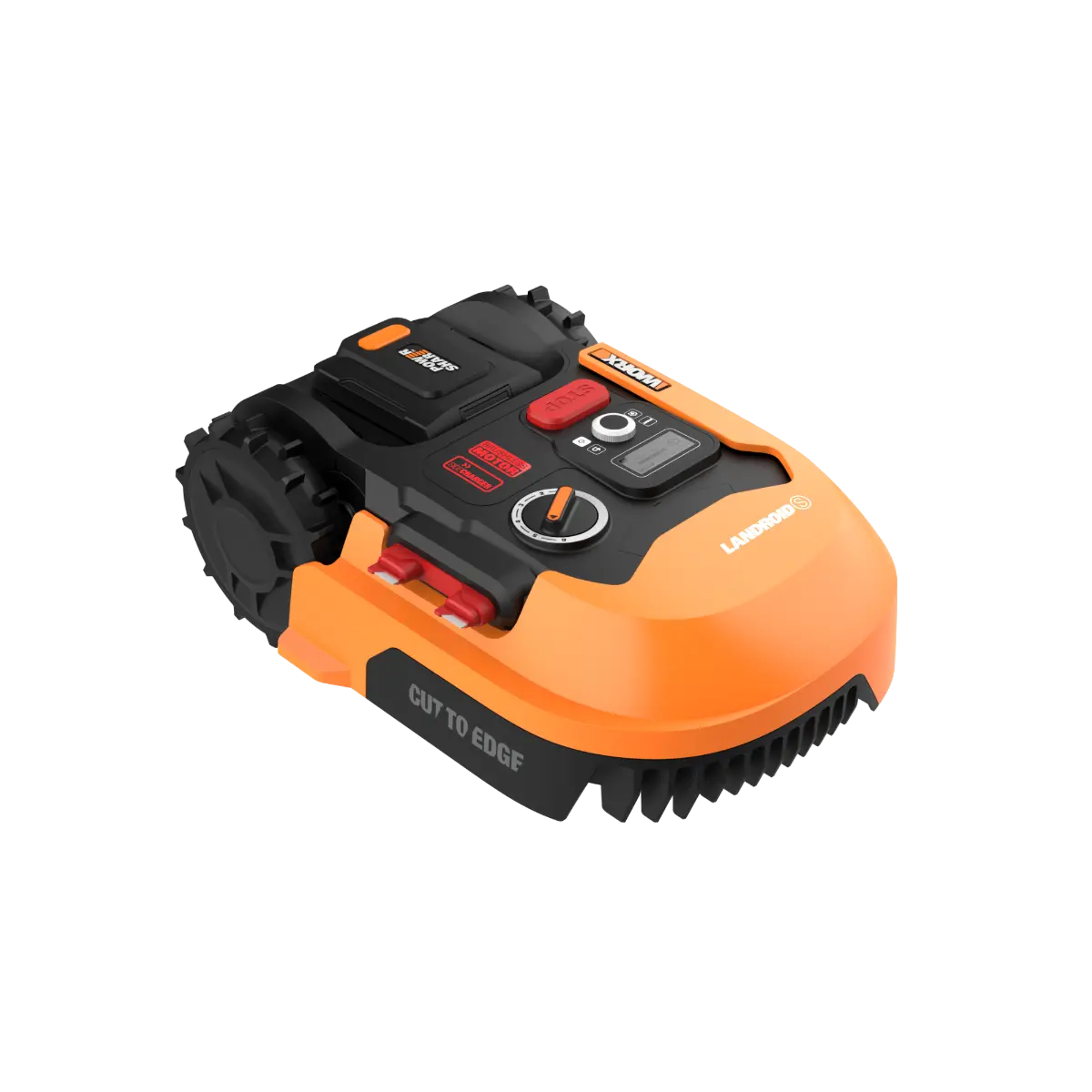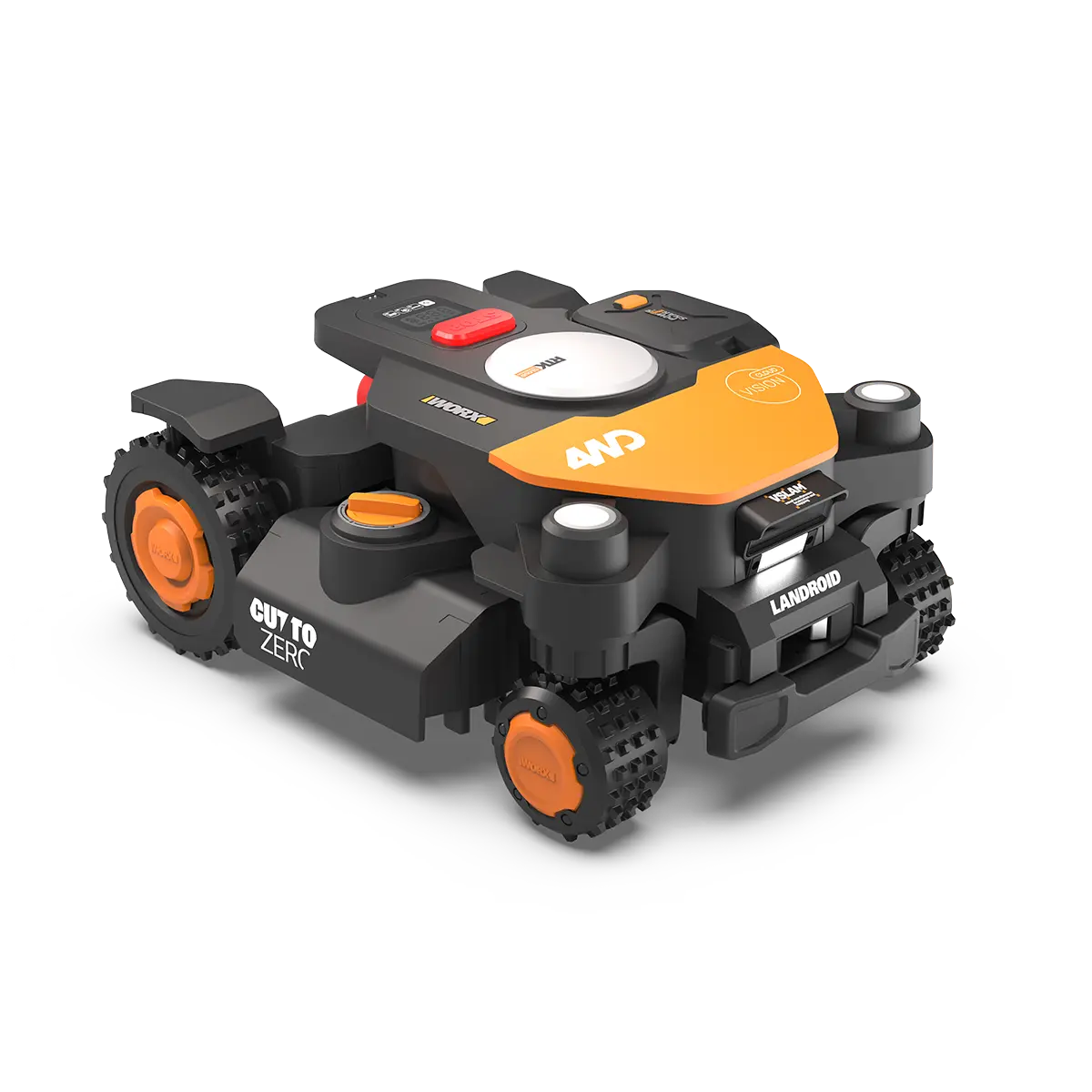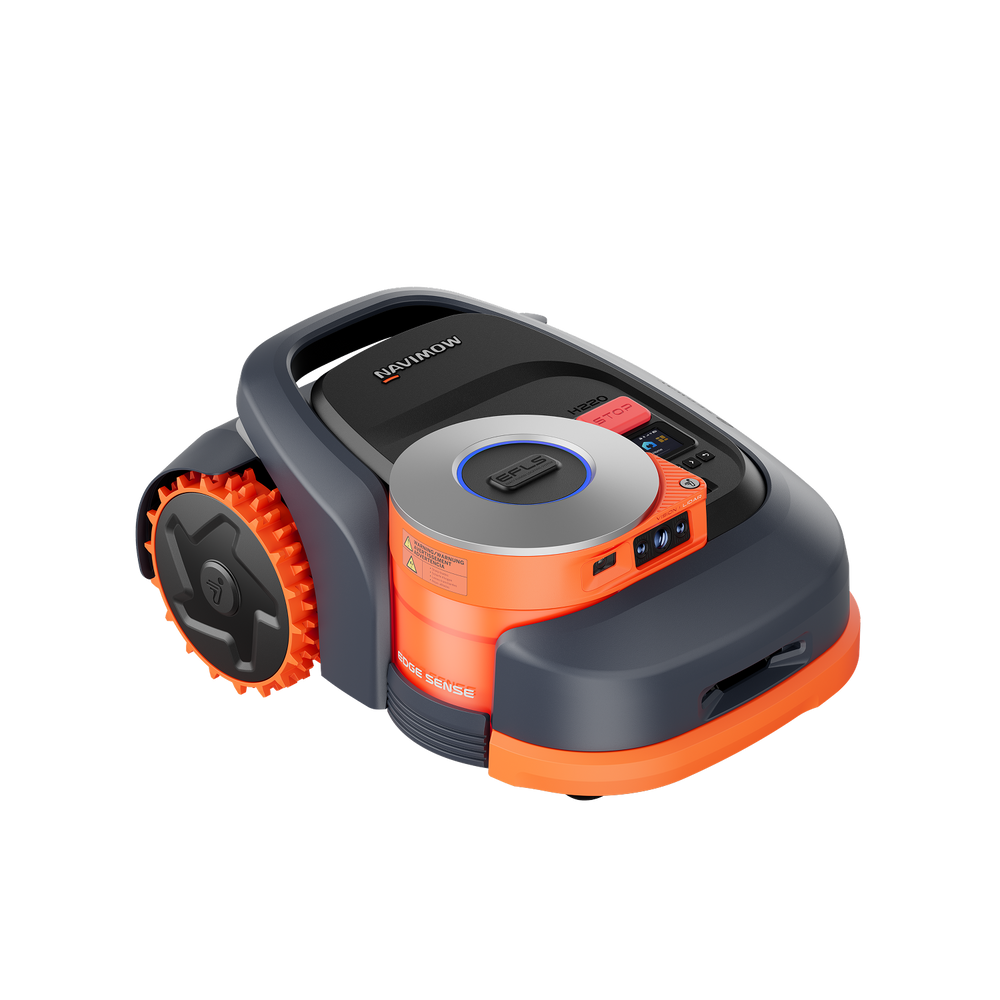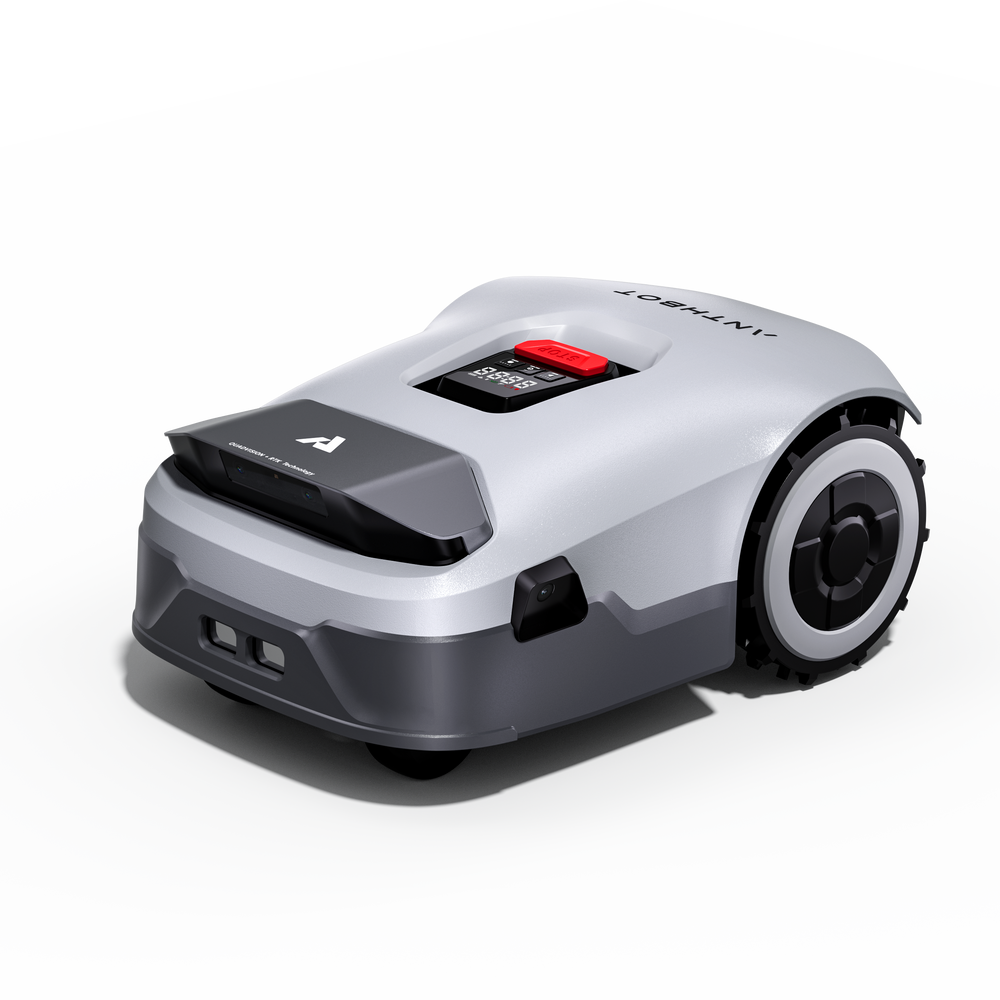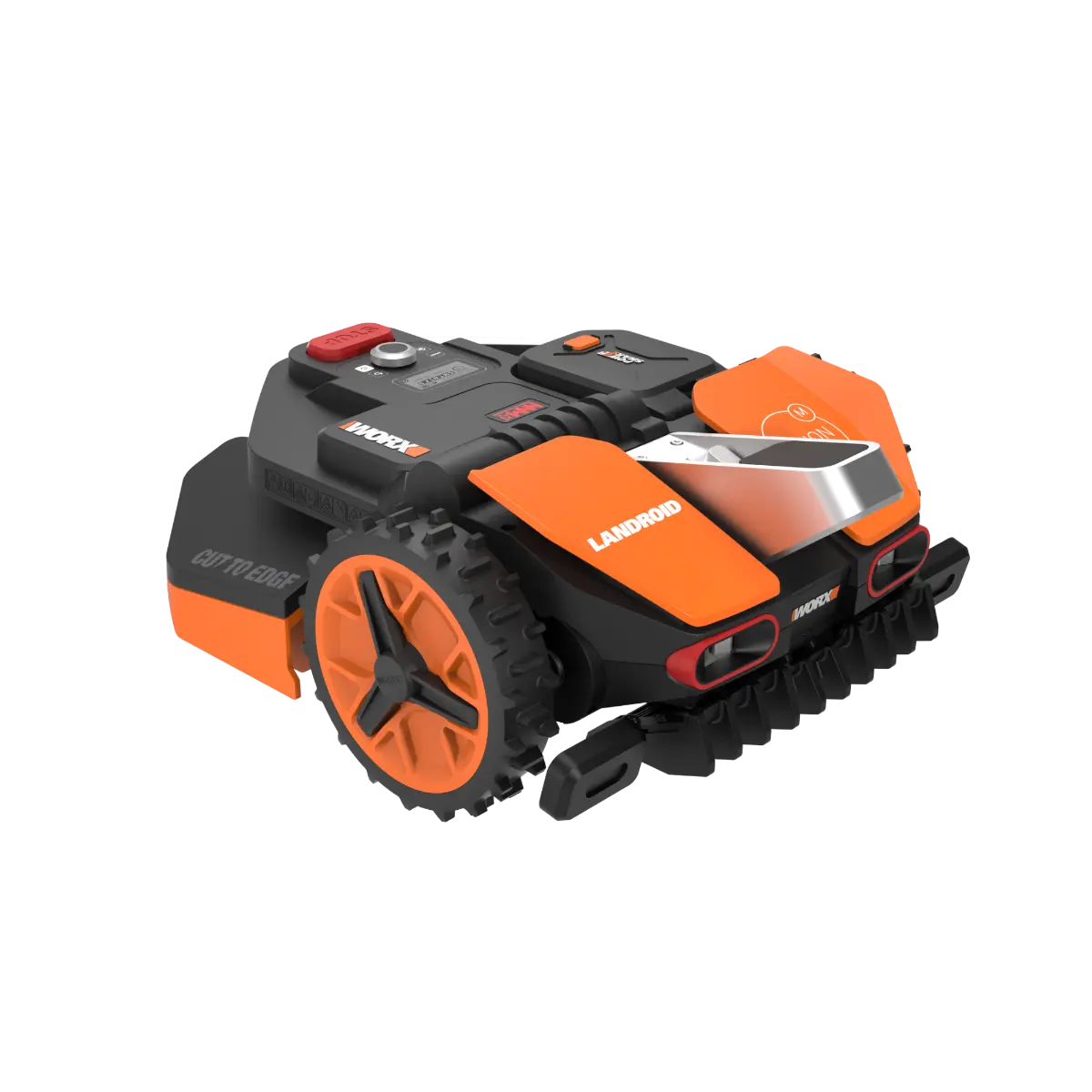
Landroid Vision AI 1/5 Acre · WR208
Consider WR208 when you prefer camera-led navigation without perimeter wire or RTK equipment. Its 0.2-acre rating and 1.5–3.5-inch cut suit a smaller lawn; connected lawns and separate zones still need setup.
Inside the lineup
Start with installation: wired Landroid, camera-led Vision AI, or Vision Cloud with network RTK. Compare the exact WR model, lawn rating and cutting height; confirm Cloud coverage at your address and stock with WORX.
The current catalog
Consider WR208 when you prefer camera-led navigation without perimeter wire or RTK equipment. Its 0.2-acre rating and 1.5–3.5-inch cut suit a smaller lawn; connected lawns and separate zones still need setup.
Choose the 0.25-acre WR model when traction is the reason to upgrade: WR341 combines four-wheel drive with RTK Cloud and an 84% maximum slope claim. Confirm coverage at your address before ordering.
Choose the 1.5-acre WR model when traction is the reason to upgrade: WR346 combines four-wheel drive with RTK Cloud and an 84% maximum slope claim. Confirm coverage at your address before ordering.
A useful starting point for a 0.5-acre lawn that stays within the 30% slope limit. WR320.1 pairs stereo vision with RTK Cloud and a 1.57–3.54-inch cut; check address coverage before choosing it.
A useful starting point for a 1-acre lawn that stays within the 30% slope limit. WR340 pairs stereo vision with RTK Cloud and a 1.57–3.54-inch cut; check address coverage before choosing it.
WR155 is a wired Landroid, so choose it only if perimeter-wire installation fits your yard. The current table lists a half-acre rating and an 8-inch cut. Confirm the supplied battery before ordering.
Consider WR210 when you prefer camera-led navigation without perimeter wire or RTK equipment. Its 0.25-acre rating and 1.5–3.5-inch cut suit a smaller lawn; connected lawns and separate zones still need setup.
Consider WR235 when you prefer camera-led navigation without perimeter wire or RTK equipment. Resolve the conflicting capacity and package text with WORX before buying this particular model.
Consider WR220 when you prefer camera-led navigation without perimeter wire or RTK equipment. Resolve the conflicting capacity and package text with WORX before buying this particular model.
Consider WR230 when you prefer camera-led navigation without perimeter wire or RTK equipment. Resolve the conflicting capacity and package text with WORX before buying this particular model.
Choose the 0.5-acre WR model when traction is the reason to upgrade: WR342 combines four-wheel drive with RTK Cloud and an 84% maximum slope claim. Confirm coverage at your address before ordering.
A useful starting point for a 0.25-acre lawn that stays within the 30% slope limit. WR310.1 pairs stereo vision with RTK Cloud and a 1.57–3.54-inch cut; check address coverage before choosing it.
WR147 is a wired Landroid, so choose it only if perimeter-wire installation fits your yard. Its current page mixes another model’s specifications; confirm coverage and the package before committing.
WR165 is a wired Landroid, so choose it only if perimeter-wire installation fits your yard. Its current page mixes another model’s specifications; confirm coverage and the package before committing.
Choose the 1-acre WR model when traction is the reason to upgrade: WR344 combines four-wheel drive with RTK Cloud and an 84% maximum slope claim. Confirm coverage at your address before ordering.
Our recommendations come from published specifications. We may earn a commission from qualifying purchases. As an Amazon Associate, we earn from qualifying purchases. How we work
The field guide


The useful choice is how you want to define, change and maintain the mowing area. Compare a real wired and wireless example, then walk through the parts of the yard that could stop either one working.
Read the guide

Plan the lift and packing before taking the mower off its base. The carrying handle, disabling controls and original packaging matter more than whether the drive to the dealer is short.
Read the guide

A shorter session does not automatically mean the battery is worn out. Confirm the charging and mowing conditions first, then identify the exact replacement pack and the service procedure for your mower.
Read the guide

Check the mower’s status before you restart it. If the update has failed, look at power, the signal at the charging station and the next scheduled run. The supported recovery steps depend on the model.
Read the guide

First check whether the problem is the mower’s PIN, the app login or buttons that are not responding. Use the recovery route for the exact machine and account before trying resets that may affect other settings.
Read the guide

A missing-signal message does not identify the broken part. Use the exact mower and charging-station instructions to separate a power problem, a terminal connection and a damaged loop before replacing equipment.
Read the guide

A mower sitting on the charger at the planned start time may be waiting on weather, following a different task or using the wrong clock. Read its status before changing the schedule.
Read the guide

Start with the grass you need to cut, then choose the kind of installation you want to live with. Wired Landroid, camera-led Vision AI, Vision Cloud and Cloud 4WD are different choices. We'd narrow the family down before comparing model numbers or paying for a bigger mower.
Read the guide
vsThe US manual separates WR147's quarter-acre rating from WR155's half-acre rating, while keeping the same cutting width and height range. The current WR147 storefront mixes conflicting specifications, so we'd get the exact order confirmed before buying. Both need perimeter wire.
Read the guide

A newer mower is easier to justify when it removes a job you keep doing. If your wired WR155 already cuts the lawn well, we'd weigh the cost of changing against the repairs or layout restrictions that Vision Cloud might help you avoid.
Read the guide
vsA small lawn does not automatically need a wireless mower. WR165 uses boundary wire and offers a taller cut; Genie 600 avoids the wire, but the standard model was unavailable when checked.
Read the guide
vsThe US owner’s manual separates the smaller WR165 from the half-acre WR155, with different cuts and supplied equipment. There is a buying catch: WR165’s current storefront repeats WR155 specifications. Use the manual to understand the models, then get the actual WR165 order confirmed before buying.
Read the guide
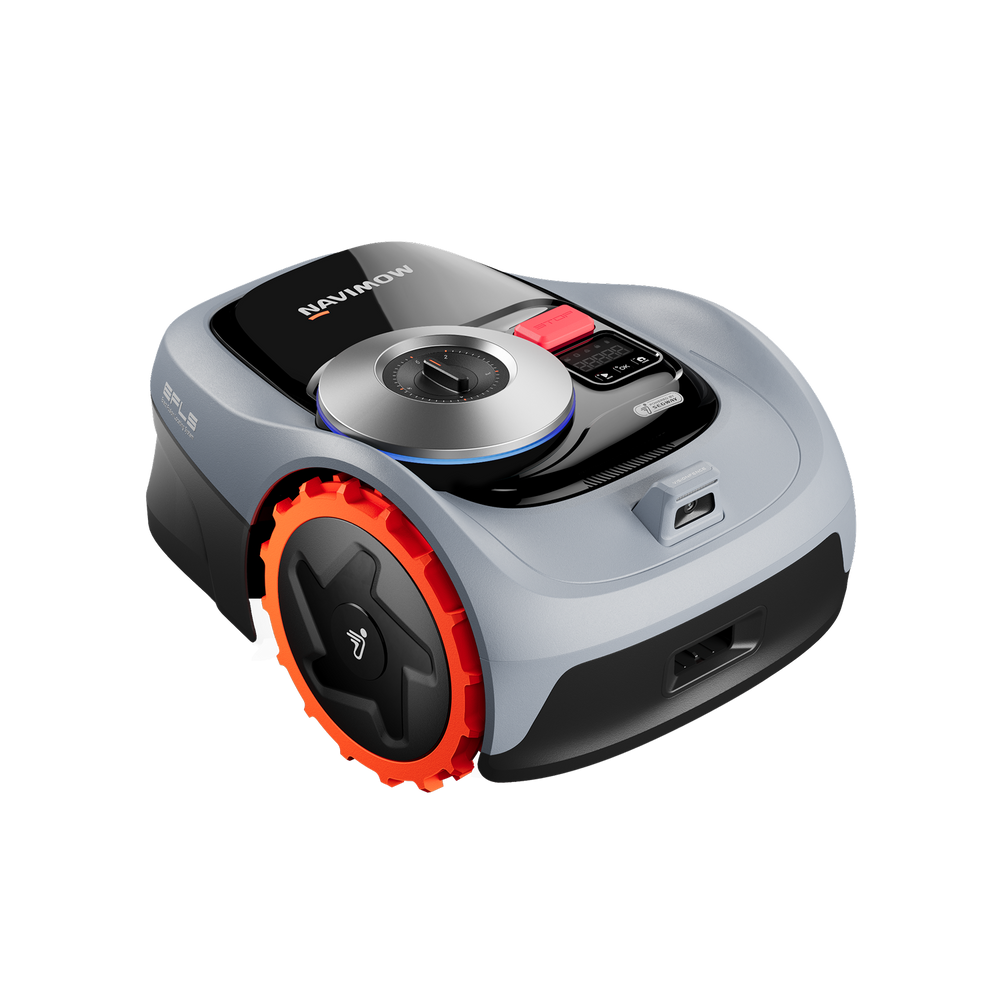
vsWR208 uses camera-based grass recognition and a one-fifth-acre recommendation. The i105 uses EFLS 2.0 positioning and recommends one-eighth of an acre. Check the actual grass, desired height and connections between lawn sections before choosing the setup.
Read the guide
vsBoth are quarter-acre choices, but they find their way around the lawn differently. We'd compare WR210's camera-led setup with WR310.1's RTK Cloud requirements before deciding which one would be easier to live with in your garden.
Read the guide
vsThese mowers take different approaches to finding the grass. WR220 uses a camera without a mapped boundary; Genie 1000 combines RTK and cameras. Your edges, preferred cutting height and confirmed lawn size should settle the choice.
Read the guide
vsWR220 relies on a camera-led Vision AI setup; WR320.1 adds RTK Cloud, stereo vision and V-SLAM. Before comparing those features, settle one awkward detail: WR220's half-acre model label conflicts with smaller-area copy on its own page. Get the lawn capacity confirmed for your order.
Read the guide
vsWR230 uses camera-based grass recognition; 420 iQ offers EPOS positioning and a wider cutting-height range. Their area headlines need different checks before either belongs on your lawn.
Read the guide
vsBoth are quarter-acre Cloud mowers with the same listed cut, height range, battery and charge time. WR341's reason to investigate is its four-wheel-drive terrain arrangement. We'd check whether the actual ground needs that difference before paying for it.
Read the guide
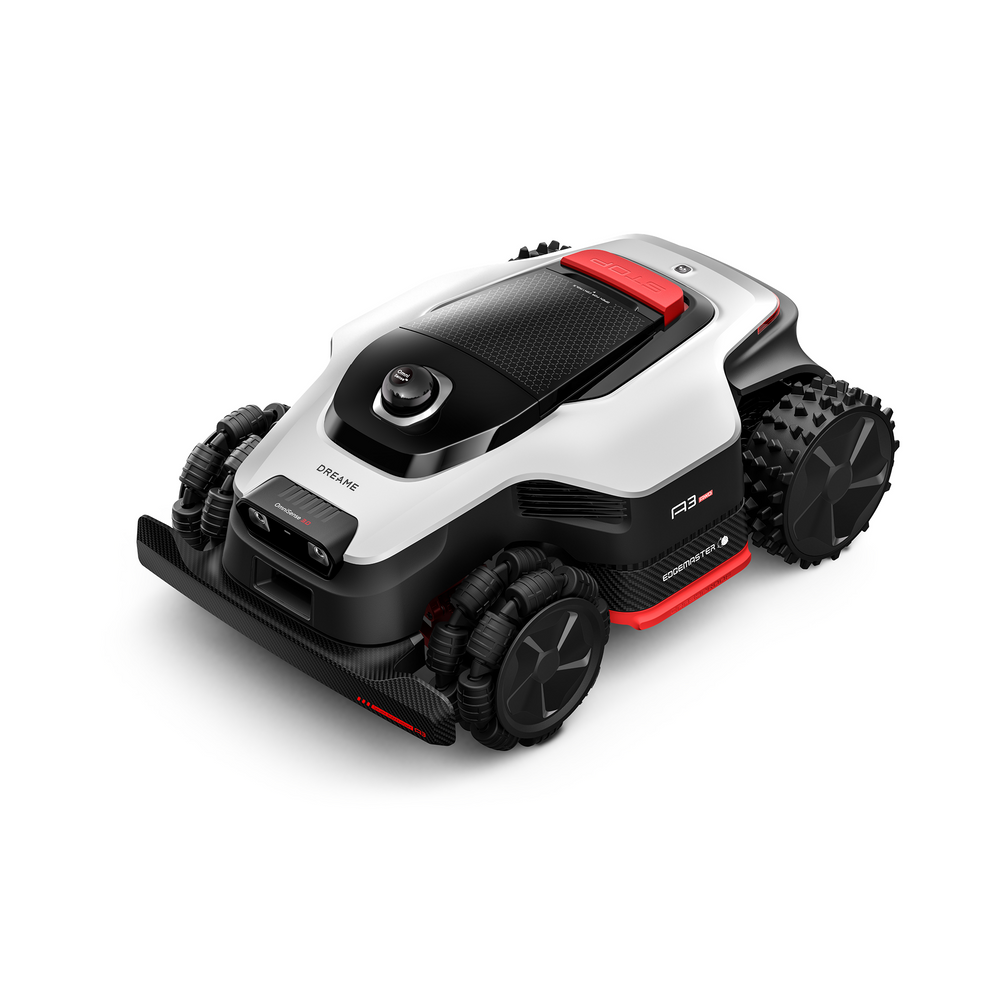
vsBoth recommend half an acre, but the setup and cutting ranges differ. WR320.1 has the wider listed cut; Dreame reaches lower and higher settings and documents AWD. We'd check the normal grass height, actual ground and supported installation before choosing.
Read the guide
vsBoth are rated for half an acre and list the same cutting width and height range. We'd pay closer attention to the ground than the area number: WR342 adds four-wheel drive, while WR320.1 is the standard Vision Cloud option to compare for a suitable gentler lawn.
Read the guide
vsWR340 recommends one acre and reaches below two inches. H220 recommends half an acre and reaches four inches. The useful choice depends on the grass, the working window and whether the positioning setup fits your property.
Read the guide
vsBoth are recommended for one acre and list the same cutting width. WR344's reason to investigate is its four-wheel-drive terrain arrangement, not a larger lawn allowance. We'd check the steepest ground, usual cutting height and Cloud coverage before paying for that difference.
Read the guide
vsBoth have a quarter-acre rating and all-wheel-drive hardware, but the positioning setup and cutting range give you more useful ways to choose. We'd check whether Worx's RTK Cloud works at the address, and whether either mower reaches the height you normally leave the grass.
Read the guide
vsThe four Vision Cloud 4WD tiers run from a quarter acre to 1½ acres. We'd choose the size for all the grass and a realistic mowing routine, then compare charging and connectivity. A larger model number doesn't buy a wider cut or a taller setting in this family.
Read the guide
vsBoth recommend half an acre, but the cutting ranges and positioning systems differ. WR342 documents four-wheel drive and a lower minimum cut. H220 reaches four inches and combines LiDAR, Network RTK and vision. We'd choose from the grass height and actual ground before comparing the offers.
Read the guide