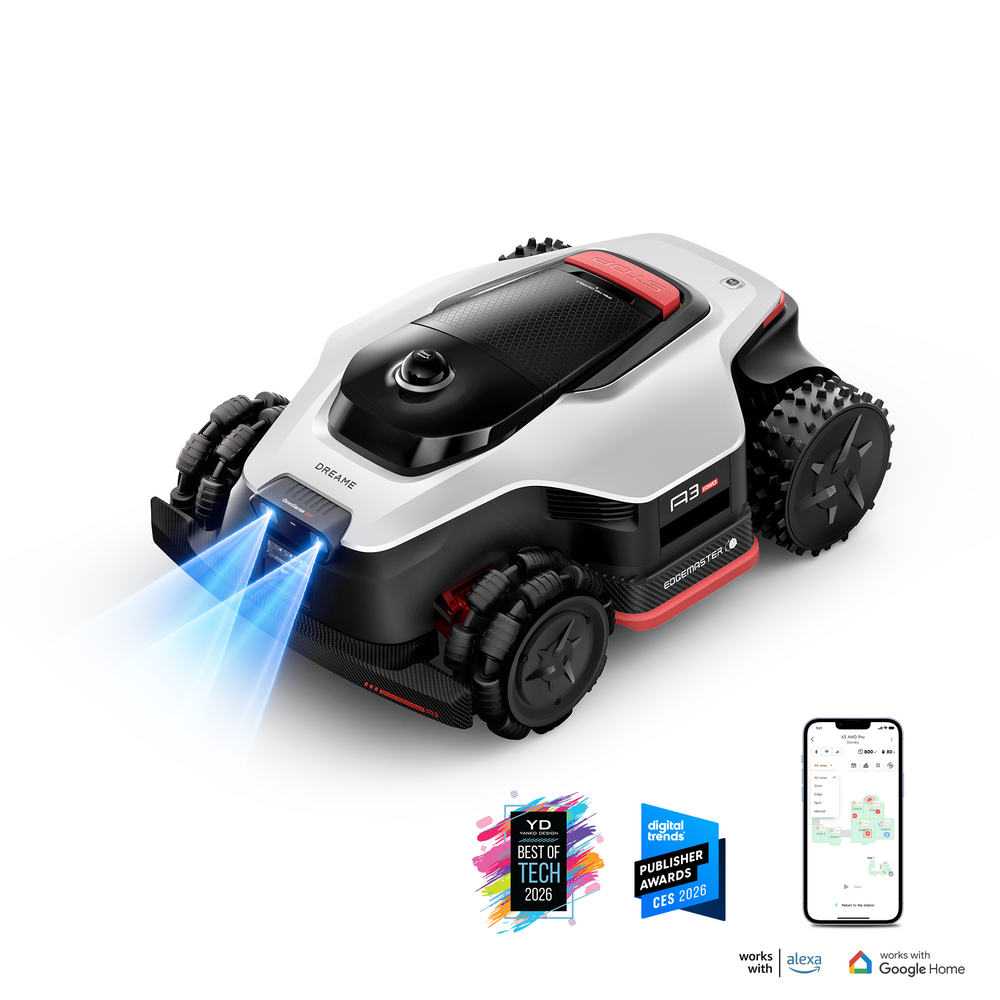
Dreame
A3 AWD Pro 2500
A wide-deck AWD mower rated for 0.62 acre, with a 15.8-inch dual-disc cut and 1.2–3.9-inch height range. This 2500 configuration has a specifically documented 5 Ah battery.
0.62 acre360° 3D LiDAR + binocular AI vision
Inside the lineup
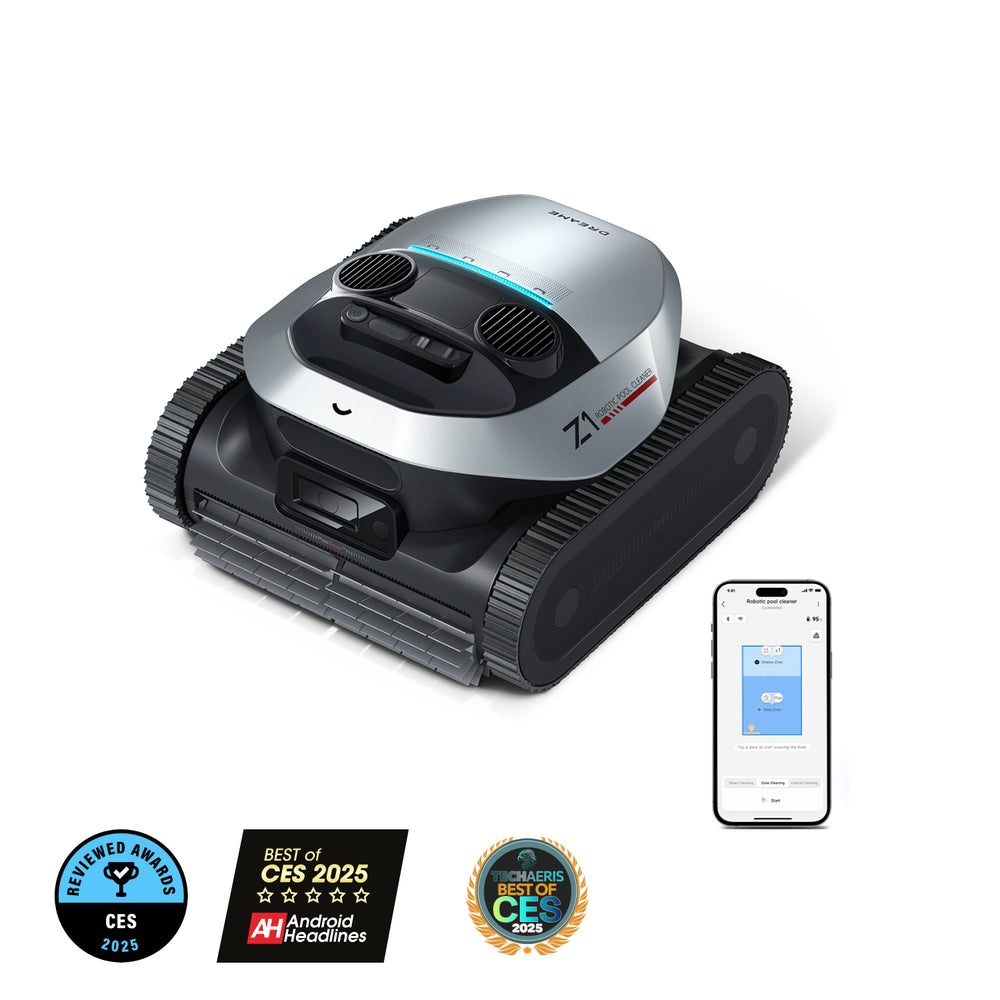
From A3 lawn mowers to Z1 pool cleaners. Look closely at coverage, control options, and the exact configuration before choosing.
The current catalog
A wide-deck AWD mower rated for 0.62 acre, with a 15.8-inch dual-disc cut and 1.2–3.9-inch height range. This 2500 configuration has a specifically documented 5 Ah battery.
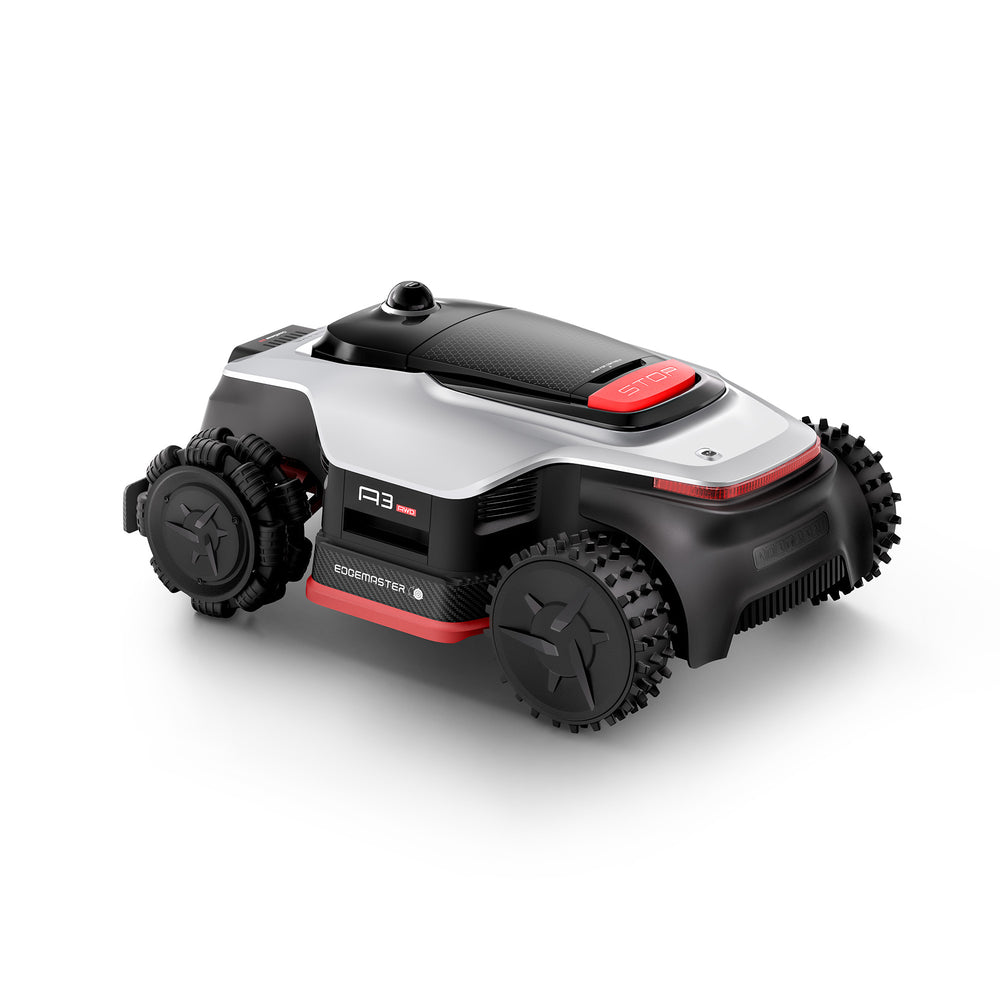
A wide-deck AWD mower rated for 0.87 acre, with a 15.8-inch dual-disc cutting path. Compared with the standard A3 AWD, the Pro offers a wider cut and a different coverage tier; weigh those differences against the exact lawn and package price.
A wide-deck AWD mower rated for 1.20 acres, with a 15.8-inch dual-disc cut and 1.2–3.9-inch height range. This 5000 configuration has a specifically documented 10 Ah battery.
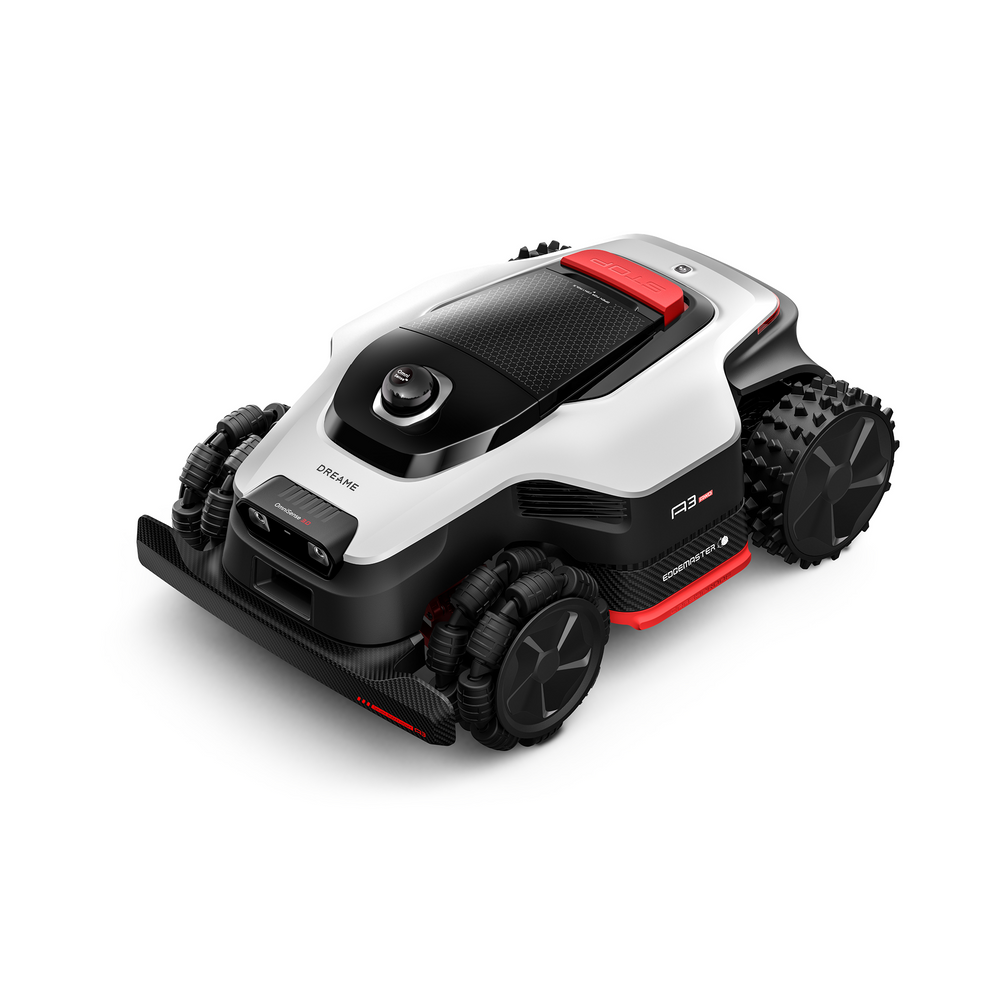
A quarter-acre AWD mower with a 7.9-inch cutting path and app-adjustable height. Its stated 80% climbing ability is a manufacturer maximum; smaller coverage and a narrower deck distinguish it from the A3 AWD Pro.
A half-acre AWD configuration with a 7.9-inch cutting path and 1.2–3.9-inch height adjustment. LiDAR and binocular AI vision provide navigation without a perimeter wire or RTK station.
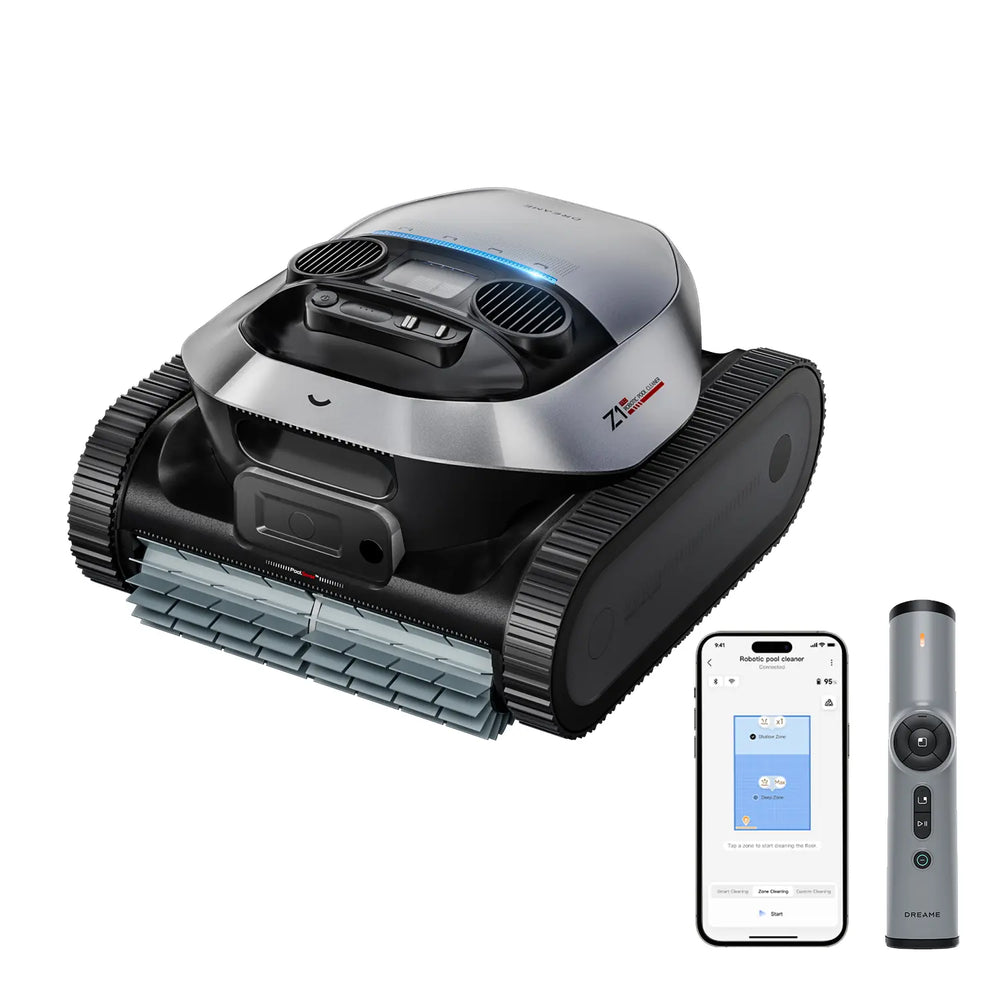
Our recommendations come from published specifications. We may earn a commission from qualifying purchases. As an Amazon Associate, we earn from qualifying purchases. How we work
The field guide
 vs
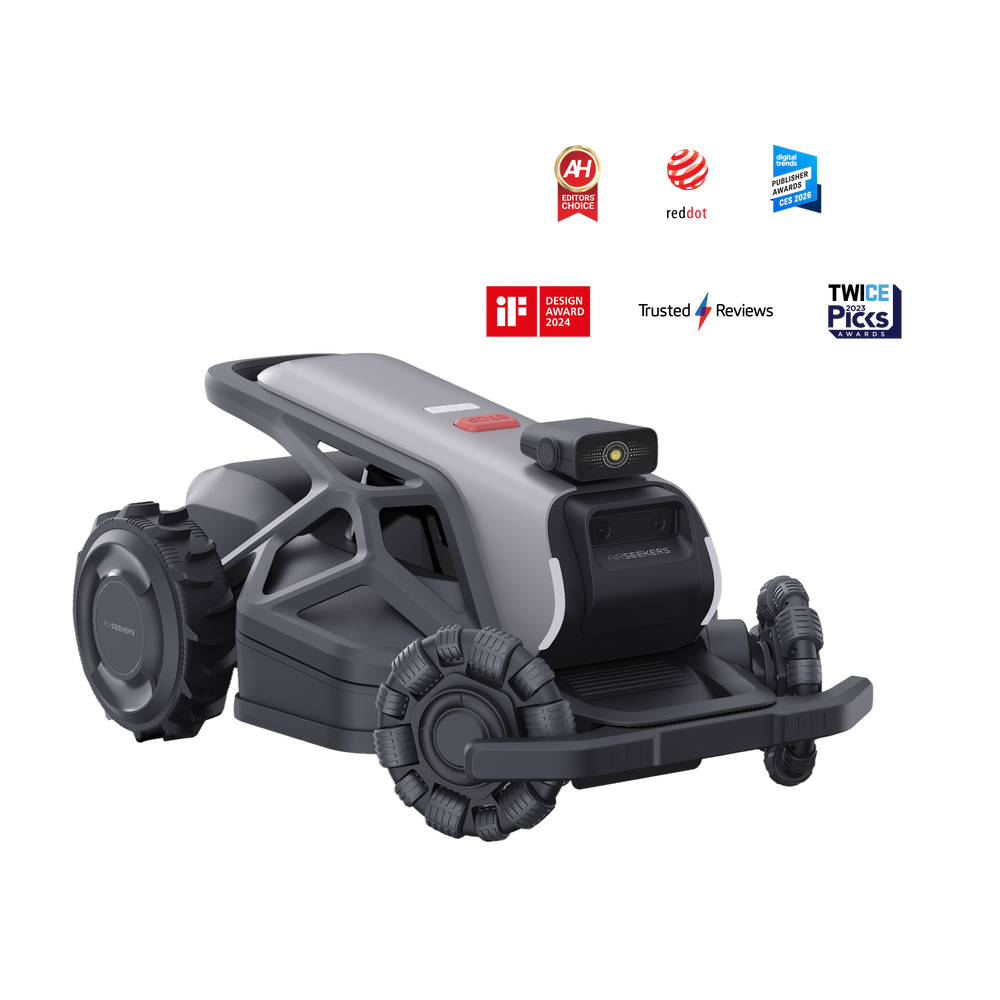
Both are worth a look if you have around an acre of grass, but their area figures answer different questions. We'd pay closer attention to the deck, cutting height and installation before deciding which mower belongs in the yard.
Read the guide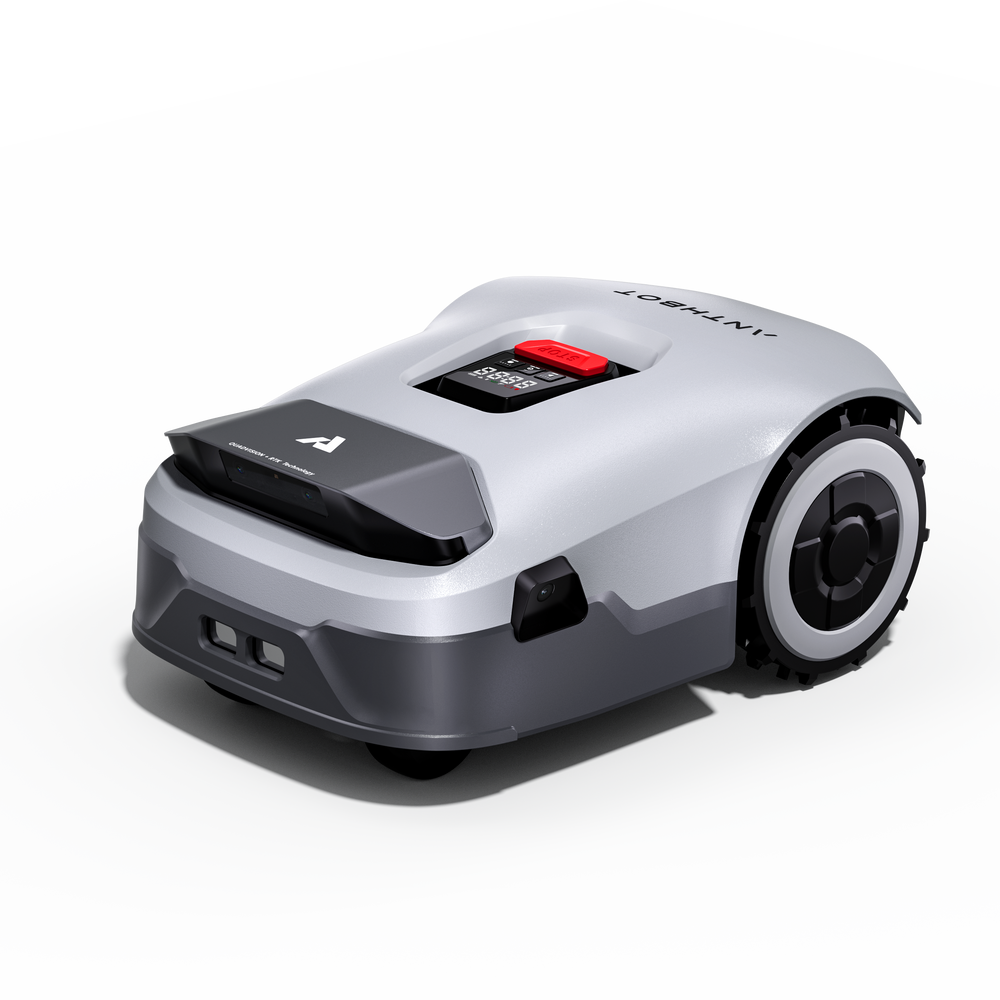 vs
Genie 600e 4G lists 0.22 acre and a 30–70 mm cutting range. Standard A3 AWD 1000 lists 0.25 acre and reaches 3.9 inches. A three-inch lawn makes that difference matter before RTK equipment or AWD enters the decision.
Read the guide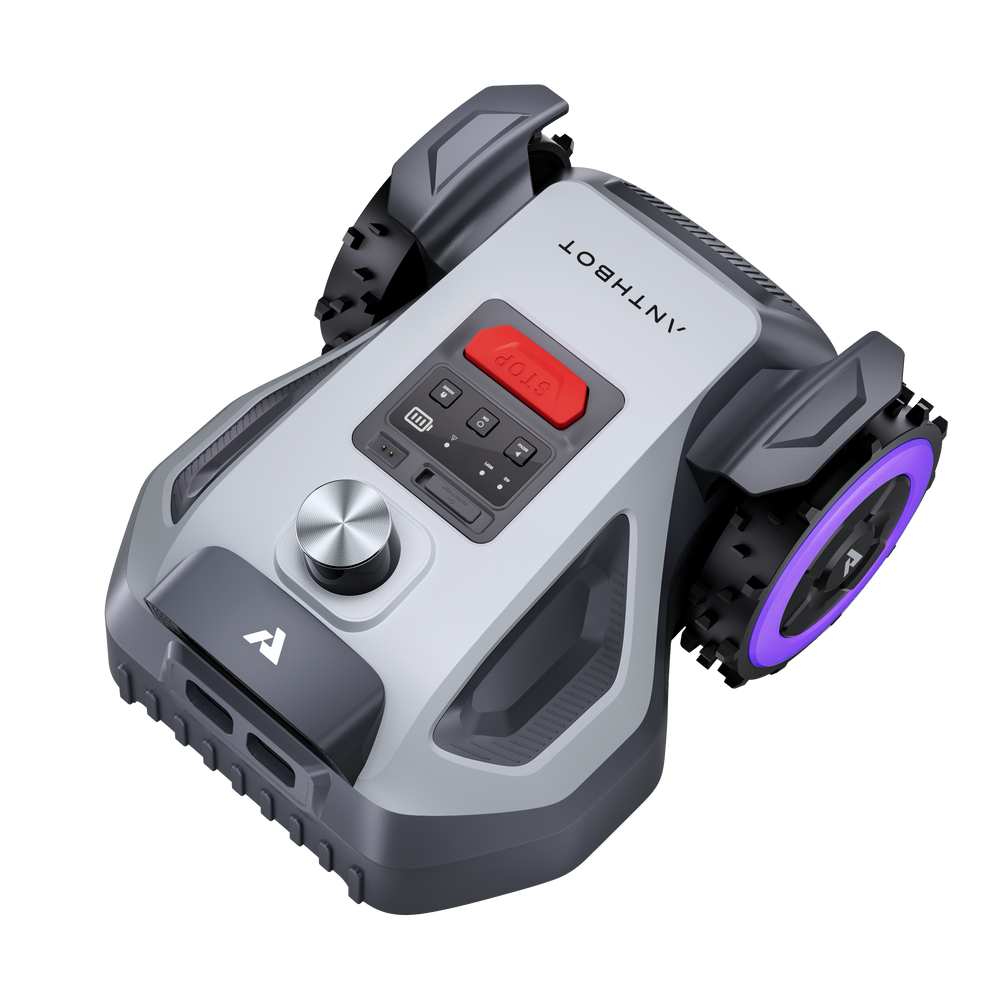 vs
These aren't two identical lawn-size choices. M5 LiDAR is aimed at roughly an eighth acre; Dreame 1000 is rated for a quarter acre and offers a taller cut. We'd settle those two requirements first, then compare the route, ground and supported installation.
Read the guide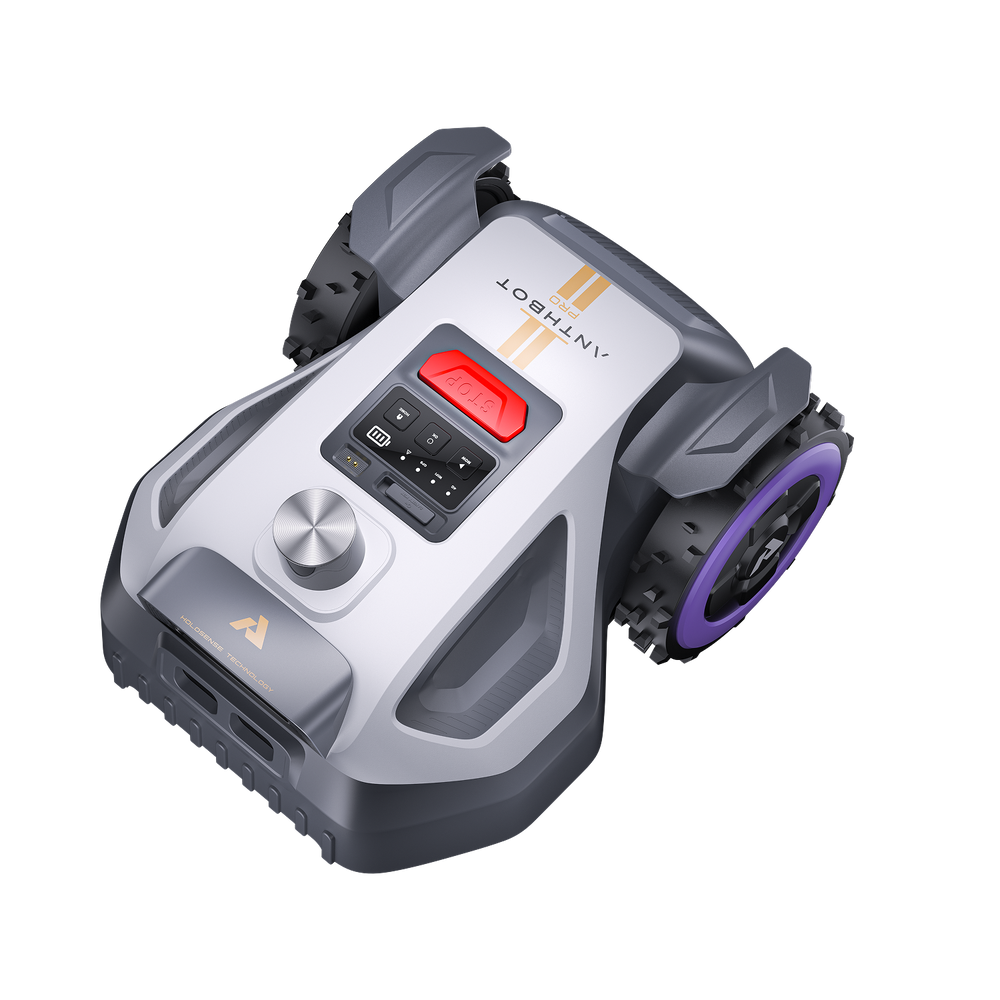 vs
These are quarter-acre-class choices with different cutting ranges and positioning arrangements. Dreame’s AWD and climbing claim are relevant only after the actual lawn, boundary and route are checked.
Read the guide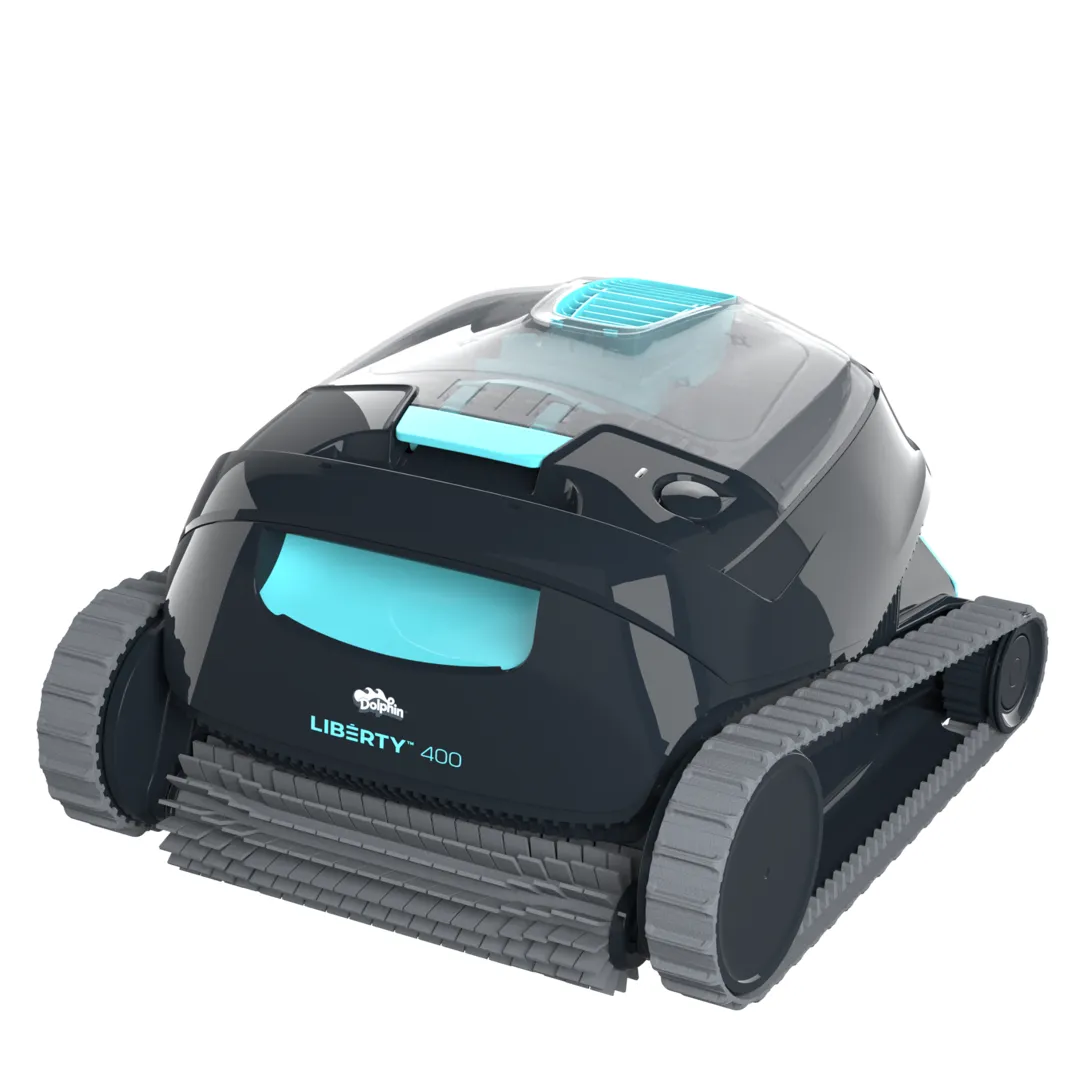
One cleaner may be practical for two household pools, but both pools must fit the exact model. Map storage, charging, water conditions and the trip between them all need checking before you share the machine.
Read the guide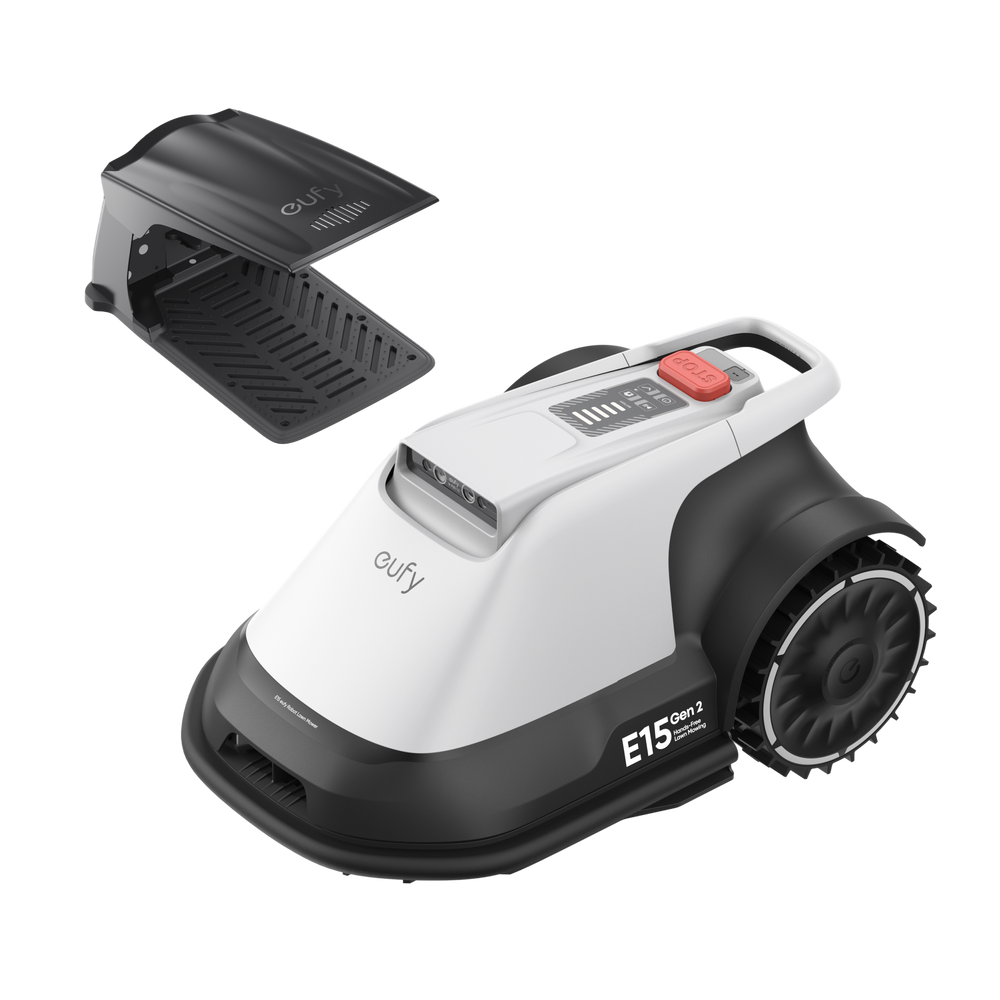
Sometimes, within the limits of the exact mower. But an overgrown lawn is a different job from keeping it tidy every few days. Check the starting grass height before sending a robot into it, even if the mower offers a tall cutting setting.
Read the guide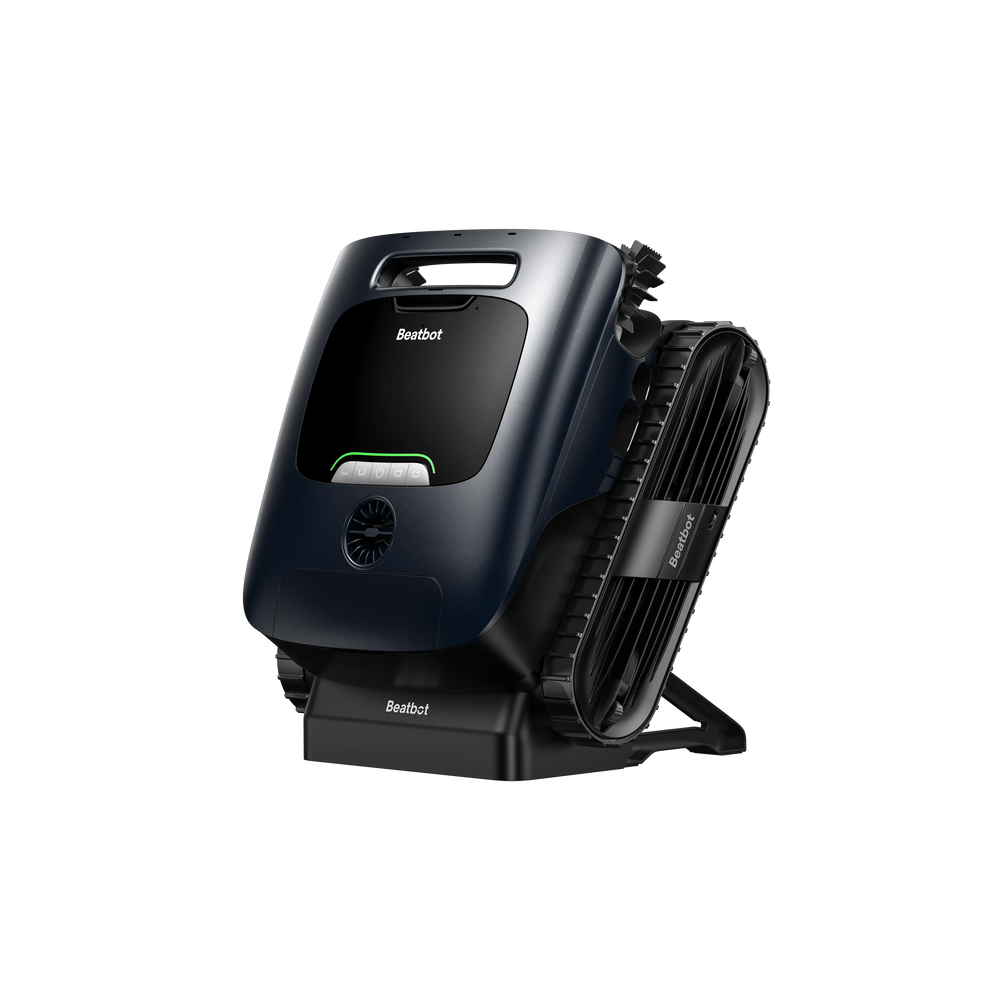
App support, a retrieval command and underwater directional steering are different functions. Dreame Z1 Pro documents a light-based remote; AquaSense 2 Ultra limits its app control to operation at the surface. Check the exact model before treating a missing response as a fault.
Read the guide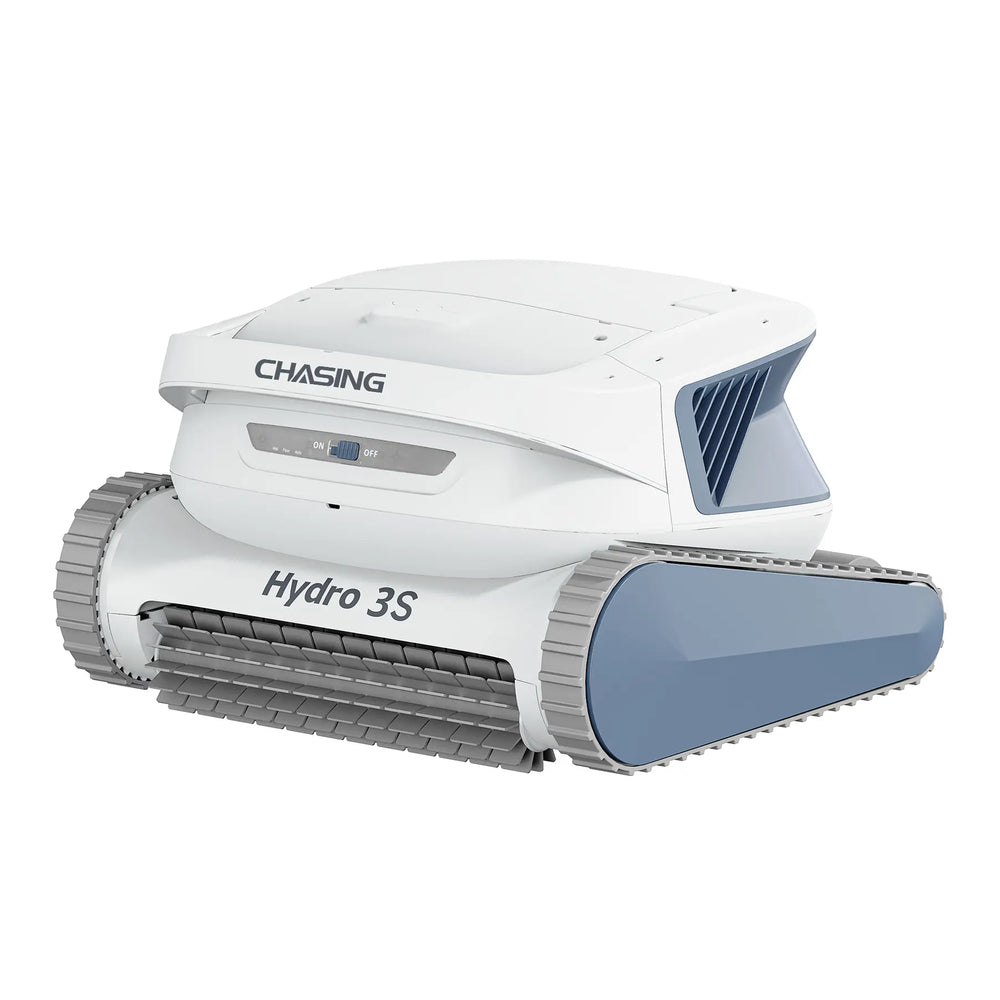 vs
Both handle the underwater floor, walls and waterline. Hydro 3S gives a defined basket size and separate regular/Eco durations; Z1 has the larger stated area allowance. We'd compare the actual pool and supplied revision first, because the Hydro page also retains conflicting older specification text.
Read the guide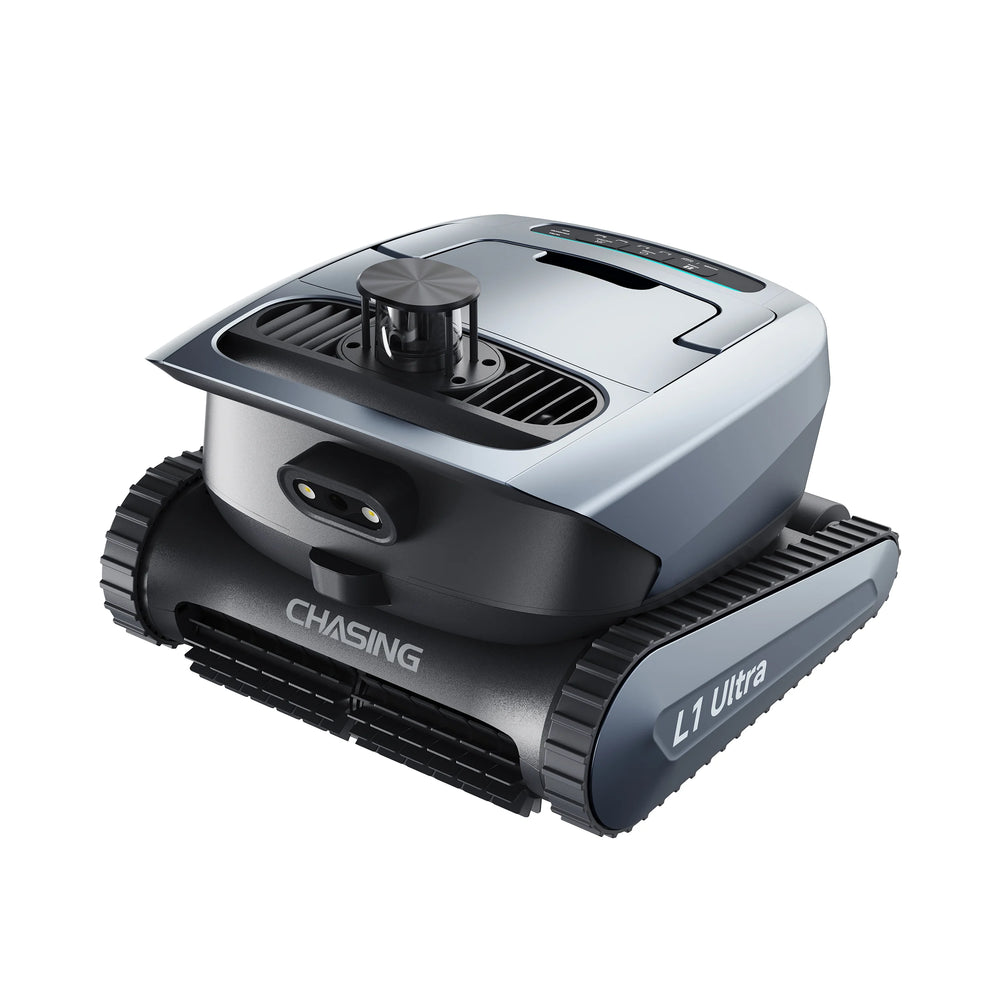 vs
CHASING advertises a five-hour Eco runtime on the L1 Ultra. The Z1 Pro has a separate light remote for steering and spot cleaning. The choice depends on whether you want a longer scheduled clean or direct control over a trouble spot.
Read the guideA shorter selected cycle, incomplete charge, loaded basket and genuine fault can all look like a weak battery. Record the mode and the stopping behavior before comparing the run with an advertised maximum.
Read the guide
A free app, included cellular data and lifetime positioning are different promises. We'd ask which features you need, how they connect and what happens when an included period ends before comparing the long-term cost of a mower.
Read the guideNot every mower needs your home Wi-Fi to reach every corner. The answer depends on how it maps, what it needs to keep mowing and which app features you want away from the house. We'd check those jobs separately before buying more network equipment.
Read the guidevsA3 AWD 2000 doubles the stated lawn recommendation to half an acre. It doesn't give this pair a wider deck or a different cutting range. We'd measure the grass and check the available mowing hours before paying for the larger tier. Both are the non-Pro A3 models.
Read the guidevsThe Pro has a much wider cutting deck, but both mowers offer the same height range, AWD and station-free positioning. We'd choose between them by the grass area and layout before paying for the Pro badge.
Read the guidevsAll three Pro sizes have the same stated cutting width and height range. The useful differences are the recommended lawn area and the battery assigned to each model. We'd choose for the grass and mowing schedule, with the 2500's current sold-out status checked before planning a purchase.
Read the guide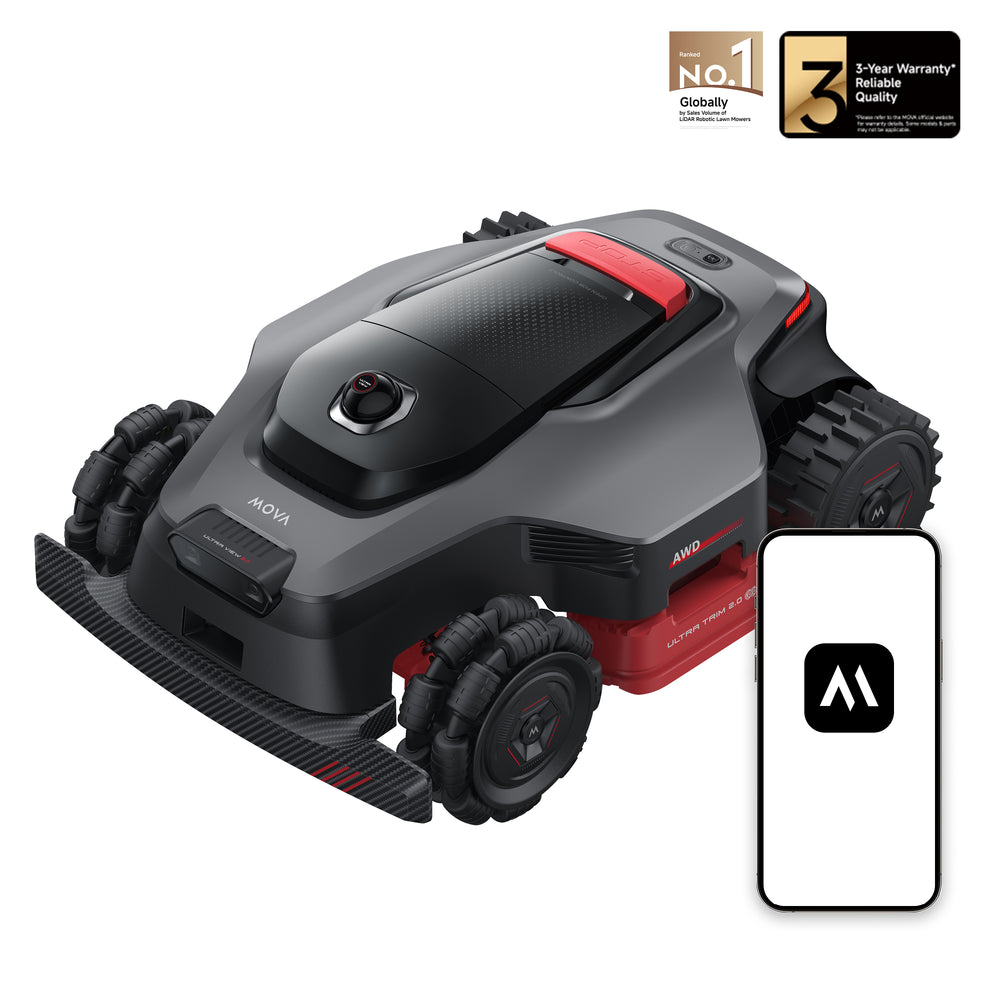 vs
Both list AWD, LiDAR with vision, a 15.8-inch cut and the same height range. The more useful first distinction is Dreame’s exact 3500 allowance versus MOVA’s single-map limit, followed by the real mowing schedule.
Read the guide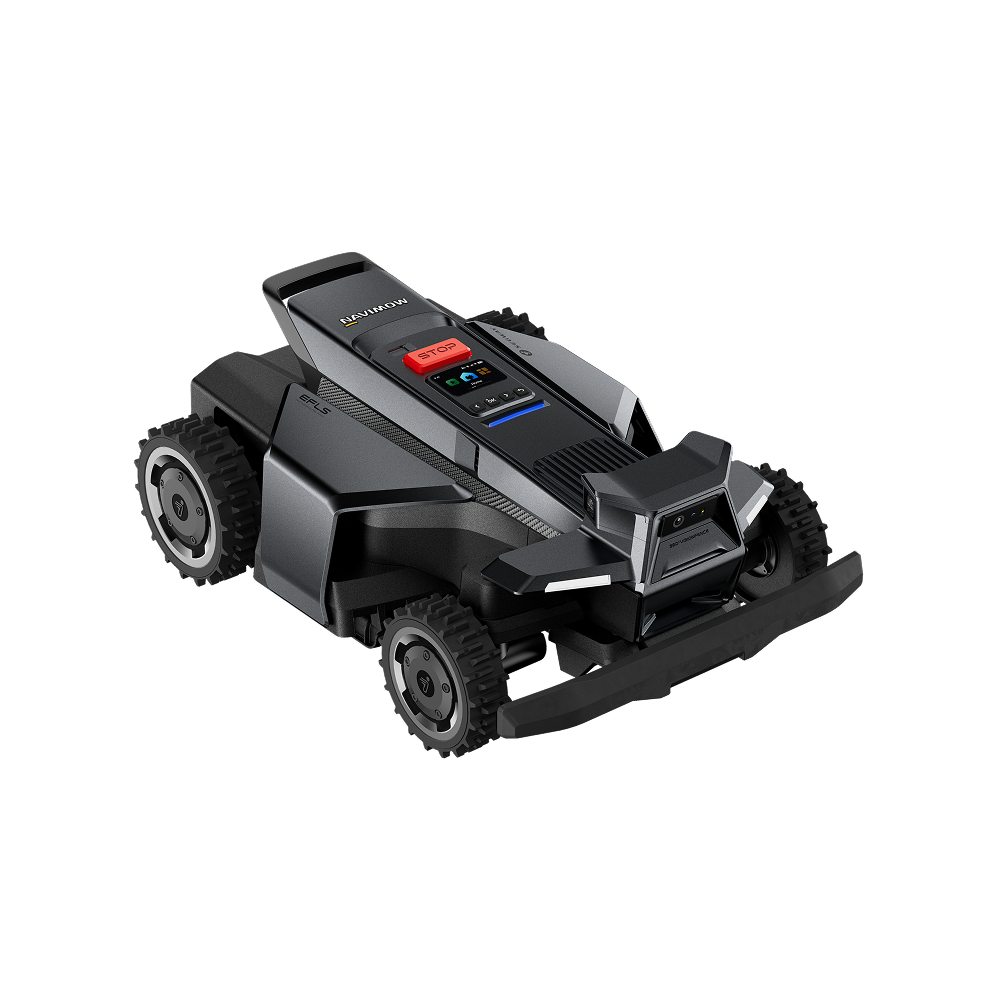 vs
The Pro 3500 suits a lawn within 0.87 acre that works with LiDAR. The X450 is rated for 1.5 acres and has a lower cutting setting, with a different setup for positioning.
Read the guide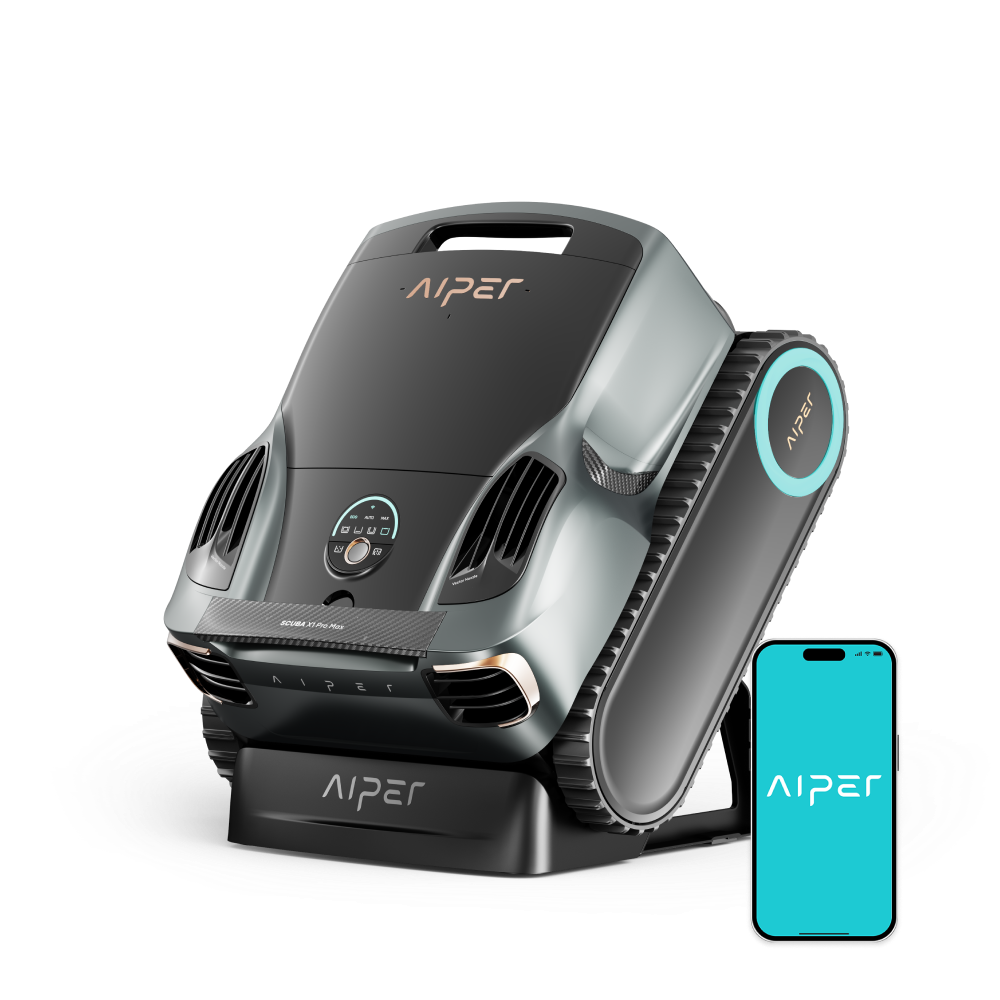 vs
Z1 Pro's distinctive feature is its LiFi handheld remote for underwater control. X1 Pro Max adds floating-debris cleaning and a larger stated pool allowance. We'd settle the jobs and control method you want before comparing two very different runtime headlines.
Read the guide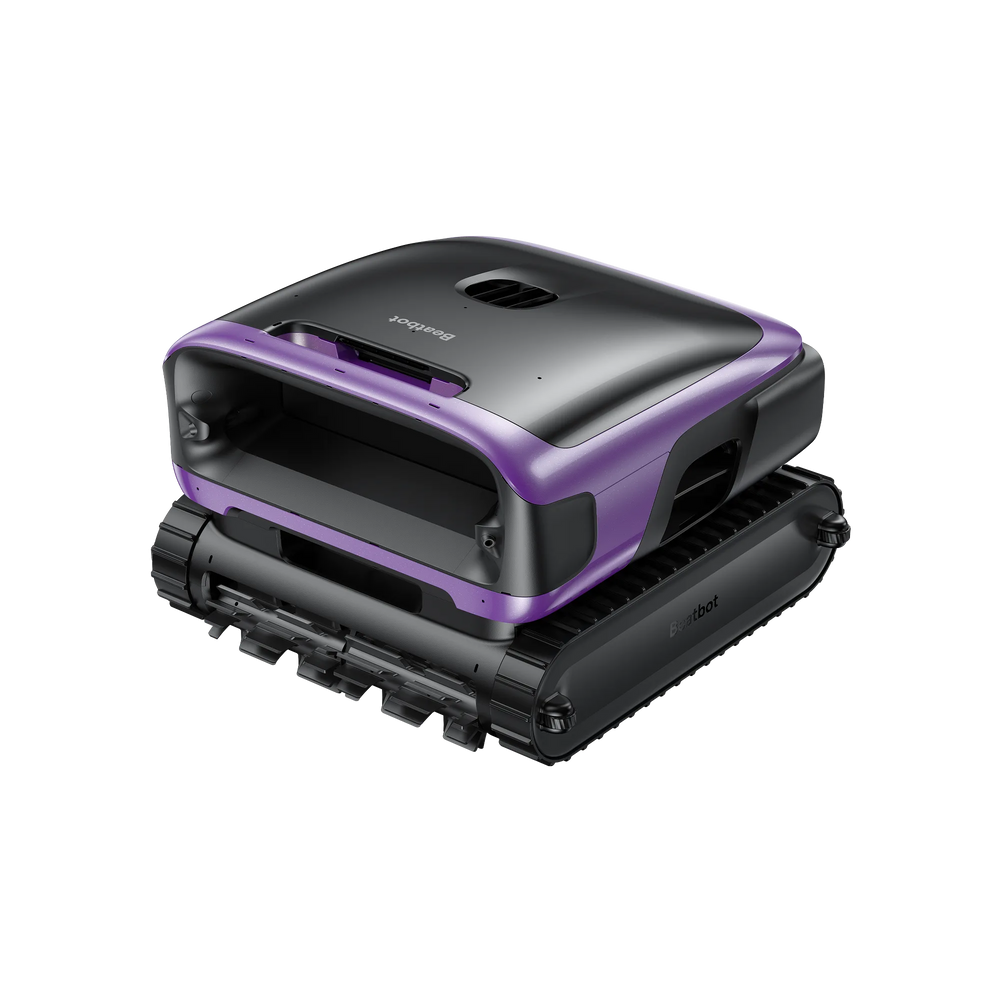 vs
These robots offer different reasons to spend: Z1 Pro has a handheld remote for underwater communication, while Sora 70 adds surface skimming. We'd decide which job or control feature you actually want before comparing their area and runtime headlines.
Read the guide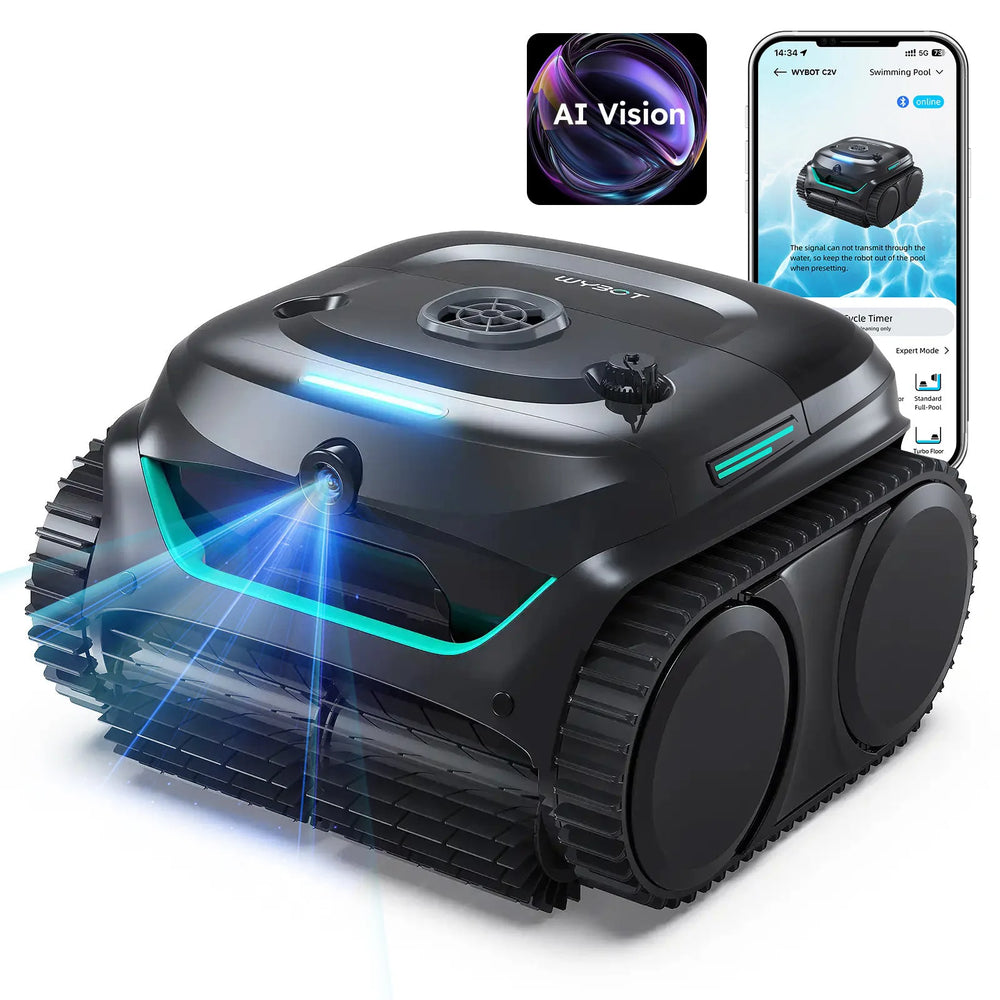 vs
A handheld underwater remote and a camera-led floor mode solve different problems. Compare the dirt you want removed, the fitted filter and the actual pickup routine before choosing either feature.
Read the guide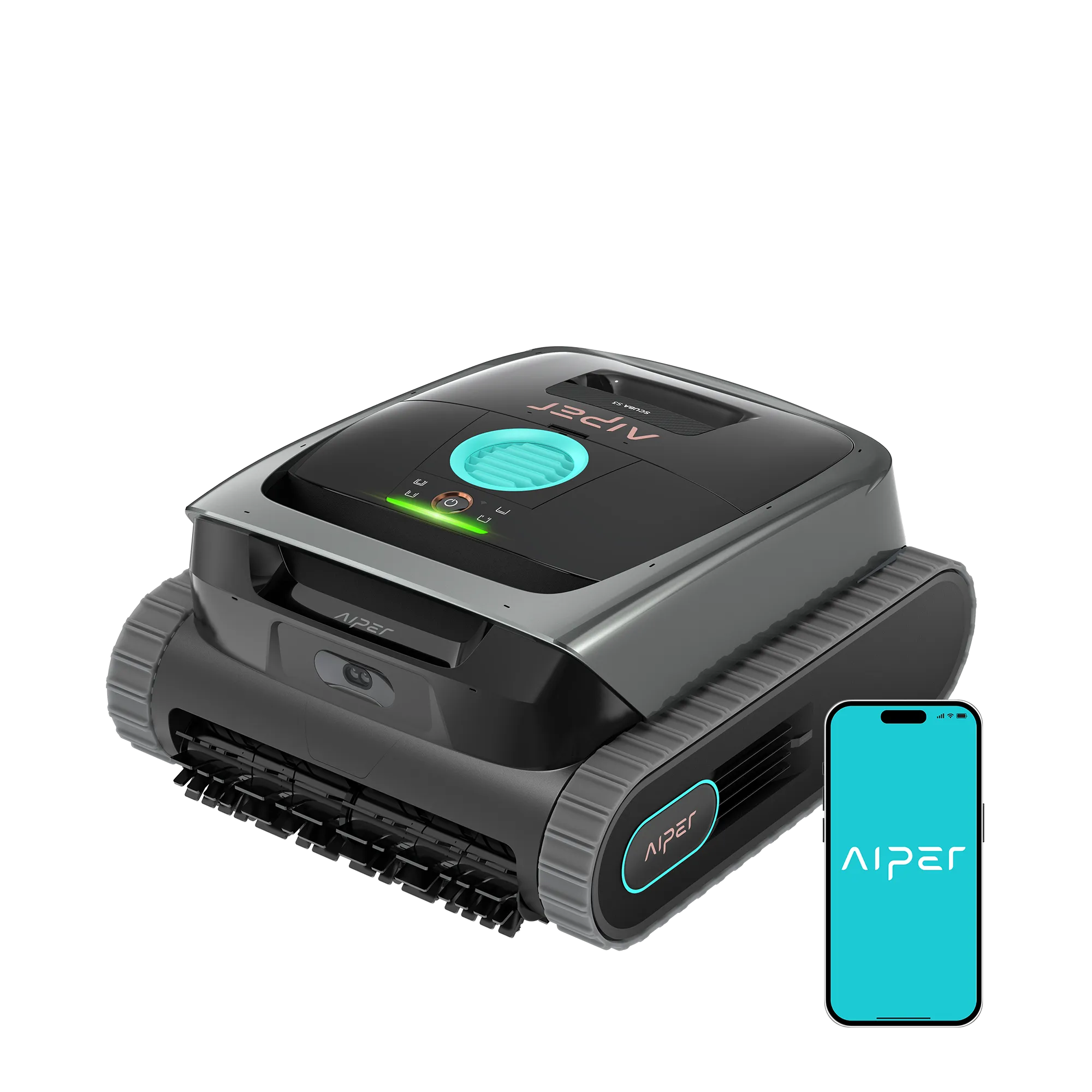 vs
Z1 lists the larger pool allowance; S3 documents a finer filter. Both clean the floor, walls and waterline. We'd choose around the pool's dimensions and usual dirt, then compare the actual cleaning mode and lift-and-charge routine.
Read the guidevsThe clearest reason to consider Z1 Pro is its LiFi handheld remote for underwater communication. We'd also check its higher area rating, while keeping the shared filter and charging specifications in perspective.
Read the guide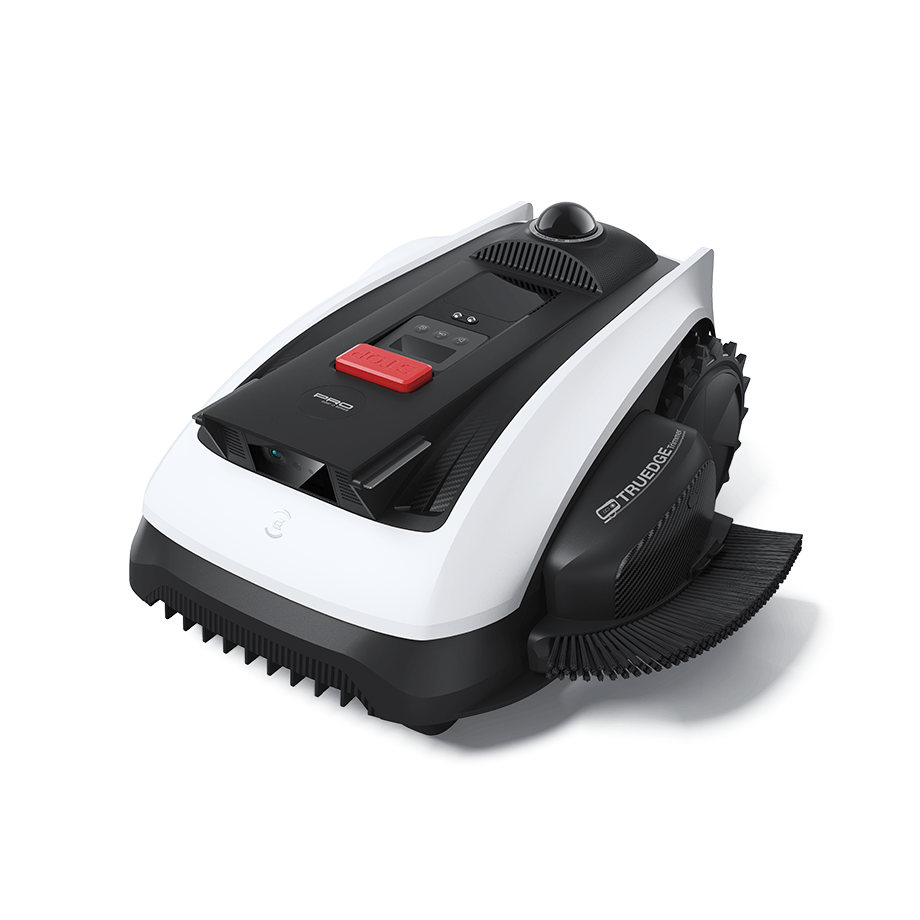 vs
The GOAT's built-in edge trimmer and the Dreame's all-wheel drive give you two different reasons to buy. We'd start with the parts of your lawn that are hardest to maintain, then check size, cutting height and the route around the yard.
Read the guide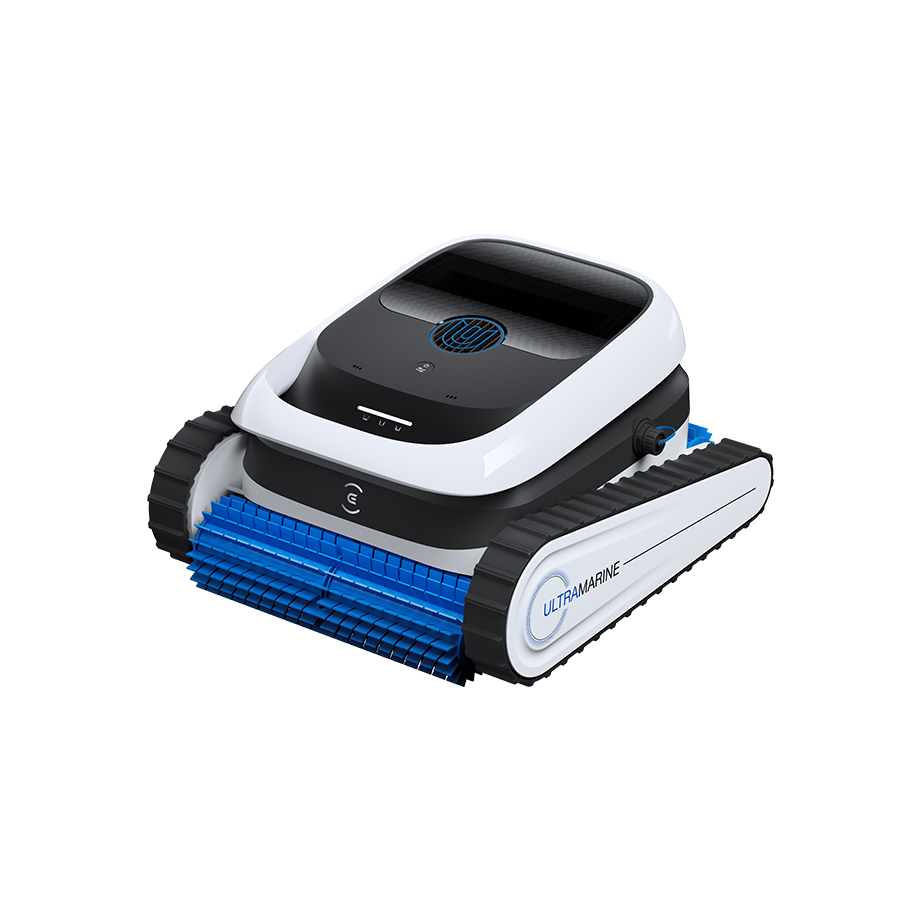 vs
The stated pool areas are close, but P1 lists a finer inner filter while Z1 explicitly describes waterline cleaning. Both runtime headlines need their Eco conditions attached. We'd start with the dirt and pool features you need cleaned, then check filters, controls and handling.
Read the guide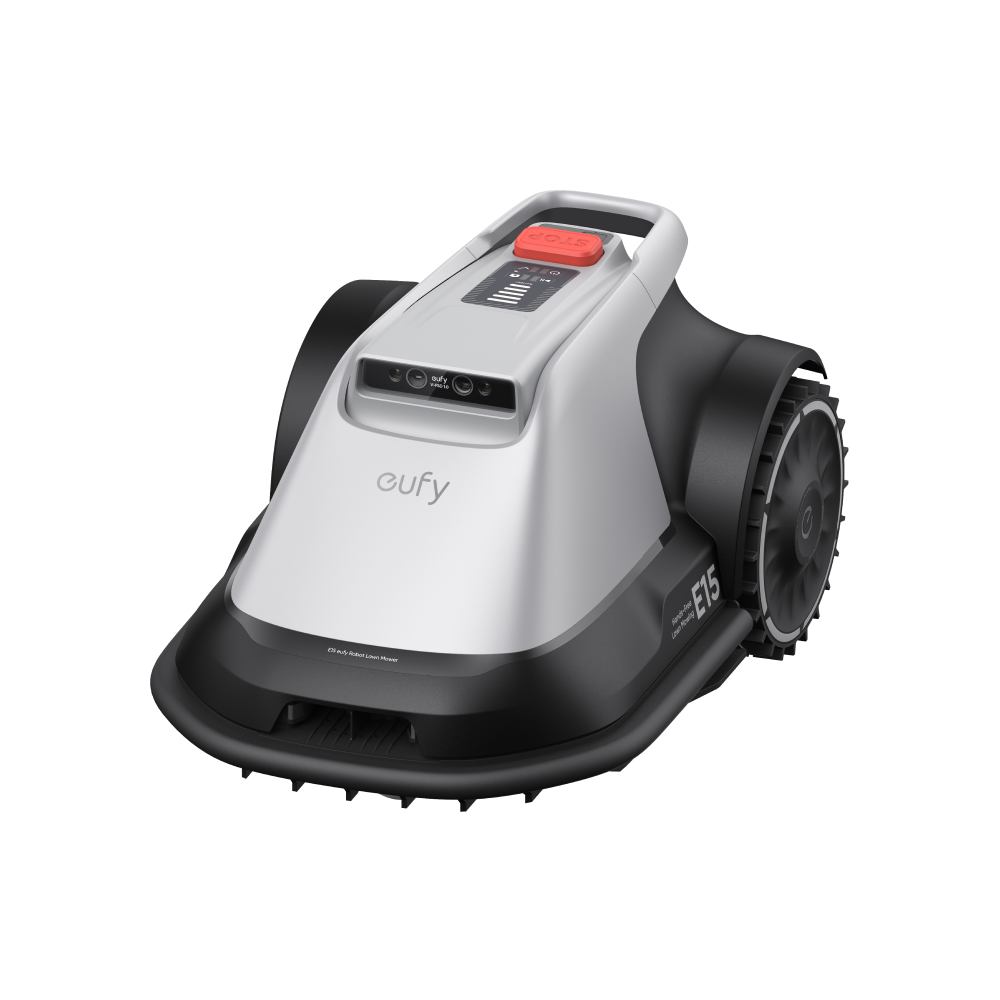 vs
Both avoid a perimeter wire and RTK station, but they suit different small lawns. We'd check eufy's grass restrictions first, then compare your usual cutting height, the ground and the amount of grass that actually needs mowing.
Read the guide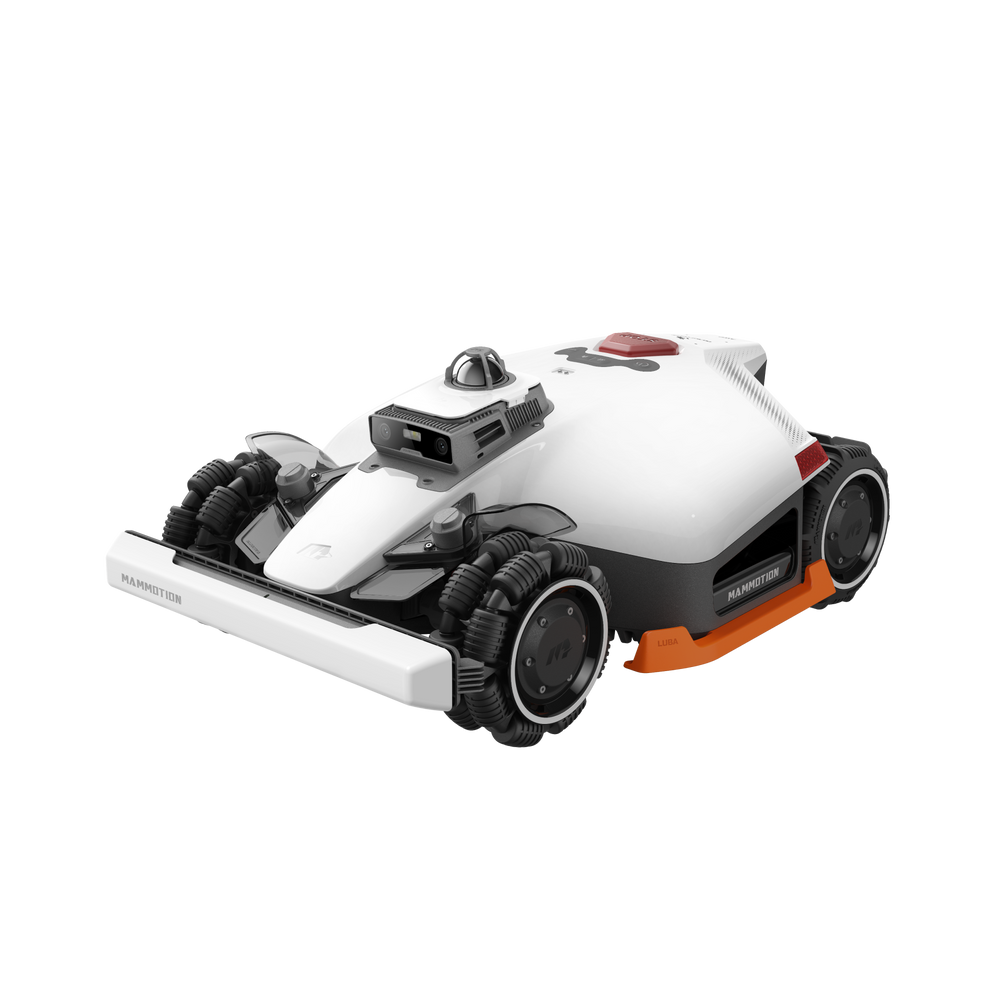
Start with how quickly the grass grows, then check whether the mower can cover it during the hours you can give it. A daily timer isn't automatically the right answer. We'd follow the model's limits, watch the lawn between cuts and adjust the routine when growth or conditions change.
Read the guide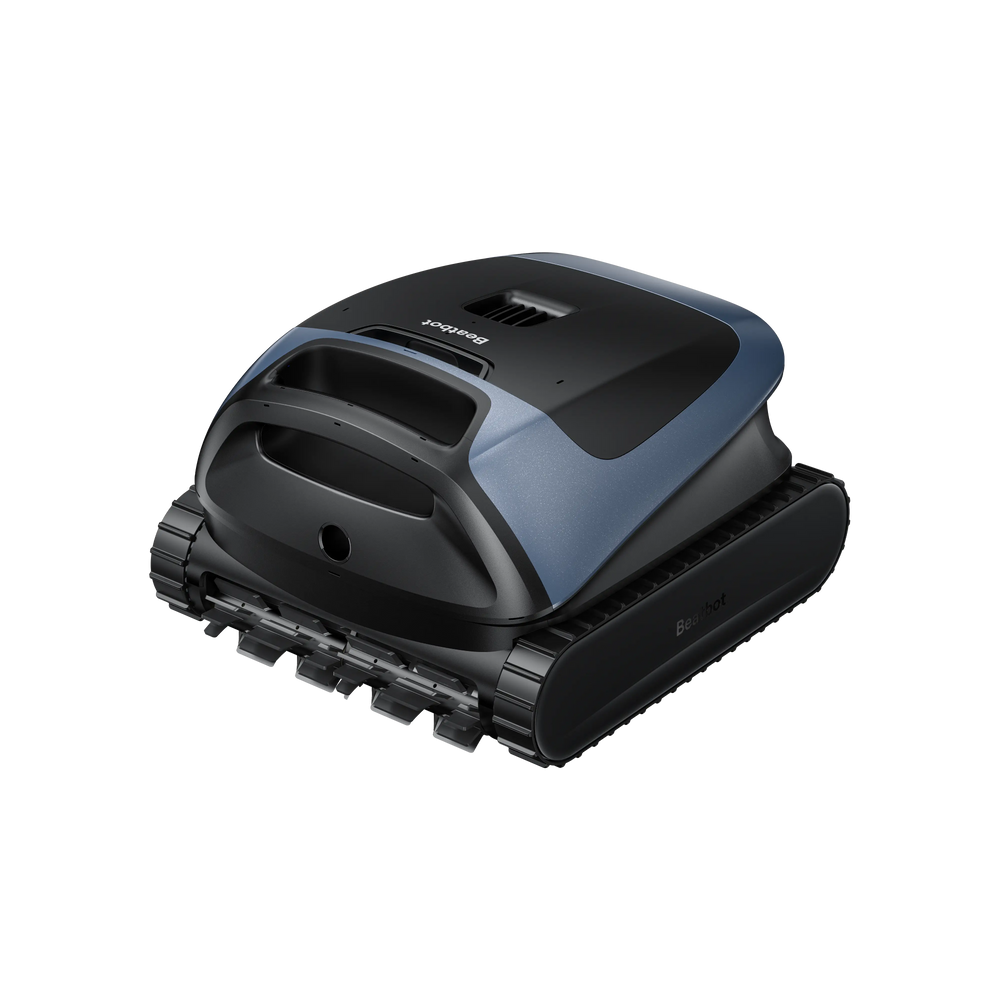
Work out the pickup routine before the cleaner is sitting at the bottom. A retrieval hook, surface parking and an app return button do different jobs. Here's how we'd plan the reach, timing and handling, using exact Dreame, Beatbot and CHASING examples.
Read the guideThe trip starts before the cleaner reaches the car. Retrieve it properly, drain and care for it, then pack it so the machine and its accessories are supported. A wet robot should not become loose luggage.
Read the guide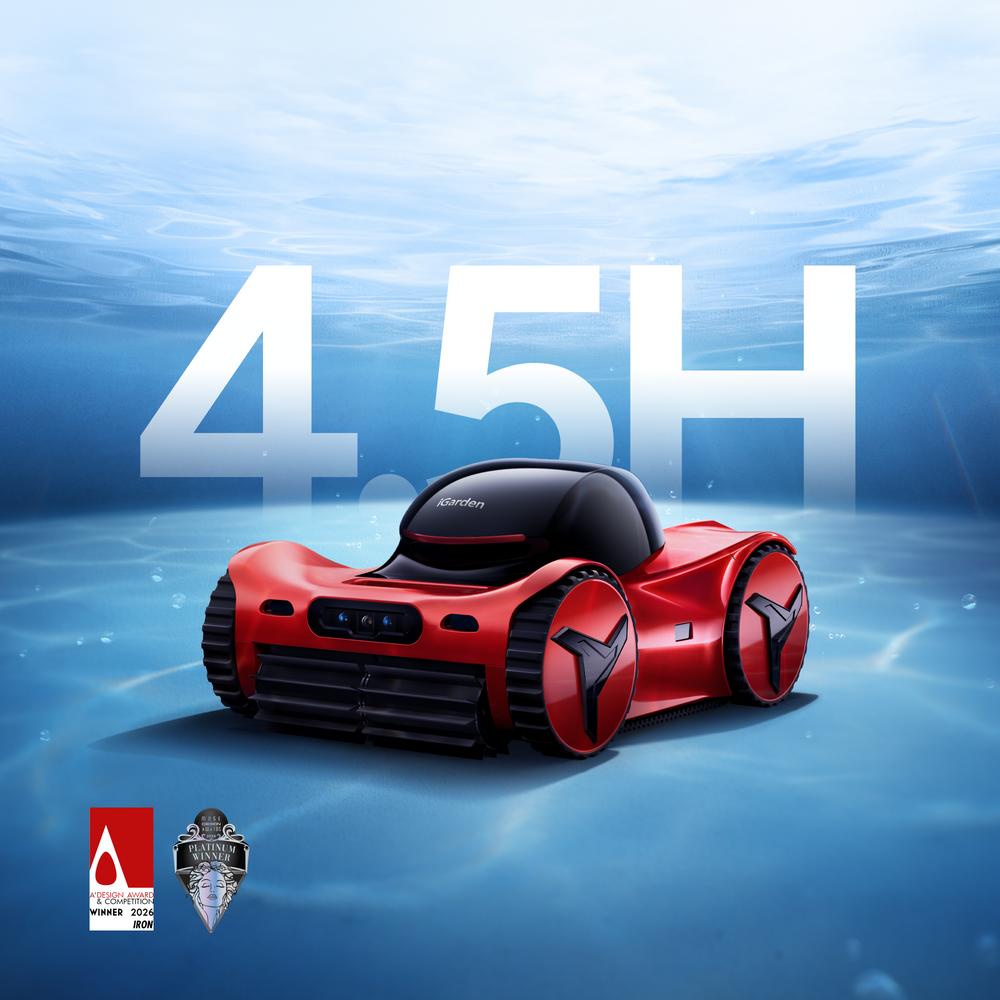 vs
M1-AI 45 has a 29.5-foot pool limit and a 4.5-hour floor-mode claim. Z1 gives an area figure and a headline of over 180 minutes. Check length, the actual mode and the filter package before comparing those durations.
Read the guidevsThese two have almost the same listed cutting width, but different lawn recommendations and height ranges. We'd compare standard LUBA 1500 for a suitable smaller lawn kept relatively short, and Dreame Pro 2500 when its extra area or taller adjustment would be useful.
Read the guide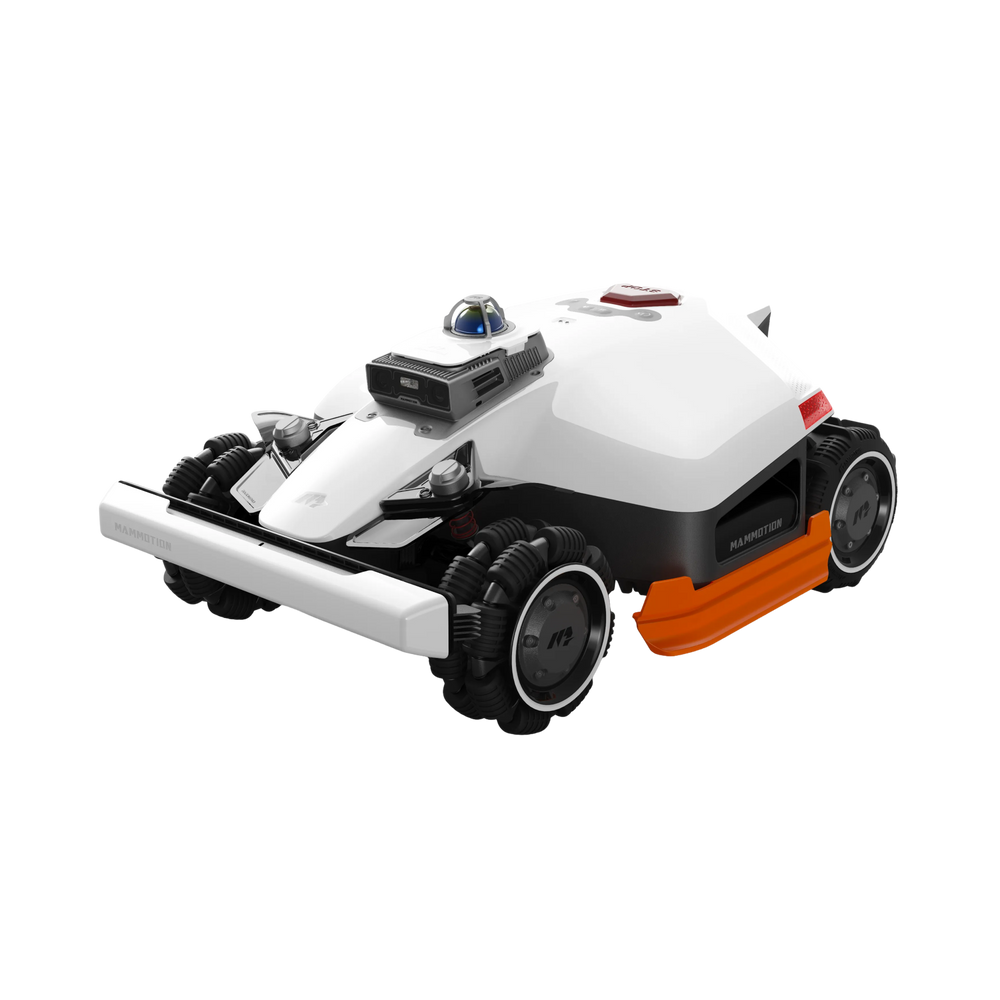 vs
The high-cut LUBA has a wider deck, while standard A3 2000 covers a larger stated lawn and reaches a lower setting. The exact 1500H is currently unavailable, so treat this as a fit comparison before considering an order.
Read the guidevsThese two AWD mowers look closely matched until you check cutting height. If you like a taller lawn, we'd look at Dreame first. If you want a one-inch cut, standard LUBA 3000 deserves your attention.
Read the guide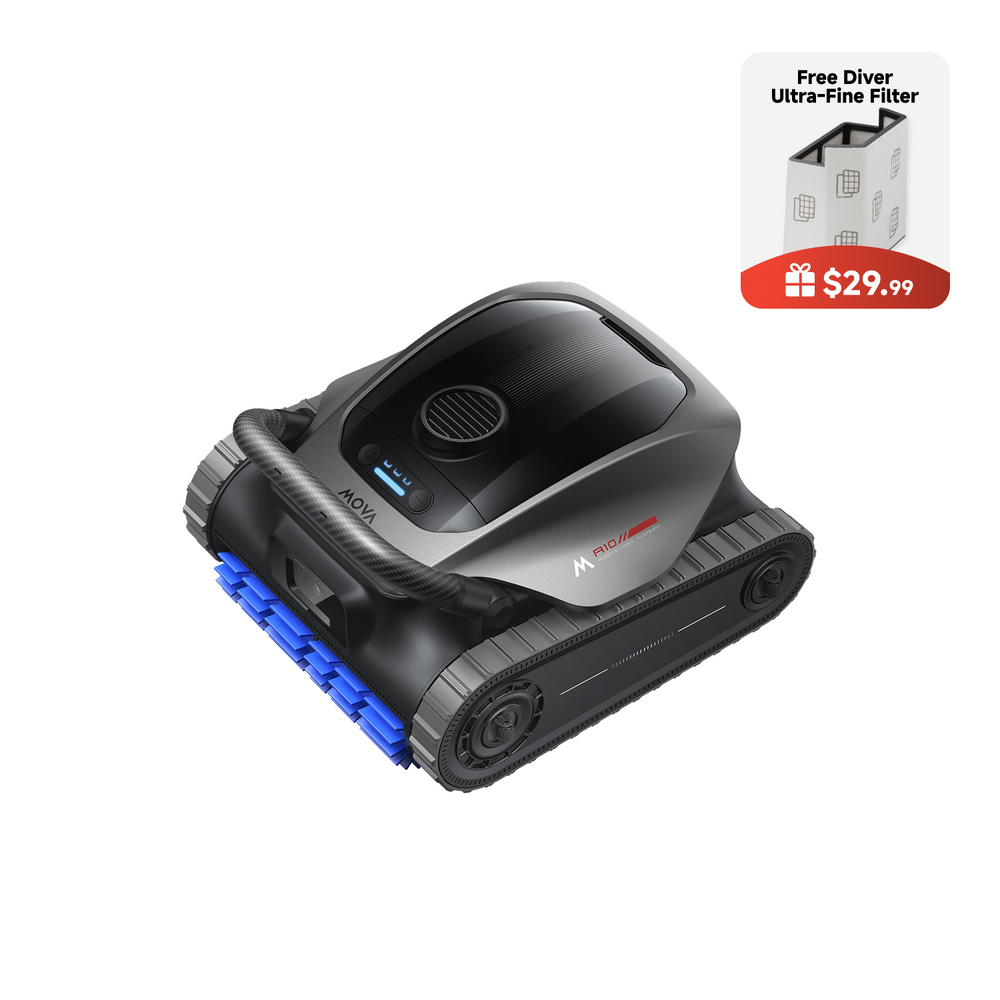 vs
Both list similar pool-area allowances and the main underwater cleaning jobs. The filter arrangement and the modes behind the runtime claims deserve a closer look.
Read the guide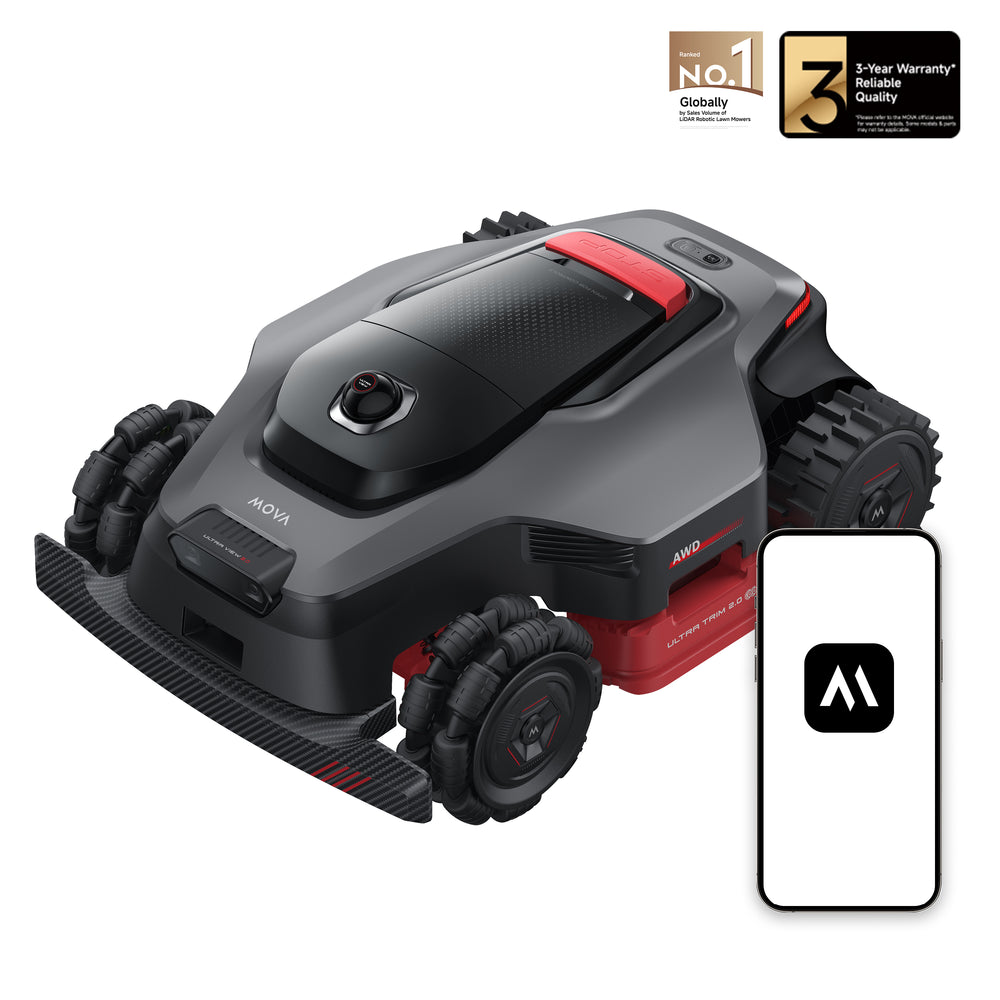 vs
Both are sold for half-acre lawns with AWD and LiDAR navigation. The useful difference is the cutting width, alongside the space and mowing routine your yard allows.
Read the guide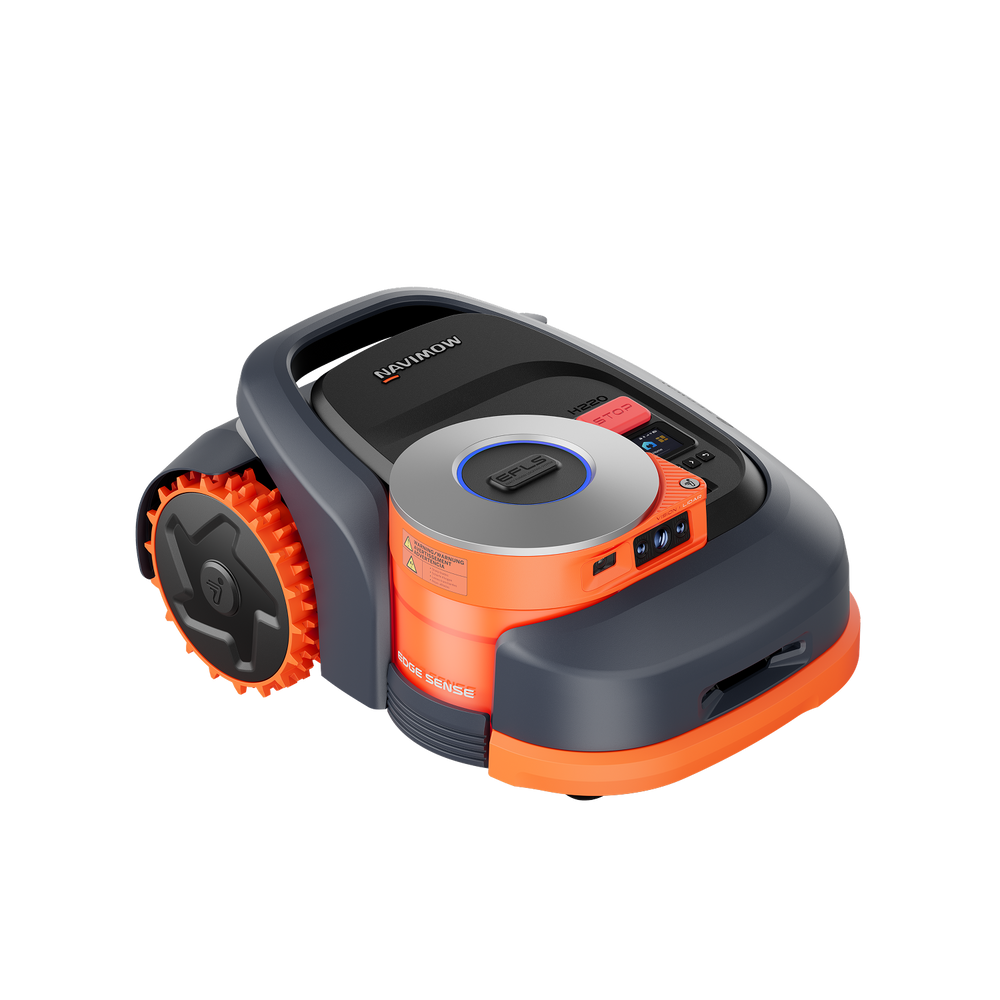 vs
Both are recommended for half an acre, but they'd suit different mowing habits. H220's standard range reaches four inches; Dreame starts lower and has an AWD arrangement. We'd measure the grass, check the normal cutting height and walk the awkward parts of the yard before choosing.
Read the guide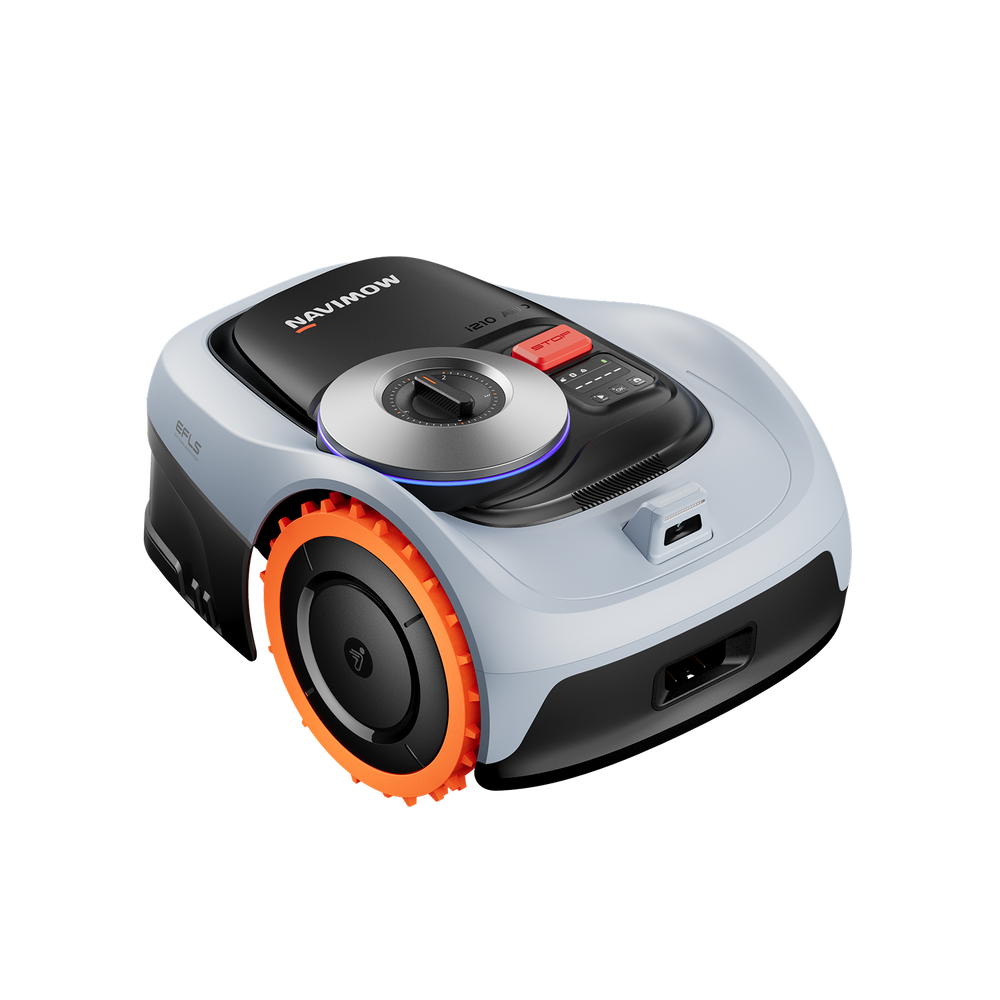 vs
Both are rated for a quarter acre, so the lawn's shape, slopes and setup matter more than the number on the box. We'd check Navimow's network coverage first, then decide whether Dreame's LiDAR navigation and higher climbing claim would help in your yard.
Read the guide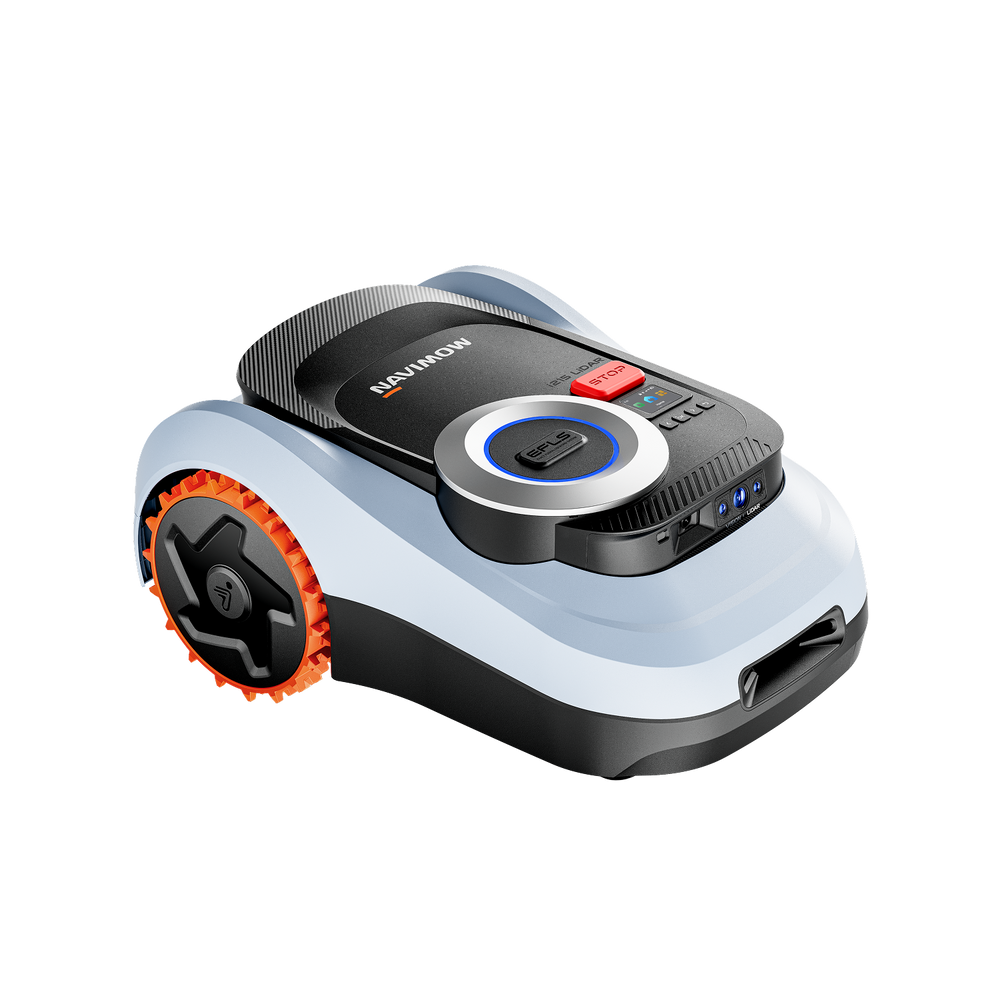 vs
Dreame has the higher lawn recommendation and an explicit AWD arrangement. Both describe LiDAR/vision setups without a perimeter wire or local RTK station. We'd start with the measured grass and difficult ground, then confirm the exact cutting setup and services.
Read the guide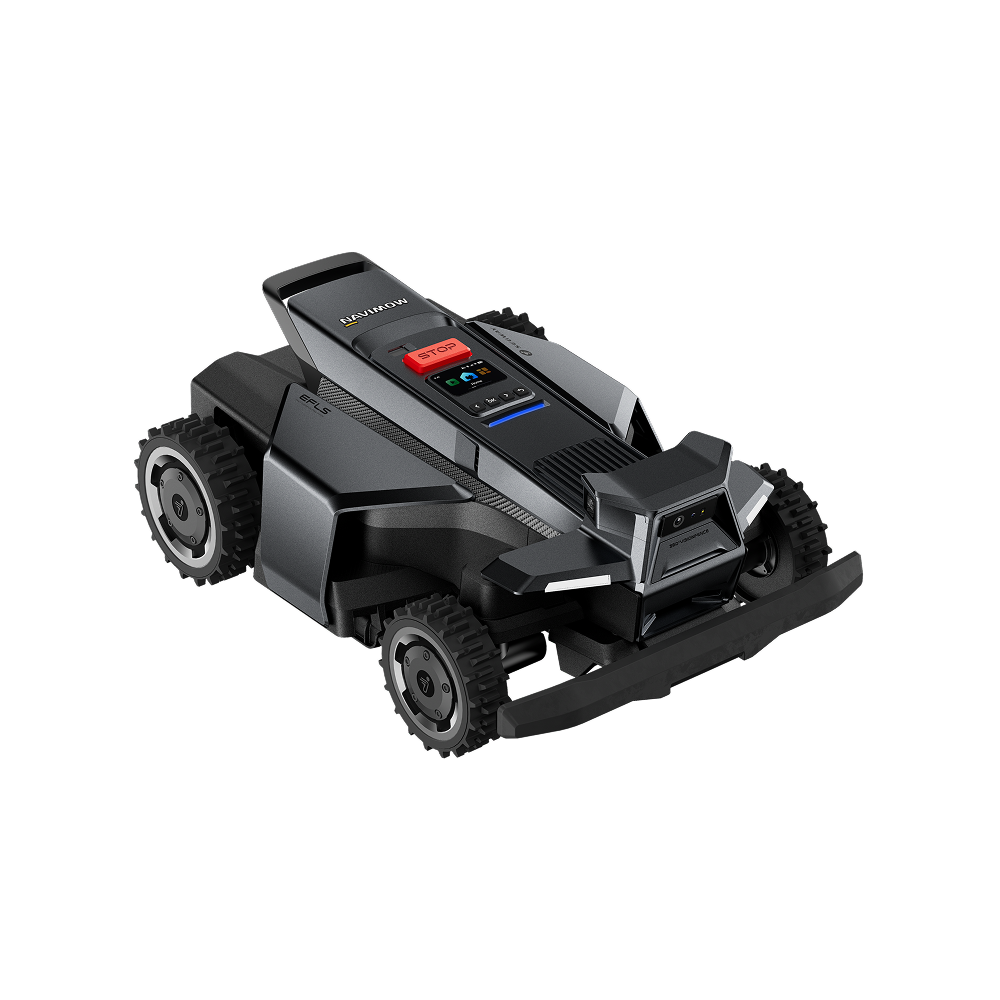 vs
Dreame has the higher stated lawn allowance; X430 has the wider listed cut and lower minimum height. The positioning arrangements differ too. We'd choose by the measured grass, normal cutting height and supported setup before comparing the climbing headlines.
Read the guideProbably, especially beside walls and fences. An edge-cutting feature can reduce the strip left behind, but the shape of your borders matters as much as the mower. A level path the robot can straddle is a different job from grass growing straight against a wall.
Read the guideBefore changing every setting, look at where the grass is being missed. A strip beside a wall, an unmapped corner and a patch the mower drives over without cutting need different checks. We'd work through the map, grass and maintenance one step at a time.
Read the guideThe labels overlap: many robot mowers combine cameras with another positioning system. We'd compare the exact model's equipment and connection requirements, then ask about the awkward parts of your yard instead of choosing a technology name on its own.
Read the guideIf you normally leave your lawn at three or four inches, check the exact height version before choosing a robot. We'd look at Mammotion's H models for a four-inch maximum, with Dreame and YUKA alternatives when their ranges suit the height you actually use.
Read the guideA half-acre lawn doesn't automatically need the biggest mower. We'd start with Dreame A3 AWD 2000, then look at Pro 2500 or the right LUBA 3 height version if your yard gives you a reason to upgrade.
Read the guideA steep back lawn makes drive and slope limits worth checking, but the biggest climbing number won't choose the mower for you. We'd match the ground, cutting height and grass area first, then make sure the robot can turn and travel where you need it.
Read the guide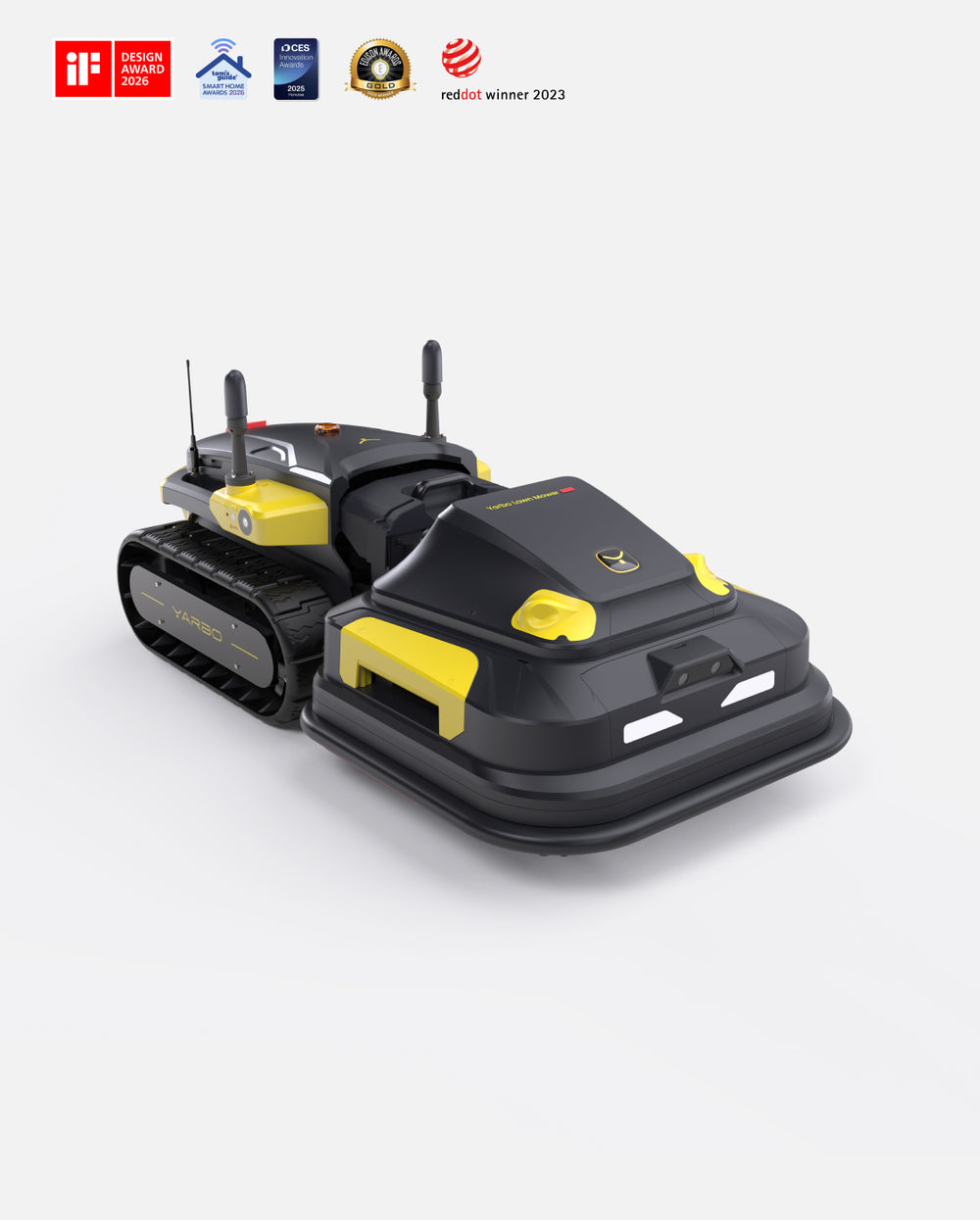
For a large lawn, compare the actual grass area, cutting height and mowing schedule together. Dreame, Mammotion and Navimow have rated-area options; Lymow and Yarbo also need their daily-throughput and maintenance claims read with the right qualifiers.
Read the guideFor a full acre of grass, we'd compare mowers with some room above the lawn's size before settling on a one-acre maximum. Cutting height, awkward routes and the hours available for mowing can matter just as much as the biggest number on the box.
Read the guideTwo lawns don't necessarily need two mowers. The important questions are whether one robot can cover their combined area, travel between them and get back to charge. A closed gate can matter more than a long list of mapping features.
Read the guide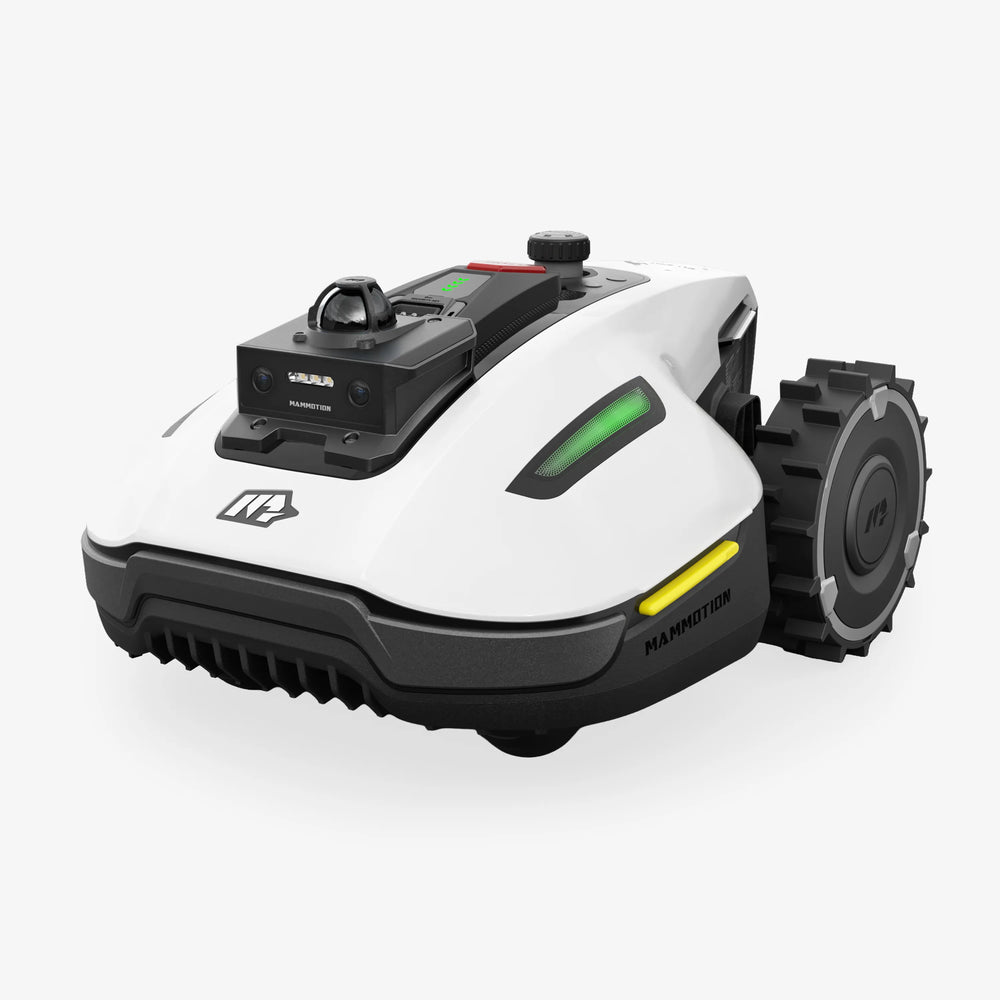
A small lawn can still have a steep patch, an awkward gate or grass you want kept taller. We'd compare the exact area, cutting range and installation before choosing among these Mammotion, Dreame, eufy, Navimow and ANTHBOT options.
Read the guideTrees change more than satellite reception. Roots, fallen branches, shade and the route back to charging all matter. We'd compare the mower's positioning setup with the cut your grass needs, then have the most sheltered and awkward parts of the garden assessed before buying.
Read the guideIf you'd rather avoid installing a local positioning station, start with models that explicitly document that arrangement. These Dreame, Mammotion and ANTHBOT options still need a suitable charger location, approved routes and the connections required by the exact setup.
Read the guide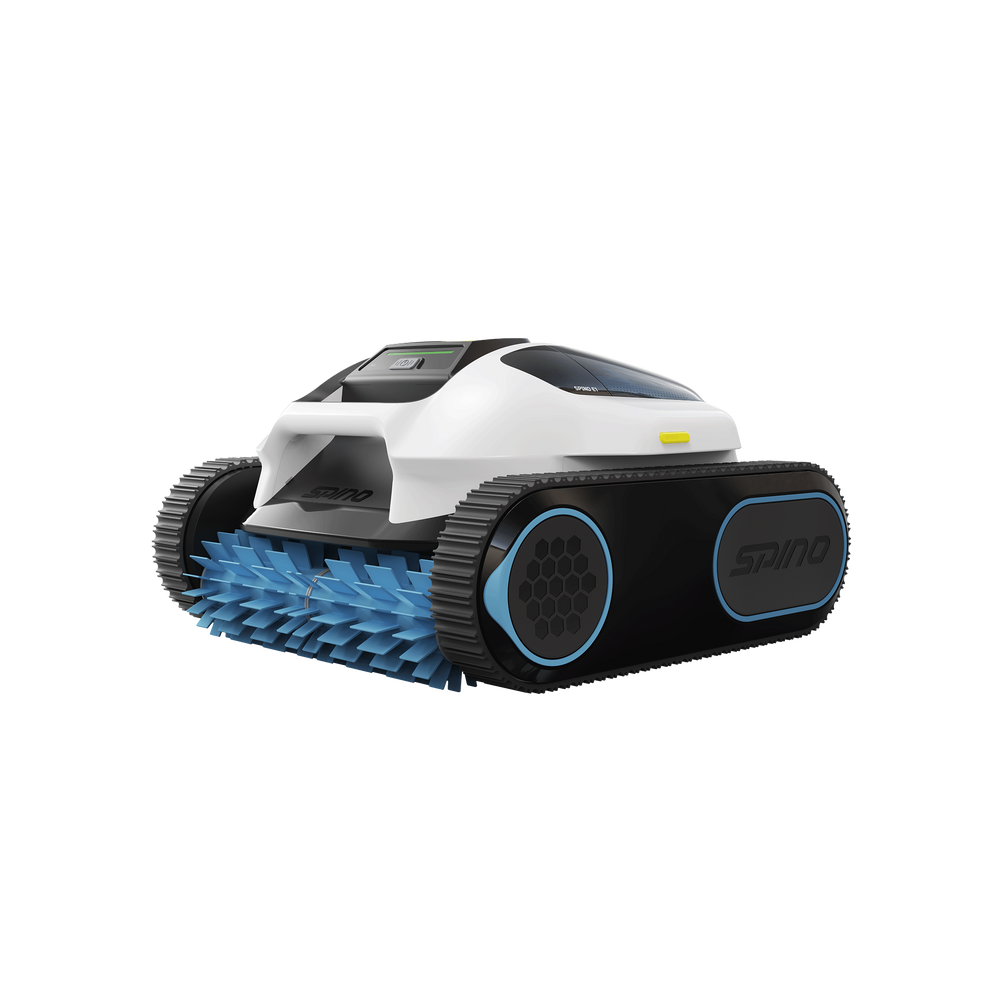
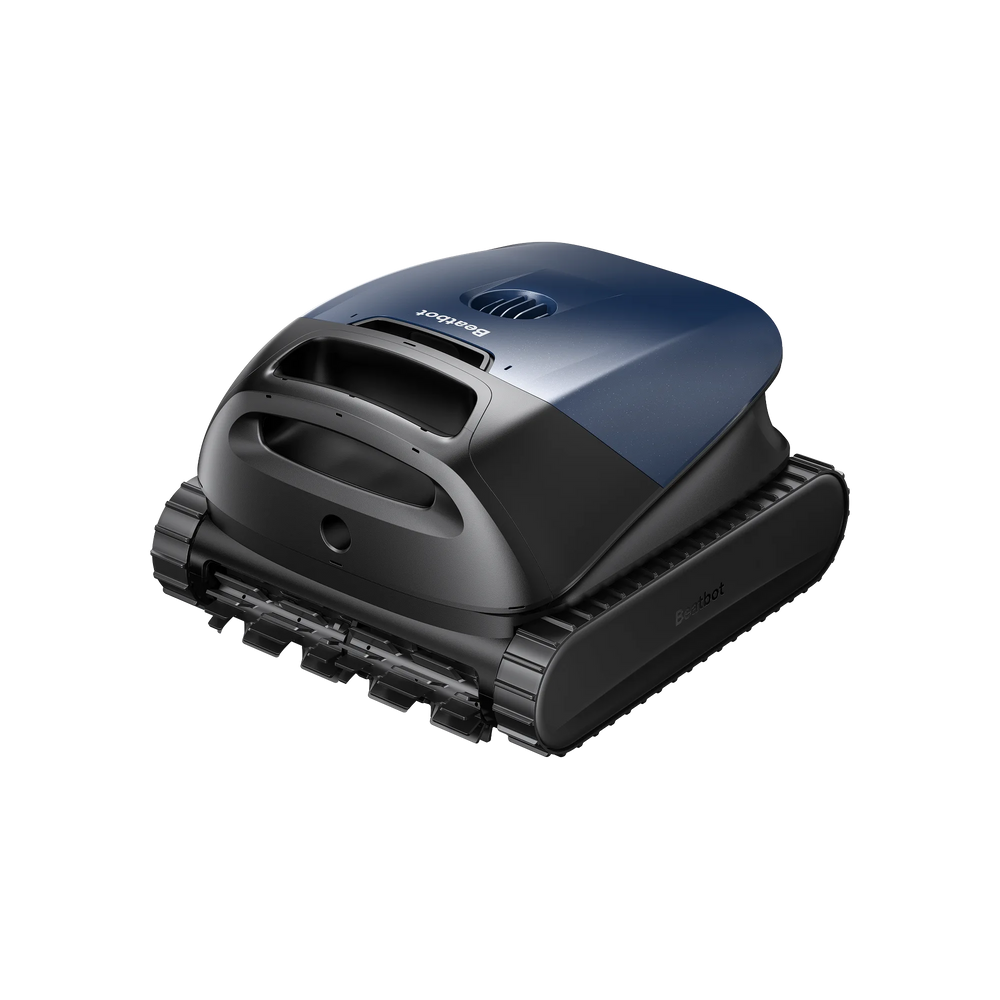
We'd choose an above-ground pool robot by the actual pool construction, water depth and cleaning jobs, then work out how you'll lift it out. The models here advertise above-ground use, but that broad label doesn't confirm every liner, wall and ladder arrangement.
Read the guideFor a larger pool, we'd start with the floor area and the cleaning jobs you want covered, then check how the cycle and recharge fit around swimming. A long surface-only runtime isn't the same promise as a complete floor, wall and waterline clean.
Read the guideWith a smaller pool, we'd check the cleaning jobs, filter and handling before paying for capacity. The choices here now include Aiper's S3 and a corded CHASING option alongside SPINO, Dreame and Sora.
Read the guideStart with explicit vinyl compatibility, then look at the condition and shape of your pool. We'd compare the cleaning jobs, size and retrieval routine after that. More sensors or a bigger pump aren't a guarantee that a robot will suit a loose or damaged liner.
Read the guideThe rain stopping is only the first check. Floating leaves, settled dirt, changed water conditions and any storm damage need different responses. Review the actual pool and the cleaner’s exact instructions before restoring its timer.
Read the guideDo not restart the robot just because the water looks clear or a night has passed. Check the treatment label and the exact cleaner’s permitted water conditions, then test the water using the required method.
Read the guideSettled treatment debris can look like an easy job for a robot, but the cleaner’s own restrictions still apply. Check the exact treatment, collection method and manufacturer restart conditions before putting the robot back in.
Read the guideA pool that has just been uncovered can need several jobs before a robot is ready to help. Remove major debris, restore the filtration and check the water against the exact cleaner’s instructions before starting a cycle.
Read the guideSome cordless cleaners explicitly describe their battery as non-replaceable. Before buying a pack or opening the robot, check the exact manual and ask what service the manufacturer actually offers.
Read the guideA stationary cleaner, a tangled roller and a misleading view from above are different observations. Check the exact operating state, retrieve the robot correctly and inspect only the owner-accessible parts after shutdown.
Read the guide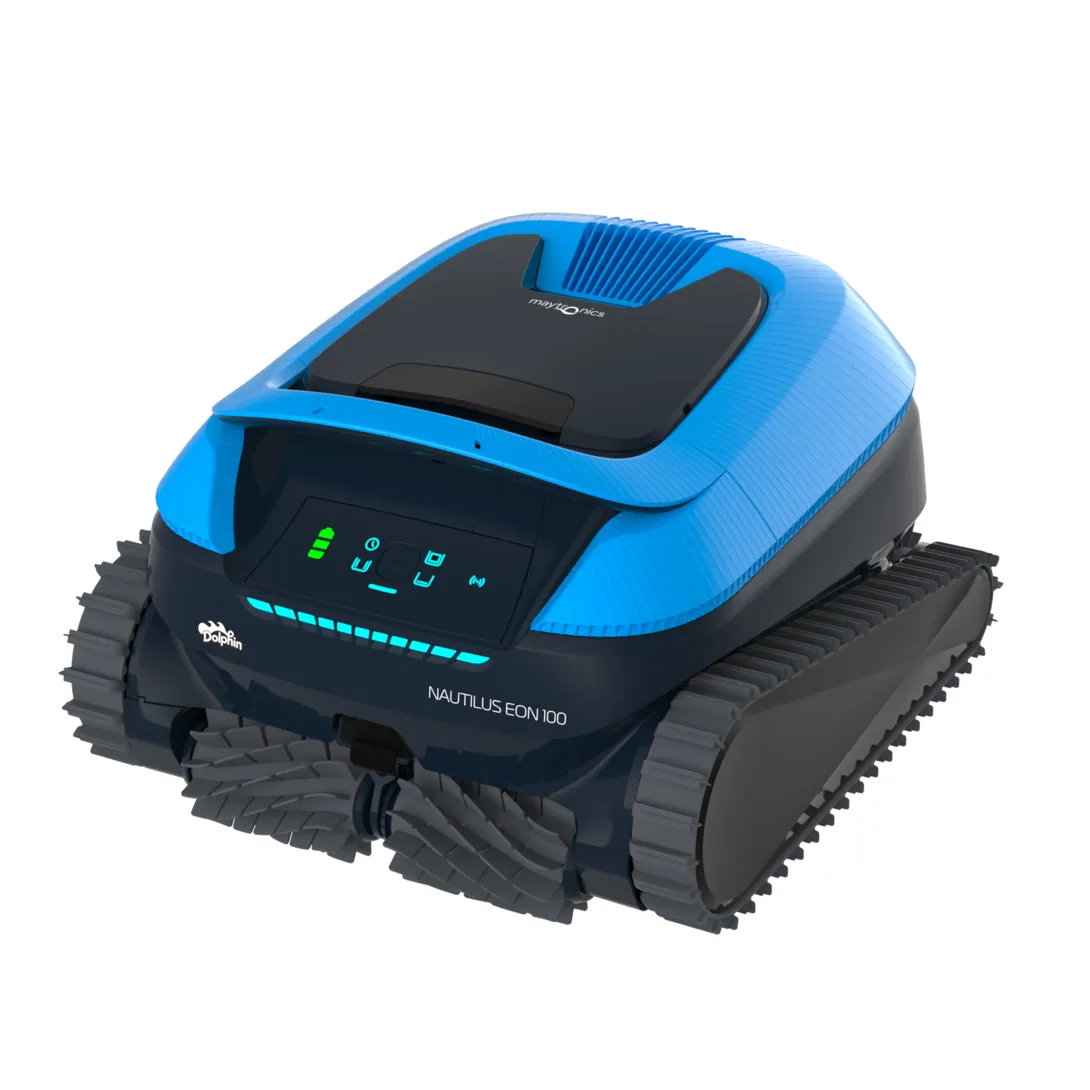
A cleaner can collect dirt successfully and still release some during removal. Note when it happens, follow the exact retrieval instructions and check the filter assembly before buying a different robot or finer filter.
Read the guide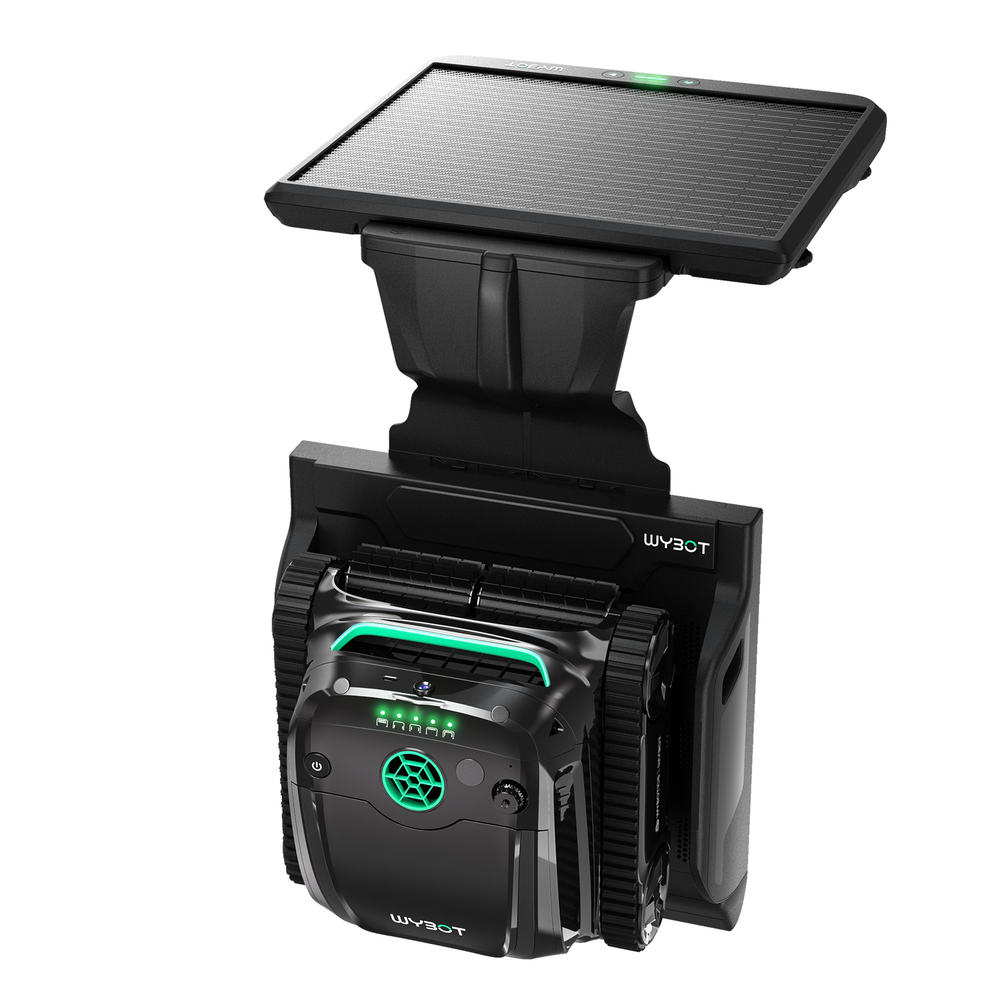
Check the exact robot, charging setup and network before retrying. A docked solar cleaner can have two sets of firmware, and a battery threshold for one model should stay with that model.
Read the guideA new rattle or grinding sound deserves a stopped, powered-off inspection. Record when it happened, check the parts the manual allows you to clean, and keep persistent noise separate from a guess about an internal motor.
Read the guideThe map in the app may describe the pool floor rather than the outline you see from the deck. Check what the exact model maps, whether the map finished and whether the cleaner actually missed the job before resetting anything.
Read the guideA newly plastered or resurfaced pool is still in startup even when the water looks inviting. The finish’s instructions, actual dust and water condition, and the cleaner’s exact manual all matter before a robot goes in.
Read the guideA silent remote can be a flat handset, an automatic timeout or a feature the cleaner never had. Identify the control system first, then use the indicator and model instructions to choose the next step.
Read the guideA cleaner working on the floor is only one part of its routine. Wall climbing, waterline waiting, retrieval and the moving cover need to work together. Check the exact cleaner and cover combination before leaving the two schedules to overlap.
Read the guideA dark indicator after storage and a powered robot waiting to reach the pool floor need different checks. Start with the charge light and the model’s startup instructions before deciding the cleaner has failed.
Read the guideYes, when the exact cleaner supports your pool's salinity and other operating conditions. The three Sora models here require salt below 5,000 ppm; Dreame Z1 Pro uses a different limit wording and adds a chlorine condition. Check the water before choosing the features.
Read the guideOn Dreame’s Z1 models, sharing controls and changing the bound account are different operations. Use Device Sharing so another household member can access the cleaner through their own account.
Read the guidevsBoth cover the floor, walls and waterline with a 180 μm filter. We'd choose between them by pool fit, the retrieval routine and the complete available price, with charging time worth a closer look.
Read the guide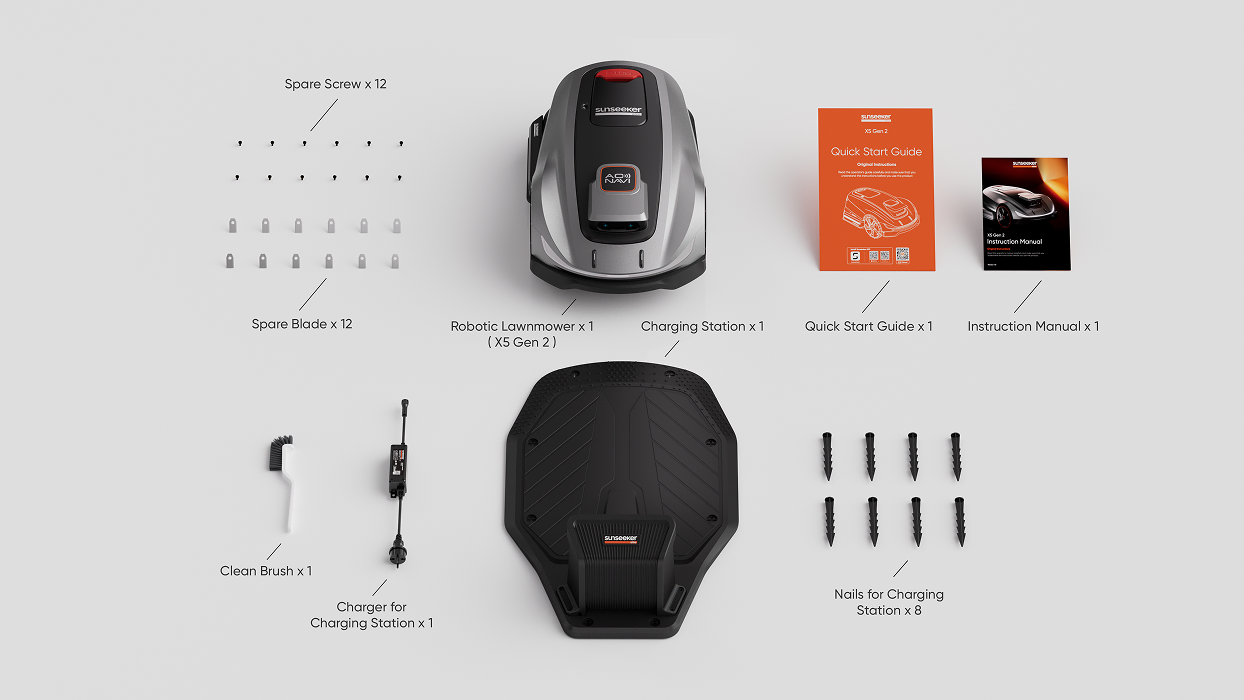 vs
Both advertise half-acre lawns and AWD. X5 Gen 2 combines network RTK with vision and an ongoing subscription; standard A3 2000 uses LiDAR plus vision without an RTK station. The difficult part of your yard should decide which setup to investigate.
Read the guide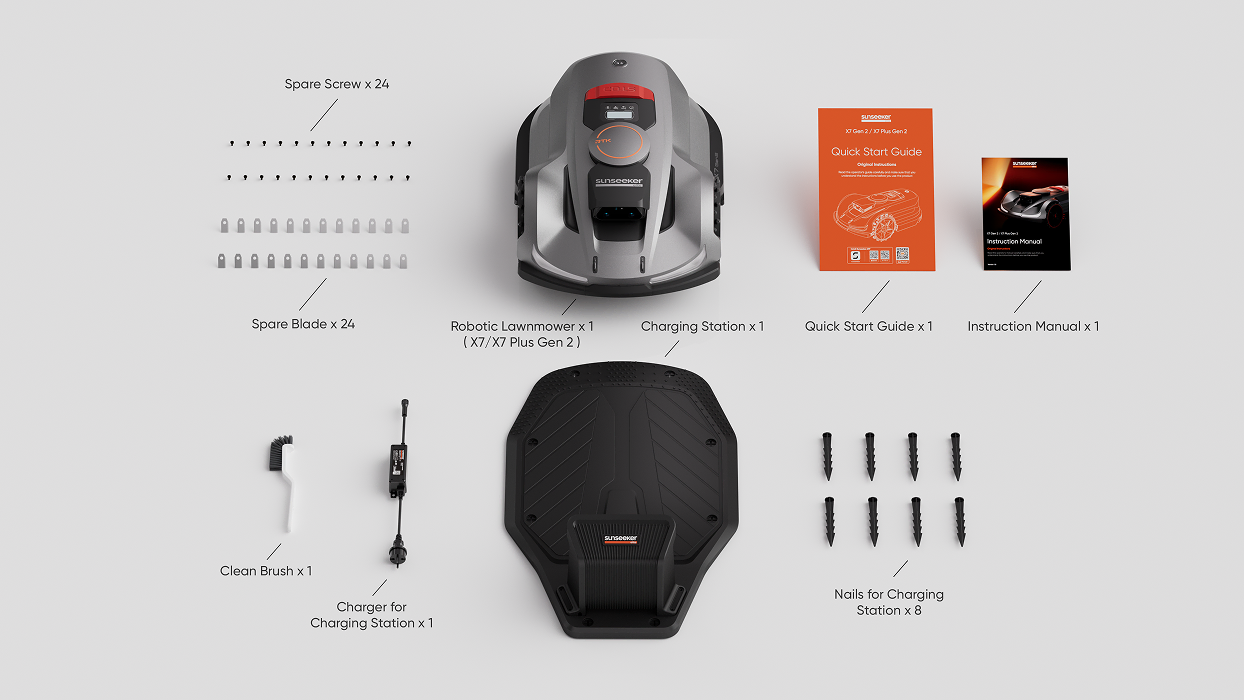 vs
The X7 Gen 2 can cut lower and uses network RTK with vision. Dreame’s Pro 3500 maps with LiDAR and has a specific 0.87-acre rating. Check your grass height and the exact X7 package before comparing the two.
Read the guideA dirty basket may need cleaning; a damaged or incorrectly fitting element needs a different response. Check the exact parts, approved cleaning method and remaining symptoms before ordering another filter.
Read the guideDreame's five A3 AWD models share more than you might expect. We'd choose between them mainly by lawn size and deck width, then check the package and connection costs before paying for a Pro.
Read the guide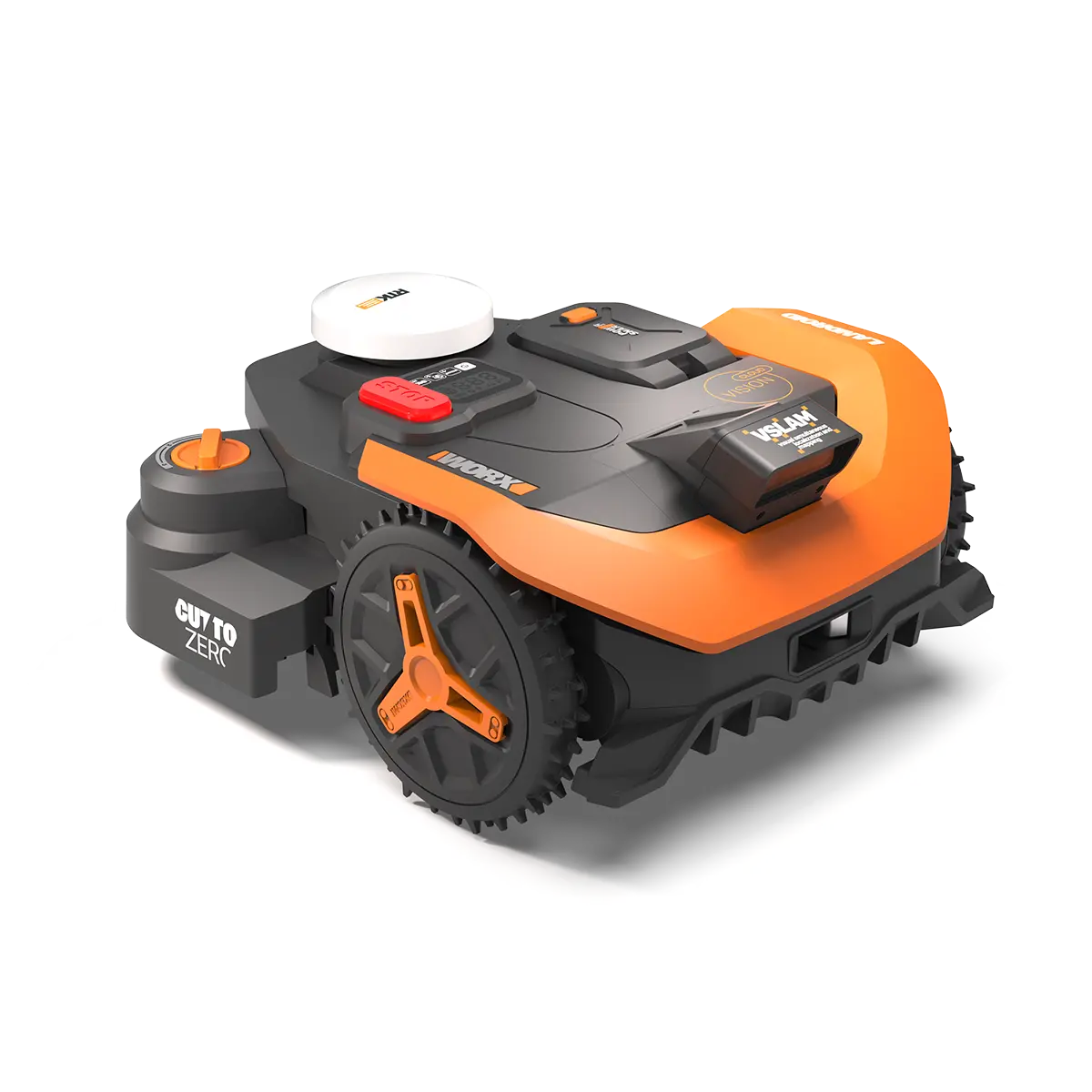 vs
Both recommend half an acre, but the setup and cutting ranges differ. WR320.1 has the wider listed cut; Dreame reaches lower and higher settings and documents AWD. We'd check the normal grass height, actual ground and supported installation before choosing.
Read the guide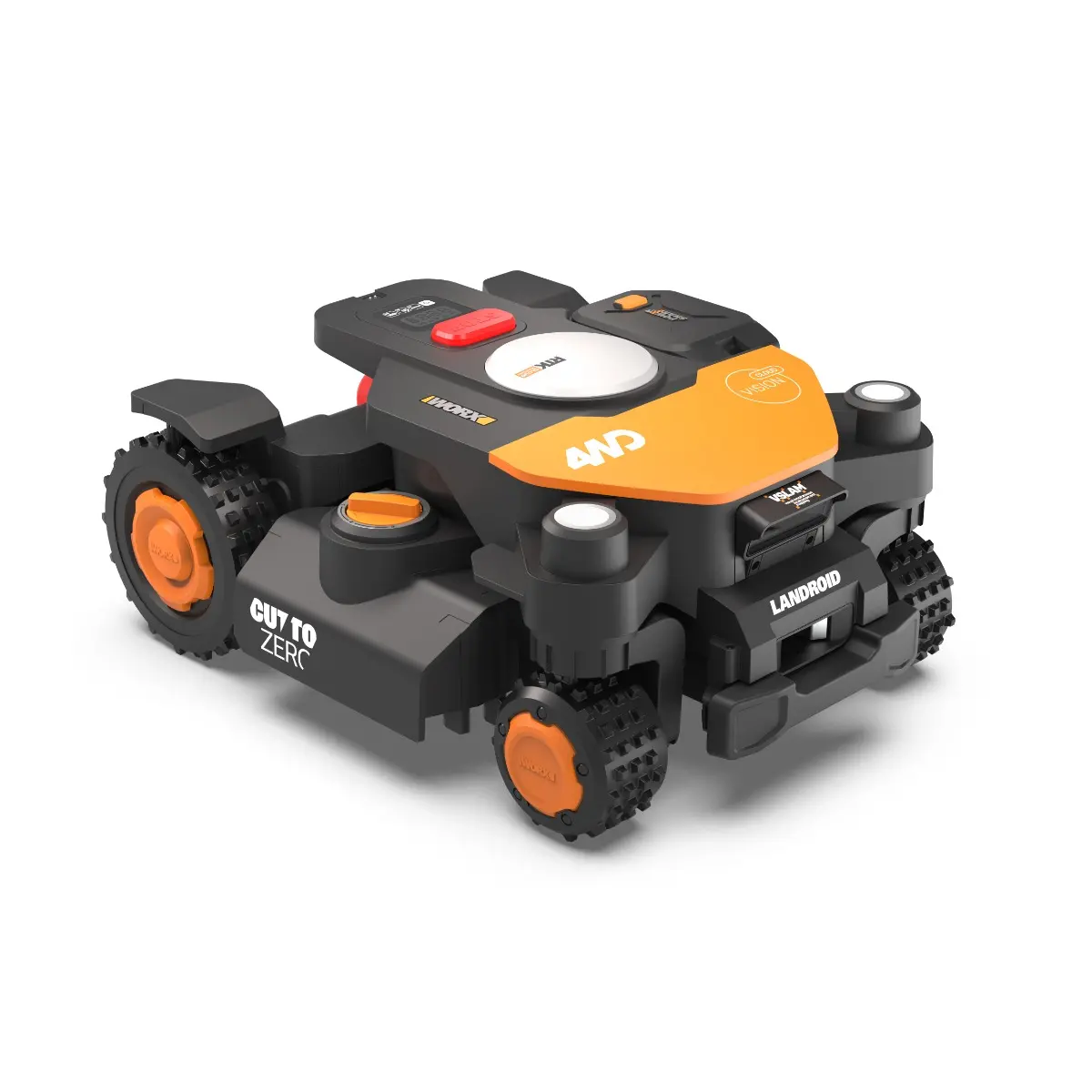 vs
Both have a quarter-acre rating and all-wheel-drive hardware, but the positioning setup and cutting range give you more useful ways to choose. We'd check whether Worx's RTK Cloud works at the address, and whether either mower reaches the height you normally leave the grass.
Read the guide