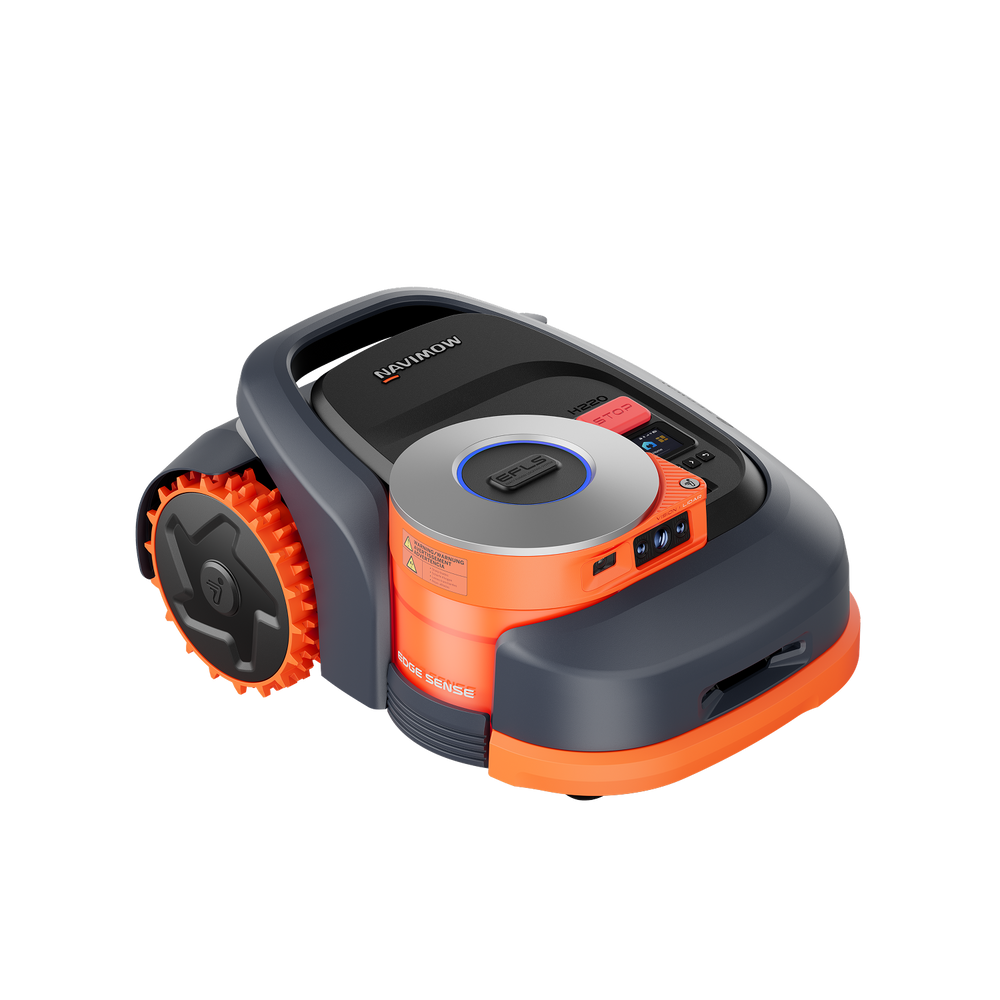
Inside the lineup
Navimow.
Find the right Navimow by lawn size and positioning setup. The i, H and X families offer different coverage, drive systems and installation requirements.
14reviewed US modelsSee the lineup ↓
The current catalog
Meet the lineup.
Navimow
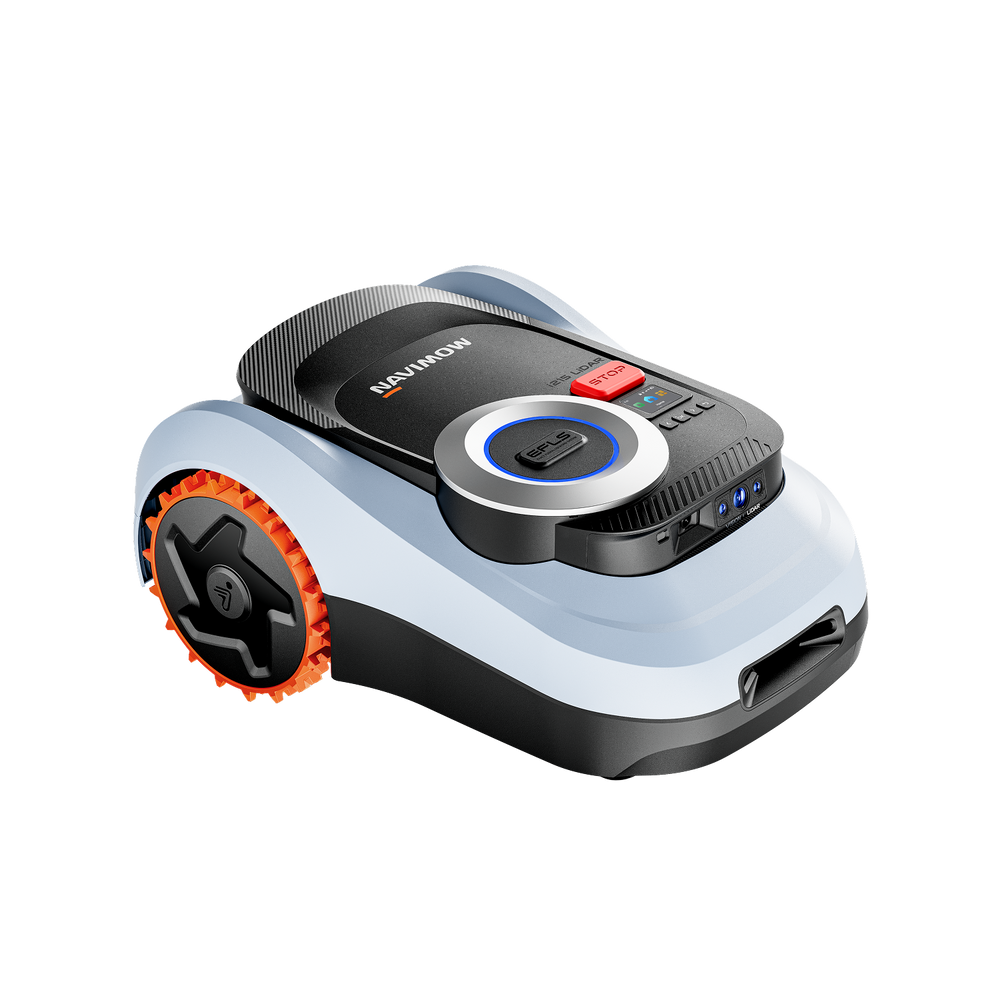
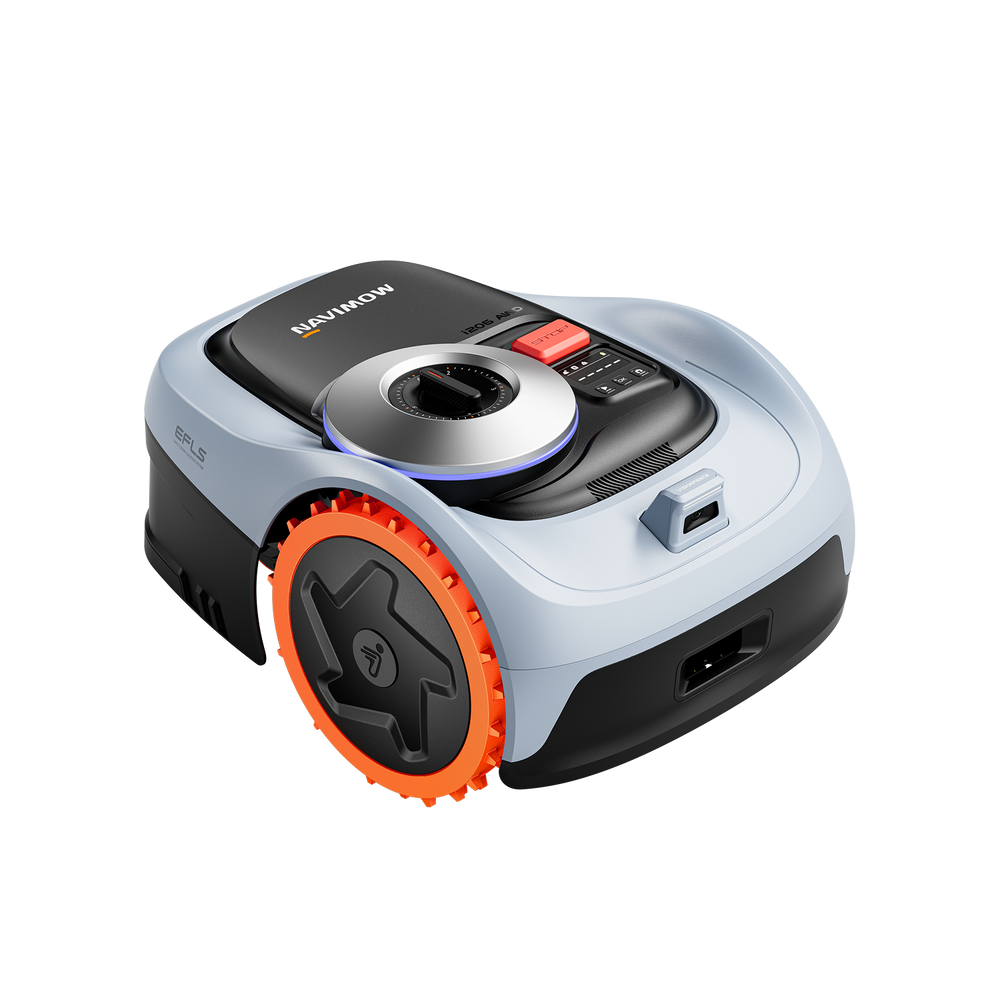
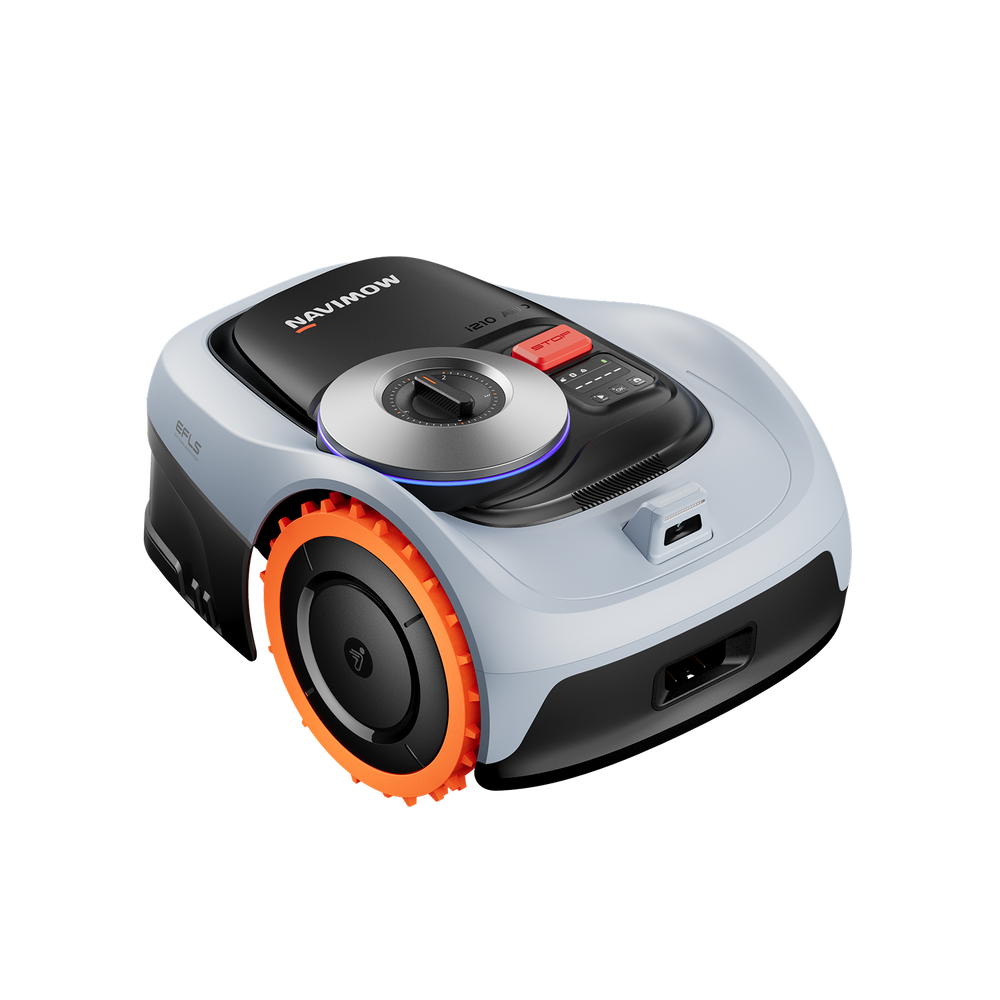
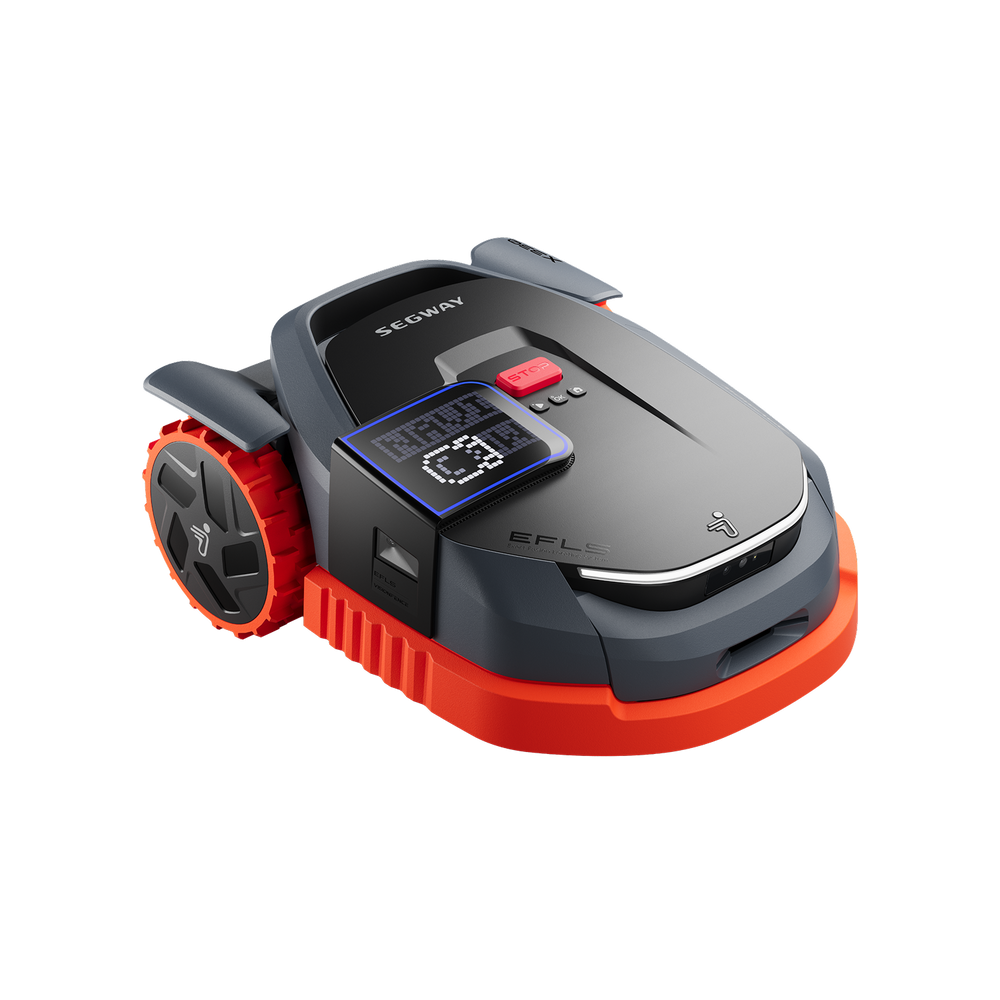
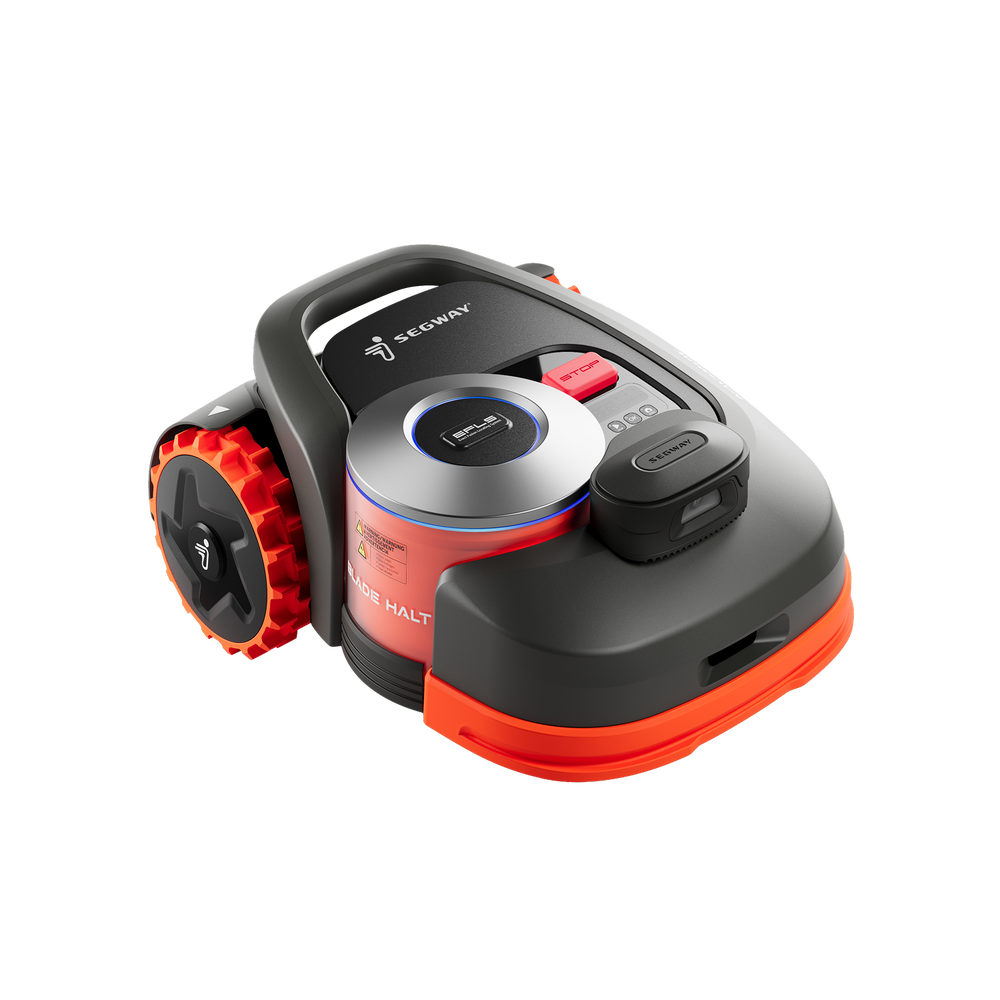
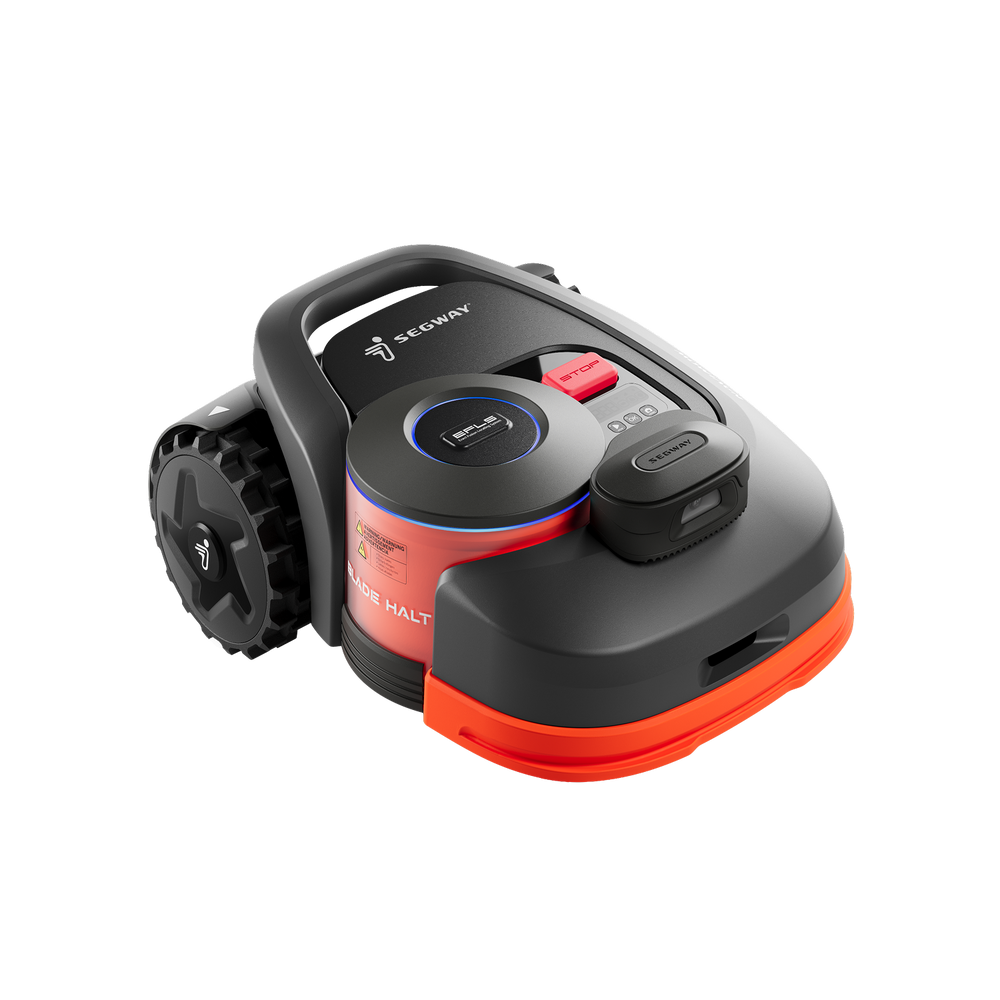
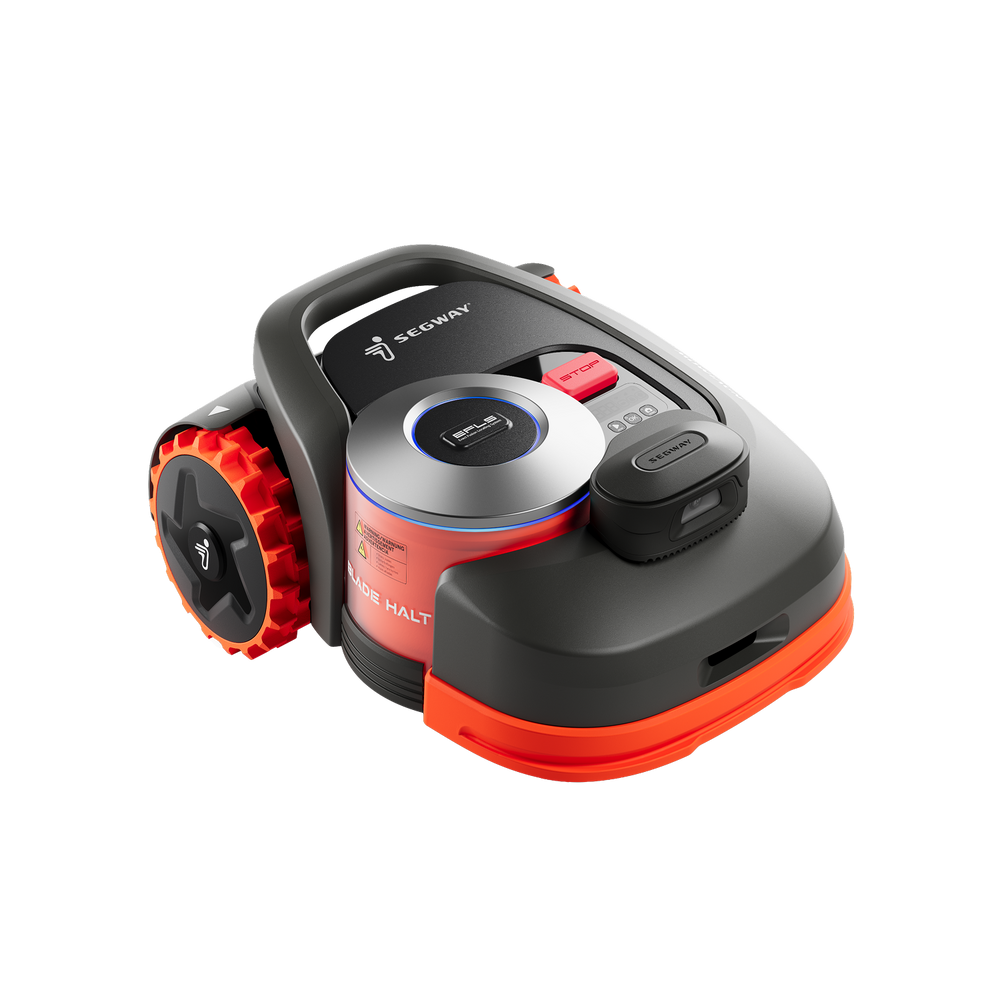
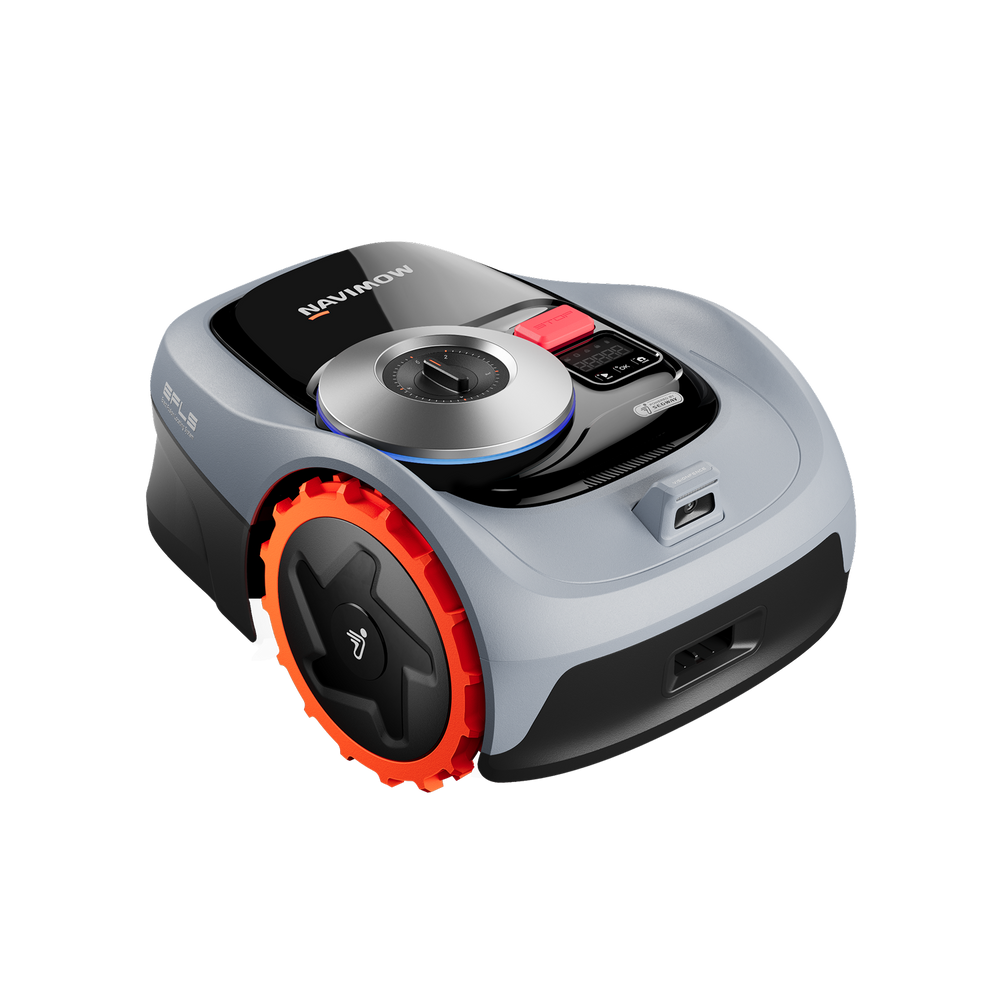
i215 LiDAR
i215 LiDAR is worth considering for a lawn up to 0.37 acre when LiDAR and vision suits your property. Buy for that rated area and setup—not the larger model shown elsewhere on the same page.
0.37 acreLiDAR + vision
Our recommendations come from published specifications. We may earn a commission from qualifying purchases. As an Amazon Associate, we earn from qualifying purchases. How we work
The field guide
Make sense of Navimow.
 vs
Model comparison · 5 min read
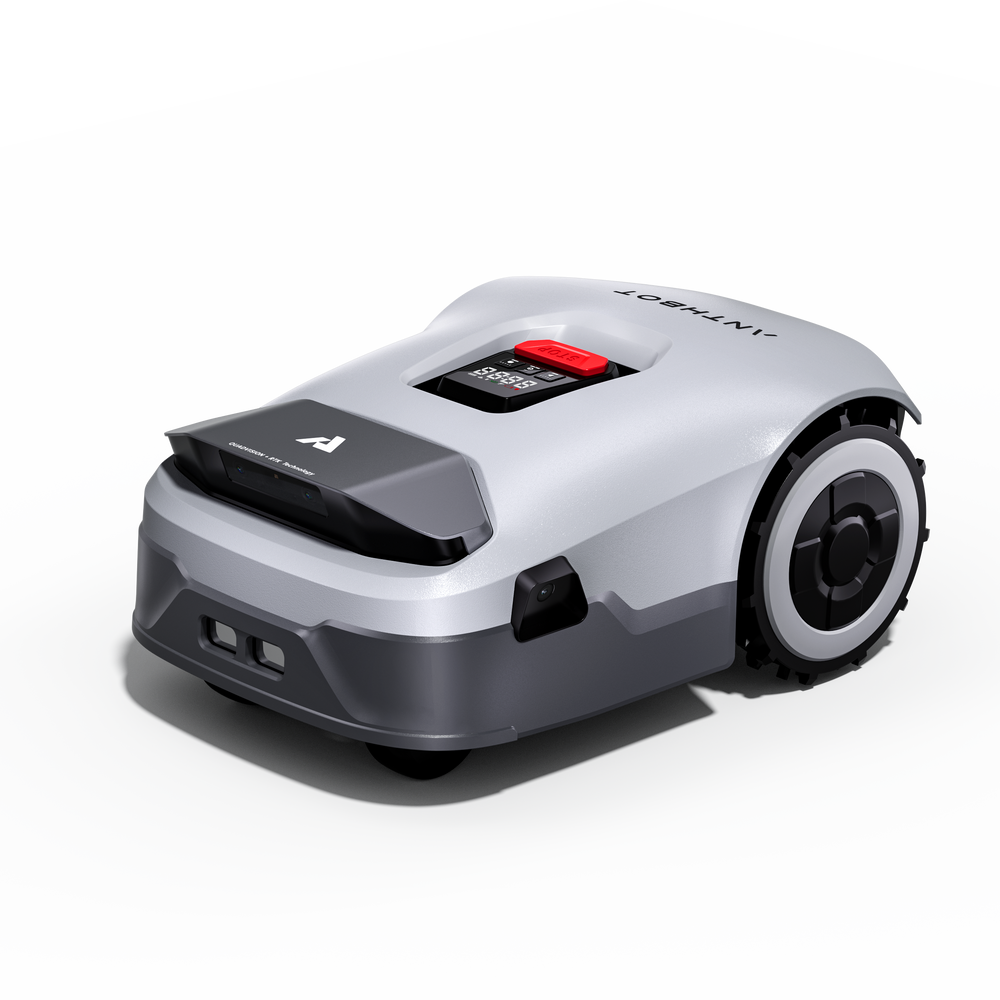
ANTHBOT Genie 3000 vs Navimow X330: A low cut or a taller lawn?
Genie 3000 reaches below two inches; X330 goes up to four. Their area recommendations and current availability differ too, so start with the grass and the whole installation before comparing battery or satellite headlines.
Read the guidevsModel comparison · 5 min read
ANTHBOT Genie 600 vs Navimow i105: Check the lawn size and cutting height
Genie 600 has the larger stated lawn allowance and a lower cutting range. The i105 reaches taller grass settings. Those differences can decide the fit before navigation features do, but the exact Genie 600 is currently unavailable from ANTHBOT’s direct store.
Read the guide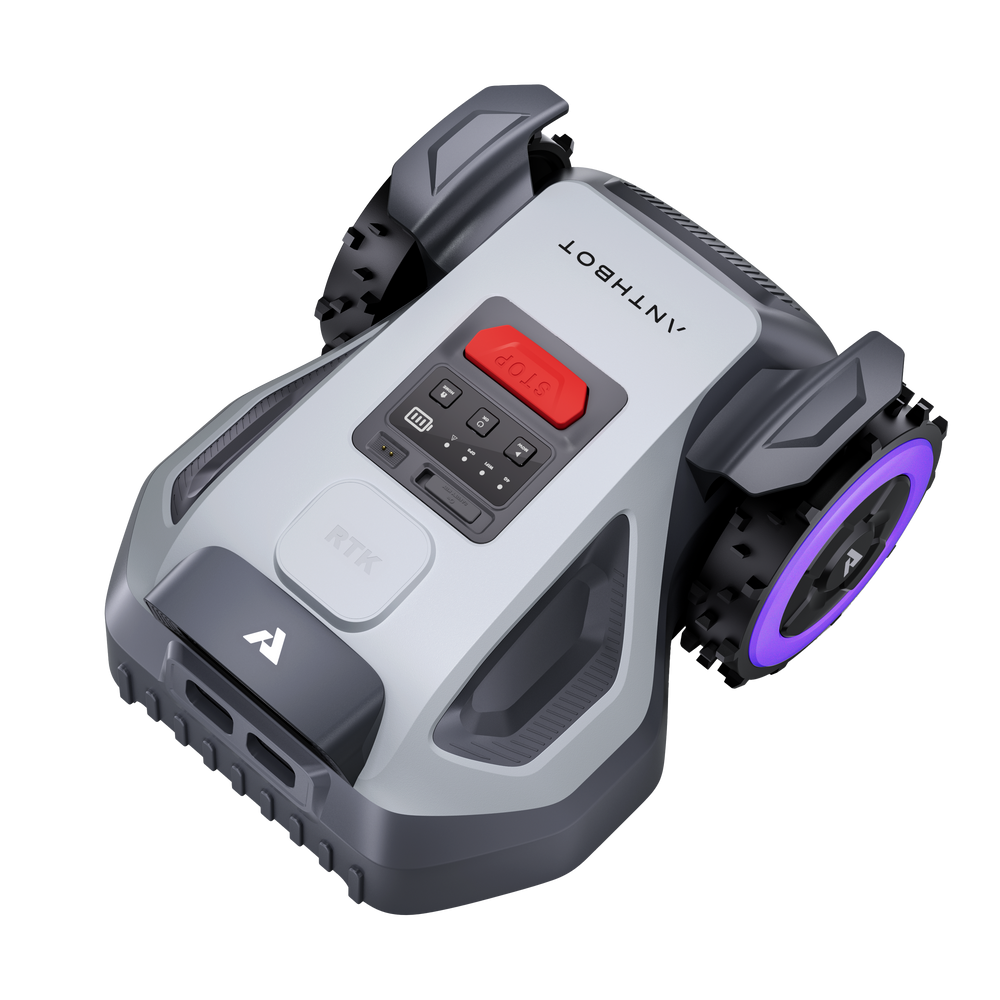 vs
Model comparison · 4 min read
ANTHBOT M5 vs Navimow i206 AWD
Both target small lawns, but their cutting ranges overlap only partway. The US i206 AWD can leave grass taller; M5 can cut lower. Measure the grass area before deciding that either small-mower label fits.
Read the guide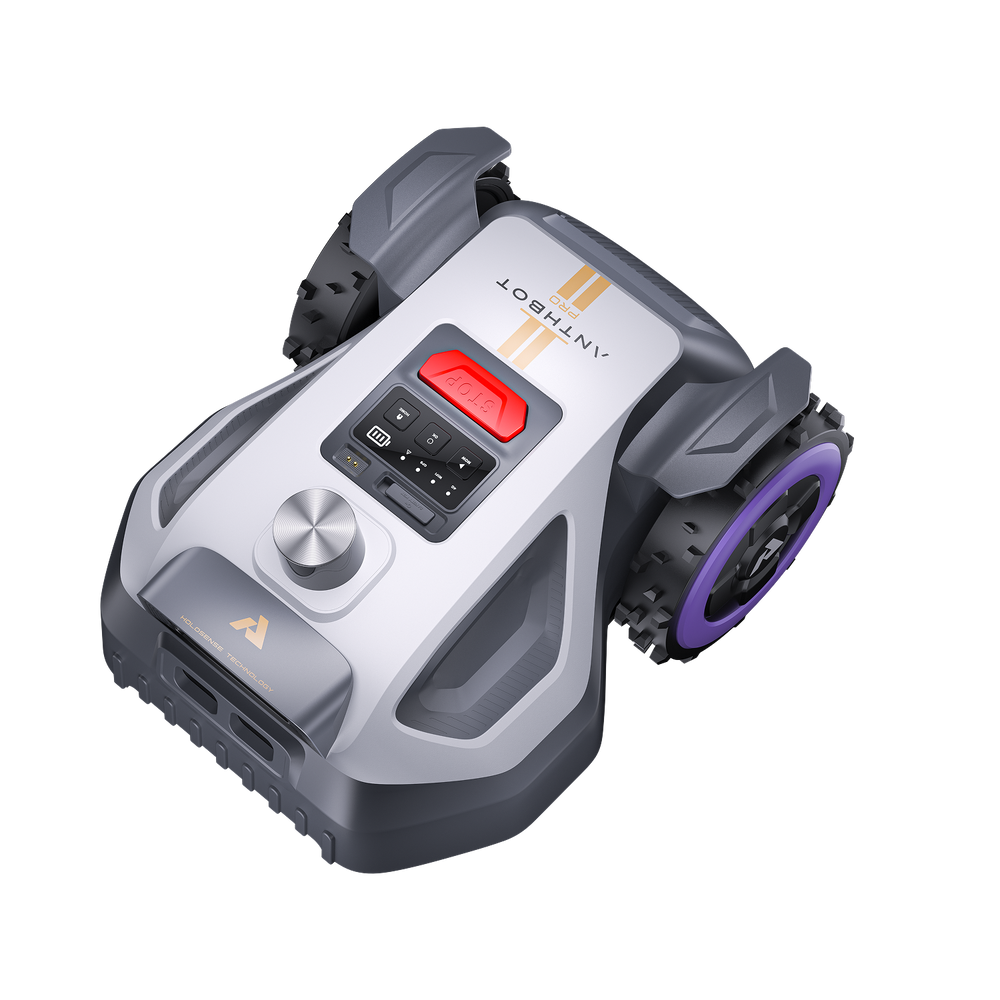 vs
Model comparison · 4 min read
ANTHBOT M9 PRO vs Navimow H210: Which Quarter-Acre Mower Should You Buy?
Both combine LiDAR, network positioning and vision for roughly a quarter acre. Your usual grass height may make the choice clearer than another sensor comparison: M9 PRO lists 1.2–2.8 inches, while standard H210 runs from two to four inches.
Read the guidevsModel comparison · 4 min read
ANTHBOT M9 Pro vs Navimow i215 LiDAR
M9 Pro starts lower; the US i215 LiDAR can leave grass much taller. Their area ratings differ too. Those two checks can settle the choice before the extra positioning features come into it.
Read the guide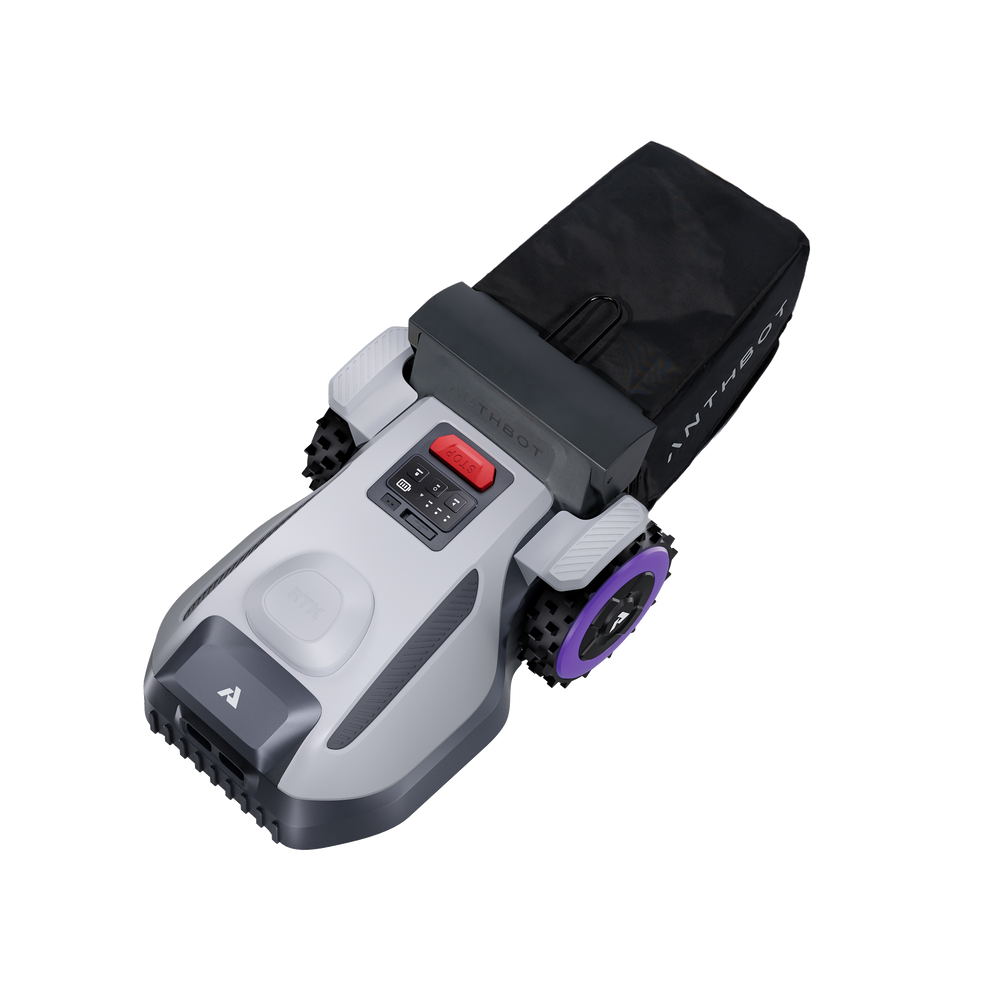 vs
Model comparison · 5 min read
ANTHBOT N8 vs Navimow i105: Do you need collection or regular mulching?
N8 adds grass collection and a larger stated lawn allowance. The i105 is aimed at smaller lawns maintained by frequent cutting. Start with the amount of grass and what you want to do with the clippings.
Read the guide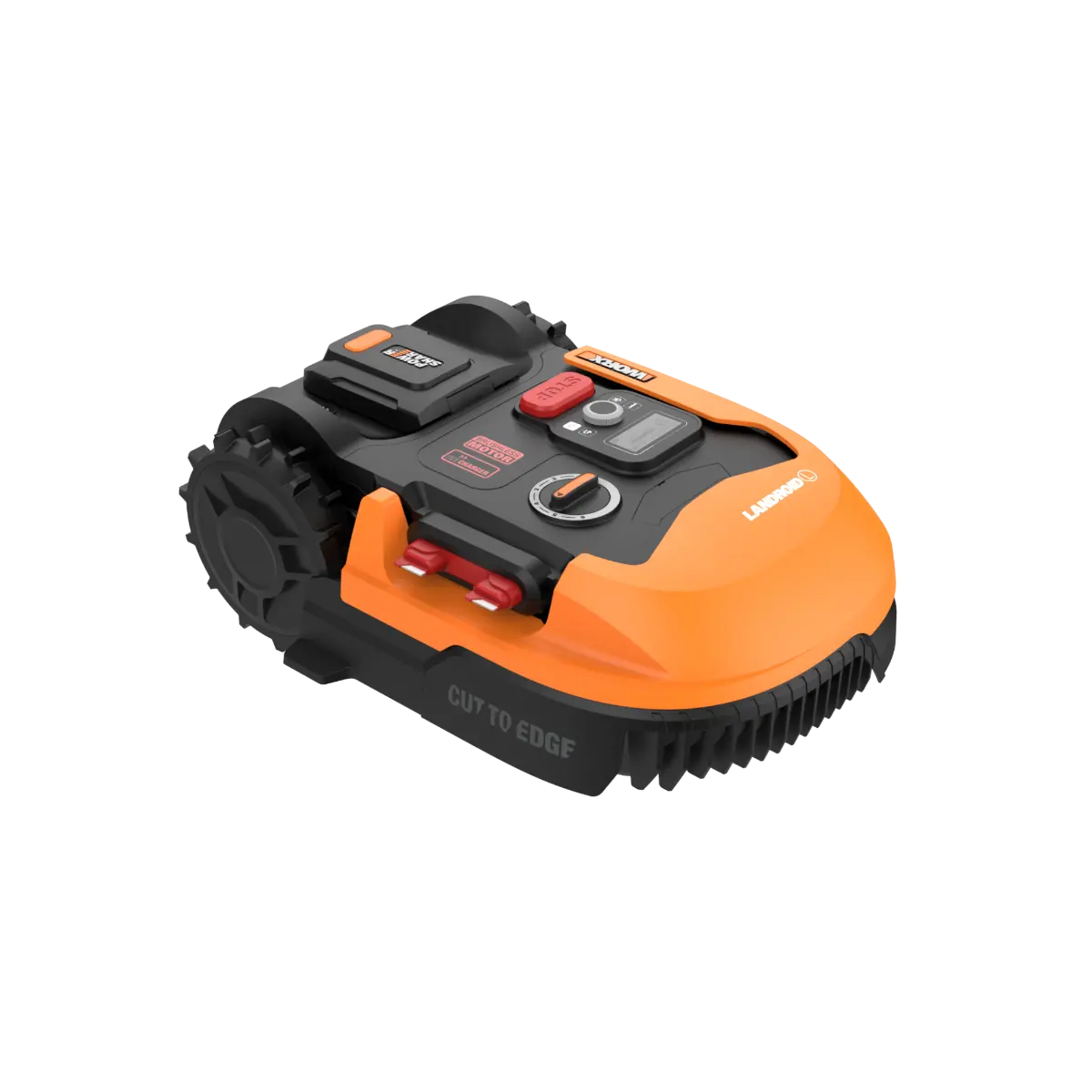
Buying guide · 6 min read
Boundary wire vs wireless robot mowers: Which installation suits your yard?
The useful choice is how you want to define, change and maintain the mowing area. Compare a real wired and wireless example, then walk through the parts of the yard that could stop either one working.
Read the guide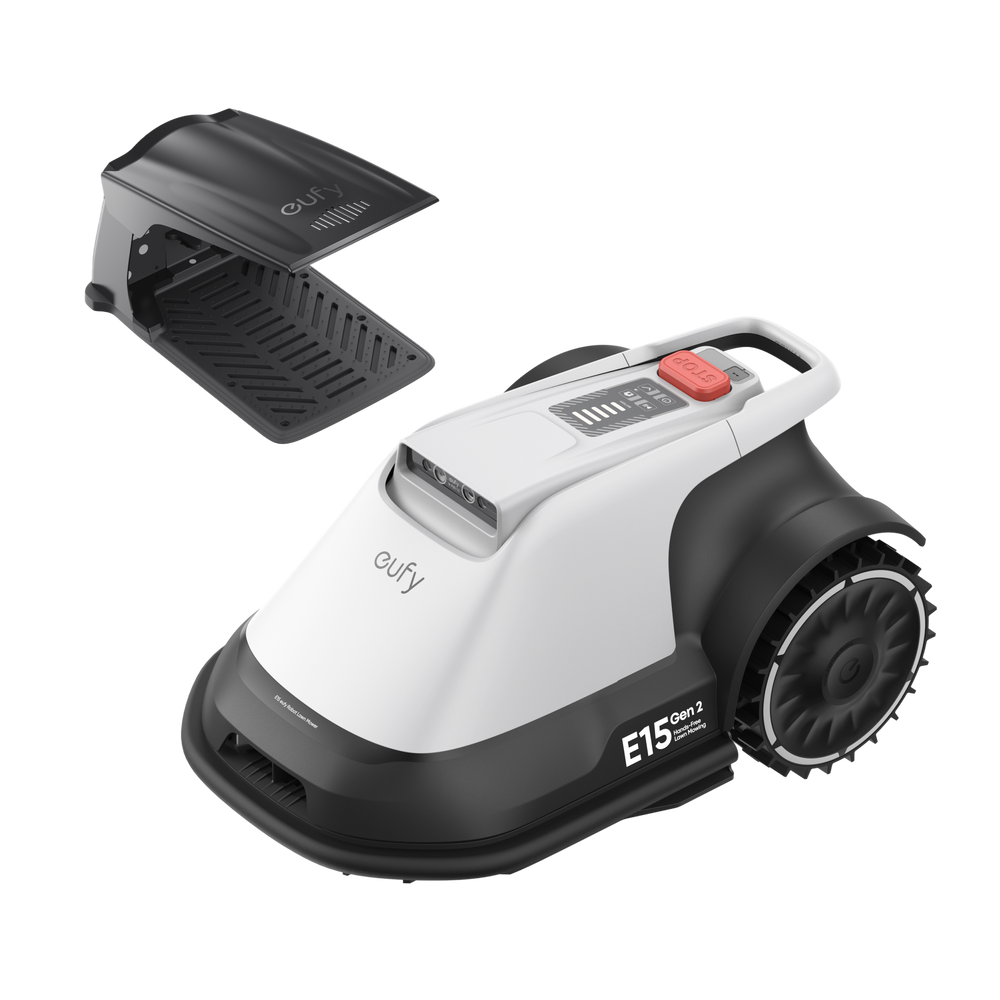
Setup guide · 3 min read
Can a Robot Mower Cross a Driveway Between Lawns?
Some robot mowers can travel between mapped lawns, but a pathway feature doesn't approve every driveway. Check the surface, level changes, route width and vehicle access before buying. E15 Gen 2 pathways and Navimow H2 channels show why the answer needs to stay specific to the mower and the route.
Read the guideOwnership guide · 3 min read
Can Robot Mowers Handle Fallen Leaves?
Don't buy a robot mower expecting it to clear leaf piles. We'd prepare the lawn as the exact manual requires, then use the mower for the grass. Returning fine grass clippings is a different job from collecting leaves or working through a wet mat that hides the lawn.
Read the guide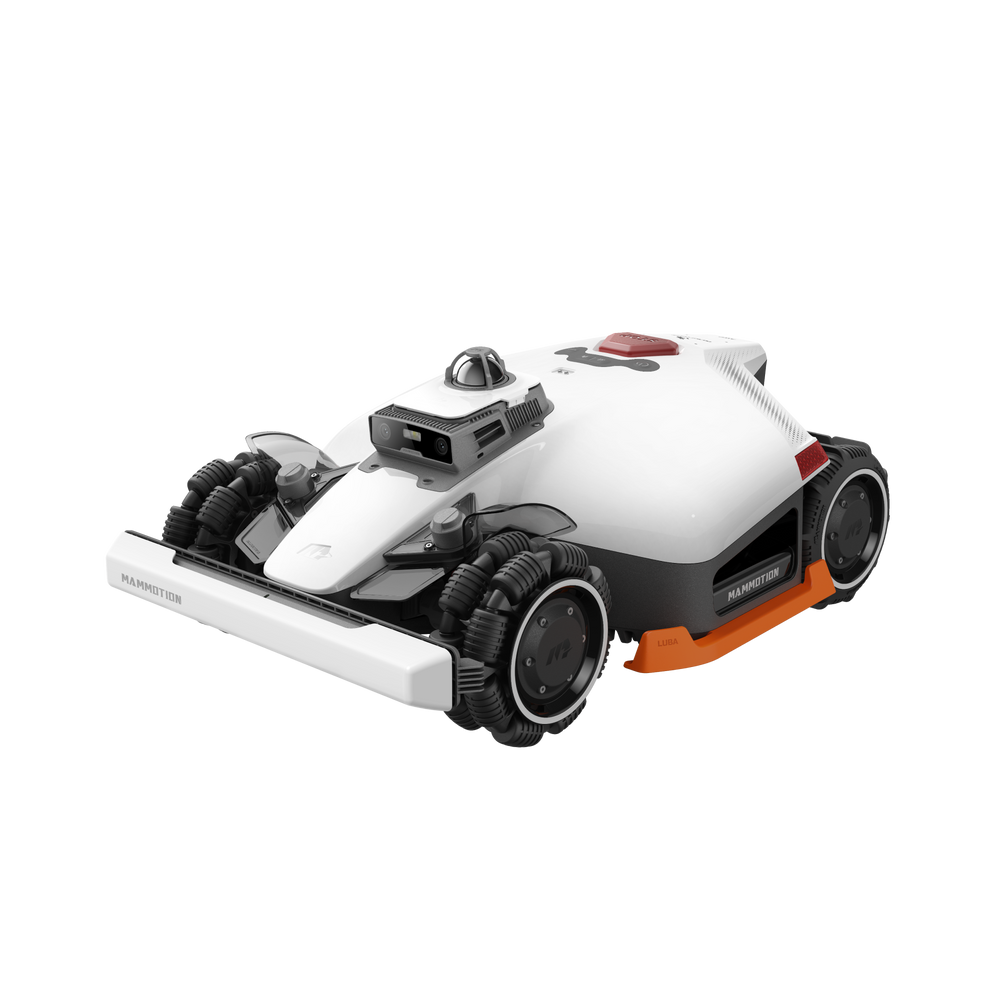
Ownership guide · 5 min read
Can Robot Mowers Mow at Night? What to Check Before Scheduling
Some models explicitly advertise night navigation, but that doesn't make overnight mowing the right routine for every garden. We'd check the exact operating instructions, wildlife settings, ground conditions and return route before freeing up the lawn after dark. A navigation feature is only one part of the decision.
Read the guidePractical guide · 6 min read
Can a robot mower work in hot weather? Check the lawn and the machine separately
A mower can be within its operating range while the grass needs a break. Start with whether the lawn is growing, then check the exact working conditions, charging limits and schedule.
Read the guide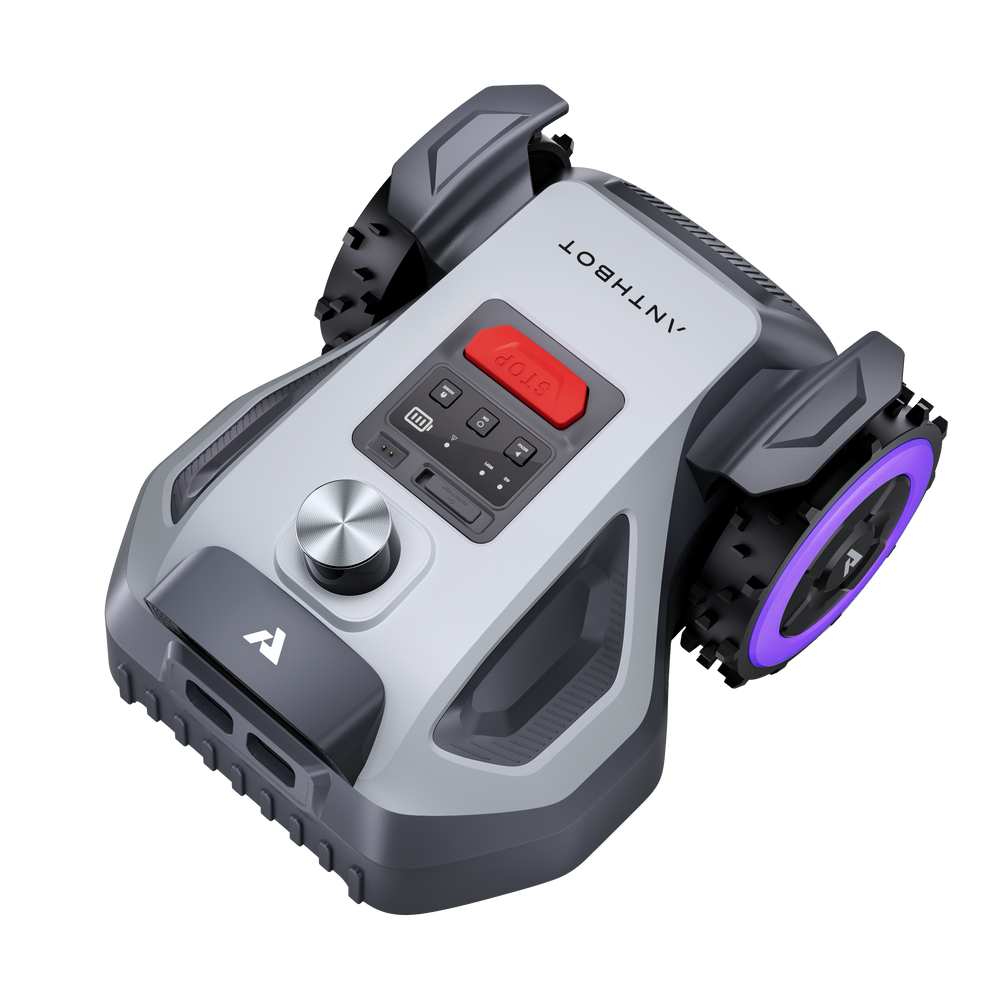
Ownership guide · 6 min read
Can Robot Mowers Mow in the Rain?
Weather resistance doesn't tell you whether the mower should keep cutting a wet lawn. We'd check the exact rain-sensor behavior and manual, then plan around the condition of the grass and ground. These examples return home when rain is detected.
Read the guideOwnership guide · 4 min read
Can You Use a Robot Mower With Dogs? Plan the Routine First
A dog-owning household can plan around a robot mower, but animal-detection marketing isn't a reason to leave the dog on the lawn during a run. We'd arrange separate lawn time, clear toys and other objects, and check what closed gates do to the mower's route.
Read the guideOwnership guide · 4 min read
Do Robot Mowers Need a Garage? What to Check Before Buying One
Check the mower's package and installation instructions before adding another shelter to the order. Some include a garage; others list one as an accessory. We'd choose the right model-specific cover and station location together, rather than assume any box over the charger will do.
Read the guide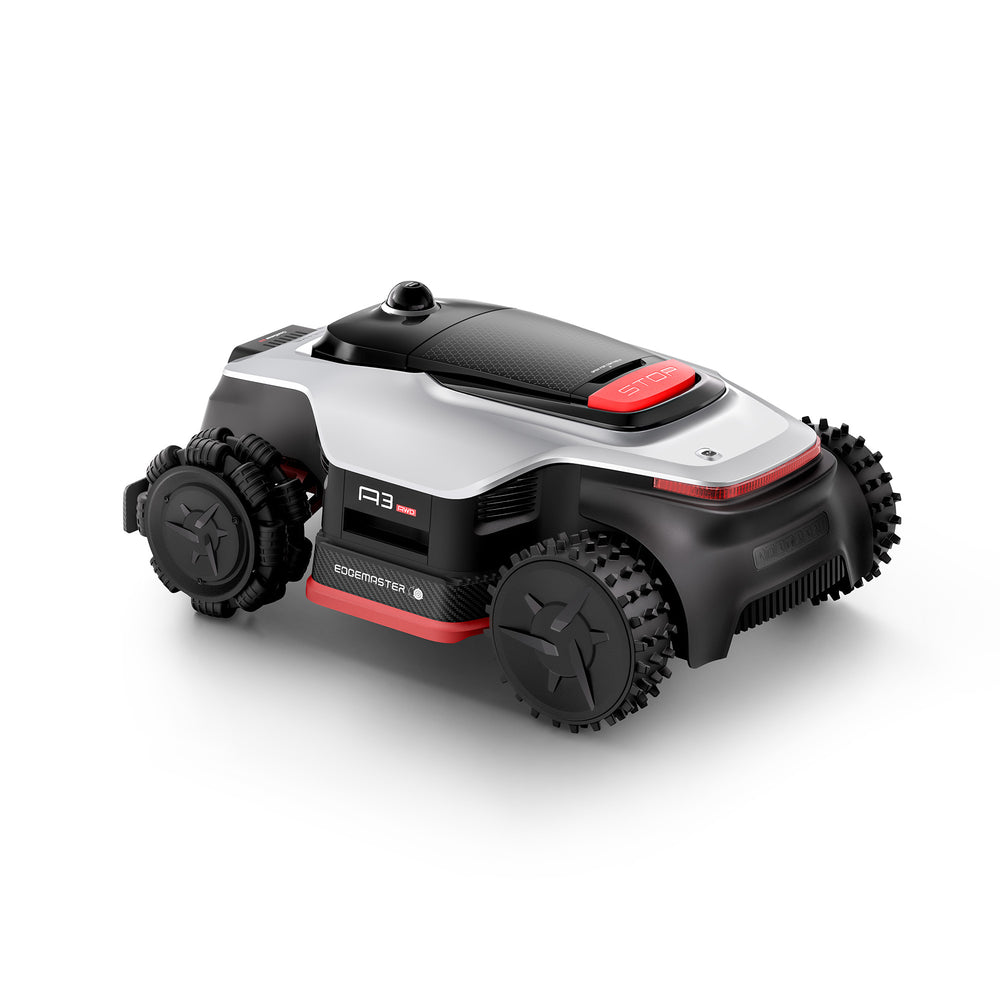 vs
Model comparison · 4 min read
Dreame A3 AWD Pro 3500 vs Navimow X450
The Pro 3500 suits a lawn within 0.87 acre that works with LiDAR. The X450 is rated for 1.5 acres and has a lower cutting setting, with a different setup for positioning.
Read the guide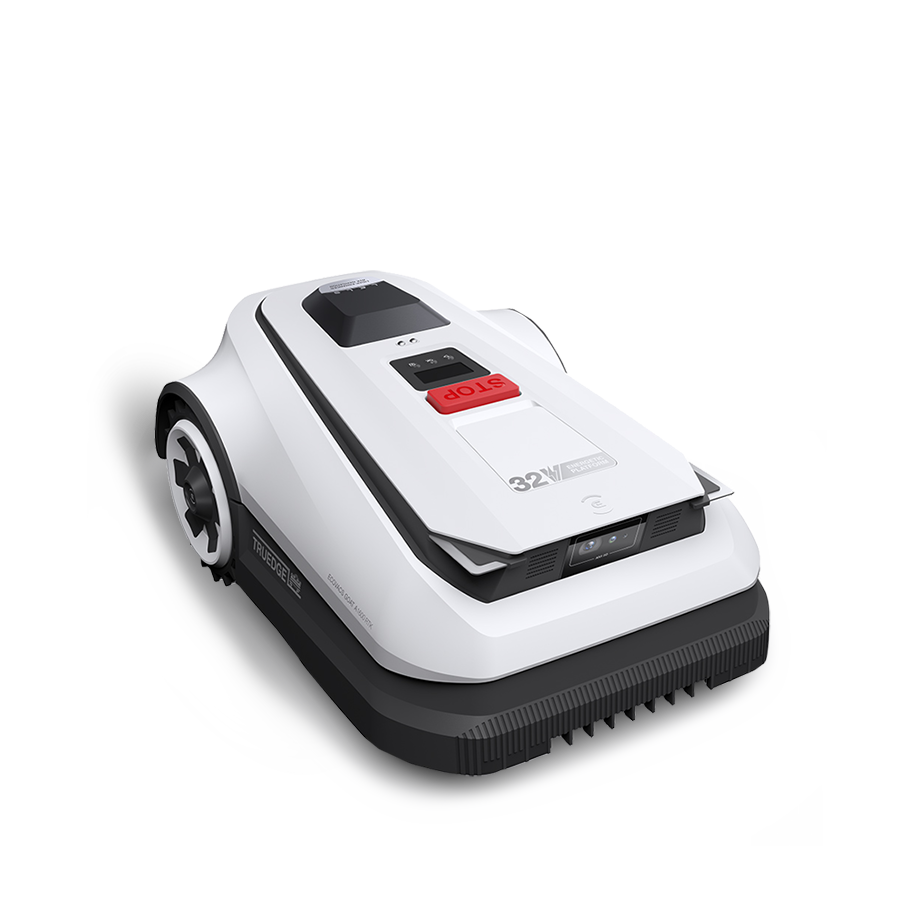 vs
Model comparison · 5 min read
ECOVACS GOAT A2500 RTK vs Navimow H220: Compare the cut and installation
A2500 RTK has the wider deck and lower minimum setting. H220 reaches four inches and offers Network RTK where coverage is available. Keep ECOVACS’ conflicting area descriptions and the exact installation requirements in view.
Read the guidevsModel comparison · 4 min read
eufy E15 Gen 2 vs Navimow i210 AWD: Which Suits Your Small Yard?
Both sit around the quarter-acre tier. The useful difference is how they would work in your garden: eufy's camera-based setup and grass restrictions versus Navimow's AWD and supported network RTK arrangement. We'd check the lawn and normal mowing hours before choosing from the feature lists.
Read the guide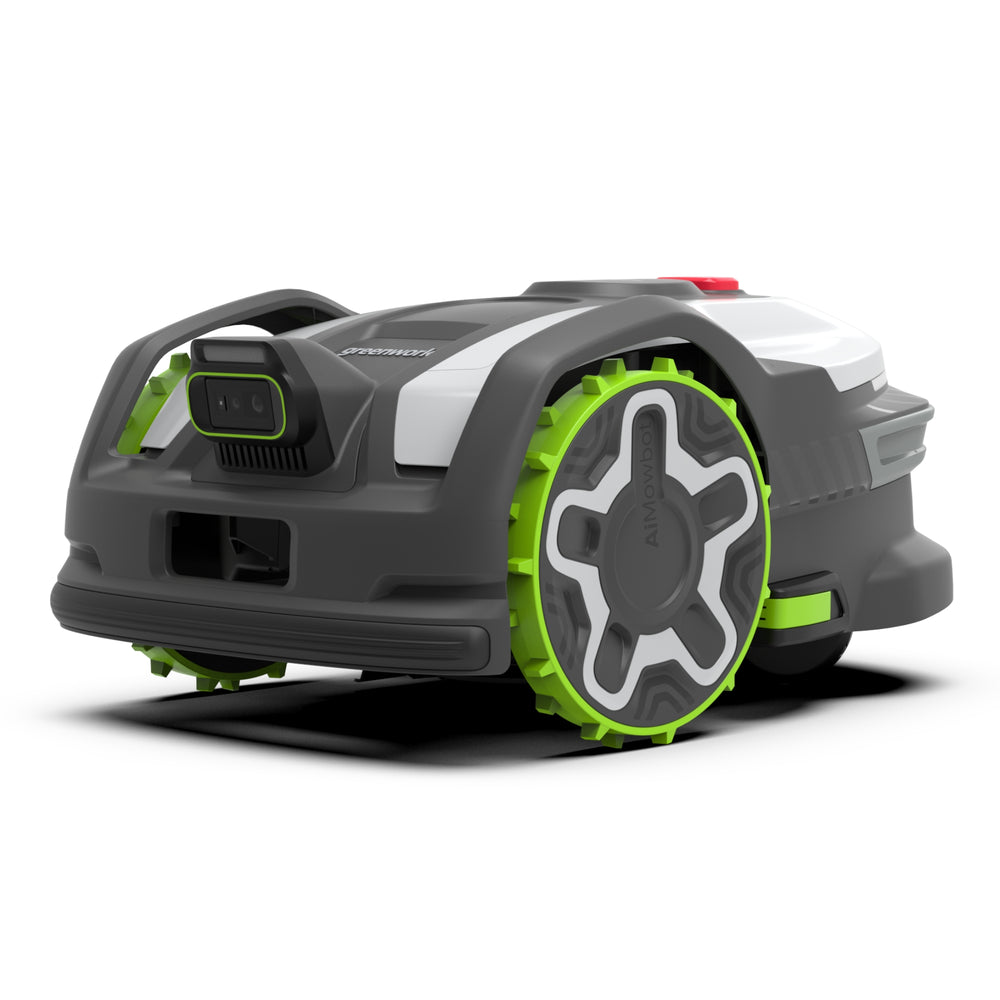 vs
Model comparison · 5 min read
Greenworks C30Z vs Navimow X330: Start with lawn size and cutting height
C30Z reaches a lower cutting setting and recommends up to three-quarters of an acre. X330 starts at two inches and recommends one acre. Compare the actual grass, reference equipment and ongoing connections before choosing the installation.
Read the guide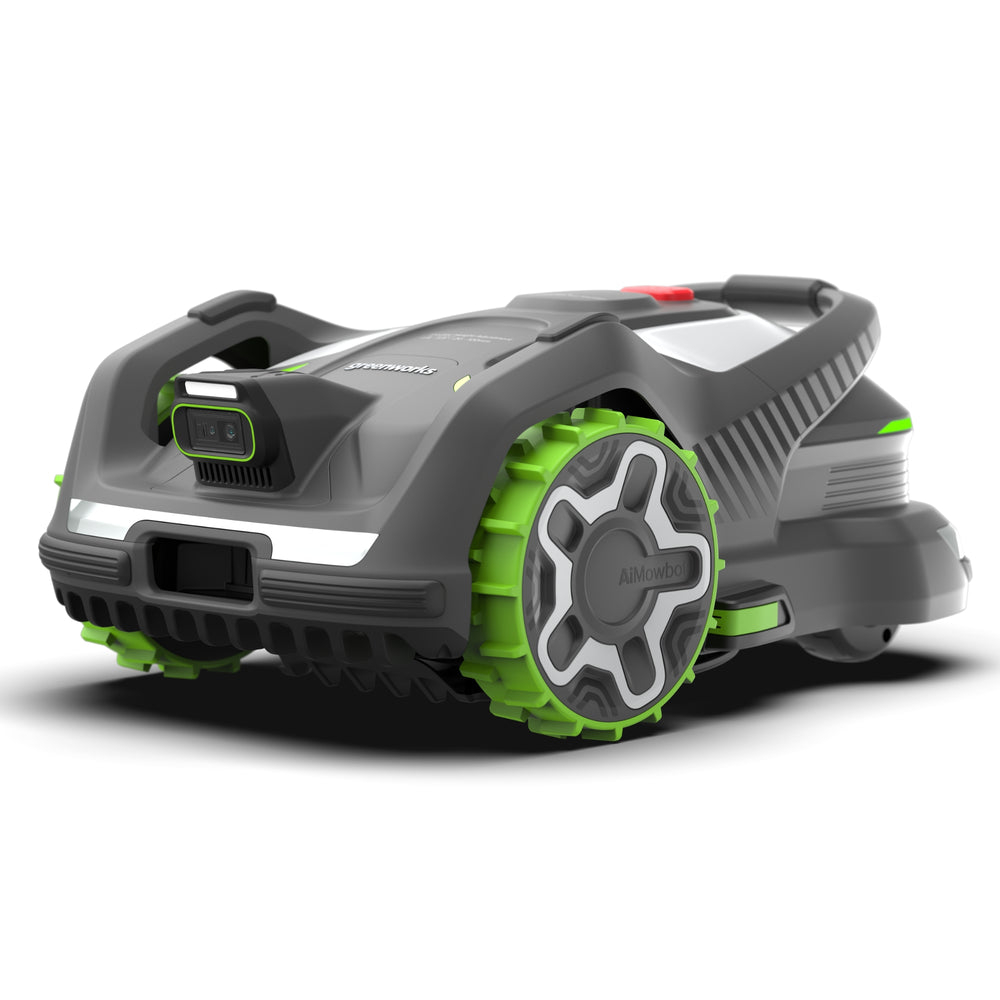 vs
Model comparison · 5 min read
Greenworks C40 vs Navimow X350: Lower cut or a larger stated lawn?
C40 reaches a lower setting and has a wider deck, but its page disagrees about acreage and its exact variant is currently unavailable. X350 lists 1.5 acres and a two-inch minimum. Start with the grass and the unresolved workload.
Read the guideOwnership guide · 3 min read
How to Choose the Right Cutting Height for a Robot Mower
Start with the grass species and local mowing guidance, then choose a robot setting within that range. The app’s default or highest number isn't a universal answer. Check the actual finished grass height, lower gradually when needed and keep initial-lawn preparation separate from the height you plan to maintain.
Read the guideMaintenance guide · 5 min read
How to Clean a Robot Lawn Mower
The grass underneath is only part of the job. Wheels, camera lenses and the charging station need attention too. Here's a practical cleaning routine using eufy E15 Gen 2 and Navimow X3 examples, with each model's instructions kept where they belong.
Read the guidePlanning guide · 4 min read
How to Measure Your Lawn for a Robot Mower
The property size on a listing isn't necessarily the amount a mower will cut. We'd draw each patch of grass, subtract the house and hard surfaces, then add the mowing zones together. The awkward routes and available working hours need checking alongside that total.
Read the guideFirst-use guide · 3 min read
How to Prepare Your Lawn for a Robot Mower’s First Run
Clear the loose objects, check the starting grass height and settle the boundaries before launching the first map. E15 Gen 2 and Navimow H2 give different initial-grass instructions, so a robot's maximum selectable cut isn't the preparation limit. Allow time to learn its normal route and return to charge.
Read the guideSetup guide · 3 min read
How to Set Up No-Go Zones for a Robot Mower
Start by walking the lawn and marking the places the mower must avoid, then use the exact model's mapping instructions. E15 Gen 2 no-go zones and Navimow H2 off-limit islands are useful examples, but their names and setup rules differ. Keep the route back to the charger in view too.
Read the guideOwnership guide · 4 min read
How to Transfer a Robot Mower to a New Owner
Handing over the mower and charger is only part of selling it. Finish the account and tracking handover while you can still access the machine, then let the buyer set it up for their own lawn.
Read the guide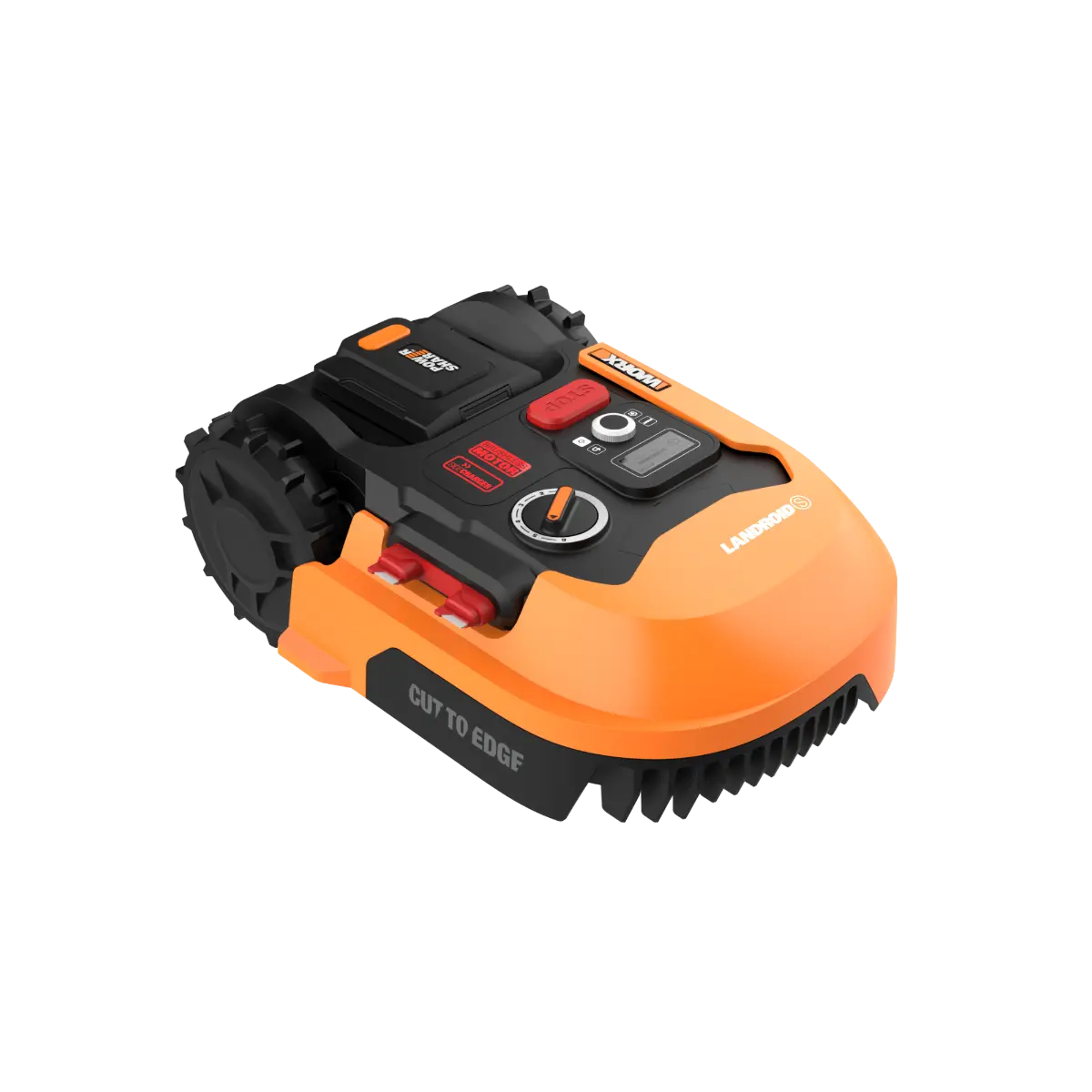
Ownership guide · 4 min read
How to transport a robot lawn mower
Plan the lift and packing before taking the mower off its base. The carrying handle, disabling controls and original packaging matter more than whether the drive to the dealer is short.
Read the guide vs
Model comparison · 4 min read
Husqvarna 410 iQ vs Navimow H220: Which fits a half-acre lawn?
A shared half-acre headline hides different positioning arrangements and a mowing-pattern qualification. Start with the yard, then work through the installation.
Read the guide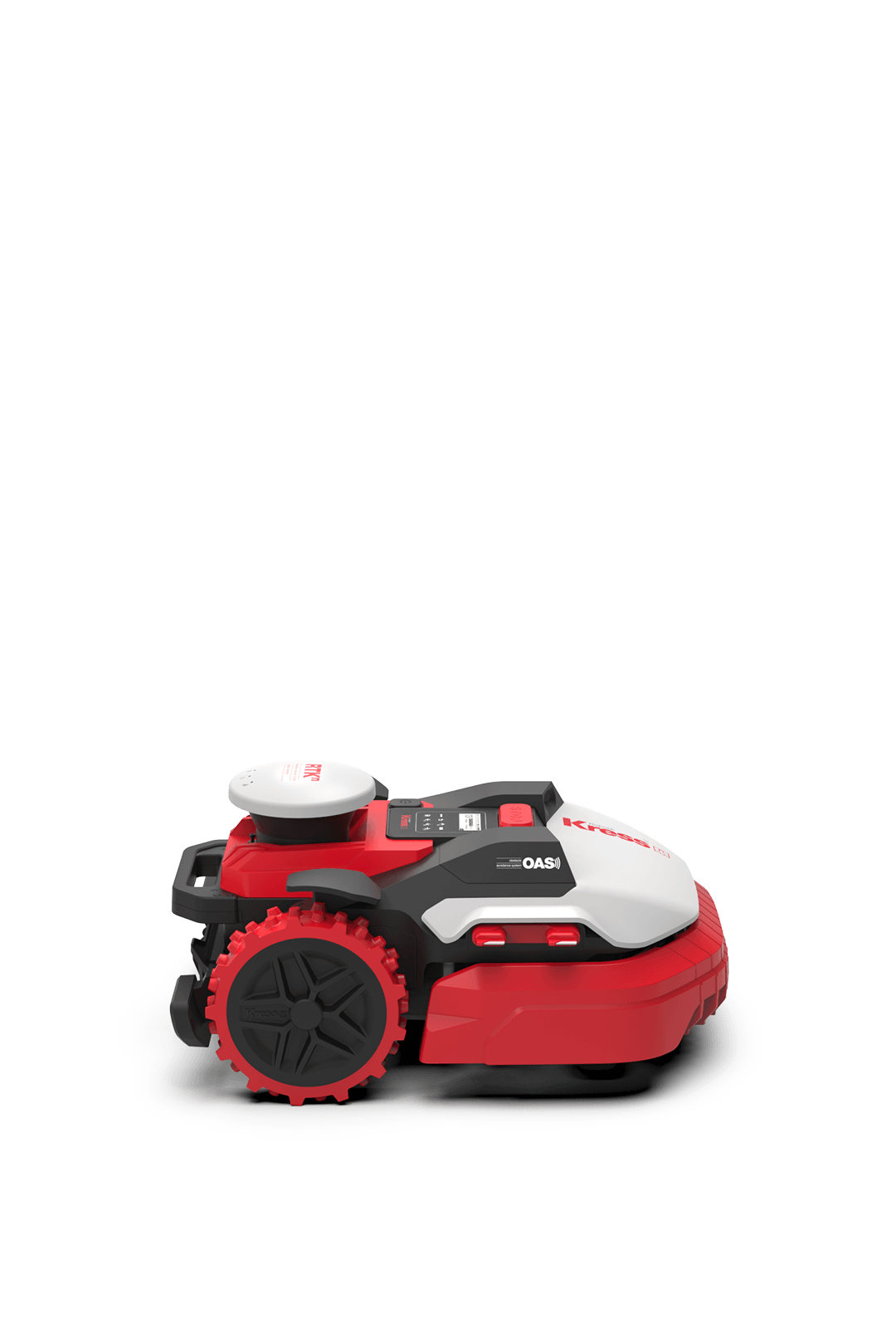 vs
Model comparison · 4 min read
Kress KR174 vs Navimow X430
KR174’s recommended acreage depends on a 48-hour cutting cycle. X430 has a one-acre recommendation and a much wider deck. Compare your available mowing hours and grass height, then check the exact stock and installation.
Read the guide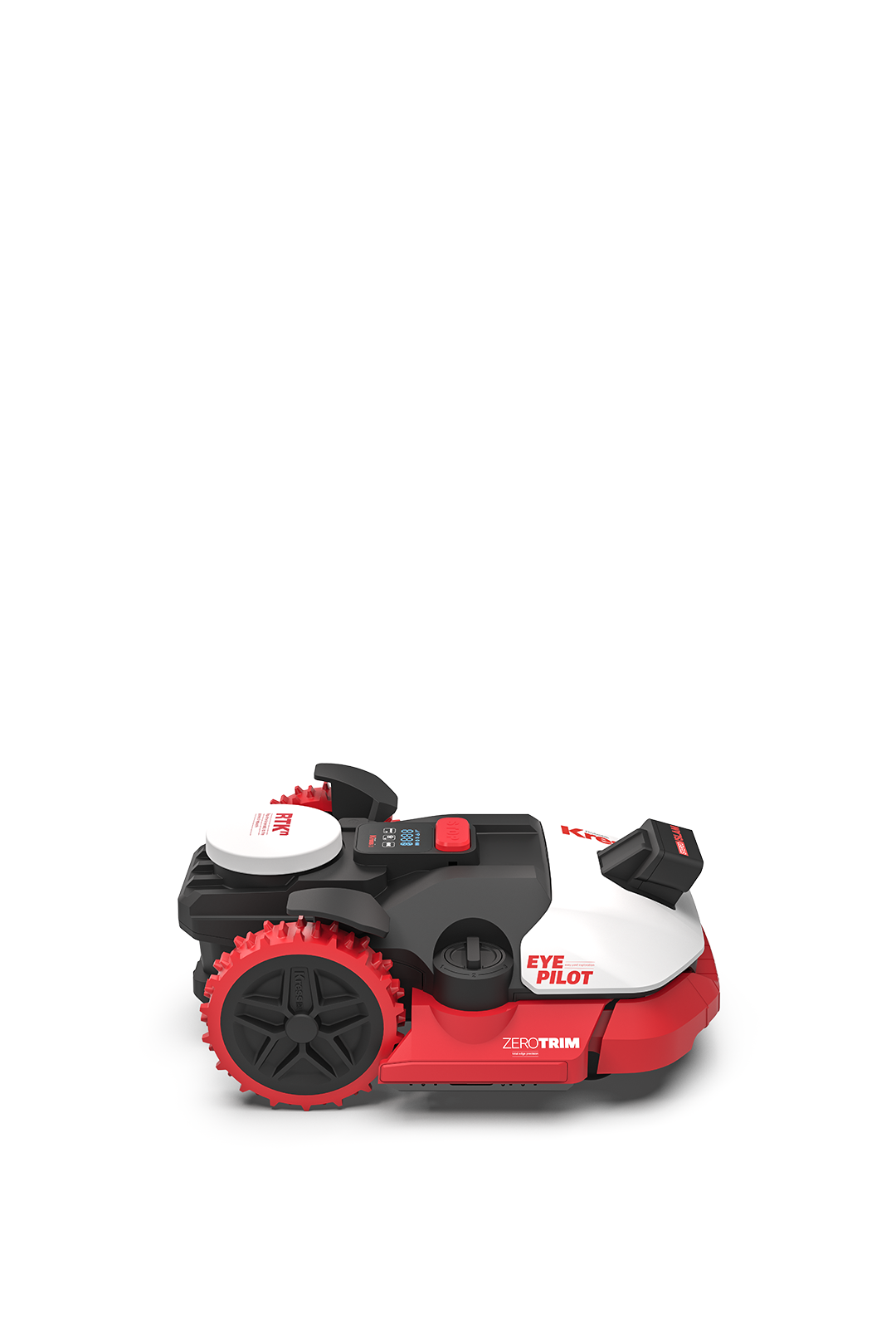 vs
Model comparison · 6 min read
Kress KR272 vs Navimow H220: Compare the cut and working window first
Both advertise half-acre capability without a local RTK antenna. Kress qualifies its capacity over 24 hours, while H220’s standard cutting range reaches higher. Those details can settle the first fit check.
Read the guidevsModel comparison · 4 min read
Kress EyePilot KR272 vs Navimow i210 AWD
Kress’s half-acre claim uses a 24-hour working window. Navimow recommends the i210 AWD for a quarter acre. Compare the mowing schedule, cut height and installation before choosing by the larger acreage number.
Read the guide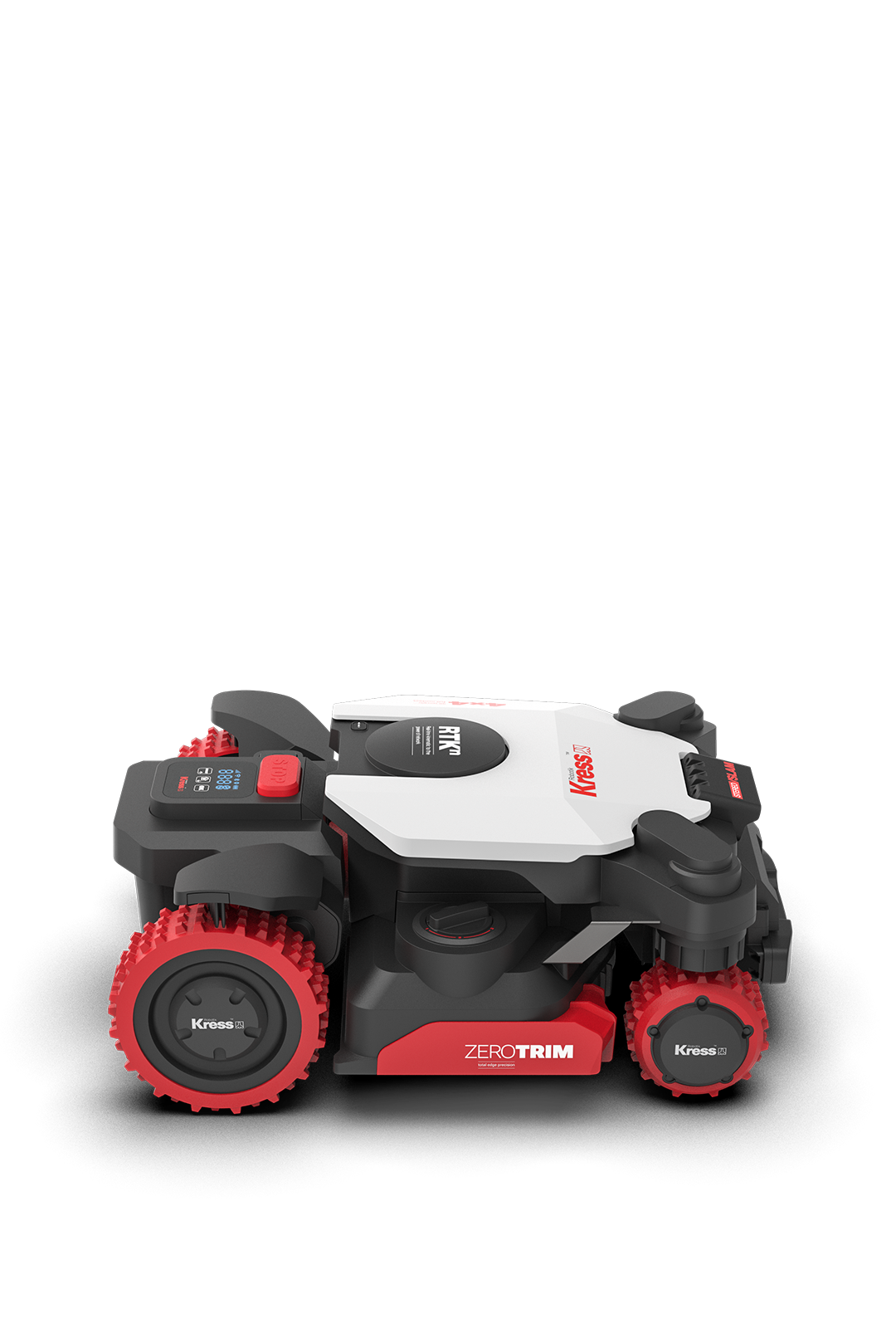 vs
Model comparison · 6 min read
Kress KR284 vs Navimow X430: Does the wider cut suit your one-acre lawn?
Both use network positioning and advertise steep-slope capability. Their cutting ranges and workload wording differ, and Navimow’s direct US X430 variant is currently unavailable. Start with the finish and working hours your lawn needs.
Read the guide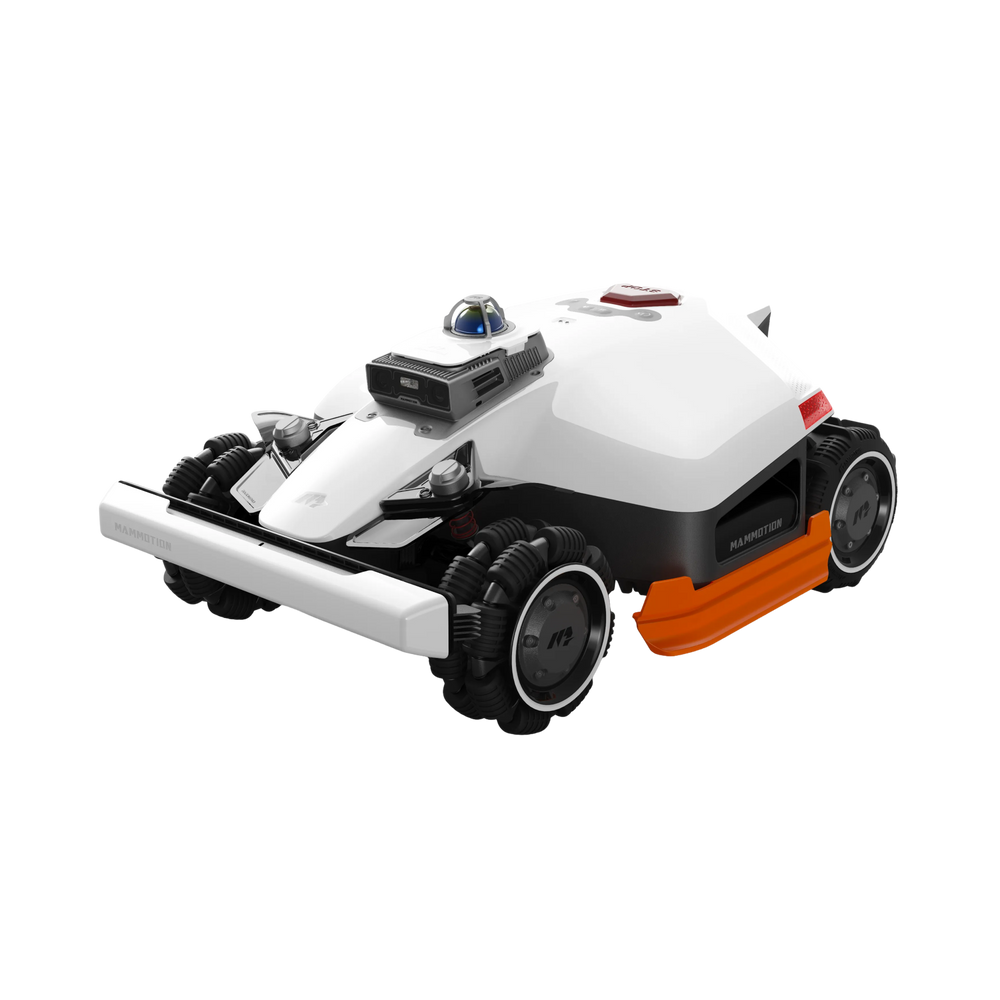 vs
Model comparison · 4 min read
LUBA 3 AWD 1500H vs Navimow H220
Both can leave grass at four inches, but H220 has the larger recommended lawn area. LUBA adds AWD and a higher working-slope claim. Its exact high-cut variant was out of stock when checked.
Read the guidevsModel comparison · 4 min read
LUBA 3 AWD 5000 vs Navimow X450: Which Suits Your Large Lawn?
X450 has the higher lawn recommendation and a broader cutting-height range. The standard LUBA 3 5000 has a lower maximum height and a different positioning arrangement. We'd settle those everyday requirements before comparing the two climbing claims.
Read the guide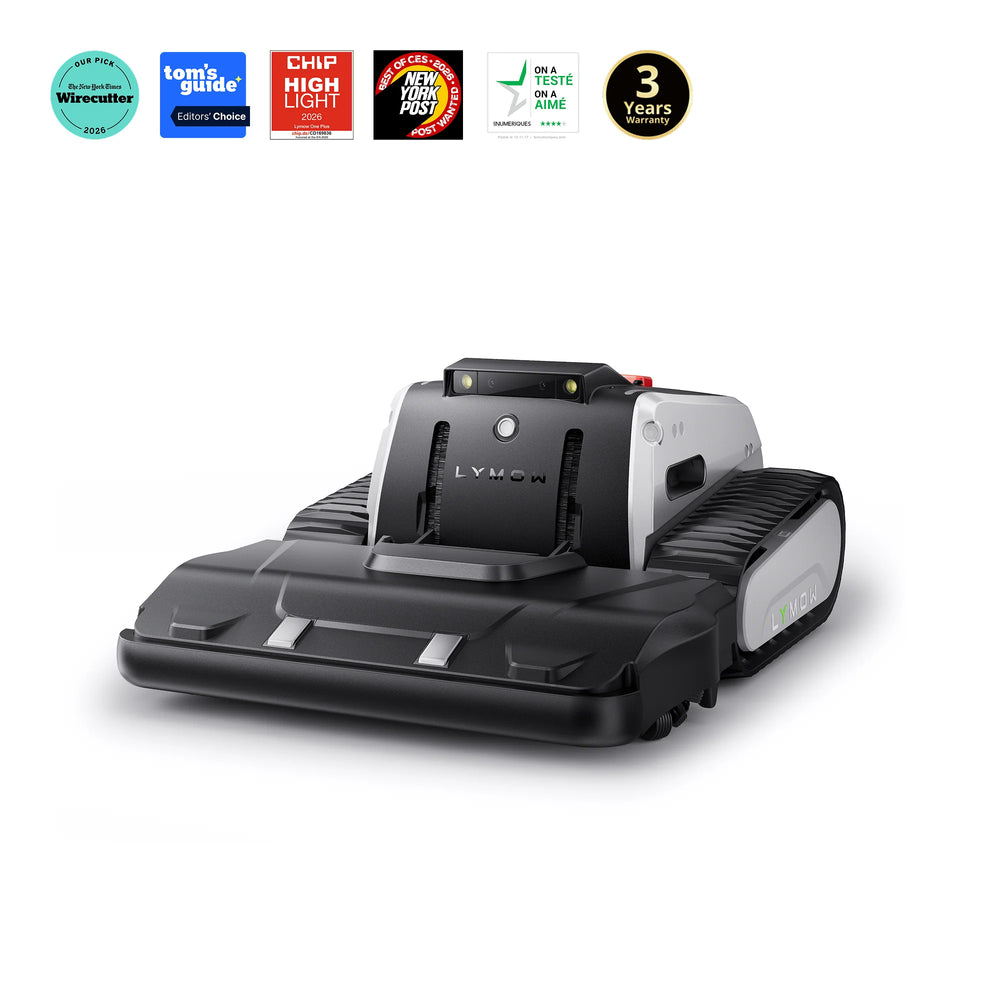 vs
Model comparison · 5 min read
Lymow One Plus 5A vs Navimow X450: Daily output is not lawn capacity
Lymow’s 5A offer names 1.1 acres per day; X450 lists a recommended 1.5-acre lawn. Those figures describe different things. Both offer a wide cut, but X450’s exact variant is currently unavailable.
Read the guideSetup and care · 5 min read
Moving a robot mower’s charging station: Check the new route before restarting
A better-looking corner is only useful if the mower can locate and reach it. Check the new installation first, use the exact model’s relocation procedure, then verify the return journey before restoring the schedule.
Read the guide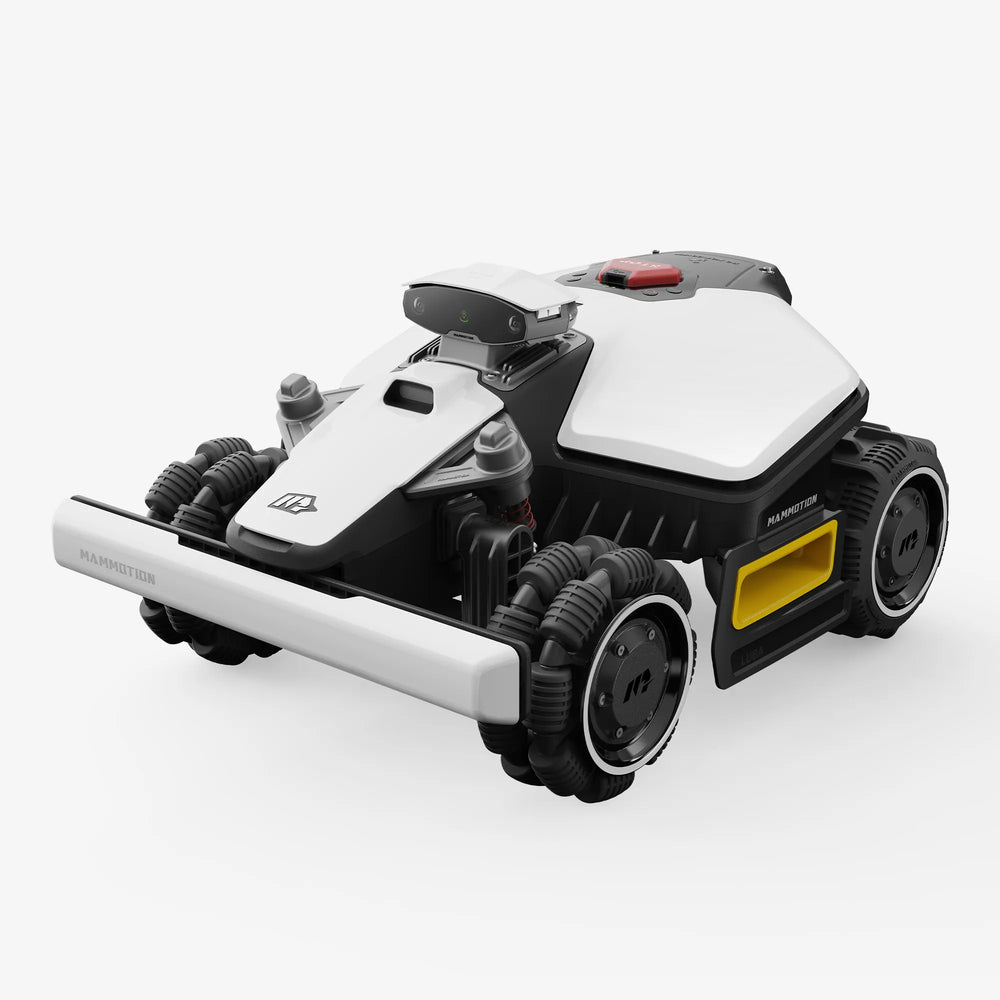
Mower setup · 4 min read
Moving a robot mower’s RTK antenna after mapping
A mower can get a better signal from a new antenna location and still need its map rebuilt. Find out whether you’re moving the primary reference, an accessory antenna or just the charging base.
Read the guide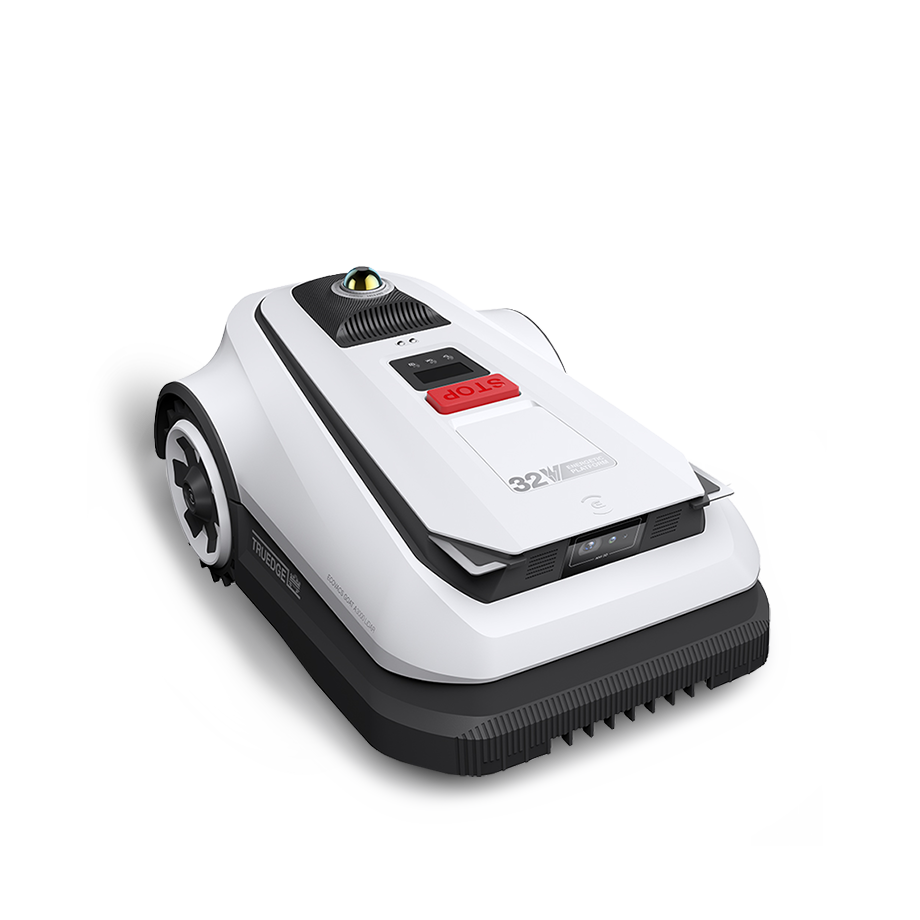 vs
Model comparison · 4 min read
Navimow H1500-VF vs ECOVACS GOAT A3000 LiDAR
H1500-VF suits a smaller, lower-cut lawn on paper. GOAT A3000 LiDAR offers a taller setting and a larger area rating, making this a useful comparison for an owner considering a change.
Read the guideUpgrade guide · 4 min read
Navimow H1500-VF vs H220: Is It Time to Upgrade?
We'd keep a working H1500-VF unless H220 solves a problem you actually have. The newer model changes the positioning system, stated lawn capacity and standard cutting-height range. That last difference deserves attention if you normally leave the lawn below two inches.
Read the guidevsModel comparison · 5 min read
Navimow H210 vs H220: Which Size Should You Buy?
The H220 makes sense when you have more grass to keep up with. For a smaller lawn, the H210 may already give you what you need. Here's how we'd choose between them without confusing extra map storage with a bigger mowing recommendation.
Read the guidevsModel comparison · 4 min read
Navimow H210 vs i210 AWD: Which Quarter-Acre Mower Should You Buy?
Both are recommended for a quarter acre, so H210 isn't a step up in lawn size. It adds the H2 family's LiDAR, network RTK and vision combination. We'd decide whether that setup and its documented cutting range suit the garden before paying more than the i210 AWD offer.
Read the guide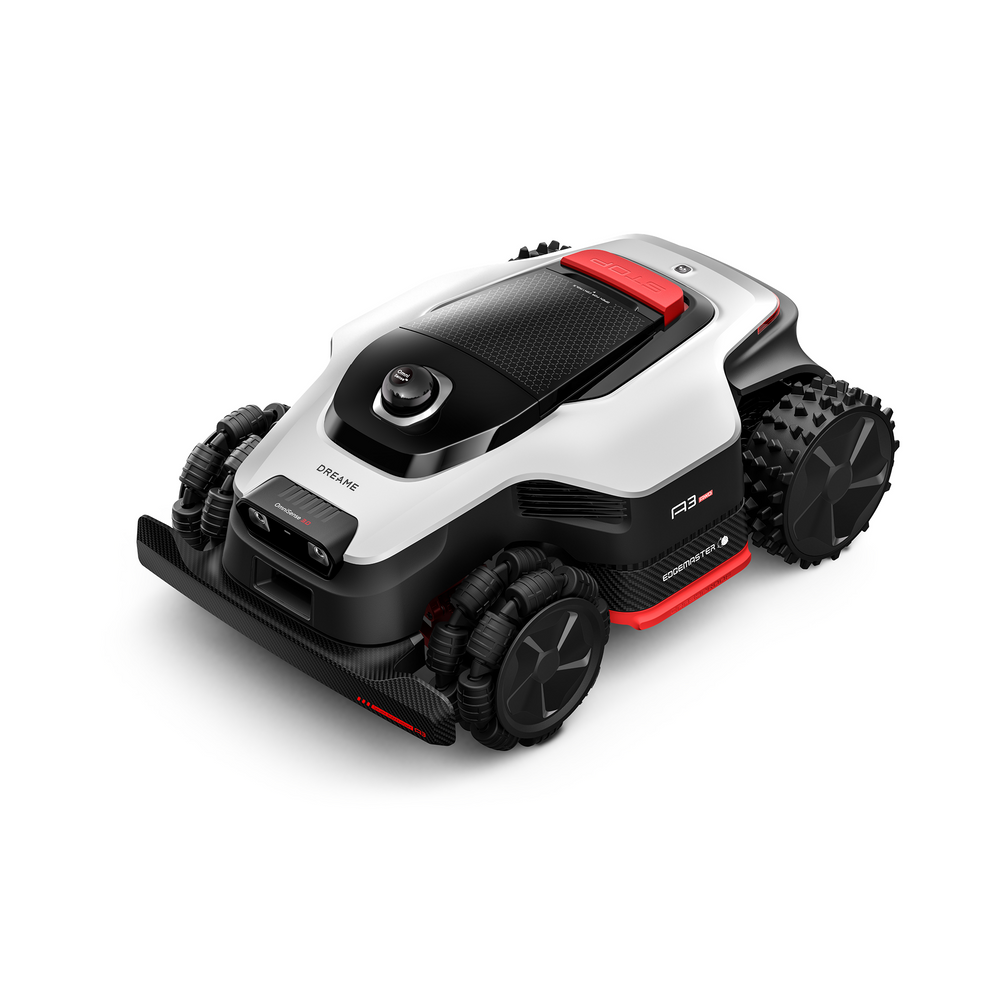 vs
Model comparison · 4 min read
Navimow H220 vs Dreame A3 AWD 2000: Which Suits a Half-Acre Lawn?
Both are recommended for half an acre, but they'd suit different mowing habits. H220's standard range reaches four inches; Dreame starts lower and has an AWD arrangement. We'd measure the grass, check the normal cutting height and walk the awkward parts of the yard before choosing.
Read the guide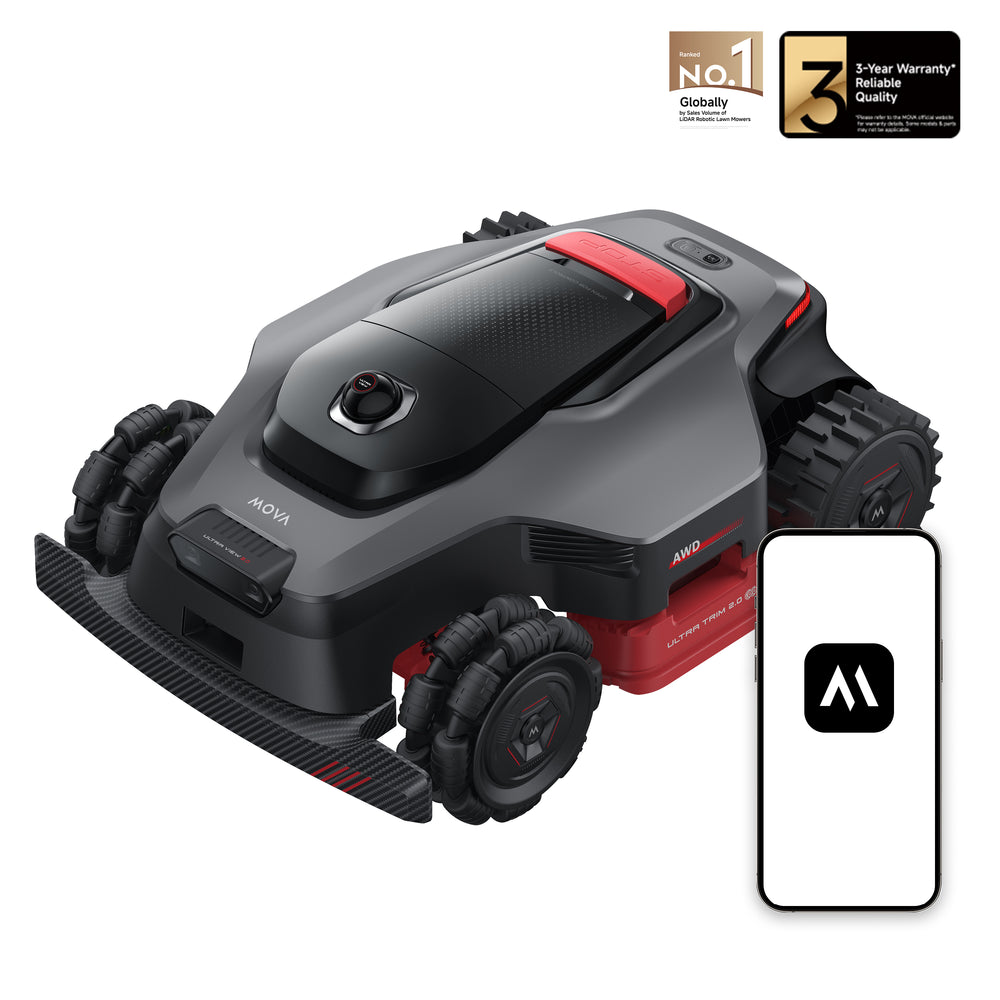 vs
Model comparison · 4 min read
Navimow H220 vs MOVA LiDAX Ultra 2000 AWD
A half-acre headline makes these look closely matched. Look at the cutting range, deck and slope limits, though, and two different yards start to emerge.
Read the guidevsModel comparison · 4 min read
Navimow H800-VF vs H3000-VF: Which size fits your lawn?
These original H Series models have very different lawn ratings, but share the same stated cutting-height range. Both direct-store pages currently show Sold Out.
Read the guide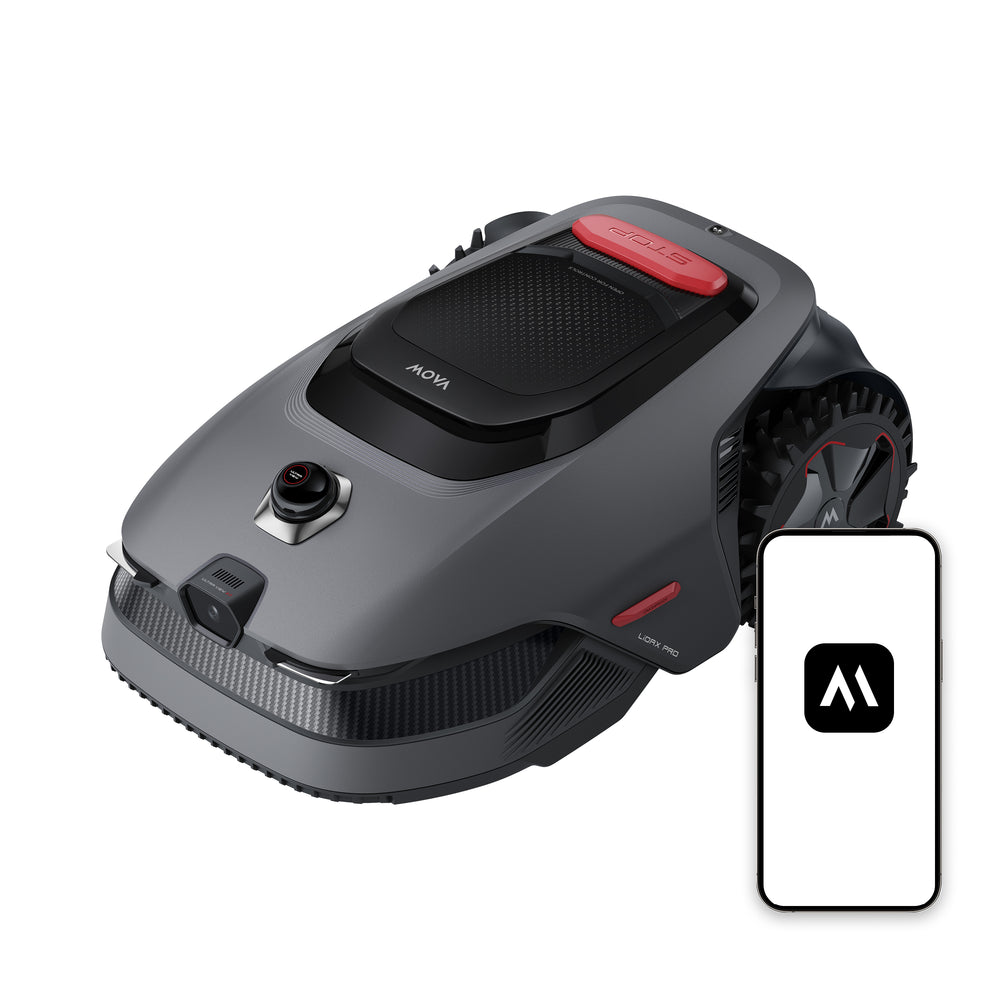 vs
Model comparison · 5 min read
Navimow H800-VF vs MOVA Lidax Pro 800: Check the height before the area
Both carry a 0.2-acre label, but they suit different cutting heights and positioning setups. The older H800-VF is currently unavailable; Pro 800 offers a taller cutting range and LiDAR navigation without a reference antenna.
Read the guidevsModel comparison · 3 min read
Navimow i105 vs i206 AWD: Is the New Mower Worth It?
The i206 AWD gives you all-wheel drive and a Network RTK setup, with a slightly larger lawn recommendation. Those are useful changes if they solve a problem in your yard. If an i105 already handles the lawn happily, the newer name alone isn't a reason to replace it.
Read the guidevsModel comparison · 4 min read
Navimow i206 AWD vs i210 AWD: Which Size Should You Buy?
The lawn size is the first reason to choose between these two. Both use Navimow's i2 AWD setup, but i210 has a larger battery and a higher recommended area. We'd measure all the grass, check network coverage and confirm the cutting range before paying for the larger model.
Read the guidevsModel comparison · 5 min read
Navimow i210 AWD vs Dreame A3 AWD 1000: Which Suits Your Yard?
Both are rated for a quarter acre, so the lawn's shape, slopes and setup matter more than the number on the box. We'd check Navimow's network coverage first, then decide whether Dreame's LiDAR navigation and higher climbing claim would help in your yard.
Read the guidevsModel comparison · 4 min read
Navimow i215 LiDAR vs Dreame A3 AWD 2000: Which Fits Your Lawn?
Dreame has the higher lawn recommendation and an explicit AWD arrangement. Both describe LiDAR/vision setups without a perimeter wire or local RTK station. We'd start with the measured grass and difficult ground, then confirm the exact cutting setup and services.
Read the guidevsModel comparison · 4 min read
Navimow i215 LiDAR vs H210: Which Setup Suits Your Yard?
i215 LiDAR has the larger lawn recommendation, despite H210's position in the H2 range. The navigation arrangements differ too. We'd compare the measured grass area, preferred cutting height and actual installation before choosing by the family name or number of sensors.
Read the guide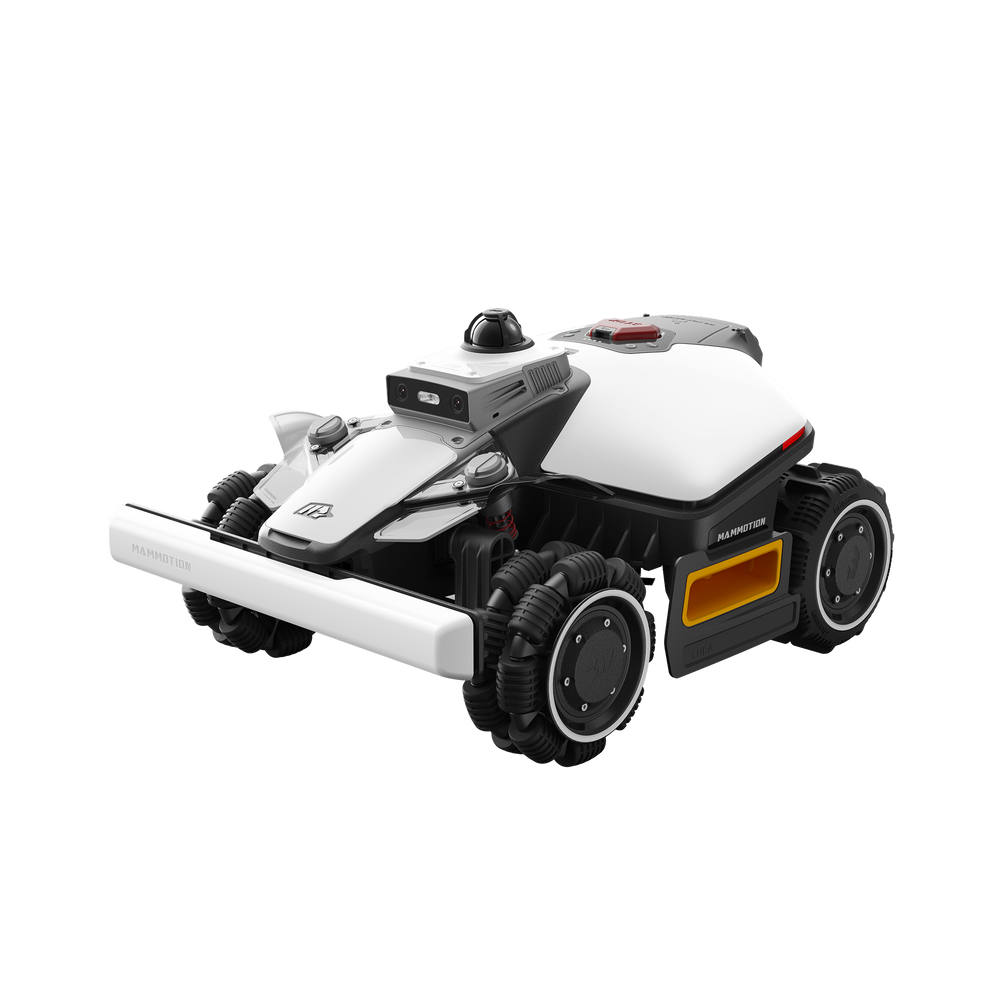 vs
Model comparison · 5 min read
Navimow i215 LiDAR vs LUBA mini 2 AWD 1500H: Which Should You Buy?
These two avoid a separate positioning antenna and share a 0.37-acre lawn rating. We'd give LUBA's high-cut range and AWD a close look for taller grass or demanding ground, then compare Navimow's confirmed fit and complete price for a gentler lawn.
Read the guide vs
Model comparison · 5 min read
Navimow X330 vs Husqvarna 420 iQ: Match the cut and mowing pattern
Both carry a one-acre headline, but that does not make them interchangeable. X330 starts at a two-inch cut; 420 iQ reaches lower and gives different area ratings for systematic and irregular mowing.
Read the guidevsModel comparison · 5 min read
Navimow X330 vs X430: Is the Newer Mower Worth It?
Both are rated for an acre, but X430 changes more than the model number. We'd compare the wider cut, lower height setting, terrain and positioning setup against the lawn you actually have before paying for the newer mower.
Read the guide vs
Model comparison · 5 min read
Navimow X350 vs Husqvarna 440 iQ: Lawn size depends on the mowing pattern
X350 lists a 1.5-acre lawn allowance. The 440 iQ lists two acres with systematic mowing but one acre with irregular mowing, so the installation and selected pattern can change the choice before deck width matters.
Read the guidevsModel comparison · 3 min read
Navimow X350 vs X390: Do You Need the 2.5-Acre Model?
X350 and X390 share the X3 cutting system, but their recommended lawn sizes differ: 1.5 and 2.5 acres. X390 also lists longer mowing and charging times. We'd pay for the larger model when the amount of grass and the time available justify it, rather than expect a wider cut.
Read the guideUpgrade guide · 4 min read
Navimow X350 vs X450: Is the Upgrade Worth It?
Both have a 1.5-acre recommendation, so this is not simply a move to a larger lawn-size tier. We'd weigh X450's wider cut, lower height setting and four-wheel drive against what your X350 already does well, then check the replacement installation and service costs.
Read the guide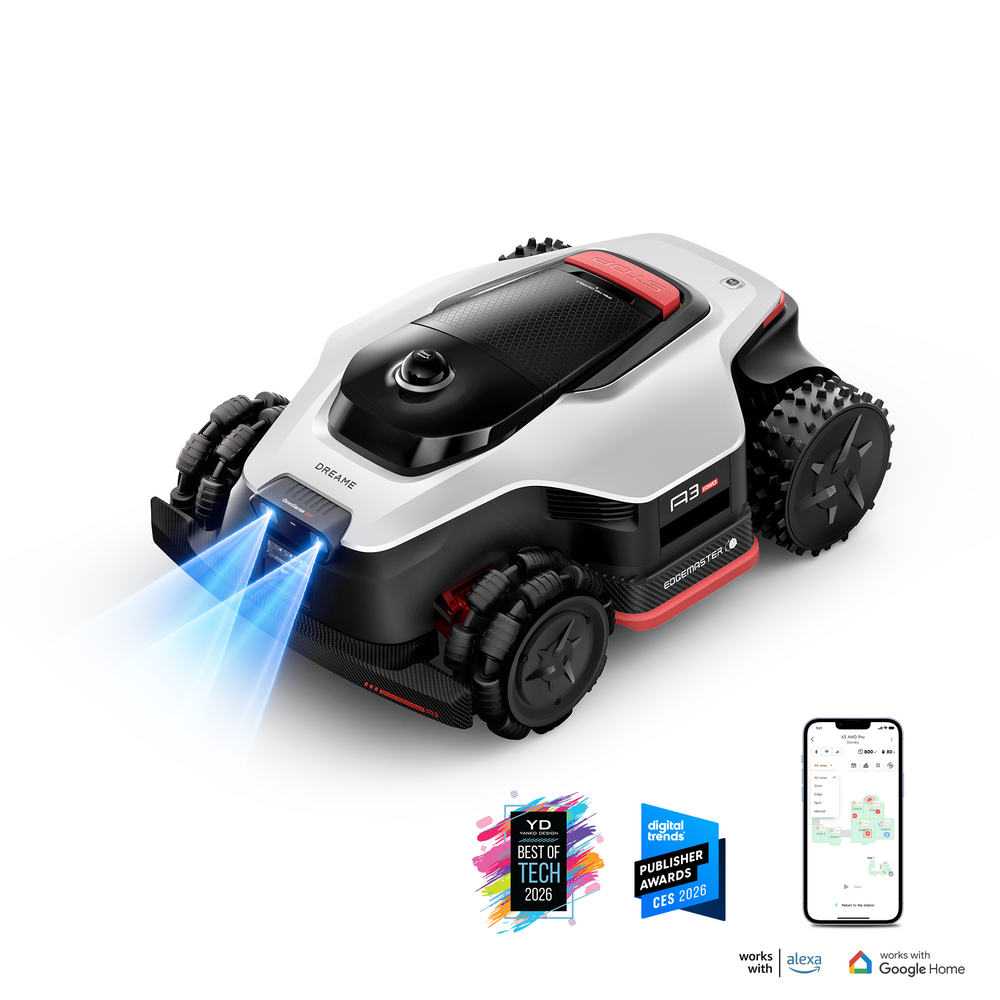 vs
Model comparison · 4 min read
Navimow X430 vs Dreame A3 AWD Pro 5000: Which Suits Your Lawn?
Dreame has the higher stated lawn allowance; X430 has the wider listed cut and lower minimum height. The positioning arrangements differ too. We'd choose by the measured grass, normal cutting height and supported setup before comparing the climbing headlines.
Read the guidevsModel comparison · 3 min read
Navimow X430 vs X450: Which Size Should You Buy?
X430 recommends one acre; X450 recommends 1.5. The bigger recommendation doesn't come with a wider cut or a larger battery in the current US manual. We'd measure the grass and check the mowing schedule first, then decide whether the extra capacity and included Connect+ period are useful.
Read the guideBuying guide · 6 min read
One robot mower or two? Plan the routes and workload before buying
Two smaller mowers can solve a physical separation problem, but they also mean two installations and two care routines. Start with the grass in each area, the connection between them and the hours each machine can work.
Read the guideSeasonal mower care · 4 min read
How to restart a robot mower after winter
Before restoring last year’s schedule, check the machine, the charging station and the lawn it is returning to. A shifted dock or a newly planted bed needs attention even when the mower starts normally.
Read the guide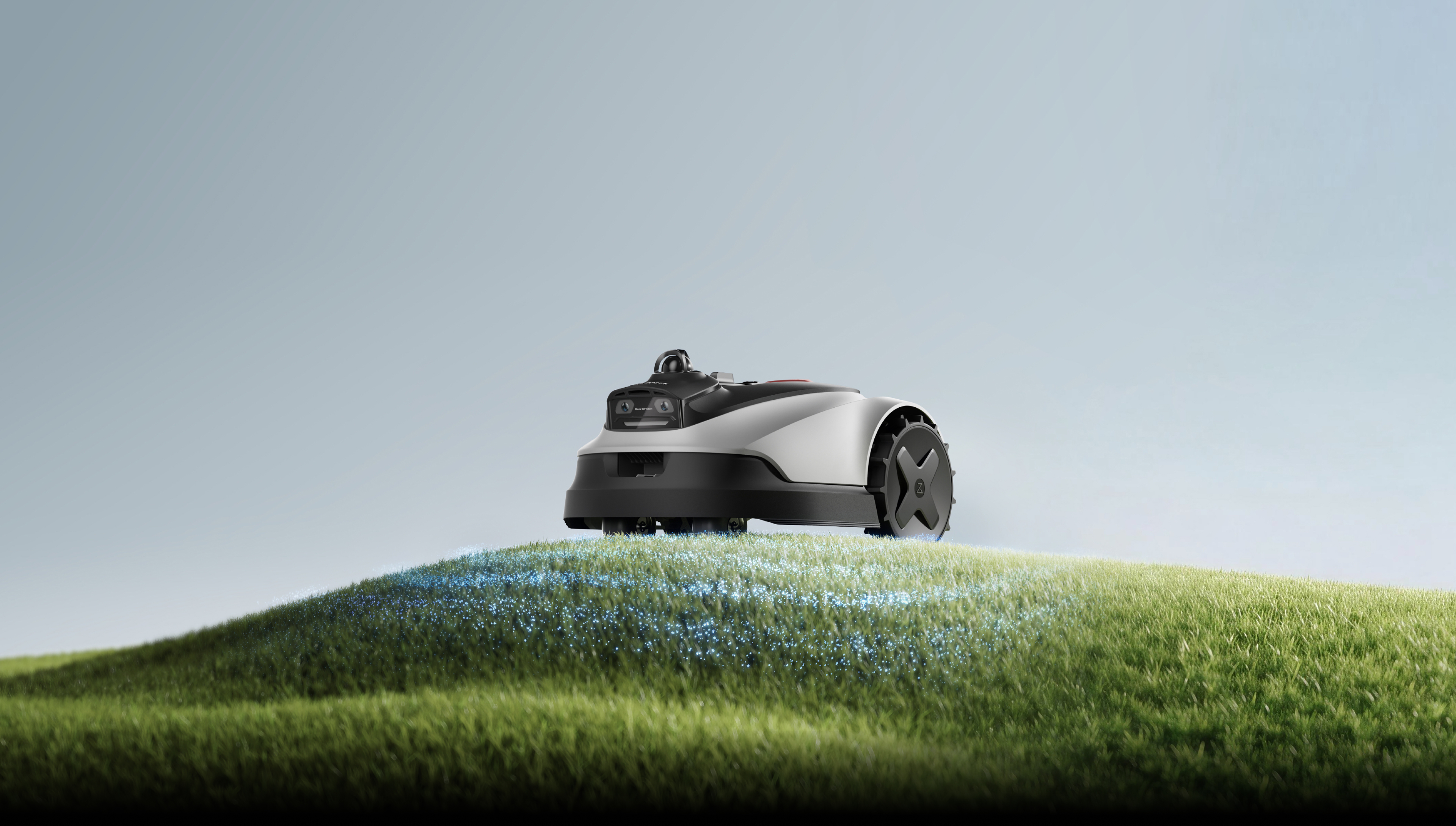 vs
Model comparison · 4 min read
Roborock RockNeo Q2 LiDAR vs Navimow i206 AWD
Roborock publishes a 60 cm passage claim for the Q2 LiDAR. Navimow gives the i206 AWD a specific US lawn rating. Measure the tightest part of the route and confirm the whole lawn fits before you order.
Read the guideLawn care · 5 min read
Robot mower after dethatching: Remove the loose material before restarting
The material lifted by a dethatcher is a different cleanup job from ordinary fine clippings. Keep the automatic mower paused while you remove that debris, assess the lawn and check the exact machine’s mowing requirements.
Read the guideLawn care · 5 min read
Robot mower after lawn aeration: Check the cores and ground before restarting
Core aeration leaves soil plugs on the surface and may be followed by seeding or other lawn work. Keep the turf-care plan and the exact mower’s operating requirements together before restoring the automatic schedule.
Read the guideSeasonal care · 5 min read
Robot mower after overseeding: Care for the old grass and protect the seedlings
Established grass can still need mowing while new seedlings develop. Plan that care around the seedbed, watering and the robot’s complete route, rather than restart its usual schedule after a fixed number of days.
Read the guidePractical guide · 6 min read
Robot mower and sprinklers: Plan separate schedules and a dry route
A rain sensor does not coordinate the irrigation controller. Check the exact mower instructions, leave the required space around sprinkler heads and account for watering changes before starting the next mowing session.
Read the guideLawn care · 5 min read
Robot mower around exposed tree roots: Protect the roots and plan the route
A wheel clearing a raised root does not establish that the cutting system can pass without damage. Keep exposed roots out of an unapproved mowing route, then check the tree-care plan, exact exclusion settings and the mower’s return to charge.
Read the guideOwnership guide · 4 min read
Robot mower battery replacement: what to check first
A shorter session does not automatically mean the battery is worn out. Confirm the charging and mowing conditions first, then identify the exact replacement pack and the service procedure for your mower.
Read the guideMower troubleshooting · 5 min read
Robot mower blades not spinning: Check the task before the cutting system
A mower travelling between areas, a protective stop and an obstructed cutting system are different situations. Record the task and any warning from a safe distance, then follow the exact shutdown instructions before inspection.
Read the guideLawn care · 5 min read
Brown grass tips after robot mowing: Check the leaf before blaming the lawn
A lawn that looks pale after mowing may have torn leaf tips, but brown patches can have other causes. Look closely at the grass, check the cutting conditions and follow the exact mower’s maintenance instructions before changing the lawn-care plan.
Read the guideLawn care · 5 min read
Can a robot mower handle fallen apples and pine cones?
Clear fallen fruit, cones, sticks and other hard debris before mowing. Camera or LiDAR obstacle avoidance helps with navigation, but it does not turn the cutting system into a fruit crusher or remove the owner’s lawn-clearance checks.
Read the guideMower troubleshooting · 4 min read
What to do when a robot mower firmware update fails
Check the mower’s status before you restart it. If the update has failed, look at power, the signal at the charging station and the next scheduled run. The supported recovery steps depend on the model.
Read the guideMower access troubleshooting · 4 min read
What to do if you forget your robot mower’s PIN
First check whether the problem is the mower’s PIN, the app login or buttons that are not responding. Use the recovery route for the exact machine and account before trying resets that may affect other settings.
Read the guideTroubleshooting guide · 4 min read
Why Does My Robot Mower Keep Getting Stuck?
Start by recording the spot and the message. Wheels spinning in soft ground, debris caught near a wheel and a mower paused with a positioning alert need different answers. We'd follow the exact shutdown and handling instructions, then check the ground, visible obstructions and supported route before changing settings.
Read the guideLawn care · 5 min read
Robot mower leaving clumps: Check moisture, grass length and the deck
Tiny clippings left among the grass are expected. Heavy wet mats are a different problem. Check when the clumps appear, how much grass is being removed and what the exact mower allows before adding more runs.
Read the guideTroubleshooting guide · 3 min read
Why Does My Robot Mower Keep Losing Its GPS Signal?
Note the exact warning and where it appears before moving equipment or remapping. A mower beside the charger can have a different positioning problem from one under trees. Start with the system your model actually uses: a local antenna and Network RTK need different checks.
Read the guideLawn care · 5 min read
Robot mower near ponds and pools: Check the boundary and the route
A grass edge beside water needs more attention than an ordinary border. Use the exact mower’s entry restrictions, have the installation assessed and check every connector before allowing automatic mowing near a pond or pool.
Read the guideTroubleshooting guide · 4 min read
Why Isn’t My Robot Mower Charging?
First work out whether it reaches the base, docks badly or sits there without charging. Those are different problems. We'd save the message, check the exact indicators and follow the model's power-off instructions before inspecting the base and visible connections.
Read the guideTroubleshooting guide · 4 min read
Why Won’t My Robot Mower Connect to Wi-Fi?
Start by noting what failed: adding the mower, getting an online status, or sending a command from indoors. Then follow the instructions for the exact model and generation. A Wi-Fi problem, a Bluetooth pairing problem and a positioning warning can need different fixes.
Read the guideOwnership guide · 4 min read
Why your robot mower is not following its schedule
A mower sitting on the charger at the planned start time may be waiting on weather, following a different task or using the wrong clock. Read its status before changing the schedule.
Read the guideTroubleshooting guide · 4 min read
Why Won’t My Robot Mower Start?
A blank display, a locked control panel and a mower waiting for its schedule need different checks. We'd record the status first, then work through power, normal start controls, locks and the permitted operating conditions before assuming a motor has failed.
Read the guideLawn care · 5 min read
Robot mower on frosty grass: Check the lawn before the timer starts
A warmer forecast does not prove the grass or shaded charger approach has thawed. Keep the mower paused while frost, frozen ground and the exact machine’s temperature requirements are assessed separately.
Read the guideLawn care · 5 min read
Robot mower on new sod: When is the lawn ready?
Fresh sod can look like a finished lawn while its roots are still establishing. Check rooting, ground firmness, grass height and the complete mower route before restoring repeated automatic mowing.
Read the guideTroubleshooting · 5 min read
Robot mower scalping your lawn? Check the cut, ground and wheel marks
A pale lawn after a large height change needs a different response from a gouge on the same hump every day. Stop the damage, record where it happens and work through the height, ground and blade checks in that order.
Read the guideMower troubleshooting · 5 min read
Robot mower sensor warning: Clean the right surface, then check what returns
A dirty lens, an unsuitable route and a persistent sensor fault need different responses. Save the exact warning before changing anything, then follow the care instructions for the model and generation you actually own.
Read the guideMower troubleshooting · 4 min read
What to check when a robot mower’s battery run gets shorter
Start by comparing similar mowing runs. Grass growth, the route and the selected mode can change how long the mower works and how much ground it covers before returning to charge.
Read the guideLawn care · 5 min read
Robot mower making an unusual noise or vibrating? Stop and check what changed
A new rattle, scraping sound or vibration needs a closer look before the next scheduled mow. Use the exact shutdown instructions, check the permitted owner-accessible parts and keep damage separate from ordinary blade care.
Read the guideProperty buying guide · 8 min read
The Best Robot Mowers for Hilly Yards
A steep back lawn makes drive and slope limits worth checking, but the biggest climbing number won't choose the mower for you. We'd match the ground, cutting height and grass area first, then make sure the robot can turn and travel where you need it.
Read the guide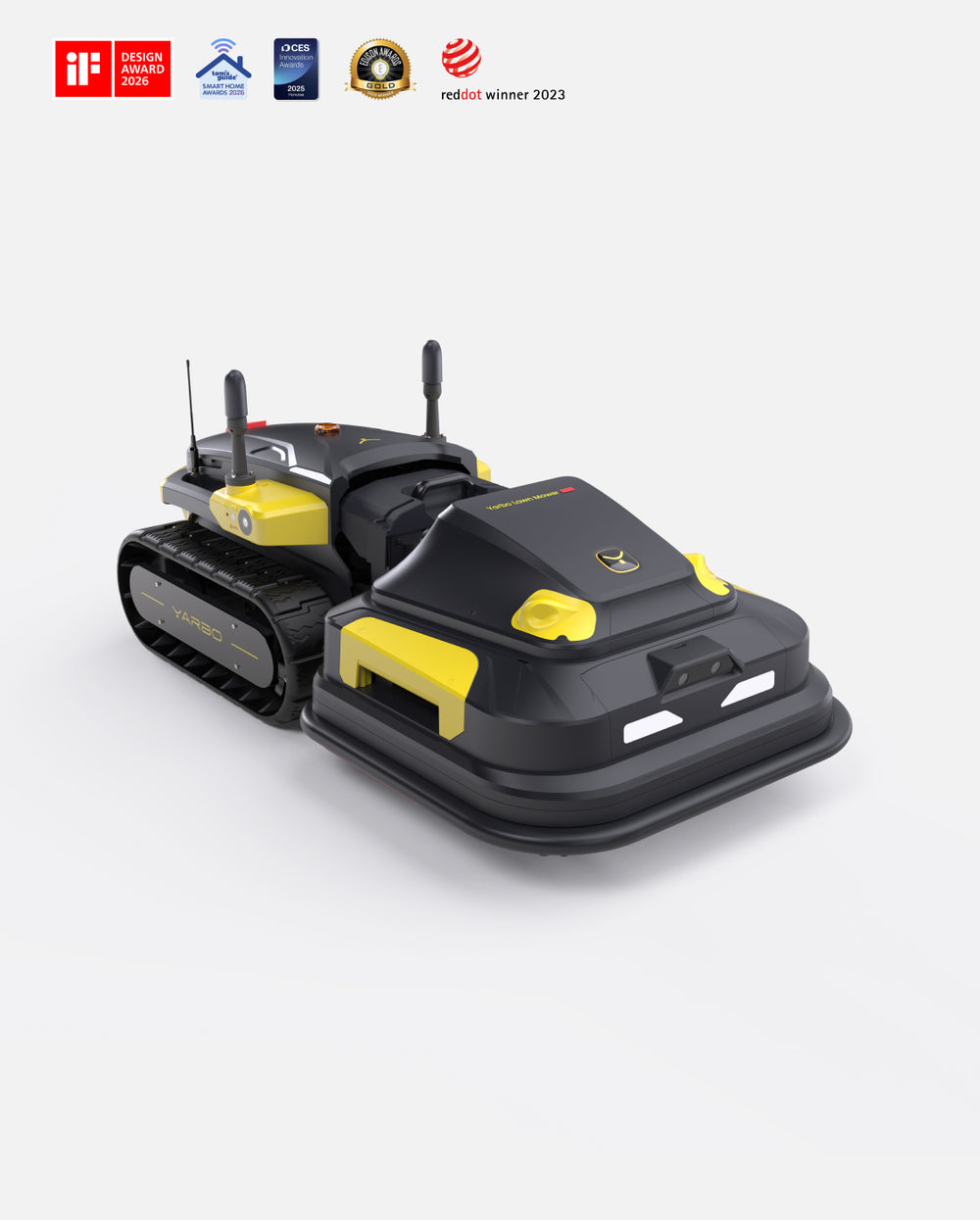
Buying guide · 10 min read
The Best Robot Mowers for Large Yards
For a large lawn, compare the actual grass area, cutting height and mowing schedule together. Dreame, Mammotion and Navimow have rated-area options; Lymow and Yarbo also need their daily-throughput and maintenance claims read with the right qualifiers.
Read the guideBuying guide · 6 min read
The Best Robot Mowers for One-Acre Lawns
For a full acre of grass, we'd compare mowers with some room above the lawn's size before settling on a one-acre maximum. Cutting height, awkward routes and the hours available for mowing can matter just as much as the biggest number on the box.
Read the guide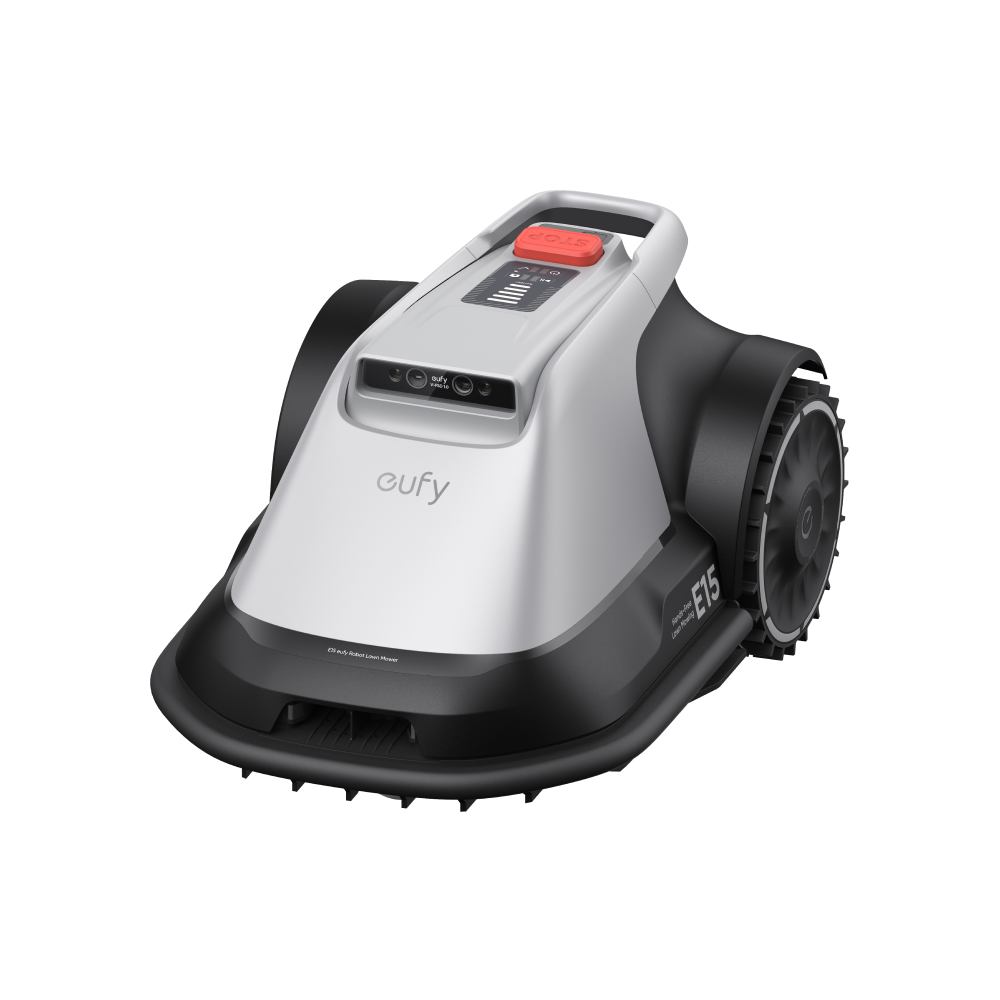
Best for small yards · 10 min read
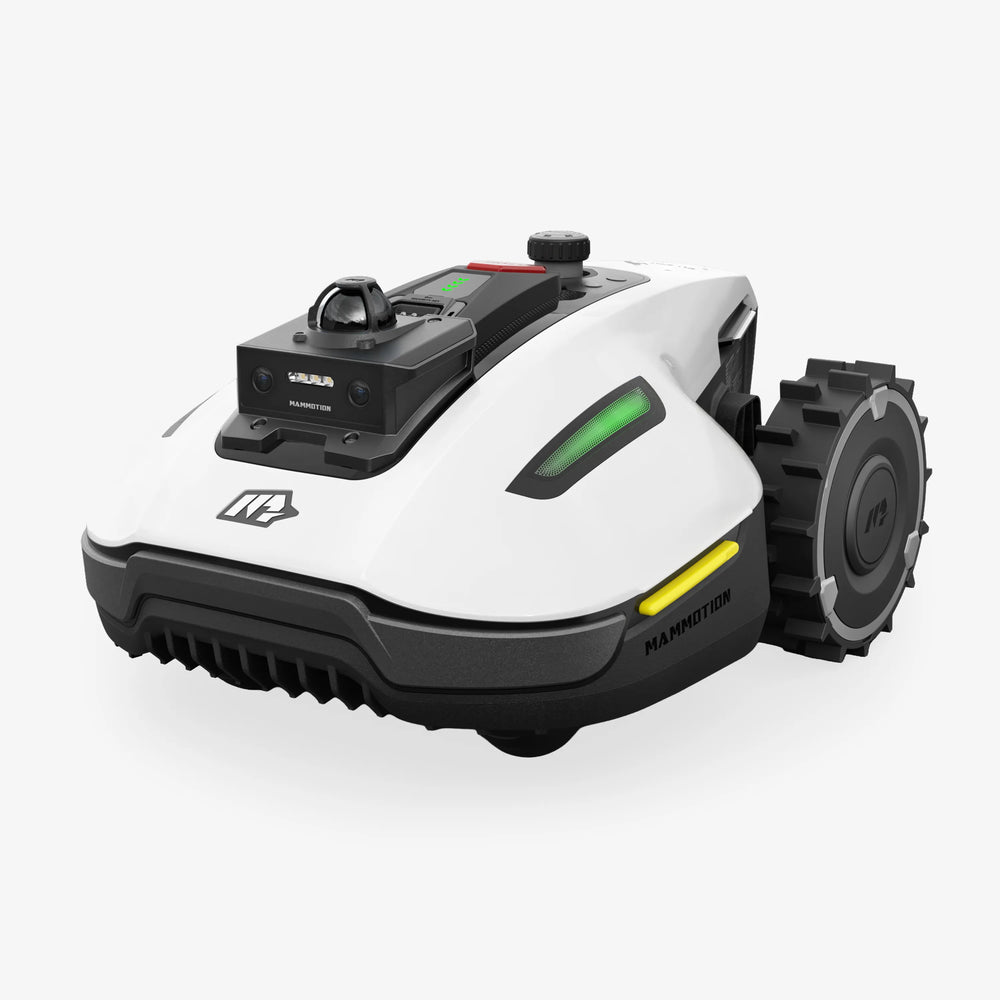
The Best Robot Mowers for a Small Yard
A small lawn can still have a steep patch, an awkward gate or grass you want kept taller. We'd compare the exact area, cutting range and installation before choosing among these Mammotion, Dreame, eufy, Navimow and ANTHBOT options.
Read the guide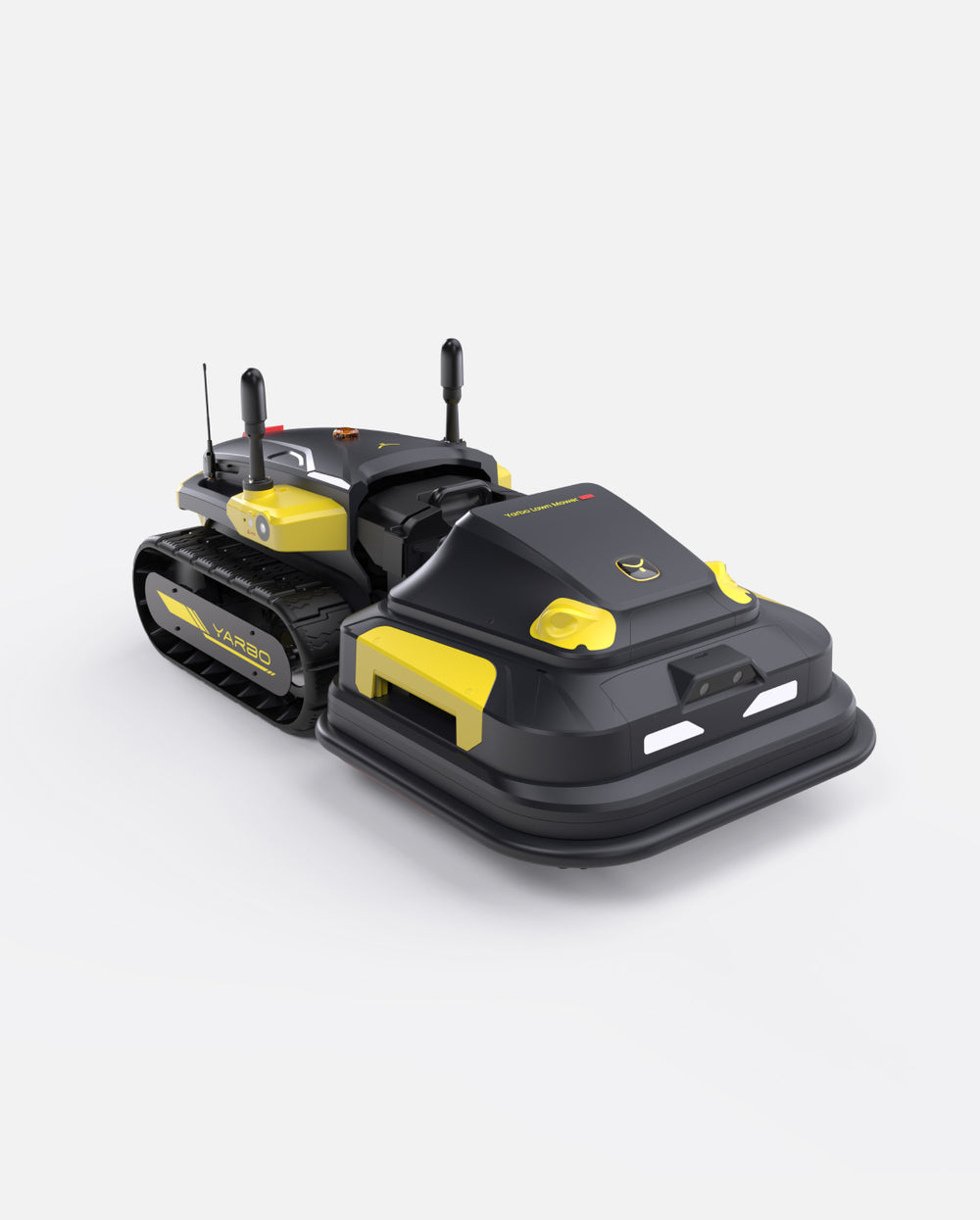
Buying guide · 5 min read
The Best Robot Mowers for Two-Acre Lawns
Two acres of grass is a substantial daily job, even when a robot does the cutting. We'd compare Navimow X390 with the complete Yarbo systems, keeping lawn-size recommendations separate from daily throughput and twice-weekly maintenance claims.
Read the guideBuying guide · 5 min read
The Best Robot Mowers for Yards With Trees
Trees change more than satellite reception. Roots, fallen branches, shade and the route back to charging all matter. We'd compare the mower's positioning setup with the cut your grass needs, then have the most sheltered and awkward parts of the garden assessed before buying.
Read the guide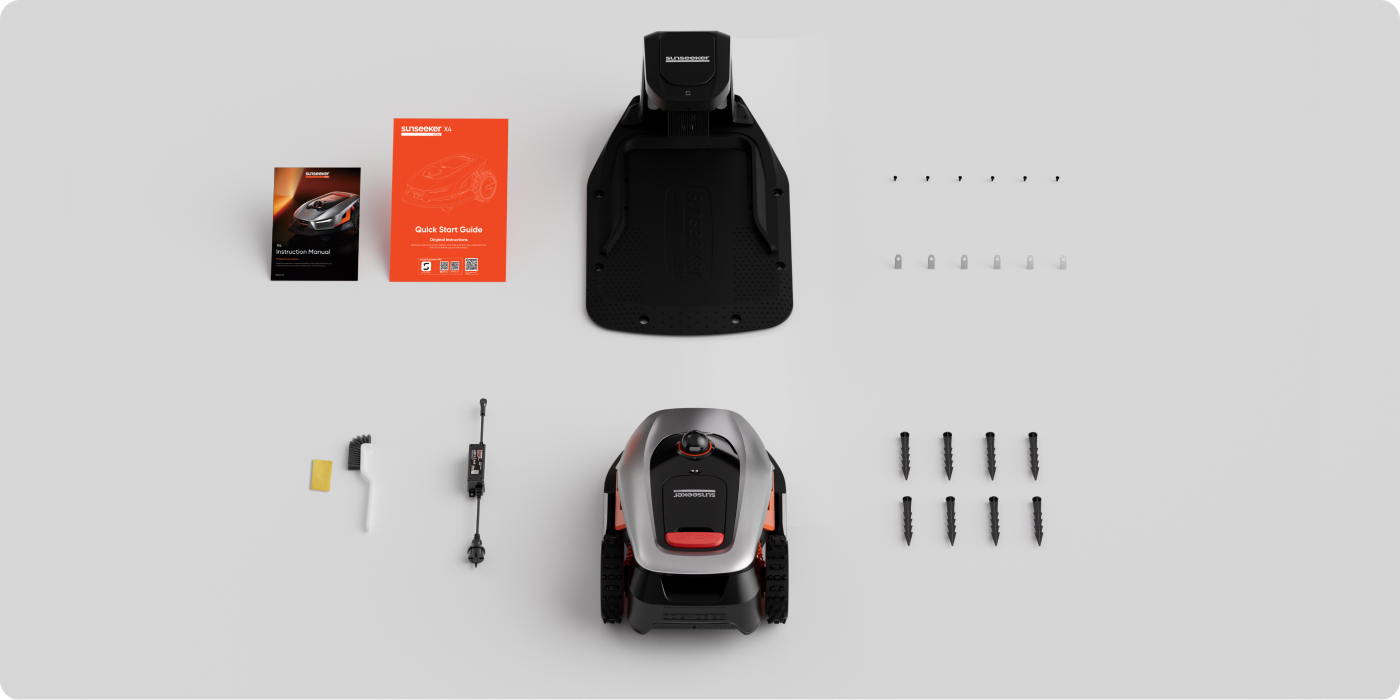 vs
Model comparison · 4 min read
Sunseeker X4 vs Navimow i206 AWD
X4’s published range suits a lower cut, while the US i206 AWD starts at two inches. Your normal grass height may settle this comparison before the drive system or positioning features do.
Read the guide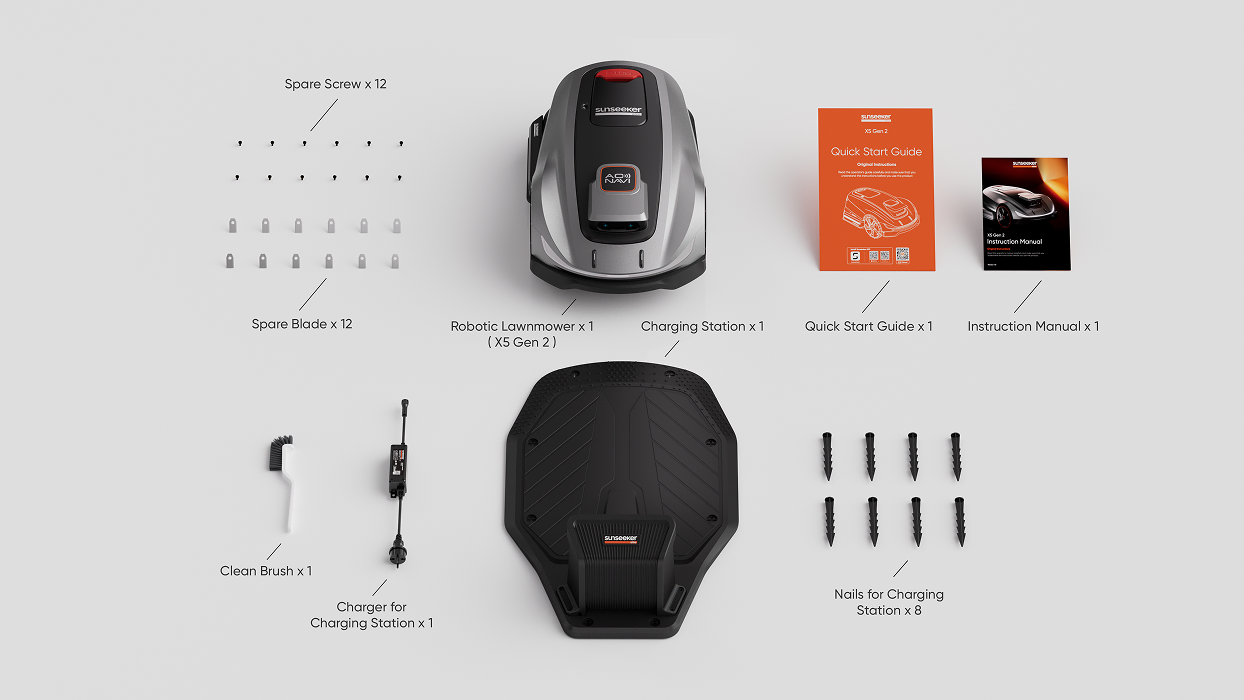 vs
Model comparison · 4 min read
Sunseeker X5 Gen 2 vs Navimow H220: Which suits your half-acre lawn?
Both advertise half-acre mowing without a local RTK antenna. Sunseeker’s AWD and Navimow’s LiDAR setup answer different questions, while their service terms need a careful read.
Read the guideMower setup and mapping · 4 min read
When should you remap a robot mower?
A new flower bed or a changed mowing direction may need an edit rather than a fresh map. Identify what changed, check the exact app tools and keep a record of the working installation before deleting anything.
Read the guideMaintenance guide · 6 min read
How Often Should You Replace Robot Mower Blades?
Use the interval for your exact mower, then inspect the blades rather than waiting for the calendar alone. E15 Gen 2 and Navimow X3 use different guidance. We'd keep the right replacement set ready and check the fastening instructions before starting the job.
Read the guideBrand buying guide · 9 min read
The Best Navimow Robot Mowers: Which Model Should You Buy?
Measure the grass before choosing a Navimow family. A small lawn needing an all-wheel-drive option points you toward a different comparison from a large open yard. We'd settle the area, normal cutting height and installation first, then decide which extra features earn their place.
Read the guide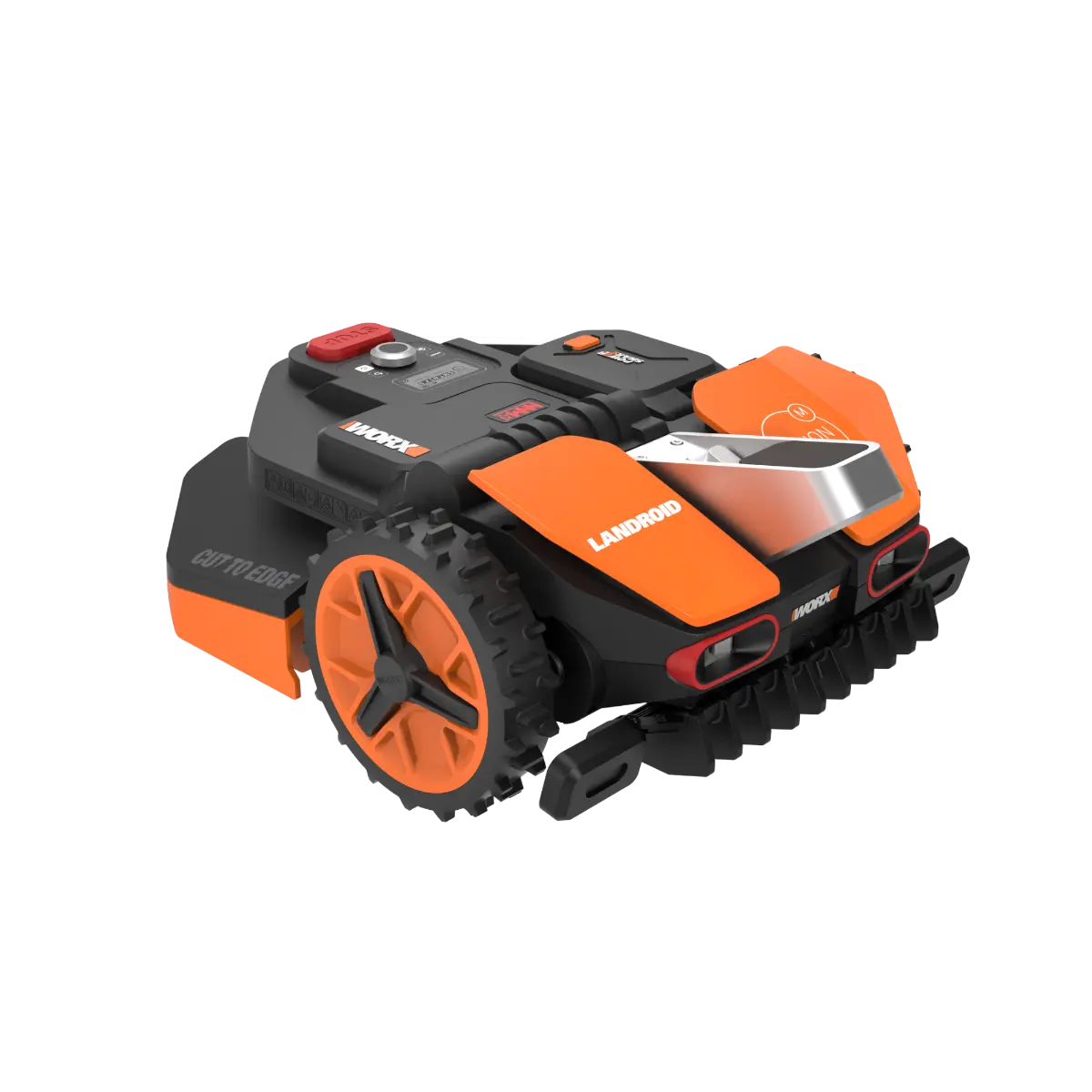 vs
Model comparison · 5 min read
WORX WR208 vs Navimow i105: Compare lawn size and boundary setup
WR208 uses camera-based grass recognition and a one-fifth-acre recommendation. The i105 uses EFLS 2.0 positioning and recommends one-eighth of an acre. Check the actual grass, desired height and connections between lawn sections before choosing the setup.
Read the guide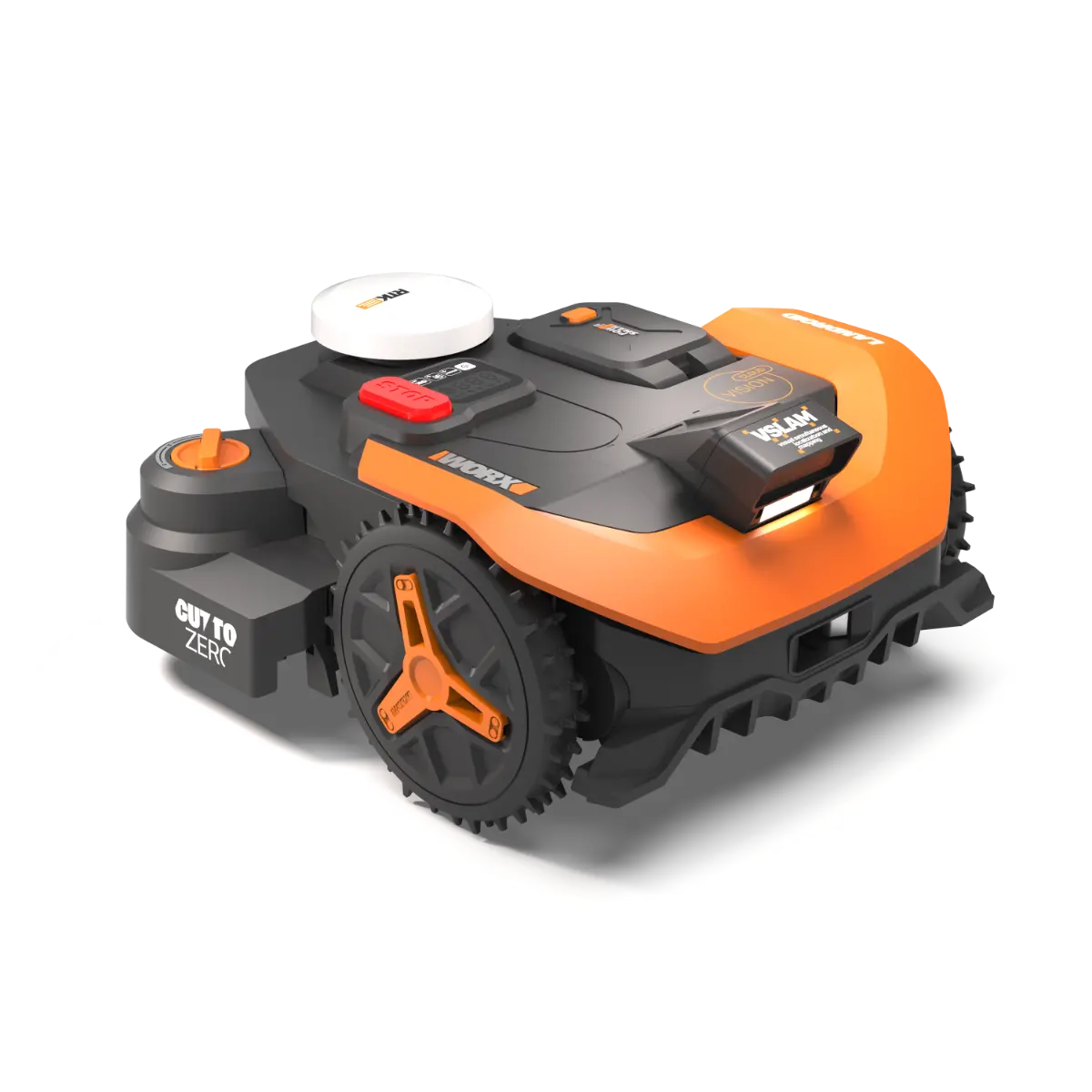 vs
Model comparison · 5 min read
WORX WR340 vs Navimow H220: More lawn or a taller cutting range?
WR340 recommends one acre and reaches below two inches. H220 recommends half an acre and reaches four inches. The useful choice depends on the grass, the working window and whether the positioning setup fits your property.
Read the guide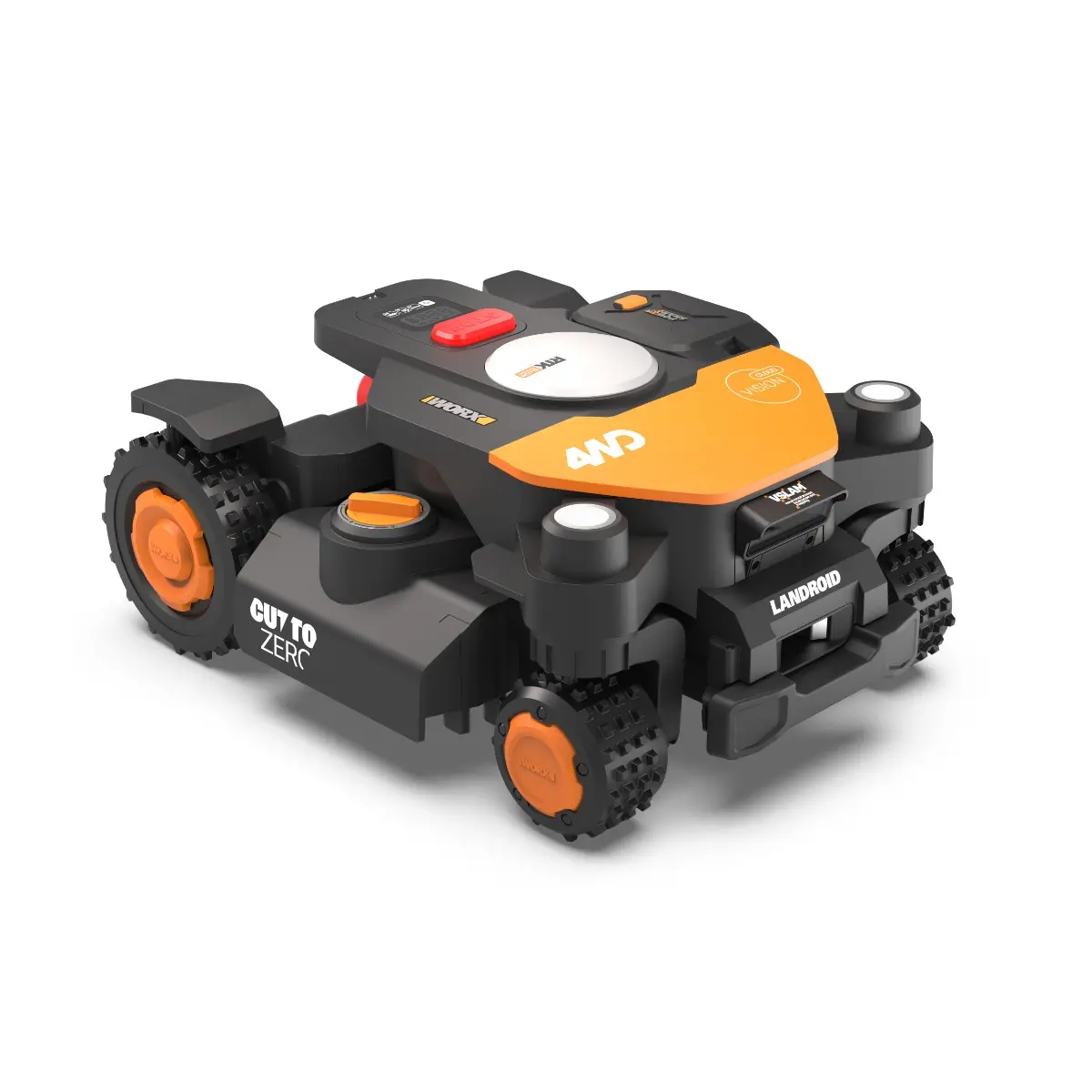 vs
Model comparison · 3 min read
Worx WR342 vs Navimow H220: Which Half-Acre Mower Should You Buy?
Both recommend half an acre, but the cutting ranges and positioning systems differ. WR342 documents four-wheel drive and a lower minimum cut. H220 reaches four inches and combines LiDAR, Network RTK and vision. We'd choose from the grass height and actual ground before comparing the offers.
Read the guide